

When we talk about insuring a house, one of the big things that comes up is the roof. It’s pretty obvious why – a bad roof can lead to a lot of problems, like leaks and water damage. Insurers know this, and they’ve gotten pretty good at figuring out how likely a roof is to cause a problem. This is where roof age predictive loss modeling comes in. It’s all about using data to guess how likely a roof is to fail and how much that might cost. It helps insurance companies make smarter decisions about who to insure and how much to charge.
Key Takeaways
- Understanding how insurance companies calculate potential losses is key. They look at how often claims might happen and how much they’ll cost, using data and smart guessing.
- A lot of what goes into deciding if and how to insure something involves looking closely at the risks. This means gathering info, checking out what makes something risky, and then sorting it all out.
- Using past claims data and other information really helps predict future losses. This data-driven approach helps insurers get better at figuring out risk.
- Things like the condition of a property, where it’s located, and especially how old the roof is, all play a big part in how likely a loss is to happen.
- The way an insurance policy is set up, including things like coverage limits and deductibles, directly affects how losses are handled and paid out.
Foundational Concepts in Predictive Loss Modeling
Predictive loss modeling is all about trying to figure out how much an insurer might have to pay out in claims down the road. It’s not crystal ball stuff, but more like using math and past data to make educated guesses. The whole point is to set prices for insurance policies that are fair to customers but also keep the insurance company financially sound.
Understanding Expected Loss Calculation
At its core, expected loss is a combination of two main things: how often a loss is likely to happen (frequency) and how much that loss will cost when it does happen (severity). Think about it like this: you might have a lot of small fender benders in car insurance (high frequency, lower severity), but then you have the rare, but very expensive, total loss accident (low frequency, high severity). Insurers spend a lot of time analyzing historical data to get a good handle on both these factors for different types of risks. This helps them calculate a baseline cost for potential losses.
The Role of Frequency and Severity in Pricing
When insurers set prices, they’re not just pulling numbers out of thin air. The expected loss, which we just talked about, is a big part of that. But premiums also have to cover the insurer’s operating costs, like paying employees and running the office, plus a bit extra for profit. So, if a certain type of risk has a high expected loss because of frequent, costly claims, the premium for that risk will naturally be higher. It’s a direct link: more expected loss means a higher price tag for the policy. This is why understanding the patterns of claims is so important.
Actuarial Science and Probabilistic Forecasting
This is where the real number crunching happens. Actuarial science is the discipline that uses math, statistics, and financial theory to assess risk. Actuaries are the folks who build the models. They look at historical claims data, consider current trends, and use statistical methods to forecast future losses. It’s all about probabilities – figuring out the likelihood of different scenarios and their potential financial impact. This probabilistic forecasting is what allows insurers to price policies with a degree of confidence, even though the future is inherently uncertain. It’s a bit like weather forecasting, but for financial risk.
Underwriting Principles for Risk Assessment
Understanding Expected Loss Calculation
When we talk about insurance, a big part of it is figuring out how much a loss might cost and how often that kind of loss might happen. This is where expected loss calculation comes in. It’s not about predicting the future with perfect accuracy, but more about making educated guesses based on what we know from the past. Insurers look at historical data to see how often certain events occur (frequency) and how much they tend to cost when they do (severity). For example, a leaky faucet might happen pretty often but usually doesn’t cost much to fix. A major house fire, on the other hand, is rare but incredibly expensive. Balancing these two factors is key to setting fair prices for policies. It’s a bit like trying to guess how much you’ll spend on groceries next month – you have a general idea, but unexpected things can always pop up.
The Role of Frequency and Severity in Pricing
So, how do frequency and severity actually affect the price you pay for insurance? Think of it this way: if something is likely to happen often and cost a decent amount each time, the insurance company needs to collect enough money from everyone to cover those frequent, smaller payouts. On the flip side, if an event is very rare but could be financially devastating, the premiums need to account for that potential for a large, infrequent payout. It’s a delicate balancing act. Insurers use complex models to try and get this right, looking at everything from the type of property to its location. This helps them avoid charging too much for low-risk situations or not enough for high-risk ones. It’s all about making sure the pool of money collected can actually cover the claims that come in.
Actuarial Science and Probabilistic Forecasting
Behind all these calculations is a field called actuarial science. Actuaries are the number crunchers who use math, statistics, and financial theory to figure out these probabilities. They’re essentially forecasting the likelihood and cost of future losses. It’s not magic; it’s a rigorous process of analyzing data, identifying trends, and building models. These models help insurers understand the probability of different events happening. For instance, they might use actuarial tables to estimate the likelihood of a certain type of roof failing within a specific timeframe, considering factors like material, installation, and weather patterns. This probabilistic forecasting is what allows insurance companies to offer coverage and remain financially stable, even when dealing with uncertain events. It’s about understanding risk in a quantifiable way.
Data-Driven Approaches to Loss Prediction
Leveraging Claims Data for Analytics
Insurance companies have always relied on past events to predict future ones, but the way they do it has changed a lot. Instead of just looking at broad trends, insurers are now digging deep into their claims data. This means looking at every single claim filed, not just for the total amount paid out, but for the details: what happened, where, when, and why. This granular data is the bedrock of modern predictive loss modeling. By analyzing this information, companies can spot patterns that weren’t visible before. For example, they might find that certain types of roof damage are more common in specific regions after particular weather events, or that a certain age of roofing material is more prone to failure under certain conditions. This detailed analysis helps refine how risks are understood and priced. It’s all about turning raw claim information into actionable insights that can improve underwriting accuracy and help manage the overall risk pool more effectively. This approach is key to understanding the frequency and severity of potential losses, which are the two main components actuaries use for pricing [4474].
The Impact of Historical Loss Data
Historical loss data is more than just a record of past payouts; it’s a roadmap for the future. When we talk about historical loss data, we’re referring to the detailed records of claims that have occurred over time. This includes information on the type of loss, the cost associated with it, and the circumstances surrounding the event. For property insurance, this means looking at past fire claims, water damage claims, wind damage claims, and so on. The more extensive and accurate this historical data is, the better insurers can model potential future losses. For instance, a long history of claims related to hail damage in a particular area will strongly influence how that area is viewed from a risk perspective. This data helps in identifying trends, understanding the correlation between different risk factors, and even spotting emerging risks that might not have been significant in the past. It’s a continuous feedback loop: past data informs current models, which then predict future outcomes, and those outcomes become part of the historical data for the next cycle. This data-driven approach is fundamental to refining underwriting practices and ensuring that premiums accurately reflect the risks being insured [d225].
Predictive Analytics for Underwriting Refinement
Predictive analytics takes the historical data and claims information and uses sophisticated statistical methods and machine learning algorithms to forecast future outcomes. It’s not just about saying ‘this area has had a lot of claims’; it’s about predicting which specific properties are more likely to experience a loss, when that loss might occur, and how severe it could be. For roof age, this means models can analyze factors like the age of the roof, its material, installation history, maintenance records, and local environmental conditions to estimate the probability of a roof failure. This allows underwriters to move beyond broad classifications and make more precise risk assessments. Instead of applying a standard rate to all homes with roofs over 15 years old, predictive models can identify which of those roofs are actually at a higher risk, perhaps due to poor installation or exposure to harsh weather. This refinement leads to more accurate pricing, better risk selection, and ultimately, a more stable insurance market. It helps insurers manage their exposure more effectively and offer more competitive pricing to lower-risk policyholders.
Here’s a simplified look at how predictive analytics can refine underwriting:
- Data Collection: Gathering detailed information on property characteristics, including roof age, material, maintenance history, and location.
- Model Development: Using statistical models and machine learning to identify patterns and correlations between these characteristics and past loss events.
- Risk Scoring: Assigning a risk score to each property based on the model’s predictions of future loss probability and severity.
- Underwriting Action: Adjusting policy terms, pricing, or coverage based on the assigned risk score, potentially offering discounts for well-maintained, newer roofs or requiring higher deductibles for older ones.
The continuous improvement of predictive models relies heavily on the quality and completeness of the data fed into them. Inaccurate or incomplete data can lead to flawed predictions, impacting everything from pricing to risk selection. Therefore, maintaining data integrity is paramount in this data-driven approach.
Key Factors Influencing Property Loss
When we talk about property insurance, a lot goes into figuring out how likely a loss is and how much it might cost. It’s not just about the building itself; many things can affect the chances of something going wrong. Understanding these factors helps insurers price policies fairly and helps homeowners know what to look out for.
Assessing Property Condition and Exposure
The physical state of a property is a big deal. Things like how old the building materials are, if there’s any visible damage, or even how well the property is maintained can point to future problems. For instance, a roof that’s seen better days might be more prone to leaks during a storm. Similarly, poor drainage around the foundation can lead to water damage over time. Insurers often look at details like these to get a picture of the risk. Sometimes, they might even use aerial photos to get a better look at the overall condition, checking things like the roof’s wear and tear or how close trees are to the structure. Analyzing property imagery can reveal a lot about potential issues before they become major claims.
Geographic Hazards and External Risk Indicators
Where a property is located plays a huge role. Is it in an area prone to floods, earthquakes, or wildfires? These natural events are outside of anyone’s control but can cause widespread damage. Beyond natural disasters, other external factors can matter too. Think about the local crime rates or even the proximity to certain industrial sites. These indicators help paint a broader picture of the risks associated with a particular location. Insurers use this information to adjust their pricing and coverage options, making sure they’re prepared for the specific challenges of that area. Seasonal trends in claims can also be influenced by geographic factors and external events, requiring careful analysis over time. Seasonal modeling of claims trends helps anticipate these patterns.
The Significance of Roof Age in Loss Modeling
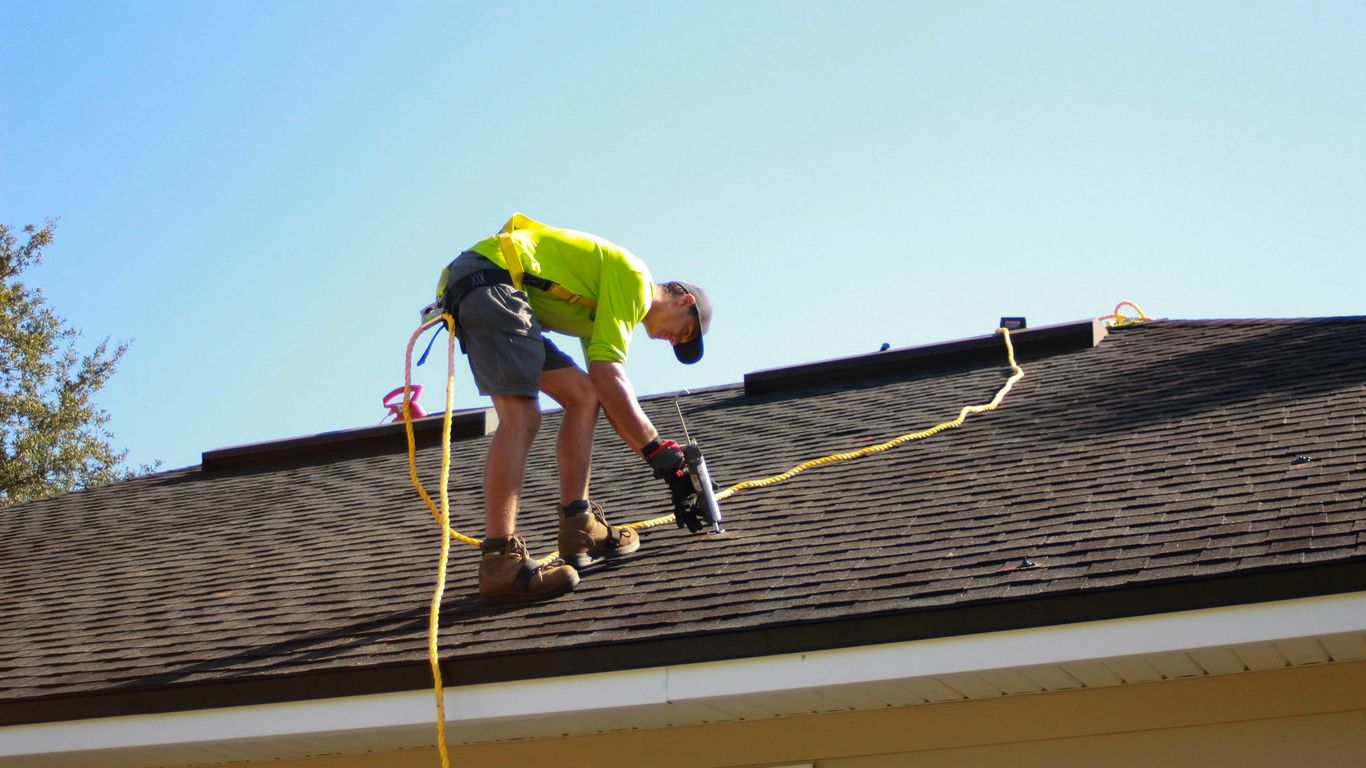
Let’s talk about roofs specifically. A roof is a property’s first line of defense against the elements. As roofs age, their ability to protect the building diminishes. Shingles can become brittle, seals can degrade, and the overall structure can weaken. This makes older roofs much more susceptible to damage from wind, hail, or even just heavy rain. A common issue is leaks, which can lead to significant water damage inside the home, affecting ceilings, walls, and personal belongings. Beyond leaks, an aging roof might not withstand strong winds as well, leading to blow-offs. For insurers, roof age is a pretty straightforward indicator of increased risk. It’s one of those factors that can be easily checked and has a direct impact on the likelihood and potential cost of a claim.
Here’s a quick look at how roof age might influence potential claims:
- New Roof (0-10 years): Generally lower risk of roof-related claims. Materials are in good condition.
- Mid-Life Roof (10-20 years): Risk increases slightly. Minor wear may appear, but still offers good protection.
- Aging Roof (20+ years): Significantly higher risk. Increased susceptibility to leaks, wind damage, and material failure.
The condition and age of a roof are direct indicators of its ability to protect a property. As roofs age, their protective capabilities naturally decline, making them more vulnerable to weather-related damage and increasing the likelihood of costly claims. This is why insurers pay close attention to roof age when assessing property risk.
Policy Structure and Its Impact on Loss

The way an insurance policy is put together really matters when it comes to how losses are handled and paid out. It’s not just a piece of paper; it’s a contract that lays out all the rules. Think about the different parts: the coverage limits, what you have to pay out of pocket (deductibles), and what’s specifically left out (exclusions). These aren’t random details; they’re designed to shape risk and manage costs for both you and the insurance company.
Coverage Limits and Deductible Structures
Coverage limits are basically the maximum amount an insurer will pay for a covered loss. If you have a $300,000 home and a $250,000 coverage limit, and a total loss occurs, the insurer isn’t going to pay more than $250,000. This is a pretty straightforward concept, but it’s a big deal for making sure you have enough protection. On the flip side, deductibles are what you, the policyholder, agree to pay before the insurance kicks in. A higher deductible usually means a lower premium, but it also means you’re taking on more of the initial financial burden if something happens. It’s a trade-off, and it can influence how often claims are filed for smaller issues. The interplay between limits and deductibles is a core mechanism for risk sharing between the insured and the insurer.
Here’s a quick look at how they work:
- Coverage Limit: The ceiling on the insurer’s payout.
- Deductible: The amount you pay first.
- Impact: Higher limits offer more protection but cost more; higher deductibles lower premiums but increase your out-of-pocket cost.
Policy Exclusions and Conditions
Exclusions are just as important as what’s covered. They’re the specific events or circumstances that the policy won’t pay for. For example, many standard homeowners policies exclude damage from floods or earthquakes. If you live in an area prone to these, you’d need separate coverage. These exclusions help insurers manage risks they can’t accurately price or that are too widespread. Conditions, on the other hand, are the rules you and the insurer must follow for the policy to be valid and for claims to be paid. This can include things like paying your premiums on time, reporting a loss promptly, and cooperating with the insurer’s investigation. Failing to meet these conditions can jeopardize your coverage, even if the loss itself would otherwise be covered. It’s all about making sure the contract is followed properly.
- Exclusions: What’s not covered (e.g., flood, earthquake).
- Conditions: Rules both parties must follow (e.g., timely notice, premium payment).
- Purpose: Exclusions limit insurer exposure; conditions ensure policy integrity.
Understanding policy exclusions is just as vital as knowing what’s included. It prevents surprises when a claim occurs and helps you identify gaps in your coverage that might need additional policies, like specific endorsements or separate policies for perils such as flood damage.
Valuation Methods for Property Claims
When a property is damaged, how the insurer figures out the payout amount is determined by the valuation method specified in the policy. The most common ones are Actual Cash Value (ACV) and Replacement Cost Value (RCV). ACV pays you what the item was worth just before it was damaged, taking depreciation into account. RCV pays to replace the damaged item with a new one of similar kind and quality, without deducting for depreciation. This difference can be substantial, especially for older items or structures. Some policies might also use an ‘agreed value’ or ‘stated value’ where the value is set when the policy is purchased. Choosing the right valuation method is key to making sure you can actually repair or replace what you’ve lost. It’s a big part of how policy structure directly impacts the financial outcome of a claim. For instance, if your roof is 15 years old and damaged, RCV would pay for a new roof, while ACV would pay for a 15-year-old roof’s value.
Mitigating Risk Through Policy Design
When we talk about insurance, it’s not just about paying out when something goes wrong. A big part of it is how the policy itself is put together. Think of it like building a house – the foundation and structure matter a lot. Policy design is all about setting up rules and limits that help manage risk for both the insurance company and the person buying the policy. It’s about finding that balance so that coverage is fair and affordable, but also so that people are encouraged to take care of their property.
Deductibles and Self-Insured Retentions
Deductibles and self-insured retentions (SIRs) are two ways policyholders share in the cost of a loss. A deductible is the amount you pay out-of-pocket before the insurance kicks in for a claim. An SIR is similar, but it’s often used for larger commercial policies and means the policyholder is responsible for a certain amount of loss before any insurance coverage applies. Both of these work to reduce the number of small claims that get filed. It also means the policyholder has a financial stake in preventing losses, which is a good thing. For example, a homeowner might have a $1,000 deductible on their policy. If they have a $5,000 roof repair claim, they pay the first $1,000, and the insurer covers the remaining $4,000. This setup helps keep premiums lower for everyone because it cuts down on administrative costs associated with processing very small claims. It also encourages policyholders to be more careful, knowing they’ll have to pay a portion of any loss.
Loss Control and Risk Mitigation Strategies
Insurers often work with policyholders to identify ways to reduce the chances of a loss happening in the first place. This can involve recommending specific safety measures or improvements. For property insurance, this might mean suggesting better storm shutters, updated electrical systems, or regular maintenance checks. For a roof, it could be about ensuring proper drainage or reinforcing it against high winds. These aren’t just random suggestions; they’re based on data about what causes losses. By implementing these strategies, policyholders can lower their risk profile, which can sometimes lead to better policy terms or even discounts. It’s a partnership approach to risk management. For instance, a business might get a discount on its commercial property insurance for installing a sprinkler system or for having regular fire safety inspections. These proactive steps benefit everyone involved.
Incentivizing Preventative Measures
Beyond just suggesting loss control, policies can be designed to actively reward policyholders for taking preventative steps. This could be through premium discounts for installing security systems, maintaining a good claims history, or even participating in specific risk management programs. For example, a policy might offer a lower premium if a homeowner has their roof inspected annually and makes any recommended repairs. This creates a direct financial incentive for the policyholder to invest in the upkeep and safety of their property. It shifts the focus from just reacting to losses to actively preventing them. This approach is particularly relevant when considering factors like roof age, where regular maintenance can significantly extend its lifespan and reduce the likelihood of costly failures. This proactive stance in policy design is key to long-term risk reduction.
Policy design is more than just setting coverage limits and deductibles. It’s about creating a framework that encourages responsible behavior and proactive risk management. By aligning the policyholder’s financial interests with the insurer’s goal of minimizing losses, we can build more stable and sustainable insurance programs. This includes offering tangible benefits for implementing preventative measures, thereby fostering a culture of safety and care.
Advanced Modeling Techniques
When we talk about predicting losses, especially for something like roof age, we can’t just stick to the basics. We need to bring out the heavy artillery – the advanced modeling techniques. These methods help us get a much clearer picture of potential future losses, going beyond simple historical averages. It’s about using sophisticated tools to forecast what might happen and how bad it could be.
Catastrophic Modeling for Extreme Events
Catastrophic modeling is all about those big, infrequent events that can cause massive damage. Think hurricanes, major floods, or even widespread hail storms. These models simulate thousands of potential scenarios to understand how losses might pile up across many properties at once. This is super important for insurers because a single catastrophic event can wipe out a lot of reserves if not planned for. It helps us figure out our total exposure in a given area and how much reinsurance we might need. Climate change is making these events more common and intense, so these models are getting a serious workout these days. They help us identify high-risk zones and price coverage accordingly, moving beyond just looking at what happened last year. Understanding catastrophe risk is key here.
Credibility Theory in Blended Data Analysis
Sometimes, we have a lot of data, but it’s a mix of different types. Maybe we have general industry loss data, but we also have specific data for a particular type of building or a unique geographic area. Credibility theory is a neat way to blend these different data sources. It helps us decide how much weight to give to the general data versus the specific data. For instance, if we have a new type of roofing material, we might not have much direct loss history for it. Credibility theory lets us use existing data from similar materials while still giving some credit to the new material’s unique characteristics. This approach helps us make more informed pricing decisions when data is limited or mixed.
Integrating External Risk Indicators
We can’t just look at a property’s age or its claims history. There are tons of other factors out there that can signal risk. This is where integrating external risk indicators comes in. We’re talking about things like:
- Weather patterns: Historical and projected climate data for an area.
- Building codes and enforcement: Areas with stricter codes might have better-built structures.
- Socioeconomic factors: Sometimes, certain demographic or economic indicators can correlate with loss trends.
- Geographic hazards: Proximity to flood zones, fault lines, or wildfire-prone areas.
By pulling in this kind of information, we get a much richer profile of the risk. It’s like adding more pieces to the puzzle. This allows for a more granular approach to risk assessment and pricing, moving beyond just the obvious factors. Machine learning is a big part of how insurers are doing this now, analyzing diverse data to get highly specific risk profiles. Machine learning in insurance pricing is transforming how we look at risk.
Advanced modeling techniques are not just about crunching numbers; they’re about building a more accurate and forward-looking view of risk. By combining specialized models for extreme events, methods for blending diverse data, and the incorporation of external factors, insurers can refine their predictions and offer more appropriate coverage and pricing. This continuous evolution in modeling is vital for staying ahead in a changing risk landscape.
The Role of Data Accuracy and Disclosure
When you’re looking for insurance, especially for something like your roof, the information you give the insurance company really matters. It’s not just about filling out a form; it’s about being honest and complete. This honesty is the bedrock of the insurance contract. If you don’t provide accurate details, or if you leave out something important, it can cause big problems down the road, especially when you need to make a claim.
Material Misrepresentation and Disclosure Requirements
Think of it like this: the insurance company needs to know what they’re insuring. They need to understand the actual condition of your roof, how old it is, what materials were used, and if there have been any past issues. This is all part of the disclosure process. If you say your roof is brand new when it’s actually 15 years old, that’s a material misrepresentation. It’s something significant that would have influenced their decision to offer you coverage or how much they would charge. Insurers rely on this information to set fair prices and manage their own risks. Failing to disclose known defects or providing false information can lead to a denial of your claim or even the cancellation of your policy. It’s a legal requirement, and it’s tied to the principle of utmost good faith.
Accuracy in Disclosure for Coverage Validity
Keeping your information up-to-date is just as important as being truthful from the start. If you get a new roof, or if there’s a significant repair, you should let your insurer know. This ensures that your policy accurately reflects the current state of your property. When a claim happens, the insurer will look at the information they have on file. If there’s a mismatch between what you reported and the reality of the situation, it can complicate the claims process. For example, if a storm damages a roof that you failed to disclose was already in poor condition, the insurer might argue that the damage was pre-existing or that the age of the roof significantly contributed to the loss in a way that wasn’t accounted for. This is why maintaining accurate records and communicating changes is so important for keeping your coverage valid.
Utmost Good Faith in Insurance Contracts
Insurance is built on a principle called utmost good faith (uberrimae fidei). This means both you, the policyholder, and the insurance company have a duty to be completely honest and fair with each other. You have to tell them everything that’s relevant to the risk they’re taking on, and they have to be transparent about the terms of the policy. It’s a two-way street. This principle is why misrepresentation or withholding information can have serious consequences. It’s not just about avoiding a claim denial; it’s about upholding the integrity of the insurance system itself. When everyone acts in good faith, the system works better for everyone involved, helping to keep premiums stable and coverage accessible.
Here’s a quick look at what’s expected:
- Full Disclosure: Provide all requested information truthfully.
- Accuracy: Ensure the details you provide are correct.
- Timely Updates: Inform the insurer of significant changes to the property.
- Honesty: Avoid any form of misrepresentation or concealment.
Understanding these requirements helps you maintain a strong relationship with your insurer and ensures that your policy provides the protection you expect when you need it most. It’s all about building trust through accurate information, which is key for predictive modeling to work effectively.
Market Dynamics and Predictive Modeling
Insurance markets are constantly shifting, and how we predict losses has to keep up. It’s not just about looking at old claims anymore; we have to consider the bigger picture. Think about how quickly things change – new technologies pop up, weather patterns get wilder, and people’s habits evolve. All of this affects how likely losses are and how much they might cost.
Insurance Market Cycles and Pricing Behavior
Markets go through cycles, often called "hard" and "soft" markets. In a hard market, there’s less capacity (meaning insurers have less money to take on risk), so prices go up, and it’s tougher to get coverage. This is often after a period of big losses. Conversely, a soft market means there’s plenty of capacity, competition is fierce, and prices tend to be lower. Predictive modeling helps insurers try to anticipate these shifts, though it’s not an exact science. Understanding these cycles is key for both insurers setting rates and for businesses looking to buy insurance.
Distribution Models and Consumer Access
How people actually get insurance is changing too. We’re seeing more direct-to-consumer models online, and insurance is getting embedded into other purchases, like buying a car or booking a trip. This means insurers need to think about how their predictive models work across different ways people buy insurance. It’s not just about the math; it’s about making sure the right coverage gets to the right people at the right time. For example, usage-based insurance models rely heavily on real-time data to adjust premiums, which requires sophisticated predictive analytics.
Capacity and Availability in Specialty Markets
Sometimes, standard insurance markets just don’t have the capacity or the appetite for certain risks, especially unique or very large ones. That’s where specialty or surplus lines markets come in. These markets often use more tailored predictive models because they’re dealing with less common scenarios. They might look at things like emerging risks for newer technologies or specific geographic exposures that traditional insurers avoid. The availability of capacity in these markets can fluctuate significantly based on overall market conditions and the perceived risk of the underlying exposures.
Regulatory Considerations in Loss Modeling
Insurance Regulation and Oversight
Insurance is a heavily regulated industry, and this oversight extends directly to how insurers model potential losses. State insurance departments are the primary regulators, focusing on a few key areas. They want to make sure insurers stay financially sound, meaning they have enough money to pay claims. This is often managed through risk-based capital requirements, which essentially set a minimum amount of capital an insurer needs based on the risks it’s taking on. Beyond solvency, regulators also look at market conduct. This means they’re watching to see if insurers are treating policyholders fairly, not engaging in discriminatory practices, and if their advertising is truthful. When it comes to loss modeling, regulators want to ensure that the methods used are sound and don’t unfairly disadvantage certain groups of people. They’re not usually dictating the exact formulas you must use, but they do require that your pricing and underwriting factors are actuarially justified and legally permissible. If an insurer’s models lead to rates that are considered excessive, inadequate, or unfairly discriminatory, regulators can step in. This can lead to rate disapprovals, fines, or other sanctions. It’s a balancing act: insurers need to price risk accurately to stay in business, but they also have to do so within a framework designed to protect consumers and maintain market stability.
Rate Approval and Market Conduct Compliance
When insurers develop new pricing models or significantly change existing ones, especially those that impact rates charged to consumers, they often need regulatory approval. This process varies by state, but generally, insurers must file their proposed rates and the supporting data, including the loss modeling methodologies, with the relevant state insurance department. The regulators will review these filings to confirm that the rates are not excessive, inadequate, or unfairly discriminatory. This means they’ll scrutinize the assumptions used in the models, the historical data relied upon, and the projected future losses. For example, if a model predicts a significant increase in losses due to roof age, the regulators will want to see the evidence supporting that prediction and how it translates into a rate change. Beyond rate filings, ongoing market conduct examinations are common. These are audits where regulators review an insurer’s business practices, including underwriting, claims handling, and marketing, to ensure compliance with all applicable laws and regulations. A key part of this is ensuring that the predictive models used in underwriting and pricing are applied consistently and fairly, without introducing illegal biases. Compliance isn’t just about avoiding penalties; it’s about maintaining public trust and ensuring the long-term health of the insurance market.
Risk-Based Capital Requirements
Risk-based capital (RBC) requirements are a cornerstone of modern insurance regulation, designed to ensure that insurers hold enough capital to absorb unexpected losses. Instead of a one-size-fits-all capital requirement, RBC rules tie the amount of capital an insurer must hold directly to the specific risks it underwrites. This means that an insurer writing more volatile or higher-risk business, perhaps those with significant exposure to properties with older roofs or in areas prone to severe weather, will need to hold more capital than an insurer with a more stable, lower-risk portfolio. The calculations for RBC typically involve assessing various risk categories, including underwriting risk (the risk of losses from insurance policies), credit risk (the risk of counterparties defaulting), market risk (the risk of losses from changes in market values), and operational risk (the risk of losses from inadequate internal processes). For property insurance, the underwriting risk component would heavily consider the accuracy and predictive power of models like those forecasting losses based on roof age. If a model suggests a higher likelihood of claims due to aging roofs, this translates into a higher underwriting risk charge, thus requiring the insurer to hold more capital against that exposure. This regulatory framework incentivizes insurers to develop robust and accurate loss models, as better modeling can lead to a more efficient capital structure and a stronger financial position. It also provides a safety net for policyholders, as it increases the likelihood that an insurer will be able to pay claims even during adverse periods. You can find more details on how satellite monitoring can inform risk assessment, which is a component regulators consider when evaluating an insurer’s capital needs.
Wrapping Up: What This Means for Roof Age and Insurance
So, we’ve talked a lot about how old roofs can be a big deal for insurance. It’s not just about the roof itself, but how its age plays into the whole picture of risk and cost. By looking at how old a roof is, insurers can get a better idea of what might happen down the line. This helps them figure out prices and coverage more fairly. It’s all about trying to make sure that when something does go wrong, the insurance is there, and the costs are managed for everyone involved. It’s a complex puzzle, but understanding these pieces, like roof age, makes the whole system work better.
Frequently Asked Questions
What is predictive loss modeling?
Predictive loss modeling is like using a crystal ball for insurance! It’s a way for insurance companies to guess how much money they might have to pay out in claims in the future. They use past information, like how often claims happened and how much they cost, along with smart computer programs, to make educated guesses.
Why is the age of a roof important for insurance?
Think of a roof like a person’s age – older things tend to have more problems. An older roof is more likely to leak or get damaged in a storm, which means a higher chance of a costly insurance claim. So, insurance companies look at roof age to figure out the risk.
How do insurance companies figure out how much to charge for insurance?
They look at two main things: how likely a loss is to happen (frequency) and how much it might cost if it does (severity). They also consider other factors like where you live, what your house is made of, and yes, how old your roof is, to set a fair price.
What’s the difference between risk and hazard?
A risk is the chance of something bad happening that could cost money. A hazard is something that makes that risk more likely or worse. For example, having an old roof is a hazard that increases the risk of water damage.
What does ‘underwriting’ mean in insurance?
Underwriting is the process where an insurance company decides if they want to provide coverage to someone. They carefully check out the risk, gather all the important information, and decide if the person or property fits their rules and how much to charge.
What is a deductible?
A deductible is the amount of money you agree to pay out-of-pocket before your insurance kicks in to cover the rest of a claim. It’s like a small share of the loss that you handle yourself, which can help lower your insurance premium.
Why is accurate information important when buying insurance?
It’s super important! If you don’t tell the insurance company the whole truth or provide wrong information about your property, like the age of your roof, they might not pay your claim later. It’s all about being honest and fair, which is called ‘utmost good faith’.
How does data help insurance companies predict losses?
Insurance companies collect tons of data, especially from past claims. By studying this data, they can spot patterns, see what kinds of properties have more problems, and use that information to build better prediction models. This helps them be smarter about pricing and offering coverage.