

So, let’s talk about geospatial catastrophe underwriting. It sounds fancy, but at its heart, it’s about using location data to figure out the real risks involved when things go wrong, like with big natural disasters. Think of it as mapping out potential problems before they happen. This whole process helps insurance companies decide how to price policies and manage their own risks better. It’s a pretty big deal for understanding and dealing with those “what if” scenarios.
Key Takeaways
- Geospatial catastrophe underwriting uses location data to assess risks from major events, helping insurers understand potential losses better.
- Understanding the core principles like utmost good faith and disclosure is vital for accurate risk assessment in this field.
- Advanced techniques, including climate change impacts and new tech like telematics, are changing how we underwrite risks.
- Data integration is key, combining hazard maps, historical losses, and expert judgment to make smart decisions.
- Pricing and policy structures are carefully designed to balance fairness for customers with the insurer’s need for profitability and stability.
Foundational Principles Of Geospatial Catastrophe Underwriting
When we talk about underwriting for big, scary events like hurricanes or earthquakes, it’s not just about crunching numbers. There are some basic ideas that have to be in place for the whole system to even work. Think of these as the bedrock upon which everything else is built. Without them, the whole structure of insurance could crumble.
Understanding The Role Of Utmost Good Faith
This one sounds fancy, but it’s pretty straightforward. It means everyone involved – the person buying insurance and the company selling it – has to be completely honest with each other. No hiding things, no fibbing. For example, if you know your house is in a flood zone and you don’t mention it when you’re getting homeowner’s insurance, that’s a problem. The insurer needs all the facts to figure out the real risk. This principle of utmost good faith is what makes insurance contracts trustworthy. It’s a two-way street; the insurer has to be upfront about policy terms and limitations too.
Disclosure Obligations And Material Misrepresentation
Building on that idea of honesty, there are specific rules about what information needs to be shared. These are your disclosure obligations. If a piece of information is important enough that it would change the insurer’s decision about whether to offer coverage, or how much to charge, it’s considered material. Failing to disclose something material, or outright lying about it (that’s material misrepresentation), can have serious consequences. It could mean your claim gets denied later on, or worse, the whole policy could be canceled. It’s why underwriters spend so much time digging into details – they need to make sure they have the full picture.
Here’s a quick look at what’s expected:
- Applicant’s Duty: Provide accurate information about the risk being insured.
- Insurer’s Duty: Clearly explain policy terms, conditions, and exclusions.
- Consequences of Breach: Policy voidance, claim denial, or legal action.
The Insurable Interest Requirement In Risk Assessment
This principle is all about making sure you actually stand to lose something if the insured event happens. You can’t take out insurance on your neighbor’s house just because you don’t like them. You need an insurable interest, meaning you have a financial stake in the property or person being insured. For property, this usually means you own it or have a financial tie to it. If a fire destroys your house, you suffer a financial loss. If it destroys your neighbor’s house, you don’t, so you wouldn’t have an insurable interest. This rule stops insurance from becoming a form of gambling. It keeps the focus on genuine risk protection, which is what insurance is all about. This is a key part of risk assessment for any underwriter.
Core Components Of Geospatial Catastrophe Underwriting
When we talk about underwriting for big, scary events like natural disasters, it’s not just about looking at a map and saying ‘that area gets a lot of hurricanes.’ It’s a lot more involved. We need to figure out what could go wrong, how likely it is, and how bad it could get. This is where the core components of geospatial catastrophe underwriting really come into play.
Risk Identification And Data Gathering
First off, you have to know what you’re dealing with. This means gathering a ton of information. Think about the specific location, the types of structures there, how old they are, what they’re made of, and even the local building codes. For example, a wooden house in a wildfire zone is a very different risk than a concrete building in the same area. We also look at historical data – what kinds of events have happened there before? How often? And how much damage did they cause? It’s all about building a detailed picture. This detailed information is the bedrock upon which all subsequent analysis is built.
- Geographic Hazards: Identifying specific risks like flood plains, seismic zones, hurricane paths, or wildfire-prone areas.
- Property Characteristics: Details on construction materials, age, square footage, occupancy, and any protective measures in place.
- Exposure Data: Information on the value of the property, potential business interruption, or liability exposures associated with the location.
- External Factors: Local economic conditions, infrastructure quality, and even climate change projections that might influence future risk.
Frequency And Severity Analysis Of Potential Losses
Once we have the data, we need to figure out two main things: how often a loss might happen (frequency) and how big that loss could be if it does (severity). These aren’t always straightforward. A region might not see a major earthquake for decades, but when it does hit, the damage can be astronomical. Conversely, minor flooding might happen every few years, but the cost per event is much lower. Understanding this balance is key to setting the right price for insurance. It helps us differentiate between risks that are common but cheap to fix, and those that are rare but incredibly expensive.
Analyzing both frequency and severity helps insurers understand the potential financial impact of different types of catastrophes. This informs decisions about how much coverage to offer and what premiums are appropriate to cover expected losses.
Catastrophic Risk Modeling And Aggregation
This is where things get really sophisticated. We use complex computer models to simulate what could happen during a major event. These models don’t just look at one property; they look at thousands or even millions of properties at once. This helps us understand aggregation – how a single event could cause losses across a huge number of policies. For instance, a hurricane hitting a densely populated coastal area could trigger claims from thousands of homes and businesses simultaneously. These models are vital for understanding our total exposure and making sure we have enough financial backing, like reinsurance, to handle such massive events. It’s about seeing the forest and the trees, so to speak. Understanding transportation liability severity is a similar concept, focusing on the potential financial impact of different risk profiles.
Advanced Techniques In Geospatial Catastrophe Underwriting
Leveraging Predictive Modeling For Risk Selection
Moving beyond basic risk assessment, insurers are increasingly turning to predictive modeling to get a sharper picture of potential losses. This involves using sophisticated algorithms and vast datasets to forecast the likelihood and severity of events. Think of it like weather forecasting, but for insurance risks. These models can analyze everything from historical weather patterns and geological data to building materials and population density. The goal is to identify high-risk areas and exposures before a catastrophe strikes, allowing for more precise risk selection and pricing. This means we can potentially avoid insuring properties in extremely vulnerable zones or charge a premium that truly reflects the danger.
The Impact Of Climate Change On Underwriting Practices
Climate change is a big deal for insurers, and it’s forcing a rethink of how we underwrite. The old ways of looking at historical data aren’t always enough anymore because weather patterns are changing. We’re seeing more frequent and intense storms, floods, and wildfires. This means insurers need to adapt their models to account for these shifts. It’s not just about looking back; it’s about projecting forward. This might involve adjusting coverage terms, increasing premiums in certain areas, or even developing new types of insurance products to cover emerging climate-related risks. It’s a complex challenge, but it’s necessary to keep policies relevant and affordable. The energy sector, for instance, faces unique challenges with extreme weather impacting investments, requiring sophisticated tools like catastrophe modeling.
Integrating Telematics And Embedded Insurance Models
Telematics, often seen in auto insurance where driving behavior is monitored, is just one example of how technology is changing underwriting. We’re also seeing ’embedded insurance’ pop up everywhere. This is where insurance is built right into the purchase of another product or service. Buying a new phone? Insurance might be an option right there at checkout. This makes insurance more accessible and convenient. For insurers, it means collecting new kinds of data that can refine risk assessment. Instead of just looking at where you live, we might look at how you use a product or service. This shift requires new ways of thinking about data privacy and how to explain these new models to customers so they understand what they’re buying.
Data Integration And Analysis For Underwriting
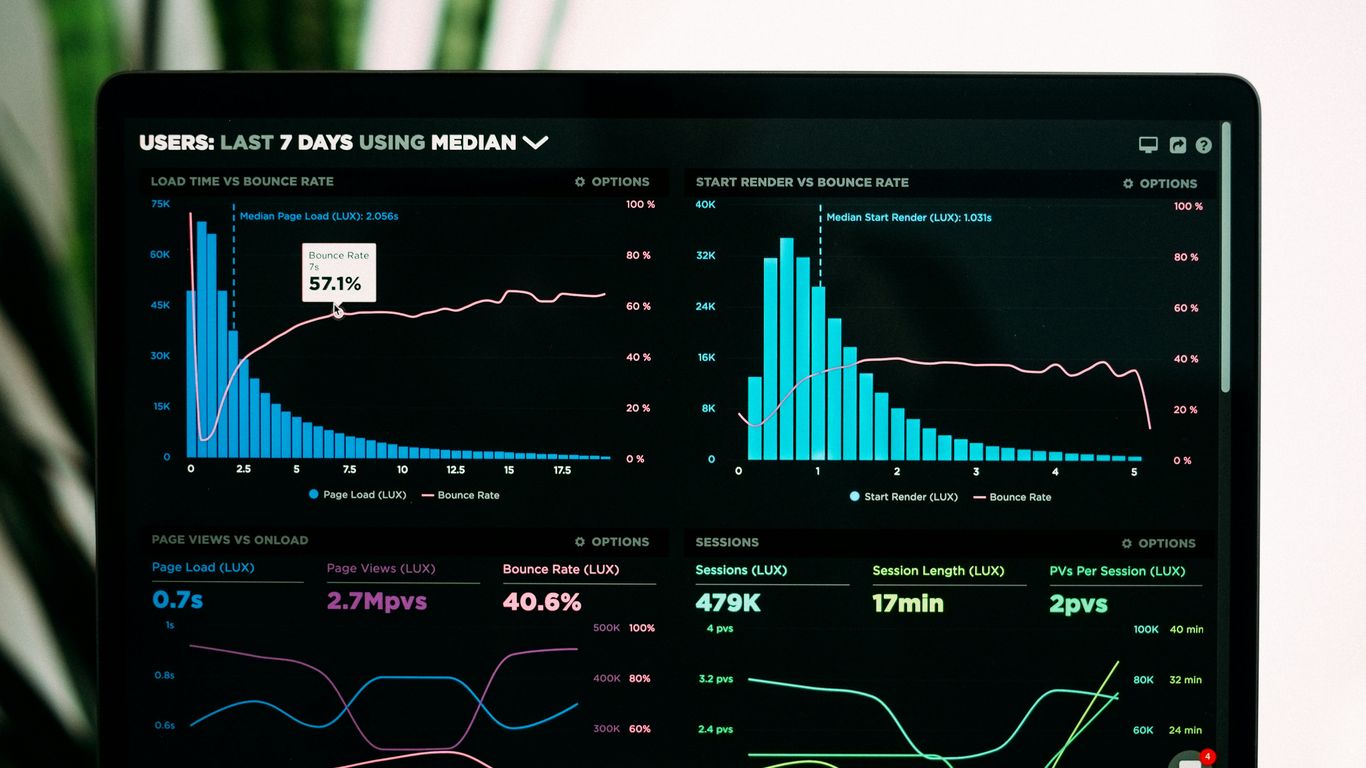
When we talk about underwriting, especially for those big, scary natural disasters, it’s not just about guessing. It’s really about pulling together a ton of different information and making sense of it all. Think of it like putting together a giant puzzle, but the pieces are maps, weather reports, historical claim data, and even things like building codes. You need to get all these pieces to fit together so you can see the whole picture.
Geographic Hazard Data In Risk Assessment
This is where the maps come in. We’re looking at where things are located and what kind of natural dangers are nearby. Is a building in a flood zone? How close is it to a fault line? What about wildfire risk? This geographic information is super important for figuring out how likely a loss might be and how bad it could get. It’s not just about the address; it’s about the environment the insured property sits in. We use detailed maps that show flood plains, seismic zones, and areas prone to high winds. This helps us understand the exposure of a property.
Here’s a quick look at some common geographic hazards:
- Flooding: Riverine, coastal, pluvial (surface water)
- Seismic Activity: Earthquakes, tsunamis
- Wind Events: Hurricanes, tornadoes, straight-line winds
- Wildfires: Proximity to wildland urban interface
- Hail: Frequency and severity of damaging hail storms
Utilizing Historical Loss Data And Trends
Past performance is often a good indicator of future results, right? Well, in insurance, historical loss data is gold. We look at what kinds of claims have happened before, how often they occurred, and how much they cost. This helps us spot trends. Are claims for a certain type of event increasing? Are they getting more expensive? This data helps us refine our risk models and understand how things might play out in the future. It’s not just about individual claims, but about seeing patterns across many policies over many years. This data is key for predictive systems that are changing how insurers assess risk.
| Hazard Type | Average Loss Frequency (per year) | Average Loss Severity ($) | Trend (5-year) |
|---|---|---|---|
| Flood | 0.05 | 50,000 | Increasing |
| Earthquake | 0.01 | 250,000 | Stable |
| Hurricane | 0.02 | 100,000 | Increasing |
| Wildfire | 0.03 | 75,000 | Increasing |
The Role Of Professional Judgment In Underwriting
Even with all the fancy data and models, there’s still a human element. Sometimes, the numbers don’t tell the whole story. An experienced underwriter can look at a situation and see risks or opportunities that a purely data-driven system might miss. Maybe a property has a great loss history, but the underwriter knows the local building codes are outdated and a new development nearby will increase flood risk. Or perhaps a business has a unique risk management plan that isn’t captured in standard data. This professional judgment is about applying experience and common sense to the data, making sure we’re not just following numbers blindly. It’s about making a well-rounded decision.
Underwriting isn’t just about crunching numbers; it’s about understanding the real-world factors that influence risk. Combining detailed geographic data with historical loss information and the seasoned judgment of an underwriter creates a more robust picture of potential exposures. This integrated approach is what allows insurers to make informed decisions about accepting, pricing, and managing risk effectively.
Pricing And Classification In Geospatial Catastrophe Underwriting
Figuring out the right price for insurance, especially when dealing with big, unpredictable events like hurricanes or earthquakes, is a complex puzzle. It’s not just about guessing; it involves a lot of science and careful thought. We need to make sure the price is fair for the customer but also covers the insurer’s costs and potential losses, keeping the whole system stable. This is where actuarial science and smart risk classification come into play.
Actuarial Science In Premium Calculation
Actuaries are the number crunchers of the insurance world. They use math, statistics, and financial theory to figure out how likely certain events are to happen and how much they might cost. For geospatial catastrophe underwriting, this means looking at historical data on storms, floods, wildfires, and other disasters, combined with sophisticated modeling. They analyze things like the frequency of events (how often they happen) and the severity (how bad they are when they do happen). This helps them build base rates for premiums. These aren’t just random numbers; they’re calculated estimates designed to reflect the expected costs of claims, plus the expenses of running the insurance business, and a bit extra for unexpected issues or profit. It’s a constant balancing act to make sure premiums are adequate to cover future claims without being so high that they drive customers away.
Risk Classification For Equitable Pricing
Once we have a handle on the potential costs, we need to sort people and properties into groups. This is risk classification. Think of it like sorting apples: you wouldn’t charge the same price for a perfect, blemish-free apple as you would for one with a few bruises, right? In insurance, we group policyholders who have similar risk characteristics. For example, a house located in a high-flood zone will be classified differently than one on a hill. This classification system is key to making sure pricing is fair. If everyone paid the same price regardless of their risk, those with lower risks would end up subsidizing those with higher risks. This can lead to what’s called adverse selection, where only the highest-risk individuals buy insurance, which can destabilize the entire insurance pool. Accurate classification, informed by geospatial data, helps prevent this and ensures that premiums are more closely aligned with the actual risk being insured. This is a core part of risk assessment.
Balancing Premium Adequacy And Profitability
Ultimately, the goal is to find that sweet spot where premiums are sufficient to cover all expected claims and expenses, while also allowing the insurer to remain profitable and financially sound. This involves a continuous review process. Insurers look at their historical loss data, analyze current trends, and update their models as new information becomes available. For instance, if climate change is leading to more frequent severe weather events, actuarial models need to be adjusted to reflect this new reality. The pricing needs to be dynamic. It’s not a set-it-and-forget-it kind of thing. Insurers also consider market conditions and competition. If prices are too high, customers might look elsewhere, or they might choose to self-insure by taking on higher deductibles. So, there’s a constant push and pull to set prices that are competitive, adequate, and sustainable over the long term. It’s a bit like trying to balance a scale – you need all the weights to be just right.
The process of setting insurance prices is deeply intertwined with how we classify risk. Geospatial data provides a more granular view of exposure, allowing for more precise classification than ever before. This precision is vital for both fairness to the policyholder and the financial health of the insurer. Without accurate classification, the entire system of risk pooling and transfer can become unbalanced, leading to higher costs for everyone or even market instability.
Navigating Regulatory Landscapes In Underwriting
Insurance is a field with a lot of rules, and for good reason. When we talk about geospatial catastrophe underwriting, these regulations become even more important because we’re dealing with big risks and complex data. It’s not just about figuring out the risk; it’s about doing it within the legal and ethical boundaries set by various authorities.
Evolving Regulatory Frameworks For Technology
Technology is changing how we underwrite, and regulators are trying to keep up. Think about all the new data sources and modeling techniques we’re using. Regulators are looking closely at how this technology is applied, especially concerning fairness and transparency. They want to make sure that using advanced tools doesn’t lead to unfair discrimination or create blind spots. The goal is to ensure that innovation serves the purpose of sound risk assessment without compromising consumer protection. This means insurers need to be ready to explain their models and data usage to regulatory bodies. It’s a constant back-and-forth as new tech emerges. For instance, the use of satellite imagery and other geospatial data in risk assessment is becoming more common, and regulators are developing guidelines around its appropriate use [a3be].
Data Privacy And Consumer Protection
When we gather all sorts of data for underwriting, especially location-based information, privacy is a huge concern. Regulations like GDPR and various state-level privacy laws dictate how we can collect, store, and use personal data. For geospatial catastrophe underwriting, this means being extra careful about how we handle location data, which can be quite sensitive. We have to be clear with policyholders about what data we’re collecting and why. It’s not just about avoiding fines; it’s about building trust. Consumers need to know their information is secure and used responsibly. This also ties into how we handle claims data and ensure it’s anonymized appropriately when used for analysis.
International Coordination In Globalized Risks
Catastrophes don’t respect borders, and neither do many insurance operations. This is where international coordination comes into play. Different countries have different regulatory approaches to insurance. When an insurer operates globally, or when a catastrophe impacts multiple countries, understanding and complying with these varied regulations is a major challenge. There’s a growing need for international bodies and agreements to harmonize certain aspects of insurance regulation, especially concerning large-scale risks and data sharing. This helps create a more stable and predictable environment for insurers and policyholders alike. The state-level regulation in the U.S. is a good example of how different jurisdictions handle oversight, and this complexity multiplies on a global scale [8c1b].
Here’s a look at some key regulatory areas:
- Licensing and Authorization: Insurers must be licensed to operate in specific jurisdictions.
- Rate Filings and Approval: Many jurisdictions require insurers to file and get approval for their pricing structures.
- Policy Form Standards: Regulators often set standards for policy language to ensure clarity and fairness.
- Solvency Requirements: Rules are in place to ensure insurers have enough capital to pay claims.
The regulatory environment for insurance is dynamic, constantly adapting to technological advancements, changing risk landscapes, and evolving consumer expectations. Staying compliant requires ongoing vigilance and a proactive approach to understanding and implementing new rules and guidelines.
Mitigating Behavioral Risks In Insurance
Insurance is designed to manage financial uncertainty, but it can sometimes influence how people act. This is where understanding and addressing behavioral risks becomes really important for underwriters. We’re talking about two main types of issues: moral hazard and morale hazard.
Addressing Moral Hazard and Morale Hazard
Moral hazard happens when someone takes on more risk because they know they’re protected by insurance. Think of it like driving a bit faster or less carefully because you have comprehensive car insurance. It’s not necessarily intentional dishonesty, but the financial safety net can subtly change behavior. Morale hazard is a bit different; it’s more about a general carelessness that creeps in because the consequences of a loss are softened by insurance. Maybe you’re less diligent about locking your doors or maintaining your property because you know the insurance policy will cover damages.
These behavioral shifts can lead to more frequent or more severe claims than initially predicted, impacting the overall stability of the insurance pool.
Insurers try to counter these effects in a few ways:
- Deductibles: Requiring policyholders to pay a portion of each loss out-of-pocket makes them share in the financial consequence, encouraging more careful behavior. A higher deductible often means a lower premium, giving policyholders a financial incentive to manage risk.
- Exclusions: Policies often exclude coverage for losses resulting from intentional acts or extreme negligence. This clearly defines the boundaries of protection and discourages deliberate risk-taking.
- Policy Conditions: Specific requirements, like maintaining a certain security system or performing regular maintenance, are built into policies. Failure to meet these conditions can affect coverage, prompting compliance.
- Loss Control Programs: Insurers may offer guidance or incentives for risk mitigation efforts, helping policyholders actively reduce their exposure. This proactive approach benefits both parties.
Preventing Adverse Selection Through Underwriting Controls
Adverse selection is another significant behavioral challenge. It occurs when individuals with a higher-than-average risk are more likely to seek insurance than those with lower risk, and they often do so without disclosing their elevated risk profile. If left unchecked, this can lead to a pool where the average risk is much higher than anticipated, making it difficult to price premiums fairly and maintain profitability. This is a key reason why thorough underwriting controls are so vital.
Underwriters combat adverse selection by:
- Detailed Risk Assessment: Gathering comprehensive information about the applicant and the risk being insured. This includes historical loss data, lifestyle factors, and specific exposure details.
- Risk Classification: Grouping applicants into categories based on shared risk characteristics. This allows for more accurate pricing tailored to the specific risk profile of each group.
- Information Verification: Using data analytics and third-party sources to verify information provided by applicants, helping to identify potential misrepresentations or undisclosed high-risk factors.
- Policy Design: Structuring policies with appropriate limits, deductibles, and exclusions that align with the expected risk profile of the target market.
The Influence Of Deductibles And Exclusions
Deductibles and exclusions are fundamental tools in managing behavioral risks. A deductible acts as a financial ‘skin in the game’ for the policyholder. The higher the deductible, the more the policyholder has to pay out-of-pocket before the insurance kicks in. This direct financial stake encourages more cautious behavior, as the policyholder bears the initial cost of any loss. For example, a homeowner with a $5,000 deductible for wind damage might be more inclined to maintain their roof and trim trees than someone with a $500 deductible.
Exclusions, on the other hand, draw clear lines around what is not covered. They are designed to prevent coverage for risks that are either uninsurable, extremely difficult to price, or directly related to the behavioral issues we’ve discussed. For instance, many policies exclude damage resulting from wear and tear or intentional acts. This prevents individuals from relying on insurance for predictable maintenance issues or for losses they deliberately cause. The careful wording and application of these clauses are critical for maintaining the integrity of the insurance contract and preventing its misuse. They help ensure that insurance remains a tool for managing unexpected losses, rather than a subsidy for risky or careless behavior. This careful balance is a core part of how insurance functions as an engineered risk allocation system.
| Risk Type | Behavioral Influence | Mitigation Strategy |
|---|---|---|
| Moral Hazard | Increased risk-taking due to protection | Deductibles, Coinsurance, Policy Conditions |
| Morale Hazard | Increased carelessness due to softened consequences | Loss Control Programs, Policy Exclusions, Deductibles |
| Adverse Selection | Higher-risk individuals disproportionately seeking coverage | Detailed Underwriting, Risk Classification, Data Analysis |
Policy Structure And Contractual Elements
When we talk about insurance policies, especially in the context of geospatial catastrophe underwriting, it’s not just about the price. The actual structure of the policy and the words used in the contract are super important. They define exactly what’s covered, when it’s covered, and how much the insurance company will pay out. It’s like the blueprint for how risk is handled.
Coverage Triggers And Temporal Structure
Policies need to specify what event actually kicks off the coverage. This is the "trigger." For catastrophes, this could be a wind speed threshold, a certain amount of rainfall, or even a specific seismic event. The timing is also key. Is it an "occurrence-based" policy, meaning it covers events that happened during the policy period, no matter when the claim is filed? Or is it a "claims-made" policy, which only covers claims that are reported while the policy is active? This distinction matters a lot for long-term planning and understanding your protection. For example, a policy might cover damage from a hurricane that occurred last year, but only if it was reported within a specific timeframe after the event. This is especially relevant for complex commercial program structures where timing can get tricky.
Valuation Methods And Loss Measurement
Okay, so a covered event happens. How much does the insurer actually pay? That’s where valuation methods come in. It’s not always straightforward. Common methods include:
- Replacement Cost: The cost to repair or replace the damaged property with new materials of like kind and quality.
- Actual Cash Value (ACV): This is replacement cost minus depreciation. So, if your roof was 10 years old, you wouldn’t get the cost of a brand-new roof.
- Agreed Value: The insurer and policyholder agree on a specific value for the insured item before the policy is issued. This is common for high-value items or unique properties.
Figuring out the exact loss amount can get complicated, especially with widespread damage after a catastrophe. Disputes often pop up here, and the policy language is what guides the calculation.
Policy Language And Structural Clauses
This is where the nitty-gritty details live. The actual words in the policy contract are critical. Think about things like:
- Definitions: What does "flood" or "windstorm" actually mean in the context of this policy? Clear definitions prevent misunderstandings.
- Exclusions: These are the things the policy doesn’t cover. For catastrophe insurance, exclusions might relate to specific types of damage or events that are handled separately (like flood insurance often being separate from standard homeowners policies).
- Conditions: These are the rules the policyholder must follow for the coverage to be valid, like reporting a loss promptly or cooperating with the investigation.
- Limits and Sublimits: Limits are the maximum amounts the insurer will pay. Sublimits might apply to specific types of property or perils within the overall policy.
The precise wording of policy clauses is paramount. Ambiguities are often interpreted in favor of the policyholder, but clear, unambiguous language is always the goal to avoid disputes and ensure that the intended risk transfer actually occurs. Understanding these elements is crucial for managing business risks and knowing how a CGL policy responds to multiple claims.
These elements work together to create the framework for how insurance functions as an engineered risk allocation system. It’s all about defining the boundaries of responsibility and the mechanics of how risk is managed.
The Role Of Claims In The Underwriting Cycle
Claims Process As Risk Realization
When a loss happens, that’s when the insurance contract really gets put to the test. The claims process is basically the point where the risk that was underwritten actually shows up. It’s not just about paying out money; it’s a whole sequence of events that starts with the policyholder reporting what happened. This initial report, or notice of loss, is super important. Delays here can make things complicated later on, potentially affecting how much is paid out or even if the claim is covered at all. Think of it as the first domino falling in a chain reaction that directly feeds back into how underwriters see and price risk in the future.
Coverage Determination and Investigation
After a loss is reported, the insurer has to figure out a few key things. First, is this event actually covered by the policy? This involves looking closely at the policy language, any endorsements, and what actually caused the loss. Was it a covered peril, or something excluded? This is where the investigation really kicks into high gear. Adjusters gather facts, talk to people involved, and collect evidence. They need to determine if the policy conditions were met and if the loss falls within the scope of the coverage. Sometimes, this can get tricky, especially with complex events or ambiguous policy wording. It’s a detailed process that requires careful attention to detail to make sure the right decision is made.
Subrogation and Recovery Rights
Once an insurer pays out a claim, they don’t always just absorb the cost. If a third party was actually responsible for the loss, the insurer might have the right to go after that party to get their money back. This is called subrogation. It’s a way for the insurer to recover some of the payout, which ultimately helps keep premiums more stable for everyone. It’s like saying, "We paid our policyholder, but you were the one who caused the problem, so you should cover it." This process is a vital part of managing the overall cost of claims and can significantly reduce the net loss for the insurer. It’s a key mechanism for ensuring fairness in the allocation of financial responsibility. Recovery rights transfer upon payment.
Strategic Considerations For Insurers
Insurance As Engineered Risk Allocation
Think of insurance not just as a safety net, but as a carefully designed system for how we all share and manage risk. It’s about figuring out who pays for what, when, and how much. This isn’t random; it’s engineered. Policies are built with specific pieces like how much the insured pays first (retention), where the insurer’s responsibility kicks in (attachment point), and how different policies stack up to cover bigger losses (layering). The whole point is to spread out potential problems so no single person or company gets wiped out. It makes things more predictable and affordable.
Loss Control And Risk Mitigation Initiatives
Beyond just paying out when something bad happens, insurers are increasingly focused on preventing losses from occurring in the first place. This involves working with policyholders to identify potential dangers and put measures in place to reduce them. It could be anything from recommending better fire safety systems for a building to advising on cybersecurity practices for a business. These efforts aren’t just good for the policyholder; they help stabilize the insurer’s own costs over time. It’s a partnership in risk management.
- Implementing preventative safety measures.
- Conducting regular risk assessments and audits.
- Providing training on hazard awareness and reduction.
- Encouraging the adoption of new technologies that reduce risk.
Insurance As Economic Infrastructure
Insurance plays a much bigger role in our economy than many people realize. It’s not just about individual policies; it’s a foundational piece of how our financial system works. Without it, businesses would struggle to invest, people would hesitate to buy homes, and professionals would be wary of taking on complex projects. Insurance allows for the transfer of risk, which in turn frees up capital and encourages economic activity. It’s a vital part of the background that lets everything else run more smoothly. It helps manage financial risk effectively by ensuring appropriate coverage without overpaying.
The way insurance is structured, with deductibles and coverage limits, directly influences how people behave around risk. Understanding these behavioral aspects is key to designing policies that are both fair and effective in the long run.
Looking Ahead
So, we’ve talked a lot about how mapping out risks is becoming super important for insurance companies, especially with all the crazy weather lately. It’s not just about knowing where floods or fires might happen, but also understanding how things like new tech or even how people behave can change the game. Insurers need to keep up, using all the data they can get to figure out what’s fair to charge and what risks they can actually handle. It’s a big shift from the old ways, and it’s going to take a lot of smart thinking to get it right. But if they can, it means more people will get the coverage they need, and everyone’s a bit safer when disaster strikes.
Frequently Asked Questions
What is geospatial catastrophe underwriting?
Geospatial catastrophe underwriting is like using a super-detailed map to figure out how likely and how bad damage from big disasters (like hurricanes or earthquakes) might be for insurance companies. It helps them understand risks in specific places so they can charge the right price for insurance.
Why is ‘utmost good faith’ important in insurance?
Utmost good faith means everyone involved in an insurance deal, both the person buying insurance and the company selling it, must be completely honest. If you don’t tell the truth about important things, your insurance might not cover you when you need it.
What happens if I don’t tell the truth on my insurance application?
If you don’t share important information or if you give false information on your insurance application, it’s called misrepresentation or hiding facts. This could mean your insurance claim is denied, or your policy could be canceled altogether.
How do insurance companies figure out how much to charge?
Insurance companies use math and science, called actuarial science, to guess how often claims might happen and how much they might cost. They look at past events, where you live, and other factors to set a fair price, called a premium.
What is ‘moral hazard’ in insurance?
Moral hazard is when having insurance makes someone a little less careful because they know the insurance company will help pay if something goes wrong. It’s like being less worried about scratching your phone because you have a good case for it.
How does climate change affect insurance?
Climate change is making big weather events, like floods and storms, happen more often and be more severe. This makes it harder for insurance companies to predict risks and can lead to higher prices or less coverage in some areas.
What is ‘adverse selection’?
Adverse selection happens when people who know they are at higher risk are more likely to buy insurance than those who aren’t. This can make insurance more expensive for everyone because the pool of insured people has more risky individuals.
What is the role of claims in the underwriting cycle?
When claims happen, it’s like the ‘real world’ testing the insurance company’s predictions. Looking at claims helps insurers understand what went wrong, how much it cost, and how to do a better job of choosing risks and setting prices in the future.