

When you’re building something, you want it to last, right? And a big part of that is making sure it can handle a fire. Figuring out how well different building materials stand up to flames, heat, and smoke is pretty important. This whole process, from how we test them to how we score their fire resistance, is key for safety. We’re going to look into what goes into construction material fire resistance scoring and why it matters for everyone involved.
Key Takeaways
- Understanding how materials perform in a fire involves looking at how easily they ignite, how fast flames spread, how much heat they release, and if they produce a lot of smoke.
- Fire resistance ratings give us a way to compare different materials and systems, helping designers and builders choose what’s best for safety.
- Testing is a big deal. Labs use standard procedures to see how materials act under fire conditions, trying to mimic real-world scenarios as much as possible.
- The actual stuff a material is made of plays a huge role in its fire resistance, and sometimes special treatments can make a big difference.
- All this information about construction material fire resistance scoring needs to fit into building codes and regulations to make sure structures are safe for people.
Understanding Fire Resistance In Construction Materials
Defining Fire Resistance In Construction
When we talk about fire resistance in building materials, we’re really talking about how well a material can hold up when it’s exposed to fire. It’s not about whether it can’t burn, but rather how long it takes to fail and what happens during that time. Think of it like a marathon runner versus a sprinter. A marathon runner is built for endurance, and that’s kind of what we want from our building materials when a fire breaks out. We need them to last long enough for people to get out safely and for firefighters to do their job. This involves looking at a few key things: how quickly a material ignites, how fast flames spread across its surface, how much heat it gives off, and whether it can keep its structural strength under high temperatures. It’s a complex picture, and no single material is perfect for every situation. Different parts of a building have different needs, and understanding these basic concepts is the first step in making smart choices.
Importance of Fire Resistance Scoring
So, why do we bother with scoring fire resistance? Well, it’s all about safety, plain and simple. Imagine a building where the walls just crumble the moment a fire starts, or the smoke fills up every room in seconds. That’s a recipe for disaster. Fire resistance scoring gives us a way to measure and compare how different materials will perform in a fire. This helps architects, builders, and inspectors make informed decisions. It’s not just about following rules; it’s about creating spaces where people can be safe. A good scoring system means we can pick materials that will give us the best chance of:
- Limiting fire spread: Keeping the fire contained to the area where it started.
- Maintaining structural integrity: Preventing collapse so people can escape and firefighters can work.
- Reducing smoke and toxic gas production: Making sure the air stays breathable for as long as possible.
- Providing adequate escape time: Giving occupants enough time to evacuate safely.
This scoring system is a big part of how we build safer communities. It’s a way to translate complex material science into practical safety guidelines. Without it, we’d be guessing, and in a fire situation, guessing can have deadly consequences. It’s a bit like how builders risk insurance helps cover unexpected damage, but fire resistance is about preventing that damage from becoming catastrophic in the first place.
Key Factors Influencing Material Performance
When a fire hits, a material’s performance isn’t just about what it’s made of. A lot of things play a role. For starters, the inherent properties of the material itself are super important. Is it wood, metal, concrete, or some kind of composite? Each has its own strengths and weaknesses when it comes to heat. Then there’s how the material is put together. A solid concrete wall will behave differently than a wall with insulation and drywall. The way materials are joined, the thickness, and even the surface finish can all make a difference. We also have to consider any treatments applied. Fire retardants, for example, are designed to slow down burning. But how effective are they, and do they last? Finally, in a real building, materials don’t exist in isolation. They work together. The way a steel beam is connected to a concrete floor, or how insulation interacts with a wall panel, creates a system. The performance of that whole system under fire conditions is what really matters, not just the individual parts. It’s a bit like a chain reaction – one weak link can affect the whole thing.
Establishing Fire Resistance Classifications
When we talk about how well a building material holds up in a fire, it’s not just a gut feeling. There are actual systems in place to give these materials a score, or a classification. Think of it like a report card for fire safety. These classifications are super important because they help architects, builders, and even homeowners make informed choices about what goes into a structure. Without them, it would be a free-for-all, and frankly, a lot more dangerous.
Overview of Fire Resistance Rating Systems
Fire resistance ratings aren’t just one big, confusing number. Different systems exist, and they all try to measure how long a material or assembly can withstand fire before it starts to fail. The most common way this is done is by assigning a time rating, usually in hours. For example, a wall might be rated for 1-hour, 2-hour, or even 4-hour fire resistance. This rating is determined through standardized tests that simulate fire exposure. The goal is to give a clear, quantifiable measure of performance. It’s a bit like how different car tires get rated for speed or wear; it’s a standardized way to compare.
Interpreting Classification Standards
So, you see a fire resistance rating, say, ‘2-hour’. What does that really mean? It means that under specific test conditions, the material or assembly (like a wall or a floor system) maintained its structural integrity, its ability to act as a barrier to flames, and its ability to limit heat transfer for at least two hours. It’s not just about the material itself, but how it’s put together as part of a larger system. Different standards might look at slightly different failure points, so it’s important to know which standard is being referenced. For instance, some might focus more on preventing smoke spread, while others prioritize keeping the temperature on the unexposed side below a certain threshold. It’s a bit like understanding the different types of insurance coverage; you need to know what each term means.
Global Variations in Fire Ratings
Here’s where things can get a little tricky. While the concept of fire resistance ratings is pretty universal, the specific standards and how they’re applied can differ quite a bit from country to country. What’s considered a top-tier rating in one region might be standard or even below par in another. This can make it challenging when you’re dealing with international projects or sourcing materials globally. You might see systems like the ASTM standards in North America, BS standards in the UK, or EN standards in Europe. Each has its own testing methods and classification scales. It’s important to be aware of these differences to ensure compliance and safety, no matter where you are building.
- ASTM E119: A widely used standard in North America for testing fire resistance of building elements.
- BS 476: A British standard series covering fire tests on building materials and structures.
- EN 13501-2: A European standard that classifies fire resistance of construction products and elements.
Understanding these different classification systems is key to selecting materials that meet local building codes and safety requirements. It’s not just about the number, but the context behind it.
Testing Methodologies for Fire Resistance
Standardized Fire Testing Procedures
When we talk about how well a building material holds up in a fire, it’s not just guesswork. There are specific, standardized ways these materials are put through the wringer. Think of it like a standardized test for your materials. These procedures are designed to give us consistent, comparable results so we can actually score how fire-resistant something is. The goal is to mimic, in a controlled way, what happens when a fire breaks out.
These tests usually involve exposing a sample of the material to a controlled flame under specific conditions. The temperature ramps up over time, following a curve that represents a typical building fire. We’re looking at how the material reacts at different stages. Does it ignite easily? How quickly do flames spread across its surface? Does it start to break down structurally? These are the kinds of questions these tests aim to answer.
- Ignition: How much energy does it take for the material to catch fire?
- Flame Spread: How fast do flames move across the material’s surface?
- Heat Release: How much heat does the material give off as it burns?
- Smoke Production: How much smoke does it generate, and what’s its density?
- Structural Integrity: Does it maintain its shape and load-bearing capacity?
These aren’t just random checks; they’re part of a whole system. The results from these tests are what allow us to assign ratings and classifications, which are super important for building codes and safety regulations. Without these standardized tests, it would be impossible to compare different materials fairly or to know if they meet the safety requirements needed for our buildings. It’s all about making sure the materials we use are up to the task when it matters most.
Evaluating Material Behavior Under Fire Conditions
So, what exactly are we watching for when a material is being tested for fire resistance? It’s a multi-faceted look at its performance. We’re not just interested in whether it burns or not; we want to understand the how and why of its reaction to heat and flame. This detailed observation helps us build a complete picture of its fire safety profile.
One of the first things testers look at is ignitability. This is basically how easily a material can be set alight. Some materials might need a direct, sustained flame, while others could catch fire from just a spark or a brief exposure to heat. Following ignition, the next critical factor is flame spread. This measures how quickly fire can travel across the surface of the material. A material that allows flames to spread rapidly is obviously a much bigger risk than one that contains the fire to a small area.
Then there’s the heat release rate. This is a really important metric because it tells us how much energy the burning material is adding to the fire. A material with a high heat release rate can significantly intensify a fire, making it spread faster and become more dangerous. Conversely, materials with low heat release rates contribute less to the fire’s growth. We also pay close attention to smoke production. Smoke can obscure visibility, making it harder for people to escape, and it can also contain toxic gases that are harmful to breathe. The amount and density of smoke are key factors in assessing a material’s overall fire performance.
The way a material behaves under extreme heat tells us a lot about its potential to contribute to or resist a fire. It’s not just about the initial flame, but the entire process of burning, heat generation, and smoke release.
Finally, for structural materials like beams or columns, their performance under fire conditions is assessed based on their ability to maintain their load-bearing capacity. How long can a steel beam resist buckling when heated? Does a concrete element spall (break apart) under intense heat? These aspects are vital for understanding how long a building might remain standing during a fire, giving occupants time to evacuate and firefighters a chance to work.
Simulating Real-World Fire Scenarios
While standardized tests provide a baseline, the real world of fires can be pretty unpredictable. That’s why testing methodologies also aim to simulate more realistic fire scenarios. This isn’t about recreating a specific disaster, but about understanding how materials might perform in situations that are a bit more complex than a simple lab test.
One way this is done is by varying the conditions of the test. For instance, instead of just a single flame source, a material might be exposed to multiple ignition points or a fire that develops over a longer period. This helps us see if a material that performs well under one set of conditions might falter under slightly different circumstances. We also consider how materials interact with each other. In a building, you rarely have just one material exposed; it’s usually a combination of different components. Testing might look at how a specific wall assembly, including insulation, drywall, and paint, performs as a unit, rather than just testing each component in isolation.
Another aspect is looking at different types of fires. A fire in a residential building might burn differently than a fire in a warehouse storing chemicals. While full-scale simulations of every possible fire type are impractical, researchers try to account for these variations by adjusting test parameters like oxygen availability, fuel load, and ventilation. This helps to get a more nuanced understanding of a material’s performance across a range of potential fire events.
- Assembly Testing: Evaluating how multiple materials work together as a system (e.g., a wall or floor assembly).
- Varied Ignition Sources: Using different types of ignition sources to see how materials react.
- Duration and Intensity: Testing under prolonged or fluctuating heat conditions.
- Ventilation Effects: Considering how airflow impacts fire spread and material performance.
Ultimately, the goal of simulating real-world scenarios is to move beyond simple pass/fail metrics. It’s about gaining a deeper insight into the performance of materials in the complex and dynamic environment of a fire. This information is invaluable for architects, engineers, and safety officials when making critical decisions about building design and material selection. It helps ensure that the fire resistance ratings we rely on are as accurate and relevant as possible for protecting lives and property. This kind of detailed analysis is key to improving building safety standards over time.
Components of Construction Material Fire Resistance Scoring
When we talk about how well a building material holds up in a fire, it’s not just one single number. It’s a whole set of characteristics that get measured. Think of it like grading a student – you look at their test scores, their homework, and maybe even their participation. For building materials, we’re looking at how they react to heat and flames in several key ways.
Ignitability and Flame Spread Metrics
First off, how easy is it for the material to catch fire in the first place? This is called ignitability. Some materials might smolder for a while before bursting into flames, while others ignite almost instantly. Once a material is burning, how quickly do the flames spread across its surface? This is the flame spread metric. We want materials that are slow to ignite and don’t let flames race across them. This is super important for giving people time to get out.
Here’s a quick look at what these metrics generally mean:
- Low Ignitability: Material requires significant heat or a direct flame source to start burning.
- High Ignitability: Material ignites easily with minimal heat or a small flame.
- Low Flame Spread: Flames move slowly across the material’s surface, if at all.
- High Flame Spread: Flames spread rapidly, potentially engulfing the material quickly.
Heat Release Rate and Smoke Production
Beyond just flames, we also need to consider how much heat a burning material gives off and how much smoke it produces. The heat release rate (HRR) is a big one because the more heat a material releases, the more it fuels the fire, making it grow faster and hotter. This can quickly overwhelm a building’s fire suppression systems and make escape routes dangerous. Then there’s smoke. Smoke can obscure visibility, making it hard to find exits, and it often contains toxic gases that are more dangerous than the flames themselves. So, materials that produce less heat and less smoke are generally better.
The amount of heat a material releases is a direct indicator of how quickly a fire can grow and intensify. This is why understanding the heat release rate is as important as knowing how fast flames spread.
Structural Integrity During Fire Exposure
Finally, and perhaps most critically for the building itself, is how the material holds up structurally when exposed to fire. Will a steel beam warp and buckle? Will concrete spall (break apart) under intense heat? Will a load-bearing wall collapse? Fire resistance ratings often include a time element, like "one-hour" or "two-hour" resistance. This refers to how long the material or assembly can maintain its structural function under standard fire test conditions. This is vital for preventing building collapse and maintaining safe escape routes for occupants. This is where understanding how materials behave under stress, like in construction wrap-up insurance claims, becomes relevant, as structural failures can lead to significant financial and safety consequences.
These components – ignitability, flame spread, heat release, smoke production, and structural integrity – are all measured and combined to give a complete picture of a material’s fire performance.
The Role of Testing Laboratories
When we talk about how well construction materials hold up in a fire, it’s not just guesswork. There’s a whole system in place to figure this out, and testing laboratories are right at the center of it all. These places are where materials go to get their fire resistance scored. They’re equipped with special furnaces and equipment to put materials through the wringer, simulating fire conditions to see how they react.
Accreditation and Certification Processes
Before a lab can even start testing, it needs to be accredited. This means they’ve met strict standards set by official bodies. Think of it like a seal of approval. This process involves a lot of paperwork and inspections to make sure their equipment is calibrated, their staff knows what they’re doing, and their procedures are solid. Once accredited, they can perform tests that result in certifications, which are super important for manufacturers trying to prove their products meet safety requirements. It’s a bit like getting a driver’s license for your product – it shows you’ve passed the necessary tests.
Ensuring Test Accuracy and Reliability
Accuracy is everything here. If a test result is off, it could mean a material is rated as safer than it actually is, which is a big problem. Labs have to follow very specific testing procedures, like the ones outlined by organizations such as ASTM or ISO. These procedures are designed to be repeatable, meaning if you run the same test on the same material multiple times, you should get pretty similar results. They also have quality control measures in place, like regular equipment checks and blind testing, to catch any errors before they become an issue. It’s a constant effort to make sure the numbers they provide are trustworthy.
Independent Verification of Fire Performance
One of the key roles of these labs is providing independent verification. They aren’t tied to the material manufacturer or the construction company. This independence is what gives their results weight. When a lab tests a product, it’s an unbiased assessment of its fire performance. This verification is what building codes rely on and what architects and engineers use to make informed decisions about what materials to specify for a project. It’s about having a neutral third party confirm that a material behaves in a certain way when exposed to fire, which is pretty vital for safety.
Here’s a look at some common fire resistance tests:
- Ignitability Test: Measures how easily a material ignites when exposed to a flame or heat source.
- Flame Spread Test: Assesses how quickly flames spread across the surface of a material.
- Heat Release Rate Test: Quantifies the amount of heat a material emits as it burns.
- Smoke Production Test: Evaluates the density and toxicity of smoke produced by a burning material.
The data generated by these laboratories is not just a number; it’s a critical piece of information that directly impacts building safety and occupant well-being. Without reliable testing, the entire system of fire-rated construction would be compromised, potentially leading to tragic outcomes in the event of a fire.
Impact of Material Composition on Fire Resistance
When we talk about how well a building material holds up in a fire, its basic makeup is a huge part of the story. It’s not just about what the material is, but what it’s made of. Different elements and compounds react differently when they get hot, and understanding these inherent properties is key to predicting performance.
Inherent Properties of Building Materials
The fundamental nature of a material dictates its initial fire resistance. Think about stone versus wood. Stone, being inorganic and non-combustible, generally performs very well. Wood, on the other hand, is organic and will burn, though its density and moisture content can influence how quickly and intensely it burns. Metals can be tricky; some, like steel, lose strength significantly at high temperatures, while others might melt or deform. Ceramics and glass also have their own unique behaviors under heat stress. It’s a complex interplay of chemical bonds, physical structure, and thermal conductivity.
- Combustibility: Does the material itself burn or contribute fuel to a fire?
- Thermal Conductivity: How quickly does heat travel through the material? High conductivity can transfer heat to adjacent areas, while low conductivity can act as an insulator.
- Melting/Decomposition Point: At what temperature does the material change state or break down?
- Density and Mass: Heavier materials often require more energy to heat up, potentially offering a temporary barrier.
Effectiveness of Fire Retardant Treatments
Sometimes, a material’s natural fire resistance isn’t enough, so we turn to treatments. These are chemicals or coatings applied to materials to make them less flammable or to slow down the spread of flames. For example, wood can be treated with chemicals that, when heated, release water or form a char layer that insulates the wood underneath. Fabrics can be treated to reduce their flammability. The effectiveness of these treatments depends on the type of treatment, how well it penetrates or adheres to the material, and how durable it is over time. A treatment that works great initially might degrade with exposure to moisture or UV light, reducing its fire-fighting capability.
The application and longevity of fire retardant treatments are critical considerations. A treatment’s ability to withstand environmental factors and maintain its efficacy throughout the building’s lifespan directly impacts its contribution to overall fire safety.
Synergistic Effects of Composite Materials
Modern construction often uses composite materials – combinations of different substances designed to achieve specific properties. Think of reinforced concrete, where concrete’s compressive strength is combined with steel’s tensile strength. In a fire, this combination can behave differently than either material alone. The concrete might protect the steel rebar from extreme heat for a time, but if the concrete spalls (breaks apart due to heat), it exposes the steel, leading to potential structural failure. Understanding how these different components interact under fire conditions is vital. It’s not just about adding up the fire resistance of individual parts; it’s about how they work together, or sometimes against each other, when the heat is on. This is where advanced analysis, like looking at geospatial catastrophe underwriting for broader risk assessment, can sometimes inform how we think about material interactions in extreme scenarios, though the direct application is different.
Here’s a simplified look at how different material types might perform:
| Material Type | Typical Fire Resistance Characteristics |
|---|---|
| Wood | Combustible, chars, loses strength. Performance varies by density/treatment. |
| Steel | Loses significant strength at high temperatures, can deform. |
| Concrete | Non-combustible, good insulator, but can spall. |
| Plastics | Highly variable; many melt, burn, or release toxic smoke. |
| Glass | Non-combustible, but can shatter from thermal shock. |
| Fire-Resistant Gypsum | Contains chemically bound water that releases steam when heated. |
Regulatory Frameworks for Fire Safety
When we talk about fire resistance in building materials, it’s not just about how well a material holds up in a fire. There’s a whole system of rules and regulations that dictate what’s acceptable and what’s not. These frameworks are put in place to keep people and property safe, and they’re pretty important.
Building Codes and Fire Safety Mandates
Building codes are the backbone of fire safety regulations. Think of them as the rulebook for how structures should be built. They specify minimum requirements for fire resistance, based on the building’s intended use, size, and occupancy. For instance, a hospital will have much stricter fire safety requirements than a small, single-family home. These codes often reference specific fire resistance ratings that materials must achieve. The goal is to limit the spread of fire and smoke, and to give occupants enough time to evacuate safely.
Key aspects covered by building codes include:
- Material performance: Specifying the fire resistance ratings required for different building components (walls, floors, ceilings, doors).
- Egress requirements: Mandating the number, size, and location of exits to ensure safe evacuation.
- Fire suppression systems: Requiring sprinklers, alarms, and other systems in certain types of buildings.
- Compartmentation: Designing buildings to create fire-resistant barriers that slow or stop fire spread.
Compliance Requirements for Construction Materials
Getting construction materials to comply with these codes involves a lot of testing and documentation. Manufacturers have to prove that their products meet the specified fire resistance standards. This usually means submitting test reports from accredited laboratories. The classification systems we discussed earlier, like those based on ASTM or EN standards, are what these codes rely on. So, if a code calls for a two-hour fire-rated wall, the materials used must be tested and certified to provide that level of resistance. It’s a pretty involved process, and there’s no room for guesswork when it comes to safety. You can find more information on building codes and standards that influence these requirements.
Enforcement and Penalties for Non-Compliance
What happens if a building project doesn’t follow the rules? Well, there are consequences. Building inspectors are responsible for checking that construction adheres to the approved plans and the relevant codes. If non-compliance is found, it can lead to stop-work orders, fines, and the requirement to redo the work. For materials themselves, using uncertified or substandard products can have serious repercussions, including voided insurance policies or even legal liability in the event of a fire. Property owners and builders have a responsibility to ensure that all materials used meet the required fire safety standards. Neglecting these can lead to significant issues down the line, including safety violations that need addressing.
The regulatory landscape for fire safety is designed to create a layered defense. It starts with the inherent properties of materials, moves through rigorous testing and classification, and culminates in strict building codes enforced by authorities. This comprehensive approach aims to minimize the risk and impact of fires in the built environment.
Advanced Assessment Techniques
Computational Fire Modeling
When we talk about fire resistance, it’s not just about how a single material holds up. We’re increasingly using computer simulations to get a much clearer picture. These models can predict how a whole building, or even just a section of it, will behave when fire strikes. They look at things like how heat spreads, how smoke moves, and how structural elements might fail over time. It’s a way to test scenarios that would be impossible or too dangerous to do in real life. This helps engineers and designers understand potential weak spots before construction even begins. We can tweak designs virtually to see what works best for fire safety. It’s a pretty neat way to get a handle on complex fire dynamics.
Performance-Based Fire Safety Design
This approach moves away from just following a checklist of prescriptive rules. Instead, it focuses on proving that a building’s design will achieve a specific level of fire safety. Think of it as designing for a desired outcome rather than just ticking boxes. We look at the actual performance of materials and systems under fire conditions. This often involves a mix of standardized testing and advanced modeling. The goal is to ensure that occupants can escape safely and that the building can withstand fire for a certain period. It’s a more flexible way to design, especially for unique or complex structures where standard rules might not quite fit. It really puts the focus on what matters: keeping people safe.
Life Cycle Fire Risk Assessment
Fire safety isn’t just a concern during construction or a fire event itself. We also need to think about the entire life of a building. This means looking at fire risks from the initial design phase, through construction, occupancy, and even eventual demolition or renovation. It involves considering how materials might degrade over time, how maintenance practices could affect fire performance, and what happens if the building’s use changes. A thorough assessment considers all these stages. It helps identify potential issues that might pop up years down the line. This kind of forward-thinking approach is key to long-term building safety and resilience. It’s about making sure a building stays safe throughout its useful life, not just when it’s brand new. This is where understanding the long-term behavior of materials becomes really important, much like how underwriters look at the full lifecycle of risks they cover. predictive analytics can play a role here too, helping to forecast potential issues.
Challenges in Fire Resistance Scoring
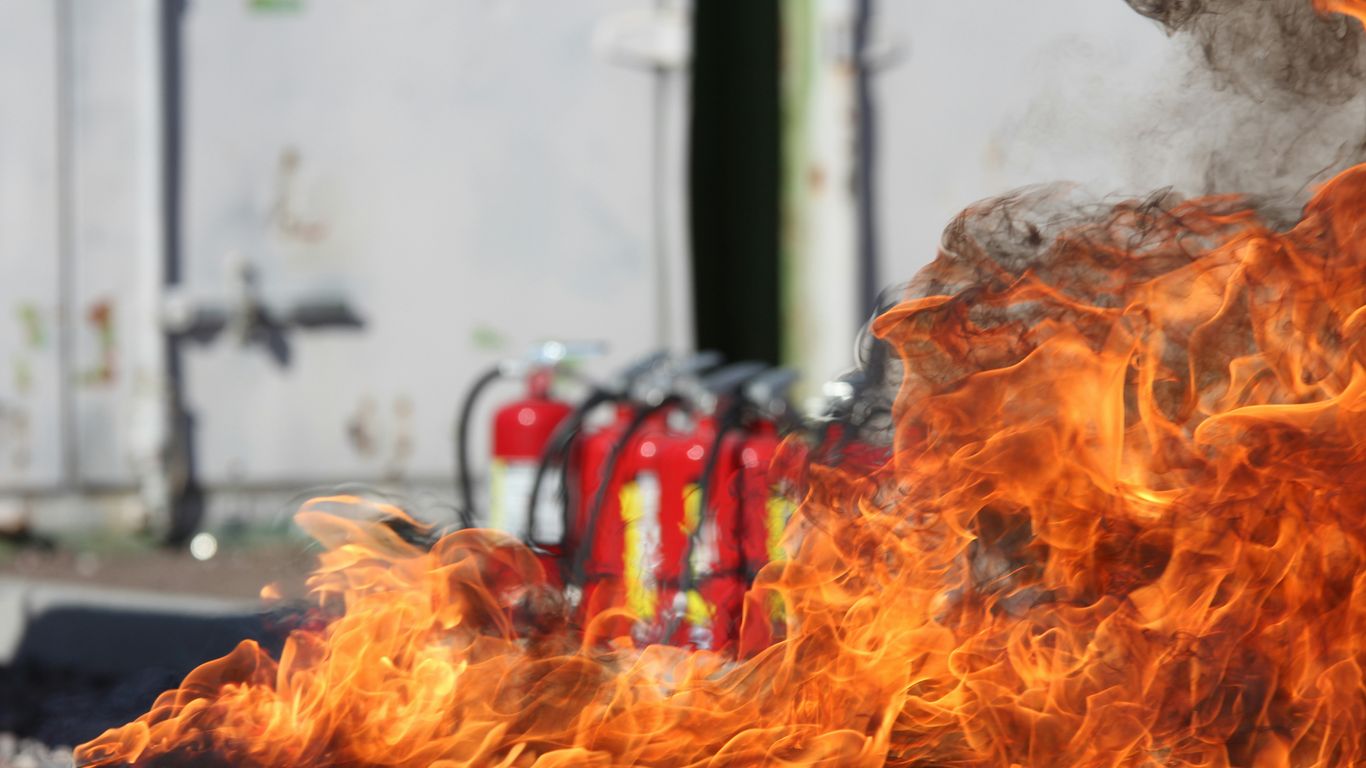
Figuring out how well construction materials stand up to fire isn’t always straightforward. There are a few hurdles that make getting a clear, consistent score a bit tricky.
Variability in Testing Conditions
Fire resistance tests are supposed to be standardized, but even small differences can lead to different results. Things like how the sample is mounted, the exact temperature ramp-up, or even the humidity in the testing room can have an effect. It’s like trying to bake the same cake in two different ovens – they might look similar, but the outcome can vary. This means a material that performs well in one lab might show slightly different results in another, which can be confusing when you’re trying to compare products. Ensuring consistency across different testing facilities is a major ongoing effort.
Complexity of Material Interactions
Buildings aren’t just made of one material; they’re a mix of many. How these materials interact with each other during a fire is incredibly complex. For example, a fire-resistant coating might work great on its own, but how does it perform when it’s applied over a different substrate, or when it’s next to a material that burns easily? The way different components break down, expand, or off-gas can influence the overall fire performance of the assembly, not just the individual parts. It’s not always a simple sum of its parts.
Keeping Pace with Material Innovation
The construction industry is always coming up with new materials and products. Some of these are designed specifically to improve fire resistance, using advanced composites or new chemical treatments. However, the testing and classification systems can sometimes lag behind these innovations. Developing new, reliable testing methods for novel materials takes time and resources. This can create a gap where new products are available, but their fire performance hasn’t been fully or accurately assessed using established scoring systems. It’s a constant race to keep the scoring relevant to what’s actually being used in construction today.
Integrating Fire Resistance Data into Design
So, you’ve got all these fire resistance scores and classifications for your building materials. That’s great, but what do you actually do with that information? It’s not just about picking the highest number; it’s about making smart choices that keep people safe and buildings standing.
Selecting Materials Based on Fire Performance
When you’re picking materials, you can’t just look at how pretty they are or how much they cost. You’ve got to consider their fire rating. Think about it: a material that performs well in a fire might cost a bit more upfront, but it could save a lot in the long run. It’s about finding that balance. You’ll want to look at:
- Ignitability: How easily does it catch fire?
- Flame Spread: How quickly do flames move across its surface?
- Heat Release: How much heat does it give off when burning?
- Smoke Production: How much smoke does it create?
- Structural Integrity: Will it hold up under heat for a certain amount of time?
The goal is to choose materials that contribute positively to the overall fire safety strategy of the building. This often means looking beyond just one metric and considering the material’s behavior in a real fire scenario. For instance, a material might have a good flame spread rating but release a lot of toxic smoke, which is also a major hazard.
Optimizing Building Design for Fire Safety
It’s not just about individual materials; it’s how they work together. A well-designed building uses fire-resistant materials strategically. This might mean using specific materials in escape routes, like stairwells and corridors, to give people more time to get out. You also want to think about compartmentation – breaking the building down into smaller fire-resistant zones to stop fires from spreading too quickly. This is where understanding the performance of materials under stress really comes into play. It’s like building a puzzle where each piece has a specific job to do when things get hot.
Designing for fire safety isn’t an afterthought; it’s a core part of creating a resilient structure. It involves a thoughtful combination of material selection and spatial planning to create multiple layers of protection.
Communicating Fire Resistance Scores Effectively
Getting the right information to the right people is key. Architects, builders, and even building owners need to understand what these fire resistance scores mean. It’s not enough to just have a number on a spec sheet. You need to know how that number translates into real-world safety. This means clear documentation and communication throughout the project. When you’re looking at different options, it’s helpful to see how they stack up against each other. For example, comparing two types of insulation might look like this:
| Material Type | Ignitability | Flame Spread | Heat Release Rate (kW/m²) | Smoke Production | Structural Integrity (min) |
|---|---|---|---|---|---|
| Insulation A | Low | Low | 50 | Low | 15 |
| Insulation B | Medium | Medium | 150 | Medium | 5 |
This kind of comparison makes it much easier to see the differences and make an informed decision. It’s all about making sure everyone involved understands the fire safety implications of their choices, which can have a big impact on risk assessment in the long run.
Wrapping Up: The Importance of Fire Resistance Scores
So, when we talk about fire resistance in building stuff, it’s not just some technical detail for engineers. It really matters for keeping people safe and buildings from going up in smoke. Getting these scores right means we’re building smarter and making sure materials can actually do what they’re supposed to when things get hot. It’s all about making sure our buildings are as safe as they can be, plain and simple. Paying attention to these ratings helps everyone involved, from the folks designing the buildings to the people living or working in them.
Frequently Asked Questions
What does ‘fire resistance’ mean for building stuff?
Fire resistance is like a building material’s superpower against fire. It means how long a material can hold up and keep doing its job, like holding up a wall or stopping flames, when there’s a fire. It’s measured in time, like 30 minutes, an hour, or even more.
Why is it important to give fire resistance a score?
Giving materials a score helps builders and firefighters know how safe a building will be. A good score means the building can protect people inside and give them more time to get out safely. It also helps stop fires from spreading too quickly.
How do they test if materials can fight fire?
Scientists put materials in special ovens that mimic real fires. They watch to see how long it takes for the material to break, catch fire, or let flames through. They use strict rules to make sure the tests are fair and reliable.
What makes some materials better against fire than others?
It depends on what the material is made of. Some things, like concrete or metal, naturally don’t burn easily. Others might have special treatments added to make them more fire-resistant. How the material is put together also matters a lot.
Are there different ways to rate fire resistance around the world?
Yes, different countries have their own ways of testing and rating materials. While the goal is the same – safety – the exact rules and labels might be different, which can sometimes be confusing.
Does how much heat a material releases matter for fire safety?
Absolutely! Some materials release a lot of heat when they burn, which can make a fire much worse. Others release less heat, making the fire easier to control. Also, how much smoke a material makes is important because smoke can make it hard to see and breathe.
What are building codes, and how do they relate to fire resistance?
Building codes are like the rulebooks for construction. They tell builders what materials to use and how to build things to keep everyone safe. Codes often have specific rules about the fire resistance ratings materials need to have in different parts of a building.
Can computers help figure out how fire-resistant materials are?
Yes! Scientists use computer programs to create virtual fires and see how different materials would act. This helps them design buildings that are safer from fire without having to do as many physical tests. It’s a way to plan ahead for fire safety.