

When you’re looking at property for insurance, how it’s maintained really matters. Underwriters look for signs that things haven’t been kept up properly. This isn’t just about aesthetics; it’s about potential risks. Ignoring maintenance can lead to bigger problems down the road, and that’s what we’re going to talk about. These maintenance neglect underwriting indicators can tell a story about a property’s condition and how it’s managed.
Key Takeaways
- Deferred maintenance, like peeling paint or worn-out systems, is a big red flag. It suggests a lack of regular upkeep and can point to bigger issues waiting to happen.
- Missing or inconsistent maintenance records, like no logs of repairs or no scheduled inspections, signal a disorganized approach to property care.
- Financial signs, such as a consistently low budget for upkeep or frequent, small claims, can indicate that necessary repairs are being put off.
- Safety issues, like expired certifications or a history of code violations, directly link maintenance neglect to increased risk for both property and people.
- The overall condition of the property, from the roof and siding to internal systems like HVAC and plumbing, shows whether it’s being cared for or neglected.
Indicators of Maintenance Neglect in Property Underwriting
When underwriting a property, it’s not just about the bricks and mortar or the current market value. A big part of the picture is how well the property has been looked after. Neglecting maintenance can signal a higher risk, and insurers pay close attention to this. It’s like looking at a car; a well-maintained vehicle is generally more reliable than one that’s been ignored. The same applies to buildings.
Deferred Maintenance and Property Condition
This is probably the most obvious sign. Deferred maintenance means that necessary repairs or upkeep have been put off. Think about a leaky roof that hasn’t been fixed, or peeling paint that’s left the underlying wood exposed. These aren’t just cosmetic issues; they can lead to bigger problems down the line, like water damage or structural issues. When we look at a property, we’re assessing its overall condition. A property that looks run-down, with visible signs of wear and tear that go beyond normal aging, often indicates that maintenance has been deferred. This can include things like:
- Cracked foundations or walls
- Worn-out flooring or carpets
- Outdated or malfunctioning plumbing fixtures
- Visible rust or corrosion on metal components
Essentially, if a property looks like it’s seen better days and the issues seem fixable with regular upkeep, that’s a red flag. It suggests a pattern of not addressing problems promptly.
Inadequate Repair and Replacement Practices
This goes a bit deeper than just deferring maintenance. It’s about how repairs are done, or not done, when they are finally addressed. Are temporary fixes being used instead of permanent solutions? Are materials being replaced with lower-quality alternatives just to save money? For example, if a hot water heater is nearing the end of its lifespan, a good practice is to replace it. If it’s just being patched up repeatedly, that’s inadequate. We look for evidence of:
- Use of substandard materials in repairs
- Repeated repairs on the same component without full replacement
- Lack of adherence to manufacturer specifications for repairs or replacements
It’s about the quality and longevity of the work done. Cutting corners here can lead to premature failures and increased risk.
Absence of Preventative Maintenance Programs
This is a more systemic issue. A property owner who has a formal, scheduled plan for maintenance is usually proactive. They have a system in place to inspect, service, and repair components before they fail. This could involve regular HVAC servicing, gutter cleaning, or pest control. When there’s no such program, it means the owner is likely reacting to problems as they arise, which, as we’ve seen, often leads to deferred maintenance and inadequate repairs. The lack of a preventative maintenance program suggests a reactive approach, which is generally riskier from an underwriting perspective. It’s hard to quantify without records, but the overall condition of the property often tells the story. A property that consistently shows up with issues that could have been prevented through regular checks and upkeep is a strong indicator of neglect.
Operational Deficiencies Signaling Maintenance Neglect
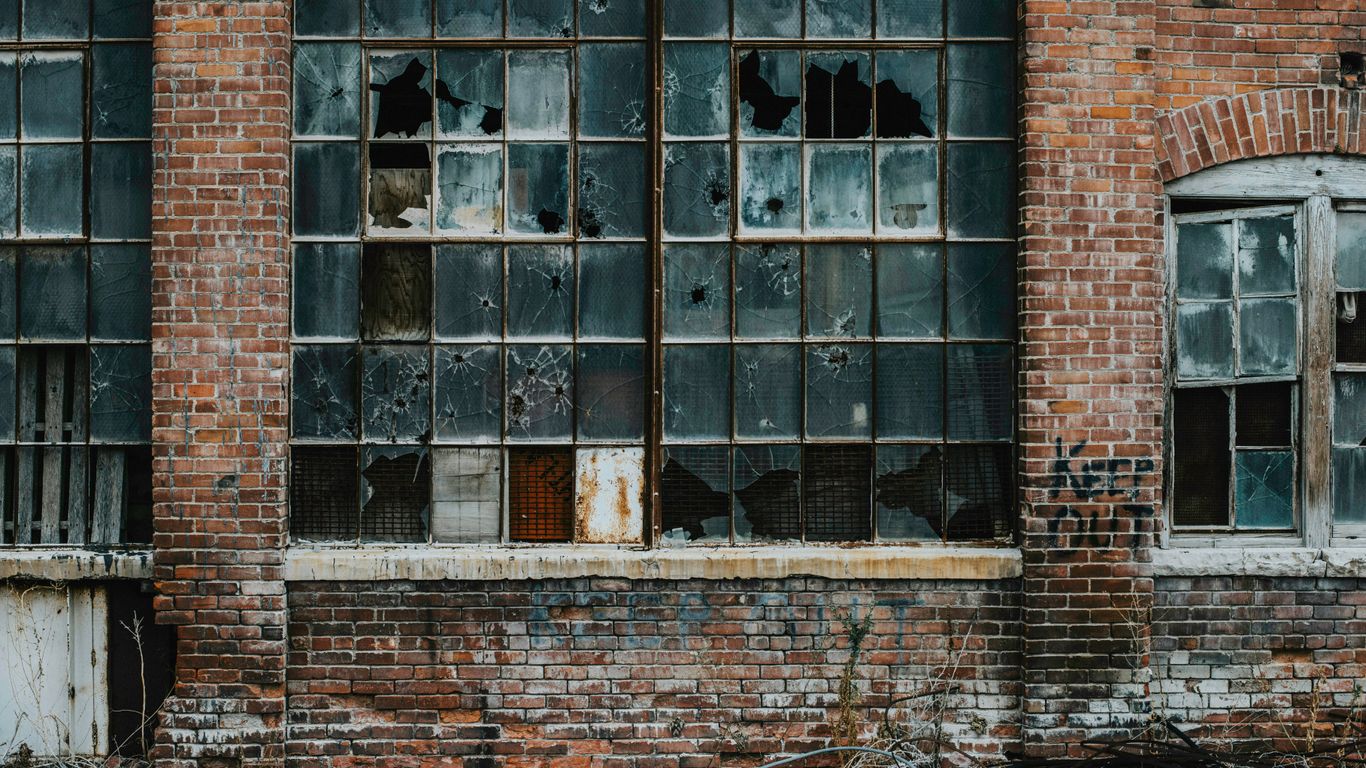
When you’re looking at a property, it’s not just about the shiny paint or the new carpet. Sometimes, the real story about how well a place is looked after is hidden in the day-to-day operations, or rather, the lack thereof. These operational gaps can be big red flags for maintenance neglect, and they’re definitely something underwriters keep an eye on.
Lack of Documented Maintenance Schedules
It’s pretty simple: if there’s no plan, things tend to fall through the cracks. A property that’s being properly maintained usually has a schedule. This isn’t just about jotting down a few dates; it’s about having a system. Think about it – when was the HVAC last serviced? When are the fire extinguishers due for inspection? Without a documented schedule, these tasks can easily be forgotten until something breaks. This lack of planning often means that minor issues are left to become major, expensive problems down the line. It’s like trying to cook without a recipe; you might end up with something edible, but it’s a gamble.
Inconsistent Record-Keeping of Repairs
Even if a property owner does fix things, if they don’t keep records, it’s almost as bad as not fixing them at all from an underwriting perspective. Good record-keeping shows a history of proactive care. When repairs are haphazardly documented, or not at all, it’s hard to tell if the same problems keep popping up or if temporary fixes are being used instead of proper solutions. This makes it tough to assess the true condition of the property and its ongoing maintenance needs. It’s like trying to understand someone’s health history without any doctor’s notes – you’re just guessing.
Absence of Qualified Maintenance Personnel
Who’s actually doing the work? If a property relies solely on a handyman who’s ‘good at fixing things’ but lacks formal training or certifications, that’s a concern. For complex systems like electrical, plumbing, or HVAC, you need people who know what they’re doing. Using unqualified staff can lead to shoddy work, safety hazards, and premature equipment failure. It’s not just about getting the job done; it’s about getting it done right. This is especially important when you consider things like completed operations claims, where issues from past work can surface later.
The operational side of property management is where the rubber meets the road. A lack of structured processes, clear documentation, and skilled personnel often points to a deeper issue of neglect that can significantly increase risk.
Financial Indicators of Maintenance Neglect
When underwriting a property, looking at the money side of things can tell you a lot about how well a place is being looked after. It’s not just about what you see; it’s about what the numbers reveal.
Insufficient Budget Allocation for Maintenance
This is a big one. If a property owner consistently spends less on upkeep than is reasonable for the size and age of the building, it’s a red flag. Think about it: maintenance isn’t just about fixing things when they break; it’s about preventing them from breaking in the first place. When the budget is too small, that preventative work often gets skipped. This can mean things like not cleaning gutters regularly, delaying necessary roof repairs, or putting off HVAC servicing. Over time, these small savings lead to much bigger, more expensive problems down the line. It’s like trying to save money by never changing the oil in your car – eventually, the engine will seize up, and that’s a much costlier fix than regular oil changes.
- Deferred Maintenance: This is the most obvious outcome. Small issues are ignored, leading to larger, more complex repairs later.
- Reduced Lifespan of Assets: Equipment and building components wear out faster when not properly maintained.
- Increased Risk of Catastrophic Failure: Neglecting routine checks can lead to sudden, major system failures.
High Frequency of Small, Recurring Claims
Sometimes, a pattern of small, repeated claims can point to underlying maintenance issues. For example, if a property has several claims for minor water damage in different units over a short period, it might suggest a systemic plumbing problem that isn’t being fully addressed. Or maybe there are frequent claims for appliance malfunctions, indicating that older equipment isn’t being replaced or serviced properly. These aren’t usually big, dramatic events, but they add up and show a lack of proactive care. It’s a sign that the property is constantly in a state of minor disrepair, rather than being well-maintained. This kind of claim history can be a signal of underlying risk that might not be immediately apparent from a physical inspection alone.
Delayed Payment of Maintenance Invoices
When a property owner consistently pays their maintenance vendors late, or worse, disputes legitimate invoices, it can indicate financial strain or a lack of commitment to timely repairs. This can lead to service providers becoming hesitant to offer prompt service or even refusing to work with the property owner altogether. This can create a backlog of needed repairs and make it difficult to get qualified professionals on-site when issues arise. It’s a sign that the financial health of the property might be shaky, which often correlates with a decline in maintenance standards. This can also lead to legal exposure if contractual obligations with vendors are not met.
Financial indicators are often subtle but can be very telling. A property that is consistently underfunded in its maintenance budget, generates a string of small, repetitive claims, or struggles to pay its service providers is likely suffering from neglect that will eventually manifest in more significant issues.
Safety and Compliance Issues Related to Neglect
When a property owner skimps on maintenance, it’s not just about aesthetics or minor inconveniences. It often leads to serious safety and compliance problems that can have big consequences. Think about it: if basic upkeep is ignored, how likely is it that critical safety systems are up to par? Neglecting regular inspections and necessary repairs can create hazards that put occupants and visitors at risk.
Expired Safety Certifications
Many safety systems and equipment require periodic certification to ensure they’re still working correctly. This includes things like fire extinguishers, emergency lighting, elevators, and even certain types of electrical or plumbing systems. When these certifications lapse, it means the equipment hasn’t been checked and verified as safe and functional by a qualified professional. This leaves the property vulnerable to failures that could have dire consequences, especially in an emergency. It’s a clear sign that the property owner isn’t keeping up with basic safety requirements.
Non-Compliance with Building Codes
Building codes exist for a reason – they set minimum standards for construction, safety, and habitability. When maintenance is neglected, it’s easy for a property to fall out of compliance. This could be anything from unpermitted alterations that weren’t done to code, to structural issues that develop over time due to lack of repair, or even just outdated systems that no longer meet current safety standards. Staying compliant isn’t just about avoiding fines; it’s about ensuring the building is safe for everyone inside. It’s a big part of responsible property ownership.
History of Safety Violations
Looking at a property’s past can tell you a lot about its current condition and the owner’s approach to maintenance. A history of safety violations, whether from fire department inspections, building code enforcement, or even tenant complaints, is a major red flag. These violations often stem directly from deferred maintenance. For example, a recurring issue with blocked fire exits or faulty wiring points to a pattern of neglect. Addressing these violations requires more than just a quick fix; it often indicates a deeper problem with the owner’s commitment to maintaining a safe environment. It’s worth noting that insurers are obligated to report suspected fraud, but also must ensure investigations do not violate consumer rights or privacy protections, which is a key compliance challenge [1f2b].
Ignoring safety regulations and certifications isn’t just a bureaucratic oversight; it’s a direct pathway to increased risk. When basic safety checks and compliance measures are bypassed, the potential for accidents, injuries, and significant property damage skyrockets. This neglect creates a liability that can be costly for everyone involved.
Wear and Tear Exceeding Expected Lifespans
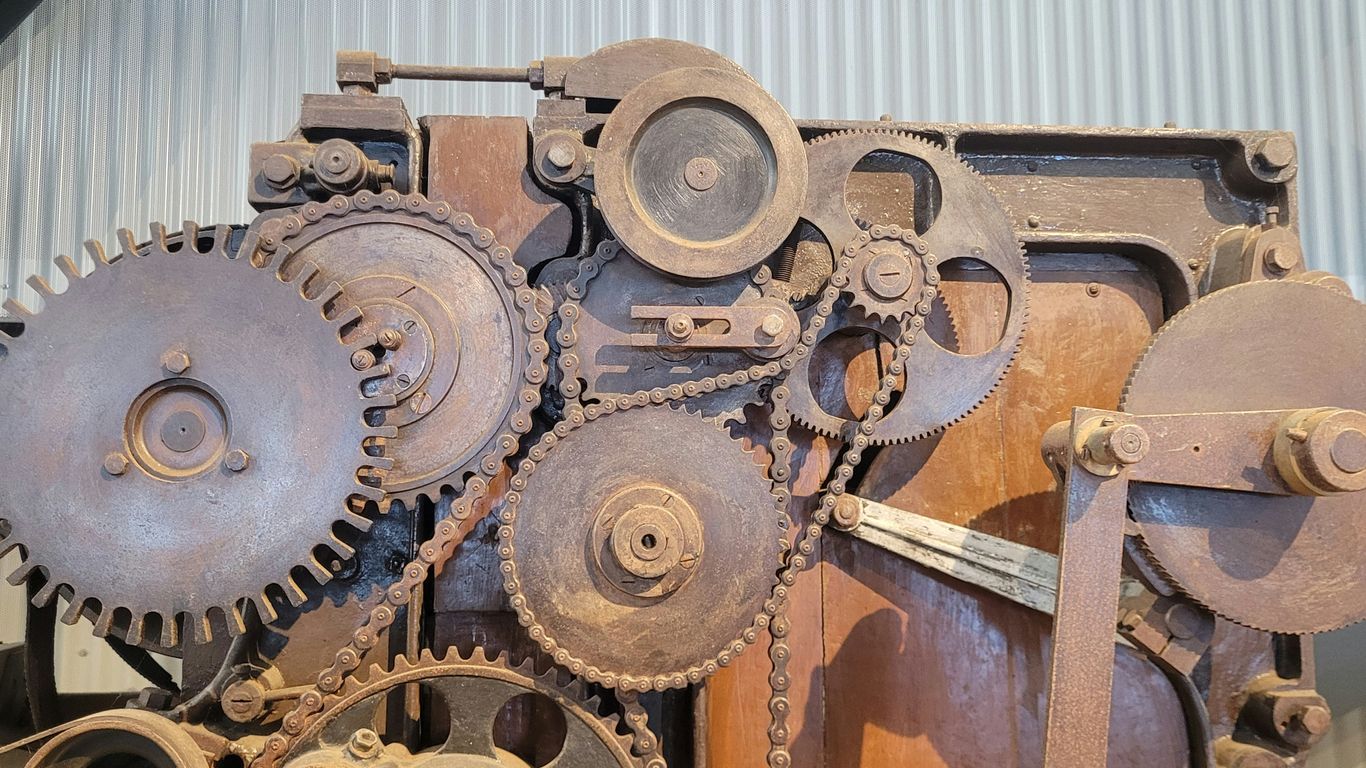
Sometimes, it’s not just about what you can see on the surface. When equipment and building components start failing before they should, it’s a big sign that maintenance has been lacking. This isn’t just about minor inconveniences; it can lead to bigger problems down the line.
Premature Equipment Failure
Think about your HVAC system. If it’s only a few years old but constantly needs repairs or just isn’t cooling like it used to, that’s a red flag. The same goes for water heaters, pumps, or any machinery. Regular servicing and timely replacement of parts are key to getting the full life out of equipment. Ignoring small issues or skipping routine checks means components are put under more stress than they’re designed for, leading to breakdowns that happen way too soon.
Accelerated Deterioration of Building Components
This is often more visible. You might see paint peeling prematurely, or maybe the roof shingles are curling and cracking years before their expected lifespan. It could also be the foundation showing early signs of stress or windows that are fogging up internally because the seals have failed. These aren’t just cosmetic issues; they indicate that the building’s protective layers are compromised, leading to faster decay. It’s like wearing a coat in mild weather – it wears out faster than if you saved it for the cold.
Frequent Utility System Malfunctions
When your plumbing springs leaks often, or the electrical outlets start acting up, or the water pressure is always low, it points to a system that’s being pushed too hard. These aren’t isolated incidents; they’re symptoms of an aging or neglected infrastructure. For instance, a history of recurring water damage claims can often be traced back to failing plumbing systems that weren’t properly maintained. It suggests that the underlying systems are struggling to keep up with demand, likely due to a lack of preventative care and timely upgrades.
Evidence of Neglected Exterior Property Maintenance
The outside of a property can tell you a lot about how well it’s being looked after. When you see signs of neglect on the exterior, it often points to deeper issues with how the property is managed overall. This neglect can lead to more significant problems down the line, affecting both the property’s value and its safety.
Poor Landscaping and Groundskeeping
Overgrown weeds, unkempt lawns, and unmanaged trees and shrubs are clear indicators that grounds maintenance is not a priority. This can extend to issues like overflowing trash receptacles, poorly maintained walkways, and a general lack of attention to the property’s aesthetic appeal. It suggests a lack of regular upkeep, which can create hazards and detract from the property’s overall condition.
- Unmowed lawns and excessive weed growth.
- Dead or dying trees and shrubs, or branches overhanging structures.
- Accumulation of debris, leaves, or trash.
- Poorly maintained or cracked walkways and pathways.
Neglecting the grounds isn’t just about looks; it can lead to pest infestations, water pooling that damages foundations, and tripping hazards for anyone on the property.
Damaged Roofing and Siding
Visible damage to the roof and exterior walls is a serious red flag. This includes missing or damaged shingles, cracked tiles, sagging sections of the roof, or siding that is peeling, warped, or has holes. These issues can allow water to penetrate the building, leading to rot, mold, and structural damage. It’s a sign that repairs have been put off for too long.
- Missing, loose, or damaged shingles/tiles.
- Cracked, warped, or missing siding panels.
- Visible water stains or mold on exterior walls.
- Damaged or clogged gutters and downspouts.
Neglected Paving and Drainage Systems
The condition of driveways, parking lots, sidewalks, and the property’s drainage system speaks volumes. Extensive cracking, potholes, uneven surfaces, and poor drainage are all signs of neglect. Water that doesn’t drain properly can cause significant damage to foundations, basements, and underground utilities. It can also create hazardous conditions for vehicles and pedestrians. Addressing these issues is key to preventing property damage.
- Large cracks, potholes, or crumbling sections in pavement.
- Uneven or sinking areas in walkways or parking lots.
- Standing water or visible erosion due to poor drainage.
- Damaged or improperly functioning storm drains or culverts.
Internal System Failures Indicating Maintenance Neglect
When a property’s internal systems start acting up more than they should, it’s a pretty clear sign that maintenance has been taking a backseat. Think of it like a car – if the engine starts sputtering or the brakes feel spongy, you know it’s time for a tune-up. Buildings are no different. Neglecting regular checks and upkeep on things like the HVAC, plumbing, or electrical systems can lead to bigger, more expensive problems down the road. It’s not just about inconvenience; it’s about safety and the overall lifespan of the building’s components.
HVAC System Inefficiencies
An HVAC system that’s constantly struggling is a big red flag. This could mean it’s not heating or cooling effectively, making strange noises, or running much longer than it used to just to keep up. Sometimes, you’ll notice uneven temperatures throughout the building, with some rooms being way too hot while others are freezing. Filters might be clogged, coils could be dirty, or the system might just be old and worn out from lack of proper servicing. Ignoring these signs can lead to higher energy bills and, eventually, a complete system breakdown.
- Frequent filter changes are needed.
- The system makes unusual noises (grinding, rattling).
- Inconsistent temperatures across different areas.
- Higher than usual energy consumption for heating/cooling.
A well-maintained HVAC system is key to occupant comfort and energy efficiency. When it starts failing, it’s often a symptom of deeper issues that have been overlooked.
Plumbing and Electrical System Issues
When pipes start leaking or the lights flicker, it’s more than just a minor annoyance. Persistent leaks, low water pressure, or slow drains can point to corroded pipes or blockages that haven’t been addressed. On the electrical side, frequently tripping breakers, dimming lights when appliances turn on, or outlets that feel warm to the touch are serious indicators of potential problems. These aren’t issues to put off, as they can lead to water damage, mold growth, or even electrical fires. It’s important to have these systems inspected regularly by qualified professionals.
Elevator and Escalator Malfunctions
For buildings that have them, elevators and escalators are critical pieces of infrastructure. If they’re frequently out of service, slow to respond, or making unusual noises, it’s a strong signal of neglect. These systems have many moving parts and require specialized maintenance to operate safely and reliably. Unexpected stops, jerky movements, or doors that don’t open smoothly are all signs that the equipment isn’t being properly cared for. This can not only inconvenience tenants but also pose significant safety risks. Regular inspections and prompt repairs are non-negotiable for these complex machines.
Claims History Reflecting Maintenance Neglect
Sometimes, the best way to see if a property has been properly looked after is to look at its insurance claims history. A pattern of certain types of claims can really point to ongoing maintenance issues that might have been ignored. It’s not just about the number of claims, but the type and frequency that raise a flag.
Recurring Water Damage Claims
Water damage claims that keep popping up are a big sign. This isn’t usually a one-off event. Think about it: if a roof is old and not repaired, it’s going to leak. If gutters are clogged, water will back up and get into the building. These aren’t random acts of nature; they’re often the result of deferred maintenance. A property with multiple water damage claims over a short period likely has underlying issues that haven’t been addressed. This could mean anything from faulty plumbing to poor exterior drainage, all pointing back to a lack of proactive upkeep.
Frequent Fire Claims Due to Electrical or Mechanical Issues
Fires caused by electrical shorts or malfunctioning mechanical equipment are another red flag. Old wiring that hasn’t been updated, overloaded circuits, or HVAC systems that haven’t been serviced regularly can all become fire hazards. These aren’t typically covered under standard property insurance policies without specific endorsements, but their recurrence suggests a pattern of neglect in maintaining critical building systems. It’s a serious safety concern that directly impacts the risk profile of the property.
Claims Related to Structural Failures
While less common, claims stemming from structural failures can also be linked to maintenance neglect. This could involve issues like foundation problems due to poor drainage, or damage from pests that have been allowed to proliferate because of unaddressed exterior issues. These types of claims are often very costly and indicate a significant breakdown in the property’s integrity, likely due to a long-term absence of necessary repairs and inspections. Understanding the causation of business interruption can sometimes shed light on how these structural issues impact operations.
A history of repeated claims for similar issues, especially those related to water intrusion, electrical faults, or structural integrity, strongly suggests a pattern of inadequate maintenance. These aren’t isolated incidents but symptoms of a larger problem with how the property is being cared for.
Underwriting Red Flags for Maintenance Neglect
When underwriting a property, certain signals can indicate that maintenance has been overlooked. These aren’t always obvious, but they’re important for assessing the true risk involved.
Applicant’s Reluctance to Disclose Maintenance Records
It’s a bit of a warning sign if someone applying for insurance seems hesitant to share their maintenance history. A property owner who readily provides detailed records of upkeep, repairs, and preventative measures generally demonstrates a commitment to property care. Conversely, a lack of readily available, organized records, or outright refusal to provide them, can suggest that such documentation is either non-existent or would reveal a less-than-ideal maintenance situation. This reluctance might stem from a desire to avoid scrutiny, but for an underwriter, it raises questions about the property’s actual condition and the owner’s management practices. It’s like trying to buy a used car without a service history – you’re left guessing about its reliability.
Inconsistent Information on Property Condition
Sometimes, what’s presented on paper doesn’t quite match what’s observed or what’s implied by other data. For instance, an application might describe a property as being in excellent condition, yet the claims history shows a pattern of frequent water damage or HVAC failures. These inconsistencies are red flags. They suggest that the reported condition might be inaccurate or that the underlying issues causing the claims are not being addressed. It’s important to reconcile these discrepancies, as they can point to deeper problems that affect the property’s overall risk profile. A property that’s truly well-maintained shouldn’t have a history that contradicts its description.
Lack of a Formal Risk Management Program
For larger properties or commercial operations, the absence of a structured risk management program is a significant indicator. This doesn’t just mean having insurance; it means having proactive strategies in place to identify, assess, and mitigate potential risks. A formal program often includes documented procedures for inspections, maintenance schedules, emergency preparedness, and staff training. Without such a program, the property’s upkeep can be haphazard, relying on informal processes that are prone to oversight. This lack of structure increases the likelihood of maintenance neglect and, consequently, a higher probability of claims. It’s the difference between having a clear plan to keep things running smoothly versus just hoping for the best.
Here’s a quick look at what might be missing without a formal program:
- Regular Property Inspections: No scheduled checks for wear and tear or potential issues.
- Preventative Maintenance Schedules: No routine servicing for critical systems like HVAC or plumbing.
- Emergency Response Plans: No clear procedures for handling unexpected events or major failures.
- Staff Training on Safety and Maintenance: Personnel may not be equipped to identify or report issues.
The absence of a formal risk management program suggests a reactive rather than proactive approach to property upkeep. This can lead to unforeseen issues escalating into significant claims, impacting both the property owner and the insurer.
Impact of Neglect on Insurance Policy Terms
When a property shows signs of maintenance neglect, it doesn’t just affect its appearance or functionality; it can have a pretty direct impact on your insurance policy. Insurers look at the overall condition of a property as a key indicator of risk. If a place hasn’t been looked after, it’s more likely to have problems down the line, and that means more potential claims.
Increased Premiums Due to Elevated Risk
Basically, if your property looks like it’s been ignored, you’re probably going to pay more for insurance. Insurers see deferred maintenance as a red flag. Think about it: a leaky roof that’s never fixed can lead to water damage, mold, and structural issues. Faulty wiring in an old building? That’s a fire waiting to happen. These aren’t minor inconveniences; they’re significant risks that cost insurers a lot of money when they happen. So, to cover that increased likelihood of claims, they’ll bump up your premiums. It’s their way of balancing the scales for taking on a riskier situation. It’s not personal, it’s just business, and they’ve got the data to back it up.
Introduction of Specific Maintenance Conditions
Sometimes, instead of just raising prices, an insurer might add specific conditions to your policy. These are basically rules you have to follow to keep your coverage active. For example, they might require you to get a professional inspection of your HVAC system annually or to replace your roof by a certain date if it’s showing significant wear. These conditions are designed to push property owners towards better upkeep. It’s a way for the insurer to try and mitigate the risks associated with neglect without completely refusing coverage. You’ll need to prove you’re meeting these requirements, often with documentation, which can be a bit of a hassle but is usually cheaper than dealing with a denied claim later.
Higher Deductibles for Neglected Areas
Another common tactic insurers use is to apply higher deductibles to specific parts of the property or specific types of claims that are directly linked to the neglect. So, if the roof is in bad shape, they might impose a much higher deductible specifically for any water damage claims related to the roof. This means that if something does go wrong, you’ll have to pay a larger portion of the repair costs out of your own pocket before the insurance kicks in. It’s a financial incentive to get those problem areas fixed. It also helps the insurer manage their exposure to predictable, recurring issues that stem from a lack of upkeep. It’s a clear signal that the insurer is aware of the problem and is adjusting the policy terms accordingly.
Here’s a quick look at how deductibles might change:
| Area of Concern | Standard Deductible | Neglected Area Deductible |
|---|---|---|
| Roofing | $1,000 | $2,500 |
| Plumbing | $1,000 | $2,000 |
| Electrical Systems | $1,000 | $2,500 |
| HVAC System | $1,000 | $2,000 |
| Paving/Drainage | $1,000 | $1,500 |
Ultimately, neglecting property maintenance isn’t just about aesthetics; it’s a financial decision that can lead to more expensive insurance, stricter policy terms, and a greater personal financial burden when losses occur. Proactive maintenance is key to keeping your insurance costs reasonable and your coverage intact.
Wrapping Up: Staying Ahead of the Curve
So, we’ve talked about a bunch of signs that things might be falling apart when it comes to maintenance. It’s easy to let stuff slide, especially when things seem okay on the surface. But ignoring those little issues, like strange noises or worn-out parts, can really snowball into bigger, more expensive problems down the road. Keeping an eye out for these indicators and tackling them head-on isn’t just about saving money; it’s about keeping things running smoothly and safely. Think of it like going to the doctor for a check-up – catching things early makes a huge difference. Regular checks and a bit of proactive care go a long way in preventing major headaches.
Frequently Asked Questions
What are signs that a property hasn’t been maintained well?
When a property looks run-down, like the paint is peeling, the roof is old and damaged, or the yard is overgrown, it’s a sign that maintenance has been skipped. Also, if things like the heating or cooling system break down a lot, or if the plumbing or electrical systems have constant problems, it points to neglect.
How can I tell if a landlord or owner isn’t keeping up with repairs?
If there are no written plans for fixing things, and records of past repairs are messy or missing, that’s a red flag. It also looks bad if they don’t seem to have skilled workers to do the repairs or if they always put off fixing issues until they become big problems.
What financial clues suggest a property is being neglected?
If the budget for upkeep is too small, or if there are many small insurance claims happening over and over, it can mean money isn’t being set aside for proper maintenance. Also, if bills for repair work are paid late, it suggests financial struggles that might affect upkeep.
Are there safety issues that indicate a lack of maintenance?
Yes, definitely. If safety certificates have expired, or if the property doesn’t meet current building rules, it’s a serious concern. A history of safety violations is also a big warning sign that the property isn’t being cared for properly.
What happens to insurance when a property is neglected?
Insurance costs usually go up because a neglected property is a bigger risk. The insurance company might also add special rules that the owner must follow to maintain the property, or they might make the policyholder pay more of the claim cost through higher deductibles.
Why is proper maintenance important for insurance?
Keeping a property in good shape helps prevent accidents and damage. When a property is well-maintained, it’s less likely to have claims, which keeps insurance costs down for everyone. It shows the owner is responsible and reduces the risk for the insurance company.
Can a property’s age automatically mean it’s neglected?
Not necessarily. An older property can be perfectly maintained if it gets regular updates and repairs. However, if older systems or parts are worn out and haven’t been replaced or fixed, they might fail sooner than expected, which looks like neglect.
What’s the difference between normal wear and tear and neglect?
Normal wear and tear happens over time with regular use, like a carpet getting a bit faded. Neglect is when something breaks or wears out because it wasn’t taken care of, like a leaky roof that isn’t fixed, causing water damage inside the building.