

Insurance Markets for Water Scarcity


Key Takeaways

Water scarcity is rapidly emerging as a critical risk factor, necessitating specialized insurance mechanisms to protect economic stability. Our guide highlights how tailored insurance products help businesses and municipalities manage these volatile environmental exposures.

  • The rising frequency of persistent drought poses severe threats to both municipal utilities and global supply chains.
  • Parametric insurance models offer rapid, data-driven relief by triggering payouts based on specific objective indices.
  • Risk classification for water-sensitive industries requires precision, focusing on conservation metrics and operational resilience.
  • Reinsurance mechanisms are essential for spreading the financial impact of localized or interconnected drought clusters.
  • Regulatory frameworks are shifting toward mandatory environmental disclosures to improve systemic risk transparency.

The intersection of water scarcity and systemic risk

Water is no longer just a shared natural resource; it is a critical input factor that carries significant financial implications when supplies destabilize. As access to reliable fresh water diminishes globally, insurers are beginning to re-evaluate how they treat these shortages within standard commercial property and business interruption policies. Insuuurance provides helpful context on how scenario-based forecasting helps firms anticipate these shifts before they impair long-term liquidity.

Defining water risk as an insurable event

Defining water scarcity as an insurable event requires moving beyond the traditional "all-risk" property framework. Insurers and policyholders must clearly identify specific, measurable indices—such as basin-level water tables or municipal withdrawal limits—that trigger coverage, ensuring the event is both fortuitous and financially material.

Distinguishing between physical risk and operational disruption

Physical risk focuses on the direct damage to infrastructure, such as wells running dry or pumps failing due to sediment, while operational disruption relates to the subsequent loss of income. Companies must distinguish between these, as standard policies often require physical damage to trigger business interruption, leaving scarcity-induced shutdowns of utility-dependent operations without a remedy.

Cascading effects on global supply chains and municipal utilities

Water-stressed regions can trigger a domino effect across interconnected networks, where a lack of cooling water for an energy facility ripples into manufacturing halts. Research suggests that municipal bond insurance market shifts heavily influence infrastructure investment capacity, leaving less resilient regions vulnerable to pollution and supply failures when financing contracts dry up.

Challenges in modeling long-term environmental trends for actuarial analysis

Actuaries face significant hurdles when attempting to quantify water scarcity due to the long-term, non-linear nature of climate trends. Unlike historical property loss, which relies on decades of firm data, environmental scarcity models must integrate complex hydrological data, often resulting in high uncertainty that impacts premium stability.

Parametric insurance solutions for drought
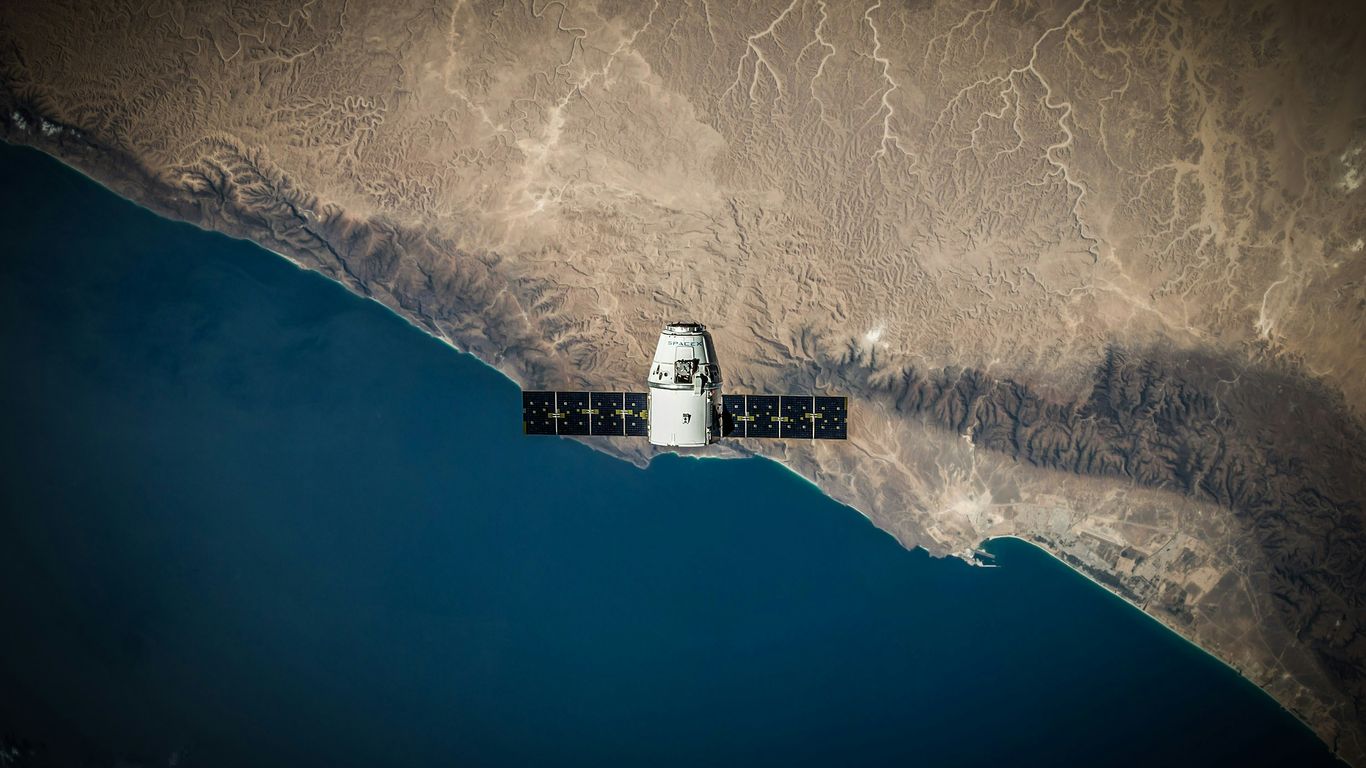
Satellite imagery monitoring regional drought conditions

Parametric insurance represents a shift toward more transparent and efficient coverage for sectors like agriculture. Instead of waiting for lengthy loss investigations, these solutions provide immediate payouts if a specific, pre-agreed index threshold is unmet, like rainfall totals below a monthly median. This proactive approach to risk management allows businesses to invest in water-saving technologies without fear of total loss during a bad harvest season.

Mechanisms of event-based triggers in water scarcity

Trigger mechanisms function by linking a policy payout directly to an objective measurement of a drought factor. By establishing clear thresholds involving soil moisture levels or stream-flow volume, underwriters eliminate ambiguity, ensuring that the defined loss is verified through reliable, independently audited data sources.

Reducing claims adjustment time and administrative costs

By removing the need for an onsite loss adjuster, parametric solutions significantly lower the operational burden on both ends of the contract. Parametric insurance provides a streamlined path for agribusinesses, where the absence of manual inspection means funds can reach the policyholder during the most critical phases of crop growth.

Data requirements and satellite verification for index modeling

Effective modeling relies on persistent, high-quality data often derived from satellite remote sensing or regional weather stations. Underwriters must confirm that the data source is resilient to the drought event itself; a sensor failing during extreme heat would jeopardize the entire model’s integrity and complicate payout validation.

Bridging the gap between indemnity and parametric insurance coverage

Sophisticated organizations often use a combination of indemnity and parametric coverage to create a comprehensive safety net. While indemnity helps recover costs based on actual accounting losses, parametric pieces offer immediate, flexible liquidity to keep vital services operational while longer-term claims are processed.

Underwriting and risk classification for water-intensive sectors

Underwriters must now categorize industries not just by activity, but by their specific hydrological footprint. Underwriting processes have become more sophisticated, incorporating IoT sensors and usage patterns to classify the actual vulnerability of a water-intensive site. This allows for more targeted premium structures, where companies that demonstrate high water efficiency are rewarded with better rates.

Evaluating agricultural resilience to irrigation water loss

The table below demonstrates how different irrigation technologies affect a property’s risk score and subsequent insurance premium load in drought zones:

Irrigation Technology Efficiency Rate Risk Profile Premium Influence
Flood Irrigation < 50% High Heavy Surcharge
Center Pivot 75% Moderate Baseline Rate
Drip/Sub-surface 95% Low Loyalty Discount

Assessing infrastructure vulnerability in aging municipal water systems

Municipal utilities with aging pipes and limited redundancy often face higher premiums due to the compounding risks of leaks and failure to deliver during shortages. Underwriters are particularly concerned with total system capacity, which must be rated against the probability of intense demand spikes during periods of extreme heat.

Quantifying the impact of regional water regulations on commercial viability

Regulatory changes can turn a profitable facility into a liabilities nightmare almost overnight, especially in arid climates. Insurers monitor regional laws regarding water rights and mandated reductions, as these legal frameworks often dictate the potential for business continuity during periods of severe drought.

Setting premiums based on documented water conservation and mitigation efforts

It is essential to document conservation efforts, as these actions provide evidence of management rigor. When a company uses Insuuurance to evaluate its risks, it can better present its documented mitigation strategies—like greywater recycling or cooling tower optimization—to underwriters, potentially reducing long-term costs.

The role of reinsurance in stabilizing water risk portfolios
Global water management and reservoir infrastructure

Reinsurance acts as the essential buffer for primary insurers who have aggregated too much water-related risk in a single geographic zone. Without these arrangements, a widespread drought event could lead to a localized lack of coverage as smaller carriers hit their capacity limits. Geospatial catastrophe underwriting helps reinsurers forecast these exposures by analyzing historical loss trends and modeling potential severity escalation across vast corridors.

Leveraging treaty reinsurance for broad portfolio protection

Treaty agreements provide the necessary safety net for insurers, allowing them to automatically offload a percentage of drought-related exposures across their entire portfolio. This gives carriers the confidence to offer deeper policy limits to corporations that operate in high-risk zones, knowing the risk is broadly distributed.

Utilizing facultative arrangements for localized water risk

For unique risks, such as large-scale semiconductor plants or massive water-intensive manufacturing hubs, facultative reinsurance ensures individual high-stakes units are protected. Carriers often select these specific risks for additional scrutiny to ensure that the accumulation of capital stays within a manageable threshold.

Managing the aggregation risk of interconnected drought events

Aggregation risk is perhaps the greatest fear for underwriters, where multiple, distinct industries suffer simultaneously from a single hydrological drought. Effective risk management requires:

  • Advanced geospatial modeling to identify risk clusters.
  • Diversification of coverage across distinct climatic regions.
  • Regular stress testing of policy limits against severe model scenarios.
  • Collaboration with public hydrologists to predict potential cascading failures.

Enhancing insurance capacity through global diversification of climate exposures

By spreading risks internationally, reinsurers balance the volatility of a dry year in Australia against the wetter years in other regions. This cross-geographic diversification is crucial for keeping water scarcity insurance markets viable, as it ensures that local extreme events do not drain the pool of available insurance capital entirely.

Navigating the regulatory landscape for environmental insurance

Regulation is evolving as swiftly as the climate itself, with states moving toward more granular disclosure requirements. Companies must now navigate a landscape where they are held more accountable for their environmental disclosures, impact assessments, and risk mitigation strategies.

Compliance requirements for emerging climate-related risk disclosures

New mandates are requiring firms to provide transparent reporting on their environmental impact, including water usage metrics. This creates a data-rich environment for insurers but places a significant compliance burden on policyholders who must ensure their data matches state and federal requirements.

The influence of state-based regulation on specialty water risk products

Because insurance is administered primarily at the state level, specialty products often struggle with fragmented oversight. This creates a challenging reality for insurers who must tailor their policy language to satisfy different state attorney general reviews while trying to maintain regional market competitiveness.

Addressing potential policy coverage disputes in complex scarcity events

Coverage disputes often intensify when a lack of rain is exacerbated by municipal water policy decisions, leading to questions about whether the loss is environmental or administrative. Clear policy wording remains the best defense against long-term, expensive litigation regarding the exact cause of loss.

The necessity of public-private partnerships in catastrophic drought scenarios

Where the private market cannot adequately cover a systemic, multi-year drought, public-private partnerships often step in as insurers of last resort. These collaborative efforts ensure that basic economic functions are maintained when private capacity essentially vanishes, preventing a complete collapse of vital infrastructure services.

Future trends in water scarcity insurance markets

Looking toward the next decade, the industry is poised to adopt more embedded, real-time insurance models. These innovations will integrate directly into the operational monitoring systems of factories and utilities, creating a seamless, automated relationship between usage behavior and premium billing.

The evolution of usage-based and embedded insurance models

Embedded insurance is beginning to move from common consumer electronics into industrial water management. By bundling insurance with water management technology, companies pay for coverage that scales with their real-time consumption and risk-mitigation profile.

Advancements in predictive analytics and real-time sensor monitoring

Predictive analytics tools now allow insurers to monitor water levels in real-time. By leveraging IoT-based alerts, insurers can assist businesses in detecting water scarcity before it becomes a total disruption event, emphasizing prevention over pure indemnity.

Developing market incentives for corporate proactive water management

Market incentives are shifting, with insurers offering reduced rates for companies that invest in closed-loop systems or water-reuse technologies. This creates a virtuous cycle where the insurance contract incentivizes operational investments that keep the business resilient.

Shifts toward resilience-linked insurance product design and underwriting strategies

Upcoming product designs are moving away from passive protection toward resilience-linked models. These designs assume the insured will lose access to water and provide specific incentives for them to build redundant, alternative-source capacity, shifting the relationship from pure cost recovery to active system strengthening.

Conclusion

As water scarcity becomes an inescapable variable in global business, the adaptation of insurance markets will remain crucial for managing this systemic risk. By embracing parametric triggers and data-driven risk classification, insurers can offer meaningful, flexible financial protections that encourage businesses to invest in essential water-saving infrastructure, ultimately ensuring more robust and stable economies for everyone.

Frequently Asked Questions

Why is water scarcity difficult to model compared to other natural risks?

Water scarcity develops slowly and is subject to both complex climatic patterns and localized human usage, making it difficult to set clear loss-start dates or define consistent, granular severity benchmarks for actuarial math.

How does parametric water insurance differ from standard indemnity?

Parametric insurance pays out based on objective, pre-defined indices like moisture levels, whereas standard indemnity requires proof of actual financial loss and often involves a physical damage component to trigger payment.

Are there specific sectors most exposed to water scarcity risk?

Agricultural growers, semiconductor manufacturers, textile producers, and certain energy generation sites—particularly those relying on hydropower or cooling water—face the highest operational exposure to water shortages.

How do insurance companies verify water scarcity loss claims?

Insurers utilize independent data from satellite monitoring, government-managed stream/reservoir sensors, and sometimes third-party environmental audit logs to verify indices without requiring site-by-site inspections.

Why do commercial insurance premiums change based on water conservation efforts?

Insurers view active conservation as a risk mitigation strategy that reduces the probability and potential severity of a total work-stoppage event, which makes the entity more reliable and less of a financial liability.

What is considered a reasonable way to mitigate water-related risks for a business?

Successful mitigation often includes investing in water recycling systems, creating redundant access points like onsite wells or greywater harvesting, and integrating real-time monitoring technology into daily operations.

Can public-private partnerships play a role if water scarcity reaches catastrophic levels?

Yes, these partnerships are vital in extreme, systemic cases where the total risk exposure exceeds the capacity of the private global insurance industry, ensuring that essential infrastructure retains access to liquidity.

Insurance Markets for Water Scarcity


Key Takeaways

Water scarcity is rapidly emerging as a critical risk factor, necessitating specialized insurance mechanisms to protect economic stability. Our guide highlights how tailored insurance products help businesses and municipalities manage these volatile environmental exposures.

  • The rising frequency of persistent drought poses severe threats to both municipal utilities and global supply chains.
  • Parametric insurance models offer rapid, data-driven relief by triggering payouts based on specific objective indices.
  • Risk classification for water-sensitive industries requires precision, focusing on conservation metrics and operational resilience.
  • Reinsurance mechanisms are essential for spreading the financial impact of localized or interconnected drought clusters.
  • Regulatory frameworks are shifting toward mandatory environmental disclosures to improve systemic risk transparency.

The intersection of water scarcity and systemic risk

Water is no longer just a shared natural resource; it is a critical input factor that carries significant financial implications when supplies destabilize. As access to reliable fresh water diminishes globally, insurers are beginning to re-evaluate how they treat these shortages within standard commercial property and business interruption policies. Insuuurance provides helpful context on how scenario-based forecasting helps firms anticipate these shifts before they impair long-term liquidity.

Defining water risk as an insurable event

Defining water scarcity as an insurable event requires moving beyond the traditional "all-risk" property framework. Insurers and policyholders must clearly identify specific, measurable indices—such as basin-level water tables or municipal withdrawal limits—that trigger coverage, ensuring the event is both fortuitous and financially material.

Distinguishing between physical risk and operational disruption

Physical risk focuses on the direct damage to infrastructure, such as wells running dry or pumps failing due to sediment, while operational disruption relates to the subsequent loss of income. Companies must distinguish between these, as standard policies often require physical damage to trigger business interruption, leaving scarcity-induced shutdowns of utility-dependent operations without a remedy.

Cascading effects on global supply chains and municipal utilities

Water-stressed regions can trigger a domino effect across interconnected networks, where a lack of cooling water for an energy facility ripples into manufacturing halts. Research suggests that municipal bond insurance market shifts heavily influence infrastructure investment capacity, leaving less resilient regions vulnerable to pollution and supply failures when financing contracts dry up.

Challenges in modeling long-term environmental trends for actuarial analysis

Actuaries face significant hurdles when attempting to quantify water scarcity due to the long-term, non-linear nature of climate trends. Unlike historical property loss, which relies on decades of firm data, environmental scarcity models must integrate complex hydrological data, often resulting in high uncertainty that impacts premium stability.

Parametric insurance solutions for drought

Satellite imagery monitoring regional drought conditions

Parametric insurance represents a shift toward more transparent and efficient coverage for sectors like agriculture. Instead of waiting for lengthy loss investigations, these solutions provide immediate payouts if a specific, pre-agreed index threshold is unmet, like rainfall totals below a monthly median. This proactive approach to risk management allows businesses to invest in water-saving technologies without fear of total loss during a bad harvest season.

Mechanisms of event-based triggers in water scarcity

Trigger mechanisms function by linking a policy payout directly to an objective measurement of a drought factor. By establishing clear thresholds involving soil moisture levels or stream-flow volume, underwriters eliminate ambiguity, ensuring that the defined loss is verified through reliable, independently audited data sources.

Reducing claims adjustment time and administrative costs

By removing the need for an onsite loss adjuster, parametric solutions significantly lower the operational burden on both ends of the contract. Parametric insurance provides a streamlined path for agribusinesses, where the absence of manual inspection means funds can reach the policyholder during the most critical phases of crop growth.

Data requirements and satellite verification for index modeling

Effective modeling relies on persistent, high-quality data often derived from satellite remote sensing or regional weather stations. Underwriters must confirm that the data source is resilient to the drought event itself; a sensor failing during extreme heat would jeopardize the entire model’s integrity and complicate payout validation.

Bridging the gap between indemnity and parametric insurance coverage

Sophisticated organizations often use a combination of indemnity and parametric coverage to create a comprehensive safety net. While indemnity helps recover costs based on actual accounting losses, parametric pieces offer immediate, flexible liquidity to keep vital services operational while longer-term claims are processed.

Underwriting and risk classification for water-intensive sectors

Underwriters must now categorize industries not just by activity, but by their specific hydrological footprint. Underwriting processes have become more sophisticated, incorporating IoT sensors and usage patterns to classify the actual vulnerability of a water-intensive site. This allows for more targeted premium structures, where companies that demonstrate high water efficiency are rewarded with better rates.

Evaluating agricultural resilience to irrigation water loss

The table below demonstrates how different irrigation technologies affect a property’s risk score and subsequent insurance premium load in drought zones:

Irrigation Technology Efficiency Rate Risk Profile Premium Influence
Flood Irrigation < 50% High Heavy Surcharge
Center Pivot 75% Moderate Baseline Rate
Drip/Sub-surface 95% Low Loyalty Discount

Assessing infrastructure vulnerability in aging municipal water systems

Municipal utilities with aging pipes and limited redundancy often face higher premiums due to the compounding risks of leaks and failure to deliver during shortages. Underwriters are particularly concerned with total system capacity, which must be rated against the probability of intense demand spikes during periods of extreme heat.

Quantifying the impact of regional water regulations on commercial viability

Regulatory changes can turn a profitable facility into a liabilities nightmare almost overnight, especially in arid climates. Insurers monitor regional laws regarding water rights and mandated reductions, as these legal frameworks often dictate the potential for business continuity during periods of severe drought.

Setting premiums based on documented water conservation and mitigation efforts

It is essential to document conservation efforts, as these actions provide evidence of management rigor. When a company uses Insuuurance to evaluate its risks, it can better present its documented mitigation strategies—like greywater recycling or cooling tower optimization—to underwriters, potentially reducing long-term costs.

The role of reinsurance in stabilizing water risk portfolios

Global water management and reservoir infrastructure

Reinsurance acts as the essential buffer for primary insurers who have aggregated too much water-related risk in a single geographic zone. Without these arrangements, a widespread drought event could lead to a localized lack of coverage as smaller carriers hit their capacity limits. Geospatial catastrophe underwriting helps reinsurers forecast these exposures by analyzing historical loss trends and modeling potential severity escalation across vast corridors.

Leveraging treaty reinsurance for broad portfolio protection

Treaty agreements provide the necessary safety net for insurers, allowing them to automatically offload a percentage of drought-related exposures across their entire portfolio. This gives carriers the confidence to offer deeper policy limits to corporations that operate in high-risk zones, knowing the risk is broadly distributed.

Utilizing facultative arrangements for localized water risk

For unique risks, such as large-scale semiconductor plants or massive water-intensive manufacturing hubs, facultative reinsurance ensures individual high-stakes units are protected. Carriers often select these specific risks for additional scrutiny to ensure that the accumulation of capital stays within a manageable threshold.

Managing the aggregation risk of interconnected drought events

Aggregation risk is perhaps the greatest fear for underwriters, where multiple, distinct industries suffer simultaneously from a single hydrological drought. Effective risk management requires:

  • Advanced geospatial modeling to identify risk clusters.
  • Diversification of coverage across distinct climatic regions.
  • Regular stress testing of policy limits against severe model scenarios.
  • Collaboration with public hydrologists to predict potential cascading failures.

Enhancing insurance capacity through global diversification of climate exposures

By spreading risks internationally, reinsurers balance the volatility of a dry year in Australia against the wetter years in other regions. This cross-geographic diversification is crucial for keeping water scarcity insurance markets viable, as it ensures that local extreme events do not drain the pool of available insurance capital entirely.

Navigating the regulatory landscape for environmental insurance

Regulation is evolving as swiftly as the climate itself, with states moving toward more granular disclosure requirements. Companies must now navigate a landscape where they are held more accountable for their environmental disclosures, impact assessments, and risk mitigation strategies.

Compliance requirements for emerging climate-related risk disclosures

New mandates are requiring firms to provide transparent reporting on their environmental impact, including water usage metrics. This creates a data-rich environment for insurers but places a significant compliance burden on policyholders who must ensure their data matches state and federal requirements.

The influence of state-based regulation on specialty water risk products

Because insurance is administered primarily at the state level, specialty products often struggle with fragmented oversight. This creates a challenging reality for insurers who must tailor their policy language to satisfy different state attorney general reviews while trying to maintain regional market competitiveness.

Addressing potential policy coverage disputes in complex scarcity events

Coverage disputes often intensify when a lack of rain is exacerbated by municipal water policy decisions, leading to questions about whether the loss is environmental or administrative. Clear policy wording remains the best defense against long-term, expensive litigation regarding the exact cause of loss.

The necessity of public-private partnerships in catastrophic drought scenarios

Where the private market cannot adequately cover a systemic, multi-year drought, public-private partnerships often step in as insurers of last resort. These collaborative efforts ensure that basic economic functions are maintained when private capacity essentially vanishes, preventing a complete collapse of vital infrastructure services.

Future trends in water scarcity insurance markets

Looking toward the next decade, the industry is poised to adopt more embedded, real-time insurance models. These innovations will integrate directly into the operational monitoring systems of factories and utilities, creating a seamless, automated relationship between usage behavior and premium billing.

The evolution of usage-based and embedded insurance models

Embedded insurance is beginning to move from common consumer electronics into industrial water management. By bundling insurance with water management technology, companies pay for coverage that scales with their real-time consumption and risk-mitigation profile.

Advancements in predictive analytics and real-time sensor monitoring

Predictive analytics tools now allow insurers to monitor water levels in real-time. By leveraging IoT-based alerts, insurers can assist businesses in detecting water scarcity before it becomes a total disruption event, emphasizing prevention over pure indemnity.

Developing market incentives for corporate proactive water management

Market incentives are shifting, with insurers offering reduced rates for companies that invest in closed-loop systems or water-reuse technologies. This creates a virtuous cycle where the insurance contract incentivizes operational investments that keep the business resilient.

Shifts toward resilience-linked insurance product design and underwriting strategies

Upcoming product designs are moving away from passive protection toward resilience-linked models. These designs assume the insured will lose access to water and provide specific incentives for them to build redundant, alternative-source capacity, shifting the relationship from pure cost recovery to active system strengthening.

Conclusion

As water scarcity becomes an inescapable variable in global business, the adaptation of insurance markets will remain crucial for managing this systemic risk. By embracing parametric triggers and data-driven risk classification, insurers can offer meaningful, flexible financial protections that encourage businesses to invest in essential water-saving infrastructure, ultimately ensuring more robust and stable economies for everyone.

Frequently Asked Questions

Why is water scarcity difficult to model compared to other natural risks?

Water scarcity develops slowly and is subject to both complex climatic patterns and localized human usage, making it difficult to set clear loss-start dates or define consistent, granular severity benchmarks for actuarial math.

How does parametric water insurance differ from standard indemnity?

Parametric insurance pays out based on objective, pre-defined indices like moisture levels, whereas standard indemnity requires proof of actual financial loss and often involves a physical damage component to trigger payment.

Are there specific sectors most exposed to water scarcity risk?

Agricultural growers, semiconductor manufacturers, textile producers, and certain energy generation sites—particularly those relying on hydropower or cooling water—face the highest operational exposure to water shortages.

How do insurance companies verify water scarcity loss claims?

Insurers utilize independent data from satellite monitoring, government-managed stream/reservoir sensors, and sometimes third-party environmental audit logs to verify indices without requiring site-by-site inspections.

Why do commercial insurance premiums change based on water conservation efforts?

Insurers view active conservation as a risk mitigation strategy that reduces the probability and potential severity of a total work-stoppage event, which makes the entity more reliable and less of a financial liability.

What is considered a reasonable way to mitigate water-related risks for a business?

Successful mitigation often includes investing in water recycling systems, creating redundant access points like onsite wells or greywater harvesting, and integrating real-time monitoring technology into daily operations.

Can public-private partnerships play a role if water scarcity reaches catastrophic levels?

Yes, these partnerships are vital in extreme, systemic cases where the total risk exposure exceeds the capacity of the private global insurance industry, ensuring that essential infrastructure retains access to liquidity.

Recent Posts