

Thinking about big, unexpected problems is kind of a big deal in the insurance world. We’re talking about those events that can cause massive damage, like huge storms or other major disasters. Figuring out how likely these things are and what they might cost is what scenario-based catastrophe forecasting is all about. It helps insurance companies get ready, set fair prices, and make sure they can actually pay out when the worst happens. It’s a way to look ahead and plan for the unpredictable.
Key Takeaways
- Insurance contracts are built on trust and require full disclosure from both sides. If you don’t share important details, your coverage might not hold up.
- Figuring out insurance prices means looking at how often claims happen and how much they usually cost. Big, rare disasters are a special challenge.
- Policies spell out exactly what’s covered and what’s not. Knowing the difference between named perils and open perils coverage is important.
- When a disaster strikes, how claims are handled matters a lot. Insurers need to be ready to process many claims quickly and fairly.
- Things like climate change and new tech are changing how insurance works, pushing companies to adapt their forecasting and risk management strategies.
Foundational Principles of Scenario-Based Catastrophe Forecasting
When we talk about forecasting catastrophes, especially in the insurance world, it’s not just about guessing what might happen. It’s built on some pretty solid ideas that help us make sense of really big, scary events. Think of it like building a strong foundation before you put up a skyscraper. You need to know how the ground will hold up, how the structure will handle stress, and who’s responsible for what if something goes wrong.
Understanding Risk Allocation and Financial Stability
At its core, insurance is about shifting risk. Instead of one person or company facing a massive financial hit from a disaster, that risk gets spread out. This is called risk allocation. It means that potential losses are distributed among many policyholders. This process is key to keeping businesses and individuals financially stable. Without it, a single major event could bankrupt many. We look at how different parties, like the insured and the insurer, share the burden of potential losses. This helps us figure out how much capital an insurer needs to stay afloat, even after paying out a lot of claims. It’s all about making sure the whole system doesn’t collapse when a big event hits.
The Role of Risk Pooling and Transfer
Risk pooling is how insurance actually works. Imagine a big pot where everyone puts in a little bit of money (premiums). When someone in the pot suffers a big loss, they get paid out from that pot. This spreads the financial impact of a loss across a large group. Risk transfer is the formal part of this – the policyholder pays a premium, and in return, the insurer takes on the financial responsibility for certain types of losses. This is especially important for catastrophic events, which are rare but incredibly costly. The ability to transfer these massive risks is what allows businesses to operate and individuals to own homes and cars without the constant fear of ruin from an unpredictable event. It’s a way to turn a potentially devastating unknown into a predictable cost.
Core Principles Governing Insurance Contracts
Insurance policies are contracts, and like any contract, they’re built on specific rules. One of the most important is the principle of utmost good faith. This means both the person buying insurance and the insurance company have to be completely honest and upfront with each other. Applicants must disclose all important facts that could affect the insurer’s decision to offer coverage or how much to charge. If someone hides information or lies, the policy might not be valid. Other principles include having an insurable interest (meaning you’d suffer a financial loss if the insured thing is damaged or lost) and indemnity (the goal is to put you back in the financial position you were in before the loss, not to let you profit). Understanding these basic rules helps everyone know what to expect and keeps the system fair.
The effectiveness of scenario-based catastrophe forecasting hinges on accurately modeling the frequency and severity of potential events. This involves not just looking at past data but also considering how changing conditions, like climate patterns or new technological risks, might alter future probabilities and impacts. It’s a dynamic process that requires continuous refinement.
Modeling Catastrophic Events for Risk Assessment
When we talk about big, scary events – think hurricanes, earthquakes, or even widespread cyberattacks – predicting them is a whole different ballgame than your everyday fender-bender. This is where catastrophe modeling comes into play. It’s all about trying to get a handle on how often these massive losses might happen and just how bad they could be. We’re not just looking at past data; we’re using sophisticated computer programs to crunch numbers and figure out potential outcomes.
Analyzing Loss Frequency and Severity
At its core, this involves two main ideas: frequency and severity. Frequency is basically asking, ‘How often are we likely to see a claim of this type?’ Severity, on the other hand, asks, ‘If a claim does happen, how much is it likely to cost?’ For common issues, like car accidents, we see high frequency but usually moderate severity. Catastrophes are the opposite – they don’t happen every day, but when they do, the financial hit can be enormous. Getting these two metrics right is super important for setting prices and making sure there’s enough money to pay claims when disaster strikes. It’s a delicate balance, and actuaries spend a lot of time trying to nail it down.
- Frequency: The expected number of losses over a period.
- Severity: The average cost of each loss.
The Impact of Correlation and Aggregation Effects
One of the trickiest parts of modeling catastrophes is understanding how different events can be linked, or correlated. For instance, a major hurricane doesn’t just damage one building; it can affect thousands, leading to a massive aggregation of losses. This means the total loss from a single event can be much, much higher than the sum of individual losses might suggest. We also have to consider how different types of risks might interact. For example, a widespread power outage could impact businesses in multiple ways, from direct property damage to business interruption. Ignoring these connections can lead to a serious underestimation of potential losses.
Understanding how losses cluster together, especially during large-scale events, is key to accurate forecasting. It’s not just about individual risks; it’s about the domino effect.
Catastrophic Modeling for Extreme Events
When we’re dealing with events that are rare but have the potential for massive destruction, we need specialized tools. Catastrophic modeling uses advanced techniques, often involving simulations, to estimate the potential impact of these extreme scenarios. These models look at things like geographic vulnerabilities, building codes, and even climate change projections to paint a picture of what could happen. The goal isn’t to predict the exact timing of an event, but to understand the range of possible outcomes so that insurers can prepare financially and operationally. This helps in making informed decisions about risk allocation and ensuring the system can withstand a major shock.
Here’s a simplified look at what goes into it:
- Hazard Modeling: Simulating the physical event (e.g., wind speed, seismic activity).
- Exposure Data: Identifying what and where assets are located.
- Vulnerability Functions: Determining how exposed assets will be damaged by the hazard.
- Financial Loss Calculation: Estimating the cost of damage and business interruption.
Underwriting and Risk Selection in Catastrophe Forecasting
Information Gathering and Disclosure Obligations
When an insurer looks at a potential policy, especially for something that could turn into a big, messy catastrophe, the first thing they do is gather information. It’s like a detective’s job, but instead of solving a crime, they’re trying to figure out how likely a big loss is and how bad it could be. They need to know all the important stuff about whoever or whatever they might be insuring. This includes things like personal details, financial health, how things are built or operated, past claims, and even what’s going on in the world that could affect things, like new regulations or environmental risks. The accuracy of this information is super important because it directly impacts whether they offer coverage and at what price. If someone doesn’t tell the whole truth or leaves out key facts, it can cause major problems later, like the policy not being valid when a claim happens. It’s all about making sure everyone is upfront and honest from the start.
Evaluating Risk Characteristics and Acceptability
After collecting all the data, the next step is to actually look at the risk itself. Insurers break this down into how often a loss might happen (frequency) and how much it might cost when it does (severity). Think about car insurance: lots of small fender benders happen (high frequency, lower severity), but then there are those rare, massive pile-ups that are incredibly expensive (low frequency, high severity). For catastrophe risks, like hurricanes or major liability cases, the severity can be astronomical, even if they don’t happen every year. Insurers use this analysis to decide if they even want to take on the risk. They have guidelines, sort of like a recipe, that tell them what’s generally okay to insure and what’s too risky. But sometimes, a specific situation might be a bit unusual, and that’s where the underwriter’s judgment comes in. They might decide to accept the risk but with some changes, like a higher deductible or specific conditions on the policy. It’s a balancing act between what the numbers say and what makes sense in the real world.
The Influence of Underwriting Guidelines and Discretion
Underwriting guidelines are basically the rulebook for underwriters. They lay out what kinds of risks are acceptable, what the limits of coverage can be, what’s definitely not covered (exclusions), and how much the policyholder has to pay first (deductibles). These rules are shaped by the insurer’s overall comfort level with risk, what the government allows, what their reinsurers will cover, and what the company is trying to achieve. While these guidelines help keep things consistent across the board, underwriters aren’t just robots. They often have some wiggle room, or discretion, to make exceptions. This is really important when dealing with unique or complex risks that don’t fit neatly into the standard boxes. For example, a business might have a great safety record but operate in an area with a slightly higher risk of a specific natural disaster. An underwriter might use their discretion to offer coverage, perhaps with a higher premium or a specific risk mitigation requirement, rather than just saying no outright. This flexibility is key to adapting to different situations and not missing out on potentially good business. It’s about making smart decisions that protect the insurer while still providing needed coverage to policyholders. This process is a bit like predictive loss modeling, trying to forecast what might happen and adjusting accordingly.
Pricing Strategies for Catastrophic Risks
Figuring out the right price for insurance that covers really big, rare disasters is a tricky business. It’s not like pricing your everyday car insurance where you have tons of data on how often fender benders happen. With catastrophes, we’re talking about events that might only occur once in a century, but when they do, the cost can be astronomical. So, how do insurers even begin to put a number on that?
Integrating Frequency and Severity into Expected Loss
At its core, pricing insurance involves estimating what’s called ‘expected loss.’ This is basically a calculation of how much you expect to pay out in claims over time. For regular risks, this is pretty straightforward: you look at how often something happens (frequency) and how much it costs when it does (severity). For example, car accidents happen fairly often, but the cost per accident is usually manageable. The expected loss is the frequency multiplied by the severity.
But with catastrophes, the frequency is super low. Think hurricanes, major earthquakes, or widespread floods. These events are rare, but their severity is off the charts. So, just multiplying a tiny frequency by a massive severity doesn’t quite capture the whole picture. Insurers have to use advanced modeling techniques, looking at historical data, geological surveys, and even climate projections to get a better handle on the potential frequency and severity of these extreme events. It’s a lot of educated guesswork, really, trying to predict the unpredictable.
The Role of Deductibles and Self-Insured Retentions
Because pricing for catastrophic events can be so challenging, insurers often use deductibles and self-insured retentions (SIRs) as key tools. A deductible is the amount you, the policyholder, agree to pay out of pocket before the insurance kicks in. An SIR is similar but usually applies to larger commercial policies. These mechanisms help manage the insurer’s exposure to frequent, smaller losses and encourage policyholders to be more careful with their risks.
Here’s a quick look at how they work:
- Higher Deductible/SIR: This means you agree to cover more of the initial loss yourself. In return, your premium (the price you pay for the insurance) will likely be lower. This is because the insurer is taking on less risk.
- Lower Deductible/SIR: This means the insurer starts paying out sooner after a loss. Your premium will typically be higher to compensate for the increased risk the insurer is taking on.
- Catastrophe Deductibles: Often, deductibles for specific catastrophic events (like hurricanes or earthquakes) are calculated differently than standard deductibles. They might be a percentage of the insured property’s value rather than a fixed dollar amount, reflecting the potentially massive scale of such losses.
Choosing the right deductible is a balancing act between affordability and how much risk you’re comfortable holding onto yourself. It’s a way to make sure that even when covering massive events, the pricing remains somewhat manageable for both parties.
Premium Structures and Loading for Expenses
Beyond just covering the expected loss from catastrophes, the premium has to account for other things too. Insurers have operating costs, like paying their staff, managing claims, and investing in technology. They also need to make a profit to stay in business and have capital to pay future claims. This is where ‘loading’ comes in.
- Administrative Expenses: Costs associated with running the insurance company, including salaries, rent, and technology.
- Commissions: Payments to agents and brokers who sell the policies.
- Contingency Loading: An extra amount added to account for unexpected variations in losses or expenses. This is particularly important for catastrophe risks where uncertainty is high.
- Profit Margin: The amount the insurer aims to earn after all expenses and claims are paid.
So, the final premium you see isn’t just the estimated cost of a potential disaster. It’s a carefully calculated figure that includes all these components, aiming to keep the insurer financially sound while providing the necessary protection. It’s a complex puzzle, trying to price something that, thankfully, doesn’t happen every day, but needs to be there when it does.
The pricing of catastrophic risks is a dynamic process, heavily reliant on sophisticated modeling and a clear understanding of risk tolerance. It’s a constant effort to balance the need for adequate coverage with the reality of unpredictable, high-severity events. This involves not just looking at past data but also projecting future possibilities, often with the help of specialized tools and expert analysis. The goal is always to create a premium that reflects the true risk without making coverage unattainable.
Policy Structures and Coverage Triggers
When a catastrophic event happens, the policy you have in place is what determines if and how you’re covered. It’s not just a piece of paper; it’s the blueprint for how risk gets handled financially. Think of it as the rulebook for what happens when things go wrong.
Defining Coverage Boundaries and Insuring Agreements
At the heart of any policy is the insuring agreement. This is where the insurer basically says, "We promise to pay for losses caused by these specific things." It lays out the core promise of the contract. But it’s not a blank check. This promise is always limited by other parts of the policy, like definitions, exclusions, and limits. It’s all about setting clear boundaries so everyone knows what’s covered and what’s not. For example, a property policy might promise to cover damage from fire, but it won’t cover damage from a flood unless flood coverage was specifically added.
- Declarations Page: This is usually the first page and summarizes key details like who is insured, what is covered, the limits of coverage, and the premium paid.
- Insuring Agreement: This section details the insurer’s promise to pay for covered losses.
- Definitions: Clarifies the meaning of specific terms used throughout the policy to avoid confusion.
The precise wording in a policy contract is incredibly important. Small differences in language can lead to vastly different outcomes when a claim is filed. It’s why reading the fine print, or having someone help you understand it, is so vital.
Named Perils Versus Open Perils Coverage
This is a big one when it comes to understanding what kind of protection you actually have. Policies can be structured in two main ways regarding the events (perils) that cause a loss:
- Named Perils Coverage: This type of policy only covers losses caused by the specific perils listed in the contract. If the cause of loss isn’t on the list, you’re generally not covered. Think of it like a "what’s on this list is covered" approach. Common named perils include fire, windstorm, hail, and theft.
- Open Perils Coverage (or All-Risk): This is broader. It covers losses from any peril unless it’s specifically excluded in the policy. It’s a "what’s not on the exclusion list is covered" approach. This often provides more protection, but it’s still important to check the exclusions carefully. Examples of exclusions might be war, nuclear hazard, or flood (which might be covered under a separate policy).
The Function of Exclusions and Conditions
Exclusions and conditions are just as important as the insuring agreement because they shape the boundaries of coverage.
- Exclusions: These are specific events or circumstances that the insurer will not cover. They are used to manage risk, prevent coverage for predictable losses, and control costs. For instance, a standard homeowners policy might exclude damage from earthquakes or floods, requiring separate coverage for those specific events. Understanding these exclusions is key to knowing your true exposure. Understanding these distinctions is vital for determining coverage.
- Conditions: These are rules or requirements that both the policyholder and the insurer must follow for the policy to remain valid and for claims to be paid. For policyholders, conditions often involve things like providing prompt notice of a loss, cooperating with the investigation, and protecting the property from further damage. Failure to meet these conditions can jeopardize your claim. For insurers, conditions might relate to how they handle claims or maintain solvency.
These elements work together to define the scope and limits of the insurance contract, making it a structured way to manage financial risk allocation.
Navigating Claims and Dispute Resolution
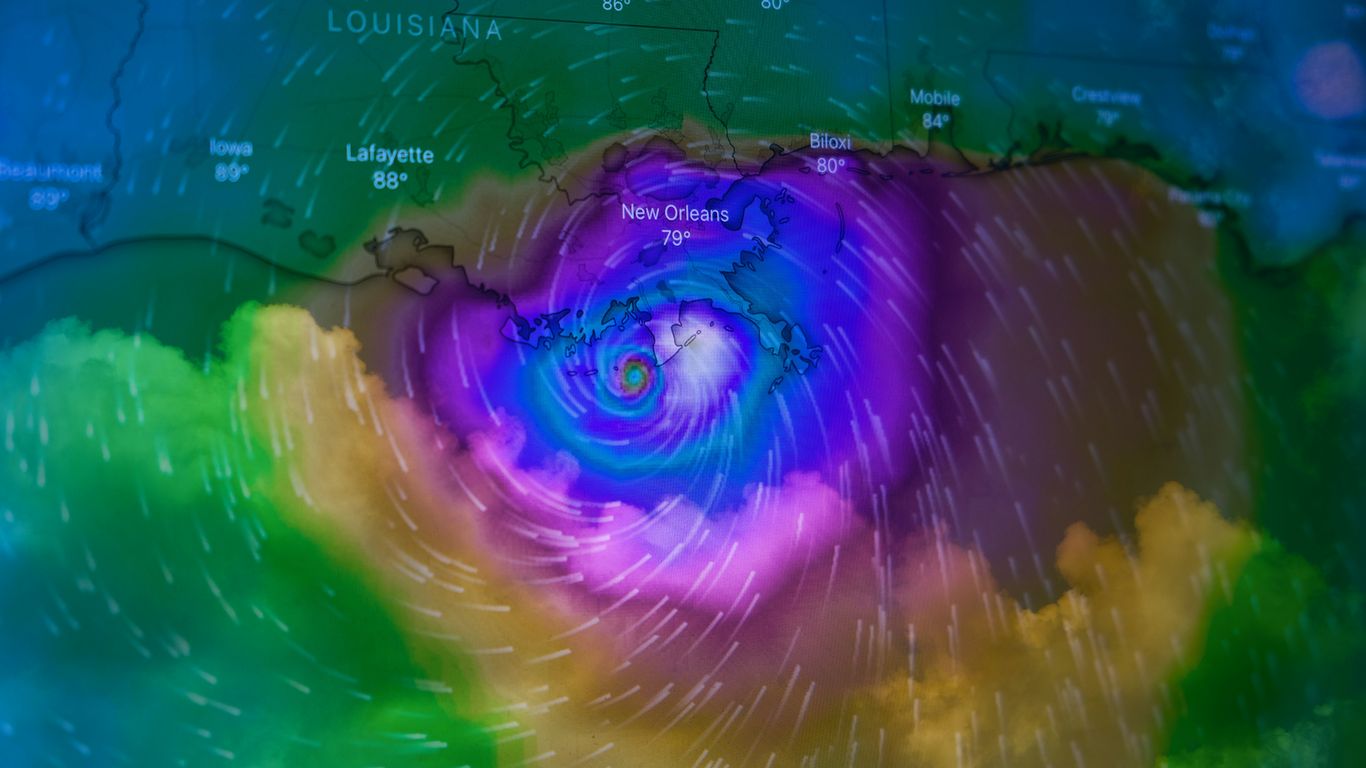
When a catastrophic event happens, the insurance policy moves from a promise to a reality. This is where claims come in. A claim is basically the policyholder asking the insurance company to pay up for a loss that the policy covers. It’s the moment of truth for the insurance contract.
The Claims Process as Risk Realization
The claims process is how the risk that was transferred to the insurer actually plays out. It starts when the policyholder tells the insurer about a loss. Then, the insurer investigates to figure out what happened, if the policy covers it, and how much the loss is worth. This whole sequence is governed by the policy’s terms and the laws of the land.
Here are the typical steps:
- Notice of Loss: The policyholder reports the incident.
- Investigation: The insurer gathers facts and evidence.
- Coverage Determination: Deciding if the policy applies to this specific loss.
- Valuation: Figuring out the monetary amount of the damage.
- Settlement or Denial: Reaching an agreement on payment or formally denying the claim.
Coverage Determination and Causation Analysis
Figuring out if a loss is covered is a big part of the claims process. Insurers look at:
- Whether the event that caused the loss is actually covered by the policy.
- What specifically caused the loss.
- If the policyholder met all the conditions they were supposed to, like reporting the loss on time.
Sometimes, the main argument is about what actually caused the damage. This is called causation analysis, and it can get complicated, especially with multiple potential causes or when policy exclusions are involved. For example, if a hurricane causes wind damage and then flooding, determining the exact cause and extent of each can be tricky. Analyzing past claims data can sometimes help identify patterns in these situations [7d06].
Disputes often pop up when there’s a disagreement about the scope of repairs needed, how much depreciation should be applied, or if certain materials need to be matched. These differences in how people see the situation can lead to a lot of back-and-forth.
Alternative Dispute Resolution Mechanisms
When policyholders and insurers can’t agree, there are ways to sort things out without going to court. These methods are often faster and cheaper than a full lawsuit. They include:
- Mediation: A neutral third party helps both sides talk and try to find a solution.
- Appraisal: If the disagreement is just about the amount of the loss, a neutral appraiser (or two, one for each side, who then pick a third) can determine the value.
- Arbitration: Both sides present their case to an arbitrator or panel, and their decision is usually binding.
These options are important because they can help resolve issues more efficiently, especially after a large-scale event where many claims are being processed. Using analytics can also help insurers manage claims more proactively and detect potential fraud [4fd6].
Regulatory Frameworks and Market Dynamics
Insurance operates within a complex web of rules and market forces that shape how risks are managed and transferred. Regulators play a big part in this, making sure companies stay financially sound and treat customers fairly. This oversight is pretty important because insurance is a key part of our financial system.
Evolving Regulatory Focus on Resilience and Cybersecurity
Regulators are paying more attention to how well insurance companies can bounce back from big problems, like natural disasters or cyberattacks. They’re pushing for stronger systems to keep operations running smoothly even when things go wrong. This means insurers need solid plans for cybersecurity, protecting all that sensitive data they handle. It’s not just about having insurance; it’s about making sure the companies providing it are built to last. This proactive approach helps protect policyholders and the broader economy.
- Solvency Monitoring: Regulators keep a close eye on an insurer’s financial health, making sure they have enough money set aside to pay claims, especially for those really big, unexpected events. This often involves risk-based capital requirements, meaning companies need more capital if they’re taking on more risk.
- Market Conduct: This area focuses on how insurers interact with customers. It covers everything from how they sell policies and advertise to how they handle claims and deal with complaints. The goal is to prevent unfair practices and ensure consumers are treated right.
- Data Privacy and Cybersecurity: With so much personal information being collected, regulations around data protection and cybersecurity are becoming stricter. Insurers have to show they’re taking steps to keep this data safe from breaches.
The insurance industry is constantly adapting to new risks and technologies. Regulatory bodies are tasked with keeping pace, updating rules to address emerging challenges like climate change impacts and the increasing reliance on digital systems. This dynamic environment requires insurers to be both innovative and compliant.
Market Cycles and Capacity Fluctuations
Insurance markets aren’t always the same. They go through cycles, sometimes called "hard" and "soft" markets. In a hard market, there’s less insurance capacity available, premiums go up, and it can be tougher to get coverage. This often happens after a period of big losses or when reinsurers pull back. Then, the market can soften, with more capacity, lower prices, and easier access to insurance. These shifts can really affect businesses trying to manage their risks. Understanding these cycles is key for strategic risk management.
- Hard Market: Reduced capacity, higher premiums, stricter underwriting. Often follows major loss events.
- Soft Market: Increased capacity, lower premiums, more competitive pricing.
- Capacity: Refers to the amount of insurance coverage available in the market.
The Role of Reinsurance in Stabilizing Solvency
Reinsurance is basically insurance for insurance companies. When primary insurers take on a lot of risk, they can transfer some of that risk to reinsurers. This is super important for keeping insurers financially stable, especially when facing large or catastrophic losses. It helps them avoid going broke after a major event, like a hurricane or a widespread cyberattack. Reinsurance allows insurers to offer coverage for bigger risks than they could handle on their own, which in turn supports the overall stability of the insurance market.
- Treaty Reinsurance: Covers a defined book of business automatically.
- Facultative Reinsurance: Covers specific, individual risks.
- Stabilizing Solvency: Reinsurance protects insurers from extreme volatility, allowing them to maintain adequate capital reserves.
Emerging Trends in Insurance and Risk Management
Usage-Based and Embedded Insurance Models
Things are changing fast in how we get insurance. Forget the old way of just picking a policy off a shelf. Now, we’re seeing more usage-based insurance, especially with cars. If you drive less, you might pay less. It’s all about tracking how you actually use things. Then there’s embedded insurance. Think about buying a new phone and having the option for protection added right at checkout. It’s insurance that just shows up when you need it, woven into other purchases. This makes coverage more accessible, but it also means insurers need to be really smart about the data they collect and how they explain it all to customers. It’s a big shift from just guessing risk to actually seeing it in action.
Addressing Climate Change and Natural Catastrophes
Climate change is a huge deal for insurance, no doubt about it. We’re seeing more intense storms, wildfires, and floods, and that messes with the old ways of predicting losses. Insurers are having to get creative. They’re looking at things like satellite data to get a better handle on weather patterns and environmental shifts. This helps them model risks like hurricanes and wildfires more accurately. It’s not just about the big, sudden events either; it’s also about slow changes, like sea levels rising. This kind of objective, data-driven approach is becoming really important for insurers to keep their underwriting practices up-to-date and manage these evolving risks. It’s a tough challenge, but necessary for long-term stability.
The Impact of Data Analytics and Predictive Modeling
Data is king these days, and insurance is no exception. Insurers are digging into all sorts of information – not just past claims, but also behavioral patterns and environmental factors. By analyzing this data, they can start to spot risks that weren’t obvious before. This means they can do a better job of underwriting, maybe even offering better terms to people who show they’re managing their risks well. It’s moving from just reacting to problems to actually predicting them and trying to prevent them. This shift to a more predictive and preventative approach is key to improving accuracy and cutting down on losses. It’s all about using information to make smarter decisions.
The insurance industry is constantly evolving, driven by new technologies and changing global risks. Adapting to these shifts is not just about staying competitive; it’s about ensuring that insurance can continue to serve its vital role in providing financial security and stability in an unpredictable world. The focus is increasingly on proactive risk management and personalized coverage, moving away from one-size-fits-all solutions.
Operational Resilience and Catastrophe Response
When a major disaster strikes, the real test for insurers isn’t just in their models, but in their ability to actually respond. This is where operational resilience comes into play. It’s all about having the systems and people in place to handle a surge of claims and keep things running smoothly, even when everything else is chaotic.
Coordinated Response Systems for Large-Scale Events
Dealing with a widespread catastrophe means more than just processing individual claims. It requires a unified approach. Think of it like a well-rehearsed emergency drill. Insurers need pre-established plans that outline who does what, when, and how. This includes setting up command centers, whether physical or virtual, to manage the influx of information and resources. Effective coordination ensures that aid reaches those who need it most, quickly and efficiently. It’s about having clear lines of communication between different departments, external partners, and even regulatory bodies. Without this, you end up with confusion, delays, and a lot of frustrated policyholders.
- Incident Command Structure: Establishing a clear hierarchy and roles for managing the response.
- Communication Protocols: Defining how information flows internally and externally.
- Resource Allocation: Planning for the deployment of personnel, technology, and financial aid.
- Business Continuity Integration: Ensuring that core business functions can continue alongside catastrophe response.
A robust response system isn’t just about reacting to a disaster; it’s about proactive planning and continuous improvement based on lessons learned from past events. This preparedness is what separates a well-managed recovery from a prolonged crisis.
Claims Deployment and Scalability
One of the biggest challenges after a catastrophe is the sheer volume of claims. A typical day might see a few hundred claims, but a hurricane or earthquake can generate tens of thousands overnight. This means an insurer’s claims department needs to be incredibly scalable. They can’t just hire a bunch of people on the spot and expect them to be effective. It involves having a network of pre-vetted independent adjusters ready to deploy, often from outside the affected area. Technology also plays a huge role here, with systems designed to handle massive data input and processing. The goal is to manage the surge without compromising the quality of the assessment or the fairness of the settlement. This is where understanding supplier risk becomes critical, as external adjusters and service providers are key components of the response.
Centralized Communication Strategies
During a crisis, clear and consistent communication is paramount. Policyholders are understandably anxious and need information about the claims process, what to expect, and how to get help. A centralized communication strategy means having a single source of truth for all updates. This could involve dedicated call centers, updated websites, mobile apps, and social media channels. It’s important to manage expectations and provide accurate information, even when the situation is still unfolding. This also extends to communication with employees, agents, and other stakeholders. Keeping everyone informed helps maintain trust and manage the overall impact of the event. For instance, during widespread vendor failures, clear communication about the situation and mitigation steps is vital, as outlined in assessing vendor impact.
Insurance as a Strategic Financial System
Insurance is way more than just a safety net for when things go wrong; it’s actually a pretty sophisticated financial tool. Think of it as a system designed to manage and move risk around, making sure that big, unexpected losses don’t completely derail individuals or businesses. It’s not about making risk disappear, but about making its financial impact predictable and manageable. This system allows for a lot of economic activity to happen that might otherwise be too risky to pursue.
Intersection of Financial Risk, Legal Liability, and Operational Continuity
Insurance sits right at the crossroads of several key areas. On one hand, it deals with financial risk – the possibility of losing money. On the other, it’s deeply tied into legal liability, covering situations where you might be held responsible for harm to others. And then there’s operational continuity, which is all about keeping things running smoothly, even after a disruption. Insurance helps bridge these areas, providing a framework so that a major financial hit or a legal battle doesn’t shut down operations entirely. It’s about making sure that when the unexpected happens, the business can keep going.
- Financial Stability: Provides a buffer against large, unpredictable losses.
- Legal Defense: Covers costs associated with liability claims and lawsuits.
- Business Continuity: Helps organizations recover and resume operations after a disruptive event.
Engineering Risk Allocation and Transfer
Insurance is essentially an engineered process for deciding who takes on what risk and when. It’s not just a passive purchase; policies are carefully constructed. This involves setting things like how much the policyholder pays first (retention), when the insurer starts paying (attachment points), and how different layers of coverage work together. The whole point is to break down risk into manageable pieces, balancing how much protection you get with how much it costs and how much capital the insurer needs to hold. It’s a deliberate design to manage exposure effectively.
The way insurance is structured allows for a more stable economic environment. By pooling resources and agreeing on terms beforehand, it reduces the uncertainty that can otherwise stifle investment and growth. It’s a foundational element that supports many other financial and commercial activities.
Insurance as Economic Infrastructure
When you look at the bigger picture, insurance acts like essential infrastructure for the economy, much like roads or power grids. It enables things like homeownership, business investment, and professional services to exist with a manageable level of risk. Without the ability to transfer and manage potential losses, many of these activities would be far too uncertain or expensive to undertake. It’s a system that supports credit markets, helps build infrastructure, and generally makes the economy more resilient and capable of handling shocks. It’s a quiet but vital part of how modern economies function. This system supports economic stability.
| Key Function | Description |
|---|---|
| Risk Redistribution | Spreads potential losses across a large group of policyholders. |
| Financial Predictability | Transforms uncertain, large losses into known, fixed premium costs. |
| Capital Enablement | Frees up capital by reducing the need to self-insure against extreme events. |
| Loss Mitigation | Incentivizes and supports measures to prevent or reduce losses. |
Looking Ahead
So, we’ve talked about how insurance works, from figuring out risks to paying out claims. It’s a complex system, really. Things like climate change and new ways of selling insurance, like usage-based models, are definitely shaking things up. Regulators are trying to keep pace, too. It’s clear that understanding these shifts and how they affect risk assessment and pricing is key. The industry has to keep adapting, using better data and models to predict what might happen, whether it’s a flood or a new type of cyber threat. It’s not just about covering losses after they happen; it’s about building a more resilient future for everyone.
Frequently Asked Questions
What is scenario-based catastrophe forecasting?
It’s like playing a ‘what if’ game for disasters. Instead of just looking at past events, we imagine different kinds of bad things that could happen, like huge storms or widespread floods. Then, we figure out how likely they are and how much damage they might cause. This helps insurance companies get ready and make sure they have enough money to help people when these big events occur.
Why is understanding risk important for insurance?
Insurance is all about managing risk. Think of it like a big group sharing the cost of bad luck. Understanding who might face what kind of risk, and how much it could cost, helps insurance companies set fair prices and make sure they can pay claims. It’s about making sure the system stays strong for everyone.
How do insurance companies decide who to insure and for how much?
This is called underwriting. Insurers look at all sorts of information about a person or business to figure out how risky they are. They check things like past claims, where someone lives, or how they run their business. Based on this, they decide if they can offer insurance and what the price should be. It’s like a careful check to make sure the insurance deal makes sense for both sides.
What’s the difference between ‘named perils’ and ‘open perils’ coverage?
Imagine your stuff gets damaged. ‘Named perils’ coverage only pays if the damage was caused by a specific list of things written in the policy, like fire or wind. ‘Open perils’ coverage is broader; it pays for damage from anything *unless* it’s specifically listed as something the insurance *won’t* cover. It’s like having a list of what’s allowed versus a list of what’s forbidden.
What happens when someone files an insurance claim?
When a disaster strikes and someone needs help, they file a claim. The insurance company then looks into what happened, checks if the policy covers the damage, and figures out how much to pay. It’s the process where the insurance promise turns into real help. Sometimes, if there’s a disagreement, there are ways to sort it out without going to court.
Are there new kinds of insurance emerging?
Yes! Things are changing fast. We’re seeing insurance that adjusts its price based on how you drive (usage-based) or insurance that’s automatically included when you buy something else (embedded insurance). Also, insurance that pays out automatically when a specific event happens, like a certain amount of rain, is becoming more common. These new ideas make insurance more flexible.
How does climate change affect insurance?
Climate change is a huge challenge. It’s making big weather events like hurricanes and wildfires happen more often and become more severe. This puts a strain on insurance companies because they have to pay out more claims. Insurers need to find new ways to prepare for these events and adjust their prices to keep up.
Why is insurance considered ‘economic infrastructure’?
Insurance is like the roads or power lines for our economy. It allows businesses and people to take risks, like starting a new company or building a house, because they know they’re protected if something goes wrong. It helps keep the economy running smoothly by managing uncertainty and making big losses less scary.