

Building something new, whether it’s a house or a big commercial project, comes with a lot of moving parts. You’ve got contractors, materials, and a whole lot of money tied up. What happens if something goes wrong during construction? That’s where course of construction coverage comes in. It’s basically insurance designed to protect the project while it’s still being built. This type of policy is pretty important for anyone involved in construction, from the owner to the general contractor, because it helps cover things that could go sideways before the project is even finished.
Key Takeaways
- Course of construction coverage is insurance specifically for projects while they are being built, covering risks that can happen before completion.
- Understanding the policy’s triggers, like when coverage starts and ends, is key, especially with claims-made versus occurrence-based frameworks.
- How the value of damaged property is figured out, whether it’s replacement cost or actual cash value, significantly impacts claim payouts.
- Insurers assess construction risks by looking at project specifics and past loss data to decide on coverage and pricing.
- Policy details matter a lot, including what’s excluded, any added endorsements, and how disputes get resolved.
Understanding Course Of Construction Coverage
Defining Course Of Construction Insurance
Course of Construction (COC) insurance, often called Builder’s Risk, is a specialized type of property insurance. It’s designed to protect buildings and structures while they are under construction. Think of it as a temporary policy that covers the project from the ground up, literally. This coverage is vital because standard property policies usually won’t cover a building that isn’t yet complete or occupied. The policy typically covers the structure itself, materials on-site, and sometimes even materials in transit to the job site. It’s all about covering the risk during that vulnerable building phase.
Key Components of Construction Coverage
When you look at a Course of Construction policy, you’ll find several important parts. First, there’s the property covered, which includes the building under construction, temporary structures, and materials. Then, there are the covered perils. These are the events that the policy will pay for, like fire, windstorms, vandalism, and theft. It’s important to know that not all perils are covered; some might be excluded. Finally, there are the limits of liability, which is the maximum amount the insurance company will pay for a covered loss. This limit usually increases as the project progresses and more value is added.
Here’s a quick look at common components:
- Building and Structures: The main project being built.
- Materials and Equipment: Supplies and tools on-site or in transit.
- Temporary Structures: Scaffolding, formwork, and other temporary aids.
- Soft Costs: Indirect costs like extended loan interest or additional architect fees if construction is delayed due to a covered loss.
Purpose of Course Of Construction Policies
The main goal of a Course of Construction policy is to provide financial protection against damage or loss that occurs during the construction process. Projects are exposed to numerous risks, from severe weather to accidental fires or theft of materials. Without this insurance, a significant loss could halt the project entirely and lead to devastating financial consequences for the owner, contractor, or developer. It helps keep the project moving forward by covering the costs to repair or rebuild damaged portions. This type of policy is a key part of managing financial risk in construction projects, allowing stakeholders to focus on building rather than worrying about every potential mishap. It’s a way to transfer the financial burden of unexpected damage to the insurer, providing peace of mind throughout the building timeline. You can find more details on how policies are structured and what they cover in resources discussing insurance policy structures.
The construction phase is inherently risky, with numerous potential hazards that can lead to significant financial losses. Course of Construction insurance acts as a critical safety net, ensuring that unforeseen events do not derail the entire project. It’s a specialized tool designed to address the unique exposures present from groundbreaking to completion.
Essential Elements of Construction Insurance Policies
When you’re looking at construction insurance, it’s not just about picking a policy off the shelf. There are some core ideas that make these contracts work, and understanding them is pretty important. Think of them as the building blocks for any solid insurance agreement.
Insurable Interest Requirement
This is a big one. Basically, you can only insure something if you’d actually lose money if it got damaged or destroyed. It means you have a financial stake in the property or project. For construction, this usually means the owner, the general contractor, or subcontractors have an insurable interest in the project at different stages. If you don’t have this interest, the policy isn’t valid. It stops people from insuring things they have no connection to, which would be like gambling.
Utmost Good Faith Principle
This principle, often called uberrimae fidei, means everyone involved in the insurance contract – both the policyholder and the insurer – has to be completely honest and upfront. You can’t hide important details, and the insurance company can’t mislead you. It’s a two-way street of trust. For construction projects, this means disclosing everything relevant about the site, the materials, the contractors, and the project’s history. Failing to do so can have serious consequences, like voiding the policy.
Disclosure Obligations During Application
Following from the good faith principle, when you apply for insurance, you have to tell the insurer about all the material facts that could affect their decision to offer coverage or how they price it. This isn’t just about answering the questions on the form; it’s about proactively sharing information that might be relevant. In construction, this could include things like:
- Previous claims history on similar projects.
- Details about the subcontractors and their experience.
- Any known site hazards or environmental concerns.
- The specific type of construction methods being used.
- Information about security measures in place.
Honesty upfront prevents headaches later. If a claim comes up and the insurer finds out you didn’t disclose something important, they might deny the claim or even cancel the policy. It’s always better to overshare a little than to leave something critical out. This is why reviewing the declarations page and all policy documents carefully is so important.
These elements are the bedrock of a sound insurance contract, especially in the complex world of construction. They ensure fairness and a clear understanding of responsibilities for everyone involved in the construction project.
Coverage Triggers and Temporal Aspects
Occurrence-Based Triggers
When we talk about how insurance coverage actually kicks in, one of the main ways it works is through what’s called an ‘occurrence-based trigger.’ Basically, this means the policy covers a loss if the event that caused the damage happened during the time the policy was active. It doesn’t matter when the claim is actually filed, as long as the incident itself occurred within the policy period. This is pretty common for general liability and property insurance. For example, if a pipe bursts and causes water damage in your building on June 1st, but you don’t discover it and file a claim until July 15th, and your policy ran from January 1st to December 31st, the policy would likely cover it. The key is the date of the event.
Claims-Made Reporting Frameworks
Now, ‘claims-made’ policies are a bit different. Instead of focusing on when the event happened, they focus on when the claim is reported to the insurance company. So, for a claim to be covered under a claims-made policy, two things usually need to be true: the incident must have occurred on or after a specific ‘retroactive date’ (more on that in a sec), and the claim must be made against the insured and reported to the insurer during the policy period, or during an extended reporting period if one is purchased. This type of trigger is often used for professional liability or errors and omissions insurance. It can get tricky because if you switch insurers, you need to make sure there are no gaps in reporting. It’s important to understand how your specific descriptive phrase works.
Retroactive Dates and Reporting Periods
These two concepts are super important, especially with claims-made policies. A retroactive date is essentially the earliest date an event can occur for coverage to apply. If your policy has a retroactive date of, say, January 1, 2020, then any incident that happened before that date, even if reported during the policy period, won’t be covered. Think of it as a cutoff. Then there’s the reporting period. For claims-made policies, this is the timeframe during which a claim must be reported to the insurer to be considered valid. Sometimes, policies offer an ‘extended reporting period’ (ERP), which gives you extra time to report claims that happened during the policy period but are discovered after the policy has ended. This is often an optional add-on, and it’s a good idea to consider it, especially if you’re switching carriers. It helps bridge potential gaps and provides a safety net for those delayed discoveries.
| Policy Type | Primary Trigger Focus | Common Use Cases |
|---|---|---|
| Occurrence-Based | Date of Event | General Liability, Property Insurance |
| Claims-Made | Date Claim Reported | Professional Liability, E&O Insurance |
Understanding these temporal aspects is not just about knowing when you’re covered; it’s about managing your risk effectively over time. It impacts how you report incidents and how you plan for future coverage needs when switching insurers or retiring a project.
Valuation Methods in Construction Claims
When a construction project experiences a loss, figuring out how much it’s worth is a big deal. This isn’t always straightforward, and different ways of calculating value can lead to different payout amounts. Understanding these methods is key for both the insured and the insurer to agree on a fair settlement. The main ways to value a loss usually come down to two primary approaches: Replacement Cost and Actual Cash Value.
Replacement Cost Valuation
Replacement Cost (RC) is pretty much what it sounds like. It’s the cost to repair or replace the damaged property with materials of similar kind and quality, today. This means if your building had older materials, RC would cover the cost of newer, equivalent ones. It doesn’t account for the fact that the original item was older or used. For a construction project, this could mean covering the cost of new lumber, wiring, or roofing to bring it back to its pre-loss condition using current market prices. This method generally results in a higher payout because it doesn’t factor in wear and tear.
Actual Cash Value Calculations
Actual Cash Value (ACV) is a bit different. It’s the Replacement Cost minus depreciation. Think of it as the current market value of the damaged item. Depreciation accounts for the age, wear, and tear of the property. So, if a roof was 10 years old and had a lifespan of 20 years, its ACV would be less than its RC because it was already halfway through its useful life. Insurers use depreciation schedules to figure this out. This method is often a point of contention in disputes over insurance claims because it can lead to lower payouts than policyholders might expect.
Depreciation Schedules and Impact
Depreciation schedules are tools insurers use to calculate the decrease in value of an asset over time. These schedules consider factors like the item’s age, its expected lifespan, and its condition before the loss. For example, a concrete foundation might depreciate much slower than a wooden fence. The impact of depreciation on a claim can be significant. If a policy is based on ACV, the depreciation amount is subtracted from the replacement cost, directly reducing the claim payout. This is why understanding how depreciation is applied is so important when assessing the value of the damage.
Here’s a simplified look at how ACV is calculated:
| Item | Replacement Cost | Depreciation | Actual Cash Value |
|---|---|---|---|
| Roofing | $15,000 | $6,000 | $9,000 |
| Electrical | $8,000 | $1,600 | $6,400 |
| HVAC System | $12,000 | $4,800 | $7,200 |
As you can see, the ACV is consistently lower than the RC due to the depreciation applied.
Risk Assessment and Underwriting for Construction
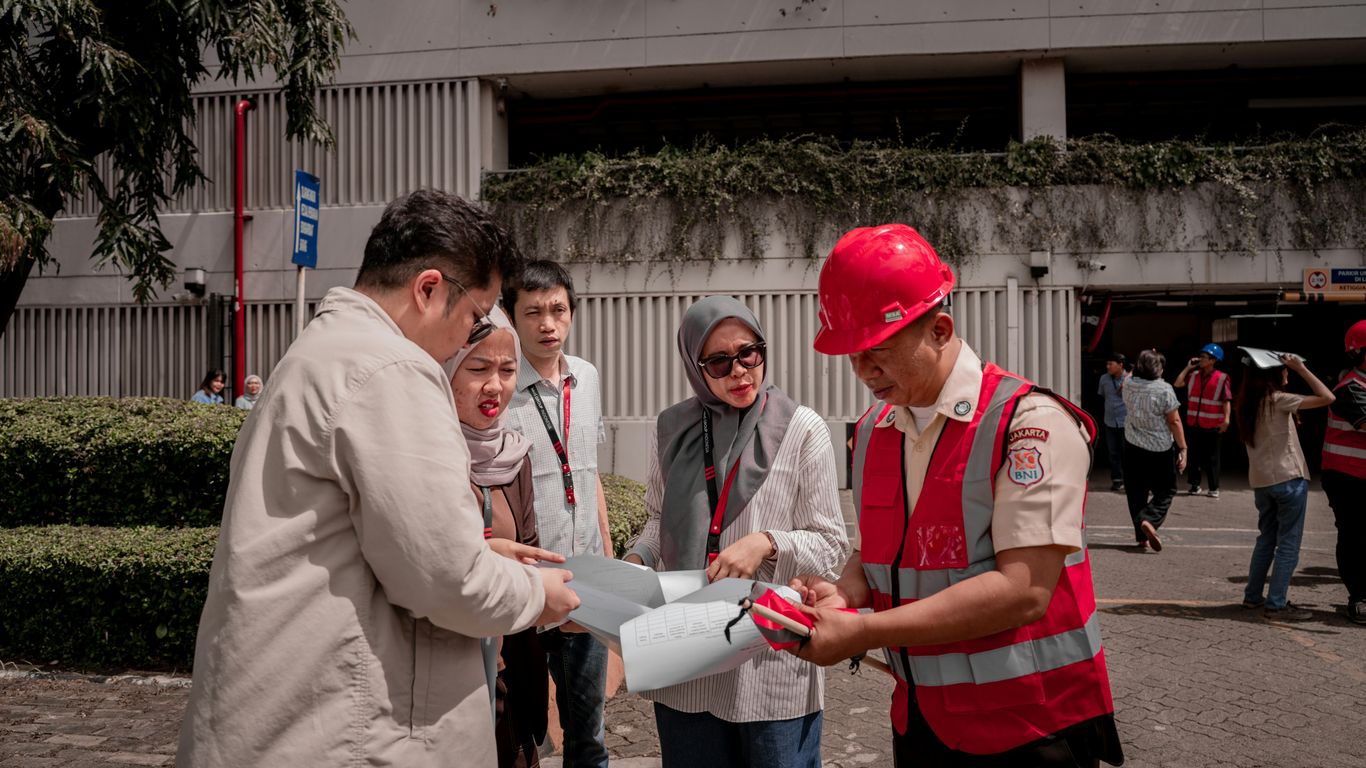
When an insurance company looks at a construction project, they’re not just seeing a building going up; they’re seeing a whole bunch of potential risks. It’s their job to figure out just how risky a project is before they agree to cover it. This whole process is called underwriting, and it’s pretty detailed.
Evaluating Project Exposure
Underwriters need to get a handle on everything that could go wrong. This means looking at the type of building, how it’s being constructed, where it’s located, and who’s actually doing the work. They’ll consider things like:
- Project Scope and Complexity: Is it a simple single-family home or a massive skyscraper? The bigger and more complicated, the more potential for things to go sideways.
- Location and Environmental Factors: Is the site prone to floods, earthquakes, or high winds? Are there any specific local building codes or regulations that add complexity?
- Contractor Experience and Financial Stability: How long has the contractor been in business? Do they have a good track record? Are they financially sound enough to handle the project?
- Materials and Methods: Are they using standard materials, or something new and untested? What construction techniques are being employed?
The goal here is to get a clear picture of the potential for losses. They’re trying to predict both how often claims might happen and how much those claims might cost.
Historical Loss Data Analysis
Past performance is often a good indicator of future results, and that’s definitely true in insurance. Insurers keep detailed records of previous construction projects, looking at the types of claims that came in, how much they paid out, and what caused the losses. This historical data helps them understand trends and identify patterns. For example, if a certain type of foundation work has consistently led to water damage claims in a particular region, that’s a red flag. They use this information to refine their risk assessment and set premiums that reflect the actual likelihood of claims. It’s all about using what’s happened before to make better decisions now. This analysis is a key part of underwriting construction risks.
Underwriting Construction Risks
Once they’ve evaluated the project’s exposure and looked at historical data, underwriters put it all together. They decide if the risk is acceptable, and if so, on what terms. This might involve:
- Setting Premiums: Calculating the cost of the insurance based on the assessed risk.
- Determining Coverage Limits: Deciding the maximum amount the insurer will pay out.
- Applying Deductibles: Specifying the amount the policyholder must pay before the insurance kicks in.
- Adding Special Conditions or Exclusions: Including specific clauses to manage or exclude certain types of risks.
Sometimes, a project might be considered too risky, and the insurer might decline coverage altogether. Other times, they might require the contractor to implement specific safety measures or risk mitigation strategies before they’ll issue a policy. It’s a balancing act to protect the insurer’s financial stability while providing necessary coverage for the construction project. Insurance brokers often help clients navigate this complex process.
Underwriting is essentially the gatekeeper for insurance coverage. For construction projects, it involves a deep dive into every aspect of the build, from the ground up, to quantify potential financial losses. This meticulous evaluation is what allows insurers to offer protection while managing their own exposure to risk.
Policy Structure and Contractual Clauses
Understanding how an insurance policy is put together is pretty important, especially when you’re dealing with something as complex as construction projects. It’s not just a single document; it’s a collection of parts that work together to define what’s covered and what’s not. Think of it like the blueprints for your insurance – every line and detail matters.
Declarations Page and Insuring Agreement
The declarations page, often called the ‘dec page,’ is like the cover sheet of your policy. It lays out the basics: who is insured, the property or project covered, the limits of coverage, the premium you’re paying, and the policy period. It’s the quick-reference guide to your specific coverage. Following this is the insuring agreement. This is the core promise from the insurer – what they agree to cover and under what conditions. For course of construction, this section will detail the types of losses they will pay for, like damage from fire or wind during the building phase. It’s the heart of the contract, outlining the insurer’s commitment.
Exclusions and Conditions in Policies
No policy covers everything, and that’s where exclusions come in. These are specific events or circumstances that the insurer will not cover. For construction, common exclusions might involve things like faulty workmanship (unless it leads to a covered peril), wear and tear, or damage from floods or earthquakes if those aren’t specifically added. Conditions, on the other hand, are rules you, the policyholder, must follow for the coverage to be valid. This could include things like maintaining safety standards or providing prompt notice of a loss. Failing to meet these conditions can jeopardize your claim. It’s vital to read these sections carefully to avoid surprises later on.
Endorsements Modifying Coverage
Sometimes, the standard policy doesn’t quite fit the unique needs of a construction project. That’s where endorsements come in. These are amendments or additions to the policy that can add, remove, or change coverage. For instance, you might add an endorsement for debris removal after a loss, or perhaps one that extends coverage to include materials stored off-site. They are essentially policy riders that tailor the coverage to your specific situation. It’s a good idea to review any endorsements with your broker or agent to make sure they align with your project’s risks and your overall insurance needs.
Here’s a look at how endorsements can alter standard terms:
| Endorsement Type | Modification Made |
|---|---|
| Debris Removal | Adds coverage for costs to clear damaged property. |
| Ordinance or Law | Covers increased costs due to building code changes. |
| Broadened Perils | Includes coverage for specific risks not normally covered. |
| Materials Off-Premises | Extends coverage to materials stored away from the site. |
It’s also worth noting that policies often interact with other contractual agreements. For example, a contract might include a waiver of subrogation, which affects the insurer’s ability to recover costs from a responsible third party after paying a claim. Understanding these clauses is key to managing your overall risk profile.
Navigating Claims and Dispute Resolution
When a loss occurs, the claims process is where your insurance policy really gets put to the test. It’s not always straightforward, and sometimes, disagreements pop up. Understanding how claims are handled and what to do if you don’t see eye-to-eye with your insurer is pretty important.
The Claims Process Overview
First off, you’ve got to let the insurance company know something happened. This is the "notice of loss." After that, they’ll usually send out an adjuster. This person’s job is to figure out what happened, check if the policy covers it, and figure out how much the damage is worth. It’s a whole cycle: notice, investigation, figuring out coverage, valuing the loss, and then settling it, or sometimes denying it if it’s not covered. Keeping good records throughout this whole thing is a big deal.
- Notice of Loss: Report the incident promptly.
- Investigation: Adjuster gathers facts and assesses damage.
- Coverage Determination: Insurer reviews policy terms.
- Valuation: Estimating the monetary value of the loss.
- Settlement or Denial: Final decision on claim payment.
Coverage Determination and Investigation
This is where the insurer really digs in. They’re looking at a few key things: Was the event that caused the loss actually covered by your policy? What exactly caused the damage? Did you meet all the conditions laid out in the policy? Sometimes, figuring out the cause is the trickiest part and can lead to disagreements. They might ask for documents, inspect the site, or even talk to witnesses. It’s all about verifying the facts against the policy language. If you’re unsure about policy terms, it’s good to have a clear picture of policy interpretation and legal standards.
Insurers must carefully review policy language, exclusions, and conditions to accurately determine coverage. This involves a thorough investigation of the facts surrounding the loss to ensure the claim aligns with the contractual agreement.
Disputes Over Scope and Valuation
Even when a claim is accepted, you might not agree on the details. Common sticking points include how much repair work is actually needed (the scope) or how much it should cost. For instance, if a roof is damaged, does it need a full replacement or just a patch? And what’s the fair price for that work? Depreciation can also be a big factor here, affecting the final payout. If you can’t agree, there are ways to sort it out, like using alternative dispute resolution methods.
| Dispute Area | Common Issues |
|---|---|
| Scope of Repair | Extent of necessary work, matching materials |
| Valuation | Repair cost estimates, depreciation |
| Code Upgrades | Whether policy covers required upgrades |
| Matching Materials | Ensuring new materials match existing ones |
Mitigating Hazards and Moral Hazard
When we talk about construction projects, there are always risks involved. Some of these are just part of building things, like bad weather or material defects. We call these perils. But then there are also hazards, which are conditions that make those perils more likely to happen or worse if they do. Think of a poorly maintained construction site – that’s a physical hazard.
Beyond physical issues, insurance also has to deal with human behavior. This is where moral hazard and morale hazard come into play. Moral hazard is when having insurance might make someone take bigger risks because they know they’re covered if something goes wrong. For example, a contractor might cut corners on safety if they feel the insurance will handle any accidents. Morale hazard is a bit different; it’s more about carelessness. If you know your tools are insured against theft, you might not be as careful about locking them up at the end of the day.
Insurers try to manage these behavioral risks in a few ways. They use things like deductibles, which means the policyholder has to pay a portion of the loss themselves. This gives them a financial stake in preventing claims. They also have specific exclusions in policies for certain types of losses that are more prone to moral hazard.
Here’s a quick look at how these concepts differ:
| Hazard Type | Description |
|---|---|
| Physical Hazard | Conditions that increase the likelihood or severity of a loss (e.g., faulty wiring). |
| Moral Hazard | Increased risk-taking due to the presence of insurance. |
| Morale Hazard | Increased carelessness or indifference due to the presence of insurance. |
To combat these issues, insurers often work with policyholders to implement loss control measures. This could involve safety training, regular site inspections, or requiring specific safety protocols. It’s a partnership aimed at reducing the chances of a claim happening in the first place. Insurance agents also play a role here, educating clients about their responsibilities and the importance of safe practices, which helps keep claims down and policies sustainable. This partnership in safety benefits everyone involved by making projects safer and potentially lowering insurance costs over time.
It’s important for everyone involved in a construction project, from the owner to the subcontractors, to understand that insurance isn’t a blank check. It’s a tool to manage financial risk, but it works best when combined with responsible actions and a commitment to safety. Proactive risk management is key to a successful and secure project.
Legal and Regulatory Frameworks
Insurance, and specifically course of construction coverage, doesn’t just operate in a vacuum. There’s a whole system of laws and regulations that shape how these policies are written, sold, and how claims are handled. It’s pretty complex, honestly, and understanding it can save you a lot of headaches down the line.
Policy Interpretation and Legal Standards
When a dispute arises over what a policy covers, courts often have to step in and interpret the policy language. Generally, if there’s an ambiguity in the wording, it’s usually read in favor of the policyholder. This is a pretty standard legal principle, but it means that clear and precise language in your policy is super important. Insurers have to be careful about how they phrase things, and so do you when you’re reviewing it. It’s all about making sure the contract actually means what you think it means. This careful analysis of policy terms is a key part of determining insurance coverage.
Insurance Regulation and Oversight
Insurance companies are regulated pretty heavily, mostly at the state level here in the U.S. These state departments of insurance keep an eye on things like whether insurers have enough money to pay claims (solvency), how they treat customers (market conduct), and if their prices are fair. They’re there to protect consumers and make sure the insurance market stays stable. If an insurer isn’t playing by the rules, regulators can step in, issue fines, or even revoke their license. It’s a big deal for making sure you’re dealing with a reputable company.
Fraud, Misrepresentation, and Rescission
Honesty is a big deal in insurance. If you lie or leave out important information when you apply for a policy – especially if that information would have changed the insurer’s decision to offer coverage or how they priced it – they might be able to cancel the policy. This is called rescission. It’s not something insurers do lightly, but they have to protect themselves and the other policyholders from fraud. So, always be truthful and disclose everything material when you’re filling out applications. It’s a core part of the claims handling process.
Here’s a quick rundown of what can happen:
- Material Misrepresentation: Providing false information that influences the insurer’s decision.
- Concealment: Failing to disclose a fact that you know is important to the risk.
- Fraud: Intentionally deceiving the insurer for financial gain.
These actions can lead to a policy being voided, meaning it’s as if it never existed, and any claims filed could be denied.
Market Dynamics and Capacity
The insurance market isn’t static; it goes through cycles. Think of it like the weather – sometimes it’s sunny and easy to get coverage, and other times it’s stormy and much harder. These shifts, often called ‘hard’ and ‘soft’ markets, really impact how much construction insurance costs and what kind of coverage you can even find.
Insurance Market Cycles
When the market is ‘soft,’ there’s a lot of insurance company money available, and competition is high. This usually means lower premiums and broader coverage terms for construction projects. It’s a good time to lock in policies. On the flip side, a ‘hard’ market means less capacity, higher premiums, and more restrictive terms. Insurers become pickier about what they’ll cover, often due to recent large losses or economic uncertainty. This can make it tough to get the right course of construction coverage for complex projects.
- Soft Market: Abundant capacity, lower prices, broader terms.
- Hard Market: Limited capacity, higher prices, stricter terms.
- Cycle Drivers: Loss trends, economic conditions, capital availability.
Understanding these market cycles is key for any construction business. It helps in planning budgets and anticipating potential challenges in securing adequate insurance protection.
Specialty and Excess Markets
Sometimes, standard insurance carriers can’t or won’t provide the full amount of coverage needed for a large or unique construction project. That’s where specialty and excess markets come in. These markets are designed to handle risks that fall outside the norm. Specialty insurers focus on specific industries or types of risk, while excess insurers provide coverage above the limits offered by primary carriers. Getting coverage here often involves more detailed underwriting and can come at a higher price, but it’s vital for projects with significant exposure.
Distribution Channels and Intermediaries
How you get your insurance matters. You’ll typically work with agents, who represent one or more insurance companies, or brokers, who represent you, the client. Both play a role in connecting you with the right markets, whether it’s a standard admitted carrier or a non-admitted (often called surplus lines) market for specialized needs. Choosing the right intermediary can make a big difference in finding suitable coverage and negotiating terms. They help interpret the complex landscape of insurance availability and policy options.
Wrapping Up Course of Construction Coverage
So, we’ve gone over a lot about Course of Construction coverage. It’s not just about protecting a building while it’s being built, but also about making sure everyone involved, from the owner to the contractors, is covered if something unexpected happens. Understanding the details, like what triggers coverage and what the limits are, really matters. It’s a pretty specific type of insurance, and getting it right means fewer headaches down the road when you’re trying to get a project finished. Making sure you have the right policy in place from the start helps keep things moving smoothly and protects the investment.
Frequently Asked Questions
What exactly is Course of Construction (COC) coverage?
Think of Course of Construction coverage as a special type of insurance that protects buildings and structures while they are being built or renovated. It covers damage from things like fire, wind, or vandalism that might happen before the project is finished and ready for its intended use.
What kind of things does this insurance usually pay for?
This insurance typically covers the building materials, temporary structures, and the building itself as it’s being constructed. It can also cover things like equipment and supplies stored at the job site. If something happens that damages these items, the insurance helps pay to fix or replace them.
Why is this type of insurance important for construction projects?
Construction projects involve a lot of materials and work, and accidents can happen. This insurance is important because it protects the builders and owners from losing a lot of money if something goes wrong during the building process. It helps keep the project on track financially.
What does ‘insurable interest’ mean in insurance?
Having an ‘insurable interest’ means you would suffer a financial loss if the insured thing (like a building under construction) gets damaged or destroyed. You have to have a vested stake in the project to get insurance for it. It’s not just about being curious; it’s about potential financial harm.
What’s the difference between ‘Replacement Cost’ and ‘Actual Cash Value’?
Replacement Cost means the insurance will pay to replace the damaged item with a new one of similar kind and quality, without subtracting for wear and tear. Actual Cash Value means they’ll pay the replacement cost minus depreciation, which is the decrease in value due to age and use. So, Actual Cash Value usually pays out less.
How do insurance companies decide if they want to insure a construction project?
Insurance companies look at many things, like the type of building, where it’s located, how it’s being built, and the experience of the construction company. They also look at past claims on similar projects to figure out the level of risk involved. This whole process is called underwriting.
What is a ‘deductible’ in an insurance policy?
A deductible is the amount of money you, the policyholder, have to pay out of your own pocket before the insurance company starts paying for a claim. For example, if you have a $1,000 deductible and a $5,000 claim, you pay the first $1,000, and the insurance company pays the remaining $4,000.
What happens if there’s a disagreement about a claim?
If you and the insurance company disagree on whether a claim should be paid or how much it should be, there are ways to resolve it. This can include talking directly, using a mediator, going through an appraisal process, or even taking it to court. The policy’s terms usually guide this process.