

When you’re looking at how to handle risk for a business or organization, you’ll often run into the idea of self-insured program structures. It’s not as simple as just deciding not to buy insurance. There are a lot of moving parts, from how you group risks to the actual paperwork involved. This article breaks down the different pieces that make up these programs, so you can get a clearer picture of what’s what. We’ll cover the basics, the nitty-gritty of policy design, and even how claims get sorted out. It’s all about understanding the framework.
Key Takeaways
- Understanding the core elements of self-insured program structures involves looking at how risks are pooled, the basic rules of insurance contracts, and how insurance itself acts as a way to manage risk.
- Designing an insurance policy means paying attention to the details like the declarations page, what’s covered and what’s not, liability limits, and how much the insured has to pay out-of-pocket through deductibles or retentions.
- Figuring out how much a loss is worth involves different methods, like replacement cost versus actual cash value, and how depreciation is handled can really change the final payout amount.
- When it comes to liability, coverage often comes in layers – primary, excess, and umbrella – and policies have clauses that spell out who pays what and when.
- The whole process of handling claims, from telling the insurer about a problem to getting it resolved, is laid out in specific procedures, including how coverage is determined and how disputes are settled.
Foundational Elements Of Self Insured Program Structures
When we talk about self-insured programs, we’re really looking at how organizations decide to manage their own risks instead of handing them off entirely to an insurance company. It’s not just about saving money, though that’s often a big part of it. It’s about taking control and building a system that fits the specific needs of the business. Think of it like deciding to build your own house versus buying a pre-fab one – you get to choose the materials, the layout, and how everything is put together.
Risk Pooling And Risk Transfer Mechanisms
At its heart, insurance is about spreading risk. In a traditional setup, this means a lot of people pay a little bit of money (premiums) into a big pot. When someone in that group has a bad event, the money from the pot is used to help them out. This is risk pooling. It makes big, scary potential losses feel a lot more manageable because the financial burden is shared. Risk transfer is the formal process where you officially hand over that financial responsibility to someone else, usually an insurance company, in exchange for that premium payment. For self-insured programs, the organization essentially becomes its own insurer for a portion of its risks, creating an internal pool or directly retaining the risk. This approach requires a solid understanding of potential losses to ensure the internal funds are adequate. It’s a way to engineer how risk is distributed, retained, and transferred within the organization itself, aiming for a balance between affordability and exposure management.
Fundamental Principles Governing Insurance Contracts
Even when you’re self-insuring, the underlying principles that make insurance work still apply. These are the bedrock rules that ensure fairness and order. You’ve got the idea of insurable interest, meaning you have to stand to lose something financially if the event happens. Then there’s the principle of utmost good faith – both sides have to be honest and upfront. Indemnity means you shouldn’t profit from a loss; you should just be put back in the financial position you were in before. These aren’t just legal jargon; they’re the common-sense rules that keep the whole system from being abused. When setting up a self-insured program, understanding these principles helps in designing internal policies and procedures that mimic the protections found in traditional insurance contracts, ensuring that the internal risk management system operates fairly and effectively.
Insurance As A Risk Management System
It’s easy to think of insurance as just a product you buy, but it’s really a sophisticated system for managing financial uncertainty. It doesn’t make risks disappear, but it changes how those risks affect your finances. By transferring potential large, unpredictable losses into smaller, predictable costs (premiums), businesses can plan better and take on calculated risks that drive growth. Insurance is just one piece of the larger risk management puzzle, which also includes avoiding risks, reducing their impact, and retaining some level of exposure. A self-insured program is essentially building a custom risk management system, often integrating traditional insurance for catastrophic events with internal funding for more frequent, smaller losses. This integrated approach allows for greater control over the entire risk landscape.
Here’s a quick look at how these elements come together:
- Risk Identification: Pinpointing what could go wrong.
- Risk Assessment: Figuring out how likely it is to happen and how bad it could be.
- Risk Treatment: Deciding whether to avoid, reduce, retain, or transfer the risk.
- Financial Planning: Allocating funds to cover retained risks or premiums for transferred risks.
Building a self-insured program means you’re not just buying protection; you’re actively designing a financial shield. It requires a deep look into your organization’s specific exposures and a commitment to managing those risks proactively. This strategic approach can lead to significant cost savings and a more tailored risk management strategy compared to off-the-shelf insurance policies.
Core Components Of Insurance Policy Design
When you get an insurance policy, it’s not just a piece of paper; it’s a detailed contract. Understanding its parts is key to knowing what you’re actually covered for. Think of it like reading the instruction manual for something important – you wouldn’t just toss it aside, right?
Declarations Page and Insuring Agreements
The declarations page is usually the first page you see. It’s like the summary of your policy. It lists who is insured, what property or activity is covered, the limits of that coverage, and how much you’re paying (the premium). This page is super important because it personalizes the general policy terms to your specific situation. Then you have the insuring agreements. This is where the insurance company actually spells out what it promises to do, usually to pay for losses caused by specific events or perils. It’s the core promise of the policy.
Exclusions, Conditions, and Endorsements
Now, policies also have sections that limit coverage. Exclusions are pretty straightforward – they list the specific risks or situations that the policy won’t cover. For example, a standard homeowner’s policy might exclude flood damage. Conditions are the rules you and the insurer have to follow. This could include things like reporting a claim promptly or cooperating with an investigation. Failure to meet these conditions can affect your coverage. Endorsements, on the other hand, are like add-ons or modifications. They can add coverage, remove it, or clarify certain terms. They’re often used to tailor the policy to unique needs, like adding coverage for a specific piece of equipment or adjusting terms for a particular business operation. It’s good to know about endorsements because they can significantly change what’s covered.
Limits of Liability and Sublimits
Limits of liability are the maximum amounts the insurance company will pay out for a covered loss. These are usually stated on the declarations page. For liability policies, this might be a total amount for any one occurrence or for the entire policy period. Sublimits are a bit more specific; they’re smaller limits that apply to particular types of losses or specific coverages within the main policy. For instance, a business policy might have a sublimit for damage caused by certain types of water backup, even if the overall property damage limit is much higher. It’s all about managing the insurer’s exposure and making sure the policy aligns with your actual risk profile.
Deductibles and Self-Insured Retentions
These two terms often get mixed up, but they’re both about the amount of loss you, the policyholder, are responsible for before the insurance kicks in. A deductible is a set amount you pay per claim. If your deductible is $1,000 and you have a $5,000 covered loss, you pay $1,000, and the insurer pays $4,000. A self-insured retention (SIR) is a bit different, especially common in commercial insurance. It’s an amount the policyholder retains for each claim or occurrence, and it usually doesn’t include expenses like legal defense costs, which a deductible often does. With an SIR, you’re essentially acting as your own insurer up to that amount. Both mechanisms are designed to reduce small claims and encourage policyholders to take steps to prevent losses, which helps keep premiums more stable over time. Understanding these elements is part of effective insurance placement.
Valuation Methods And Loss Measurement
When a loss occurs, figuring out how much the insurance company will pay out is a big deal. It’s not always a straightforward number, and how the policy defines value plays a huge role. This is where valuation methods and loss measurement come into play, and understanding them can save you a lot of headaches.
Replacement Cost Versus Actual Cash Value
Two of the most common ways to determine the payout for damaged or lost property are Replacement Cost (RC) and Actual Cash Value (ACV). RC pays to replace the damaged item with a new one of similar kind and quality. Think of it as getting a brand-new version of what you lost. ACV, on the other hand, pays the replacement cost minus depreciation. Depreciation accounts for the item’s age and wear and tear. So, if your five-year-old TV is destroyed, ACV would pay what a five-year-old TV is worth, not what a brand-new one costs. This difference can be pretty significant, especially for items that lose value quickly.
- Replacement Cost (RC): Pays for a new item of similar kind and quality.
- Actual Cash Value (ACV): Pays replacement cost minus depreciation.
The choice between RC and ACV is usually made when you buy the policy. Opting for Replacement Cost coverage typically means a higher premium, but it offers more complete financial recovery after a loss. It’s a trade-off between upfront cost and the level of protection you receive when you actually need it.
Agreed Value and Stated Value Structures
Beyond RC and ACV, some policies use Agreed Value or Stated Value. With Agreed Value, the insurer and the insured agree on the value of the item before any loss occurs. This value is written into the policy. It’s common for unique or high-value items like classic cars or fine art. Stated Value is similar, but it’s usually the maximum amount the insurer will pay, regardless of the actual value or replacement cost. It’s important to know which structure your policy uses, as it directly impacts the potential payout. For instance, if you have a classic car insured for $100,000 Agreed Value and it’s totaled, you get $100,000. If it were ACV, the payout might be much less depending on its depreciated market value. Understanding these valuation methods is key to proper insurance planning.
Depreciation Treatment in Loss Settlements
How depreciation is handled is a critical part of loss settlements, especially when ACV is involved. Some policies might pay out the ACV initially and then pay the difference between ACV and RC if you actually replace the item. This is often called
Liability And Risk Transfer Layers
Primary, Excess, And Umbrella Coverage
Think of liability insurance not as a single shield, but as a series of protective layers. The first line of defense is the primary layer. This is the policy that responds first when a claim occurs. It has its own limits, and once those are exhausted by payments for defense and indemnity, the next layer kicks in. That’s where excess and umbrella coverage come into play. Excess policies typically follow the form of the underlying primary policy but provide higher limits. Umbrella policies, on the other hand, can be broader, sometimes offering coverage for claims not covered by the primary policy, though usually with higher retentions. Understanding how these layers interact is key to managing significant legal exposures. It’s all about making sure there aren’t any gaps where a large claim could fall through.
Allocation Of Responsibility And Contribution Clauses
When multiple insurance policies are involved in a single claim, figuring out who pays what can get complicated. This is where allocation of responsibility and contribution clauses become important. These clauses dictate how the loss is shared among different policies, whether they are from the same insurer or different ones, and whether they are primary, excess, or umbrella. For instance, contribution clauses might state that if multiple primary policies respond, they share the loss proportionally based on their limits. Similarly, excess policies have specific rules about when they attach and how they contribute once the underlying limits are used up. It’s a bit like a puzzle, piecing together the obligations of each insurer based on the policy wording and legal principles. This coordination is vital for a smooth claims process and to avoid disputes between insurers. You can find more on how policies attach and what that means for risk allocation in resources that explain policy attachment points.
Layering Structures For Increased Limits
Layering insurance coverage is a common strategy for organizations that face potentially large liability claims. By stacking multiple policies on top of each other, businesses can significantly increase their total available limits of liability. This approach is particularly useful for companies in high-risk industries or those involved in large-scale projects. For example, a primary general liability policy might have a limit of $1 million. An excess policy could then add another $5 million, and a second excess or umbrella policy could add $10 million or more. This creates a substantial financial safety net. The structure of these layers, including the attachment points and the wording of each policy, must be carefully managed to ensure that coverage flows smoothly from one layer to the next without any unintended gaps. It’s a way to engineer a robust defense against severe financial consequences.
| Coverage Type | Limit | Attachment Point |
|---|---|---|
| Primary GL | $1,000,000 | $0 |
| Excess GL 1 | $5,000,000 | $1,000,000 |
| Excess GL 2 | $10,000,000 | $6,000,000 |
The careful design of these layered structures is not just about buying more coverage; it’s about strategically allocating risk across different insurance agreements to match the organization’s specific exposure profile and financial capacity. Each layer serves a distinct purpose in the overall risk management framework.
Specialized Coverage Models And Risk Categories
Insurance isn’t a one-size-fits-all kind of deal. Different types of risks require different kinds of policies, and understanding these specialized models is key to making sure you’re actually covered when something goes wrong. It’s all about matching the policy to the specific exposure you’re facing.
Property and Time Element Coverage
Property insurance is pretty straightforward – it’s designed to protect your physical stuff. Think buildings, equipment, inventory, that sort of thing. But what happens when damage to your property stops your business from making money? That’s where time element coverage comes in. This part of the policy, often called Business Interruption or Business Income coverage, steps in to help replace lost income and cover ongoing expenses while your property is being repaired or replaced. It’s a critical component for business continuity. The trigger for this coverage usually relies on direct physical damage to the insured property, though some policies can be broadened. It’s important to assess if your current coverage adequately addresses potential income loss scenarios.
| Coverage Type | What it Protects |
|---|---|
| Building Coverage | The physical structure of your property. |
| Business Personal Property | Contents like furniture, equipment, and inventory. |
| Business Income | Lost profits and continuing expenses due to damage. |
| Extra Expense | Costs incurred to minimize business interruption. |
Commercial Liability and Professional Indemnity
Commercial liability insurance is your shield against claims that you’ve caused harm to others, whether it’s bodily injury or property damage. This can get complicated, especially for businesses that offer advice or services. That’s where professional indemnity, also known as Errors & Omissions (E&O) insurance, comes into play. It covers claims arising from mistakes, negligence, or failure to deliver professional services. For example, a consultant who gives bad advice leading to financial loss for their client might be covered by E&O. Similarly, directors and officers (D&O) liability protects the personal assets of company leaders from lawsuits related to their management decisions. These policies are highly tailored, and understanding the specific risks associated with your profession or business is vital. Specialty policies often address these unique exposures.
Health, Life, and Specialty Policies
Beyond property and general liability, there’s a whole other world of insurance designed for personal and specific business needs. Health insurance covers medical costs, and life insurance provides a financial safety net for your beneficiaries upon your death. These policies address personal financial security. On the commercial side, specialty policies are created for risks that don’t fit neatly into standard categories. Think cyber insurance for data breaches, environmental liability for pollution incidents, or product recall insurance. These often require specialized underwriting because the risks are unique and can be quite complex. It’s about getting coverage that truly fits your specific situation, not just a generic policy.
The design of any insurance policy, whether for property, liability, or a specialized risk, hinges on clearly defining the perils covered and the conditions under which a claim can be made. Exclusions are just as important as what’s included, as they carve out specific risks from coverage. Endorsements, on the other hand, can modify or add to the base policy terms. Understanding these elements is fundamental to accurate risk assessment and policy interpretation, preventing surprises when a loss occurs. Insurance functions by pooling risk and transferring financial risk from individuals or businesses to an insurer.
Claims Initiation And Resolution Processes

The claims process is where the rubber meets the road in the insurance world. It’s the point where a policyholder formally requests compensation for a loss they believe is covered by their policy. This isn’t just a simple transaction; it’s a structured procedure involving several key stages, each with its own set of rules and potential challenges. Getting this right is pretty important for both the insurer and the insured.
Claims Notification and Investigation Procedures
It all starts when you, the policyholder, report an incident. This is the official notice of loss. You’ll typically do this by phone, through an online portal, or maybe via your insurance agent. It’s really important to report claims promptly because many policies have conditions about timely notification. If you wait too long, it could complicate things or even affect your coverage, depending on the specifics and where you are located. Once the insurer gets the notice, they’ll assign someone, usually a claims adjuster, to look into what happened. This investigation is thorough. They’ll check the policy details, gather facts, maybe take statements, look at reports, and assess any damage. The goal here is to figure out if the loss is covered and what caused it. It’s a bit like being a detective, trying to piece everything together.
Coverage Determination and Reservation of Rights
After the initial investigation, the insurer has to decide if the claim falls within the policy’s terms. This involves carefully reading the policy language, including any endorsements or exclusions. It’s a legal interpretation, really. Sometimes, the insurer might not be entirely sure about coverage right away, especially with complex claims. In these situations, they might issue a ‘reservation of rights’ letter. This basically means they’re continuing to investigate and will pay for the claim if it turns out to be covered, but they’re not committing to it yet. It protects their right to later deny the claim if their investigation reveals it’s not covered. This step is critical for managing expectations and legal obligations.
Settlement and Payment Structures
If the claim is approved, the next step is figuring out the payout. This is where valuation comes into play – determining the actual monetary value of the loss. For property damage, this might involve getting repair estimates or assessing depreciation. For liability claims, it could be about the cost of damages or legal defense. Settlements can happen in a few ways. Sometimes it’s a straightforward lump sum payment. Other times, especially for ongoing issues like disability or structured settlements for liability cases, payments might be made over time. The structure of the settlement can have significant financial implications for everyone involved.
Claim Denial and Dispute Resolution Mechanisms
What happens if the insurer denies the claim, or if you disagree with the settlement amount? That’s when dispute resolution comes into play. Denials usually happen because the loss is excluded, there was a misrepresentation, or a policy condition wasn’t met. If you disagree, there are several paths. You can start with an internal appeal process with the insurer. If that doesn’t work, alternative dispute resolution (ADR) methods like mediation or arbitration are often used. These are generally less costly and faster than going to court. Many policies even have specific appraisal clauses, particularly for property claims, to help resolve valuation disagreements. If all else fails, litigation is an option, but it’s usually the last resort. It’s good to know that there are ways to challenge a decision if you feel it’s unfair. You can find more information on how disagreements are handled at alternative dispute resolution.
Handling claims fairly and efficiently is a big deal. Insurers have a duty to act in good faith. If they don’t, it can lead to what’s called a ‘bad faith’ claim, which can have serious consequences for the insurer. This means they can’t just unreasonably deny or delay payments. There are regulations in place to prevent unfair claims practices, and these are taken seriously by regulators.
Regulatory Supervision And Market Dynamics
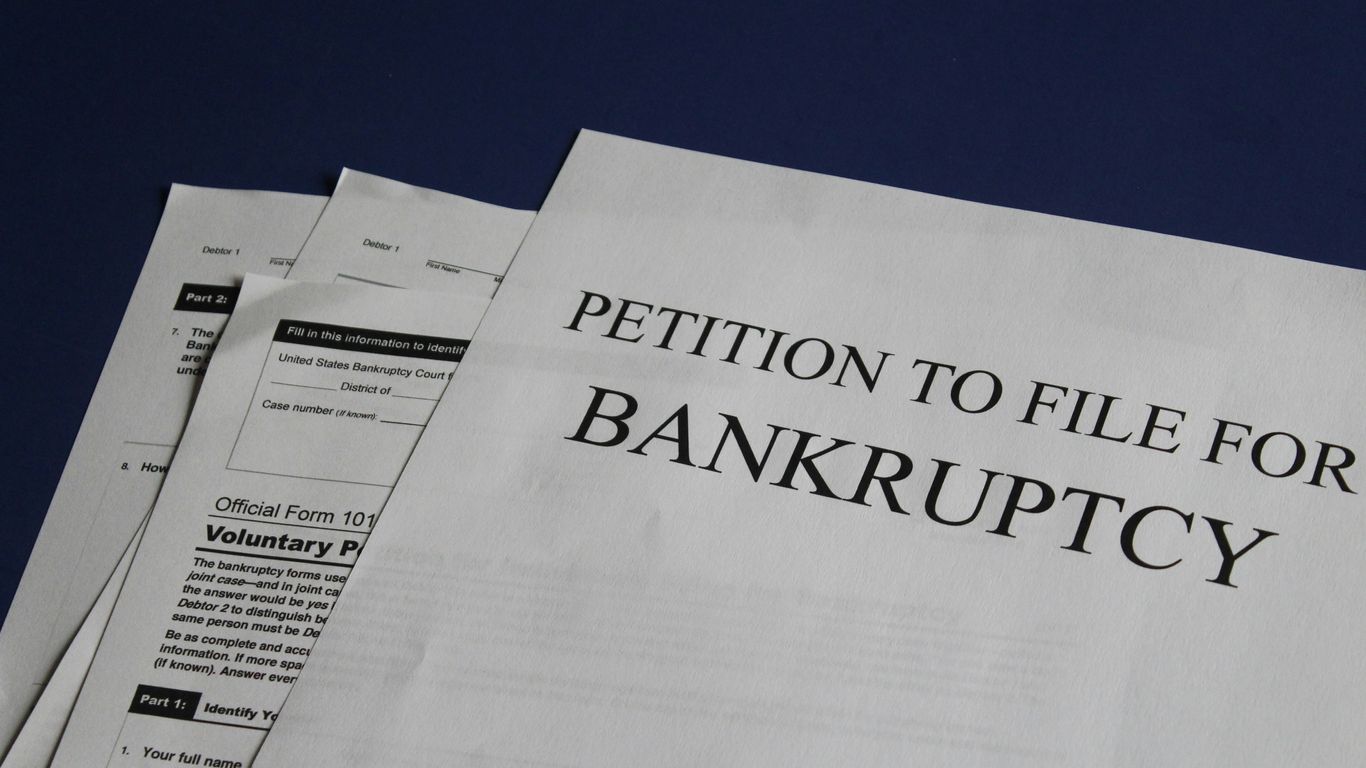
Insurance isn’t just about contracts and claims; it’s also a heavily regulated industry. Think of it like the rules of the road for cars – they’re there to keep things orderly and safe for everyone involved. In the United States, this regulation is mostly handled at the state level. Each state has its own insurance department that keeps an eye on things to make sure companies are financially sound and playing fair with policyholders. This state-based approach means insurers have to keep track of different rules depending on where they operate, which can get pretty complicated.
Regulatory Frameworks And Solvency Requirements
At its core, regulation aims to protect consumers and keep the insurance system stable. A big part of this is making sure insurers have enough money – their solvency – to pay out claims, especially after a major disaster. States set rules for how much capital insurers need to hold and how they invest their money. They also monitor how companies treat their customers, looking at things like advertising, sales tactics, and how claims are handled. If an insurer isn’t following the rules, regulators can step in, issue fines, or even suspend their license. It’s a system designed to build trust and prevent the kind of financial collapses that could hurt a lot of people. For a deeper look at how this works, you can check out information on state insurance departments.
Market Cycles And Capacity Fluctuations
Insurance markets aren’t static; they go through cycles. You’ll hear people talk about
Alternative Risk Management Structures
Sometimes, the standard insurance market just doesn’t quite fit. That’s where alternative risk management structures come into play. These aren’t your everyday policies; they’re more like custom-built solutions for organizations looking to take a more hands-on approach to their risk.
Captive Insurance Company Formations
A captive insurance company is essentially an insurance company that a parent company creates to insure its own risks. Think of it as setting up your own insurance arm. This can be a smart move for larger organizations that have a consistent, predictable loss history and want more control over their insurance program. It allows them to potentially reduce costs by cutting out traditional insurer overhead and profit margins. Plus, they can tailor coverage specifically to their unique needs. It’s a big undertaking, requiring significant capital and regulatory compliance, but the benefits can be substantial. The parent company essentially becomes the insurer for its own operations, which can lead to better risk management practices overall.
Risk Retention Groups
Risk retention groups (RRGs) are a bit different. They are liability insurance companies owned by their policyholders, but they’re specifically formed to cover the liability risks of their members. The key here is that the members must be engaged in similar businesses or activities. For example, a group of doctors might form an RRG to cover their professional liability. This structure allows them to pool their risks and gain access to liability coverage that might otherwise be unavailable or prohibitively expensive in the traditional market. It’s a way for industries to band together and manage their shared liability exposures. They operate under federal law, which allows them to operate across state lines more easily than traditional insurers, provided they meet certain requirements. This structure offers flexibility for specific industry needs.
Self-Insured Retention Programs
This is probably the most straightforward of the bunch. A self-insured retention (SIR) program is where an organization decides to retain a certain amount of risk for itself. Instead of paying a premium to an insurer for the first layer of loss, the organization pays those losses out of its own pocket up to a specified limit, known as the retention. An insurance policy then kicks in to cover losses above that retention amount. It’s a way to lower premium costs by taking on a manageable portion of the risk. The organization needs to have the financial capacity to handle potential losses within the SIR. It’s a common feature in many commercial insurance policies, often seen alongside deductibles, but with SIRs, the insured is typically responsible for managing the claims within that retention layer. This approach requires a solid understanding of potential loss scenarios.
Here’s a quick look at how these structures differ:
| Feature | Captive Insurance Company | Risk Retention Group | Self-Insured Retention (SIR) |
|---|---|---|---|
| Ownership | Parent Company | Policyholders | Organization |
| Primary Purpose | Insure Parent’s Risks | Cover Member Liability | Retain First Layer of Loss |
| Membership | Single Entity | Similar Businesses | Single Organization |
| Regulatory Focus | Domicile State | Federal/State | State (as part of policy) |
| Capital Requirement | High | Moderate | Moderate (for retention) |
Underwriting, Risk Classification, And Pricing
Underwriting Evaluation And Risk Selection
Underwriting is the process where insurers decide whether to offer coverage and on what terms. It’s all about looking at a potential policyholder’s situation and figuring out how likely they are to file a claim. This involves looking at a lot of different things. For businesses, this could mean checking out their safety records, how they operate, their financial health, and even the industry they’re in. The goal is to get a clear picture of the risk involved. This careful evaluation helps prevent what’s called adverse selection, where only the highest-risk individuals seek insurance, which can really mess up the balance of the insurance pool. It’s a bit like a detective job, piecing together clues to understand potential future events. We use information like past claims history and operational details to make these calls. For more context on how insurers assess risk, you can look into the insurance process of evaluating risks.
Risk Classification And Pool Balance
Once risks are evaluated, they need to be sorted. Risk classification groups similar applicants together. Think of it like putting apples with apples and oranges with oranges. This way, people with similar risk profiles are treated similarly when it comes to pricing and coverage. It’s important for fairness and keeping the insurance pool stable. If you have a bunch of low-risk people mixed in with very high-risk people without adjusting prices, the whole system can get out of whack. This classification helps maintain that balance, making sure the premiums collected are adequate to cover the expected claims from that group. It’s a key part of making sure the insurance system works for everyone involved.
Premium Structures And Rating Methodologies
Figuring out the price, or premium, for insurance is a complex task. It’s not just a random guess. Premiums need to cover a few things: the expected cost of claims, the insurer’s operating expenses, and a bit extra for profit and unexpected events. Actuaries use a lot of data and statistical models to estimate how often claims might happen and how much they might cost. There are different ways to set these prices. Some use standard rates based on risk categories, known as manual rating. Others might adjust the price based on an individual applicant’s specific history, which is called experience rating. The idea is to create a premium that is fair for the risk being covered, competitive in the market, and sufficient for the insurer to remain financially sound. This whole process is detailed in the insurance involves a multi-step process.
Here’s a quick look at some common rating factors:
- Exposure Characteristics: What is being insured and its inherent risks (e.g., building materials, type of business operations).
- Loss History: Past claims filed by the applicant.
- Geographic Location: Where the risk is located, as some areas have higher risks (e.g., natural disasters, crime rates).
- Safety Measures: Any preventative actions taken by the applicant to reduce risk.
The ultimate goal of underwriting, classification, and pricing is to create a sustainable insurance program. This involves accurately assessing risk, grouping similar exposures fairly, and setting prices that reflect the true cost of coverage while remaining competitive. It’s a constant balancing act that requires data, analysis, and a good understanding of market dynamics.
Fraud Detection And Loss Control Initiatives
Dealing with insurance fraud and actively working to prevent losses are pretty big deals in the self-insured world. It’s not just about paying out claims; it’s about keeping the whole system honest and as cost-effective as possible for everyone involved. Think of it like this: if a few people try to cheat the system, everyone else ends up paying more in the long run. That’s why insurers put a lot of effort into catching dishonest activity and helping policyholders avoid losses in the first place.
Fraudulent Activity And Misrepresentation
Insurance fraud can pop up in a few different ways. Sometimes, it’s during the application process itself. Someone might not be totally upfront about their business operations or past claims history, hoping to get better rates or coverage they wouldn’t otherwise qualify for. This is material misrepresentation, and if discovered, it can lead to the policy being canceled or claims being denied. Then there’s fraud during the claims stage. This could involve exaggerating the extent of damage, staging an accident, or even submitting fake documentation. Detecting these kinds of schemes requires a sharp eye and sophisticated tools. Insurers often use data analytics to spot unusual patterns and have special investigation units (SIUs) dedicated to digging into suspicious claims. It’s a constant cat-and-mouse game, but staying vigilant helps protect the integrity of the insurance pool. For more on how claims data is used, you can look into claims data analytics.
Subrogation And Recovery Rights
When an insurer pays out a claim, they don’t always just walk away from the situation. If someone else was actually responsible for the loss, the insurer usually has the right to go after that responsible party to get their money back. This is called subrogation. For example, if a faulty product caused damage to a business, and the business files a claim, the insurer might pay the claim and then pursue the product manufacturer for the amount paid. Similarly, salvage rights allow insurers to take possession of damaged property after paying a total loss claim, which they can then sell to recoup some of their costs. These recovery efforts are pretty important because they help reduce the net cost of claims, which in turn can help keep premiums more stable for everyone. Understanding how losses are measured is key here, especially when looking at loss severity analysis.
Loss Control And Risk Mitigation Strategies
Beyond just reacting to claims and fraud, insurers also work proactively with policyholders to reduce the likelihood and severity of losses. This is loss control. It can take many forms, depending on the type of insurance. For a business, it might involve safety audits, recommendations for better security systems, or guidance on compliance with industry regulations. For property insurance, it could mean advising on fire prevention measures or structural improvements to withstand severe weather. The idea is simple: fewer losses mean lower costs for both the insured and the insurer. It’s a partnership aimed at making things safer and more secure. Some common strategies include:
- Regular safety inspections and risk assessments.
- Implementing enhanced security protocols and employee training programs.
- Developing emergency preparedness and business continuity plans.
- Advising on proper maintenance of equipment and property.
Proactive risk management isn’t just about avoiding financial hits; it’s about building resilience and ensuring operational continuity in the face of potential disruptions. It requires a commitment from both the insurer and the insured to identify, assess, and treat risks before they escalate into costly claims.
Wrapping It Up
So, we’ve looked at a bunch of different ways insurance programs can be put together. It’s not just one-size-fits-all, that’s for sure. From how coverage kicks in and how losses are figured out, to who pays what when there are multiple layers of insurance, it all matters. We also touched on how different types of insurance, like for property or for when a business has to shut down temporarily, have their own setups. It really shows that designing these programs takes a lot of thought about what could go wrong and how to best handle it. It’s a complex field, but understanding these structures helps everyone involved.
Frequently Asked Questions
What is self-insurance?
Self-insurance is like setting aside your own money to pay for potential problems instead of buying insurance from a company. You’re basically your own insurance provider, taking on the risk yourself.
Why would someone choose to self-insure?
Businesses might self-insure to save money on premiums, have more control over their risk management, or because regular insurance doesn’t cover their specific needs. It can be a way to manage costs when risks are predictable.
What’s the difference between a deductible and self-insured retention?
A deductible is the amount you pay out-of-pocket before your insurance kicks in. A self-insured retention (SIR) is similar, but it means you’re responsible for the entire amount up to that limit, and the insurance only starts after you’ve paid it all. Think of SIR as a bigger chunk of risk you’re handling yourself.
Are there different ways to structure self-insurance programs?
Yes, there are! Some companies create their own insurance companies, called captives, or join groups with other companies to share risks. Others simply set aside funds to cover expected losses, which is a basic form of self-insurance.
What are the basic parts of an insurance policy?
An insurance policy usually has a Declarations Page that lists who and what is covered, the limits, and the cost. It also includes Insuring Agreements (what the policy promises to do), Exclusions (what it doesn’t cover), Conditions (rules you must follow), and Endorsements (changes or additions to the policy).
How are losses measured when a claim is made?
Losses can be measured in a few ways. ‘Replacement Cost’ means you get enough money to buy a brand-new item. ‘Actual Cash Value’ means you get the value of the item minus its wear and tear (depreciation). Sometimes, you agree on a value beforehand.
What is ‘risk pooling’?
Risk pooling is when a group of people or businesses pay into a common fund. When someone in the group has a loss, the money from the fund is used to help them. It spreads the risk so no single person has to bear a huge cost alone.
What happens if an insurer suspects fraud?
If an insurer thinks a claim is fraudulent, they will investigate thoroughly. If fraud is proven, the claim will likely be denied, and the policy could even be canceled. It’s important to be honest when applying for insurance and when filing a claim.