

So, you’re dealing with a big project and wondering about insurance? Specifically, how to manage it all when contractors are involved. That’s where a contractor controlled insurance program, or CCIP, comes into play. It’s basically a way for the main contractor to handle the insurance for everyone working on the site. It sounds complicated, but it can actually simplify things and save money if done right. Let’s break down what a contractor controlled insurance program really is and why it matters.
Key Takeaways
- A contractor controlled insurance program (CCIP) puts the primary contractor in charge of managing insurance for a specific project, covering all enrolled contractors and subcontractors.
- CCIPs aim to control costs, improve safety, and streamline insurance administration by consolidating coverage under one program.
- Key components include program administration, specific coverage types like general liability and workers’ compensation, and clear rules for contractor participation.
- Implementing a CCIP involves careful program design, risk assessment, and working with insurers to place the right coverage.
- Effective claims handling, financial management, and regulatory compliance are vital for a successful contractor controlled insurance program.
Understanding Contractor Controlled Insurance Programs
Defining Contractor Controlled Insurance Programs
A Contractor Controlled Insurance Program, often called a CCIP, is basically a way to handle insurance for a construction project, but with the contractor taking the reins. Instead of each subcontractor or the owner buying their own separate policies, one big policy is set up to cover everyone involved on that specific job. The contractor manages this program, which can really change how risks are handled and costs are managed. It’s a project-specific insurance arrangement where the contractor is responsible for administering the insurance coverage for all parties working on the site. This setup is different from an Owner Controlled Insurance Program (OCIP), where the owner manages the insurance. Think of it as a centralized insurance hub for a particular project, designed to streamline things and potentially save money.
Key Objectives of CCIPs
The main goals behind setting up a CCIP usually boil down to a few key things. First off, there’s the idea of cost control. By buying insurance in bulk for the entire project, you can often get better rates than if everyone bought their own smaller policies. Then there’s the aim for consistent coverage. A CCIP means everyone is working under the same insurance terms and conditions, which helps avoid gaps or overlaps in protection. Another big objective is improving safety and loss control. When the contractor is in charge of the insurance, they have a direct incentive to make sure safety standards are high and that potential problems are dealt with before they turn into costly claims. This proactive approach can lead to fewer accidents and a safer work environment for everyone involved. It’s all about creating a more controlled and predictable insurance landscape for the project.
Benefits for Project Stakeholders
So, who benefits from a CCIP, and how? For the owner, a CCIP can mean fewer administrative headaches related to insurance, as the contractor handles much of the setup and management. They also benefit from the potential cost savings and the improved safety record that a well-run CCIP can bring. Contractors themselves gain significant advantages. They have more control over the insurance program, which allows them to implement their preferred safety protocols and potentially reduce their own liability. They can also ensure that subcontractors have adequate coverage, preventing issues down the line. Subcontractors often find that participating in a CCIP is simpler than securing their own individual policies, and they benefit from the broader coverage provided. This can be particularly helpful for smaller subcontractors who might struggle with the cost or complexity of obtaining their own insurance. Ultimately, a well-executed CCIP can lead to a smoother project, fewer disputes, and a better financial outcome for most parties involved. It’s a collaborative approach to risk management that can pay off for everyone on the construction team.
Here’s a quick look at who benefits:
- Owners: Reduced administrative burden, potential cost savings, improved safety oversight.
- General Contractors: Greater control over insurance and safety, potential for better pricing, streamlined subcontractor management.
- Subcontractors: Access to broader coverage, simplified insurance procurement, potential cost reduction compared to individual policies.
A CCIP is more than just an insurance policy; it’s a risk management strategy that integrates safety, claims handling, and financial oversight under the contractor’s direction. This integrated approach aims to create a more efficient and cost-effective insurance solution for large construction projects.
Core Components of a CCIP Structure
A Contractor Controlled Insurance Program (CCIP) isn’t just a policy; it’s a whole system. Think of it like building a house – you need the right materials, a solid plan, and skilled workers. For a CCIP, these core components are what make it all work.
Program Administration and Management
This is the engine room of the CCIP. It involves setting up the program, making sure everyone knows their role, and keeping things running smoothly. Good administration means clear communication, proper record-keeping, and making sure all the paperwork is in order. It’s about having a dedicated team or a third-party administrator who understands the ins and outs of insurance and construction projects. They handle things like enrollment, premium collection, and making sure all parties are following the program rules. Effective program management is key to preventing issues before they even start.
Coverage Types and Limits
What exactly is covered, and how much protection is there? This section defines the insurance products included in the CCIP. Typically, this includes general liability, workers’ compensation, and sometimes umbrella liability. The limits – the maximum amount the insurance will pay out – are set based on the project’s size and potential risks. It’s important to match the coverage to the specific exposures of the construction project. For instance, a high-rise building project will have different needs than a road construction job. Understanding these structural elements helps clarify the protection offered.
Contractor and Subcontractor Participation
In a CCIP, the general contractor or project owner controls the insurance, and this coverage extends to all enrolled subcontractors. This means everyone working on the project is under the same insurance umbrella. Subcontractors usually have to agree to participate and may have their own deductibles or retentions to manage. This participation is usually a requirement in their subcontract agreements. It simplifies things by having one set of rules for everyone, reducing gaps in coverage that can happen when each subcontractor has their own separate insurance. This approach helps create a more unified risk management strategy for the entire project, ensuring that all parties are working towards the same safety and financial goals. It’s a bit like everyone on a team wearing the same uniform; it shows unity and shared responsibility.
Implementing a Contractor Controlled Insurance Program
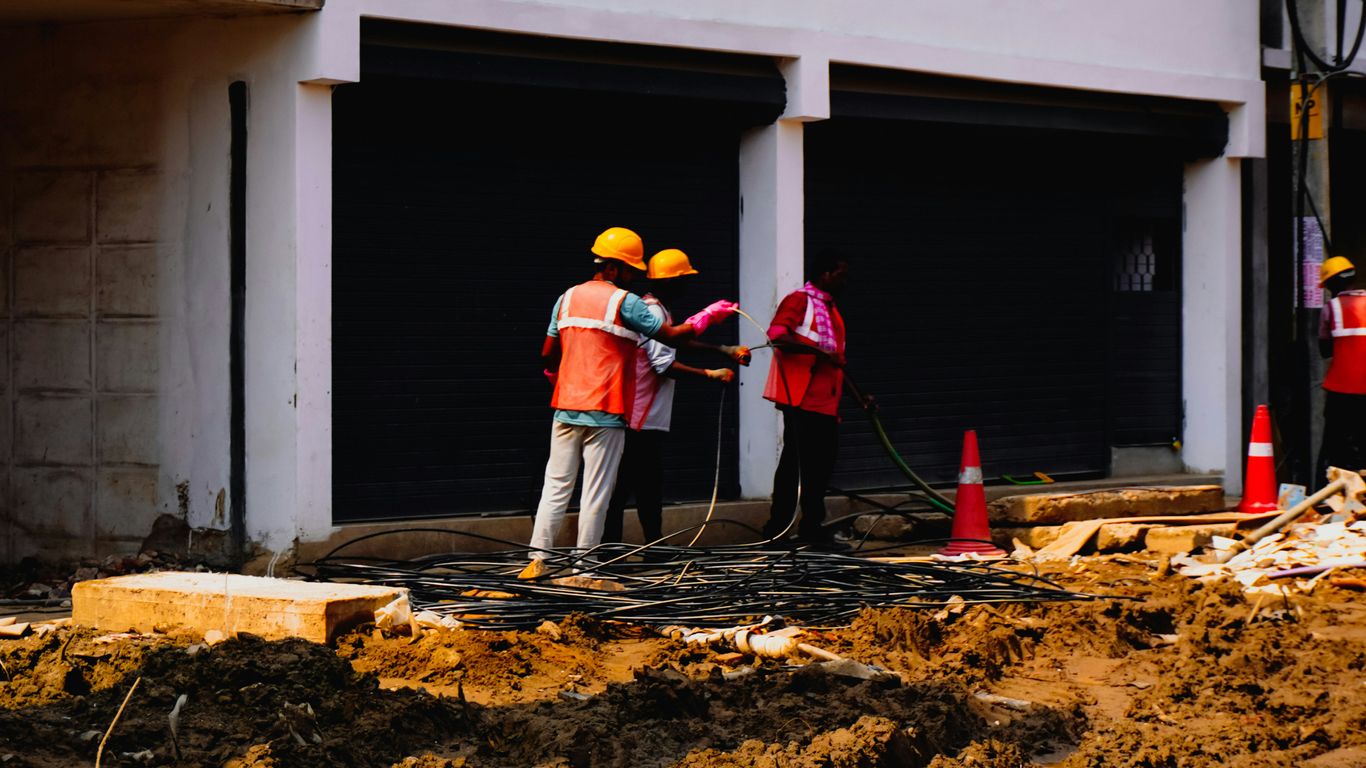
Setting up a Contractor Controlled Insurance Program (CCIP) isn’t just about buying insurance; it’s about building a whole system for managing risk on a specific project. Think of it like designing a custom suit rather than buying one off the rack. It requires careful planning from the ground up to make sure it fits the project perfectly.
Program Design and Development
The first step is really figuring out what this project needs. You’ve got to look at the scope of work, the potential risks involved, and who’s going to be working on it. This isn’t a one-size-fits-all deal. You’ll want to define the project’s boundaries clearly – what jobs are covered, what locations, and for how long. This involves a lot of back-and-forth, especially with the owner and the primary contractor, to get everyone on the same page about the goals. It’s about creating a solid framework before anything else happens.
- Define Project Scope and Duration: Clearly outline the project’s boundaries and timeline.
- Identify Potential Exposures: Analyze all possible risks, from site conditions to subcontractor operations.
- Determine Coverage Needs: Specify the types and levels of insurance required.
- Establish Contractual Requirements: Integrate CCIP terms into all subcontracts.
The success of a CCIP hinges on meticulous planning and clear communication from the outset. It’s an investment in proactive risk management that pays dividends throughout the project lifecycle.
Underwriting and Risk Assessment
Once you have a handle on the program’s design, the next big hurdle is the underwriting. This is where an insurer or a specialized program administrator looks closely at the project’s risk profile. They’ll want to see detailed information about the contractor’s safety record, their experience with similar projects, and the specific hazards present. It’s a deep dive into the project’s potential for losses. They’re trying to figure out how likely losses are and how much they might cost. This assessment directly impacts the premiums and the terms of the coverage you’ll get. Getting this right is key to making sure the program is financially sound and that you’re not overpaying or, worse, underinsured. It’s about finding that sweet spot where the risk is adequately covered without breaking the bank. This is where you’ll also need to provide documentation like a Certificate of Insurance (COI) to show you meet requirements [ad99].
Policy Placement and Market Considerations
After the underwriting is done, you need to actually place the insurance. This means finding the right insurance market and carrier that can handle the specific risks of your project. Sometimes, this involves working with specialized brokers who understand the CCIP market. You’ll be looking at different insurers, comparing their financial strength, their claims handling reputation, and their willingness to offer the terms you need. The insurance market itself can be tricky, with cycles of being ‘hard’ (expensive and hard to get) or ‘soft’ (more affordable and available). Understanding these market dynamics is important for getting the best possible terms. It’s not just about the price; it’s about finding a stable partner who can provide reliable coverage for the entire duration of the project. This is where you might look into options like wrap-up insurance programs, which are designed for large, project-specific needs [2c07].
Claims Management within CCIPs
When a project is running under a Contractor Controlled Insurance Program (CCIP), how claims are handled is a pretty big deal. It’s not just about paying out when something goes wrong; it’s about making sure the whole process is efficient, fair, and helps keep future problems from popping up. Think of it as the moment of truth for the insurance program itself. Effective claims management is key to fulfilling the promise of the CCIP and maintaining trust among all parties involved.
Claims Handling Procedures
The journey of a claim within a CCIP usually starts with a notice of loss. This is when someone on the project reports an incident. After that, a series of steps kicks in:
- Investigation: A designated claims handler or adjuster looks into what happened. This involves gathering facts, reviewing documents, and talking to people involved.
- Coverage Determination: Based on the investigation, the handler figures out if the loss is covered by the CCIP policies. This means carefully looking at the policy language and any specific endorsements.
- Valuation: If the claim is covered, the handler assesses the monetary value of the loss. This could be for property damage, medical expenses, or other covered costs.
- Settlement or Denial: Finally, the claim is either settled with a payment or, if it’s not covered, denied with a clear explanation.
Throughout this process, clear communication is super important. Everyone needs to know what’s happening with a claim, especially when it comes to timelines and decisions. This helps avoid misunderstandings down the road. For more on how claims work, you can look into captive insurance companies.
Loss Control and Prevention Initiatives
It’s not all about reacting to claims; a good CCIP also focuses on preventing them in the first place. This is where loss control and prevention come in. It’s about actively working to reduce the chances of accidents or incidents happening on the job site. This can involve several things:
- Safety Training: Making sure all workers, including subcontractors, get regular and thorough safety training relevant to their tasks.
- Site Inspections: Conducting frequent safety inspections of the project site to identify and fix potential hazards before they cause problems.
- Risk Assessments: Regularly evaluating the project’s specific risks and developing strategies to manage them. This might include looking at new technologies or better work methods.
- Feedback Loops: Using data from past claims to identify trends and areas where improvements are needed. This information can then be fed back into safety protocols and training programs.
By focusing on prevention, a CCIP can lead to fewer claims, lower overall costs, and a safer working environment for everyone. It shows a commitment to managing risk proactively, not just reactively.
Dispute Resolution Mechanisms
Sometimes, even with the best procedures, disagreements can pop up regarding claims. Maybe there’s a dispute over what caused the loss, how much it’s worth, or whether it’s covered at all. When these situations arise, having clear dispute resolution mechanisms in place is vital. These are the established ways to sort things out without immediately heading to court.
Common methods include:
- Negotiation: Direct discussions between the parties involved to try and reach a mutually agreeable solution.
- Mediation: Bringing in a neutral third party to help facilitate discussions and guide the parties toward a resolution. The mediator doesn’t make a decision but helps the parties find common ground.
- Arbitration: A more formal process where a neutral arbitrator or panel hears evidence from both sides and makes a binding decision. This is often faster and less expensive than going to court.
- Appraisal: Specifically for valuation disputes, this involves independent appraisers determining the value of the loss, which can then be used to settle the claim.
These methods are designed to resolve issues more efficiently than traditional litigation. However, sometimes disputes over policy wording or coverage can get complicated, especially when multiple policies are involved. In such cases, understanding "other insurance" clauses becomes important as insurers work to sort out payment responsibilities.
Ultimately, the claims management aspect of a CCIP is about more than just processing paperwork. It’s a dynamic process that requires careful attention to detail, clear communication, and a proactive approach to both handling current losses and preventing future ones. A well-managed claims process reinforces the value of the CCIP and contributes to the overall success and stability of the construction project.
Financial Aspects of CCIPs
When we talk about Contractor Controlled Insurance Programs (CCIPs), the money side of things is pretty important. It’s not just about getting coverage; it’s about how that coverage is paid for and how the costs are managed throughout the project. Think of it like setting up a budget for a big construction job, but with insurance premiums and potential payouts mixed in.
Premium Structures and Cost Allocation
One of the first things you’ll look at is how the premiums are figured out and who pays what. In a CCIP, the contractor usually handles the insurance, and the cost is then passed down to the subcontractors, often through a credit or a charge on their contract. This means everyone involved has a stake in keeping costs down.
- Pricing Models: Premiums can be based on payroll, project revenue, or a combination of factors. The goal is to align the cost with the actual risk exposure.
- Cost Allocation: How the total premium is divided among subcontractors is a key negotiation point. It needs to be fair and reflect their portion of the work and associated risk.
- Loss Sensitive Features: Some CCIPs include features where the final premium can adjust based on the project’s actual claims experience. This encourages everyone to focus on safety and loss prevention.
The financial structure of a CCIP is designed to incentivize risk management at all levels. By making the cost of insurance directly tied to project performance, it encourages proactive safety measures and careful work practices from every participant.
Self-Insured Retentions and Deductibles
CCIPs often incorporate a self-insured retention (SIR) or a deductible. This is the amount of money the project owner or the CCIP fund has to pay out of pocket before the insurance kicks in. It’s a way to manage smaller losses and reduce the overall cost of insurance. For example, a project might have a $100,000 SIR for general liability claims. This means the first $100,000 of any covered liability loss is paid from project funds, not by the insurer. This is different from a typical project where each subcontractor might have their own smaller deductibles. Understanding these SIRs is key to knowing the project’s true risk exposure and how Course of Construction (COC) insurance might interact with it.
Financial Stability and Solvency
For a CCIP to work, the entity managing the program needs to be financially sound. This means having enough money set aside to cover expected claims and operational costs. Regulators often look at this to make sure the program can actually pay out if something goes wrong. It’s about making sure the insurance isn’t just a promise on paper but a solid financial backstop. This involves looking at the financial health of the insurer or the captive entity managing the program, and how they handle their reserves. It’s all part of making sure the whole system is stable and reliable for everyone involved.
Regulatory Compliance and CCIPs
Dealing with insurance regulations can feel like trying to navigate a maze, especially with Contractor Controlled Insurance Programs (CCIPs). These programs operate within a framework of rules designed to keep things fair and stable for everyone involved. In the U.S., most of this oversight happens at the state level. Each state has its own insurance department that keeps an eye on things like licensing, making sure insurers can actually pay claims (solvency), how rates are set, and how companies interact with customers (market conduct). It’s a lot to keep track of, and getting it wrong can lead to some serious headaches, like fines or even losing the ability to operate. Staying on top of these requirements is a big part of making sure a CCIP runs smoothly and legally.
State-Based Insurance Regulation
Think of state-based regulation as the primary rulebook for insurance in the U.S. Each state has specific laws covering everything from who can sell insurance to how policies are worded. For CCIPs, this means understanding the rules in every state where the project operates. This includes:
- Licensing: All parties involved, from the program administrator to any brokers or agents, need to be properly licensed in the relevant states. This isn’t just a formality; it ensures a basic level of competence and accountability.
- Rate Filings: Insurers must often file their proposed rates with state regulators. They need to show that the rates are fair, not too high, and don’t unfairly discriminate. This process can affect the cost and availability of coverage within a CCIP.
- Policy Forms: The actual insurance policy documents used in a CCIP usually need to be approved by state regulators. This is to make sure the language is clear and doesn’t contain unfair clauses. It’s a way to protect policyholders from confusing or misleading terms.
It’s a complex system, and staying compliant requires constant attention. You can find more information on these requirements through resources like state departments of insurance, which are key players in insurance regulation and oversight.
Market Conduct and Consumer Protection
Beyond the technical aspects of rates and forms, regulators also focus heavily on how insurance companies behave in the marketplace. This is all about consumer protection. For CCIPs, this translates to ensuring that all participants, especially the subcontractors who are essentially buying into the program, are treated fairly. Key areas include:
- Sales Practices: How the CCIP is presented to subcontractors matters. Misleading information about coverage or costs can lead to problems down the line.
- Claims Handling: Regulators have strict rules about how claims must be handled. This includes prompt acknowledgment, timely investigation, and clear communication about decisions. Delays or unfair denials can result in significant penalties for the insurer and program administrator.
- Disclosure: Transparency is a big deal. Subcontractors need to understand what they are covered for, what their responsibilities are, and what the costs are. Clear and honest communication is vital.
The goal of market conduct regulation is to build trust. When participants feel they are being treated fairly and honestly, the entire program operates more smoothly and with less friction. It’s about upholding the principle of utmost good faith, which is a cornerstone of insurance relationships.
Ensuring Admitted Market Compliance
When setting up a CCIP, a big decision is whether to use an "admitted" or "non-admitted" insurance market. The admitted market refers to insurance companies licensed and regulated by the state. Policies from admitted carriers generally offer more consumer protections and are backed by state guaranty funds in case of insurer insolvency. Using admitted carriers for a CCIP is often preferred because it provides a higher level of security and regulatory oversight. However, sometimes, especially for unique or high-risk projects, coverage might need to be placed in the non-admitted (or surplus lines) market. This market offers more flexibility but typically comes with fewer consumer protections. Navigating these choices requires a good understanding of insurance market structures and the specific regulatory requirements in play.
Risk Allocation and Transfer in CCIPs
Insurance as Engineered Risk Allocation
Think of insurance not just as a safety net, but as a carefully designed system for figuring out who pays for what when something goes wrong. It’s all about how risk gets spread around. Policies are built with specific tools like retention levels, attachment points, and layered coverage. This way, risk is broken down into pieces to make things affordable, manage exposure, and use capital smartly. It’s a bit like engineering, really, where every part has a purpose in the overall structure. The whole point is to make potentially huge, unpredictable costs manageable by balancing what you keep and what you pass on to someone else. This relies heavily on understanding how often losses might happen and how big they could be. Insurance functions as an engineered system for managing risk, primarily through risk pooling and risk transfer.
Reinsurance and Risk Transfer Strategies
When we talk about transferring risk, it’s not just about the initial insurance policy. Insurers themselves often transfer parts of their risk to other insurance companies, and that’s where reinsurance comes in. It’s like a backup for the backup. This helps keep the original insurer financially stable, especially if they face a massive claim or a series of big losses. There are different ways to do this, like treaty agreements that cover a whole bunch of policies at once, or facultative placements that are for specific, high-risk situations. It’s a way to make sure that even the biggest risks can be handled without bankrupting a single company. This strategy is key for maintaining market capacity and stability.
Layered Coverage and Attachment Points
Insurance coverage often isn’t just one big block. It’s usually built in layers, kind of like a cake. You have your own retention, which is what you agree to pay yourself first. Then comes the primary layer of insurance, followed by excess layers that kick in if the primary layer is used up. Each of these layers has an "attachment point" – that’s the dollar amount where that specific layer starts to provide coverage. Understanding these attachment points is super important because it tells you exactly when each part of your insurance program will respond. It’s a detailed way to structure protection, making sure there aren’t any gaps and that the right coverage applies at the right time. This structured approach helps manage the insurer’s overall exposure, and premium audits assess risks to determine acceptable limits and pricing.
Operational Integration of CCIPs
Financial and Operational Integration
Getting a Contractor Controlled Insurance Program (CCIP) to really work means it can’t just sit there as a separate insurance thing. It needs to be woven into how the whole project runs, from the money side to the day-to-day work. This isn’t just about paying bills; it’s about making sure the insurance program actually helps manage risks and keeps things moving smoothly. Think of it like making sure all the parts of a complex machine fit together and work in sync. When the insurance is tied into the project’s financial planning, it helps everyone see the real cost of risk and how decisions impact the bottom line. It’s about making sure the insurance isn’t an afterthought but a part of the project’s DNA.
Coordination with Project Management
This is where the rubber meets the road. The CCIP needs to be in constant communication with the main project management team. This means the insurance folks need to know what’s happening on site, what new subcontractors are coming on board, and what kind of work is being done. Likewise, the project managers need to understand the insurance requirements and how they affect operations. Regular meetings and clear communication channels are absolutely key here. Without this back-and-forth, you risk having gaps in coverage or misunderstandings that can lead to big problems down the line. It’s about making sure everyone is on the same page, from the safety officer to the site superintendent.
Here’s a look at how that coordination might play out:
- Onboarding New Subs: Ensuring all new subcontractors understand the CCIP requirements and complete necessary paperwork before starting work.
- Safety Program Alignment: Making sure the project’s safety protocols align with the CCIP’s loss control initiatives.
- Change Order Review: Evaluating the insurance implications of any changes to the project scope or design.
- Progress Reporting: Integrating insurance-related updates into regular project status meetings.
Data Analytics for Program Improvement
Once a CCIP is up and running, there’s a goldmine of data being generated. This includes claims data, safety reports, and information on subcontractor performance. Using analytics on this data can show you what’s working and what’s not. Are certain types of work leading to more claims? Are specific safety measures actually reducing incidents? By digging into the numbers, you can make smarter decisions about program design, risk management strategies, and even future project bidding. It’s about moving from just reacting to problems to proactively improving the program based on real-world results. This kind of data-driven approach helps make the CCIP more effective and cost-efficient over time, potentially impacting things like supply chain risks down the road.
Analyzing claims data can reveal patterns that might not be obvious otherwise. For instance, a seemingly minor issue across multiple small claims could point to a larger systemic problem that needs addressing. This proactive identification of trends allows for targeted interventions, preventing future losses and improving overall program performance. It’s about using the information you have to make the insurance program work harder for everyone involved.
Navigating CCIP Challenges

Even with the best planning, Contractor Controlled Insurance Programs (CCIPs) can run into snags. It’s not always smooth sailing, and understanding these potential issues is key to keeping things on track. We’ll look at a few common problems and how to deal with them.
Addressing Moral Hazard and Adverse Selection
Sometimes, having insurance can change how people act. This is called moral hazard. For example, if a contractor knows the CCIP covers most damages, they might be less careful about preventing them. On the other side, adverse selection happens when people who know they are riskier are more likely to want to be part of the program. It’s like someone who knows their car is a lemon being the most eager to buy an extended warranty.
- Moral Hazard: Reduced incentive for loss prevention due to insurance coverage.
- Adverse Selection: Higher-risk individuals or entities being more inclined to participate.
To tackle these, clear communication about responsibilities and expectations is vital. Regular safety audits and performance reviews can also help keep everyone focused on risk control. It’s about making sure the program encourages good behavior, not risky shortcuts.
The core idea is to align incentives. When everyone involved understands that proactive risk management benefits the entire project and their own standing, the program works better. It’s not just about having coverage; it’s about actively working to prevent losses in the first place.
Managing Policy Interpretation Disputes
Insurance policies are complex legal documents. It’s not uncommon for disagreements to pop up over what a policy actually covers. This can happen with definitions, exclusions, or how a specific event is classified. These disputes can slow down claims and create tension.
- Coverage Gaps: Disagreements on whether a loss falls within the policy’s scope.
- Valuation Differences: Arguments over the monetary value of a claim.
- Causation Issues: Debates about what actually caused the loss.
Having a well-defined claims handling process is super important here. It should outline how disputes are identified and addressed. Sometimes, a simple clarification from the program administrator or insurer can sort things out. Other times, it might involve more formal steps like mediation or appraisal, which are often built into the CCIP structure. Making sure all parties understand the policy from the start, perhaps with help from experienced brokers, can prevent many of these issues.
Adapting to Market Cycles
The insurance market isn’t static; it goes through cycles. Sometimes it’s a ‘hard’ market with high premiums and tight capacity, and other times it’s a ‘soft’ market with more availability and lower costs. CCIPs need to be flexible enough to handle these shifts.
- Hard Market: Increased premiums, stricter underwriting, reduced coverage options.
- Soft Market: Lower premiums, broader coverage, more competition among insurers.
When designing a CCIP, it’s wise to think long-term. This might involve securing multi-year agreements where possible or building in flexibility for premium adjustments. Understanding how these market changes affect the cost and availability of reinsurance, which is often a part of CCIPs, is also critical. Planning ahead can help cushion the impact of market volatility on project budgets.
The Role of Intermediaries in CCIPs
When you’re dealing with a Contractor Controlled Insurance Program (CCIP), you’re often looking at a pretty complex setup. It’s not just about getting insurance; it’s about making sure it fits the project perfectly and that everyone involved knows what’s what. This is where intermediaries, like brokers and agents, really come into play. They’re the ones who help bridge the gap between the project owners, the contractors, and the insurance companies.
Brokers and Agents in Program Placement
Brokers, in particular, are usually working on behalf of the insured – in this case, the contractor or the project owner. Their main job is to figure out the best way to get the right insurance coverage. This involves understanding the project’s specific risks and then going out into the market to find insurers willing to provide that coverage. It’s not always straightforward, especially in a tough market where insurance capacity might be limited. They have to know who to talk to and how to present the risk in a way that makes sense to potential insurers. This is where their knowledge of the insurance markets becomes super important.
Facilitating Communication and Negotiation
Beyond just finding a policy, these intermediaries act as key communicators. They translate the technical insurance jargon into terms that contractors and project managers can understand. They also handle a lot of the back-and-forth negotiation with insurers regarding terms, conditions, and pricing. Think of them as the project’s insurance advocate, making sure the program is structured correctly and that the interests of the insured are well-represented. This can involve:
- Explaining policy details and coverage triggers.
- Negotiating premium structures and payment terms.
- Clarifying responsibilities between different parties.
- Assisting with the initial setup and ongoing program management.
Ensuring Fiduciary Duties
It’s also worth noting that brokers and agents have what are called fiduciary duties. This means they are legally obligated to act in the best interest of their clients. For CCIPs, this translates to providing honest advice, disclosing all relevant information, and making sure the program is designed to genuinely protect the project and its participants. They’re not just salespeople; they’re trusted advisors who help manage a significant part of the project’s financial risk. This relationship is built on trust and a commitment to ethical conduct, which is vital when dealing with large-scale construction projects and their associated insurance needs. The whole insurance distribution system relies on these intermediaries to function effectively.
Wrapping It Up
So, we’ve looked at how contractor-controlled insurance programs work. It’s not just about getting insurance; it’s about managing risk in a really organized way. These programs can really change how projects are handled, affecting everything from safety on the job site to how claims get sorted out. When done right, they can make things smoother and maybe even save money in the long run. But, you know, it takes a lot of attention to detail and good communication between everyone involved. It’s definitely a big undertaking, but for the right projects, it seems like a solid approach to handling insurance.
Frequently Asked Questions
What exactly is a Contractor Controlled Insurance Program (CCIP)?
Think of a CCIP as a special insurance plan for big construction projects. Instead of each contractor buying their own insurance, one main contractor or the project owner buys a single, big policy that covers everyone working on the job. This helps make sure everyone has the right protection and simplifies things.
Why would a project use a CCIP instead of individual insurance policies?
Using a CCIP offers several perks. It can often lower overall insurance costs because you’re buying in bulk. It also makes sure that all workers have the same level of coverage, avoiding gaps. Plus, it helps manage claims more smoothly and can improve safety on the job site.
Who is responsible for managing a CCIP?
The name says it all: the ‘Contractor Controlled’ part. Usually, the main contractor or the project owner takes charge of setting up and managing the CCIP. They work with insurance experts to make sure the program runs well, covers everyone properly, and handles any problems that come up.
What kind of insurance does a CCIP typically include?
CCIPs usually cover the big risks on a construction site. This often includes general liability insurance (for accidents and injuries), workers’ compensation (for job-related injuries), and sometimes property insurance (for damage to the project itself). The exact coverage depends on the project’s needs.
How does a CCIP affect subcontractors?
Subcontractors working on a project with a CCIP don’t need to buy their own separate insurance for that job. They are covered under the main CCIP policy. This can save them money and hassle, but they still need to follow the program’s rules and safety guidelines.
What happens if there’s an accident or a claim on a project with a CCIP?
When an accident happens, the claim is reported to the administrator of the CCIP. They then manage the claim process, working with the insurance company to investigate, determine coverage, and settle the claim. Having one central point for claims makes things more organized.
Are CCIPs more expensive than buying insurance separately?
Surprisingly, CCIPs can often be cheaper. Because the insurance is bought for the entire project, the cost can be spread out and negotiated more effectively. While it might seem like a big upfront cost, it usually leads to savings compared to many small policies.
What are the main goals of setting up a CCIP?
The main goals are to provide better and more consistent insurance coverage for everyone on the project, reduce overall insurance costs through bulk purchasing, improve safety and risk management, and streamline the claims process. It’s all about making a large construction project safer and more financially sound.