

So, you’re looking into owner controlled insurance programs, huh? It sounds fancy, but really, it’s just a way for the project owner to manage insurance for everyone involved in a big job. Think of it like one big policy that covers all the subcontractors and workers, instead of everyone getting their own separate insurance. This can simplify things a lot, especially on large projects where lots of different people are working together. We’ll break down what goes into one of these programs and why you might want to consider it for your next big undertaking.
Key Takeaways
- An owner controlled insurance program (OCIP) puts the project owner in charge of buying insurance for all participants on a job site. This is different from the usual way where each contractor has their own policy.
- The main goals are usually to cut down on costs, make sure everyone has enough coverage, and manage claims more smoothly for the entire project.
- Setting up an OCIP involves figuring out all the risks, deciding on the right types and amounts of coverage, and making sure the contracts clearly state who is responsible for what.
- Running an OCIP means defining everyone’s roles, keeping communication lines open, and actively working to prevent accidents and losses.
- While it might seem like more work upfront, an owner controlled insurance program can lead to better cost control, more predictable expenses, and a safer, more successful project overall.
Understanding Owner Controlled Insurance Programs
Owner Controlled Insurance Programs, often called OCIPs, are a way to manage insurance for a specific project. Instead of each contractor or subcontractor getting their own insurance for the job, the project owner buys one big policy that covers everyone involved. Think of it like the owner setting up a safety net for the entire project, rather than relying on everyone to bring their own small nets.
Defining The Owner Controlled Insurance Program
An OCIP is essentially a consolidated insurance program established and administered by the project owner. This program provides specific coverages for all enrolled contractors and subcontractors working on a particular project. The goal is to streamline insurance management and ensure consistent protection across the board. It’s a bit like having a single point of contact for all your insurance needs related to that one project, simplifying things considerably. This approach is particularly common in large construction projects where multiple parties are involved.
Key Objectives Of An Owner Controlled Insurance Program
The main goals behind setting up an OCIP usually revolve around a few key areas. First, there’s the aim to control costs by buying insurance in bulk, which can often lead to better pricing than if each entity purchased their own. Second, it’s about ensuring adequate and consistent coverage for everyone involved, closing potential gaps that might exist if everyone had separate policies. Third, OCIPs are designed to improve safety and loss control by having a single entity manage and monitor these aspects across the entire project. This unified approach can lead to better risk management practices overall.
- Cost control through bulk purchasing
- Consistent coverage for all parties
- Enhanced safety and loss prevention
- Simplified claims administration
Benefits Of Implementing An Owner Controlled Insurance Program
Implementing an OCIP can bring several advantages to a project. For starters, it can lead to significant cost savings. When you buy insurance for a large project all at once, you often get better rates than if individual contractors purchase their own policies. This is a big deal when you’re talking about major developments. Another benefit is improved risk management. The owner has direct oversight of the insurance program, allowing for better control over safety standards and claims handling. This means a more proactive approach to preventing accidents and dealing with any issues that do arise. It also helps to avoid gaps in coverage that can happen when multiple parties have different insurance policies. This unified approach to risk can make a big difference in how smoothly a project runs.
The owner takes on the responsibility of procuring and managing the insurance, which means they have a direct hand in setting the terms and ensuring that all participants are covered appropriately. This level of control is a major draw for many project owners.
Core Components Of An Owner Controlled Insurance Program
When you’re setting up an Owner Controlled Insurance Program (OCIP), it’s not just about picking a policy off the shelf. You’ve got to think about how it’s all put together. This means looking at the program’s structure, what kind of coverage you actually need, and how claims will be handled when something goes wrong. It’s a bit like building a house; you need a solid blueprint and the right materials.
Program Structure and Design
The way an OCIP is structured is pretty important. It’s not a one-size-fits-all deal. You’ll see different setups, like wrap-up programs, which are common in construction. These programs consolidate insurance for all the contractors working on a specific project under one umbrella policy. This approach can simplify things a lot. The design also involves deciding on things like the retention level – that’s the amount of loss the owner agrees to absorb before the insurance kicks in. It also includes how the program is funded and managed.
- Consolidated Coverage: All enrolled parties are covered under a single policy.
- Defined Scope: Clearly outlines which projects and participants are included.
- Centralized Administration: Managed by a single entity, often the owner or a designated administrator.
Coverage Types and Limits
What exactly does the OCIP cover? That’s where you look at the types of insurance and the limits. For a construction project, you’re typically looking at general liability and workers’ compensation. Sometimes, you might also need things like builder’s risk insurance, which covers damage to the project itself during construction. The limits are the maximum amounts the insurance will pay out for a claim. Setting these limits correctly is vital to ensure adequate protection without overpaying. You don’t want to be underinsured if a major accident happens, but you also don’t want to pay for coverage you’ll never need.
| Coverage Type | Typical Limits (Example) | Purpose |
|---|---|---|
| General Liability | $1M – $5M per occurrence | Covers third-party bodily injury and property damage. |
| Workers’ Compensation | Statutory | Covers employee injuries and illnesses sustained on the job. |
| Excess Liability | $5M – $25M+ | Provides additional coverage above the primary general liability limit. |
| Builder’s Risk | Project Value | Covers damage to the structure and materials during construction. |
Claims Management and Administration
When a loss occurs, how is the claim handled? This is a big part of any OCIP. You need a clear process for reporting claims, investigating them, and settling them. A dedicated claims administrator often manages this. They act as the point person for all claims, making sure everything is processed efficiently and according to the policy terms. Good claims management can make a huge difference in how smoothly a project proceeds, especially after an unexpected event. It’s all about having a system that works when you need it most, like understanding your insurance policy.
The effectiveness of an OCIP hinges on robust claims handling. This involves prompt notification, thorough investigation, fair evaluation, and timely resolution. A well-defined claims process minimizes disruption and helps maintain positive relationships among project stakeholders.
Establishing An Owner Controlled Insurance Program
Setting up an Owner Controlled Insurance Program (OCIP) isn’t just about picking out policies; it’s a whole process that needs careful thought from the start. You’ve got to figure out what risks you’re actually dealing with and how big they are. This means looking closely at everything that could go wrong on a project, from minor issues to major disasters. It’s about understanding the potential for losses, both in how often they might happen and how much they could cost.
Risk Assessment and Exposure Analysis
Before you even think about insurance specifics, you need to do a deep dive into the project’s potential problems. This involves identifying all possible hazards and exposures. Think about the type of work being done, the location, the materials used, and the people involved. For instance, a high-rise construction project will have different risks than a road repair job. You’ll want to analyze historical loss data if available, and consider any unique factors that might increase risk. This groundwork is key to designing a program that actually fits the project’s needs. It’s not a one-size-fits-all situation.
- Identify all potential hazards: What could go wrong?
- Quantify exposure: How likely is it, and how bad could it be?
- Review historical data: What’s happened before?
- Consider unique project factors: What’s different this time?
A thorough risk assessment helps prevent surprises down the road. It’s better to anticipate problems than to react to them after they’ve happened.
Policy Structuring and Underwriting
Once you know your risks, you can start building the insurance program. This is where you decide on the types of coverage needed, the limits for each, and how the policies will be structured. For an OCIP, this often means a consolidated program that covers all enrolled parties. You’ll work with insurers or brokers to design policies that address the specific exposures identified. This might involve selecting between claims-made or occurrence forms, defining retroactive dates, and setting appropriate deductibles or self-insured retentions. The underwriting process will then evaluate the overall risk profile of the project and the participants to determine eligibility and pricing. It’s a detailed process that requires collaboration to get right. You can explore options like captive insurance structures if they align with your risk management strategy.
Contractual Agreements and Responsibilities
Finally, you need to make sure all the legal and contractual pieces are in place. This involves clearly defining the roles and responsibilities of everyone involved in the OCIP. Who is responsible for administering the program? Who handles claims? What are the obligations of the owner, the general contractor, and any subcontractors? These details need to be spelled out in contracts, often within the general conditions of the construction contract or in a separate OCIP agreement. This clarity helps avoid confusion and disputes later on. It’s also important to outline how premium costs will be allocated among participants and what happens if a participant doesn’t meet their contractual obligations. Getting these agreements solid from the outset is really important for the program’s success.
Operationalizing An Owner Controlled Insurance Program
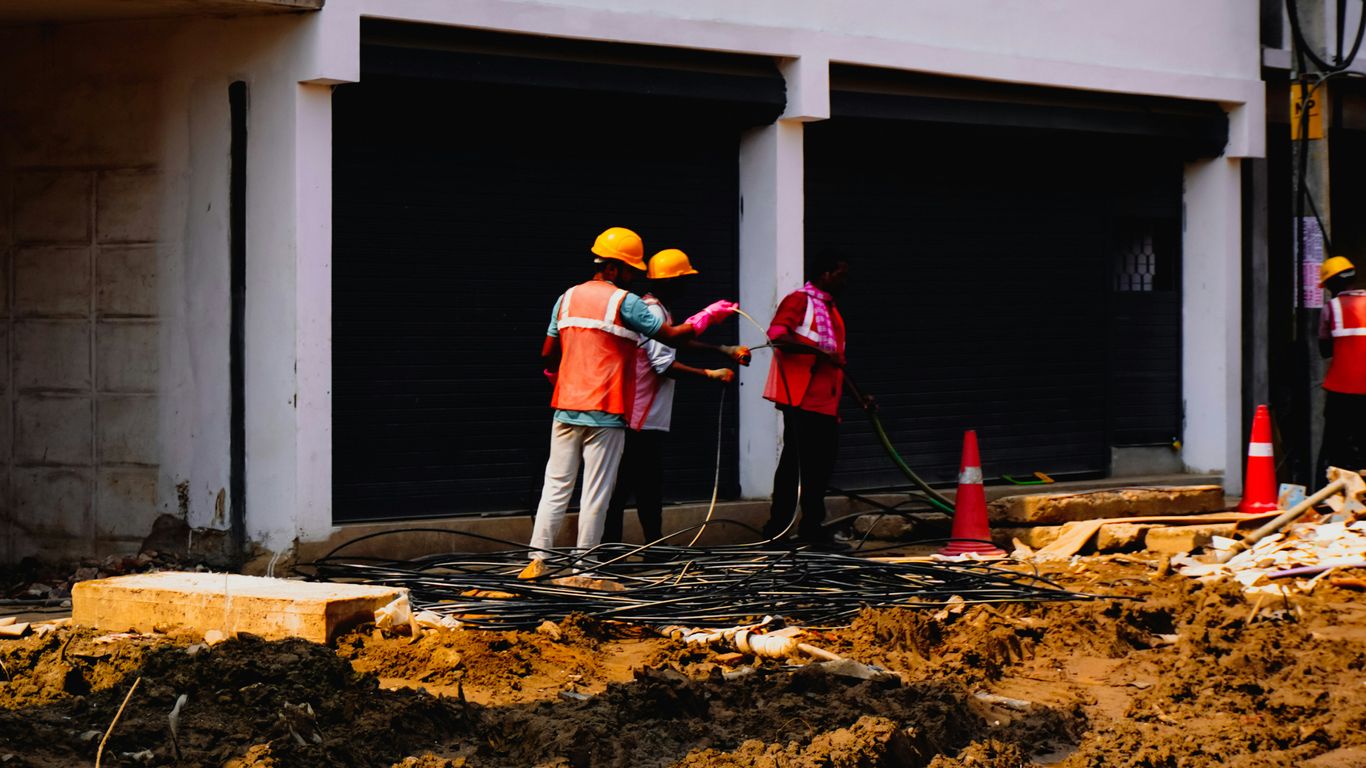
Getting an Owner Controlled Insurance Program (OCIP) up and running involves more than just signing paperwork. It’s about making sure everyone involved knows their part and how the program actually works day-to-day. This isn’t just about having insurance; it’s about actively managing risk throughout a project.
Roles and Responsibilities Within the Program
Defining who does what is super important. Without clear roles, things can get messy, and important tasks might get missed. Think of it like a well-oiled machine – every part has a job.
- The Owner/Sponsor: Ultimately responsible for the program’s success, setting the overall strategy, and approving key decisions.
- Program Administrator: Manages the day-to-day operations, handles enrollment, processes claims, and acts as the main point of contact.
- Insurance Broker/Consultant: Helps design the program, selects carriers, and provides ongoing advice.
- Project Management Team: Integrates the OCIP into project planning and execution, ensuring compliance.
- Contractors and Subcontractors: Must adhere to program requirements, including enrollment and safety protocols.
- Legal Counsel: Advises on contractual aspects and dispute resolution.
Clear communication about roles prevents confusion and ensures that responsibilities are met without overlap or gaps.
Communication and Reporting Protocols
How information flows is key. Regular updates and clear reporting lines keep everyone in the loop and help catch issues early. This means setting up a system for sharing important details.
- Regular Project Meetings: Include OCIP updates as a standing agenda item.
- Incident Reporting: Establish a straightforward process for reporting any accidents or potential claims.
- Claims Status Updates: The program administrator should provide regular updates on active claims.
- Loss Run Reports: Periodic reports detailing claims activity and their status are vital for tracking performance.
- Safety Performance Reporting: Sharing safety metrics helps identify areas needing attention.
Loss Control and Risk Mitigation Strategies
An OCIP isn’t just about paying for losses; it’s about trying to prevent them in the first place. This involves proactive steps to identify and reduce risks.
- Pre-qualification of Contractors: Vetting contractors for their safety records and experience before they join the project.
- Site Safety Inspections: Regular inspections to identify and correct unsafe conditions.
- Safety Training Programs: Providing training to all workers on the project site.
- Accident Investigation: Thoroughly investigating all incidents to determine root causes and implement corrective actions.
- Promoting a Safety Culture: Encouraging a mindset where safety is a top priority for everyone involved.
Implementing these operational aspects helps make sure the OCIP functions effectively, protecting the project and its stakeholders. It’s about making the insurance program a working part of the project, not just a separate document. Understanding the policy structures and terms is a good starting point for everyone involved.
Financial Aspects Of Owner Controlled Insurance Programs
When we talk about Owner Controlled Insurance Programs (OCIPs), the money side of things is pretty important. It’s not just about getting insurance; it’s about how that insurance fits into the bigger financial picture of a project or an organization. This involves looking at how the costs are handled, making sure the program is financially sound, and figuring out how to manage really big, unexpected losses.
Premium Allocation And Cost Containment
Figuring out who pays what for the insurance in an OCIP is a big deal. Usually, the owner or the main contractor pays for the program, and then they figure out how to spread that cost among the different contractors or participants. This can be done in a few ways. Sometimes, the cost is built into the contract price for each contractor. Other times, it might be a separate charge. The goal here is to make sure the costs are fair and that everyone involved understands their financial responsibility. It’s also about keeping those costs in check. This means shopping around for good rates, negotiating terms, and making sure the program is designed efficiently to avoid paying for coverage that isn’t really needed. Effective cost containment is key to making an OCIP financially viable.
Here are some common ways costs are managed:
- Direct Inclusion in Contracts: A portion of the insurance premium is added directly to the contract value of each participating contractor.
- Per-Project Allocation: Costs are divided based on the scope or value of work each contractor performs on the project.
- Experience Rating Adjustments: Premiums might be adjusted later based on the actual loss experience of individual contractors within the program.
- Centralized Purchasing Power: The owner leverages their large-scale purchasing ability to negotiate better rates than individual contractors could achieve.
Financial Stability And Solvency
For an OCIP to work, the insurance itself needs to be solid. This means the insurance company or the entity providing the coverage has to be financially stable. They need enough money (capital) and reserves to pay out claims, especially large ones. Regulators keep an eye on this to make sure insurers can actually pay their obligations. In an OCIP, the owner is essentially taking on the role of ensuring this financial backing is there, either by selecting a reputable insurer or, in some cases, by setting up a captive insurance company or a similar structure. It’s about making sure the promise of coverage is backed by real financial strength.
The financial health of the insurer is directly tied to the reliability of the insurance program. A program is only as good as the financial capacity behind it to meet its obligations when losses occur.
Reinsurance And Risk Transfer Mechanisms
Even with a well-designed OCIP, there’s always a chance of a massive loss that could strain even a financially stable insurer. This is where reinsurance comes in. Reinsurance is basically insurance for insurance companies. The primary insurer (or the entity running the OCIP) transfers a portion of its risk to a reinsurer. This helps protect the insurer from catastrophic losses and ensures they have the capacity to pay claims. For OCIPs, this means the owner is indirectly benefiting from this risk transfer, as it helps keep the primary insurer solvent and able to pay claims. It’s a way to manage the really big, unpredictable financial hits that could otherwise cripple a project or an organization.
- Treaty Reinsurance: Covers a broad portfolio of risks automatically.
- Facultative Reinsurance: Covers specific, individual risks that are deemed particularly high.
- Catastrophe Bonds: Financial instruments that transfer risk to capital markets for extreme events.
Navigating Claims Within An Owner Controlled Insurance Program
When a loss occurs under an Owner Controlled Insurance Program (OCIP), the claims process is a critical phase that tests the program’s design and administration. It’s where the promise of insurance protection is realized, and how it’s handled can significantly impact project timelines, costs, and stakeholder relationships. Unlike traditional insurance where each contractor manages their own claims, an OCIP centralizes this function, often managed by the program administrator or a designated claims handler.
Claims Handling Standards and Procedures
The foundation of effective claims management within an OCIP lies in established, clear procedures. These procedures outline how a loss should be reported, investigated, and resolved. Prompt reporting is paramount to ensure timely investigation and prevent further damage or complications. The program administrator typically serves as the central point of contact for all claims, streamlining communication and ensuring consistency.
Key steps in the claims handling process usually include:
- Notice of Loss: The first step is reporting the incident. This should be done immediately to the program administrator, providing details about what happened, when, where, and who was involved.
- Investigation: An assigned claims adjuster will investigate the loss. This involves gathering facts, reviewing documentation, interviewing witnesses, and assessing the damage. For construction projects, this might include site inspections.
- Coverage Determination: Based on the investigation, the adjuster and program administrator will determine if the loss is covered under the OCIP policy. This involves interpreting the policy language and applying it to the facts of the loss.
- Valuation and Settlement: If the claim is covered, the next step is to determine the monetary value of the loss. This can involve repair estimates, replacement costs, or other agreed-upon methods. Once agreed upon, a settlement is reached, and payment is issued.
The claims process is where the effectiveness of the entire OCIP is truly measured. A well-managed claims process can minimize disruptions, control costs, and maintain positive relationships among all parties involved in the project. Conversely, a poorly handled claim can lead to significant delays, increased expenses, and damaged trust.
Dispute Resolution and Litigation Management
Despite best efforts, disagreements can arise during the claims process. These might involve disputes over coverage, the scope of repairs, or the valuation of the loss. An OCIP should have pre-defined mechanisms for dispute resolution to avoid costly and time-consuming litigation. These can include:
- Negotiation: Direct discussions between the claimant, the program administrator, and potentially the insurer to reach a mutually agreeable solution.
- Mediation: A neutral third party facilitates discussions to help the parties find common ground and resolve the dispute outside of court.
- Arbitration: A more formal process where a neutral arbitrator hears both sides and makes a binding decision.
- Litigation: If other methods fail, the dispute may proceed to court. The OCIP structure often dictates how litigation is managed, who controls the defense, and how costs are allocated. Understanding the insurance claims process is vital for all parties involved.
Subrogation and Recovery Processes
Subrogation is a principle where the insurer, after paying a claim, steps into the shoes of the policyholder to pursue recovery from a third party who may have caused the loss. In an OCIP, this process is managed centrally. If a loss was caused by the negligence of a third-party contractor not enrolled in the OCIP, or due to a faulty product, the OCIP insurer may seek to recover the amount paid for the claim from that responsible party. This helps to control the overall cost of the program and ensures that the party responsible for the loss ultimately bears its financial burden. Effective loss control programs can sometimes reduce the likelihood of such events, but recovery processes remain important when losses do occur.
Regulatory Compliance For Owner Controlled Insurance Programs
Dealing with insurance programs, especially owner-controlled ones, means you’ve got to pay attention to the rules. It’s not just about getting coverage; it’s about making sure everything is above board and follows the law. Since insurance is mostly handled at the state level in the U.S., this can get pretty complicated. Each state has its own set of regulations, and you have to keep track of them all. It’s a bit like trying to follow different sets of instructions for the same task, depending on where you are.
State-Based Insurance Regulation
Think of each state as having its own insurance department. These departments are the main watchdogs, making sure insurers are financially sound, treat policyholders fairly, and don’t charge crazy prices. For an OCIP, this means you need to be aware of specific state requirements for things like licensing, policy forms, and even how claims are handled. It’s not a one-size-fits-all situation. You might need to file specific forms or meet certain capital requirements depending on the state where the project is located. This state-by-state approach is a big part of why insurance regulation can seem so complex.
Market Conduct And Consumer Protection
Beyond just financial stability, regulators also look at how insurance companies interact with people. This is called market conduct. They want to make sure that advertising is honest, sales practices aren’t misleading, and that claims are processed fairly and without unnecessary delays. For an OCIP, this translates to ensuring that all parties involved understand their rights and responsibilities. It’s about transparency and making sure that the program is set up and run in a way that protects everyone involved, especially the workers on the project. Fair treatment and clear communication are key here.
Ensuring Program Adherence To Legal Standards
This part is all about making sure the OCIP actually sticks to the legal playbook. It involves everything from the initial setup of the program to how claims are managed day-to-day. You have to consider:
- Policy Wording: Is the language in the insurance policies clear, fair, and compliant with state laws? Regulators often review policy forms to make sure they aren’t confusing or unfair to the insured.
- Claims Handling: Are claims being processed promptly and according to established procedures? There are specific rules about acknowledging claims, investigating them, and making payments. Bad faith claims handling can lead to serious trouble.
- Data Privacy: With all the information collected, you need to be mindful of data privacy laws. This includes how personal information is stored, used, and protected.
- Anti-Fraud Measures: Insurance programs are targets for fraud, so having measures in place to detect and prevent it is important, while still respecting legal rights.
Navigating these regulatory waters requires diligence. It’s not something you can just set and forget. Regular reviews and staying updated on any changes in laws or regulations are necessary to keep the program compliant and avoid potential penalties or legal issues. This proactive approach is vital for the long-term success of any owner-controlled insurance program.
Ultimately, staying on top of these regulations isn’t just about avoiding trouble; it’s about building a trustworthy and effective insurance program. It shows a commitment to responsible business practices and helps maintain the stability of the insurance market, which is a good thing for everyone involved in large construction projects.
Evaluating The Effectiveness Of An Owner Controlled Insurance Program
So, you’ve got this Owner Controlled Insurance Program (OCIP) up and running. That’s great, but how do you actually know if it’s doing its job? It’s not enough to just have the program in place; you need to check if it’s working as intended and if it’s actually saving you money and headaches. Think of it like checking the oil in your car – you don’t just assume it’s fine, you look at the dipstick.
Performance Metrics And Data Analysis
To really get a handle on how well your OCIP is performing, you’ve got to look at the numbers. This means digging into claims data, looking at loss trends, and comparing your actual costs against what you expected. Are claims being handled quickly and fairly? Are there patterns in the types of claims you’re seeing? Analyzing this information helps you spot where the program is strong and where it might need some tweaking. It’s all about using the data to make smarter decisions down the road. For instance, tracking the average claims processing time can show you if the administration is efficient. We also need to keep an eye on the frequency and severity of losses, which are key indicators of overall risk management success. This kind of detailed look is what helps insurance brokers provide better advice.
Long-Term Cost Stability And Predictability
One of the big promises of an OCIP is that it should lead to more stable and predictable costs over time. Instead of facing unexpected spikes in insurance premiums or large, unbudgeted claim payouts, the program aims to smooth things out. This involves looking at your total cost of risk, which includes premiums, deductibles, and any administrative fees, and seeing how it trends year over year. If costs are all over the place, it might mean the program’s structure or its loss control efforts aren’t quite hitting the mark. A well-functioning program should offer a clearer financial picture, making budgeting much easier.
Impact On Project Outcomes And Stakeholder Satisfaction
Beyond just the financial side, how does the OCIP affect the actual projects and the people involved? A smooth claims process and effective risk management can mean fewer project delays and less disruption. Happy contractors and a well-protected owner usually lead to better project results. It’s worth gathering feedback from key stakeholders – like project managers, general contractors, and even subcontractors – to see if they feel the program is working for them. Are they clear on their responsibilities? Do they feel supported when a claim occurs? Positive feedback here is a strong sign that the program is contributing to overall project success.
Evaluating an OCIP isn’t a one-time check. It’s an ongoing process that requires consistent monitoring and a willingness to adapt. By focusing on data, cost trends, and stakeholder feedback, you can truly gauge the program’s effectiveness and make sure it’s delivering on its intended benefits.
Specialized Applications Of Owner Controlled Insurance Programs
Construction Project Insurance Models
Owner Controlled Insurance Programs (OCIPs) are particularly well-suited for large-scale construction projects. Think about a massive new stadium or a complex infrastructure development. These projects involve numerous contractors, subcontractors, and a high potential for accidents and liability claims. An OCIP, often called a wrap-up program in this context, consolidates insurance for all enrolled parties under a single policy managed by the project owner. This approach can streamline administration and potentially lower overall insurance costs by eliminating redundant coverages and leveraging the project’s scale for better pricing. It also helps ensure consistent coverage across all participants, reducing gaps that could lead to disputes or uncovered losses. The goal is to create a unified approach to risk management for the entire project lifecycle.
Large Scale Development Risk Management
Beyond typical construction, OCIPs can be adapted for other large-scale developments where multiple entities interact and significant risks are present. This might include major industrial plant expansions, large commercial real estate developments, or even complex energy projects. The core idea remains the same: centralizing insurance to gain control over coverage, costs, and claims. For instance, a new manufacturing facility might involve various specialized contractors for equipment installation, process piping, and electrical work. An OCIP can cover all these diverse operations under one umbrella, simplifying the insurance landscape for the owner and ensuring that all parties are adequately protected. This structured approach is key to managing the inherent complexities of such undertakings.
Industry Specific Program Adaptations
While construction is a common application, the OCIP model can be tailored for other industries facing similar challenges with multiple parties and significant risk. For example, in the event management industry for large festivals or international sporting events, an OCIP could cover the myriad of vendors, security personnel, and temporary staff involved. Similarly, large-scale manufacturing or technology rollouts involving numerous suppliers and installers could benefit from a customized OCIP. The flexibility of these programs allows them to adapt to the unique exposures and contractual relationships found in different sectors. The key is identifying situations where a centralized insurance approach offers clear advantages in risk control and cost efficiency, much like how surplus lines markets handle unique risks outside the standard framework.
The Strategic Role Of Owner Controlled Insurance Programs
Owner Controlled Insurance Programs (OCIPs) aren’t just about buying insurance blanket-style for a project—they actually play a strategic part in how an organization manages business risk, budgets, and project timelines. Let’s break down why these programs can be so much more than a way to tick a box during project planning.
Integrating Insurance With Overall Risk Management
An OCIP gives owners a seat at the table when it comes to risk decisions, making insurance part of the broader risk management conversation instead of an afterthought. With an OCIP, the owner has a clear picture of every contractor’s exposure, making it possible to synchronize loss control efforts across the whole jobsite. Instead of everyone managing their own risks separately, there’s one cohesive approach for things like safety rules, site security, and incident reporting.
Key ways OCIPs connect with risk management:
- Owners can mandate robust loss prevention at the project level
- Risk data is easier to centralize—leading to better forecasting and adjustments
- Claims trends can inform future contract or design changes
The real value pops when loss data from an OCIP helps refine future construction methods and safety initiatives—not just settling for fewer claims, but genuinely shrinking risks over time.
Enhancing Financial Risk Allocation
Traditional projects see each subcontractor and vendor buying their own insurance, which means overlapping charges, inconsistent limits, and possible coverage gaps. With an OCIP, the financial risk gets redistributed in a way that’s transparent and unified. This can ultimately lower overall costs by reducing duplication and tightening up on risk transfer.
Here’s a simple illustration of the differences:
| Risk Allocation Aspect | Traditional Approach | OCIP Approach |
|---|---|---|
| Premium Calculation | Fragmented, inconsistent | Centralized, project-wide |
| Deductibles/Retentions | Varies by contractor | Owner determines and manages |
| Layering & Limits | Often overlaps or gaps occur | Consistent, unified with controlled layers |
| Claims Management | Multiple parties, more disputes | Single point of authority |
When all project participants sit under the same insurance umbrella, financial risk is easier to track and budget, and the owner can negotiate stronger terms with the insurer by leveraging the project’s total volume.
For some context about how structured pooling and allocation of risks work, you might check out engineered risk allocation explained.
Supporting Operational Continuity And Business Objectives
OCIPs are strategic because they can keep operations steady—even if there’s a big claim. If an accident interrupts the construction process, the OCIP is positioned to step in with resources to help manage the disruption. There’s no finger-pointing between different insurers, so claims get resolved faster, supporting project deadlines and business continuity.
Three ways OCIPs help maintain project momentum:
- Single claims administrator means less delay—faster repairs, faster payments.
- Standardized safety and reporting practices lower confusion if something goes wrong.
- Central control lets the owner steer risk mitigation efforts where they make the most impact.
All of this adds up to stronger alignment with business objectives—projects stay on track, budgets are less volatile, and owners have clear data to support future financial planning.
In short, OCIPs work beyond insurance—they act as a tool for strategic oversight, keeping risk in check while supporting both short-term project stability and long-term business planning.
Wrapping It Up
So, when you look at it all, owner-controlled insurance programs, or OCIPs, are a pretty interesting way for big projects to handle insurance. They basically put the project owner in charge of buying the insurance for everyone involved, like the general contractor and all the subcontractors. This can really help keep things streamlined, make sure everyone has the right coverage, and sometimes even save a bit of money by buying in bulk. It’s not for every project, of course, but for the right kind of job, it can make a lot of sense. It’s all about managing risk and making sure the project runs smoothly from start to finish.
Frequently Asked Questions
What exactly is an Owner Controlled Insurance Program (OCIP)?
Think of an OCIP as a big insurance plan that the project owner sets up for everyone working on a big project, like a new building or a big construction job. Instead of each contractor having their own insurance, the owner buys one main policy that covers all of them. This helps make sure everyone is protected and that there aren’t any gaps in coverage.
Why would a project owner want to use an OCIP?
Owners use OCIPs to save money and have better control over insurance. It can lower overall insurance costs by buying in bulk. It also makes sure all workers have the right amount of coverage and simplifies how insurance claims are handled. Plus, it helps manage risks better for the whole project.
What kinds of insurance are usually included in an OCIP?
Typically, an OCIP covers things like general liability, which protects against accidents and injuries on the job site. It often includes workers’ compensation to cover employees who get hurt while working. Sometimes, it can also cover builder’s risk, which protects the project itself from damage during construction.
Who manages the OCIP?
The project owner is in charge, but they usually hire a specialized insurance broker or administrator to handle the day-to-day tasks. This includes setting up the program, managing enrollment for contractors, processing claims, and making sure everything runs smoothly according to the plan.
How does an OCIP affect the contractors working on the project?
Contractors benefit because they don’t have to buy their own separate insurance policies, which can be expensive and time-consuming. They are covered under the owner’s plan. However, they still need to follow the program’s rules, like reporting any accidents or injuries right away.
What happens if there’s an accident or injury on the job site?
If an accident happens, the OCIP is designed to handle it. The injured person or their representative would report the incident according to the program’s procedures. The OCIP administrator then investigates the claim to see if it’s covered and handles the payment process, making it simpler than dealing with multiple insurance companies.
Are OCIPs more expensive than individual insurance policies?
While the total cost of the OCIP might seem high, it’s often cheaper for the owner in the long run because they are buying coverage for a large project all at once. This bulk buying power can lead to lower premiums than if each contractor bought their own separate policies. It also reduces administrative costs.
Can an OCIP help prevent accidents?
Yes, many OCIPs include strong safety programs and requirements. The owner and administrator often work with contractors to promote safe work practices, conduct safety training, and inspect the job site regularly. This focus on safety helps reduce the number of accidents and injuries, which in turn lowers insurance costs.