

When a really big disaster strikes, like a hurricane or a major earthquake, insurance companies have to deal with a ton of claims all at once. It’s a huge challenge, and that’s where something called catastrophic loss triage systems comes in. Think of it like an emergency room for insurance claims – it’s all about figuring out which claims need attention first and how to handle them as quickly and fairly as possible. Without a good system, things can get messy, slow, and really expensive for everyone involved. This article breaks down how these systems work and why they’re so important.
Key Takeaways
- Catastrophic loss triage systems are designed to manage a large volume of insurance claims after major disasters, prioritizing urgent cases and streamlining the process.
- Effective triage relies on clear protocols, rapid assessment capabilities, and the ability to scale resources quickly to meet demand.
- These systems are vital for maintaining financial stability for insurers by managing payouts efficiently and for ensuring policyholders receive timely assistance.
- Technology plays a big role, with data analytics and predictive modeling helping insurers prepare for and respond to catastrophes more effectively.
- Properly functioning catastrophic loss triage systems are essential for regulatory compliance and maintaining public trust during and after major loss events.
Understanding Catastrophic Loss Triage Systems
When a really big disaster strikes, like a massive hurricane or a widespread earthquake, insurance companies get swamped. Suddenly, there are thousands, maybe even millions, of claims all at once. It’s chaos. That’s where catastrophic loss triage systems come in. Think of it like an emergency room for insurance claims. These systems are designed to quickly sort through the massive influx of claims after a major event, figuring out which ones need immediate attention and which can wait a bit. It’s all about managing the chaos and making sure the most critical situations are handled first.
The Role of Catastrophic Loss Triage Systems
Basically, these systems act as the first line of defense when disaster hits. They help insurers figure out what’s going on, fast. Instead of every claim just landing in a big pile, triage systems put them into categories. This helps manage the workload and makes sure that people who have suffered the worst losses get help sooner. It’s not just about speed, though; it’s also about making sure the right people are looking at the right claims. This means claims adjusters and other resources can be sent where they are needed most, which is super important when you’re dealing with a widespread event. It’s a way to bring some order to what would otherwise be total pandemonium.
- Prioritization: Identifying claims that require immediate action due to severity or policyholder vulnerability.
- Resource Allocation: Directing adjusters and support staff to areas with the highest concentration of claims.
- Information Gathering: Collecting initial details about the loss to begin the assessment process efficiently.
- Fraud Detection: Flagging potentially suspicious claims early on for further review.
The goal is to move from a state of overwhelming disarray to a structured, manageable response, ensuring that the insurer’s promise to its policyholders is met as effectively as possible under extreme circumstances.
Key Components of Effective Triage
So, what makes a triage system actually work? It’s not just one thing; it’s a combination of elements. You need good technology, for starters. Software that can quickly process claim information, identify patterns, and flag urgent cases is a must. Then there’s the human element. You need trained staff who know how to use the system and make quick, smart decisions. Clear procedures are also vital. Everyone needs to know what to do and when to do it. This includes having pre-defined criteria for categorizing claims. For example, a system might classify claims based on:
- Loss Severity: How much damage has occurred?
- Policyholder Impact: Is the policyholder displaced or facing immediate financial hardship?
- Claim Type: Is it a total loss, partial damage, or a liability claim?
- Geographic Concentration: How many claims are in a specific area?
Having these categories helps decide the order of operations. It’s like sorting mail – you put the urgent letters on top. This structured approach is key to managing the sheer volume of claims that can arise from a catastrophe. It’s about being prepared before the event even happens, so when it does, you’re not starting from scratch.
Strategic Importance in Risk Management
Catastrophic loss triage isn’t just an operational detail; it’s a big part of an insurer’s overall risk management strategy. When you can handle a major event smoothly, it shows you’re prepared and reliable. This builds trust with policyholders and the public. It also has financial implications. Efficiently managing claims can reduce overall costs associated with a catastrophe, like overtime pay for adjusters or the expense of setting up temporary claims centers. Furthermore, a well-oiled triage system provides valuable data. This data can be used to refine underwriting practices, improve catastrophe modeling, and even influence product development. By understanding how claims flow and what types of losses are most common after a disaster, insurers can better prepare for future events. It’s a continuous cycle of learning and improvement, making the entire insurance operation more resilient. This preparedness is vital for the long-term health of the company and the stability of the insurance market as a whole. It’s about more than just paying claims; it’s about managing the business effectively when it’s under the most pressure. This kind of preparedness is a key part of responding effectively to catastrophe claims. Understanding how policies are structured is also important, especially when it comes to trigger calibration for these extreme events.
Foundational Principles of Insurance Risk Management

Insurance isn’t just about protection; it’s a carefully designed system for how we handle risk. Think of it as a way to spread out the potential for financial trouble so that no single person or business has to bear the full weight of a disaster. It’s all about making uncertain events more manageable.
Insurance as Engineered Risk Allocation
At its core, insurance is about allocating risk. Instead of trying to eliminate risk entirely, which is often impossible, insurance redistributes the potential financial impact across a large group of people or entities. This is done through contracts, or policies, that spell out exactly what kind of risks are covered and under what conditions. The goal is to make the financial consequences of an unexpected event predictable for the policyholder, even if the event itself is uncertain. This allows individuals and businesses to plan and operate with more confidence, knowing that a significant loss won’t bankrupt them.
- Policies are built with specific features like deductibles, which is the amount you pay out-of-pocket before the insurance kicks in, and coverage limits, which cap how much the insurer will pay. These elements help balance the cost of insurance with the level of protection provided.
- Risk is segmented into layers, with attachment points defining when each layer of coverage becomes active.
- The process involves careful assessment of potential losses, looking at both how often a loss might happen (frequency) and how big it could be (severity).
The entire system relies on the idea that by pooling premiums from many, the losses of a few can be covered. This collective approach is what makes insurance a powerful tool for financial stability.
Risk Pooling and Risk Transfer Mechanisms
Two key ideas make insurance work: risk pooling and risk transfer. Risk pooling is the process where premiums from many policyholders are gathered into a common fund. This fund is then used to pay out claims to those who experience a covered loss. The larger the pool, the more predictable the average loss becomes, thanks to the law of large numbers. Risk transfer is the actual act of moving the financial responsibility for a potential loss from the policyholder to the insurer. In exchange for paying a premium, the policyholder transfers the risk of a large, uncertain financial hit to the insurance company. This mechanism is what allows businesses to undertake projects or individuals to acquire assets without being paralyzed by the fear of a single catastrophic event. It’s a way to exchange uncertainty for predictability.
Fundamental Principles Governing Insurance Contracts
Insurance policies are legal contracts, and like all contracts, they are built on certain guiding principles. These aren’t just technicalities; they are the bedrock that ensures fairness and stability in the insurance system.
- Insurable Interest: You must have a financial stake in what’s being insured. You can’t take out insurance on your neighbor’s house unless you have a financial reason to care if it burns down.
- Utmost Good Faith (Uberrimae Fidei): Both the person buying insurance and the insurance company have to be completely honest and disclose all relevant information. Hiding key facts can void the policy.
- Indemnity: The goal of most insurance is to put you back in the financial position you were in before the loss occurred, no more and no less. You shouldn’t profit from a loss.
- Subrogation: If the insurer pays you for a loss caused by someone else, the insurer gains the right to pursue that responsible party to recover their costs.
These principles help maintain the integrity of the insurance pool and prevent abuse, making it a more reliable way to manage financial risk allocation.
Catastrophe Modeling and Exposure Analysis
When we talk about big, scary events – think hurricanes, earthquakes, or widespread floods – insurers need a way to figure out just how bad things could get. That’s where catastrophe modeling and exposure analysis come in. It’s all about trying to get a handle on potential losses before they happen, or at least, to understand the scale of the problem when they do.
Assessing Loss Frequency and Severity
At its core, this is about two main things: how often a bad event might happen (frequency) and how much damage it could cause when it does (severity). It’s not just a guess; insurers look at a lot of data. They examine past claims, weather patterns, geological data, and even building codes. This helps them build a picture of what risks are out there and what they might cost. For example, a coastal area might have a high frequency of windstorms but a lower severity compared to an area prone to major earthquakes, which might have low frequency but extremely high severity.
- Frequency: How often a specific type of loss event is expected to occur.
- Severity: The potential financial impact or cost of a single loss event.
- Aggregation: How losses from a single event can impact multiple policyholders or a large geographic area.
This kind of analysis is key for setting premiums and making sure there’s enough money set aside to pay claims. It’s a constant balancing act, trying to price risk fairly without making coverage unaffordable. Understanding the potential frequency and severity of incidents is the first step in managing these large-scale risks.
The Impact of Catastrophic Modeling
Catastrophe (CAT) modeling takes this a step further. These are sophisticated computer programs that simulate the impact of major disasters. They can model thousands of potential events, from different hurricane strengths hitting various coastal points to seismic activity in different regions. The output isn’t just a single number; it’s a range of potential outcomes, helping insurers understand their exposure under different scenarios. This information is vital for making big decisions about how much risk to take on, where to concentrate that risk, and how much reinsurance to buy. It helps insurers prepare for the worst-case scenarios, which, while rare, can be financially devastating if not planned for.
Catastrophe models help insurers quantify potential losses from extreme events. They simulate numerous disaster scenarios to estimate financial impacts, guiding decisions on risk appetite, capital allocation, and reinsurance needs. This proactive approach is fundamental to maintaining financial stability when faced with events that could otherwise overwhelm an insurer’s resources.
Aggregation and Correlation Effects
One of the trickiest parts of catastrophe analysis is understanding aggregation and correlation. Aggregation is simply when a single event causes losses across many policies or a wide area. Think of a hurricane hitting a densely populated coastline – it affects thousands of homes and businesses. Correlation is when different types of risks are linked. For instance, a major earthquake might not only cause direct damage but also lead to widespread fires and business interruptions. Modeling these interconnected effects is complex but necessary. It helps insurers avoid having too much exposure concentrated in one place or to one type of correlated risk. This detailed exposure analysis is what allows insurers to build resilient portfolios that can withstand the shock of major events.
| Risk Type | Frequency | Severity | Correlation Example |
|---|---|---|---|
| Hurricane | High | Medium | Wind damage, storm surge, business interruption |
| Earthquake | Low | Very High | Structural damage, fires, infrastructure failure |
| Wildfire | Medium | High | Property destruction, smoke damage, evacuation costs |
| Flood | Medium | Medium | Water damage, mold, displacement |
Claims Process in Catastrophic Events
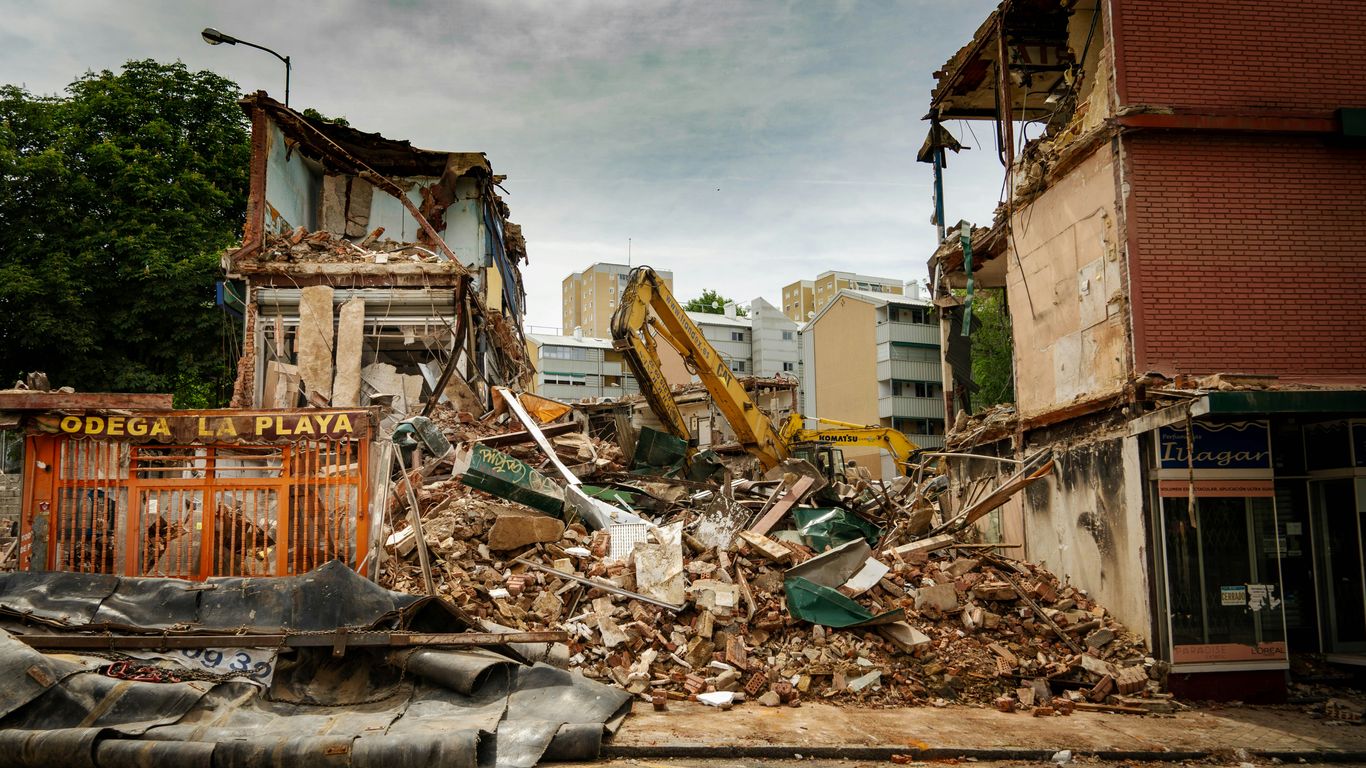
Handling insurance claims during catastrophic events is never simple — and when thousands or even millions are involved, every step counts. The claims process for widescale disasters is different from everyday, single-incident handling, with specialized protocols to manage sudden spikes in volume and complex loss scenarios. Insurers must be ready to react quickly and consistently, often working under extreme pressure and scrutiny.
Initiating and Investigating Large-Scale Claims
It all starts with the notice of loss. After a hurricane, wildfire, or earthquake, policyholders contact their insurer as soon as possible (sometimes by phone, app, or online form). Insurers then:
- Acknowledge the claim — Confirm receipt and start the documentation process.
- Assign adjusters — Deploy teams to assess damage, often using technology and satellite imagery to prioritize the hardest-hit zones.
- Request documentation — Ask policyholders for pictures, receipts, or other evidence to speed up the process.
Quick action is needed because delays can mean bigger losses and more disputes. Scalability is key — insurers must often mobilize hundreds or even thousands of adjusters and support staff within hours to manage claim influx after a major event. For more on investigation steps, check out this overview of the insurance claims process.
An organized, well-communicated response helps policyholders feel supported and keeps confusion to a minimum, even when chaos is all around.
Coverage Determination and Valuation Challenges
Figuring out if a claim is covered — and for how much — takes careful policy review. Catastrophic events tend to raise questions about:
- Scope of coverage: Is the cause of loss (fire, flood, windstorm) actually covered?
- Exclusions and sublimits: Are there carve-outs for certain perils or maximum payouts for specific items?
- Concurrent causation: What happens when multiple events (like flood + wind) combine to cause loss?
Insurers might issue a Reservation of Rights to investigate when coverage is unclear. Valuation is another sticking point. Large events mean costs spike suddenly, local contractors are overwhelmed, and property values can shift overnight. Settling on replacement cost or actual cash value is rarely straightforward. Sometimes, third-party appraisers are brought in to sort out disputes.
Common Coverage and Valuation Issues Table
| Issue | Description | Typical Outcome |
|---|---|---|
| Excluded Peril | Damage not listed under the policy trigger | Claim is partially/fully denied |
| Sublimit Exceeded | Policy caps payout for specific loss types | Payout is limited |
| Documentation Gaps | Missing receipts or photos | Longer investigation timeline |
| Disputed Valuation | Insured and insurer disagree on cost | May use appraisal/arbitration |
For more details on reservations of rights and coverage disputes, see this explanation of insurer claims assessment.
Settlement and Payment Structures for Catastrophes
Once liability, coverage, and value are agreed upon, insurers work out how and when to pay. Settlement strategies in catastrophic claims often need to be adapted to the scale:
- Lump Sum Payments: Quick, one-time settlements aimed at helping policyholders begin repairs or recovery.
- Advanced Payments: Partial disbursements before the full claim is finalized, to help with urgent needs like temporary housing.
- Structured Settlements: Especially for major or injury claims, where ongoing payments make sense.
A few key settlement approaches include:
- Streamlining paperwork for basic, clearly covered claims.
- Setting up mobile claims centers so local residents can get help face-to-face.
- Allowing digital signatures and document uploads to keep paperwork moving across large areas or during infrastructure downtime.
Regulators watch closely to ensure payments are fair and timely — slow or unfair handling during a disaster can quickly draw negative attention and even lawsuits.
In summary, managing catastrophic event claims is about much more than just writing checks. It’s a complicated, high-stress job that mixes policy knowledge, people management, and logistical muscle — all while keeping empathy and clear communication front and center.
Operationalizing Catastrophic Loss Response
When a major event strikes, like a hurricane or a widespread wildfire, the usual way of handling claims just doesn’t cut it. You need a plan that kicks into high gear, fast. This is where operationalizing catastrophic loss response comes in. It’s all about having systems and people ready to go before disaster hits, so you can manage the flood of claims efficiently and fairly.
Rapid Claims Deployment Strategies
Getting boots on the ground quickly is key. This means having pre-arranged agreements with claims management firms and adjusters who can mobilize at a moment’s notice. Think of it like having a rapid response team on standby. They need to be able to deploy to affected areas, set up temporary claims centers, and start the process of taking claims as soon as it’s safe to do so. This isn’t just about speed; it’s about being present and accessible to policyholders who are likely in a state of distress. Having a clear plan for how to notify policyholders about where and how to file claims is also a big part of this. It might involve mass communication through various channels, guiding people on what information they’ll need to provide.
- Pre-negotiated contracts with third-party claims administrators (TPAs).
- Establishing mobile claims units and temporary processing centers.
- Developing clear communication protocols for policyholder outreach.
- Utilizing technology for initial claim intake and damage assessment.
The goal of rapid deployment is to show policyholders that their insurer is responsive and ready to help during their most challenging times. This proactive approach can significantly impact customer satisfaction and retention.
Adjuster Scaling and Resource Management
One of the biggest challenges after a catastrophe is having enough qualified people to handle the sheer volume of claims. You can’t just hire a bunch of people overnight. Effective adjuster scaling involves having a tiered approach. This includes your in-house adjusters, a roster of pre-vetted independent adjusters ready to be called upon, and potentially agreements with other insurers for mutual aid. It’s about managing resources smartly, assigning claims based on complexity and severity, and making sure adjusters have the support and tools they need. This also means having a system for tracking adjuster assignments, workloads, and performance to maintain quality and efficiency. Managing reserves for these large-scale claims is also a critical part of resource management, as initial estimates can change significantly as investigations progress. Managing large loss claims requires careful planning.
Centralized Communication and Coordination
During a catastrophe, information can become chaotic. A centralized communication hub is vital for coordinating efforts. This means having a single point of contact or a dedicated team responsible for managing communications both internally among claims teams, and externally with policyholders, regulators, and other stakeholders. This hub ensures that everyone is working with the same, up-to-date information, reducing confusion and missteps. It’s also where feedback from the field can be collected and acted upon, allowing for adjustments to the response strategy as needed. This coordination is not just about talking; it’s about actively managing the flow of information to keep the entire response operation running smoothly. Clear, consistent communication is the backbone of an effective catastrophe response. Understanding claims escalation thresholds is also part of this coordinated effort.
Policy Structure and Coverage Triggers
When a major event strikes, the exact wording in an insurance policy becomes incredibly important. It’s not just about having coverage; it’s about how that coverage is structured and what specifically makes it kick in. Think of it like a set of rules that dictate when the insurer has to pay and how much.
Defining Coverage Boundaries and Triggers
The core of any policy is defining what’s covered and under what circumstances. This involves understanding the difference between ‘occurrence’ and ‘claims-made’ policies. An occurrence policy covers an event that happens during the policy period, regardless of when the claim is filed. On the other hand, a claims-made policy only covers claims that are actually reported to the insurer while the policy is active. This distinction is huge, especially when dealing with long-tail claims or potential gaps in coverage. We also see policies that specify named perils, meaning only listed events like fire or wind are covered, versus all-risk policies, which cover everything not explicitly excluded. The devil is truly in the details here.
- Occurrence-Based Triggers: Covers events that happened during the policy term.
- Claims-Made Triggers: Covers claims reported during the policy term.
- Named Perils: Coverage only for specifically listed events.
- All-Risk (Open Perils): Coverage for all events not specifically excluded.
The precise language used in policy documents is paramount. Ambiguities are often interpreted in favor of the policyholder, but clear drafting is always the goal to avoid disputes. Understanding these temporal and event-based triggers is key to managing expectations and ensuring adequate protection.
Valuation Methods in Loss Assessment
Once a loss is determined to be covered, the next big question is how to value it. This isn’t always straightforward. Common methods include Replacement Cost (RC), which pays to replace the damaged item with a new one of similar kind and quality, and Actual Cash Value (ACV), which pays the replacement cost minus depreciation. Sometimes, policies might specify an Agreed Value, where the insurer and insured agree on the value of the item before a loss occurs. The method used can significantly impact the payout amount, especially for older items or buildings that have depreciated over time. For example, a 20-year-old roof valued at ACV might pay out much less than a new roof under RC coverage.
| Valuation Method | Description |
|---|---|
| Actual Cash Value (ACV) | Replacement cost minus depreciation. |
| Replacement Cost (RC) | Cost to replace with new, similar item at current prices. |
| Agreed Value | Pre-determined value agreed upon by insurer and insured. |
| Stated Value | Policyholder declares value; insurer pays up to the lesser of stated value or actual loss. |
Understanding Liability and Risk Transfer Layers
Liability insurance is all about protecting against claims that you’ve caused harm to others. This coverage often comes in layers. You have your primary liability policy, which is the first line of defense. If the damages exceed the limits of that primary policy, then an excess liability policy kicks in. This layering strategy allows businesses to secure higher limits of coverage than a single policy might offer. It’s a way to manage significant financial exposure, especially for larger organizations. The way these layers interact, and when one stops and another begins, is defined by attachment points and specific wording within each policy. This is where understanding how multiple policies respond to a single loss becomes critical.
- Primary Layer: The initial layer of coverage.
- Excess Layer: Coverage that applies after the primary layer’s limits are exhausted.
- Umbrella Policy: Often provides broader coverage and higher limits than underlying excess policies.
- Attachment Point: The point at which an excess or umbrella policy begins to respond.
Understanding these structural elements, including claims-made versus occurrence triggers, is not just technical jargon; it’s fundamental to knowing what protection you actually have when disaster strikes.
Regulatory Frameworks and Compliance
Navigating the complex world of insurance, especially when dealing with major losses, means you’ve got to pay attention to the rules. It’s not just about paying claims; it’s about doing it the right way, according to a whole bunch of laws and guidelines. Think of it as the guardrails that keep the whole system from going off the rails.
Ensuring Fair Claims Handling Practices
This is a big one. Regulators are really focused on making sure insurers treat people fairly when they file a claim. This means acknowledging claims quickly, investigating them without unnecessary delays, and providing clear explanations, especially for denials. They don’t want insurers dragging their feet or making it impossible for policyholders to get what they’re owed. There are strict timelines and communication standards that insurers have to follow. Failure to handle claims in good faith can lead to serious penalties and legal trouble. It’s all about making sure the promise made in the policy is honored.
- Prompt acknowledgment of claims.
- Reasonable investigation timelines.
- Clear, written explanations for claim decisions.
- Timely payment of undisputed amounts.
Bad faith claims are a significant concern, and regulators work to prevent insurers from using abusive tactics. Documenting every step of the claims process is key for insurers to show they acted appropriately.
Market Conduct and Regulatory Oversight
Beyond just claims, regulators keep an eye on how insurers operate overall. This covers everything from how they sell policies and advertise to how they underwrite risks and handle complaints. They want to make sure the market is stable and that consumers aren’t being taken advantage of. This oversight often involves regular examinations to spot any systemic issues or unfair practices. It’s a way to keep the playing field level and maintain public trust in the insurance industry. State insurance departments are usually the main players here, setting the rules for licensing, rates, and how business is conducted. You can find more information on how these regulations work at the state level on various insurance department websites.
Compliance in Catastrophic Loss Scenarios
When a big disaster strikes, the regulatory spotlight intensifies. Insurers have to scale up their operations rapidly, and regulators expect them to maintain fair practices even under immense pressure. This includes managing the surge of claims, ensuring adequate staffing, and communicating effectively with a large number of affected policyholders. Compliance during these high-stress periods is critical. It’s not just about following the letter of the law, but also about demonstrating a commitment to policyholder welfare when it matters most. The ability to manage these large-scale events while staying compliant is a true test of an insurer’s operational strength and ethical standing. Understanding the regulatory landscape is therefore not just a legal requirement, but a strategic imperative for insurers preparing for and responding to catastrophes.
Technological Advancements in Loss Triage
It feels like technology is changing everything these days, and insurance is no exception. When a big disaster strikes, sorting through all the claims can be a real headache. That’s where new tech comes in, trying to make things faster and smoother. We’re seeing a lot of tools pop up that help insurers figure out which claims need attention first, especially when there are thousands of them all at once.
Leveraging Data Analytics for Triage
Think about all the information an insurance company has. It’s a mountain of data! Now, imagine using that data to get a head start on sorting claims after a major event. Data analytics is all about digging through that information to spot patterns and predict what’s likely to happen. For example, by looking at past claims from similar events, insurers can get a better idea of which types of losses will be most common and which might be the most expensive. This helps them get resources ready before the flood of claims even hits. It’s like having a weather forecast for claims, helping them prepare for the storm.
- Initial Claim Assessment: Analyzing incoming claim data for keywords, location, and reported damage type.
- Severity Prediction: Using historical data to estimate the potential cost of a claim early on.
- Fraud Detection: Identifying suspicious patterns or inconsistencies in claim submissions.
- Resource Allocation: Directing adjusters and support staff to areas with the highest predicted claim volume or complexity.
The goal here is to move from a reactive approach to a more proactive one, using the information we already have to anticipate needs and streamline the entire process. It’s about working smarter, not just harder.
Predictive Modeling for Catastrophe Preparedness
Beyond just sorting current claims, technology is also helping insurers get ready for future disasters. Predictive modeling uses complex algorithms and vast datasets to forecast the potential impact of different types of catastrophes. This isn’t just about guessing; it’s about using sophisticated models that consider factors like weather patterns, building codes, and population density. By understanding where and how severe a potential event might be, insurers can better position their resources, adjust their underwriting, and even communicate potential risks to policyholders ahead of time. This kind of foresight is a game-changer for risk management.
Emerging Technologies in Claims Management
We’re also seeing new tools like AI-powered image analysis, which can help assess damage from photos or drone footage much faster than a human could. Drones themselves are becoming a standard tool for surveying widespread damage after events like hurricanes or wildfires. Then there’s the use of natural language processing (NLP) to understand customer communications, whether it’s an email, a social media post, or a recorded phone call, helping to flag urgent issues or gather key details. These technologies are really changing how claims are managed from start to finish, making the whole experience less painful for everyone involved.
| Technology | Application in Loss Triage |
|---|---|
| Data Analytics | Identifying claim patterns, predicting severity, fraud detection |
| Predictive Modeling | Forecasting catastrophe impact, resource planning |
| AI Image Analysis | Rapid damage assessment from photos/videos |
| Drones | Aerial surveying of widespread damage |
| NLP | Analyzing customer communications for key information |
Financial Stability and Capacity Management
Keeping an insurance company afloat, especially when facing massive claims from a big disaster, is all about managing its money and making sure it has enough resources. This isn’t just about having cash on hand; it’s a whole system designed to handle the unexpected.
Reinsurance and Risk Transfer Strategies
Think of reinsurance as insurance for insurance companies. When an insurer takes on a lot of risk, maybe from a hurricane hitting a densely populated area, they can buy protection from other, larger reinsurers. This helps them avoid going broke if a truly massive event happens. It’s a way to spread the risk even further, making sure that even if one company can’t pay all its claims, others can step in. There are different ways to do this, like treaties that cover a whole book of business or specific deals for a single, very large risk. It’s a pretty standard practice for managing big exposures.
- Treaty Reinsurance: Covers a defined book of business automatically.
- Facultative Reinsurance: Negotiated for individual risks.
- Catastrophe Bonds: A type of insurance-linked security that transfers risk to capital markets.
The goal here is to ensure that no single catastrophic event can wipe out an insurer’s financial reserves, thereby protecting policyholders and maintaining market stability.
Capital Adequacy and Solvency Requirements
Regulators are pretty strict about how much money insurers need to have in reserve to cover potential claims. This is called capital adequacy. They use complex models to figure out how much capital is needed based on the types of risks the insurer writes and how volatile those risks are. If an insurer doesn’t meet these requirements, they can face penalties or even be shut down. It’s all about making sure there’s enough money to pay claims, even in a worst-case scenario. This is a key part of maintaining insurer solvency.
| Requirement Type | Description |
|---|---|
| Risk-Based Capital (RBC) | Capital levels adjusted based on the insurer’s specific risk profile. |
| Solvency II (EU) | Comprehensive framework for capital, risk management, and supervision. |
| NAIC RBC (US) | State-level framework for assessing capital adequacy for US insurers. |
Market Cycles and Their Impact on Capacity
Insurance markets don’t stay the same forever. They go through cycles. Sometimes, there’s a lot of money available for insurance (a "soft" market), and prices are lower. Other times, after a series of big losses, insurers become more cautious, pull back capacity, and prices go up (a "hard" market). Understanding these cycles is important for both insurers and those buying insurance. When capacity shrinks, it can be harder to get coverage for certain risks, especially large or complex ones. This is where catastrophe modeling plays a role in informing how much capacity is needed and at what price.
Mitigating Future Catastrophic Losses
Loss Control and Risk Mitigation Initiatives
Preventing losses before they happen is always better than dealing with the aftermath. Insurers are increasingly working with policyholders to put measures in place that reduce the likelihood or severity of future catastrophes. This isn’t just about being a good corporate citizen; it makes good business sense. When policyholders invest in things like better building codes, advanced warning systems, or improved cybersecurity, it lowers the overall risk profile for everyone in the pool. It’s a partnership. Think about it: if a business installs a state-of-the-art fire suppression system, they’re less likely to have a major fire, and the insurer pays out less. It’s a win-win.
- Implementing stricter building codes in high-risk areas.
- Encouraging the adoption of advanced weather monitoring and alert systems.
- Promoting regular maintenance and upgrades for critical infrastructure.
- Supporting cybersecurity training and the deployment of robust security measures.
The focus is shifting from simply paying claims to actively preventing them. This proactive approach helps stabilize premiums and ensures coverage remains available for truly catastrophic events.
Adapting Underwriting to Climate Change
Climate change is no longer a distant threat; it’s here, and it’s changing the risk landscape dramatically. We’re seeing more frequent and intense storms, wildfires, and floods. Traditional underwriting models, which often rely on historical data, are struggling to keep up. Insurers need to get smarter about how they assess risk in this new environment. This means looking at forward-looking data, climate projections, and geographic vulnerabilities more closely. It might mean adjusting premiums in certain areas or even limiting coverage for the highest-risk exposures if mitigation isn’t possible. It’s a tough balancing act, but necessary for long-term viability. Understanding climate-related exposures is becoming a core part of underwriting.
Building Societal Resilience Through Insurance
Insurance plays a huge role in helping communities bounce back after a disaster. When people and businesses can get back on their feet quickly because their losses are covered, it strengthens the entire economy. This means insurers need to think beyond just their own balance sheets. They can support initiatives that make communities more resilient in the first place, like investing in infrastructure improvements or disaster preparedness programs. It’s about creating a more stable environment for everyone. This also ties into capital adequacy and solvency requirements, as a financially strong insurance sector is better equipped to handle widespread losses and support recovery efforts. Ultimately, a resilient society benefits insurers too, by reducing the frequency and severity of future claims.
Looking Ahead
So, when we talk about handling big, unexpected losses, it’s clear that having a solid plan in place is super important. It’s not just about having the money to pay out claims, but also about how quickly and fairly you can do it. This means having systems ready to go, like being able to bring in extra help when needed and keeping everyone in the loop. Getting this right helps keep the company’s finances in check and its reputation solid. Ultimately, insurance is more than just a safety net; it’s a key part of how businesses manage risk and keep things running smoothly, even when the unexpected happens.
Frequently Asked Questions
What exactly is a catastrophic loss triage system?
Think of a catastrophic loss triage system like an emergency room for insurance claims after a huge disaster, like a big hurricane or earthquake. It’s a plan that helps insurance companies figure out which claims to handle first, based on how urgent and severe they are. This way, they can help people who need it most as quickly as possible.
Why is it important for insurance companies to have these systems?
When a massive disaster strikes, there can be thousands or even millions of claims all at once. Without a plan, it would be chaos! A triage system helps insurance companies manage this flood of claims efficiently. It makes sure they can get help to people faster, keep their operations running smoothly, and avoid making mistakes when things are super busy.
How do insurance companies decide which claims are most important?
They look at a few things. Is the damage really bad and making someone homeless? Is it a business that can’t operate at all? They also consider how complex the claim is and if there are any immediate safety issues. It’s all about prioritizing the most urgent needs first, like getting people basic living expenses or helping businesses reopen.
What’s the difference between insurance and just saving money?
Saving money means you’re putting aside your own cash for potential problems. Insurance is like a group effort. Lots of people pay a little bit of money (premiums) into a big pot. When someone in the group has a big loss, the money from the pot helps them out. It’s a way to share the risk so one person doesn’t have to face a huge financial disaster alone.
How do insurance companies know how much to charge for policies?
They use something called ‘modeling.’ It’s like using math and computers to guess how likely different bad things are to happen and how much they might cost. They look at past disasters, weather patterns, and other information to figure out a fair price for coverage. It’s not a perfect guess, but it helps them set prices that cover potential losses.
What happens if my claim is denied after a big disaster?
If your claim is denied, the insurance company should tell you exactly why, based on your policy. You usually have the right to appeal the decision. You can ask for a review, provide more information, or even go through a formal process like mediation or arbitration to settle the disagreement. It’s important to understand your policy and communicate clearly.
How does technology help with managing big disasters?
Technology is a huge help! Companies use apps and online tools to let people file claims quickly. They use data analysis to predict where damage might be worst and send adjusters (people who assess damage) to those areas right away. Drones can even fly over damaged areas to get a quick look. All this speeds things up and makes the process smoother.
What does ‘reinsurance’ mean for insurance companies?
Reinsurance is like insurance for insurance companies. When a disaster is so big that it could bankrupt an insurance company, they have reinsurance policies that help pay for some of those massive losses. This makes sure the insurance company can still pay claims even after a huge event and helps keep the whole system stable.