

Figuring out the scope of loss determination is a big part of insurance. It’s basically how we figure out what happened, if the policy covers it, and how much it’s going to cost. It sounds simple, but there’s a lot that goes into it, from reading the policy fine print to investigating the actual damage. This whole process helps make sure everyone gets what they’re supposed to, and that the insurance company isn’t paying for things it shouldn’t. It’s a balancing act, really.
Key Takeaways
- Understanding the policy is step one. You need to know what’s covered, what’s not, and what the limits are. It’s like reading the rulebook before you play the game.
- Assessing the potential loss involves looking at how likely something is to happen and how bad it could be. This uses past data and sometimes fancy computer models.
- The claims investigation is where the nitty-gritty happens. Someone has to check out what happened, make sure it’s covered by the policy, and see if there’s anything fishy going on.
- Figuring out if the policy actually applies to the loss is a big deal. This means looking at the policy language, figuring out what caused the problem, and considering any local laws.
- When it comes down to it, calculating the money involved is the final step. This includes repair costs, depreciation, and any other related expenses to get a final number.
Understanding The Policy Framework
Navigating Declarations And Insuring Agreements
Think of your insurance policy like a contract, but with a lot more jargon. The first thing you’ll usually see is the Declarations Page. This is where the insurer lays out the basics: who’s covered, what’s insured, the limits of that coverage, and how much you’re paying. It’s like the executive summary of your insurance. Following that, you get to the Insuring Agreements. This is the heart of the policy, where the insurer actually promises to pay for certain types of losses. It spells out what events, or perils, are covered. It’s important to read this part carefully because it defines the scope of the insurer’s promise to you. It’s the foundation upon which all other coverage interpretations are built.
- Declarations Page: Lists key policy details (insured, property, limits, premium).
- Insuring Agreement: Outlines the insurer’s promise to pay for covered losses.
- Definitions: Clarifies terms used throughout the policy.
Understanding these initial sections is key. They set the stage for everything else in the policy and are often the first place to look when a claim arises.
Interpreting Named Versus Open Perils Coverage
When you’re looking at what your policy actually covers, you’ll run into two main types of coverage: named perils and open perils. Named perils coverage is pretty straightforward – it only covers losses caused by the specific risks listed in the policy. If it’s not on the list, you’re generally not covered. Think of it like a specific shopping list; if an item isn’t on the list, you don’t get it. On the flip side, open perils coverage, sometimes called all-risk coverage, is much broader. It covers losses from any cause unless it’s specifically excluded in the policy. This means the burden shifts to the insurer to prove an exclusion applies, rather than you having to prove a peril was named. It’s a significant difference in how protection is structured.
- Named Perils: Covers only listed causes of loss.
- Open Perils: Covers all causes of loss except those specifically excluded.
Analyzing Exclusions And Conditions
No insurance policy is without its limitations, and that’s where exclusions and conditions come in. Exclusions are the parts of the policy that take away coverage for certain types of losses or causes of loss, even if they might otherwise seem covered. Common exclusions might involve things like war, nuclear events, or sometimes even flood or earthquake damage, depending on the policy. Conditions, on the other hand, are the rules you and the insurer must follow for the policy to stay in force and for claims to be paid. This can include things like paying your premium on time, reporting a loss promptly, or cooperating with the insurer’s investigation. Failing to meet these conditions can jeopardize your coverage. It’s vital to know what’s not covered and what you must do.
- Exclusions: Specific events or causes of loss that are not covered.
- Conditions: Requirements that must be met by the policyholder and insurer.
Defining Limits And Sublimits Of Liability
Finally, we get to the financial boundaries of your insurance policy: the limits and sublimits. The limit of liability is the maximum amount the insurer will pay for a covered loss. This is usually stated clearly on your Declarations Page. For example, you might have a $1 million limit for property damage. However, policies often have sublimits, which are smaller, specific limits that apply to certain types of property or causes of loss within the overall policy. For instance, a policy might have a $1 million general property damage limit but only a $10,000 sublimit for jewelry or valuable art. Understanding these limits and sublimits is critical because it dictates the maximum payout you can expect for different types of claims. It’s important to review these to make sure they align with the actual value of your assets and potential exposures. Reviewing your policy’s limits is a key step in understanding your financial protection.
- Limit of Liability: The maximum amount the insurer will pay for a covered loss.
- Sublimits: Specific, lower limits that apply to certain types of property or causes of loss.
| Coverage Type | Overall Limit | Specific Sublimit |
|---|---|---|
| Building Coverage | $1,000,000 | N/A |
| Business Personal Property | $500,000 | $25,000 (Electronics) |
| Loss of Income | $200,000 | N/A |
Assessing Potential Loss Exposure
When an incident happens, figuring out just how bad it might be is the next big step. It’s not just about what you see right away; it’s about looking ahead to what could happen. This involves thinking about how often something like this occurs and how severe the damage or impact usually is. Understanding both frequency and severity is key to getting a handle on the potential financial fallout.
Evaluating Frequency and Severity of Loss
Think about it like this: a fender bender happens pretty often, right? That’s high frequency. But the damage is usually not too bad, so it’s low severity. Now, imagine a major earthquake. That doesn’t happen every day – low frequency. But when it does, the damage can be absolutely massive – high severity. Insurers spend a lot of time looking at past events to get a feel for these numbers. They use this information to predict what might happen down the road.
Utilizing Historical Data and Predictive Modeling
We’ve got tons of data from past claims. Insurers use this historical data to build models. These models try to predict future losses. It’s not a perfect science, of course. Things change, new risks pop up. But these models give a pretty good starting point for understanding potential exposure. They help us see patterns we might miss otherwise. For example, looking at past claims data can reveal trends in certain types of incidents.
Considering Geographic and Industry Trends
Where you are and what you do for a living matters a lot. A business in Florida might worry more about hurricanes than a business in Arizona. Similarly, a construction company faces different risks than a software firm. These trends, both in location and industry, play a big role in how likely a loss is and how bad it could be. It’s about looking at the bigger picture beyond just the individual policyholder.
Addressing Catastrophic Risk Challenges
Then there are the big, scary events – the catastrophes. Think hurricanes, wildfires, or major industrial accidents. These are low-frequency but incredibly high-severity events. They can cause widespread damage all at once. Dealing with these requires special planning because so many people might be affected at the same time. It’s a different ballgame than handling everyday claims. Being prepared with the right information, like knowing the sequence of events and all individuals involved, is important when these situations arise.
The Claims Investigation Process
When a loss happens, the first thing that usually happens is the claim gets reported. This is the official notice that something went wrong and you’re looking to your insurance to help out. It’s pretty important to get this notice in quickly, as the policy often has rules about how fast you need to report things. Delays can sometimes cause headaches later on, especially if it makes it harder for the insurance company to figure out what happened.
Once the claim is on their radar, it gets assigned to someone, usually called a claims adjuster. Their job is to dig into the details. This isn’t just a quick look-see; they’re gathering facts. Think of it like a detective for your insurance claim. They’ll be looking at all sorts of things depending on what the loss was: maybe police reports if it was a car accident, repair estimates if your house got damaged, witness statements, or even photos and videos of the scene. The goal is to get a clear picture of the event that caused the damage.
Part of this investigation is figuring out if the policy actually covers what happened. This means they have to read the policy very carefully, looking at what’s covered, what’s not (those are the exclusions), and any special conditions that apply. It’s a bit like putting together a puzzle, matching the facts of the loss to the words in the contract. Sometimes, the policy language can be a bit tricky, and if it’s not clear, it often gets interpreted in a way that favors the person who bought the insurance. This is why clear policy wording is so important.
Initiating Claims Through Notice Of Loss
This is where it all starts. You’ve had a loss, and you need to tell your insurance company. Most policies require you to give them notice reasonably promptly. What "reasonably promptly" means can depend on the situation and where you live, but generally, it means as soon as you can after you become aware of the loss or potential loss. This notice is more than just a phone call; it’s the official start of the claims process. It’s how the insurer gets put on alert that they might have a responsibility to step in. Failing to provide timely notice can sometimes lead to coverage issues, especially if the delay makes it difficult for the insurer to investigate properly.
Conducting Thorough Factual Investigations
After the notice comes in, the real work begins for the adjuster. They need to get all the facts straight. This involves more than just taking your word for it. They might:
- Interview you and any witnesses.
- Inspect the damaged property or the scene of the incident.
- Collect relevant documents like police reports, repair bills, or medical records.
- Take photographs or videos of the damage.
- Sometimes, they might even hire experts, like engineers or forensic accountants, for complex claims.
The thoroughness of this investigation directly impacts the fairness of the final decision. It’s all about building a solid record of what happened, why it happened, and what the consequences are. This detailed documentation is key for everything that follows, from determining coverage to calculating the final payout. You can find more on the importance of good documentation in effective claims file documentation.
Verifying Coverage And Policy Terms
This is where the investigation meets the insurance contract. The adjuster has to carefully review your policy. They’re checking:
- Is the type of loss covered under the policy? (e.g., fire, theft, accident)
- Did the loss happen during the policy period?
- Are there any exclusions that might prevent coverage for this specific event?
- What are the limits and deductibles that apply?
- Did the policyholder meet all the conditions required by the policy?
This step is critical because it determines whether the insurer has a contractual obligation to pay the claim. It’s not uncommon for disputes to arise here if there’s a disagreement about how the policy language applies to the specific facts of the loss.
Identifying Potential Indicators Of Fraud
While most claims are legitimate, insurance companies also have to be on the lookout for fraud. This isn’t about accusing everyone; it’s about having systems in place to spot red flags. Some things that might raise a flag include:
- Claims that seem inconsistent or don’t add up.
- A history of suspicious claims from the same individual or entity.
- Evidence of staged accidents or intentionally caused damage.
- Overly aggressive or evasive behavior from the claimant.
- Discrepancies in documentation or witness accounts.
Insurers often have special units, called Special Investigation Units (SIUs), that focus on these types of claims. Their goal is to prevent unnecessary losses that ultimately drive up costs for everyone.
The claims investigation process is a structured approach designed to gather facts, assess damages, and determine coverage obligations under an insurance policy. It requires a balance between efficiency and thoroughness, ensuring that valid claims are paid promptly while also protecting against fraudulent or unwarranted demands. Each step is interconnected, with findings from one phase informing the next, all guided by the terms of the insurance contract and applicable regulations.
Analyzing Coverage Applicability
Figuring out if your insurance policy actually covers the mess you’re dealing with is a big part of the whole claims process. It’s not always straightforward, and sometimes it feels like you need a law degree just to understand what you’re covered for. The policy itself is the main document here, and it’s broken down into different sections that all play a role.
Interpreting Policy Language and Endorsements
This is where you really have to read the fine print. The words used in your policy matter a lot. Insurers write these policies, and while they aim for clarity, sometimes things can be interpreted in more than one way. Endorsements are like add-ons or changes to the original policy. They can add coverage for specific things or sometimes restrict it. It’s important to know if you have any endorsements and what they say, because they can change the basic terms of your contract. You need to make sure the event that caused the loss is clearly described in the policy or an endorsement.
Determining Causation Of The Loss
This is often the trickiest part. It’s not enough that a loss happened; you have to show that it was caused by something the policy actually covers. For example, if your roof leaks because of a storm, that’s usually covered. But if it leaks because the roof is old and just worn out, that might not be. Insurers look for the proximate cause – the main reason the loss occurred. Sometimes, there are multiple causes, and that’s when things get complicated, especially if one cause is covered and another isn’t. This is where evidence like weather reports, expert opinions, or even photos can be really helpful in proving what led to the damage.
Understanding Jurisdictional Law and Regulations
Insurance laws aren’t the same everywhere. What’s covered or how a policy is interpreted can change depending on the state or country you’re in. Each jurisdiction has its own rules about insurance contracts, what insurers have to do, and what policyholders can expect. Regulators set standards to make sure insurers are treating people fairly. So, when you’re looking at your policy, you also have to consider the legal landscape of where you live or where the property is located. This can affect how disputes are handled and what rights you have.
Resolving Ambiguities In Policy Wording
Sometimes, after reading and rereading, a part of the policy just doesn’t make clear sense. It’s ambiguous. In these situations, courts often lean towards interpreting the wording in favor of the policyholder. The idea is that the insurer, who wrote the contract, should have made it clearer if they intended to exclude something. This doesn’t mean you can just claim anything; it means that if there’s a genuine uncertainty in the language, it’s more likely to be interpreted in a way that provides coverage. It’s always a good idea to get professional advice if you’re facing a situation where the policy wording is unclear and impacting your claim, especially if you’re dealing with a partial insurance claim denial.
Here’s a quick look at what goes into this analysis:
| Factor | Description |
|---|---|
| Policy Language | The exact words and phrases used in the contract. |
| Endorsements | Modifications or additions to the standard policy terms. |
| Causation | The direct link between the loss and a covered peril. |
| Jurisdiction | The specific laws and regulations of the governing state or region. |
| Ambiguity | Unclear or uncertain wording that requires interpretation. |
Quantifying Financial Impact Of Loss
Figuring out exactly how much a loss is going to cost is a big part of the whole insurance puzzle. It’s not just about the obvious stuff; you’ve got to look at everything that adds up. This is where things get really detailed, and sometimes, pretty complicated.
Calculating Repair or Replacement Costs
When property is damaged, the first thing that comes to mind is fixing it or getting new stuff. For repairs, it means getting estimates from contractors. This involves looking at the cost of materials and the labor needed to get things back to how they were. If something is totally destroyed, then it’s about figuring out what it would cost to buy a brand new replacement. This can get tricky, especially with older items or specialized equipment where finding exact replacements might be tough or even impossible. The goal here is to get a realistic number for what it takes to restore the damaged property.
Applying Depreciation and Actual Cash Value
Here’s where it gets a bit more nuanced. Most policies don’t just hand over the money for brand-new items if the damaged item was old. They look at depreciation. Think of it like this: your five-year-old TV isn’t worth the same as a brand-new one, right? Depreciation is the decrease in value of an item over time due to age, wear, and tear. So, Actual Cash Value (ACV) is basically the Replacement Cost minus the depreciation. It’s the value of the item right before the loss happened. Some policies might cover replacement cost without depreciation, but that’s usually specified and often comes with higher premiums.
Evaluating Bodily Injury and Property Damage
This section covers two main types of losses. Property damage is what we’ve been talking about – damage to physical things. Bodily injury is different. It’s about the costs associated with someone getting hurt. This can include medical bills, lost wages because they can’t work, pain and suffering, and sometimes even long-term care needs. Calculating these costs involves looking at medical records, expert opinions from doctors, and proof of lost income. It’s a more complex calculation because it involves human impact and future uncertainties.
Estimating Legal Defense and Settlement Values
In liability cases, the insurer often has to pay for the insured’s legal defense, even if the lawsuit turns out to be baseless. This means estimating the costs of lawyers, court fees, and expert witnesses. On top of that, there’s the potential settlement value or jury award. This is what the claimant might receive if the case is settled or if a court finds the insured responsible. Estimating this involves looking at similar past cases, the severity of the injury or damage, and the perceived strength of the legal arguments on both sides. It’s a bit of an educated guess, trying to predict a future outcome.
The financial impact of a loss isn’t a single, simple number. It’s a layered calculation that requires careful consideration of direct costs, indirect consequences, and potential future liabilities. Getting this right is key to fair claim resolution and sound financial management for insurers.
Establishing Claims Reserves
When a claim comes in, it’s not just about figuring out what happened and if the policy covers it. There’s a whole financial side to it, and that’s where claims reserves come into play. Think of reserves as the money an insurance company sets aside to pay for a claim, not just the immediate costs, but the ultimate cost, which can sometimes be hard to pin down right away.
It’s a bit like budgeting for a home renovation. You get quotes for the big stuff, but you also know there will be unexpected little expenses that pop up. Reserves are the insurer’s way of making sure they have the funds ready for all of it. This process directly impacts an insurer’s financial statements and regulatory standing.
Here’s a breakdown of how it generally works:
- Initial Estimate: When a claim is first reported, an adjuster or claims handler makes an initial estimate of what the claim might cost. This is based on the information available at that moment – the type of loss, initial damage assessments, and policy terms.
- Development Over Time: Claims, especially complex ones, can take a long time to resolve. As more information comes in, through investigations, medical reports, legal proceedings, or repair estimates, the estimated cost can change. Reserves need to be updated to reflect this new information.
- Types of Reserves: There are different kinds of reserves. There are reserves for claims that have been reported (known as "case reserves") and also reserves for claims that might have happened but haven’t been reported yet (often called "bulk reserves" or "IBNR" – Incurred But Not Reported).
- Monitoring and Adequacy: Insurers constantly monitor their reserves. If reserves are too low, the company might not have enough money to pay claims, which can cause financial trouble. If they’re too high, it can make the company look less profitable than it really is. It’s a balancing act.
This whole reserve-setting process is pretty technical. It often involves actuaries, who are the number wizards of the insurance world. They use historical data, statistical models, and their knowledge of trends to help predict future claim costs more accurately. It’s not an exact science, but it’s a really important part of making sure the insurance system works smoothly and that policyholders get paid when they need to.
The accuracy of claims reserves is vital for an insurer’s financial health. Under-reserving can lead to solvency issues, while over-reserving can distort financial performance and impact pricing for future policies. This makes the ongoing monitoring and adjustment of reserves a critical operational task.
Collaborating with actuarial professionals is key here. They bring a level of statistical rigor that helps insurers make informed decisions about how much money to set aside. It’s a partnership between the claims team, who understand the day-to-day realities of claims, and the actuaries, who can forecast the broader financial picture. This collaboration helps maintain reserve adequacy over time, which is good for everyone involved.
Managing Coverage Disputes

Sometimes, even with the clearest policy language, disagreements pop up. It’s like when you and your buddy read the same set of instructions for assembling furniture, and you both end up with totally different results. That’s pretty much what happens with insurance claims sometimes. The insurer might see things one way, and the policyholder sees it another, leading to a coverage dispute.
Addressing Disputes Over Exclusions and Limits
Exclusions and limits are often the flashpoints. An exclusion is basically a "not covered" section in your policy, and limits are the maximum amounts the insurer will pay. When a loss happens, and it seems like it should be covered, but the insurer points to an exclusion, or says the payout is capped by a limit you didn’t expect, that’s a dispute. It’s not uncommon for policyholders to feel blindsided by these. The key here is to really dig into the policy wording and understand exactly what those exclusions mean and how the limits are applied. Sometimes, an exclusion might seem straightforward, but there are nuances or exceptions. Similarly, limits can sometimes be misunderstood, especially when sublimits apply to specific types of damage.
Resolving Issues With Deductibles and Causation
Deductibles are the amounts you pay out-of-pocket before the insurance kicks in. Disputes can arise if there’s confusion about the deductible amount, or if the insurer claims the deductible wasn’t met in a way that affects the payout. Causation is another big one. This is about figuring out what actually caused the loss. Was it a covered peril, or something excluded? For example, if a storm causes water damage, but the insurer argues the damage was actually due to poor maintenance (an excluded cause), that’s a causation dispute. It often comes down to the evidence gathered during the claims investigation process.
Navigating Disagreements On Valuation Methods
How much is the damaged property actually worth? This is where valuation methods come into play, and they can be a real source of conflict. Policies often specify whether the payout will be based on Replacement Cost (what it costs to buy new) or Actual Cash Value (replacement cost minus depreciation). If you think your old roof is worth more than the insurer’s depreciation calculation suggests, you’ve got a disagreement. It’s important to understand how these methods are applied and what your policy says about them. Sometimes, a policy might even have an ‘agreed value’ for certain items, which should, in theory, prevent disputes, but misunderstandings can still happen.
Understanding Policy Interpretation Standards
When disputes can’t be settled directly, they often go to a third party or a court. At this stage, how the policy is interpreted becomes super important. Generally, courts tend to interpret ambiguous policy language in favor of the insured. This principle, often called contra proferentem, means that if the insurer drafted the policy and there’s a gray area, the interpretation that benefits the policyholder is usually preferred. However, this doesn’t mean you can just ignore clear policy terms. It’s about those tricky spots where the meaning isn’t obvious. Understanding these interpretation standards can help you know where you stand when trying to resolve a coverage dispute.
Valuation Methods And Their Impact
When a loss happens, figuring out how much it’s worth is a big deal. It’s not always straightforward, and how the value is determined can really change the payout. We’re talking about different ways insurers look at the damage to put a dollar amount on it. This process is key because it directly affects what the policyholder receives and what the insurer pays out.
Understanding Replacement Cost Versus Actual Cash Value
Two main ways to value a loss are Replacement Cost (RCV) and Actual Cash Value (ACV). RCV is what it would cost to replace the damaged item with a brand-new one of similar kind and quality. Think of it as getting a new TV if your old one was destroyed. ACV, on the other hand, is the RCV minus depreciation. Depreciation accounts for the item’s age, wear and tear, and obsolescence. So, with ACV, you’d get the value of your old TV, not a new one. The difference between RCV and ACV can be substantial, especially for older items.
Here’s a quick look at the difference:
| Valuation Method | What it Covers | Key Factor |
|---|---|---|
| Replacement Cost | Cost to buy new, similar item | New replacement |
| Actual Cash Value | Cost to buy new, minus depreciation | Age and wear |
Applying Agreed Value and Stated Value Structures
Sometimes, for high-value items like classic cars or unique art, RCV and ACV might not be the best fit. That’s where Agreed Value and Stated Value come in. With an Agreed Value policy, the insurer and the policyholder agree on the value of the item before a loss occurs. If the item is damaged or destroyed, the payout is that agreed-upon amount. A Stated Value policy is similar, but the policyholder states the value, and the insurer agrees to pay up to that amount or the actual cash value, whichever is less. This provides more certainty for valuable possessions.
Analyzing Depreciation Schedules
Depreciation is a major factor when calculating Actual Cash Value. Insurers use depreciation schedules to figure out how much value an item loses over time. These schedules consider the item’s expected lifespan and how much it’s likely to degrade. For example, a roof might have a lifespan of 20 years. If it’s 10 years old when damaged, an ACV calculation would likely deduct 50% of the replacement cost. Understanding these schedules is important for policyholders to know what to expect if their claim is valued on an ACV basis. You can find more details on how loss valuation methods are applied in various contexts.
The choice of valuation method significantly impacts the financial outcome of a claim. While Replacement Cost offers a fuller recovery, Actual Cash Value reflects the depreciated state of the property. Policyholders should be aware of which method applies to their coverage to manage expectations and understand potential out-of-pocket expenses.
Risk Transfer And Layered Coverage
Defining Retention and Attachment Points
When we talk about insurance, it’s not just about one big pot of money waiting to pay out. It’s more like a series of safety nets, each one kicking in at a specific point. First, there’s what the insured has to cover themselves – that’s the retention. Think of it as your deductible, but sometimes it’s a much bigger chunk, especially for businesses. After that retention is met, the first insurance policy, called the primary layer, starts to pay. The point where this primary coverage begins is known as the attachment point. It’s pretty straightforward, really: you pay up to your retention, and then the primary insurer steps in. This setup helps keep premiums lower because the insurer isn’t on the hook for every single dollar from the get-go.
Understanding Primary, Excess, and Umbrella Layers
So, you’ve got your retention, and then your primary insurance. But what happens if the loss is so big it blows right through the primary policy’s limits? That’s where excess and umbrella coverage come in. Excess policies are usually written to follow the form of the primary policy, meaning they cover the same things but only after the primary limit is exhausted. They have their own attachment points, which are essentially the limits of the layer below them. Umbrella policies are a bit different; they can sometimes offer broader coverage than the primary and excess layers combined, and they might even cover some things the underlying policies don’t. It’s all about building up layers of protection to handle potentially massive losses. This layered approach is a cornerstone of managing significant financial risk.
Coordinating Responsibility Across Policy Layers
This is where things can get a little tricky. When a large claim happens, multiple insurance policies might be involved – the insured’s retention, the primary insurer, and then one or more excess or umbrella carriers. Figuring out who pays what and when requires careful coordination. Each policy has its own terms, conditions, and limits. Insurers often have clauses that dictate how they interact with other policies, like ‘other insurance’ clauses that might state their coverage is excess to other available insurance. Sometimes, disputes arise over which policy is primary, what the correct attachment points are, or how a loss should be allocated among the different layers. This is why having clear policy wording and understanding how your different policies work together is so important. It prevents gaps and ensures that the total available coverage is applied effectively to the loss.
Analyzing Reinsurance and Risk Transfer Mechanisms
Even insurance companies don’t want to take on all the risk themselves, especially for huge potential losses like natural disasters or major liability claims. That’s where reinsurance comes in. Reinsurance is essentially insurance for insurance companies. A primary insurer might buy reinsurance to transfer a portion of its risk to a reinsurer. This helps stabilize the insurer’s financial position and allows them to take on more business than they otherwise could. There are different types of reinsurance, like treaty reinsurance, which covers a whole book of business, and facultative reinsurance, which covers a specific risk. This mechanism is a critical part of the overall risk transfer system, ensuring that the insurance market has the capacity to handle even the most catastrophic events. It’s a way of spreading risk even further, beyond the original policyholder.
Policy Provisions Affecting Loss Determination
When a loss happens, it’s not just about what got damaged or who got hurt. The actual insurance policy you have is packed with specific clauses that dictate how that loss is handled and, ultimately, how much the insurance company will pay out. It’s like a rulebook for the claim. Ignoring these provisions can lead to a lot of confusion and, frankly, disappointment when the claim payout isn’t what you expected.
Examining Coinsurance Clauses and Requirements
Coinsurance is a bit of a tricky concept, especially for property insurance. Basically, it’s a clause that requires you, the policyholder, to insure your property for a certain percentage of its total value. If you don’t, and a loss occurs, the insurance company might only pay a portion of the damage, even if it’s less than the policy limit. They’ll reduce their payout proportionally based on how much you were underinsured.
For example, if a policy has an 80% coinsurance clause and your building is worth $1 million, you’re expected to carry at least $800,000 in coverage. If you only bought $600,000 in coverage, and you have a $100,000 loss, the insurer might only pay:
| Calculation Step | Amount |
|---|---|
| Required Coverage (80% of $1M) | $800,000 |
| Actual Coverage | $600,000 |
| Loss Amount | $100,000 |
| Coinsurance Penalty Factor ($600k / $800k) | 0.75 |
| Payout (0.75 * $100k) | $75,000 |
So, instead of getting the full $100,000, you’d only get $75,000. It really pushes people to keep their coverage amounts up-to-date with the actual value of their property. This is why regularly reviewing your policy and property values is so important. It’s all about making sure you have adequate insurance amounts to avoid this penalty.
Understanding Self-Insured Retentions
A self-insured retention, or SIR, is different from a deductible. With a deductible, the insurer pays the claim and then subtracts your deductible amount. With an SIR, you, the policyholder, are responsible for paying the entire amount of the loss up to the SIR limit before the insurance coverage even kicks in. Think of it as you being your own insurer for that initial amount.
- SIRs are common in commercial policies, especially for larger businesses that can absorb smaller losses.
- They often apply to liability claims, but can also be found in property policies.
- Unlike deductibles, SIRs usually don’t apply to defense costs; the insurer typically covers those separately.
This means if you have a $50,000 SIR on a liability policy and a $100,000 claim is made against you, you’ll pay the first $50,000, and the insurer will cover the remaining $50,000. It’s a way for businesses to manage risk and potentially lower premiums by taking on a portion of the risk themselves.
Interpreting Anti-Concurrent Causation Provisions
This one can get pretty technical. Anti-concurrent causation provisions are designed to limit coverage when a covered peril and an excluded peril both contribute to a loss. The general idea is that if an excluded peril is a cause of the loss, even if a covered peril is also involved, the loss might not be covered.
The interpretation of these provisions can be complex and often depends on the specific wording of the policy and the laws of the jurisdiction. Courts sometimes struggle with whether the excluded peril was the dominant or efficient cause of the loss, or if it was merely a passive or incidental factor.
For instance, imagine a policy that covers fire damage but excludes damage from flood. If a fire starts in a building, but the fire is caused or exacerbated by floodwaters entering the building, an anti-concurrent causation clause might be used by the insurer to deny the claim, arguing that the flood (an excluded peril) was a cause of the fire damage. This is a common area for disputes, as policyholders argue that the covered peril (fire) was the primary cause of their loss. Understanding how these clauses are interpreted is key to knowing your actual coverage.
Considering Territory Limitations
Many insurance policies have specific territory limitations. This means the coverage provided only applies to losses that occur within a defined geographic area. This is particularly relevant for property insurance, where a policy might cover a building located in a specific state or country, or for liability insurance, where coverage might be restricted to incidents occurring within the United States and Canada.
- Check your policy’s definitions section for the exact wording of the territory covered.
- If you travel frequently with insured property or conduct business internationally, you may need endorsements to extend coverage beyond the standard territory.
- Failure to adhere to these limitations can result in a claim denial, regardless of whether the peril itself was covered. Proof of loss requirements often need to align with the policy’s territorial scope.
These provisions are not just legal jargon; they are practical elements that directly impact whether a claim will be paid and how much will be paid. It’s always best to review your policy thoroughly or speak with your insurance professional to understand how these clauses apply to your specific situation.
The Role Of Adjusters In Loss Assessment
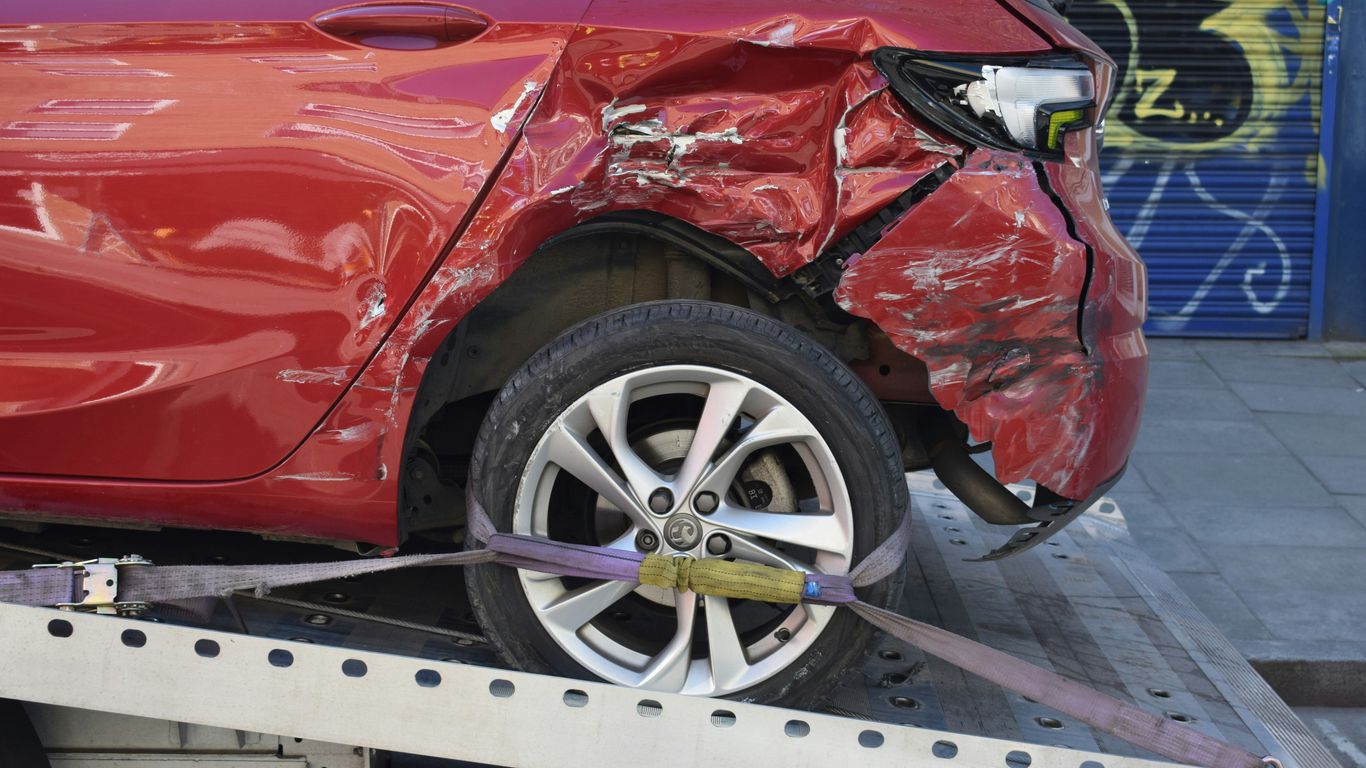
When a loss occurs, the insurance adjuster steps in as a key player. Think of them as the investigator and interpreter rolled into one. Their main job is to figure out what happened, how bad it is, and if the insurance policy actually covers it. It’s not always a straightforward process, and they have to be pretty thorough.
Investigating Claim Circumstances
Adjusters start by gathering all the facts about the incident. This means talking to people involved, looking at the damaged property, and collecting any relevant documents like police reports or repair estimates. They need to understand the sequence of events that led to the loss. Sometimes, this involves visiting the scene of the loss to get a firsthand look. It’s all about building a clear picture of what happened.
Assessing Damages and Policy Applicability
Once the circumstances are clear, the adjuster assesses the extent of the damage. For property claims, this might involve getting quotes for repairs or replacement. For liability claims, it’s about evaluating the extent of injury or damage to a third party. At the same time, they’re carefully reviewing the insurance policy. They need to determine if the loss falls under the policy’s coverage and if any exclusions or conditions apply. This is where their knowledge of policy language really comes into play. They might also need to consider Actual Cash Value versus Replacement Cost calculations.
Recommending Settlement Amounts
Based on their investigation and policy analysis, the adjuster will form an opinion on what a fair settlement should be. This recommendation is based on the documented damages and the applicable policy terms. They have to balance the policyholder’s claim with the insurer’s obligations. It’s a process that often involves negotiation.
Adhering To Licensing and Regulatory Standards
It’s important to remember that adjusters don’t just operate on their own whim. They are typically licensed professionals and must follow specific rules and regulations set by the state. This ensures they handle claims fairly and ethically. They have to act in good faith, which means being honest and prompt in their dealings. Failing to do so can lead to serious consequences for the insurer.
The adjuster’s role is multifaceted, requiring a blend of investigative skills, policy interpretation, and negotiation abilities. They act as the primary point of contact for the policyholder during the claims process, working to resolve the claim efficiently and equitably according to the terms of the insurance contract.
Wrapping Up: The Importance of Scope
So, we’ve talked a lot about how figuring out the scope of a loss is a pretty big deal. It’s not just about what happened, but also how it fits into the whole insurance picture. Getting this right from the start helps everyone involved. It means the insurer knows what they’re dealing with, and the person who had the loss knows what to expect. It really comes down to clear communication and understanding the policy details. When the scope is well-defined, claims tend to move along more smoothly, and that’s good for business and for peace of mind. It’s a key step that impacts everything that follows.
Frequently Asked Questions
What’s the main goal when figuring out how much damage an insurance claim is worth?
The main goal is to figure out the exact amount of money needed to fix or replace what was damaged, making sure it matches what the insurance policy covers. It’s like being a detective to find the true cost of the problem.
How do insurance companies decide if a loss is covered by a policy?
They look closely at the insurance policy’s words, like a rulebook. They check if the event that caused the damage is listed as covered and if any special rules or exceptions apply. It’s all about matching the event to the policy’s promises.
What’s the difference between ‘named perils’ and ‘open perils’ coverage?
‘Named perils’ means your insurance only covers damage from a specific list of bad things, like fire or theft. ‘Open perils’ is broader; it covers damage from anything *unless* it’s specifically listed as something the insurance *won’t* cover. Think of it as a short list of what’s okay versus a long list of what’s not.
Why are deductibles important when figuring out a claim’s value?
A deductible is the amount you agree to pay first before the insurance company steps in. So, when figuring out the claim’s value, the deductible is subtracted from the total damage cost. It helps keep insurance costs down for everyone.
What does ‘Actual Cash Value’ mean for a damaged item?
Actual Cash Value means the value of your item right before it got damaged, taking into account how old it was and how much it had worn out (depreciation). It’s not what a brand-new one costs, but what the used one was worth.
How do insurance companies estimate future losses?
They use past information about similar claims, look at trends in different areas or industries, and sometimes use computer programs to predict how often losses might happen and how much they might cost. It’s like using history to guess the future.
What is a ‘limit of liability’ in an insurance policy?
A limit of liability is the maximum amount of money the insurance company will pay for a covered loss. It’s like a ceiling on how much they can give you, no matter how big the damage is.
What happens if there’s a disagreement about how much a claim is worth?
If you and the insurance company can’t agree on the value, there are steps to resolve it. This might involve talking it out, using a neutral person called a mediator, or having an expert appraiser decide. Sometimes, it might even go to court.