

When it comes to insurance, understanding severe weather is a big deal. We’re talking about things like hailstorms, derechos, and strong thunderstorms – the kind that can really mess up property. For insurance companies, figuring out the risks associated with these events, known as convective storms, is super important. This involves a lot of detailed work, from looking at past damage to using fancy computer models. It’s all part of the complex world of convective storm modeling insurance, helping insurers make smart decisions about who to cover and how much to charge.
Key Takeaways
- Convective storms, like hailstorms and derechos, pose significant risks to insured properties, making accurate modeling crucial for insurers.
- Convective storm modeling insurance involves assessing potential losses by analyzing historical data, geographic factors, and using advanced predictive tools to understand event frequency and severity.
- Underwriting and pricing for convective storm risks require detailed data gathering, risk evaluation based on location, and clear guidelines to set appropriate premiums and coverage terms.
- Policy structures, claims handling, and reinsurance strategies are all designed to manage the financial impact of convective storm events on insurers and policyholders.
- The insurance industry is adapting convective storm modeling to account for climate change trends and leveraging new technologies to improve risk assessment and forecasting accuracy.
Understanding Convective Storms in Insurance
Defining Convective Storm Perils
Convective storms are a significant concern for the insurance industry. These storms, characterized by rapid atmospheric instability, include phenomena like thunderstorms, hail, high winds, and tornadoes. Unlike widespread, slow-moving weather systems, convective events are often localized and can develop quickly, making them challenging to predict with pinpoint accuracy. The energy involved in these storms can lead to substantial property damage, impacting everything from residential homes to commercial structures and agricultural assets. Understanding the specific perils associated with convective storms is the first step in managing the associated risks.
- Thunderstorms: Often bring heavy rain, lightning, and strong winds.
- Hail: Can cause significant damage to roofs, vehicles, and crops.
- Tornadoes: Represent the most violent form of convective storm, capable of widespread destruction.
- High Winds: Straight-line winds associated with thunderstorms can be as damaging as weaker tornadoes.
The insurance industry relies on detailed data and modeling to understand the potential impact of these events. This helps in setting appropriate premiums and ensuring there’s enough capital to cover claims when they arise.
Impact of Storm Hazards on Property
The physical impact of convective storms on property can be severe and varied. Hailstones, depending on their size and density, can dent metal surfaces, shatter glass, and compromise roofing materials, leading to water damage. Intense rainfall can cause flash flooding, overwhelming drainage systems and inundating basements and lower floors. Lightning strikes, while less frequent in causing total loss, can ignite fires or damage electrical systems and appliances. Tornadoes, with their extreme wind speeds and flying debris, can cause catastrophic structural failure. Even strong straight-line winds can rip off roofs, overturn vehicles, and topple trees, which then become damaging projectiles. The cumulative effect of these hazards means that properties in storm-prone regions face a constant threat of damage, necessitating robust insurance protection.
Frequency and Severity of Storm Losses
Assessing the frequency and severity of storm losses is a core function for insurers. Frequency refers to how often claims related to convective storms occur in a given area, while severity measures the average cost of those claims. Both factors are influenced by geographic location, climate patterns, and the density of insured property. For instance, certain regions might experience frequent, but less severe, hailstorms, while others might face less frequent, but potentially catastrophic, tornado outbreaks. Insurers use historical loss data, combined with advanced meteorological and geographical information, to model these patterns. This analysis helps in understanding the potential aggregate catastrophe accumulation that could arise from a single, widespread event or multiple smaller events occurring in close succession. The goal is to accurately predict the financial exposure and build adequate reserves and reinsurance programs to manage these risks effectively. This involves looking at both how often claims happen and how much they cost on average. For example, a region might have many small hail claims each year, or it might have a rare but devastating tornado event that causes massive damage. Understanding these patterns is key to pricing policies fairly and making sure the insurer can pay out when needed. This is part of the broader effort in managing uncertainty through risk pooling.
Convective Storm Modeling for Risk Assessment

Loss Modeling and Exposure Analysis
When we talk about convective storms, we’re really looking at how likely they are to cause damage and how bad that damage might be. This is where loss modeling comes in. It’s basically a way for insurers to figure out the potential financial hit from things like hail, high winds, and heavy rain. We look at historical data, weather patterns, and the types of properties in an area to get a picture of the risk. The goal is to understand both the frequency of these events and their severity. This helps us know where the biggest risks are and what kind of losses we might expect. It’s not just about individual storms, but about how they add up over time and across different locations. We also consider the specific features of a property that might make it more vulnerable, like roof type or tree cover. This detailed look helps us get a handle on the overall exposure.
- Frequency: How often do storms of a certain intensity hit a specific area?
- Severity: If a storm does hit, how much damage is it likely to cause?
- Aggregation: How do losses from multiple storms or multiple properties combine?
Understanding these factors is key to making smart decisions about insurance coverage and pricing. It’s a complex puzzle, but getting it right means we can offer better protection.
Accurate loss modeling is the bedrock of effective risk management in the insurance industry. It allows for a proactive approach rather than a reactive one, helping to stabilize financial outcomes for both insurers and policyholders.
Catastrophic Modeling for Extreme Events
Sometimes, storms aren’t just inconvenient; they’re catastrophic. These are the rare but incredibly damaging events that can cause widespread destruction. Catastrophic modeling is specifically designed to look at these extreme scenarios. It uses sophisticated computer simulations to estimate the impact of events that are unlikely to happen often but would have a massive financial consequence if they did. Think of a derecho or a series of severe thunderstorms hitting a densely populated area. These models help us understand the potential for large-scale losses and how they might affect an insurer’s financial stability. It’s about preparing for the worst-case scenarios, even if they seem improbable. This kind of modeling is especially important for understanding how different types of insurance coverage might respond and how much capital an insurer needs to hold to weather such an event. It’s a critical part of managing extreme weather risks.
Predictive Analytics in Storm Forecasting
Predictive analytics is changing how we look at storm forecasting and risk assessment. Instead of just relying on historical data, we’re now using advanced statistical methods and machine learning to identify patterns and predict future events. This means we can get a better sense of where and when storms are most likely to occur, and what their potential intensity might be. For insurers, this translates into more accurate risk assessments and better pricing. It helps us move beyond simply reacting to past events and start anticipating future ones. For example, by analyzing weather data, satellite imagery, and even social media trends, we can sometimes get early warnings of developing severe weather. This allows for quicker adjustments to underwriting strategies and potentially even proactive risk mitigation efforts. It’s about using data to see around the corner and make more informed decisions about managing storm-related risks. This approach is also central to index-based insurance products, where payouts are triggered by specific weather metrics.
Underwriting Convective Storm Risks
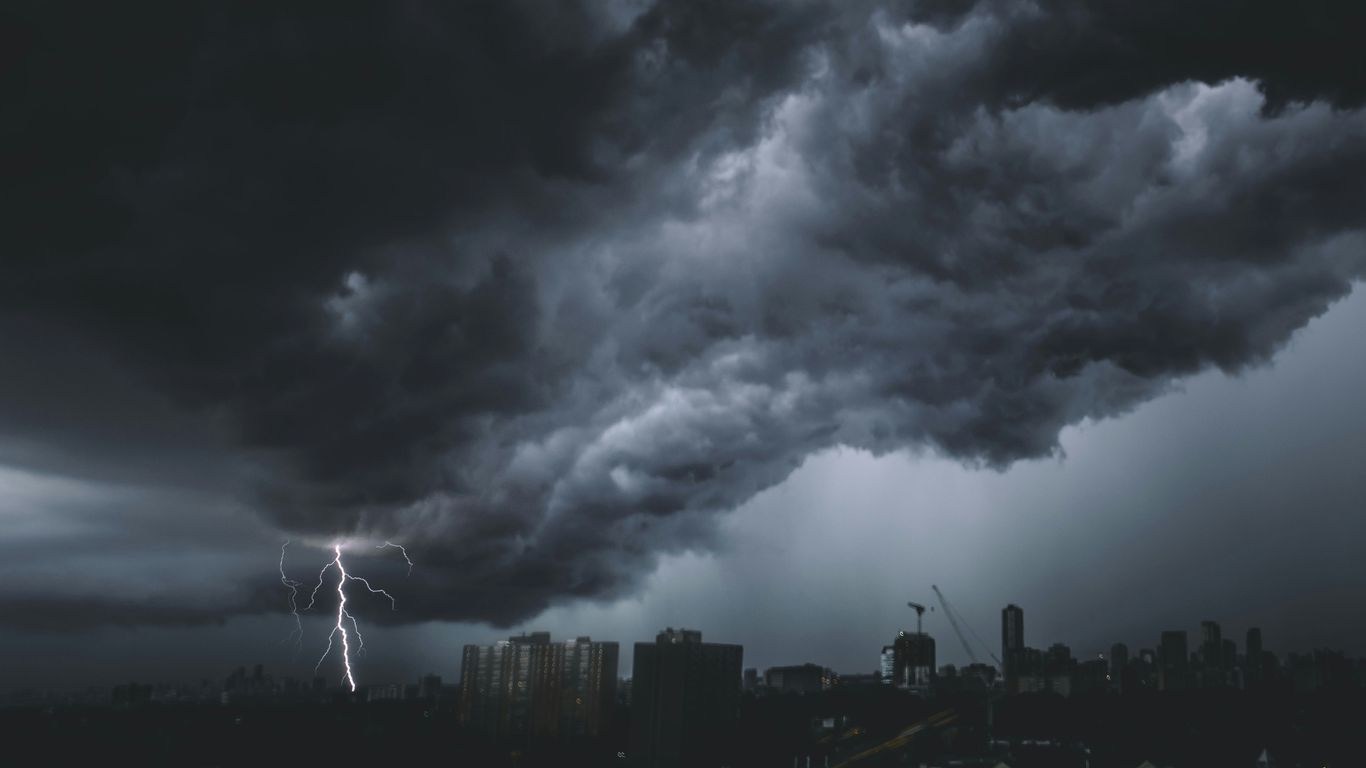
Managing convective storm risks through underwriting means sorting out which risks an insurer should take, what data is needed, and how to set up policies so the company stays financially stable. Let’s break this down into the main parts of the process.
Risk Identification and Data Gathering
Getting the details right at the start sets up the whole decision. Underwriters collect information about the property, location, construction type, prior loss history, and any measures the applicant has taken to reduce loss. Data collection might include:
- Building age, materials, and maintenance status
- Past storm damage or claim records
- Geographic details, like proximity to tornado-prone regions
- Local climate trends and weather history
- Precautions like storm shutters, reinforced roofing, or drainage systems
Accurate and full disclosure of these details is key—missing or incorrect data can later cause denied claims or policy cancellations.
Properties in different parts of the country face very different convective storm threats, so a careful, location-specific review is non-negotiable.
If you want to see how this fits into the broader insurance process, underwriting in insurance provides helpful context.
Evaluating Storm Exposure and Location Factors
With the data gathered, underwriters examine how exposed a property is to various storm perils, such as hail, high winds, and tornadoes. Here’s what gets evaluated:
- Exposure mapping: Is the property in a region with frequent or severe convective storms?
- Site features: Are there trees near the building? What about elevation—flood risk?
- Community preparedness: Does the local area have early warning systems or building codes that help?
- Loss trends: Has the area seen big losses from storm events before?
Underwriters often use scoring models to rate these risks, weighing factors like recent weather patterns and similar-property claim data.
Sample Exposure Scoring Table
| Factor | Low Risk | Medium Risk | High Risk |
|---|---|---|---|
| Hail Frequency | <0.5/yr | 0.5–2/yr | >2/yr |
| Wind Speed Zones | <60 mph | 60–90 mph | >90 mph |
| Tornado History | Rare | Occasional | Frequent |
| Flood Proximity | >2 mi | 0.5–2 mi | <0.5 mi |
A location in the “High Risk” column on multiple lines will likely be flagged for stricter underwriting or higher premium.
Underwriting Guidelines for Storm Coverage
Every insurer has their own rules—called underwriting guidelines—about what risks they’ll accept, the terms they’ll offer, and any mandatory protections. Some common elements include:
- Minimum construction standards (e.g., roof type, impact-resistant windows)
- Maximum insured values for certain property types
- Required deductibles for wind or hail losses
- Exclusions for older roofs or poorly maintained buildings
- Documentation of all upgrades or repairs, with photos
- Possible discounts for mitigation upgrades (like storm-resistant shingles)
Guidelines also dictate when underwriters can make exceptions and when a risk gets rejected outright. They’re shaped by company appetite, regulatory limits, recent storm trends, and reinsurance rules.
Underwriting isn’t only about accepting or rejecting risks—it’s about shaping a balanced pool where the price charged matches the true exposure.
Underwriting convective storm risks takes a careful mix of solid data, local hazard knowledge, and rules that are strict but still allow room for professional judgment. Success means fewer surprises when storms hit—and that’s better for both insurer and insured.
Pricing Insurance for Convective Storms
Figuring out the right price for insurance against things like thunderstorms, hail, and tornadoes is a pretty complex job. It’s not just a wild guess; actuaries and underwriters spend a lot of time crunching numbers to make sure the premiums collected can actually cover the claims that might come in. They look at a bunch of factors to get this right.
Calculating Expected Loss from Storms
At its core, pricing insurance is about estimating the expected loss. This means figuring out both how often a certain type of storm event might happen (frequency) and how much damage it’s likely to cause when it does (severity). For convective storms, this involves looking at historical weather data, geographic risk factors, and building characteristics. For example, an area prone to frequent hailstorms will naturally have a higher expected loss than one that rarely sees hail. Insurers use sophisticated models to predict these outcomes, trying to get a handle on the potential financial impact.
- Frequency Analysis: How often do severe thunderstorms, hail, or tornadoes occur in a specific region?
- Severity Analysis: What is the average cost of damage from these events, considering factors like building construction and value?
- Exposure Data: What kind of properties are being insured, and where are they located? This includes details about roof type, age of the building, and proximity to known storm paths.
The goal is to set a price that reflects the actual risk being taken on. It’s a balancing act between making sure the policyholder is adequately covered and keeping the insurer financially sound.
Premium Structure and Loading Factors
Once the expected loss is calculated, it forms the base for the premium. But that’s not the whole story. Insurers also add ‘loading factors’ to the premium. These loadings cover things beyond just the expected claims. They include:
- Administrative Expenses: The cost of running the insurance business, like paying staff, office rent, and marketing.
- Profit Margin: Insurers need to make a profit to stay in business and reinvest.
- Contingency Loading: An extra buffer for unexpected events or worse-than-anticipated losses. This is especially important for volatile risks like convective storms, where a single bad season can significantly impact results. The severity of a claim can vary wildly, making this buffer crucial.
Experience Rating and Credibility Theory
For larger commercial policies, or even for portfolios of smaller ones, insurers might use experience rating. This means the premium is adjusted based on the actual claims history of the policyholder or a group of similar policyholders. If a business has a history of making many storm-related claims, their premium might go up. Conversely, a good claims record could lead to a discount. Credibility theory comes into play here. It’s a statistical concept that helps determine how much weight should be given to an individual policyholder’s past experience versus the general rate for their risk class. If a policyholder has a long and stable claims history, more credibility is given to their specific experience. For newer policies or those with limited history, the insurer relies more on the broader pricing strategies and class rates. This approach helps to create premiums that are both fair and reflective of the actual risk.
- Credibility Factor: A percentage that determines how much of the individual’s experience impacts the rate.
- Limited History: Less credibility given to individual experience, more to the general rate.
- Extensive History: More credibility given to individual experience, potentially leading to significant rate adjustments.
Policy Structures for Storm Coverage
When you’re looking at insurance for convective storms, the way the policy is put together really matters. It’s not just about the price; it’s about what’s actually covered and how much the insurance company will pay out if something bad happens. Think of it like building a house – you need a solid foundation and the right materials to make sure it stands up to the weather.
Named Perils vs. Open Perils Coverage
This is a big one. Policies can be written in two main ways: named perils or open perils. With named perils coverage, the policy only covers damage from the specific storms or events listed in the policy. So, if a tornado hits and ‘tornado’ isn’t on that list, you might be out of luck. It’s like having a specific list of approved activities – you can only do what’s on the list.
On the other hand, open perils coverage, sometimes called "all-risk" coverage (though that’s a bit of a misnomer because there are always exclusions), covers damage from any cause unless it’s specifically excluded. This usually offers broader protection. Exclusions are important here, though. Common exclusions might include things like flood, earthquake, or poor maintenance, which aren’t typically considered direct results of a convective storm but can happen alongside or because of one.
- Named Perils: Covers only listed events.
- Open Perils: Covers all events not specifically excluded.
Deductibles and Self-Insured Retentions
Next up, we have deductibles and self-insured retentions (SIRs). These are the amounts you, the policyholder, agree to pay out of pocket before the insurance kicks in. A deductible is usually a fixed dollar amount or a percentage of the loss. For example, a $1,000 deductible means you pay the first $1,000 of a covered claim.
A Self-Insured Retention (SIR) is a bit different. It’s an amount the policyholder is responsible for, similar to a deductible, but it often doesn’t apply to third-party liability claims. Think of it as a buffer you maintain. For property damage, the SIR acts much like a deductible. The key difference often lies in how it’s applied and whether it’s subject to policy limits. Understanding the difference is important because it affects your financial exposure.
Here’s a quick look:
| Feature | Deductible | Self-Insured Retention (SIR) |
|---|---|---|
| Application | Typically applies to all covered losses. | Often applies to first-party losses; may vary for liability. |
| Calculation | Fixed amount or percentage of loss. | Fixed amount. |
| Insurer Involvement | Insurer pays amount exceeding deductible. | Policyholder pays SIR; insurer pays amount exceeding SIR. |
| Common Use | Standard for many property/casualty policies. | Often used in commercial or specialized programs. |
Limits of Liability and Sublimits
Finally, let’s talk about limits. The limit of liability is the maximum amount the insurance company will pay for a covered loss. This is usually stated on the declarations page of your policy. For homeowners, this might be the coverage A limit for the dwelling. For businesses, it could be a general aggregate limit.
Sublimits are like mini-limits within the main policy. They cap the amount payable for specific types of property or specific causes of loss. For instance, a policy might have a sublimit for jewelry, or for damage caused by water backup, even if the overall policy limit is much higher. It’s really important to check for these, especially with storm-related damage, as certain components might have their own caps. Knowing your limits and sublimits is key to avoiding unexpected shortfalls after a major event.
Policy structures are designed to manage risk by defining what is covered, how much is covered, and under what conditions. This includes specifying the types of perils insured against, the financial thresholds for coverage activation (deductibles and SIRs), and the maximum payout amounts (limits and sublimits). Careful attention to these structural elements is necessary for adequate protection against convective storm events.
Claims Handling for Convective Storm Events
When a convective storm hits, the real test for any insurance policy begins. This is where the rubber meets the road, so to speak. The claims process is how policyholders get back on their feet after damage occurs. It’s a structured series of steps designed to assess the loss and provide the agreed-upon compensation.
Claims Process and Investigation
It all starts when you, the policyholder, report the damage. This is often called the ‘notice of loss.’ It’s important to do this as soon as possible, as policies usually have requirements about how quickly you need to report. After you report it, the insurance company will assign someone, usually called a claims adjuster, to look into what happened. This person’s job is to figure out the extent of the damage and how it relates to the storm. They might ask for photos, videos, or even visit the property to see the damage firsthand. They’ll also be checking your policy to see what’s covered. This investigation phase is pretty key; it lays the groundwork for everything that follows.
- Initial Loss Notification: Policyholder reports damage to the insurer.
- Adjuster Assignment: Insurer assigns a claims professional to the case.
- Damage Assessment: Adjuster inspects the property and documents the damage.
- Policy Review: Adjuster verifies coverage details and applicable policy terms.
- Evidence Gathering: Collecting photos, repair estimates, and other relevant documents.
Coverage Determination and Valuation
Once the investigation is done, the insurer needs to decide if the damage is covered by your policy. This involves looking closely at the policy language, especially any exclusions that might apply to storm damage. If the loss is covered, the next big step is figuring out how much it will cost to repair or replace what was damaged. This is called valuation. It can get tricky, especially if there are disagreements about repair costs, depreciation, or whether certain materials need to be upgraded to meet current building codes. Accurate valuation is essential for a fair settlement. Sometimes, insurers and policyholders see the value of the damage differently, which can lead to further discussion or negotiation.
The valuation process requires a detailed understanding of repair costs, material prices, and any applicable depreciation. It’s about putting a dollar figure on the damage that aligns with the policy’s terms and the actual cost to restore the property.
Dispute Resolution for Storm Claims
Sometimes, despite everyone’s best efforts, the policyholder and the insurance company don’t agree on the claim. This could be about whether the damage is covered, how much it’s worth, or other aspects of the claim. When this happens, there are different ways to try and sort things out. You might go through a negotiation process directly with the adjuster or their supervisor. If that doesn’t work, there are other options like mediation, where a neutral third party helps facilitate an agreement, or appraisal, which is a more formal process where independent experts determine the loss amount. In some cases, if all else fails, the dispute might end up in court. It’s always a good idea to understand your policy and keep good records throughout the process. If you’re having trouble, seeking advice from a public adjuster or legal counsel might be helpful. Understanding policy terms can prevent many disputes down the line.
Reinsurance and Convective Storm Capacity
When we talk about managing really big risks, like those from major convective storms, insurance companies don’t usually go it alone. They turn to reinsurance. Think of reinsurance as insurance for insurance companies. It’s a way for them to pass on some of the risk they’ve taken on, especially for those massive, infrequent events that could otherwise really hurt their finances.
Risk Transfer Mechanisms for Insurers
Primary insurers use reinsurance to spread out their exposure. This is super important for convective storms because a single severe weather event can cause widespread damage, leading to a huge number of claims all at once. By transferring some of this risk, insurers can keep their financial footing stable and continue to offer coverage to policyholders. It also means they can take on larger risks or offer higher limits than they might be able to if they held all the risk themselves. This ability to transfer risk is a key part of how the insurance market functions and provides the capacity needed to insure properties across the country.
- Stabilizing financial results: Reinsurance smooths out the impact of large, unexpected losses.
- Increasing underwriting capacity: Allows insurers to write more policies and higher limits.
- Protecting against catastrophic events: Provides a financial backstop for severe weather.
- Supporting market growth: Enables insurers to expand their reach and offerings.
The availability and cost of reinsurance directly influence how much risk a primary insurer can underwrite and at what price. When reinsurance capacity tightens, often during periods of high storm activity, primary insurers may find it more expensive or difficult to secure coverage, which can then impact their own pricing and willingness to offer certain types of policies.
Treaty and Facultative Reinsurance
There are a couple of main ways insurers get reinsurance. One is through a treaty agreement. This is like a standing contract where the reinsurer agrees to cover a whole portfolio of risks that the primary insurer writes, usually within specific parameters. For example, a treaty might cover a certain percentage of all homeowners’ policies in a particular region. The other way is through facultative reinsurance. This is where the primary insurer negotiates reinsurance for individual, specific risks. If a company is insuring a particularly large or complex property that presents a significant storm risk, they might seek facultative reinsurance just for that one policy. This gives them more control over individual risk placements but can be more time-consuming than treaty reinsurance. Facultative reinsurance helps insurers stabilize earnings, expand capacity, and offer competitive pricing.
Impact of Catastrophic Losses on Reinsurance
When major convective storms hit, especially those that cause widespread damage across multiple states, the claims can add up incredibly fast. This leads to significant payouts from primary insurers, who then turn to their reinsurers. A series of large catastrophic losses can deplete a reinsurer’s capital. This can cause reinsurers to re-evaluate their pricing, adjust their terms, or even reduce the amount of capacity they offer in the market. This tightening of reinsurance capacity can have a ripple effect, making it harder and more expensive for primary insurers to get the coverage they need. Ultimately, this can affect the availability and affordability of insurance for consumers, particularly in areas prone to severe weather. Reinsurance acts as an insurance policy for insurance companies, enabling them to transfer risk and manage large, unpredictable events.
Climate Change and Future Storm Modeling
Adapting Underwriting to Climate Trends
Climate change is definitely shaking things up for insurers, and it’s not just about bigger storms. We’re seeing shifts in weather patterns that make historical data less reliable for predicting future losses. This means our old ways of underwriting, which often relied heavily on what happened in the past, need a serious rethink. We have to start looking at forward-looking data and models that account for these changing climate trends. It’s about understanding that the "normal" we used to know is changing, and our policies need to reflect that.
- Increased frequency and intensity of extreme weather events: This is the most obvious impact, leading to more frequent and severe property damage claims. Think more hail, stronger winds, and heavier rainfall events.
- Shifting geographic risk profiles: Areas previously considered low-risk might become high-risk, and vice-versa. This requires a constant re-evaluation of location-specific exposures.
- Emergence of new or amplified perils: We might see less predictable events or existing ones becoming more potent, like increased wildfire risk in areas not traditionally prone to them.
We’re seeing a lot of discussion around how to adjust our underwriting guidelines. It’s not just about saying "no" to certain areas, but about finding ways to offer coverage that’s still viable for both the policyholder and the insurer. This might involve more granular risk assessments and potentially looking at parametric insurance options that trigger payouts based on specific event data, rather than just the resulting damage.
Developing New Risk Mitigation Strategies
Beyond just adjusting underwriting, we need to actively think about how to reduce the impact of these storms in the first place. It’s a two-way street: insurers can’t just absorb endless losses, and policyholders need ways to protect their properties and businesses. This is where new risk mitigation strategies come into play. We’re talking about more than just recommending stronger roofs; it’s about working with communities and property owners on a larger scale.
Here are some areas we’re exploring:
- Promoting resilient building codes and practices: Encouraging or even requiring construction methods that can better withstand high winds, heavy rain, and hail.
- Investing in community-level defenses: Supporting projects like improved drainage systems, seawalls, or better forest management to reduce widespread damage.
- Developing innovative insurance products: Creating policies that incentivize risk reduction, perhaps with premium discounts for properties that adopt certain mitigation measures.
The challenge is to balance the immediate need for protection with long-term strategies that make communities less vulnerable. It requires collaboration between insurers, policymakers, and property owners to build a more resilient future.
Ensuring Societal Resilience to Storms
Ultimately, our goal as an industry has to extend beyond just paying claims. We need to contribute to making society more resilient to the impacts of climate change and severe weather. This means thinking about the broader economic and social consequences of these events. If entire communities are repeatedly devastated, it impacts everyone, including the insurance market’s ability to provide coverage. The insurance industry’s adaptation to climate change is not just about financial survival; it’s about playing a role in societal well-being.
- Data sharing and public awareness: Making our data and insights on storm risks more accessible to the public and local governments can help inform planning and preparedness.
- Advocacy for climate-informed policies: Supporting public policies that address climate change and promote adaptation measures.
- Supporting research and development: Funding or participating in research that helps us better understand storm behavior and develop effective mitigation techniques.
It’s a big task, and it requires us to look beyond our traditional roles. We need to be proactive partners in building stronger, more sustainable communities that can better weather the storms ahead.
Regulatory Landscape for Storm Insurance
State-Level Insurance Regulation
Insurance in the United States is primarily regulated at the state level. This means each state has its own set of rules and agencies overseeing insurance companies operating within its borders. For storm insurance, this state-based approach means that regulations concerning policy forms, rates, and claims handling can vary significantly from one state to another. Regulators focus on making sure insurers are financially stable enough to pay claims, which involves monitoring their capital reserves and investment practices. They also look at how insurers treat policyholders, making sure things are fair and transparent. This state oversight is designed to protect consumers and maintain the integrity of the insurance market. It’s a complex system, and insurers have to keep up with the specific requirements of every state they do business in.
Market Conduct and Consumer Protection
Market conduct regulation is all about how insurance companies interact with the public. This covers everything from how policies are sold and advertised to how claims are processed. For storm insurance, regulators pay close attention to whether insurers are being upfront about what is and isn’t covered, especially with complex policies. They want to prevent unfair practices, like misleading advertising or unfairly delaying claim payments. If an insurer isn’t acting in good faith, policyholders can sometimes pursue separate legal actions. Regulators also monitor complaint data to spot patterns of bad behavior. Ensuring fair treatment of policyholders is a major goal of market conduct rules. This helps build trust between consumers and the insurance industry, which is especially important when people are dealing with the aftermath of a storm.
Solvency Requirements for Insurers
One of the biggest jobs of insurance regulators is to make sure insurance companies don’t go broke. This is where solvency requirements come in. Insurers have to maintain a certain amount of capital and reserves to cover potential losses, including those from major storm events. Regulators use various methods, like risk-based capital models, to determine how much capital an insurer needs based on the risks it’s taking on. They also examine an insurer’s financial health regularly. This oversight is critical because if an insurer becomes insolvent, policyholders could be left without coverage. While state guaranty associations offer some protection, they have limits. Therefore, robust solvency regulation is key to protecting consumers from the devastating financial impact of insurer failure, especially after large-scale catastrophes. Understanding how insurers manage their financial health is important for assessing potential losses.
Technological Advancements in Storm Modeling
Leveraging Geospatial Data
When we talk about storm modeling, especially for insurance, understanding where things are is a big deal. Geospatial data, which is basically information tied to a specific location on Earth, has become super important. Think of it like having a really detailed map that not only shows streets and buildings but also things like elevation, soil type, and even how dense the vegetation is. For storm modeling, this means we can get much more precise about which properties are more likely to be hit by, say, a flash flood or high winds. Instead of just saying ‘this town’ is at risk, we can pinpoint specific neighborhoods or even individual addresses. This level of detail helps insurers figure out the exact exposure for each property they cover. It’s a huge step up from older methods that relied on broader regional data. This kind of analysis is key for understanding wildfire corridor risk, for example, by looking at terrain and vegetation [0729].
Advanced Simulation Techniques
Beyond just mapping, technology lets us run complex simulations. These aren’t just simple calculations; they’re sophisticated models that try to mimic how storms actually behave. We’re talking about simulating wind patterns, rainfall intensity, hail size, and even the path of a storm system. These simulations can run thousands or even millions of times, each with slightly different starting conditions, to give us a range of possible outcomes. This helps in understanding the severity of potential losses, not just the likelihood. For instance, a simulation might show that a particular type of storm, under certain wind conditions, could produce hail large enough to cause significant damage to roofs in a specific area. This helps in planning for extreme events, not just everyday occurrences. It’s about preparing for the worst-case scenarios.
Artificial Intelligence in Risk Assessment
Artificial intelligence (AI) and machine learning are really changing the game. These technologies can sift through massive amounts of data – historical claims, weather patterns, satellite imagery, even social media posts about storm damage – much faster than humans ever could. AI can identify subtle patterns and correlations that might be missed otherwise. For example, it can help detect early signs of fraud in claims or predict which areas are most vulnerable to future storm impacts based on a combination of factors that aren’t immediately obvious. AI is making risk assessment more dynamic and predictive. This means insurers can adjust their models and strategies more quickly as new data becomes available. It also helps in streamlining processes, like automated claims handling, which can speed up payouts after a major event. This kind of tech is also vital for coordinated efforts in loss control, allowing for real-time updates and proactive management [c0cc].
Here’s a look at how different data sources contribute:
| Data Source | Application in Storm Modeling |
|---|---|
| Satellite Imagery | Tracking storm development, intensity, and cloud cover |
| Weather Station Data | Real-time wind speed, precipitation, temperature measurements |
| LiDAR Scans | Detailed topographical and structural elevation data |
| Historical Claims | Identifying past loss patterns and frequency in specific areas |
| Social Media | Detecting localized damage reports and sentiment analysis |
The integration of advanced technologies like AI and sophisticated simulation techniques is moving storm modeling from a reactive process to a more proactive and precise one. This allows for better preparation, more accurate pricing, and ultimately, a more resilient insurance market in the face of increasing weather-related risks.
Looking Ahead
So, we’ve talked a lot about how we model convective storms, from the basic science to the fancy computer programs. It’s a complex field, for sure, and there’s always more to learn. As our understanding grows and technology gets better, these models will only improve. This means we’ll get better at predicting when and where these big storms might hit, which is a really big deal for keeping people and property safe. It’s not just about the science, though; it’s about using that science to make real-world decisions that help communities prepare and respond when severe weather strikes.
Frequently Asked Questions
What exactly is a convective storm?
A convective storm is a storm that forms from unstable air that rises quickly. Think of thunderstorms, hail storms, and tornadoes. They can bring heavy rain, strong winds, and lightning, often causing a lot of damage.
How do insurance companies figure out storm risks?
Insurers look at past storm data and use special computer programs to predict how likely and how bad future storms might be. They also consider where a property is located because some areas get hit harder than others. It’s all about understanding the chances of damage.
What’s the difference between ‘named perils’ and ‘open perils’ coverage?
Named perils coverage only protects you from the specific storm types listed in your policy, like wind or hail. Open perils coverage is broader and protects you from all storm damage unless it’s specifically listed as something the insurance won’t cover.
Why do insurance policies have deductibles?
A deductible is the amount you pay out-of-pocket before insurance kicks in. It helps keep insurance costs lower for everyone by making sure you share a little bit of the risk. It also encourages people to take care of their property.
What happens when a big storm causes lots of damage?
When a major storm hits, insurance companies have a plan to handle many claims quickly. They might bring in extra help to assess damage and process claims faster. Reinsurance, which is insurance for insurance companies, also helps them pay for huge losses.
Does climate change affect storm insurance?
Yes, climate change can make storms stronger and more frequent. This means insurance companies have to update their models and pricing to account for these changes. They’re also looking for new ways to help people protect themselves from storm damage.
How do insurance companies decide how much to charge for storm coverage?
They calculate the ‘expected loss,’ which is a mix of how often storms happen and how much they might cost. Then, they add costs for running the business and a bit extra for profit. Sometimes, if you have a good claims history, your price might be lower.
What’s the role of technology in storm modeling?
Technology is a game-changer! Insurers use advanced computer models, satellite data, and even artificial intelligence to get a clearer picture of storm risks. This helps them make better predictions and offer more accurate insurance.