

So, you’ve heard about wrap-up insurance programs, maybe on a job site or in a meeting, and you’re wondering what the big deal is. Basically, these programs are a way to handle insurance for a specific project, usually a big construction one. Instead of everyone on the project having their own separate insurance, a wrap-up consolidates it all. It’s designed to make things simpler and manage risks better for everyone involved. Let’s break down what that actually means for projects and why it’s become a popular choice.
Key Takeaways
- Wrap-up insurance programs bundle insurance coverage for a single project, typically construction, simplifying the process for all parties involved.
- These programs consolidate liability and workers’ compensation insurance, aiming to reduce overall costs and improve risk management.
- Wrap-ups can be structured as Owner-Controlled (OCIP) or Contractor-Controlled (CCIP), depending on who manages the program.
- Effective administration, including safety initiatives and clear communication, is vital for the success of wrap-up insurance programs.
- While offering benefits like cost control and streamlined claims, wrap-ups require careful design and management to avoid coverage gaps and ensure full participation.
Understanding Wrap-Up Insurance Programs
So, what exactly is a wrap-up insurance program? Think of it as a special kind of insurance setup, usually for big construction projects. Instead of every single contractor and subcontractor on a job site having to get their own separate insurance policies, a wrap-up program consolidates all that coverage under one master policy. This is typically arranged and paid for by the project owner or a general contractor.
Defining Project-Based Coverage
This type of insurance is specifically tied to a particular project, like building a new hospital or a large commercial complex. It’s not a general business policy that follows a company around. The coverage is designed to protect everyone involved in that specific construction endeavor, from the owner down to the smallest subcontractor. The goal is to create a unified insurance shield for the entire project duration. This project-based approach means that the insurance terms and conditions are tailored to the unique risks and exposures of that construction site. It’s a way to manage risk more effectively for a defined period and scope of work, ensuring that all parties are accounted for under a single umbrella. This approach is quite different from how most businesses operate with their day-to-day insurance needs.
The Role of Wrap-Ups in Construction
In the world of construction, especially for large-scale developments, managing insurance can get really complicated. You’ve got dozens, sometimes hundreds, of different companies working together, each with their own insurance policies, limits, and expiration dates. This can lead to gaps in coverage, disputes over who is responsible when something goes wrong, and a lot of administrative headaches. A wrap-up program steps in to simplify this. It centralizes the insurance, making sure there’s adequate protection for general liability and workers’ compensation for everyone working on the site. This helps prevent situations where a subcontractor’s lapsed policy could leave the project owner exposed to significant financial risk. It’s about creating a more organized and secure environment for all parties involved in the construction process. For a deeper look into how insurance brokers assess these risks, you can check out how brokers assess risks.
Key Objectives of Wrap-Up Programs
Wrap-up programs are put in place with several clear goals in mind. Primarily, they aim to provide consolidated liability protection, meaning one policy covers all the major risks. This helps avoid gaps and overlaps that can happen when multiple policies are involved. Another big objective is cost control. By pooling the insurance needs of the entire project, owners can often negotiate better rates than if each contractor bought their own insurance. This predictability in pricing is a huge advantage for budgeting. Finally, these programs are designed to streamline claims handling. When a claim occurs, there’s a clear process and a single point of contact, which can speed up resolution and reduce administrative burdens. It’s all about making the insurance side of a big project run more smoothly and efficiently.
- Centralized Coverage: One policy for all major risks.
- Cost Savings: Potential for lower overall premiums through bulk purchasing.
- Risk Management: Improved oversight and control over project insurance.
- Claims Efficiency: Streamlined process for reporting and resolving claims.
The complexity of large construction projects often necessitates a more integrated approach to insurance. Wrap-ups offer a structured solution to manage the diverse exposures present on a single, large-scale development, aiming for greater efficiency and financial security for all stakeholders involved.
Core Components of Wrap-Up Insurance
So, what exactly makes up a wrap-up insurance program? It’s not just one big policy; it’s a carefully put-together package designed to cover a specific project from start to finish. Think of it as a custom-tailored suit for a construction job, rather than buying off the rack.
Consolidated Liability Protection
This is probably the biggest draw for wrap-ups. Instead of each contractor or subcontractor carrying their own general liability insurance, the wrap-up program provides a single, unified policy for the entire project. This means one set of limits and one insurer handling claims for bodily injury and property damage that happen on the job site. It really simplifies things and helps avoid those messy situations where you’re trying to figure out whose insurance pays for what after an incident. This consolidated approach is key to preventing coverage gaps. It covers everyone involved, from the general contractor down to the smallest sub, under one umbrella. This is a big change from how things are usually done, where each party has their own insurance policy structure.
Integrated Workers’ Compensation
Alongside liability, workers’ compensation is another major piece of the puzzle. A wrap-up program typically includes a consolidated workers’ comp policy. This covers medical expenses and lost wages for any workers injured on the job site. Like the liability coverage, it’s a single policy for everyone. This integration helps ensure that all workers on the project have consistent coverage, regardless of who their direct employer is. It also often includes robust safety and loss control programs aimed at reducing injuries in the first place. This focus on prevention is a big part of why these programs can be so effective.
Contractual Requirements and Compliance
Getting a wrap-up program off the ground involves a lot of paperwork and making sure everyone is on board. The program’s rules and requirements need to be clearly laid out in contracts with all participating contractors and subcontractors. This includes details about who needs to be covered, what their responsibilities are, and how premiums are handled. It’s all about making sure everyone understands their role and that the program is properly implemented from day one. This level of detail is important for the program to work as intended, and it’s something that needs careful attention throughout the project lifecycle.
The success of a wrap-up hinges on clear communication and strict adherence to the agreed-upon terms by all parties involved. Without this, the intended benefits can easily be undermined.
Benefits of Implementing Wrap-Up Programs
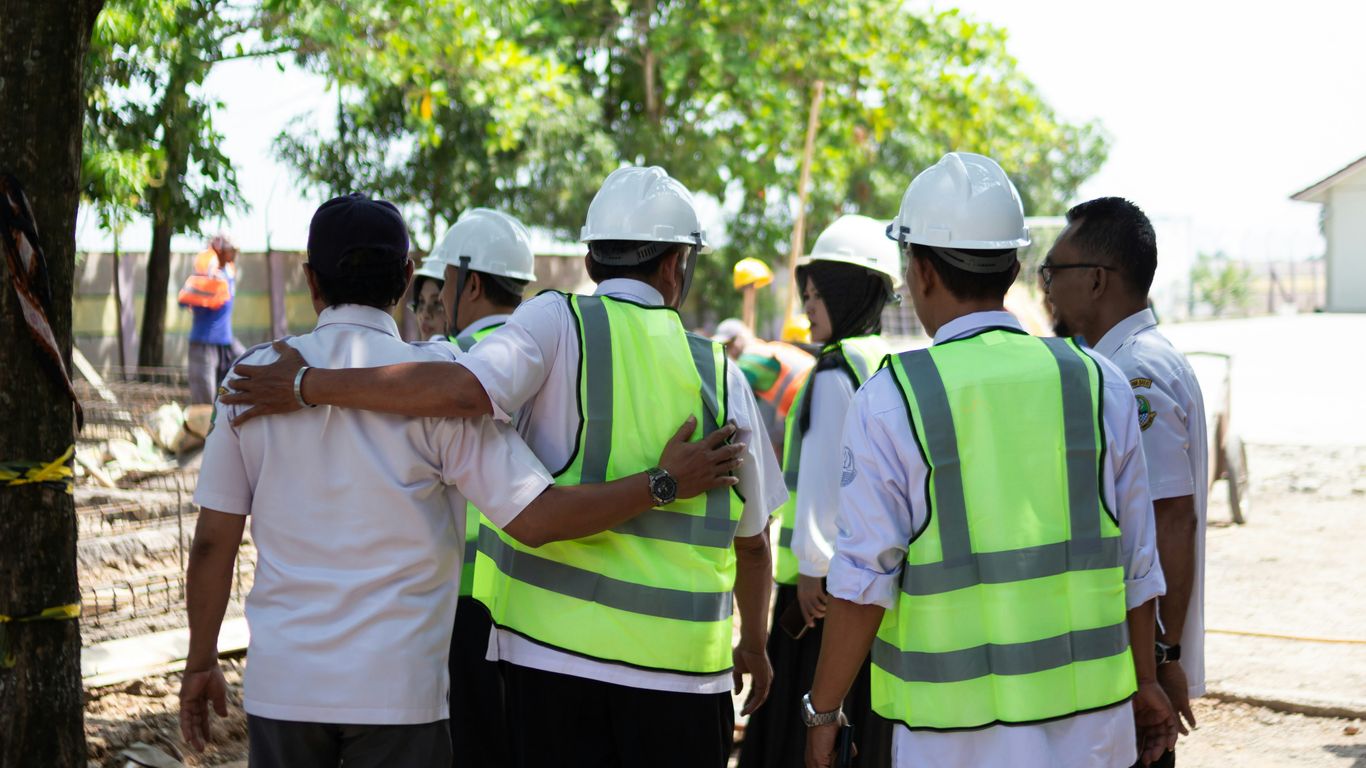
Wrap-up insurance programs bring a lot of good things to the table, especially for big construction projects. They’re designed to make things smoother and safer for everyone involved.
Enhanced Risk Management
One of the biggest pluses is how they help manage risks. Instead of each contractor having their own insurance, a wrap-up consolidates it. This means there’s a single, unified approach to safety and risk control across the entire project site. This centralized oversight can lead to fewer accidents and better safety practices. It’s like having one set of eyes watching out for potential problems, rather than many different ones.
- Consistent Safety Standards: A single program means everyone follows the same safety rules, reducing confusion and potential gaps.
- Proactive Loss Control: The wrap-up administrator often focuses on preventing losses before they happen, which is way better than dealing with the aftermath.
- Clearer Liability: With consolidated coverage, it’s easier to figure out who is responsible if something does go wrong, avoiding lengthy disputes.
A well-run wrap-up program acts as a proactive shield, identifying and mitigating potential hazards before they escalate into costly claims or project delays. This focus on prevention is a key differentiator from traditional insurance setups.
Cost Control and Predictability
While it might seem like a big upfront cost, wrap-ups can actually save money in the long run. By pooling resources and negotiating better rates, the overall insurance cost for the project can be lower. Plus, you get more predictable costs because you know what the insurance expenses will be. This helps with budgeting and financial planning for the project. It’s a way to get better insurance coverage at a potentially better price.
Streamlined Claims Handling
Dealing with insurance claims can be a headache, especially on a complex construction site with multiple parties. Wrap-ups simplify this process significantly. There’s usually a single point of contact for claims, which means faster reporting, investigation, and resolution. This efficiency helps keep the project moving forward without getting bogged down by insurance paperwork and disputes between different subcontractors’ insurers. This can also help with prompt payment laws by having a clearer process.
- Single Point of Contact: Reduces confusion and speeds up the claims process.
- Faster Resolution: Centralized management means quicker decisions and payouts.
- Reduced Disputes: Avoids arguments between multiple insurers about responsibility.
Types of Wrap-Up Insurance Structures
When you’re looking at wrap-up insurance, you’ll find there isn’t just one way to set them up. The structure really depends on who’s in charge and how the program is managed. It’s all about tailoring the approach to fit the specific needs of the project and the parties involved.
Owner-Controlled Insurance Programs (OCIPs)
In an Owner-Controlled Insurance Program, or OCIP, the project owner is the one who buys and manages the insurance. They’re essentially taking the reins, providing coverage for all the contractors and subcontractors working on the site. This means the owner is responsible for selecting the insurance carriers, negotiating the terms, and handling the administration. It’s a pretty hands-on approach for the owner, but it gives them a lot of control over the insurance aspects of the project. This can lead to better coordination and potentially better pricing because the owner is buying coverage for the entire project scope.
Contractor-Controlled Insurance Programs (CCIPs)
Now, a Contractor-Controlled Insurance Program, or CCIP, flips that around. Here, the general contractor is the one in charge of the wrap-up. They’re the ones purchasing and administering the insurance for the project. This setup is common when a large, experienced general contractor is managing a significant project and has the resources and expertise to handle the insurance side of things. Like OCIPs, CCIPs aim to consolidate coverage, but the control rests with the contractor. This can streamline operations from the contractor’s perspective, as they’re already managing many of the project’s moving parts.
Hybrid and Pooled Structures
Beyond the standard OCIP and CCIP, there are also hybrid and pooled structures. These can get a bit more creative. A hybrid model might involve shared control or responsibilities between the owner and the contractor, or perhaps a specialized third-party administrator taking on a significant management role. Pooled structures, on the other hand, might involve multiple related projects or entities coming together to share in the risk and administration, potentially creating economies of scale. These less common structures are often designed for very specific situations where a traditional OCIP or CCIP might not be the best fit. They require careful planning to make sure all parties understand their roles and the coverage provided.
The choice between these structures isn’t just a minor detail; it significantly impacts project management, cost allocation, and overall risk oversight. Understanding these differences is key to selecting the right approach for any given construction endeavor.
Key Considerations for Wrap-Up Program Design
Designing a wrap-up insurance program isn’t a one-size-fits-all situation. You really have to look at the specifics of the project to get it right. It’s like trying to fit a puzzle piece – it only works if it’s the right shape for the space.
Project Scope and Duration
The size and length of a project are probably the most obvious factors. A massive, multi-year infrastructure project is going to need a different approach than a smaller, shorter renovation. Think about the total estimated cost of the project; this often dictates whether a wrap-up is even financially sensible. For very large projects, the potential for significant claims is higher, making the consolidated approach of a wrap-up more appealing. The duration also impacts how long the program needs to be active and how claims will be managed over its lifespan. It’s not just about the initial build, but also about any potential issues that could pop up later.
Geographic Location and Regulatory Environment
Where the project is happening matters a lot. Different states, and sometimes even different cities, have their own rules about insurance. You have to make sure the wrap-up program meets all the local requirements. This includes things like minimum limits for liability coverage and specific rules for workers’ compensation. Sometimes, you might need to deal with multiple jurisdictions, which adds another layer of complexity. It’s important to get this right to avoid any legal headaches down the road. Understanding the regulatory environment is key here.
Contractual Obligations and Stakeholder Needs
What do the contracts say? Often, the project owner or the main developer will have specific insurance requirements written into the contracts. These need to be reflected in the wrap-up design. You also have to think about what the various stakeholders – like the owner, general contractor, and major subcontractors – need from the program. Their input can help identify potential gaps or areas where the coverage needs to be particularly robust. It’s about making sure everyone involved is adequately protected and that the program aligns with the overall project goals. A well-designed program should also consider how it integrates with existing loss control programs that might already be in place.
Here’s a quick look at how scope might influence program structure:
| Project Type | Typical Duration | Estimated Cost Range | Wrap-Up Suitability |
|---|---|---|---|
| Small Renovation | < 1 year | < $5M | Low |
| Mid-Size Commercial | 1-3 years | $5M – $50M | Medium |
| Large Infrastructure | 3+ years | > $50M | High |
It’s easy to get caught up in the technical details of insurance policies, but at the end of the day, a wrap-up program is about managing risk for a specific project. Thinking about the project’s unique characteristics from the start helps build a program that actually works.
Administration and Management of Wrap-Ups
Managing a wrap-up program isn’t just about setting it up; it’s an ongoing process that requires attention to detail and consistent oversight. Think of it like keeping a complex machine running smoothly – you need regular maintenance and someone keeping an eye on all the moving parts. This involves several key areas to make sure the program actually delivers on its promises.
Third-Party Administrator Roles
Often, the day-to-day running of a wrap-up program is handled by a specialized Third-Party Administrator (TPA). These folks are the pros who know the ins and outs of these programs. They handle a lot of the heavy lifting, like managing enrollment, processing payroll data, and making sure everyone is where they need to be insurance-wise. They’re the central point of contact for many participants, which really helps keep things organized. Their expertise is vital for the program’s success.
Data Management and Reporting
Accurate data is the backbone of any successful wrap-up. This means keeping track of everything from participant information and payroll to claims history and safety records. Regular reporting is also key. This allows everyone involved – the owner, the general contractor, and even subcontractors – to see how the program is performing. It helps identify trends, potential issues, and areas where improvements can be made. Without good data, you’re basically flying blind. For instance, understanding how claims are being handled is a big part of this; prompt attention after a claim is reported is important, as delays can impact the entire process. Claims handling involves understanding policy language.
Loss Control and Safety Initiatives
One of the biggest advantages of a wrap-up is the ability to implement a unified safety program across the entire project. This isn’t just about checking boxes; it’s about actively working to prevent accidents and injuries. This can include regular site inspections, safety training for all workers, and promoting a culture where safety is everyone’s responsibility. A proactive approach to loss control can significantly reduce the number and severity of claims, which in turn helps control costs and keeps the project on track. It’s about making sure everyone goes home safe at the end of the day. This also involves reviewing policy details to make sure everyone understands how it applies to their work. Insurance audits involve reviewing policy declarations.
Wrap-Up Insurance vs. Traditional Insurance

When you’re looking at insurance for a big project, especially in construction, you’ll run into two main ways of getting coverage: wrap-up programs and what we usually call traditional insurance. They’re pretty different in how they work and what they cover, so it’s good to know the distinctions.
Coverage Scope Differences
Traditional insurance policies are typically bought by individual contractors or the project owner for their specific needs. This means each subcontractor might have their own general liability and workers’ compensation policies. A wrap-up program, on the other hand, consolidates these coverages into a single, project-wide policy. This means one policy covers all the enrolled participants for the duration of the project. For example, instead of dozens of separate workers’ comp policies, a wrap-up provides one for everyone working on site. This approach is designed to cover the entire project from start to finish, addressing risks that are unique to that specific undertaking. It’s a bit like having one big umbrella protecting everyone involved, rather than each person holding their own small umbrella. Understanding insurance policy structures is key to managing expectations [14d1].
Premium Calculation and Allocation
With traditional insurance, each contractor pays premiums based on their own payroll, operations, and loss history. This can lead to a lot of administrative work and potential for premium audits at the end of the job. Wrap-up premiums are usually calculated based on the total project payroll or project cost. The cost is then allocated back to the participants, often through deductions from their contract payments. This method can lead to more predictable costs upfront and can sometimes be more cost-effective for the project as a whole, especially if the overall loss experience is good. It simplifies the financial side of things by consolidating payments and reducing the need for individual policy management. The way premiums are calculated and allocated is a major difference that impacts project budgeting and financial management.
Administrative Efficiencies
Managing multiple insurance policies across various subcontractors can be a headache. You’ve got different policy limits, expiration dates, and compliance requirements to track. A wrap-up program streamlines this significantly. The program administrator handles the master policies, verifies subcontractor compliance, and manages claims. This reduces the administrative burden on the project owner and the individual contractors. It means less paperwork, fewer chances for coverage gaps, and a more organized approach to risk management for the entire project. Insurers may issue reservation of rights letters to investigate further without committing to payment [88ed].
Here’s a quick look at some key differences:
| Feature | Traditional Insurance | Wrap-Up Insurance |
|---|---|---|
| Policy Holder | Individual contractors, project owner | Project owner or sponsor (master policy) |
| Coverage Scope | Specific to each entity’s operations | Project-wide, covering all enrolled participants |
| Workers’ Comp | Separate policies for each contractor | Consolidated under the wrap-up program |
| Premium Basis | Individual payroll, operations, loss history | Total project payroll or project cost |
| Administration | Decentralized, managed by each entity | Centralized, managed by a program administrator |
| Compliance Tracking | Each entity responsible for own compliance | Administrator verifies compliance for all participants |
While traditional insurance offers flexibility for individual entities, wrap-up programs are designed for large, complex projects where consolidated risk management and administrative efficiency are paramount. The choice between them often comes down to the scale and nature of the project.
Navigating Challenges in Wrap-Up Programs
Even with the best planning, wrap-up programs aren’t always smooth sailing. There are a few common hurdles that pop up, and knowing about them beforehand can help you steer clear or at least handle them better when they do.
Ensuring Full Participation
One of the biggest headaches is getting everyone on board. A wrap-up program works best when all the relevant parties – from the main contractor down to the smallest subcontractor – are included. If some outfits decide to stick with their own insurance, it can create gaps in coverage and lead to confusion. It’s like trying to build a house with some workers bringing their own tools and others not showing up at all. Making sure everyone understands the benefits and requirements is key to getting that full participation.
- Clear Communication: Explain the program’s advantages and what’s expected from each participant.
- Onboarding Process: Develop a straightforward process for new subcontractors to join the program.
- Incentives/Penalties: Consider contractual clauses that encourage or require participation.
Managing Subcontractor Compliance
Beyond just getting subcontractors to join, you need to make sure they’re actually following the rules of the wrap-up. This means they’re not letting their own policies lapse, they’re reporting claims correctly, and they’re adhering to safety standards. It’s a lot to keep track of, especially on large projects with hundreds of subcontractors. Think of it as herding cats, but with legal and financial consequences if you drop the ball. You’ll want to have a solid system in place for tracking compliance, maybe using software or dedicated personnel. This is where a good third-party administrator can really make a difference.
Addressing Coverage Gaps and Exclusions
Sometimes, despite everyone’s best efforts, there can still be gaps in what the wrap-up covers. This might happen if a specific type of risk isn’t included in the program, or if a subcontractor’s work falls outside the defined scope. It’s also important to really dig into the policy details, like the exclusions and conditions. What seems like a minor detail in the policy wording could become a major issue if a claim arises. You need to be proactive in identifying these potential weak spots during the design phase and work to close them, perhaps by adding specific endorsements or ensuring certain types of work are handled separately.
It’s easy to get caught up in the excitement of a new project and overlook the fine print of insurance. But those details matter. A small oversight in coverage can lead to big problems down the road, costing time and a lot of money.
The Future of Wrap-Up Insurance Programs
The world of insurance is always shifting, and wrap-up programs aren’t immune to these changes. We’re seeing a few big trends that are likely to shape how these programs work down the road.
Technological Advancements
Technology is a huge driver. Think about how much easier it is to manage data now compared to even a decade ago. We’re talking about better software for tracking everything from safety compliance to claims. This means less paperwork and more real-time information. Artificial intelligence and machine learning are starting to play a bigger role, helping to predict potential issues before they become major problems. This could mean more proactive risk management and potentially even more accurate pricing for wrap-ups. It’s all about using data smarter to make better decisions.
Evolving Risk Landscapes
Risks themselves are changing. Climate change is a big one, leading to more frequent and severe weather events. This means wrap-up programs need to be designed with these increasing natural disaster exposures in mind. We also have new kinds of risks emerging, like cybersecurity threats, which weren’t a major concern for construction projects a few years ago. Adapting to these new risks is key for wrap-ups to remain effective. Predicting insurance claim frequency is becoming more complex, requiring a look beyond just historical data to include societal and environmental shifts [e5d0b].
Sustainability and ESG Integration
There’s a growing focus on environmental, social, and governance (ESG) factors. For wrap-up programs, this could mean looking at the sustainability of construction materials or the safety practices on site in more detail. Insurers and project owners are increasingly interested in how projects align with broader sustainability goals. This might lead to incentives for greener building practices or programs that prioritize worker well-being beyond just basic safety requirements. It’s a shift towards a more holistic view of project responsibility.
Here’s a quick look at how these trends might impact wrap-ups:
- Technology: Automation in claims processing, better data analytics for risk assessment, and digital platforms for subcontractor onboarding.
- Risk: New coverage considerations for climate-related events, cyber exposures, and supply chain disruptions.
- ESG: Integration of sustainability metrics into program design, focus on social impact, and enhanced corporate governance reporting.
The insurance industry is constantly adapting. For wrap-up programs, this means staying ahead of technological changes, understanding new and evolving risks, and aligning with broader societal expectations around sustainability and responsible business practices. It’s about making these programs more robust and relevant for the future.
Wrapping It Up
So, we’ve looked at how wrap-up insurance programs work, from how they’re set up to what happens when a claim comes in. These programs are pretty complex, involving a lot of moving parts to manage risk for big projects. It’s clear they’re designed to make things smoother for everyone involved, especially on construction sites where lots of different companies are working together. Getting the details right, from the policy wording to how claims are handled, really matters for keeping costs in check and making sure everyone is protected. Ultimately, a well-run wrap-up program can be a smart way to handle the unique risks that come with large-scale projects, helping to avoid a lot of headaches down the road.
Frequently Asked Questions
What exactly is a wrap-up insurance program?
Think of a wrap-up insurance program like a big umbrella that covers everyone working on a specific construction project. Instead of each contractor having their own separate insurance, one main policy is bought for the whole job. This covers things like accidents and injuries that might happen on the site.
Who usually buys a wrap-up program?
Often, the project owner or a main contractor will set up a wrap-up program. They do this for larger projects where many different companies and workers will be involved. It helps make sure everyone is covered and simplifies the insurance process.
How does wrap-up insurance help save money?
By buying insurance for the whole project at once, the project owner or main contractor can often get a better price than if everyone bought their own policies. It also helps prevent extra costs that can come up if there are gaps in coverage or if claims are handled inefficiently.
What’s the difference between an OCIP and a CCIP?
OCIP stands for Owner-Controlled Insurance Program, meaning the project owner buys the insurance. CCIP stands for Contractor-Controlled Insurance Program, where the main contractor sets it up. Both aim to cover the whole project, but who is in charge of buying and managing the insurance is different.
Does wrap-up insurance cover all types of risks?
Wrap-up programs typically cover general liability (like if someone gets hurt on the job site) and workers’ compensation (for injuries to workers). Depending on the specific program, it might also cover property damage. However, it’s important to check the details to know exactly what’s included.
How does wrap-up insurance make managing claims easier?
With one main insurance policy, there’s a central way to handle claims. This means fewer arguments about who is responsible if an accident happens. A single administrator can manage the claims, making the process quicker and smoother for everyone involved.
What happens if a subcontractor doesn’t have the right insurance?
In a wrap-up program, all participating subcontractors are usually required to be covered by the main policy. This helps ensure that even smaller companies working on the project have the necessary protection, avoiding problems if they didn’t have their own insurance.
Are wrap-up programs always the best choice for construction projects?
Wrap-up programs are great for large, complex projects where many different contractors work together. For smaller or simpler projects, traditional insurance policies bought by each contractor might be more suitable. It really depends on the size, cost, and risk involved in the project.