

Dealing with ships and the sea means you’re always going to run into pollution issues. It’s just part of the business, really. From oil spills to garbage dumped overboard, the potential for environmental damage is huge. This means companies involved in shipping need to be really aware of their maritime pollution liability exposure. It’s not just about fines; it’s about cleanup costs, damage to reputation, and a whole lot more. Let’s break down what that actually looks like and how folks try to manage it.
Key Takeaways
- Maritime pollution liability exposure covers a wide range of potential financial and legal responsibilities arising from environmental damage caused by vessels or related activities.
- Key sources of this exposure include operational discharges, accidental spills from vessel incidents like groundings, and contamination from cargo or bunker fuels.
- Claims can be extensive, covering cleanup costs, damage to natural resources, harm to third-party property, and significant business interruption losses.
- Insurance, particularly Protection and Indemnity (P&I) clubs and specialized environmental policies, plays a vital role in managing and mitigating these financial risks.
- Proactive risk mitigation through operational best practices, robust maintenance, and thorough emergency response planning is crucial for reducing the likelihood and impact of pollution incidents.
Understanding Maritime Pollution Liability Exposure
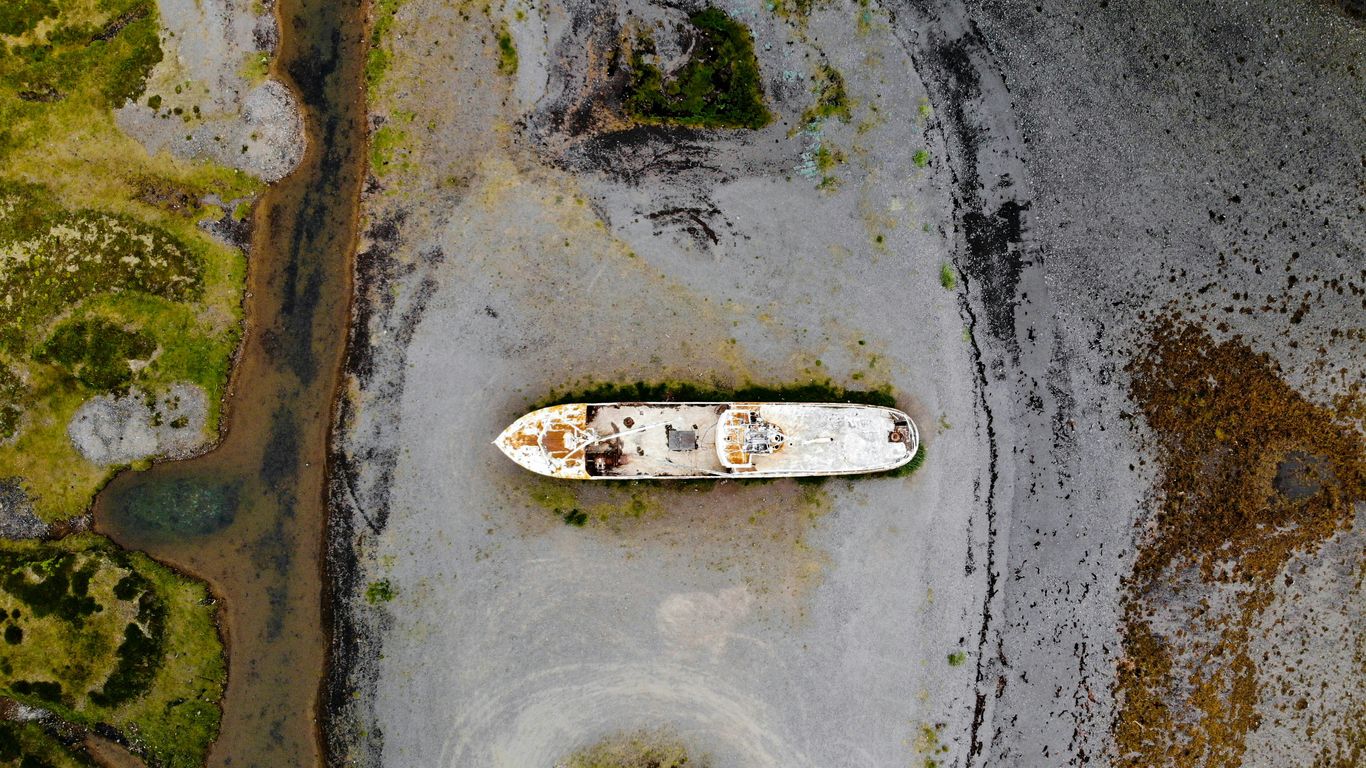
Maritime pollution liability exposure is a big deal for anyone involved in shipping. It’s basically the risk of being held responsible, financially and legally, if your vessel or operations cause pollution in the water. This isn’t just about oil spills from tankers, though that’s a major concern. It can involve anything from routine discharges that go wrong to accidental releases of chemicals, garbage, or even noise pollution affecting marine life. The potential financial consequences can be staggering, reaching into the millions or even billions of dollars.
Defining Maritime Pollution Liability
At its core, maritime pollution liability means being legally accountable for damage or harm caused by pollutants released into the marine environment. This accountability can stem from various sources, including operational activities, vessel accidents, or even the cargo being carried. The definition is broad and often includes not just the physical cleanup but also the long-term damage to ecosystems and the economic impacts on industries that rely on clean waters. It’s a complex area where international laws, national regulations, and insurance policies all play a part.
Key Regulatory Frameworks Governing Pollution
Several international and national laws are in place to manage and assign responsibility for maritime pollution. The big one internationally is MARPOL (International Convention for the Prevention of Pollution from Ships), which sets rules for preventing pollution from various sources like oil, chemicals, and garbage. Then there’s the Civil Liability Convention (CLC), which establishes a framework for liability and compensation when oil pollution occurs. Domestically, countries have their own laws, like the Oil Pollution Act (OPA) in the United States, which imposes strict liability on vessel owners and operators for oil spills. These regulations often dictate who is responsible, what the limits of liability are, and what financial security must be in place. Understanding these frameworks is key to grasping the scope of potential liability.
The Role of Insurance in Managing Exposure
Given the immense potential costs associated with pollution incidents, insurance is absolutely vital for managing maritime pollution liability exposure. It’s not really an option; it’s a necessity. Protection and Indemnity (P&I) clubs are the primary insurers for many shipowners, providing coverage for a wide range of liabilities, including pollution. However, P&I coverage often has limits, and certain types of pollution events or pollutants might be excluded or require specialized policies. This is where other forms of insurance, like Environmental Impairment Liability (EIL) policies or specific bunker and cargo pollution coverage, come into play. These specialized policies can fill gaps and provide additional layers of protection.
Managing pollution liability involves a multi-faceted approach. It requires not only robust insurance coverage but also stringent operational procedures, regular maintenance, and thorough emergency preparedness. Proactive risk management is the first line of defense, with insurance serving as a critical backstop when incidents do occur.
Sources of Maritime Pollution Liability
Maritime pollution liability can stem from a variety of sources, often involving complex interactions between vessel operations, cargo, and the marine environment. Understanding these origins is key to managing potential exposures.
Operational Discharges and Accidental Spills
Routine operations on vessels can lead to pollution if not managed carefully. This includes the discharge of bilge water, which can contain oil and other contaminants, or the release of sewage and greywater. While some discharges are permitted under strict regulations, any deviation or failure in containment systems can result in liability. Accidental spills, on the other hand, are often more significant and can arise from equipment failure, human error, or inadequate maintenance. The sheer volume of maritime traffic means that even small, frequent operational releases can collectively have a substantial environmental impact.
- Bilge Water: Contaminated water from engine rooms and other operational areas.
- Sewage and Greywater: Discharge from crew accommodations and galleys.
- Ballast Water: Can introduce invasive species if not properly managed.
- Fuel and Lubricant Leaks: Small but persistent leaks from engines and machinery.
Vessel Incidents and Groundings
Major pollution incidents are frequently linked to significant vessel casualties. Groundings, collisions, and fires can all lead to the rupture of fuel tanks or cargo holds, releasing substantial quantities of pollutants into the sea. The type of cargo onboard, especially oil or hazardous chemicals, dramatically increases the potential severity of the pollution event and the associated liabilities. The location of the incident also plays a role; grounding in sensitive ecological areas or near shorelines can lead to higher cleanup costs and greater public scrutiny.
The response to a major spill requires immediate action, often involving multiple agencies and international cooperation. The goal is to contain the spread, mitigate environmental damage, and begin the long process of cleanup and restoration.
Cargo and Bunker Fuel Contamination
Beyond accidental spills from hull breaches, pollution liability can also arise from the nature of the cargo itself or the vessel’s fuel. Contaminated bunker fuel can cause engine damage, leading to operational issues and potential spills. More critically, the carriage of hazardous or polluting cargoes, such as crude oil, chemicals, or even certain types of bulk goods, presents a direct risk. If these cargoes escape containment due to packaging failure, improper loading, or damage during transit, the resulting pollution can be extensive and extremely costly to remediate. This is why strict regulations govern the transport of such materials, and specialized pollution liability policies are often required.
Types of Maritime Pollution Claims
When a maritime pollution incident occurs, the financial fallout can be extensive and multifaceted. It’s not just about the immediate cleanup; a whole range of costs and damages can arise, leading to various types of claims against the responsible parties and their insurers. Understanding these different claim categories is key to grasping the full scope of liability exposure.
Cleanup and Remediation Costs
This is often the most direct and immediate cost associated with a pollution event. It includes all expenses related to removing the pollutant from the environment and restoring the affected area. Think about the physical work involved: containment booms, skimmers, dispersants, and the labor to operate them. It also covers the disposal of contaminated materials, which can be a significant expense depending on the type of pollutant. These costs can escalate quickly, especially in sensitive ecosystems or densely populated areas.
Natural Resource Damages
Beyond just cleaning up the mess, there’s the damage done to the environment itself. This category covers the injury to, destruction of, or loss of natural resources, including the cost of assessing that damage and restoring, rehabilitating, or acquiring the equivalent of the affected resources. This is where government agencies often step in, assessing the long-term impact on wildlife, habitats, and ecological services. It’s a complex area, often involving scientific studies to quantify the loss.
Third-Party Property Damage Claims
Pollution doesn’t always stay contained within the water. It can impact shorelines, beaches, fishing grounds, aquaculture operations, and even private property. Claims in this area can include damage to real estate, loss of use of property, damage to vessels or equipment, and impacts on commercial fishing or tourism industries. These claims can be quite varied, depending on what was affected and the extent of the damage.
Business Interruption and Economic Losses
This type of claim focuses on the financial impact on businesses that are disrupted by the pollution incident. For example, a fishing fleet might be unable to operate due to contaminated waters, or a coastal resort might suffer significant booking cancellations. These losses can be substantial and are often harder to quantify than direct cleanup costs. They represent the lost income and profits that businesses experience as a direct result of the pollution event. It’s a reminder that maritime pollution has ripple effects far beyond the immediate spill site.
Insurance Coverage for Pollution Incidents
When a maritime pollution incident occurs, the financial fallout can be immense. That’s where insurance steps in, acting as a critical safety net. It’s not just about covering the immediate cleanup costs, but also the long-term liabilities that can arise. Understanding what types of coverage are available and how they apply is key to managing this exposure.
Hull and Machinery Coverage Implications
While Hull and Machinery (H&M) insurance primarily covers physical damage to the vessel itself, its role in pollution incidents is often indirect. It typically won’t pay for the cleanup of spilled oil or other pollutants. However, if damage to the hull or machinery causes a pollution event (like a ruptured fuel tank from a grounding), H&M might cover the repairs to the vessel. This, in turn, could prevent further pollution. It’s important to note that many H&M policies have specific pollution exclusions, meaning they won’t directly address the environmental damage.
Protection and Indemnity (P&I) Club Coverage
This is where most of the heavy lifting for pollution liability happens. Protection and Indemnity (P&I) clubs are mutual insurance associations that cover shipowners’ liabilities. For pollution, P&I coverage is usually the primary source of protection. It’s designed to cover liabilities beyond the vessel’s physical structure, including:
- Cleanup and Remediation Costs: Expenses incurred to remove pollutants from the environment.
- Third-Party Damages: Compensation for property damage or economic losses suffered by others due to the pollution.
- Fines and Penalties: Costs imposed by regulatory authorities.
- Natural Resource Damages: Compensation for the loss or destruction of natural resources.
However, P&I coverage isn’t unlimited. There are often significant limits and deductibles that apply to pollution claims. The specific rules and exclusions vary between P&I clubs, making it vital to understand your club’s rules thoroughly. For instance, intentional discharges are almost always excluded. The club also plays a significant role in the incident response, often providing technical and legal assistance.
Specialized Pollution Liability Policies
Beyond P&I, there are specialized insurance products designed to fill potential gaps or provide higher limits for pollution risks. These can be particularly important for vessels carrying hazardous cargoes or operating in sensitive areas. Examples include:
- Environmental Impairment Liability (EIL) Policies: These can offer broader coverage than standard P&I, sometimes including gradual pollution or pre-existing contamination. They are often purchased as an add-on or standalone policy.
- Bunker and Cargo Pollution Coverage: Specific policies that might be needed if P&I limits are insufficient for the type of fuel or cargo being carried. This is especially relevant for vessels carrying large quantities of oil or other hazardous substances.
- Contractual Liability Coverage: Sometimes, contracts require specific pollution liability limits or types of coverage that go beyond standard P&I. These policies can address those contractual obligations.
Navigating the complexities of maritime pollution insurance requires a detailed understanding of policy wordings, exclusions, and the interplay between different coverage types. It’s not a one-size-fits-all scenario, and proactive assessment of your specific risks is paramount.
It’s also worth noting that while P&I clubs are a primary resource, they operate under specific rules and can have limitations. For example, understanding P&I Club rules and exclusions is a critical step for any shipowner. The interaction between different policies, like H&M and P&I, can also be complex, sometimes leading to disputes over which policy responds to a particular aspect of a claim. This is where specialized policies can provide an extra layer of security.
Navigating P&I Club Coverage for Pollution
Understanding P&I Club Rules and Exclusions
Protection and Indemnity (P&I) clubs are a cornerstone for maritime liability coverage, especially concerning pollution incidents. These mutual insurance associations, owned by their member shipowners, provide a broad range of coverages. However, understanding the specific rules and, more importantly, the exclusions within a P&I club’s rules is absolutely vital when dealing with pollution liability. It’s not as simple as just being a member; the devil is truly in the details of the policy wording.
Pollution coverages can be complex, and P&I rules often have specific clauses that limit or exclude certain types of pollution events or liabilities. For instance, some rules might exclude liabilities arising from intentional discharges or from vessels carrying specific types of hazardous cargoes if proper procedures weren’t followed. It’s imperative for members to thoroughly review their club’s rules and any applicable circulars or circular letters that clarify or modify these provisions. This proactive approach helps avoid surprises when a claim arises.
Key areas to scrutinize include:
- Definition of Pollution: How does the club define ‘pollution’ and ‘pollutant’? Does it align with international conventions and national regulations?
- Excluded Activities: Are there specific operational activities or vessel types that are excluded from pollution coverage?
- Intentional Acts: Liabilities arising from deliberate pollution are often excluded.
- Cargo and Bunker Fuel: Specific rules might apply to pollution caused by the vessel’s own fuel or the cargo it carries.
- Fines and Penalties: Coverage for regulatory fines and penalties related to pollution can be limited or excluded.
Limits and Deductibles for Pollution Incidents
When a pollution incident occurs, the financial impact can be substantial, and P&I club coverage comes with specific limits and deductibles. These aren’t always straightforward and can vary significantly depending on the nature of the incident, the type of pollutant, and the jurisdiction where the incident occurs. Understanding these financial parameters beforehand is key to managing expectations and financial exposure.
- Coverage Limits: P&I clubs provide substantial limits, often tied to the vessel’s tonnage and international conventions like the Civil Liability Convention (CLC). However, there might be sub-limits for certain types of pollution liabilities or specific pollutants. It’s important to know the maximum amount the club will pay for a given incident.
- Deductibles: Most P&I entries will have a deductible, which is the amount the shipowner must pay out-of-pocket before the club’s coverage kicks in. For pollution incidents, deductibles can sometimes be higher than for other types of claims, reflecting the potentially severe and costly nature of pollution events. Some clubs may even apply a ‘per incident’ deductible or a ‘per day’ deductible for certain ongoing pollution scenarios.
- Financial Security: Regulatory requirements, particularly under international conventions, often mandate that vessels carry proof of financial security for pollution liability. P&I clubs play a role in providing this security, often through the issuance of Certificates of Entry or similar documentation that satisfies these international financial assurance requirements.
The Role of P&I Clubs in Incident Response
Beyond just providing financial backstop, P&I clubs are active participants in the response to pollution incidents. Their involvement can be critical in mitigating damage, managing liabilities, and coordinating with various stakeholders. They bring a wealth of experience and resources to bear when the unexpected happens.
- Technical Expertise: Clubs often have access to a network of technical experts, salvors, and environmental consultants who can provide immediate advice and assistance following a spill. This can be invaluable in assessing the situation, containing the pollution, and planning cleanup operations.
- Claims Handling: P&I clubs manage the claims process, working with the shipowner to gather necessary information, liaise with regulatory authorities, and negotiate with claimants. Their experience in handling complex maritime claims is a significant asset.
- Legal Support: In the event of litigation or disputes, P&I clubs provide legal defense and representation. They understand the intricacies of maritime law and international conventions related to pollution, which is crucial for navigating legal challenges.
- Liaison with Authorities: Clubs often act as a point of contact between the shipowner and national and international regulatory bodies, helping to streamline communication and compliance during a crisis.
The proactive engagement of a P&I club in the aftermath of a pollution incident can significantly influence the outcome, not just in terms of financial cost but also in managing reputational damage and ensuring regulatory compliance. Their role extends far beyond simple indemnity, encompassing active support and guidance throughout the crisis management process. Understanding how to effectively work with your P&I club during such events is a critical aspect of maritime pollution preparedness. Policy language is key here.
Specialized Pollution Insurance Products
While Protection and Indemnity (P&I) clubs offer a baseline of pollution coverage, they often come with limitations and exclusions that might not fully address the unique risks associated with maritime pollution. This is where specialized pollution liability insurance products come into play. These policies are designed to fill the gaps left by standard P&I coverage, offering more tailored protection for specific pollution exposures.
Environmental Impairment Liability Policies
Environmental Impairment Liability (EIL) policies are a cornerstone of specialized pollution insurance. They are designed to cover a broad spectrum of environmental risks, including gradual pollution conditions that might not be immediately apparent. Unlike P&I coverage, which often focuses on sudden and accidental pollution events, EIL policies can provide coverage for:
- Cleanup and remediation costs: This includes the expenses associated with cleaning up pollution that has already occurred.
- Third-party bodily injury and property damage: If pollution from your operations causes harm to others or their property, EIL can cover the resulting claims.
- Natural resource damages: This covers the cost of restoring or replacing natural resources damaged by pollution.
These policies are highly customizable, allowing vessel owners and operators to tailor coverage to their specific operational profile and the environmental risks they face. The underwriting process for EIL typically involves a detailed review of the insured’s operations, historical loss data, and environmental management practices. The key benefit of EIL is its ability to cover pollution that occurs gradually over time, a scenario often excluded or limited under standard P&I policies.
Bunker and Cargo Pollution Coverage
Bunker fuel and the cargo being transported are significant sources of potential pollution liability. Specialized policies can address these specific risks:
- Bunker Pollution Liability: This coverage specifically addresses pollution caused by the release of bunker fuel from a vessel. It can supplement P&I coverage by providing higher limits or broader coverage for bunker spills, which can be extremely costly to clean up.
- Cargo Pollution Liability: When a vessel carries hazardous or polluting cargo, there’s a risk that the cargo itself could be released into the environment. Cargo pollution policies can cover the liability arising from such incidents, protecting the vessel owner from claims related to the pollution caused by their cargo. This is particularly important for vessels carrying chemicals, oil, or other hazardous materials. Understanding transportation liability severity is key to structuring adequate coverage for these risks.
Contractual Liability Coverage for Pollution
In many maritime operations, contracts with third parties (e.g., charter parties, terminal agreements, service contracts) may impose specific pollution liabilities on the vessel owner or operator. Standard P&I coverage might not extend to liabilities assumed purely by contract. Specialized contractual liability coverage can bridge this gap by:
- Indemnifying for contractually assumed pollution liabilities: If a contract requires you to hold harmless or indemnify another party for pollution damage, this specialized insurance can cover those obligations.
- Addressing specific contractual clauses: Policies can be designed to respond to unique pollution-related clauses found in various maritime contracts.
These policies are crucial for businesses that engage in complex contractual relationships where pollution responsibilities are clearly defined and potentially expanded beyond general maritime law. They provide an added layer of financial security against liabilities that might otherwise fall outside the scope of traditional P&I insurance.
Claims Management and Dispute Resolution
Dealing with a maritime pollution incident is never straightforward, and when it comes to claims and sorting out any disagreements, things can get even more complicated. It’s a process that really tests the promises made in an insurance policy.
The Claims Process Following a Pollution Event
When a pollution event happens, the first step is usually notifying the insurer. This needs to happen quickly, as many policies have strict reporting deadlines. After that, an investigation kicks off. This involves figuring out what happened, how bad it is, and importantly, whether the incident is covered by the policy. This is where policy language really matters.
Here’s a general rundown of what happens:
- Notice of Loss: The policyholder reports the incident to the insurer.
- Investigation: The insurer gathers facts, assesses damage, and reviews policy terms.
- Coverage Determination: The insurer decides if the loss is covered and to what extent.
- Valuation: The cost of cleanup, damages, and other losses is calculated.
- Settlement or Denial: The insurer either agrees to pay the claim or denies it, explaining the reasons.
Effective claims handling ensures fair and efficient fulfillment of insurance contracts. It’s about balancing what the policy says with what actually happened on the ground. Sometimes, insurers might issue a "reservation of rights" letter. This basically means they’re investigating further but aren’t yet committing to full coverage, preserving their right to deny the claim later if certain conditions aren’t met.
Litigation and Alternative Dispute Resolution
Not all claims get settled easily. Disputes can pop up over things like the scope of cleanup required, the valuation of damages, or even just the interpretation of policy exclusions. When disagreements can’t be resolved through negotiation, parties might turn to other methods.
- Mediation: A neutral third party helps facilitate a discussion between the parties to reach a mutually agreeable solution. It’s non-binding.
- Arbitration: A more formal process where one or more arbitrators hear evidence and make a binding decision. It’s often faster and less expensive than going to court.
- Litigation: If all else fails, the dispute might end up in court. This can be a lengthy and costly process, involving legal arguments, evidence presentation, and a judge or jury making a final decision.
These alternative methods are often preferred because they can be quicker and more cost-effective than a full-blown lawsuit. They are a key part of managing risk in insurance claims.
Subrogation and Recovery Efforts
Once an insurer pays out a claim for a pollution incident, they often have the right to try and recover some or all of that money from a third party who might have been responsible for the pollution. This is called subrogation. For example, if a vessel pollutes the water due to negligence by a third-party contractor, the vessel owner’s insurer might pay the cleanup costs and then pursue the contractor for reimbursement. These recovery efforts are important for controlling overall insurance costs and keeping premiums stable. It’s a way to shift the financial burden back to the party that actually caused the loss.
Risk Mitigation Strategies for Pollution Exposure
Preventing pollution incidents is always better than dealing with the aftermath. It’s about being proactive and putting solid plans in place to keep things clean and safe. This means focusing on how things are run day-to-day, keeping equipment in top shape, and having a clear plan for when things go wrong.
Operational Best Practices and Training
Good operations start with good habits and making sure everyone on board knows what to do. This includes:
- Strict adherence to procedures: Having clear, written procedures for handling all types of cargo, bunkering operations, waste management, and ballast water exchange is non-negotiable. These aren’t just suggestions; they’re the backbone of safe operations.
- Regular crew training: Training shouldn’t be a one-off event. It needs to be ongoing, covering everything from recognizing potential pollution risks to emergency response. Drills are particularly important for making sure procedures become second nature.
- Effective communication: Clear communication channels between the bridge, engine room, and deck crew are vital. Misunderstandings can lead to mistakes that have serious environmental consequences.
Preventative Maintenance and Equipment Integrity
Equipment failure is a leading cause of pollution incidents. Keeping everything in good working order is key.
- Scheduled maintenance: A robust preventative maintenance schedule for all pollution-sensitive equipment, like pumps, piping, seals, and storage tanks, is a must. This includes regular inspections and timely repairs.
- Hull and tank inspections: Regular checks of the vessel’s hull, ballast tanks, and cargo tanks can identify corrosion or structural weaknesses before they lead to leaks.
- Spill prevention equipment: Ensuring that equipment like spill kits, containment booms, and absorbent materials are readily available, well-maintained, and that crews know how to use them is critical.
Emergency Response Planning and Preparedness
Even with the best preventative measures, accidents can happen. Having a well-thought-out emergency response plan is crucial for minimizing damage and ensuring a swift, effective cleanup.
- Develop a comprehensive plan: This plan should outline specific steps to take in various pollution scenarios, including roles and responsibilities, communication protocols, and contact information for relevant authorities and cleanup services.
- Regular drills and exercises: Testing the emergency response plan through regular drills helps identify weaknesses and ensures that the crew can react quickly and efficiently under pressure. This is where risk management programs come into play, helping to structure these responses.
- Coordination with authorities: Establishing relationships and clear communication lines with local and national environmental agencies and emergency responders before an incident occurs can significantly improve the effectiveness of the response.
Proactive risk management isn’t just about avoiding fines; it’s about protecting the environment and maintaining the company’s reputation. Investing in robust operational practices, diligent maintenance, and thorough emergency preparedness is a sound business decision that pays dividends in the long run by reducing the likelihood and severity of pollution events. This approach helps manage financial risk effectively by ensuring appropriate coverage without overpaying.
| Equipment Type | Inspection Frequency | Maintenance Action | Responsibility |
|---|---|---|---|
| Cargo Pumps | Monthly | Seal check, lubrication | Engineering Dept. |
| Fuel Lines | Quarterly | Leak check, hose integrity | Engineering Dept. |
| Waste Treatment | Annually | System flush, filter replacement | Deck Dept. |
| Ballast Tanks | Bi-annually | Visual inspection, corrosion check | Marine Dept. |
International Conventions and Liability Regimes
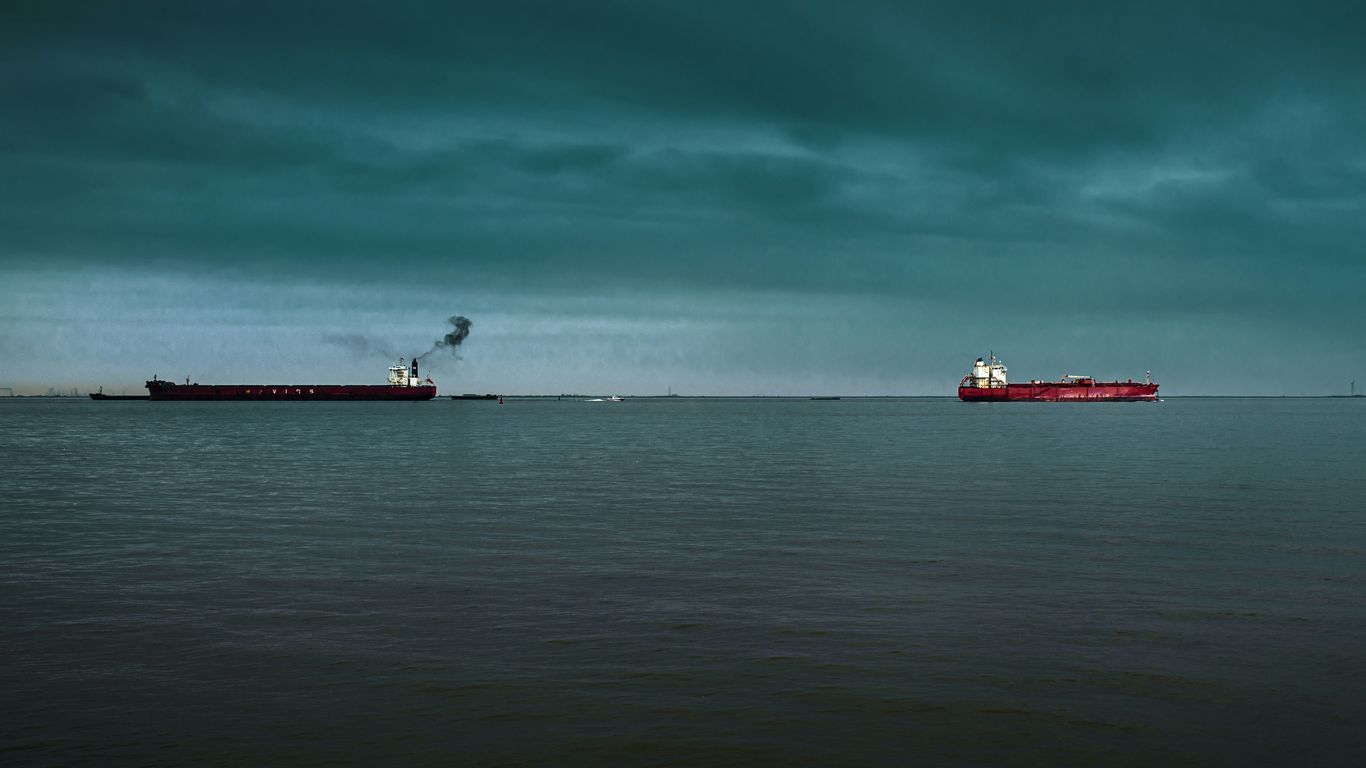
When we talk about maritime pollution, it’s not just about what happens in one country’s waters. There are a bunch of international agreements that set the rules and figure out who pays when something goes wrong. These conventions are pretty important because they try to create a consistent way to handle pollution incidents, no matter where they occur.
The International Convention for the Prevention of Pollution from Ships (MARPOL)
MARPOL is basically the big one when it comes to preventing pollution from ships. It’s a pretty comprehensive treaty that covers a lot of different ways ships can pollute. Think about oil spills, but also chemicals, sewage, garbage, and even air pollution from ships. It sets standards for how ships are built and operated to minimize pollution. For example, it has rules about how oil tankers have to be designed and how they should handle their oily waste. It also sets limits on what kind of garbage can be dumped into the sea and from where. MARPOL aims to prevent pollution from ships in the first place, which is always better than cleaning it up later.
Civil Liability Convention (CLC) and Fund Convention
These two conventions go hand-in-hand. The CLC deals with who is responsible when oil pollution from a ship causes damage. It basically says that the owner of the ship is liable for the damage. This is a pretty big deal because it puts the responsibility directly on the people operating the vessel. However, the CLC also has limits on how much the shipowner has to pay. That’s where the Fund Convention comes in. If the damage is more than what the shipowner is liable for under the CLC, or if the shipowner can’t pay, then the International Oil Pollution Compensation (IOPC) Fund steps in to provide additional compensation. This system is designed to make sure that victims of oil pollution get compensated, even if the shipowner’s insurance isn’t enough. It’s a layered approach to liability and compensation.
Other International Agreements Impacting Liability
Besides MARPOL and the CLC/Fund Convention, there are other international agreements that can affect liability for maritime pollution. For instance, conventions dealing with hazardous and noxious substances (HNS) cover pollution from things other than oil, like chemicals. There are also agreements related to wreck removal, which can sometimes involve pollution cleanup. The complexity of these agreements means that determining liability can involve looking at multiple international frameworks. Understanding how these different treaties interact is key to managing the financial exposure associated with maritime pollution. It’s a complicated web, and sometimes disputes over primary and noncontributory wording can arise when multiple insurance layers are involved [b455].
Financial Assurance and Bonding Requirements
Regulatory Mandates for Pollution Financial Security
When operating vessels, especially those carrying oil or hazardous substances, there’s often a legal requirement to prove you have the financial means to cover potential pollution cleanup costs and damages. This isn’t just a suggestion; it’s a pretty big deal in maritime law. Different countries and international agreements set these rules. The goal is to make sure that if a spill happens, there’s money readily available to deal with the mess, rather than leaving taxpayers or affected communities to foot the bill. It’s all about accountability and making sure polluters pay.
- Proof of Financial Responsibility: This is the core requirement, demonstrating you have the funds or insurance to cover liabilities.
- Certificates: Often, you’ll need to carry a physical certificate on board your vessel as proof.
- Vessel Type and Cargo: The specific requirements usually depend on the size of your vessel and the type of cargo you’re carrying.
- Jurisdictional Differences: Rules can vary significantly between different flag states and the waters you operate in.
The complexity of international maritime law means that compliance with financial assurance requirements is not a one-size-fits-all situation. Operators must stay informed about the specific regulations applicable to their vessel’s flag state, destination ports, and the nature of their cargo to avoid penalties and operational disruptions.
Types of Financial Instruments for Compliance
So, how do you actually show you have this financial backing? There are a few common ways. Insurance is a big one, particularly Protection and Indemnity (P&I) club cover, which is pretty standard for shipowners. But it’s not just about having a policy; it’s about having one that meets the specific limits set by regulations. Sometimes, you might need to provide a surety bond, which is essentially a guarantee from a third party (like a bank or insurance company) that they’ll pay if you can’t. Letters of credit from banks are another option, acting as a promise of payment up to a certain amount. For some operations, self-insurance might be allowed, but this usually involves setting aside a significant amount of your own funds and proving you have the financial stability to manage potential claims without external help. It’s a balancing act between cost, availability, and meeting the strict demands of the law. For more on how insurers assess these risks, you can look into catastrophe modeling and exposure analysis.
Ensuring Adequate Coverage Limits
Figuring out the right amount of coverage is key. The limits for financial assurance are often dictated by international conventions like the Civil Liability Convention (CLC) for oil pollution or specific national laws. These limits are usually tied to the ship’s tonnage and the type of pollutant. For example, a large tanker carrying crude oil will have much higher required limits than a small vessel carrying less hazardous cargo. It’s vital to understand these thresholds because having insufficient coverage can lead to serious consequences, including being denied entry into ports or facing hefty fines. Regularly reviewing your coverage against current regulations is a must, as these limits can be updated over time. Don’t get caught out with outdated or inadequate protection; it’s a risk no operator should take. Remember, failing to disclose crucial information during the application process could even lead to your policy being voided, which is why honesty is paramount utmost good faith.
Wrapping Up Maritime Pollution Liability
So, when it comes to pollution from ships, it’s a pretty complex area. There’s a lot to think about, from the actual pollution events to who’s on the hook for the cleanup and damages. Insurance plays a big part in all of this, helping to cover those massive costs when something goes wrong. But it’s not just about having a policy; it’s about understanding what that policy actually covers and what it doesn’t. Keeping up with the rules and making sure you’ve got the right coverage in place is key to avoiding some serious financial headaches down the line. It’s a constant balancing act, really.
Frequently Asked Questions
What exactly is maritime pollution liability?
Maritime pollution liability is basically your legal responsibility if your ship or related activities cause pollution in the sea or along the coast. Think of it as being on the hook for the mess if oil spills, chemicals leak, or trash ends up in the water because of your vessel.
What are the main rules that deal with pollution from ships?
There are several important international rules, like MARPOL, which is all about preventing pollution from ships. Other rules, like the Civil Liability Convention, help figure out who pays for damages when pollution happens and how much they have to pay.
How does insurance help with pollution risks?
Insurance is super important for handling pollution risks. It can help pay for the huge costs of cleaning up pollution, fixing damage to property, and dealing with legal claims. Without it, a single spill could bankrupt a company.
What kinds of things can cause a ship to be liable for pollution?
Pollution can happen in a few ways. It could be from normal operations, like routine discharges that go wrong. It could also be from accidents, like a ship crashing, running aground, or even leaks from the fuel or cargo it’s carrying.
What are the costs involved if a ship causes pollution?
If a ship pollutes, the costs can pile up fast. You’ll likely have to pay for cleaning up the mess, which can be incredibly expensive. There are also costs for damage to natural resources, like beaches or wildlife, and for any property that gets damaged. Plus, there might be claims for lost business income.
What’s the difference between Hull & Machinery insurance and P&I coverage for pollution?
Hull and Machinery insurance mainly covers damage to the ship itself. Protection and Indemnity (P&I) clubs, on the other hand, are the main source of insurance for pollution liability. They cover the costs and legal responsibilities that come with causing pollution.
Are there special insurance policies just for pollution?
Yes, besides the P&I coverage, there are specialized insurance policies designed specifically for pollution risks. These can cover things like environmental damage, pollution from bunker fuel, or even pollution caused by cargo.
What can ship owners do to lower their pollution risk?
Ship owners can take several steps. This includes following strict operating rules, making sure equipment is well-maintained and working properly, and having a solid plan ready to go in case of an emergency. Training the crew is also a big part of preventing accidents.