

Key Takeaways
Understanding how predictive models perform over time is essential for maintaining accuracy in financial services. Model drift happens when the real-world environment diverges from the data used during initial training, requiring ongoing vigilance from insurers.
- Model drift occurs when the underlying statistical properties of input data change, negatively impacting predictive reliability.
- External factors like economic shifts, regulatory updates, and climate change are primary contributors to performance decay.
- Continuous monitoring and iterative validation are necessary to prevent adverse selection and maintain actuarial stability.
- Organizations must balance automated updates with expert human intervention to ensure fairness and compliance.
- Strategic governance frameworks are critical to identify and remediate potential biases that emerge as datasets shift.
Understanding machine learning model drift in underwriting
Machine learning models rely on the assumption that the future will resemble the past patterns within the training data. When these assumptions fail, performance degrades, creating a gap between predicted risk and actual loss outcomes. This phenomenon represents a significant challenge for modern insurance education initiatives aimed at helping consumers and professionals grasp technical risks. As Insuuurance explores the nuances of modern underwriting, it becomes clear that data-driven systems require constant observation to remain effective.
Concept of predictive degradation in insurance
Predictive degradation refers to the gradual decline in a model’s accuracy, where the system consistently fails to capture emerging risk factors. Insurance models designed during stable market conditions often struggle if the underlying volatility exceeds the capacity of the original calibration.
Distinctions between feature drift and target concept drift
Feature drift occurs when the input variables, such as applicant credit history or demographic distribution, change significantly from the training set. Target concept drift, however, happens when the relationship between those features and the risk being predicted shifts, rendering previous correlation patterns obsolete.
The impact of temporal data changes on risk assessment models
Risk assessment models are highly sensitive to temporal data changes, such as rapid shifts in inflation or sudden spikes in claim event frequency. These variations force underwriters to rethink how they model frequency trends to avoid significant pricing discrepancies over time.
Evolution of risk-based underwriting frameworks over time
Historically, insurers relied on static rule-based systems, but the transition to dynamic models has changed the pace of framework updates significantly. Today, robust models must adapt to these shifting conditions by continuously incorporating fresh data cycles to ensure the business remains competitive.
Primary drivers of underwriting model drift

Underwriting systems operate within complex ecosystems where external pressures inevitably reshape data characteristics. When global markets or social norms shift, the data generated by these events often falls outside the parameters originally set for the model. Understanding these drivers is vital for Insuuurance users who want to know how their coverage remains accurate even during periods of intense economic disruption.
Shifts in macroeconomic conditions and market volatility
Macroeconomic conditions such as unexpected interest rate fluctuations or widespread sudden unemployment influence both the ability of policyholders to maintain payments and the overall size of potential loss payouts. These volatility spikes mean that a model trained on a stable decade may suddenly provide inaccurate outputs across different market segments.
Evolution of consumer behavior and emerging risk profiles
Consumer behavior shifts as people adopt new habits for work, travel, and personal health. These behavioral adjustments create new risk profiles that traditional actuarial tables might not immediately capture without significant data lag.
Introduction of new coverage types and evolving product lines
When insurers introduce novel product lines meant to solve modern problems, the lack of extensive historical data increases the likelihood of model drift. Establishing new baselines requires careful observation to prevent the mispricing of complex products that lack long-term performance records.
Influence of climate change and unconventional loss trends
Climate risk significantly strains historical catastrophe models by increasing both the frequency and severity of environmental damage. This shift represents a permanent change in risk profiles where past statistical patterns become increasingly poor predictors of future financial exposure.
Regulatory updates necessitating changes to input variables
Regulatory agencies frequently refine guidelines to promote fairness and equity, requiring insurers to periodically adjust the variables used in automated decision systems. Complying with these changes often forces a model rewrite, as older variables may no longer be legally permitted or may be deemed biased under updated rules.
Assessing the consequences of drift in insurance operations
When risk assessment models fail, the operational impact on insurance companies can become severe and multi-dimensional. A drift-prone system can erode the financial foundations of an organization, creating a hidden burden on long-term actuarial performance if not addressed promptly by actuarial and underwriting teams.
Impact on premium accuracy and risk selection capacity
Drift affects the core ability to price risk correctly, leading to premiums that are either too high, which alienates customers, or too low, creating significant underwriting losses. The following table illustrates common operational outcomes resulting from significant model decay in traditional settings:
| Failure Metric | Potential Consequence | Operational Impact |
|---|---|---|
| Premium Inaccuracy | Market competitiveness loss | Reduced new business volume |
| Selection Error | Higher claims volume | Deteriorated loss ratios |
| Resource Misallocation | Manual backlog growth | Increased administrative costs |
The data shows how a small drift error can compound through the sales funnel. For instance, inaccurate risk segmentation often leads to poor underwriting outcomes that necessitate expensive human-led remediation efforts later in the policy lifecycle.
Risks of adverse selection and insurance pool instability
Adverse selection occurs when individuals with higher expected losses are more likely to seek coverage, often because a drifted model fails to correctly adjust their specific pricing segment. If these segments aren’t corrected, the insurance pool becomes inherently unbalanced, leading to financial instability and a cycle where premiums must rise faster than general inflation to cover losses.
Exposure to regulatory sanctions, non-compliance, and litigation
Failure to maintain accurate and compliant models can invite rigorous regulatory scrutiny from state and federal bodies. Insurers that ignore drift symptoms may face fines, mandatory corrective action plans, or litigation from policyholders who feel they were incorrectly categorized by biased or malfunctioning systems.
Deterioration of loss ratios and long-term actuarial performance
When models drift, the correlation between premium income and actual claims payouts weakens. Insurers that fail to address these discrepancies see a steady climb in loss ratios, which threatens the financial health and solvency rankings of the firm over a long-term horizon.
Monitoring strategies to detect underwriting model decay
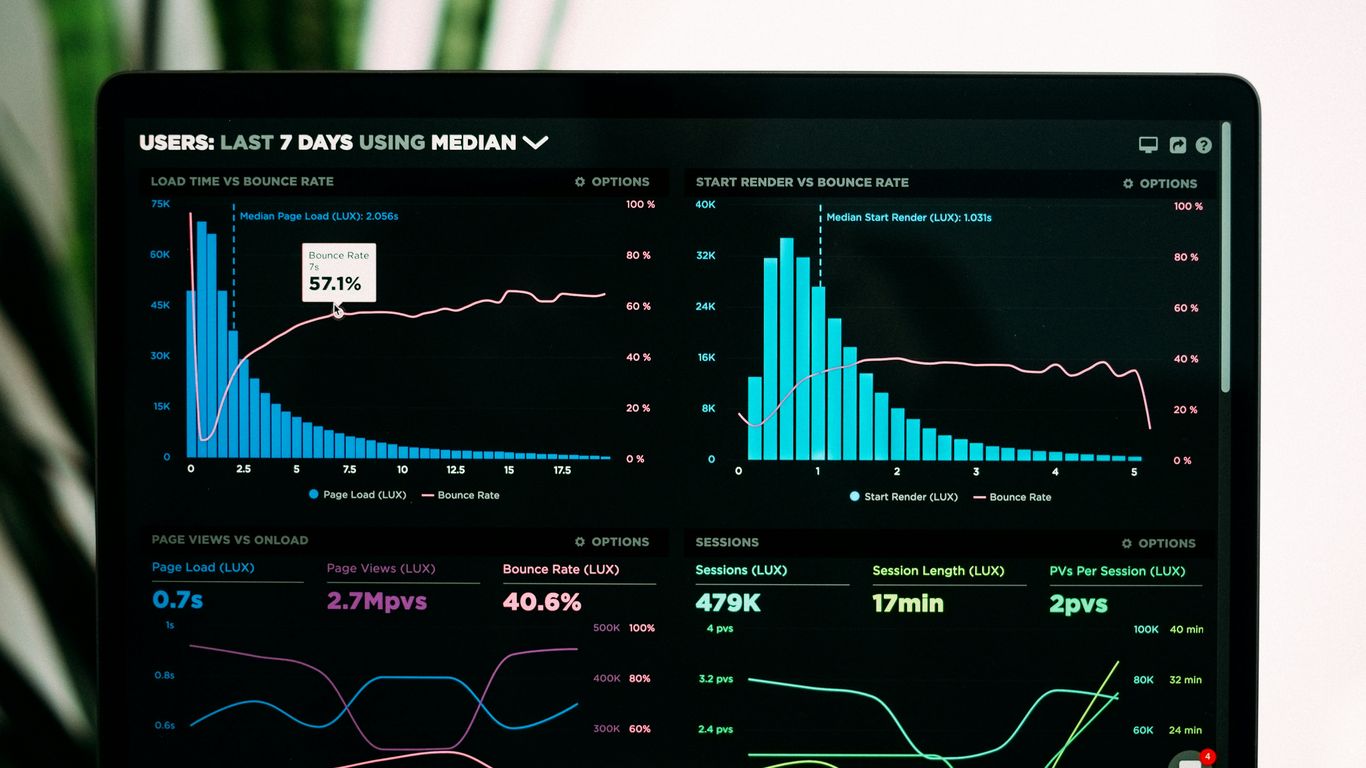
Effective monitoring allows teams to visualize performance before it impacts the policyholder. Because underwriting represents a balance between risk classification and premium adequacy, teams must employ systematic detection to catch decay early. This proactive approach ensures a level of stability that Insuuurance values as a pillar of consumer trust and institutional reliability.
Key performance indicators for active model validation
Validation requires setting thresholds for key performance indicators (KPIs) such as the Gini coefficient or KS statistic for predictive models. When these indicators hover outside of pre-defined comfort ranges, data science teams must trigger mandatory investigations to determine if data quality or model drift is the culprit.
Implementing real-time feedback loops for automated decisions
Real-time feedback involves piping claim outcomes back into the underwriting engine to see how initial predictions align with settled damages. This loop allows the system to remain grounded in reality, highlighting areas where the model under-predicts or over-predicts common exposures.
Regular data profiling and feature importance tracking
Regular profiling involves assessing the distribution of demographic and financial features as they enter the system. Sudden changes in the feature landscape—such as a shift in average applicant debt—can be an early warning sign that the external environment has changed even before the model shows performance drops.
Statistical testing for population stability and distribution shifts
Population Stability Index (PSI) testing remains the standard for measuring the health of an underwriting model. Practitioners utilize this statistical method to track distribution shifts, ensuring that the current applicant pool still matches the characteristics the model was originally built to serve.
Implementing effective re-training and model updates
Re-training is not just a technical requirement but a strategic necessity to reflect modern risk environments. Once decay is confirmed, teams need a structured way to push updates that address the identified drifting parameters while keeping the overall model robust against noise in the data.
Developing automated pipelines for model lifecycle management
Automated pipelines reduce the delay between detecting drift and deploying refreshed parameters. These pipelines facilitate testing and validation in environments where manual code reviews would otherwise bottleneck important performance adjustments, such as those governing underwriting models across complex institutional products.
Balancing historical actuarial data with recent performance trends
The challenge in re-training involves weighing a decade of historical accuracy against a year of unusual market spikes. Finding this balance requires actuarial judgement to decide how much current volatile data should influence the new base model, rather than favoring a purely automated approach that might overreact to temporary market noise.
Roles of human-in-the-loop validation in model refinement
Automated systems can process vast datasets quickly, but human experts must review the results to ensure that new logic doesn’t introduce unwanted consequences or unintended proxies for protected classes. The following list details the essential phases involved in a responsible validation cycle:
- Initial Model Performance Audit: Assess current drift metrics and baseline discrepancies.
- Expert Bias Review: Analyze the new model version for proxies that could cause socioeconomic or geographic discrimination.
- Segmented Stress Testing: Evaluate how the new model behaves across different states or product lines.
- Final Approval Process: Obtain sign-off from compliance and actuarial departments prior to deployment.
This structured approach ensures that technology remains a tool for Insuuurance customers rather than a source of opaque decisions.
Establishing version control and risk-mitigation rollback protocols
Version control allows teams to deploy model updates safely while having the ability to revert quickly if a deployed model exhibits unexpected errors. Having a robust rollback protocol is critical to maintaining operational continuity if the new logic behaves inconsistently with existing policyholder data.
Governance and ethical oversight for stable AI systems
Governance dictates how an organization approaches ethics in the age of algorithmic insurance. Maintaining high standards for algorithmic transparency is not only good practice but necessary for long-term customer protection in a digital-first marketplace.
Maintaining algorithmic transparency during model updates
Transparency ensures that underwriters understand why a specific applicant received a certain risk score. Even as models evolve, the core logic should remain explainable to prevent the emergence of black-box behaviors that frustrate both the business and the regulators overseeing the industry.
Documenting model performance audits for regulatory compliance
Audits act as the official record of a model’s stability and ethical consistency. Keeping these documents organized and up to date provides the documentation necessary to demonstrate to insurance commissioners that the firm’s underwriting remains grounded in actuarial science and not arbitrary decision-making.
Guarding against discriminatory drift in automated pricing
Discriminatory drift occurs when a model picks up hidden correlations—such as credit utilization as a proxy for socioeconomic status—that lead to unfair treatment. Teams must actively detect bias in underwriting periodically to ensure that automated pricing doesn’t inadvertently disadvantage specific populations.
Aligning model refresh cycles with evolving legal and data privacy standards
Model updates must respect the evolving landscape of data privacy laws. As new regulations address how consumer data is handled, the model’s design must remain flexible enough to exclude forbidden inputs while continuing to provide accurate, risk-based classification based on permissible indicators.
Conclusion
Managing underwriting model drift is a critical task for any organization using technology to assess financial risk, as stable models are the lifeblood of fair pricing and long-term viability. By integrating continuous monitoring, human-in-the-loop review, and rigorous governance, insurers can navigate the challenges of a constantly shifting risk landscape while keeping the promise of stability for all policyholders. As data quality continues to shape the future of risk assessment, a disciplined, ethical approach ensures that automated systems continue to serve the goal of transparent, reliable insurance protection.
Frequently Asked Questions
What is machine learning drift in an underwriting context?
Machine learning drift refers to the deterioration of model performance over time because the environment or the nature of the data being analyzed has evolved and no longer reflects the training data used to build the model.
How does macroeconomic volatility impact underwriting models?
Major market swings can alter risk indicators, such as default frequencies or claim severity, which means that models optimized for stable periods can suddenly produce inaccurate, outdated pricing or disqualification decisions.
What is the difference between feature drift and target concept drift?
Feature drift concerns changes in the statistical properties of input variables like age or location, whereas target concept drift occurs when the underlying link between those variables and the risk of loss changes, making previous correlations invalid.
Why is population stability testing important for insurers?
Population stability testing provides a reliable statistical metric to detect if the group currently being evaluated by a model has shifted away from the intended demographic or risk profile, serving as a primary indicator that a model refresh is required.
Can automated models be inherently biased even if they are neutral?
Yes, automated systems can incorporate bias through proxy variables where a seemingly neutral metric, such as a zip code or payment history, serves as a substitute for protected demographic information, leading to unintentional discrimination.
How roles of human-in-the-loop validation help improve model stability?
Human oversight ensures that the results produced by automated algorithmic systems are interpreted logically, that they align with regulatory expectations, and that the model is checked for biases or anomalies that a machine would not recognize on its own.
Do model refresh cycles impact the company’s regulatory compliance ranking?
Regular, well-documented model refresh cycles prove to regulators that the organization actively monitors its systems to ensure accuracy, fairness, and compliance with data privacy standards, which directly impacts its long-term regulatory standing.