

Wearable devices are becoming more common, and that means more data is available. This data can change how insurance companies figure out risk. Integrating this new information into underwriting is a big step, and it’s called wearable device underwriting integration. It’s about using what we learn from smartwatches and fitness trackers to make insurance fairer and more accurate. But it’s not just about the tech; it’s also about how we handle the information responsibly.
Key Takeaways
- Using data from wearable devices can give insurers a clearer picture of a person’s health habits, leading to more accurate risk assessments.
- Integrating wearable device data into underwriting requires strong rules for managing data, keeping it safe, and being open with customers about how it’s used.
- This new approach allows for more personalized insurance policies and pricing, potentially rewarding healthier lifestyles with lower premiums.
- Companies need to be aware of and follow all the rules about data privacy and fairness to avoid discrimination when using wearable data.
- While wearable device underwriting integration offers many benefits, challenges like ensuring data accuracy and dealing with potential bias need careful attention.
Leveraging Wearable Device Data in Underwriting
Understanding the Scope of Wearable Data
Wearable devices, like smartwatches and fitness trackers, collect a lot of information about our daily lives. Think steps taken, heart rate, sleep patterns, and even activity levels throughout the day. For insurance underwriting, this data can paint a much clearer picture of an individual’s health and lifestyle than traditional methods. It’s not just about a single snapshot in time anymore; it’s about ongoing behavior. This kind of information can help insurers get a better handle on potential risks associated with certain health conditions or lifestyle choices. The sheer volume and detail of data available from wearables are changing how we think about risk assessment.
Here’s a look at some common data points collected:
- Activity Levels: Daily steps, distance covered, active minutes.
- Physiological Metrics: Heart rate (resting, active, and recovery), heart rate variability.
- Sleep Quality: Duration, stages of sleep (light, deep, REM), consistency.
- Other Biometrics: Blood oxygen levels, ECG readings (on some devices).
Ethical Considerations in Data Collection
Collecting all this personal data brings up some important questions. How do we make sure people know what data is being collected and how it will be used? It’s really important that individuals feel comfortable sharing this information. Transparency is key here. Insurers need to be upfront about their data practices. This means clear consent forms and easy-to-understand privacy policies. We also need to think about who has access to this data and how it’s protected. It’s a delicate balance between getting useful information for underwriting and respecting individual privacy. Building trust is a big part of this whole process.
The ethical use of data hinges on informed consent and clear communication. Individuals should always have control over their personal information and understand the implications of sharing it.
The Role of Data in Risk Assessment
Traditionally, underwriting relied on questionnaires, medical exams, and historical data. While these methods are still important, wearable data adds a new layer of insight. It allows for a more dynamic and potentially more accurate assessment of risk. For example, consistent physical activity and good sleep patterns might indicate a lower health risk, which could influence policy terms or premiums. Conversely, data showing prolonged periods of inactivity or high stress levels might signal a need for closer review. This shift towards data-driven insights means insurers can move beyond broad categories and get closer to individual risk profiles. This can lead to fairer pricing and a better understanding of the factors that truly impact health outcomes. This is where predictive systems are really starting to make a difference in how insurers evaluate risk.
Transforming Risk Assessment with Wearable Technology

Wearable devices are changing how we look at risk. Instead of just relying on past data or broad categories, we can now get a much clearer picture of individual health and lifestyle choices. This shift means we can move from guessing to knowing, making the whole process fairer and more accurate.
Granular Insights into Health Behaviors
Think about it: a smartwatch tracks your steps, heart rate, sleep patterns, and even stress levels. This isn’t just about fitness; it’s about understanding daily habits that directly impact health. For instance, consistent low activity levels or poor sleep might signal a higher risk for certain conditions down the line. This level of detail allows for a much more nuanced view of an individual’s health than ever before. We can see patterns that might not show up in a standard medical exam for years. This behavioral data provides a dynamic look at a person’s well-being.
Here’s a look at the types of data wearables can provide:
- Activity Levels: Daily steps, active minutes, distance covered.
- Physiological Metrics: Heart rate (resting, active, recovery), heart rate variability, blood oxygen levels.
- Sleep Quality: Duration, stages (light, deep, REM), interruptions.
- Stress Indicators: Often derived from heart rate variability and other biometric signals.
Predictive Analytics for Proactive Intervention
With all this new data, we can start predicting potential health issues before they become serious. If a wearable consistently shows elevated resting heart rates or significant sleep disturbances, it might indicate an increased risk for cardiovascular problems or other health concerns. This allows insurers to potentially offer interventions or resources to policyholders. For example, someone showing signs of high stress might be offered access to mental wellness programs. This moves insurance from a reactive model to a proactive one, benefiting both the insurer and the insured. It’s about using data to help people stay healthier, which in turn can lead to better outcomes for everyone involved. This approach aligns with the growing trend in telematics driving risk analytics where detailed behavior data is used for better risk assessment.
The ability to foresee potential health declines based on real-time biometric and behavioral data represents a significant leap forward. It allows for targeted support and resources to be deployed, potentially mitigating future claims and improving overall population health.
Personalized Risk Profiling
Gone are the days of one-size-fits-all risk assessment. Wearable data allows for highly personalized profiles. Instead of broad assumptions, an individual’s specific habits and physiological responses are factored in. This means premiums and policy terms can be tailored more precisely. Someone who actively manages their health, as evidenced by their wearable data, might qualify for lower premiums or better coverage options. This personalization can also extend to encouraging healthier habits. For instance, offering discounts for meeting certain activity goals or maintaining good sleep hygiene. This creates a more equitable system where individuals are rewarded for their healthy choices. It’s a move towards a more dynamic and responsive insurance model, similar to how Employment Practices Liability (EPL) is evolving with new data insights.
Integrating Wearable Device Underwriting Integration
Bringing wearable device data into the underwriting process isn’t just about collecting more information; it’s about building a more accurate picture of risk. This integration requires careful planning and execution to be successful. We need to think about how we actually put this into practice, making sure it works for both the insurer and the person getting the policy.
Developing Robust Data Governance Frameworks
First off, we need solid rules for how we handle all this new data. Think of it like setting up the rules of the road before you let cars drive on it. Without good governance, things can get messy fast. This means figuring out:
- Who owns the data? Is it the user, the device maker, or the insurance company?
- How is data stored and accessed? We need secure systems that only authorized people can use.
- What data is actually needed? We don’t want to collect more than we have to, just what’s relevant for underwriting.
- How long do we keep the data? There should be clear policies on data retention and deletion.
Establishing clear guidelines from the start prevents future headaches. It’s about being organized and responsible with sensitive information.
Ensuring Data Security and Privacy Compliance
This is a big one. People are rightly concerned about their personal health information. We have to make sure that the data we collect from wearables is protected. This means adhering to all the relevant privacy laws, like GDPR or CCPA, depending on where our customers are. It’s not just about avoiding fines; it’s about maintaining trust. If people don’t feel their data is safe, they won’t share it, and the whole initiative falls apart. We’re talking about encryption, access controls, and regular security audits. It’s a continuous effort, not a one-time setup. Making sure we comply with data privacy regulations is non-negotiable.
Building Trust Through Transparency
People need to know what data is being collected, why it’s being collected, and how it will be used. If we’re upfront about everything, customers are more likely to be comfortable sharing their information. This means clear communication in plain language, not just dense legal documents. Explaining how wearable data can lead to fairer pricing or better health incentives can go a long way. Transparency is key to getting people on board and keeping them engaged with their insurance policies. It’s about making sure everyone understands the value exchange.
The Impact of Wearable Data on Policy Design
Wearable devices are really starting to change how insurance policies are put together. It’s not just about looking at past claims or general demographics anymore. Now, we can actually see what people are doing day-to-day, and that opens up a whole new world for policy design. Think about it: instead of a one-size-fits-all approach, we can start tailoring things much more precisely.
Dynamic Pricing Models
This is a big one. With data from wearables, insurers can move towards pricing that changes based on actual behavior. If someone is consistently meeting health goals, like getting enough steps or maintaining a good sleep schedule, their premiums could reflect that. It’s a shift from static rates to something more fluid and responsive. This means people who actively manage their health might see lower costs, which is a pretty neat incentive.
Here’s a simplified look at how that might work:
| Behavior Metric | Low Risk Score | High Risk Score |
|---|---|---|
| Daily Steps | > 10,000 | < 5,000 |
| Sleep Quality | Excellent | Poor |
| Heart Rate (Avg) | < 70 bpm | > 90 bpm |
This kind of granular data helps create more accurate behavioral scoring for risk assessment.
Incentivizing Healthy Lifestyles
Beyond just pricing, wearable data can be used to actively encourage healthier habits. Imagine policies that offer rewards for hitting certain milestones – maybe a discount on a gym membership, or even direct premium reductions. It’s about partnering with policyholders to improve their well-being, which is good for them and good for the insurer by reducing potential claims down the line. This proactive approach can lead to better health outcomes overall.
- Reward Programs: Offer tangible benefits for achieving health targets.
- Wellness Challenges: Gamify healthy activities to boost engagement.
- Educational Content: Provide personalized tips based on wearable data insights.
The integration of wearable data allows for a more collaborative relationship between insurers and policyholders, shifting the focus from simply covering losses to actively promoting well-being and risk reduction.
Customized Coverage Options
Wearables also allow for more personalized coverage. For instance, someone who is very active and health-conscious might opt for a policy with higher deductibles but lower premiums, knowing their risk profile is lower. Conversely, someone with specific health concerns identified through their wearable might need more robust coverage in certain areas. This level of customization means policies can better match individual needs and risk profiles, making insurance more relevant and accessible.
- Activity-Based Discounts: Lower premiums for consistent physical activity.
- Preventative Care Benefits: Enhanced coverage for check-ups and screenings.
- Tailored Health Riders: Add-ons specific to identified health patterns.
Navigating Regulatory Landscapes for Wearable Data
Working with data from wearable devices in insurance means you’ve got to pay attention to the rules. It’s not just about collecting information; it’s about doing it the right way, legally and ethically. The insurance industry itself is already pretty regulated, mostly at the state level here in the U.S. Think about things like getting licenses, approving rates, and making sure policy forms are standard. This means insurers have to be super careful to follow all the different rules if they operate in more than one state. It’s a complex system designed to keep things fair and make sure companies stay financially sound [f17c].
Adapting to Evolving Compliance Standards
Technology moves fast, and so do the regulations around it. As wearable tech becomes more common, regulators are looking closely at how this data is used. They’re concerned about making sure everything is fair and that consumers are protected. This means insurers need to stay on top of new laws and guidelines as they come out. It’s a constant process of learning and adjusting.
- Monitor regulatory updates: Keep a close watch on state and federal agencies for new rules concerning data privacy and usage.
- Engage with industry groups: Participate in discussions and working groups to understand emerging trends and best practices.
- Build flexible systems: Design your data infrastructure to be adaptable to future regulatory changes.
Addressing Data Privacy Regulations
Privacy is a huge deal when you’re dealing with personal health information from wearables. Laws like GDPR (in Europe) and various state-level privacy acts set strict rules about how this data can be collected, stored, and used. You absolutely have to get consent from people before you use their data, and you need to be clear about what you’re doing with it.
Protecting user privacy isn’t just a legal requirement; it’s fundamental to building and maintaining trust with your customers. Transparency about data usage and providing clear opt-out mechanisms are key components of responsible data stewardship.
Ensuring Fair and Non-Discriminatory Practices
One of the biggest challenges is making sure that using wearable data doesn’t lead to unfair discrimination. The goal is to assess risk accurately, not to penalize people unfairly. Regulators are focused on preventing bias in algorithms and ensuring that underwriting practices are equitable. This means carefully checking that the data and the models used don’t disadvantage certain groups of people. It’s about using data to understand risk better, not to create new forms of bias. For example, if a certain activity pattern is common in one demographic but not another, you need to be sure that doesn’t automatically lead to higher premiums for one group over the other without a clear, actuarially sound reason. This is where the careful analysis of renewable energy system risks can offer parallels in understanding how diverse data points are evaluated for fairness and accuracy.
Challenges and Opportunities in Wearable Device Underwriting
Integrating wearable device data into underwriting isn’t exactly a walk in the park. There are definitely some hurdles to clear, but the potential payoff is pretty significant. It’s all about finding that balance between using new information to get a better picture of risk and making sure we’re doing it right.
Addressing Data Accuracy and Reliability
One of the first things that comes up is just how accurate and dependable this data really is. Wearables can be a bit finicky, right? Think about a smartwatch that gets knocked off or a fitness tracker that isn’t charged. This can lead to gaps or even incorrect information. We need ways to check this data, maybe by comparing it with other sources or looking for patterns that just don’t make sense. Ensuring the integrity of the data is key before we can really rely on it for making underwriting decisions. It’s not just about having the data; it’s about knowing it’s good data.
Managing Algorithmic Bias
Then there’s the whole issue of bias. Algorithms are only as good as the data they’re trained on, and if that data reflects existing societal biases, the algorithm can end up making unfair decisions. For example, if a certain demographic group uses wearables less often, an algorithm might unfairly penalize them. We have to be really careful about this. It means actively looking for and correcting bias in the data and the models we use. This is something regulators are watching closely, and for good reason. We don’t want to create new forms of discrimination, even unintentionally. It’s a complex problem that requires ongoing attention and adjustment.
Enhancing Customer Engagement Through Technology
On the flip side, there are some really exciting opportunities here. Wearable data can actually help us connect with customers in new ways. Instead of just a one-time underwriting process, we can potentially offer ongoing engagement. Imagine being able to provide personalized tips for healthier living based on a customer’s activity levels, or offering discounts for maintaining certain health goals. This kind of interaction can build stronger relationships and make customers feel more valued. It shifts the focus from just assessing risk to actively helping people manage it. This can lead to better health outcomes for individuals and potentially lower claims costs for insurers in the long run. It’s about using technology to create a more collaborative approach to insurance, moving beyond the traditional model. This could also lead to more dynamic pricing models, where premiums adjust based on demonstrated healthy behaviors, making insurance feel more fair and responsive to individual efforts. The potential for personalized risk profiling is immense, allowing for coverage that truly fits an individual’s lifestyle and health habits.
The Future of Insurance Underwriting with Wearables
The insurance industry is always looking ahead, and wearable technology is a big part of that future. We’re moving beyond just looking at past behavior to understanding current habits and predicting future risks. This shift is driven by the sheer amount of data wearables can provide, offering a much clearer picture of an individual’s lifestyle and health.
The Evolution of Risk Management Strategies
Risk management is becoming more proactive. Instead of just reacting to claims, insurers are looking for ways to help people avoid losses in the first place. Wearables offer a unique opportunity here. By tracking things like activity levels, sleep patterns, and even heart rate variability, insurers can identify potential health issues before they become serious problems. This allows for early intervention, which is good for the policyholder and reduces the likelihood of large claims for the insurer. It’s a move towards a more collaborative approach to risk, where the policyholder is an active participant in managing their own risk profile.
- Activity Monitoring: Tracking daily steps, active minutes, and exercise intensity.
- Sleep Analysis: Understanding sleep duration and quality.
- Biometric Data: Monitoring heart rate, blood pressure (where available), and other physiological indicators.
This data can help identify trends that might indicate an increased risk for certain conditions, allowing for timely advice or support.
The Role of Artificial Intelligence in Underwriting
Artificial intelligence (AI) and machine learning are going to be key players in how we use wearable data. These technologies can process the vast amounts of information coming from wearables much faster and more accurately than humans ever could. AI can spot patterns and correlations that might not be obvious, leading to more precise risk assessments. For example, AI could analyze a combination of sleep data, activity levels, and reported stress to predict a higher risk of burnout or certain chronic conditions. This allows for more dynamic and personalized underwriting decisions. It’s about using AI to make sense of the complexities of human behavior as reflected in wearable data.
The integration of AI with wearable data promises a future where underwriting is not a static assessment but an ongoing, adaptive process. This allows for more accurate pricing and the development of tailored risk mitigation strategies.
Fostering a Culture of Innovation
Embracing wearable technology in underwriting requires a significant shift in mindset. It means moving away from traditional, often static, underwriting models towards a more dynamic and data-driven approach. Insurers need to invest in the technology and the talent to manage and interpret this new data. This includes training underwriting teams on how to use these tools effectively and ethically. Building trust with customers is also paramount; transparency about how data is collected and used will be essential. Companies that successfully foster this culture of innovation will be better positioned to adapt to the evolving insurance landscape and meet the changing needs of their policyholders.
This evolution means that the underwriting process will likely become more continuous, with policies potentially adjusting based on ongoing data rather than just an initial assessment. This could lead to more competitive pricing for those who actively manage their health and well-being. The goal is to create a more equitable and responsive insurance system for everyone. For more on how data accuracy impacts risk assessment, consider transportation liability risk.
Operationalizing Wearable Device Integration
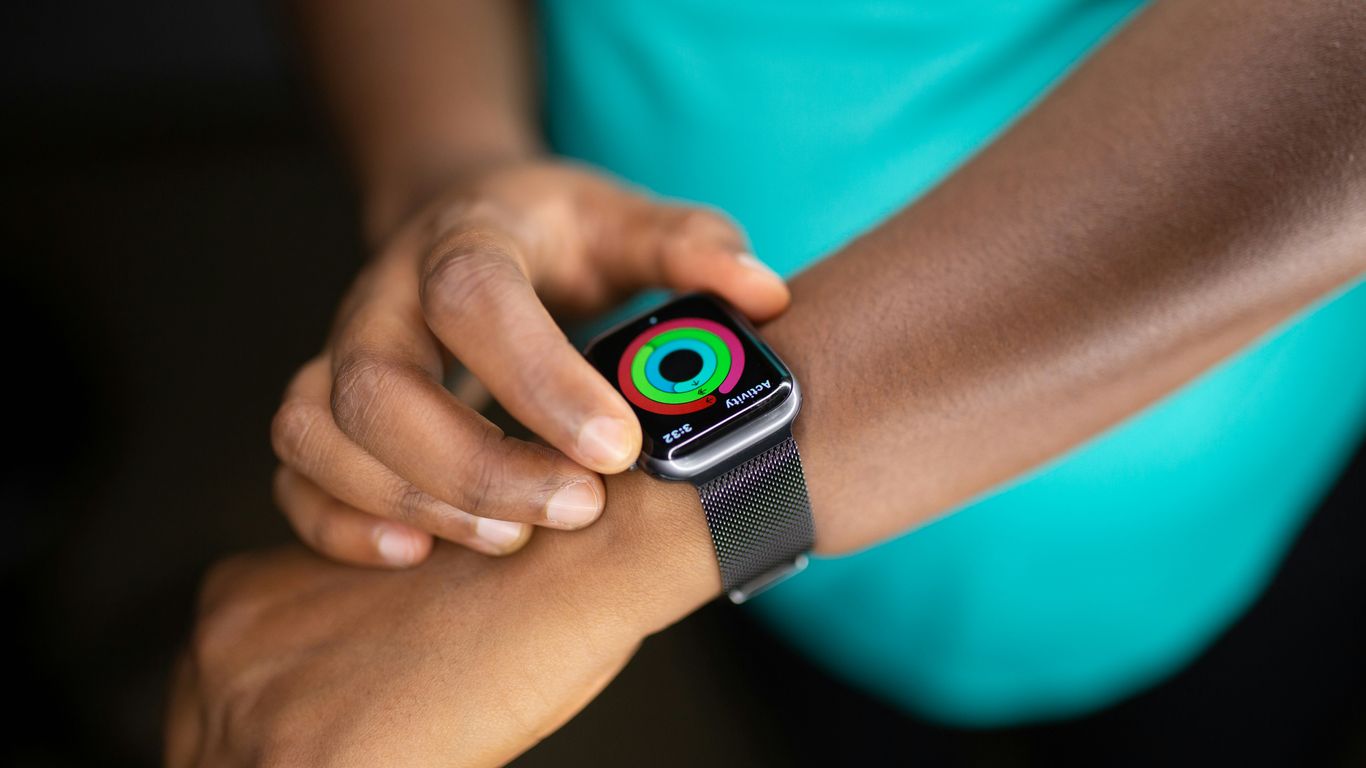
Bringing wearable device data into the underwriting process isn’t just about having the technology; it’s about making it work smoothly within your existing operations. This involves a few key areas that need careful attention to make sure everything runs efficiently and effectively.
Technology Infrastructure Requirements
First off, you need the right tech backbone. This means having systems that can handle the influx of new data types from wearables. Think about data storage, processing power, and the ability to integrate this new information with your current underwriting platforms. It’s not just about collecting data, but about making it usable. This might involve:
- Scalable cloud storage solutions: To manage potentially massive amounts of data.
- Robust data pipelines: For efficient ingestion and processing of real-time or near-real-time data.
- API integrations: To connect wearable device platforms with your underwriting software.
- Advanced analytics tools: To make sense of the complex data streams.
Training Underwriting Teams
Your underwriters are the ones who will actually use this data. They need to understand what the data means, how to interpret it, and how it fits into the bigger picture of risk assessment. This isn’t a small undertaking. Training should cover:
- Data interpretation: Understanding metrics like heart rate variability, sleep patterns, and activity levels.
- Ethical use of data: How to apply this information fairly and without bias.
- New underwriting guidelines: How wearable data modifies or supplements existing risk factors.
- Technology proficiency: Comfort with new software and data analysis tools.
A well-trained team is the bridge between raw data and informed underwriting decisions.
Measuring the Success of Integration
How do you know if this whole effort is paying off? You need clear metrics. This isn’t just about seeing if you can collect data, but if that data is actually improving your underwriting. Consider tracking:
- Accuracy of risk assessment: Does using wearable data lead to more precise risk profiles?
- Reduction in claims: Are policies underwritten with wearable data experiencing fewer or less severe claims?
- Customer engagement: How does offering this option affect policyholder satisfaction and retention?
- Operational efficiency: Is the underwriting process faster or more streamlined?
It’s about seeing a tangible return on investment, not just adopting a new trend. For instance, insurers might look at how usage-based insurance models, which also rely on behavioral data, perform over time to gauge the potential impact of wearable integration. Successfully integrating wearable data requires a thoughtful approach to technology, people, and performance measurement, turning a technological advancement into a strategic advantage for risk selection and policy design.
Looking Ahead
So, we’ve talked a lot about how wearable tech can change the way insurance companies look at risk. It’s not just about collecting data; it’s about using that information smartly and fairly. As these devices become more common, insurers will need to figure out the best ways to use this new stream of info without making people feel like they’re being watched all the time. Plus, there are all the rules and privacy concerns to sort out. It’s a big shift, and it’s going to take some time to get it right, but the potential for more accurate pricing and better risk management is definitely there. We’re just at the beginning of seeing what this all means for the future of underwriting.
Frequently Asked Questions
What kind of information can wearable devices collect?
Wearable devices, like smartwatches or fitness trackers, can gather a lot of information about your daily life. This includes things like how much you move, your heart rate, how well you sleep, and even your stress levels. Think of it as a digital diary of your health habits.
Why would insurance companies want this information?
Insurance companies are interested in this data because it helps them understand your health and lifestyle better. This can help them figure out how likely you are to have health issues in the future. It’s like getting a more complete picture of your health than just filling out a paper form.
Is it fair for insurance companies to use my wearable data?
This is a big question! Using this data can help make insurance fairer by looking at real behavior, not just general assumptions. However, it’s important that companies use this data responsibly and don’t unfairly judge people. Transparency about how data is used is key.
How does this change how insurance prices are set?
Instead of just guessing, insurance companies might be able to offer prices that are more specific to you. If you live a healthy lifestyle, you might get a better price. This is called ‘dynamic pricing’ – prices that can change based on how you’re doing.
What if I don’t want to share my wearable data?
You usually have a choice. Insurance companies should not force you to share your data. If you choose not to share, you might still be able to get insurance, but perhaps under different terms or pricing than someone who does share.
Is my wearable data safe with insurance companies?
Keeping your data safe is super important. Insurance companies have to follow strict rules to protect your personal information. They need to make sure it’s stored securely and only used for the reasons you agreed to.
Can this data be used to deny me insurance?
The goal is usually to understand risk better, not to deny coverage unfairly. While the data might show higher risks, leading to different pricing, companies generally can’t use it to completely refuse you insurance if you meet basic requirements. Regulations are in place to prevent unfairness.
What’s the biggest challenge in using wearable data for insurance?
One big challenge is making sure the data is accurate and reliable. Also, ensuring that the computer programs making decisions based on this data are fair and don’t accidentally discriminate against certain groups of people is crucial. Building trust with customers is also a major hurdle.