

When we talk about self-driving cars, a lot of the focus goes to the cool tech and how they’ll change our roads. But behind the scenes, there’s a whole process making sure these vehicles are actually insurable. This involves figuring out how to assess the risks, set prices, and handle claims for machines that drive themselves. It’s a pretty complex area, and the way we underwrite these vehicles is key to their widespread adoption. Let’s break down what goes into the autonomous vehicle underwriting systems.
Key Takeaways
- The core of autonomous vehicle underwriting systems rests on principles like utmost good faith and clear disclosure, as misrepresentation can void coverage. Insurers must also confirm an insurable interest in these advanced technologies.
- Structuring risk pools for autonomous vehicles involves careful segmentation and approaches to mitigate adverse selection, while also managing moral and morale hazards that can arise with automated systems.
- Data is king in modern autonomous vehicle underwriting systems. Telematics, sensor data, and predictive analytics are vital for accurate risk assessment, though challenges remain around data transparency and privacy.
- Policy design for automated mobility needs clear triggers, whether occurrence-based or claims-made, and must account for new risks like cyber threats and system failures.
- Calculating premiums for autonomous vehicles relies on actuarial methods and predictive modeling, balancing the frequency and severity of potential losses to ensure underwriting profitability and market stability.
Core Principles of Autonomous Vehicle Underwriting Systems
When we talk about underwriting for autonomous vehicles (AVs), it’s not just about crunching numbers; it’s built on some pretty solid foundations. Think of these as the bedrock principles that guide how insurers even consider offering coverage for these complex machines.
Utmost Good Faith and Disclosure Requirements
This one’s a biggie. The whole insurance game, especially with new tech like AVs, relies on honesty from everyone involved. Both the insurer and the person or company seeking coverage have to be completely upfront about everything that matters. For AVs, this means disclosing all the details about the vehicle’s systems, its intended use, any modifications, and even the operational design domain (ODD) it’s meant to function within. Failure to disclose something important, even if it wasn’t intentional, can seriously mess with your coverage. It’s like trying to build a house on shaky ground; if the foundation isn’t solid, the whole thing can come crashing down. This principle of uberrimae fidei, or utmost good faith, means you can’t hold back information that would influence the insurer’s decision to offer a policy or how they price it. It’s a two-way street, though; insurers also have to be transparent about policy terms and conditions.
Material Misrepresentation and Coverage Validity
Building on that good faith idea, if someone misrepresents a key fact – either by saying something false or by leaving out important details – it can invalidate the entire insurance policy. This isn’t just about minor slip-ups; it has to be a material misrepresentation, meaning it would have actually changed the insurer’s decision about whether to insure the AV or what premium to charge. For AVs, imagine not disclosing that a critical sensor has been malfunctioning or that the vehicle is being used outside its designed ODD. If an accident happens because of that undisclosed issue, the insurer might deny the claim, arguing the policy isn’t valid. It really highlights why accurate and complete information during the application process is so important. It’s not just a formality; it’s about making sure your coverage is actually there when you need it.
Insurable Interest in Autonomous Technologies
This principle means that to get insurance, you have to have a financial stake in the autonomous vehicle. You have to be in a position to suffer a financial loss if something bad happens to it. For example, the owner of an AV fleet clearly has an insurable interest. If one of their vehicles is damaged or causes an accident, they stand to lose money. Similarly, a company that has leased AVs might have an insurable interest based on their lease agreement. It prevents people from insuring things they have no connection to, which would just open the door to all sorts of fraud. With AVs, this can get a bit more complex. Think about a software developer whose code is integral to the AV’s operation, or a manufacturer of a specific component. Their financial well-being is tied to the vehicle’s performance, so they might have a form of insurable interest, though it would likely be structured differently than that of the direct owner or operator. It’s all about ensuring there’s a genuine financial reason to insure the asset.
Structuring Risk Pools for Autonomous Vehicle Insurance
When we talk about insuring autonomous vehicles (AVs), figuring out how to group them for risk assessment is a big deal. It’s not quite like pooling regular cars, because the risks are different. We’re looking at new kinds of accidents, software glitches, and how the technology itself might fail. So, how do insurers actually set up these groups, or risk pools, to make sure they’re pricing things right and not taking on too much risk?
Pooling and Risk Segmentation Approaches
Traditionally, insurers group vehicles based on things like make, model, age of the driver, and where the car is kept. For AVs, this needs a serious update. We’re seeing a shift towards more granular segmentation. Instead of just ‘car type,’ we might look at the level of automation (SAE levels 1-5), the specific sensors and software used, and even the operational design domain (ODD) – basically, where and under what conditions the AV is designed to operate.
Here’s a breakdown of how pooling might look:
- By Automation Level: Grouping vehicles based on their SAE automation level (e.g., Level 3 vs. Level 5) makes sense because the risk profile changes dramatically. Higher levels mean less human intervention, shifting liability more towards the manufacturer or technology provider.
- By Operational Design Domain (ODD): AVs designed for specific environments (like geofenced urban areas or highway driving) have different risk profiles than those intended for all conditions. Segmenting by ODD helps isolate risks associated with specific operating environments.
- By Manufacturer/Technology Stack: Different manufacturers use different sensor suites, AI algorithms, and safety protocols. Grouping by manufacturer or even specific technology providers can help identify patterns of failure or success.
- By Fleet vs. Individual Use: Commercial AV fleets (like robotaxis or delivery vehicles) operate differently and have different usage patterns than privately owned AVs, necessitating separate pooling strategies.
The goal is to create pools where the risks within each group are as similar as possible. This helps in accurately predicting losses and setting fair premiums. It’s a bit like engineering risk allocation – we’re designing how the risk is distributed.
Mitigating Adverse Selection in Automated Fleets
Adverse selection is when people who know they are higher risk are more likely to buy insurance. With AVs, this can be tricky. For instance, if a company is developing AV technology and knows its system has certain limitations, they might be more eager to get comprehensive insurance. Insurers need ways to spot this. One way is through rigorous data analysis before offering coverage. They’ll look at the AV’s testing data, safety records, and the manufacturer’s track record. For fleets, insurers might require detailed operational data and safety protocols. This helps them understand the actual risk, not just what the applicant says it is. It’s about making sure the premiums collected from the pool are enough to cover the expected claims, preventing the pool from being overloaded with high-risk entities.
Insurers must carefully segment AVs to avoid situations where only the riskiest vehicles end up in a particular insurance pool. This requires looking beyond traditional metrics and understanding the unique technological and operational factors at play.
Balancing Moral and Morale Hazards
Moral hazard is when having insurance makes someone more likely to take risks because they’re protected from the consequences. Morale hazard is more about carelessness that arises because insurance exists. For AVs, these can manifest in interesting ways. For example, a fleet operator might be less diligent about software updates if they know insurance will cover system failures. Or, a human safety driver (in lower automation levels) might become complacent. Insurers try to counter this through policy design. This could include requiring regular maintenance and software updates as a condition of coverage, or offering premium discounts for robust safety management systems. They might also use telematics data to monitor how the AV is being operated and flag risky behavior. It’s a constant effort to keep the incentives aligned so that safety remains the top priority, even with insurance in place. This is part of the broader effort to manage risk, where insurance is just one piece of the puzzle, complementing other risk management strategies.
Data-Driven Risk Assessment in Autonomous Vehicle Underwriting Systems
When we talk about underwriting autonomous vehicles (AVs), it’s not just about looking at the car’s make and model anymore. The real game-changer is the data. We’re talking about a whole new level of detail that helps us figure out just how risky a particular AV system might be. It’s like going from guessing to knowing, and that’s a big deal for insurance.
Leveraging Telematics and Sensor Data
Think about all the information a self-driving car collects. It’s constantly sensing its surroundings, tracking its own performance, and recording its decisions. This is where telematics and sensor data come into play. We can get real-time insights into how the vehicle is operating, its driving patterns, and even its environment. This data can tell us things like:
- How often the system disengages or requires human intervention.
- The types of road conditions and weather it typically operates in.
- Its speed and braking patterns.
- Any system alerts or error codes.
This kind of granular information is gold for underwriters. It allows for a much more precise understanding of the actual risks involved, moving beyond theoretical scenarios. For example, if a particular AV model consistently shows high rates of disengagement in complex urban environments, that’s a clear signal for underwriters to adjust their assessment. It’s about understanding the real-world performance of these complex systems.
Predictive Analytics and Statistical Modeling
Once we have all this data, the next step is to make sense of it. That’s where predictive analytics and statistical modeling come in. We use sophisticated mathematical tools to analyze the vast amounts of data collected from AVs. The goal is to identify patterns, predict future events, and quantify risk. This involves looking at things like:
- The probability of specific types of accidents occurring.
- The potential severity of those accidents.
- How different environmental factors might influence risk.
These models help us move from simply reacting to losses to proactively anticipating them. It’s about building a statistical picture of risk. For instance, by analyzing data from thousands of AV miles, we can start to see if certain software versions are associated with a higher likelihood of specific types of incidents. This allows insurers to set more accurate premiums for frequency and severity of loss and design policies that better reflect the actual risk profile of the vehicle and its operational design domain.
Challenges in Data Transparency and Privacy
Now, it’s not all smooth sailing. There are some pretty significant hurdles we need to clear. One of the biggest is data transparency. Who owns this data? How is it shared? And how can we be sure it’s accurate and complete? Then there’s the whole issue of privacy. These vehicles collect a lot of information, and we need to make sure that data is handled responsibly and ethically. It’s a delicate balance between getting the information needed for sound underwriting and respecting the privacy of individuals. We also need to consider the potential for bias in the data itself or in the algorithms used to analyze it. Ensuring fairness and avoiding discriminatory practices is paramount. This is why clear guidelines and robust governance are so important in this new landscape of insurance risk management.
Policy Design and Coverage Triggers for Automated Mobility
When we talk about insuring self-driving cars, the way the policy is set up really matters. It’s not just about the price; it’s about when and how the insurance actually kicks in. This is where policy design and coverage triggers come into play, and for autonomous vehicles (AVs), it gets a bit more complex than your average car insurance.
Occurrence-Based versus Claims-Made Policies
Traditionally, car insurance has been mostly occurrence-based. This means the policy in effect at the time of the accident covers the loss. Simple enough, right? But with AVs, especially as they become more integrated into fleets or shared mobility services, the lines can blur. What if a software update changes how the car drives, and then an accident happens? Was it the old software or the new? This is where claims-made policies, which cover claims reported during the policy period, might become more relevant, especially for liability. These policies often have retroactive dates, which is a cutoff point for when an incident could have occurred to be covered. It’s a bit like trying to figure out which version of a recipe caused the cake to fall flat.
Here’s a quick look at the main differences:
| Policy Type | Trigger Event | Coverage Period |
|---|---|---|
| Occurrence-Based | The date the incident or accident happened | Policy active at the time of the incident, regardless of when the claim is filed |
| Claims-Made | The date the claim is first made against the insured | Policy active when the claim is reported, often with a retroactive date limit |
Defining Policy Triggers for Automated Incidents
Figuring out what actually triggers a claim for an AV is a whole new ballgame. Is it a physical crash? A system malfunction that causes a near-miss? A cybersecurity breach that takes control of the vehicle? We need clear definitions. For instance, a policy might trigger coverage based on:
- Physical Impact: A collision with another vehicle, object, or pedestrian.
- System Failure: A documented failure of the autonomous driving system that directly leads to a loss or near-loss.
- Cyber Event: Unauthorized access or control of the vehicle’s systems resulting in an incident.
- Human Error (in mixed-mode driving): If a human driver is expected to take over but fails to do so appropriately.
It’s important to get these definitions right because they directly affect when coverage applies. Ambiguity here can lead to a lot of headaches down the road.
The complexity of autonomous systems means that traditional triggers might not always fit. We’re moving into a space where the ‘event’ might not be a single, clear-cut moment but a series of system interactions or failures. This requires a more nuanced approach to policy wording.
Coverage Extensions for Cyber and System Failures
Beyond the basic driving risks, AVs introduce new vulnerabilities. Cyberattacks are a real concern, and so are unexpected software glitches or sensor failures. Standard auto policies usually don’t cover these kinds of issues. That’s why policy design needs to include specific extensions or endorsements for:
- Cyber Liability: Covering damages or losses resulting from hacking, data breaches, or unauthorized access to the vehicle’s systems.
- System Malfunction: Addressing losses caused by defects in the autonomous driving hardware or software, including updates and patches.
- Data Privacy Breaches: Protecting against liabilities arising from the collection and mishandling of the vast amounts of data AVs generate.
These extensions are becoming less of an ‘add-on’ and more of a necessity for comprehensive AV insurance. It’s about making sure the policy covers the full spectrum of risks associated with these advanced technologies, not just the traditional ones. This is a big shift from how we’ve thought about auto insurance in the past.
Premium Calculation and Pricing Strategies for Autonomous Vehicles
Figuring out how much to charge for insurance on self-driving cars is a whole new ballgame. It’s not just about looking at past accidents anymore. We’re talking about complex calculations that try to predict what might happen with technology that’s still evolving. The goal is to set prices that cover potential claims, keep the business running, and maybe even make a profit, all while being fair to the customer. It’s a balancing act, for sure.
Actuarial Methods and Predictive Modeling
Actuaries are the number crunchers here, and they’re using all sorts of data to figure out the risks. Think about it: they’re looking at how often a car might have a system glitch, how severe that glitch could be, and who might get hurt. This involves a lot of statistical modeling. They’re trying to get a handle on things like loss frequency (how often something goes wrong) and loss severity (how bad it is when it does go wrong). It’s a bit like trying to predict the weather, but with potentially much higher stakes. The models need to be updated constantly as the technology changes and more real-world data becomes available. This helps insurers set rates that are adequate, meaning they can pay claims, but not so high that they drive customers away. It’s a constant process of refinement.
Pricing for Frequency and Severity of Loss
When we talk about pricing, it really boils down to two main things: how often a problem might happen and how much it will cost when it does. For autonomous vehicles, the frequency might be lower for certain types of accidents (like human error in driving), but the severity could be higher if a complex system fails. We need to consider the cost of repairs for advanced sensors and software, not to mention potential liability if the system causes harm. It’s a different risk profile than a standard car.
Here’s a simplified look at how these factors might be considered:
| Risk Factor | Autonomous Vehicle Consideration |
|---|---|
| Frequency | System failures, sensor malfunctions, software bugs, cybersecurity |
| Severity | Cost of advanced component repair, complex liability claims |
| Human Error | Reduced (but not eliminated, e.g., driver override issues) |
| System Complexity | Higher potential for cascading failures, difficult diagnostics |
Market Cycles and Underwriting Profitability
Insurance markets go through ups and downs, kind of like the stock market. Sometimes there’s a lot of money available, and prices get competitive (a soft market). Other times, after a lot of big claims, insurers get cautious, pull back capacity, and prices go up (a hard market). For autonomous vehicles, we’re still in the early stages, so it’s hard to say exactly where we’ll land. Underwriters need to be smart about this. They have to price policies so the company can make money over the long haul, not just in the next year or two. This means not just looking at the immediate risks but also thinking about how the market might change and how that affects the overall profitability of their book of business. It’s about building a sustainable business model for the future of driving.
The challenge with pricing new technologies is the lack of extensive historical data. Insurers must rely on a combination of actuarial projections, expert judgment, and a willingness to adapt their models as more information becomes available. This requires a flexible approach to underwriting and pricing strategies.
This whole process is about making sure that the premiums collected are enough to cover the expected losses, operational costs, and provide a reasonable return, all while staying competitive in a rapidly changing landscape. It’s a complex puzzle that requires a lot of data and careful thought. We’re essentially trying to put a price on the unknown, which is never easy, but it’s what insurance is all about. The goal is to provide coverage that is both affordable and adequate, which is a tough line to walk. It’s a bit like trying to hit a moving target, but that’s the job.
Limit Structures and Reinsurance in Autonomous Vehicle Underwriting Systems
When we talk about underwriting for autonomous vehicles, figuring out the right amount of coverage, or ‘limits,’ is a big deal. It’s not just about setting a number; it’s about making sure that number actually fits the potential risks involved. For AVs, these risks can be pretty massive, especially when you think about potential accidents involving complex systems or widespread failures. So, underwriters have to look closely at what the insured needs, what the contracts might require, and what the regulators say. This often means considering if standard limits are enough or if we need to look at extra layers of protection.
Determining Policy Limits and Retentions
Setting policy limits for autonomous vehicles requires a deep dive into potential loss scenarios. We’re not just talking about a fender bender anymore. Think about a fleet of AVs experiencing a coordinated system glitch, or a single incident causing widespread damage. The sheer scale of potential losses can be enormous. Underwriters analyze the magnitude of these exposures, the financial capacity of the insured entity, and any contractual obligations they might have. It’s a balancing act to ensure the limits are adequate to cover potential catastrophic events without making the premium unaffordable.
Retention, on the other hand, is the amount of risk the insured party agrees to shoulder themselves before the insurance kicks in. For AV fleets, this might be a fixed amount per incident or an aggregate amount over a policy period. A higher retention usually means a lower premium, but it also means the insured takes on more financial responsibility. It’s all part of engineering risk allocation within the insurance program.
Role of Excess and Umbrella Coverage
Because the potential for large, even catastrophic, losses with autonomous vehicles is significant, primary insurance policies often have limits that might not be enough on their own. This is where excess and umbrella coverage come into play. Think of it as adding extra layers of protection on top of the initial policy. Excess coverage specifically follows the terms of the underlying policy but provides higher limits. Umbrella coverage can sometimes offer broader protection, potentially covering things that the primary policy might exclude, though this is less common in commercial lines. These layers are vital for protecting businesses operating AVs from financial ruin due to a single, massive claim.
Here’s a simplified look at how these layers work:
- Primary Layer: The first layer of coverage, responding up to its stated limit.
- Excess Layer(s): Additional layers that activate once the primary layer is exhausted.
- Umbrella Layer: May provide broader coverage and higher limits than excess layers, depending on the policy.
Reinsurance Options and Solvency Management
Reinsurance is basically insurance for insurance companies. For underwriters dealing with the unique and potentially massive risks of autonomous vehicles, reinsurance is not just helpful; it’s often necessary. It allows insurers to transfer a portion of the risk they’ve taken on to other reinsurers. This is crucial for a few reasons:
- Increased Capacity: It enables insurers to offer higher policy limits than they could manage on their own.
- Stabilizing Losses: It helps smooth out the impact of large or infrequent catastrophic losses on the insurer’s financial results.
- Solvency Protection: It acts as a safety net, protecting the insurer’s financial stability against unexpected, severe events.
Without reinsurance, many insurers would be unable to underwrite the kinds of high-limit policies that AV operators might need. The availability and cost of reinsurance directly influence how much risk an insurer can take on and how they price their policies. It’s a key component in managing the overall solvency and capacity of the insurance market for these advanced technologies. The reinsurance market itself is a complex ecosystem, with various treaty and facultative arrangements designed to manage risk transfer effectively. Understanding these options is key for insurers looking to participate in the AV insurance space.
The interplay between policy limits, the insured’s retention, and the availability of excess and reinsurance coverage forms the bedrock of financial protection for autonomous vehicle operations. It’s a sophisticated structure designed to absorb potentially enormous financial shocks.
Regulatory and Legal Frameworks in Autonomous Vehicle Underwriting
Navigating the regulatory and legal landscape for autonomous vehicle (AV) insurance is a bit like trying to assemble furniture without instructions – it can get complicated fast. States and federal bodies are still figuring out the best way to oversee this new technology, and their rules can really shape how insurers underwrite these risks. It’s not just about the tech itself; it’s about how the law treats it.
State and Federal Oversight Requirements
Right now, insurance regulation is mostly handled at the state level. Each state has its own set of rules for licensing, making sure insurers have enough money to pay claims (solvency), how they set prices, and how they interact with customers. For AVs, this means insurers have to keep track of potentially 50 different sets of rules, which is a headache. Federal agencies are also starting to get involved, especially when it comes to safety standards and data sharing, which can sometimes create conflicts or overlap with state laws. This patchwork of regulations means insurers need a solid compliance strategy to operate legally across different jurisdictions.
Rate Filings and Compliance Standards
Insurers generally have to file their proposed rates and policy forms with state insurance departments. Regulators review these filings to make sure rates aren’t too high, too low, or unfairly discriminatory. For AVs, this is tricky because historical data is scarce, making it hard to justify actuarial models. Insurers need to show that their pricing is based on sound data and analysis, even if that data is new and evolving. This means a lot of work goes into demonstrating that the underwriting factors used are both legally permissible and actuarially sound. It’s a constant balancing act between innovation and sticking to established compliance standards.
Emerging Liability Doctrines for Automation
The legal system is still grappling with how to assign liability when an autonomous vehicle is involved in an accident. Traditional fault-based systems might not always fit neatly. We’re seeing discussions around product liability for the vehicle’s software and hardware, negligence in maintenance, and even new concepts related to the vehicle’s
Claims Handling Processes for Autonomous Vehicle Underwriting Systems
When an autonomous vehicle is involved in an incident, the claims process kicks into gear. It’s a bit different from a regular car accident, mostly because figuring out who or what is at fault can get complicated fast. The whole thing starts, like any claim, with a notice of loss. This is just the official word that something happened.
Claims Initiation and Investigation Using Technology
So, the first step is getting the claim started. This usually means the owner or operator reports the incident. For autonomous vehicles, this might involve pulling data directly from the car’s systems. Think of it like the car itself providing a witness statement. We’re talking about logs of sensor data, driving parameters, and any system alerts that were active. This information is super important for understanding what the vehicle was doing right before and during the incident.
- Initial Data Download: Gathering logs from the vehicle’s event data recorder (EDR) and other sensors.
- System Performance Review: Analyzing the autonomous driving system’s operational status and any error codes.
- Third-Party Data Integration: Incorporating data from external sources like traffic cameras or other vehicle sensors if available.
The goal here is to get a clear, objective picture of the events leading up to the incident. This tech-heavy approach helps cut down on some of the guesswork that can happen in traditional accident investigations. It’s all about using the vehicle’s own ‘memory’ to piece things together.
Disputes and Alternative Resolution Mechanisms
Now, even with all this data, disputes can still pop up. Maybe the data isn’t clear, or perhaps there’s a disagreement about how to interpret it. Was it a system failure, a human error (if there was a human driver involved), or something else entirely? This is where things can get tricky.
Resolving these disagreements often involves looking beyond just the immediate incident. It might require examining maintenance records, software updates, and even the operational design domain of the autonomous system. The complexity means that standard dispute resolution methods might need a bit of a refresh.
We might see more use of specialized arbitration or mediation services that have experts in AI and automotive technology. These folks can help sort through the technical details. It’s about finding ways to settle things without always having to go to court, which can be slow and expensive. The idea is to get to a fair outcome efficiently. For more on common claim disputes, you can check out details on claim disputes.
Bad Faith, Fair Claims, and Regulatory Considerations
Just like with any insurance claim, handling autonomous vehicle claims needs to be done in good faith. This means the insurer has to act honestly and fairly. For autonomous vehicles, this adds a layer of complexity because the technology is still pretty new. Regulators are watching closely to make sure that policyholders aren’t unfairly denied claims just because the technology is unfamiliar.
- Timely Communication: Keeping the policyholder informed throughout the claims process.
- Objective Investigation: Conducting a thorough and unbiased review of all available evidence.
- Clear Policy Interpretation: Applying policy terms consistently and fairly, especially concerning automated systems.
Insurers need to be prepared to explain their decisions clearly, especially if a claim is denied. This involves understanding the specific policy language related to autonomous features and how it interacts with the incident. The whole claims lifecycle needs to be managed with transparency and a commitment to fairness, even when dealing with cutting-edge tech.
Fraud Detection and Risk Mitigation Measures
When it comes to autonomous vehicles, the potential for fraud might seem different than with traditional cars, but it’s still a real concern. We need to be smart about spotting it and stopping it before it causes problems for everyone else.
Identifying Misrepresentation in Automated Contexts
Misrepresentation can happen in a few ways. For instance, someone might try to hide the fact that their vehicle is being used for commercial purposes when they’ve only bought personal insurance. Or, they might not be upfront about the level of automation the vehicle actually has, perhaps claiming it’s more advanced than it is to get a certain type of policy or rate. Accurate disclosure is key to making sure the policy actually fits the risk. It’s not just about what the driver says, either. We also need to consider how the vehicle’s own systems might be misrepresented or if data from those systems is tampered with.
Analytics for Fraud Prevention
This is where things get interesting. We can use data analytics to look for patterns that just don’t add up. Think about claims that seem a bit too convenient or have details that are just slightly off. For example, if a vehicle’s sensor data shows it was in a low-speed area but the accident report claims a high-speed collision, that’s a red flag. We can also look at claim frequency and severity across different types of automated vehicles to spot unusual spikes. It’s about using the information we have to identify suspicious activity without making things difficult for honest policyholders. This helps in focusing investigations on potential fraud, which can be a big help in preventing fraud.
Role of Documentation and Compliance
Good documentation is the backbone of any fraud investigation. This means keeping clear records of everything – policy applications, vehicle specifications, maintenance logs, and of course, all the details of any incident. When it comes to autonomous vehicles, this also includes the data generated by the vehicle itself. Compliance with policy terms is also vital. If a policyholder doesn’t follow the rules, like failing to update software or disabling safety features, it can sometimes look like they’re trying to get around the system, even if it’s not outright fraud. We need to make sure our processes are solid and that we’re following all the necessary steps. This systematic approach is part of escalating insurance fraud investigations.
Here’s a quick look at some common red flags:
- Inconsistent Data: Vehicle sensor data doesn’t match the accident report.
- Unusual Claim Patterns: A sudden increase in claims for a specific vehicle model or type of incident.
- Policy Misrepresentation: Hiding the vehicle’s intended use (e.g., commercial vs. personal) or its automation capabilities.
- Tampered Vehicle Data: Evidence suggesting that logs or sensor readings have been altered.
Dealing with fraud in autonomous vehicle insurance requires a blend of traditional investigative techniques and new technological approaches. It’s about staying ahead of potential issues by carefully examining the information available and ensuring that everyone involved is playing by the rules. This helps maintain the integrity of the insurance pool for everyone.
Loss Control and Risk Management for Automated Mobility Programs

When we talk about underwriting autonomous vehicles, it’s not just about crunching numbers after an accident. A big part of the job is actually trying to prevent those accidents from happening in the first place. That’s where loss control and risk management come in. Think of it as proactive maintenance for the insurance policy itself.
Promoting Preventative Safety Measures
For automated mobility, this means looking at the whole system, not just the car. It involves everything from how the software is updated to how the vehicles are maintained and even how drivers (or operators) are trained. We need to encourage practices that keep things running smoothly and safely. This could involve setting standards for:
- Software Updates and Cybersecurity: Regular, secure updates are key to patching vulnerabilities and improving performance. We need to make sure these aren’t just happening, but that they’re done right.
- Operational Procedures: Clear guidelines for deployment, monitoring, and emergency response are vital. What happens when a sensor fails? Who is notified? How is the situation handled?
- Maintenance Schedules: Just like any complex machine, autonomous systems need regular check-ups. This includes sensors, cameras, and the physical vehicle itself.
Integrating Loss Control Technology
Technology isn’t just the risk; it’s also part of the solution. Telematics and sensor data, which we use for risk assessment, can also be used for loss control. For example, systems can monitor driving behavior (even in automated modes, there can be human oversight or intervention) and flag potential issues before they become problems. We can also look at:
- Real-time Performance Monitoring: Tracking vehicle performance and identifying anomalies that might indicate a developing issue.
- Predictive Maintenance Alerts: Using data to forecast when a component might fail, allowing for proactive replacement.
- Driver/Operator Feedback Systems: Providing immediate feedback to human operators on their performance and adherence to safety protocols.
The goal here is to create a feedback loop where data gathered from the vehicles informs safety protocols, and improved safety protocols, in turn, reduce the data indicating potential losses. It’s about continuous improvement, not just a one-time assessment.
Long-Term Cost Stabilization Strategies
Ultimately, all these efforts in loss control are aimed at stabilizing costs over the long haul. If we can reduce the frequency and severity of claims, premiums can become more predictable and affordable. This benefits everyone – the insurer, the operator, and even the end-user. It’s about building a sustainable model for automated mobility insurance. This involves working closely with fleet operators to understand their specific risks and tailor loss control programs accordingly. It’s a partnership, really, focused on shared goals of safety and financial stability. We’re seeing a lot of innovation in this space, and it’s exciting to think about how insurance can support new mobility solutions by managing these risks effectively.
Specialty and Embedded Insurance Models in Autonomous Vehicle Underwriting
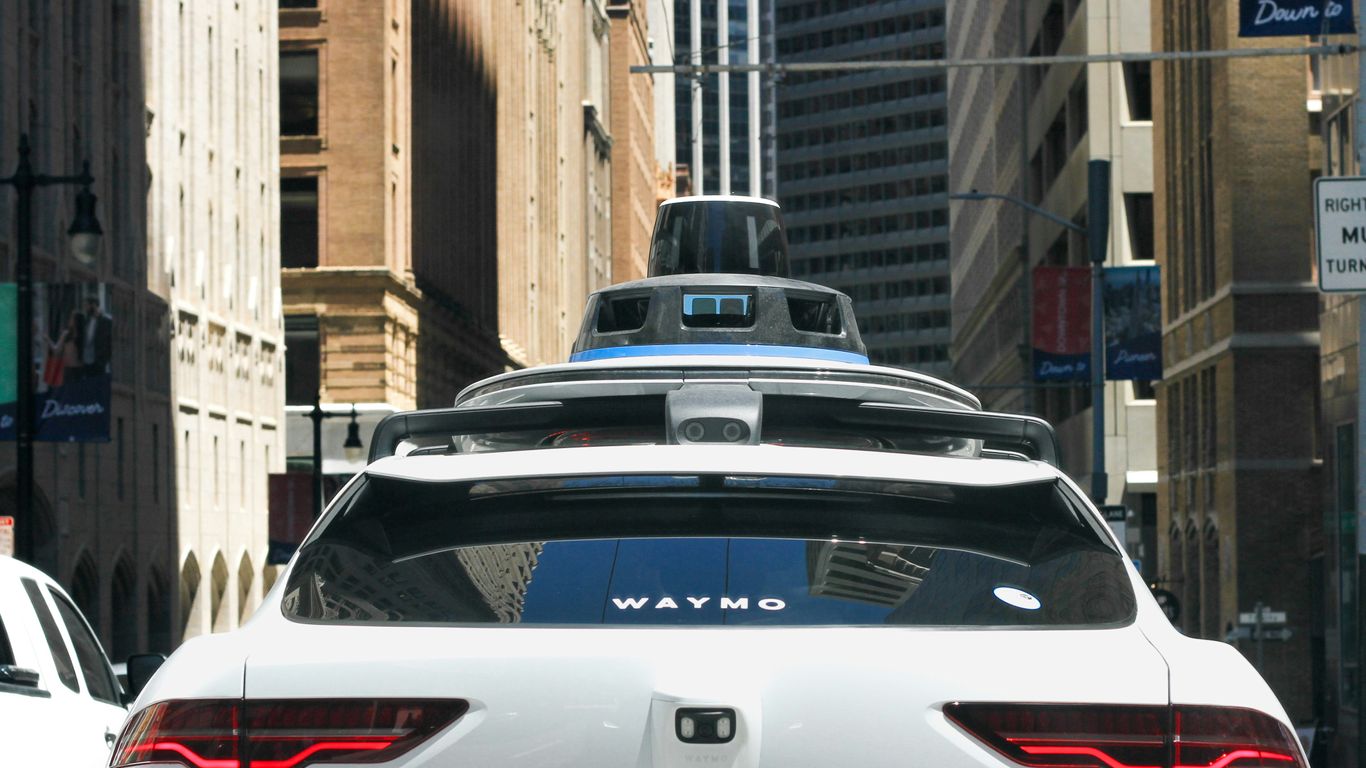
When we talk about insuring autonomous vehicles (AVs), it’s not just about tweaking the old rules. We’re seeing some pretty interesting new ways insurance is being packaged and sold, moving beyond the standard policies. These are often called specialty or embedded insurance models, and they’re really changing the game.
Usage-Based and On-Demand Policy Structures
Think about how you use your car. If it’s mostly parked, why should you pay the same as someone driving hundreds of miles a day? Usage-based insurance (UBI) tries to fix that. It uses telematics – basically, data from your car – to track how much you drive, when you drive, and even how you drive. This means your premium can actually change based on your real-world behavior. It’s a much fairer way to price things, especially for AVs where usage patterns might be quite different from human-driven cars. On-demand insurance is another twist, letting you switch coverage on and off as needed. This could be super useful for AVs that might be part of a shared fleet or used only for specific trips.
- Pay-as-you-drive: Premiums directly tied to mileage and driving habits.
- Pay-how-you-drive: Focuses on driving style (speeding, braking, etc.).
- On-demand: Temporary coverage activated when the vehicle is in use.
Parametric Triggers for Automated Risks
Traditional insurance often waits for a claim to be filed and then figures out what happened and how much it costs. Parametric insurance is different. It pays out automatically when a specific, predefined event occurs, regardless of the actual loss amount. For AVs, this could mean a payout if a certain sensor fails, if the vehicle is detected outside a pre-approved operational design domain (ODD), or if a specific software update causes an issue. This speeds up the claims process significantly and removes a lot of the guesswork. It’s a really neat way to handle risks that are very specific to automated systems. We’re talking about a new way to approach risk allocation.
Customer Education and Data Governance
These new models, especially UBI and parametric, rely heavily on data. That’s where customer education and data governance come in. People need to understand what data is being collected, how it’s being used, and why it affects their premiums. Insurers need to be really clear about their data policies, making sure they’re transparent and secure. Without trust, these models won’t work. It’s about building confidence that the data is being handled responsibly and that the policy terms are clear. You can’t just assume everyone understands how their car’s sensors translate into insurance rates. It’s a big shift from just signing a paper policy. The clarity of policy language is key here, making sure there are no gaps or overlaps in coverage [4d56].
The move towards specialty and embedded insurance for autonomous vehicles isn’t just about new products; it’s about rethinking the entire relationship between the vehicle, its operator, and the insurer. It requires a proactive approach to data management and a commitment to educating consumers about how these innovative systems function and impact their coverage.
The Strategic Role of Autonomous Vehicle Underwriting Systems in Modern Risk Management
Autonomous vehicle (AV) underwriting systems are more than just a way to price risk; they’re becoming a core part of how businesses manage uncertainty in a rapidly changing world. Think of them as the financial infrastructure that helps keep the whole automated mobility ecosystem running smoothly. They’re not just about reacting to losses, but actively shaping how risks are handled and transferred over time. This means they’re deeply tied into a company’s overall strategy for dealing with potential problems.
Financial Infrastructure for Automated Mobility
At their heart, AV underwriting systems provide the financial backbone for automated transportation. They help make sense of the complex risks involved, from the technology itself to how it interacts with the real world. This allows for predictable pricing of uncertain events, which is pretty important when you’re talking about deploying fleets of self-driving cars. It’s all about spreading potential losses across a large group, so no single entity gets hit too hard by an unexpected event. This risk pooling is what makes large-scale AV adoption financially feasible.
Integration with Corporate Risk Strategies
These underwriting systems don’t operate in a vacuum. They need to be woven into a company’s broader risk management plans. This involves looking at how AVs fit into the bigger picture of operational continuity, legal liabilities, and financial protection. It’s about more than just buying insurance; it’s about using the insights from underwriting to inform decisions about safety protocols, technology development, and even business expansion. For example, understanding the specific risks associated with AVs might lead a company to invest more in certain types of loss control or to adjust their operational procedures. This kind of integration helps ensure that insurance is a tool for proactive risk management, not just a reactive expense.
Future Trends in Automated Insurance Solutions
Looking ahead, AV underwriting is going to keep evolving. We’re already seeing new models emerge, like usage-based insurance that ties premiums directly to how vehicles are actually used, or parametric insurance that pays out automatically when specific, predefined events occur. These approaches offer more flexibility and can better match coverage to the unique risks of automated systems. Data will continue to play an even bigger role, with advanced analytics and AI helping to refine risk assessments and pricing. However, this also brings challenges around data privacy and making sure these systems are fair and transparent. The goal is to create insurance solutions that are not only effective but also adaptable to the fast-paced development of autonomous technology, supporting innovation while maintaining stability. This is a bit like how aviation insurance functions as economic infrastructure for the flight industry, AV underwriting is becoming that for automated transport.
Looking Ahead
So, underwriting autonomous vehicle systems isn’t just about looking at the car itself. It’s a whole lot more complicated, involving how the tech works, how people use it, and what rules are in place. As these vehicles become more common, insurers and underwriters will need to keep learning and adjusting. It’s a big job, for sure, but getting it right means these new cars can be safer for everyone on the road. We’ll have to see how things shake out, but it’s definitely an area to watch.
Frequently Asked Questions
What is “utmost good faith” in insurance?
Imagine you’re making a deal. “Utmost good faith” means everyone involved has to be super honest and tell each other everything important. For insurance, this means you have to tell the insurance company all the facts that could affect their decision to give you coverage. They also have to be honest with you about your policy.
What happens if I don’t tell the truth on my insurance application?
If you don’t tell the insurance company important information or give them wrong details, it’s called “material misrepresentation.” This could mean your insurance coverage might not be valid when you need it most. It’s like the deal is off because you didn’t play by the rules.
Why is having an “insurable interest” important for insurance?
Having an “insurable interest” means you would actually lose money if something bad happened to what you’re insuring. For example, you have an insurable interest in your own car because if it’s stolen, you lose your transportation and its value. You can’t insure something you have no financial connection to.
How do insurance companies decide who to group together for risk?
Insurance companies group people with similar risks, like drivers with similar driving records or homeowners in similar areas. This is called “risk segmentation.” It helps them figure out fair prices and make sure they have enough money to pay claims. They try to avoid situations where only the riskiest people buy insurance, which is called “adverse selection.”
What’s the difference between “moral hazard” and “morale hazard”?
These sound similar but are different! “Moral hazard” is when having insurance makes someone more likely to take risks because they know they’re covered. “Morale hazard” is more about being a bit careless because insurance is there to fix things. Think of it as tempting fate versus just being a little less careful.
How does technology like telematics help with insurance?
Telematics is like a little tracker in your car that sends information about how you drive – like your speed and how often you brake hard. Insurance companies use this “telematics data” to get a clearer picture of your actual driving habits. This can lead to fairer prices because it’s based on real behavior, not just general assumptions.
What does “occurrence-based” versus “claims-made” mean for policies?
These are ways policies handle when a claim can be filed. An “occurrence-based” policy covers an incident that happens while the policy is active, no matter when the claim is filed later. A “claims-made” policy only covers claims that are reported during the policy period. It’s like the difference between insuring the event itself versus insuring the reporting of the event.
Why is reinsurance important for insurance companies?
Reinsurance is like insurance for insurance companies. If a big disaster happens and lots of claims come in, a single insurance company might not have enough money to pay everyone. Reinsurers help by taking on some of that risk. This allows insurance companies to offer higher coverage limits and stay financially strong.