

Dealing with insurance claims can feel like a maze, right? When a loss happens, figuring out how to get back what you can from damaged or recovered items is a whole other ballgame. This is where understanding salvage recovery allocation systems comes into play. It’s basically the process insurers use to get some money back after paying out a claim, which helps keep costs down for everyone. Let’s break down how this whole salvage thing works and why it matters.
Key Takeaways
- Salvage recovery is about an insurer getting back some value from damaged property after paying a claim. This helps manage overall claim costs.
- Understanding the legal side of salvage rights is important, as it dictates what an insurer can recover and how.
- Clear procedures for identifying, valuing, and selling salvaged items are key to making the process work smoothly.
- How the money from selling salvaged items is split impacts claim costs, reserves, and even future premiums.
- New technology is making it easier to track and get more value from salvaged assets, improving the whole salvage recovery allocation systems.
Understanding Salvage Recovery Allocation Systems
When an insurance claim is paid out, especially for damaged property, there’s often something left over – the damaged item itself. This is where salvage comes into play. It’s basically the damaged property that still has some value, even after a loss. Figuring out how to handle and allocate the recovery from this salvage is a big part of managing insurance costs.
The Role of Salvage in Claim Cost Management
Salvage recovery is a key tool insurers use to bring down the overall cost of claims. When an insurer pays out a claim for a total loss, they often take ownership of the damaged property. This property, even if broken, might be sellable for parts, scrap, or even to specialized buyers. The money made from selling this salvage gets put back into the insurer’s pocket, which helps offset the initial claim payout. It’s a way to recoup some of the money spent, and ultimately, this can help keep insurance premiums from climbing too high for everyone.
- Reduces Net Claim Payout: Selling salvaged items directly lowers the insurer’s out-of-pocket expense for a claim.
- Offsets Operational Costs: Revenue from salvage can help cover the costs associated with handling claims and managing the salvaged property.
- Impacts Premium Stability: By recovering funds, insurers can better manage their financial reserves, contributing to more stable pricing over time.
Salvage Rights and Their Impact on Recovery
Salvage rights are the legal entitlements an insurer has to any remaining value in damaged property after they’ve paid a claim. These rights are usually outlined in the insurance policy. When an insurer pays for a total loss, they typically acquire the rights to the damaged item. This means they can then decide how to dispose of it to get the best recovery. The strength and clarity of these salvage rights can significantly affect how much money an insurer can actually recover. If there are any doubts or disputes about these rights, it can complicate the recovery process and potentially reduce the amount recouped.
The ability to claim salvage is a contractual right that insurers rely on to mitigate losses. Without it, the financial impact of certain claims would be significantly higher, leading to increased costs for all policyholders.
Integrating Salvage into Overall Allocation Strategies
Salvage recovery isn’t just a standalone process; it needs to be woven into the broader financial strategies of an insurance company. This means thinking about how the money recovered from salvage should be allocated. Should it go directly back to reduce the specific claim’s cost? Should it be pooled to cover general claim expenses? Or should it contribute to the company’s capital reserves? Making smart decisions about salvage allocation helps ensure that the insurer’s financial health is maintained and that resources are used effectively. It’s about making sure that every dollar recovered works as hard as possible for the company and its policyholders. This is also where understanding principles like subrogation becomes important, as it’s another method of cost recovery.
| Allocation Method | Description |
|---|---|
| Direct Claim Offset | Salvage revenue is applied directly to reduce the cost of the specific claim. |
| General Expense Pool | Recovered funds are added to a general pool to cover operational costs. |
| Reserve Contribution | Salvage revenue strengthens the insurer’s financial reserves, supporting capital reserve adequacy. |
| Profit Center | In some models, salvage operations might be treated as a revenue-generating unit. |
Foundational Principles of Salvage Recovery
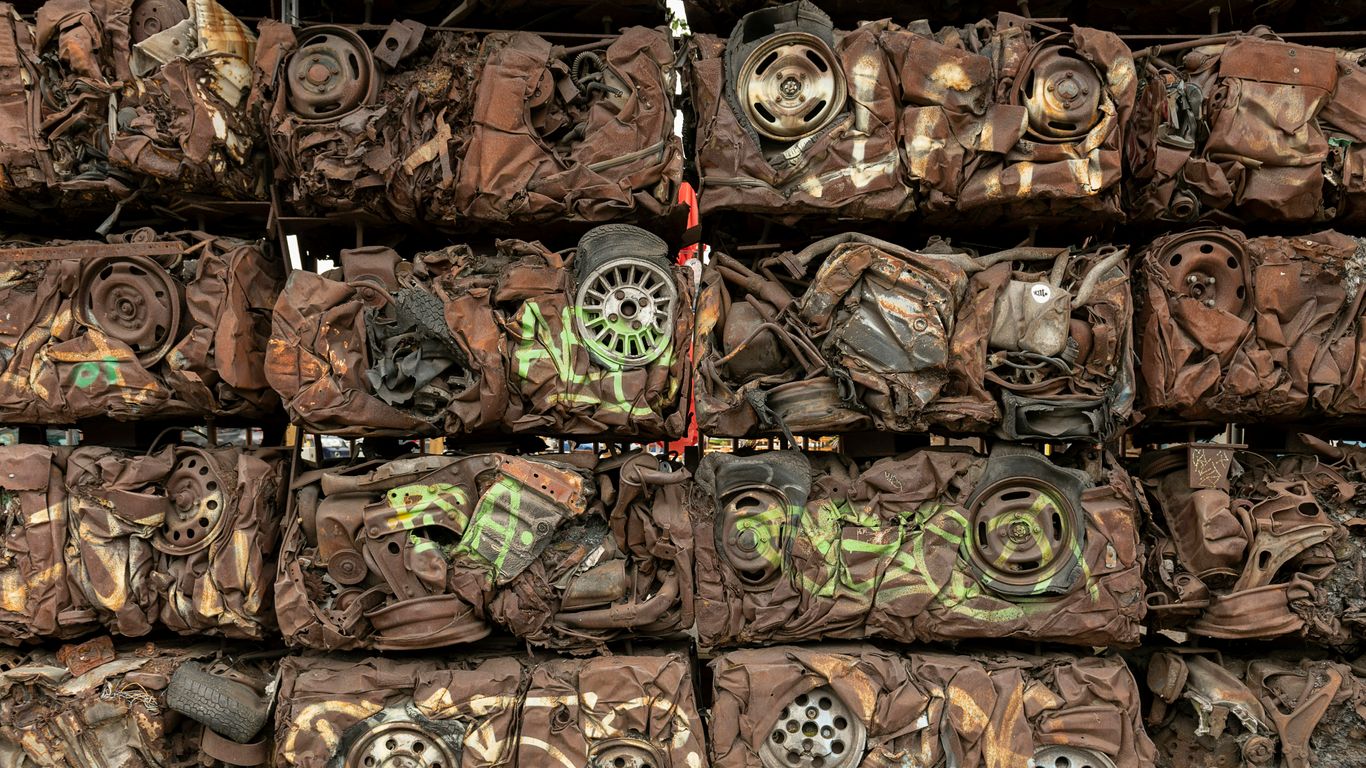
Salvage recovery is a key part of how insurance companies manage costs after a claim. It’s not just about getting back some money; it’s about understanding the rules and how things work.
Defining Salvage and Its Distinction from Subrogation
Salvage is pretty straightforward: it’s the damaged property that an insurer might take possession of after paying out a claim. Think of a car that’s totaled but still has usable parts, or water-damaged inventory that might have some resale value. The insurer takes ownership of this property, and then tries to sell it or its parts to recoup some of the claim payout. It’s a way to reduce the overall cost of the claim.
Subrogation, on the other hand, is different. This is when the insurer steps into the shoes of the policyholder to pursue a responsible third party for the damages. If someone else caused the accident that totaled your car, your insurer might pay your claim and then go after that at-fault party to get their money back. It’s about recovering from the party that actually caused the loss, not just from the damaged property itself.
Here’s a quick breakdown:
| Feature | Salvage | Subrogation |
|---|---|---|
| What it is | Recovering value from damaged property | Recovering from a responsible third party |
| Goal | Offset claim costs | Shift financial burden to the at-fault party |
| Ownership | Insurer takes ownership of the property | Insurer pursues legal rights of the policyholder |
Legal Frameworks Governing Salvage Rights
Salvage rights aren’t just made up on the spot; they’re usually outlined in the insurance policy itself and are subject to state laws. Generally, when an insurer pays out for a total loss, they gain the right to take possession of the damaged property. This is often referred to as the insurer acquiring the "salvage" interest. The policy language will typically specify the conditions under which salvage rights apply. It’s important for insurers to follow these legal frameworks to avoid disputes. This is all part of engineered risk allocation, where the policy defines how losses are handled.
The Insurer’s Obligation in Salvage Operations
While insurers have the right to salvage, they also have responsibilities. They can’t just leave a damaged vehicle or property sitting around causing more problems. Insurers are generally expected to handle salvage operations in a commercially reasonable manner. This means:
- Prompt removal: Getting the damaged property out of the way quickly to prevent further damage or liability.
- Reasonable disposition: Making a good-faith effort to sell the salvaged property for its best possible value.
- Proper documentation: Keeping clear records of the salvage process, from taking possession to the final sale.
The insurer’s role in salvage is to act responsibly, minimizing further loss and maximizing recovery in a way that’s fair and legally compliant. It’s a balancing act between recovering costs and fulfilling their obligations to the policyholder and regulatory bodies.
Failing to manage salvage properly can lead to additional costs or even legal challenges. It’s a detail that, while maybe not as exciting as the initial claim, is pretty important for the overall financial health of the insurance process. Efficient handling of salvage contributes to the stability of insurance systems.
Operationalizing Salvage Recovery Allocation
Establishing Clear Salvage Recovery Protocols
Getting salvage recovery right means having a solid plan in place before you even need it. It’s not something you want to figure out on the fly when a big loss happens. Think of it like setting up a good system for handling claims in general. You need to know who does what, when, and how. This means defining what counts as salvage, how you’ll get it, and what you’ll do with it once you have it. Clear protocols prevent confusion and ensure that every opportunity to recover value is taken.
Here’s a breakdown of what goes into a good salvage protocol:
- Identification: How do adjusters spot potential salvage? What are the signs? This could be anything from damaged vehicles to recovered electronics or even building materials after a fire.
- Securing and Storage: Once identified, how is the salvage secured? Where is it stored safely and cost-effectively? This might involve temporary holding yards or specialized storage facilities.
- Valuation: How do you determine the value of the salvaged item? This is a big one and often requires specific expertise. We’ll get into valuation methods more later, but the protocol needs to outline the initial steps.
- Disposition: What are the options for selling or disposing of the salvage? Auction, direct sale, donation, or even recycling? The protocol should guide these decisions based on the type of asset and market conditions.
- Financial Allocation: How are the proceeds from salvage applied? This directly impacts the net cost of the claim and needs to be clearly documented.
A well-defined salvage recovery protocol is more than just a set of rules; it’s a roadmap that guides your claims team through the process of maximizing value from damaged or recovered property. It ensures consistency and fairness, which are key to managing claim costs effectively.
The Claims Adjuster’s Role in Salvage Identification
Claims adjusters are on the front lines. They’re the ones who see the damage firsthand and have the first opportunity to identify potential salvage. It’s not just about assessing the loss; it’s also about spotting what might still have value. This requires a bit of a different mindset, looking beyond the damage to see what’s left. For example, after a car accident, an adjuster might note that while the car is totaled, the engine or specific parts might be salvageable. Or after a fire, certain appliances or structural components might be intact enough to be recovered. The adjuster’s keen eye is often the starting point for the entire salvage recovery process.
Adjusters need training on:
- Recognizing different types of salvageable property.
- Understanding the initial steps for documenting and securing potential salvage.
- Knowing when to call in specialized salvage experts.
This proactive identification helps insurers recoup some of the claim payout, which ultimately helps keep premiums more stable for everyone. It’s a critical part of accurate loss valuation and managing the overall cost of claims.
Documentation and Reporting Requirements for Salvage
Once salvage is identified and secured, good documentation is absolutely key. Without it, you can’t track what you have, what it’s worth, or how much you got for it. This information is vital for several reasons: it helps justify the recovery amount, it’s needed for financial reporting, and it can even help identify trends in salvage recovery. Think of it as building a case for the recovery you’ve made. Every step, from initial identification to final sale, needs to be recorded.
Key documentation points include:
- Initial Salvage Report: Details of the item, condition, location, and reason for salvage.
- Valuation Records: Appraisals, market research, or auction estimates.
- Disposition Records: Proof of sale, auction results, or details of any other disposal method.
- Financial Records: All costs associated with securing, storing, and selling the salvage, as well as the final proceeds received.
Proper reporting ensures that the salvage recovery process is transparent and accountable. It also provides data that can be used to refine future salvage strategies and improve overall allocation strategies for claims.
Valuation and Disposition of Salvaged Assets
Once a loss occurs and salvageable property is identified, the next critical steps involve figuring out what it’s worth and what to do with it. This isn’t always straightforward, and how you handle these stages can really impact the overall recovery amount.
Methods for Valuing Recovered Property
Determining the value of salvaged items is key. It’s not just about what the item cost new, but what it’s worth in its current, post-loss condition. Several methods can be used, and the policy itself often dictates which ones apply. We’re talking about things like:
- Actual Cash Value (ACV): This is the replacement cost minus depreciation. Think about how much an item has aged or worn out before the loss. This is a common method, but it can sometimes lead to disputes if the depreciation isn’t seen as fair.
- Replacement Cost (RC): This method aims to determine the cost to replace the item with a new one of similar kind and quality. It’s generally more favorable to the policyholder but might not always be applicable to salvaged goods where the item is being recovered, not replaced.
- Agreed Value: In some cases, especially with unique or high-value items, the policy might specify an agreed value beforehand. This removes a lot of guesswork later on.
The condition of the salvaged asset is the most significant factor in its valuation. A damaged but functional item will be worth less than one with minor cosmetic flaws.
Strategic Options for Salvaged Asset Disposition
After you’ve got a value, you need to decide what to do with the salvaged property. The goal is usually to get the best possible return. Here are some common strategies:
- Direct Sale: Selling the item directly to a third party. This could be through auctions, online marketplaces, or to specialized buyers. This often yields the highest return if the item has good market demand.
- Donation: Sometimes, especially with items that have limited resale value but are still usable, donating them to charities can be an option. While this might not bring in cash, it can have other benefits, like positive public relations or tax advantages.
- Recycling/Scrapping: For items that are damaged beyond repair or have minimal resale value, breaking them down for parts or recycling the materials might be the most practical approach. This still recovers some value from the raw materials.
The choice of disposition method should align with the asset’s condition, market demand, and the insurer’s recovery goals. It’s a balancing act between maximizing financial return and minimizing administrative effort.
The Impact of Asset Condition on Recovery Value
It’s pretty obvious, but worth stating clearly: the physical state of the salvaged asset is paramount. A car that’s been in a flood will have a different recovery value than one that was stolen and recovered with minor cosmetic damage. Factors like water damage, fire residue, structural integrity, and even the presence of hazardous materials can significantly reduce an item’s worth or even make it unsellable. Adjusters need to be thorough in assessing these conditions to set realistic recovery expectations. Sometimes, the cost of transporting and processing the salvage might outweigh its potential resale value, making it more economical to abandon the recovery effort. This is where careful valuation and damage assessment becomes really important.
Financial Allocation of Salvage Proceeds
Apportioning Salvage Revenue Against Claim Costs
When salvage is recovered, the money made from selling it needs to be accounted for properly. This revenue directly offsets the total cost of the claim. Think of it like getting a partial refund on your expenses. The goal is to reduce the net payout from the insurer. This process helps keep the overall cost of claims down, which, in turn, can help stabilize insurance premiums for everyone. It’s a key part of how insurers manage their finances after a loss occurs.
- Net Claim Cost Calculation: Total Claim Payout – Salvage Proceeds = Net Claim Cost
- Impact on Reserves: Recovered salvage can lead to a reduction in claim reserves, freeing up capital.
- Profitability: Successful salvage operations contribute positively to an insurer’s bottom line.
Accounting for Salvage in Reserve Calculations
Reserves are essentially estimates of how much a claim will ultimately cost. When salvage is identified and has a potential value, it needs to be factored into these reserve calculations. If a significant amount of salvage is expected, the initial reserve might be set lower. As the salvage is sold, the actual proceeds are used to adjust the reserve. This ensures that the insurer’s financial picture accurately reflects the expected ultimate cost of the claim, taking into account potential recoveries. It’s a dynamic process that requires ongoing monitoring.
Accurate reserve setting is vital for an insurer’s financial health. It impacts regulatory compliance, capital adequacy, and the ability to pay future claims. Salvage recovery plays a direct role in refining these estimates, making financial projections more reliable.
Impact of Salvage Allocation on Premium Stability
Every dollar recovered through salvage is a dollar that doesn’t need to be covered by premium income. When insurers can consistently recover value from salvaged assets, it reduces their overall loss ratio. A lower loss ratio generally translates to more stable, and potentially lower, premiums over time. This is because the insurer’s financial performance is directly tied to the premiums collected versus the claims paid out. Effective salvage programs, therefore, have a tangible benefit for policyholders by helping to keep insurance costs predictable. It’s a win-win scenario when done right, contributing to the overall health of the insurance market.
- Reduced loss ratios.
- Improved insurer profitability.
- Potential for premium stabilization or reduction.
- Enhanced ability to offer competitive pricing.
Technological Enhancements in Salvage Management
Salvage recovery, while a traditional part of the insurance process, is increasingly benefiting from modern technology. These advancements aren’t just about making things faster; they’re about making the entire process smarter, more accurate, and ultimately, more profitable. Think about how much easier it is to track things now compared to even a decade ago. It’s a game-changer for how insurers handle salvaged assets.
Leveraging Data Analytics for Salvage Optimization
Data analytics is really starting to shine in salvage operations. By looking at historical data, insurers can get a much better idea of what types of assets are likely to be salvaged, their potential recovery value, and even the best ways to dispose of them. This isn’t just guesswork anymore; it’s about using actual numbers to make informed decisions. For example, analyzing claims data can help identify patterns in vehicle damage that might lead to specific parts being salvageable, or certain types of property damage that consistently yield recoverable materials. This kind of insight helps in planning resources and setting realistic recovery targets. It’s all about making sure that when a loss occurs, the potential for salvage is identified and acted upon efficiently. This structured data analysis allows for smarter decision-making regarding safety and operational improvements. Effective loss control involves streamlining claims data.
Digital Platforms for Salvage Tracking and Management
Gone are the days of paper files and manual tracking for everything. Digital platforms are now central to managing salvage. These systems allow for real-time tracking of salvaged items from the moment they’re identified at a loss site, through transportation, storage, valuation, and final disposition. This transparency is key. Adjusters, salvage specialists, and even accounting departments can access up-to-date information, reducing errors and speeding up the entire cycle. Imagine a platform where you can upload photos of damaged goods, assign them a temporary value, track their movement to a storage facility, and then see when they’re listed for auction. It streamlines communication and accountability significantly. This also helps in managing inventory more effectively, reducing holding costs, and ensuring that assets aren’t lost or forgotten in the process.
Predictive Modeling for Salvage Recovery Potential
This is where things get really interesting. Predictive modeling uses advanced algorithms to forecast the potential salvage value of assets even before they are fully assessed. By analyzing a vast array of data points – including the type of asset, the nature and severity of the damage, market demand for parts or materials, and even geographic location – these models can provide an estimated recovery range. This helps insurers make more strategic decisions early on, such as whether to pursue salvage aggressively or to focus resources elsewhere. It’s about getting a clearer picture of the financial upside of salvage operations.
- Early identification of high-value salvage opportunities.
- More accurate forecasting of recovery revenue.
- Optimized allocation of resources for salvage processing.
Predictive modeling moves beyond simple historical averages, incorporating numerous variables to provide a more nuanced outlook on salvage potential. This allows for proactive planning and resource allocation, turning what was once a reactive process into a more strategic financial function.
These technological shifts are not just about efficiency; they are fundamentally changing how insurers approach salvage, turning it into a more predictable and valuable component of overall claims management and financial recovery. Captives generate valuable data that can be leveraged for enhanced decision-making.
Navigating Complexities in Salvage Allocation
Salvage recovery, while a valuable tool for offsetting claim costs, isn’t always straightforward. Sometimes, things get complicated, and you need to figure out how to handle those tricky situations. It’s not just about selling off the damaged goods; there are layers to it.
Addressing Disputes in Salvage Valuation and Ownership
Disagreements can pop up regarding how much salvaged property is actually worth or who has the right to it. Maybe the insured thinks the item is worth more than the salvage company’s appraisal, or perhaps there’s a question about whether the insurer even has a claim to the salvage in the first place. These situations often require a closer look at the policy terms and local laws. Sometimes, a neutral third party might be brought in to help settle the matter.
- Policy Interpretation: Reviewing the specific language regarding salvage rights and valuation.
- Third-Party Appraisals: Obtaining independent assessments of the salvaged asset’s value.
- Legal Consultation: Seeking advice on ownership rights and dispute resolution.
When disputes arise, clear documentation and adherence to policy stipulations are your best defense. It’s about having a solid record of the asset’s condition, the valuation process, and any agreements made.
Regulatory Considerations in Salvage Recovery
Different places have different rules about salvage. What’s allowed in one state or country might not be in another. This can affect how you handle, sell, or even dispose of salvaged items. It’s important to know these regulations to avoid running into legal trouble. For instance, some jurisdictions might have specific rules about environmental disposal of certain salvaged goods.
Cross-Jurisdictional Challenges in Salvage Operations
Dealing with salvage across state lines or even international borders adds another layer of complexity. Laws vary, and so do the processes for handling property. This can impact everything from transportation and storage to the final sale of the salvaged asset. Coordinating efforts across different legal frameworks requires careful planning and often specialized knowledge to ensure compliance and maximize recovery. This is especially true when dealing with multiple insurance layers where different jurisdictions might have varying interpretations of responsibility.
- Understanding varying state or national laws regarding salvage.
- Navigating customs and import/export regulations if applicable.
- Coordinating with local agents or partners in different jurisdictions.
Sometimes, claims themselves can become complex, leading to escalation if not handled properly, and salvage issues can certainly add to that complexity.
Strategic Integration of Salvage into Insurance Programs

Aligning Salvage Policies with Underwriting Practices
When we talk about insurance programs, it’s not just about collecting premiums and paying claims. It’s a whole system, right? And salvage recovery, that’s a piece of that puzzle that can really make a difference if you get it right. Think about it: when a claim happens, and there’s something left over – a damaged car, a partially destroyed building – that’s salvage. How you handle that can affect the overall cost of the claim. It makes sense to line up how you deal with salvage with how you underwrite policies in the first place. If you know you’re insuring a certain type of property or vehicle, you should have a plan for what happens if it gets damaged and there’s something to recover. This isn’t just about getting a bit of money back; it’s about managing the whole risk picture. Good underwriting considers the entire lifecycle of the risk, including potential recovery.
The Role of Salvage in Overall Risk Management
Salvage recovery plays a part in the bigger picture of managing risk. It’s not a standalone activity. When an insurer pays out a claim, especially a large one, the net cost is what really matters. Recovering value from salvage directly reduces that net cost. This means that over time, the premiums charged can be more stable. It’s like having a built-in way to offset some of the losses. This ties into how insurers manage their overall financial health and their capacity to take on risk. If salvage operations are efficient and effective, they contribute to a more robust financial structure for the insurer. It’s a way to be more financially sound and perhaps even offer better terms to policyholders because the overall cost of doing business is managed better. It’s all part of insurance as a strategic system that aims to balance protection with financial responsibility.
Enhancing Policyholder Value Through Efficient Salvage
For the policyholder, an insurer that effectively manages salvage can mean better value. When an insurer recovers money from salvage, it can help keep premiums down or more stable. It also means the insurer is being thorough in managing claims, which can lead to a smoother experience for the policyholder. Imagine a situation where a car is totaled. If the insurer efficiently handles the sale of the damaged vehicle, they might be able to offer a slightly better settlement or at least avoid unnecessary delays. It shows a commitment to managing the entire claim process with an eye on costs and recovery. This efficiency can translate into a more positive perception of the insurer’s service, which is always a good thing. It’s about making the whole insurance process work better for everyone involved.
Performance Metrics for Salvage Recovery Systems
To really know if your salvage recovery efforts are paying off, you need to track how well they’re doing. It’s not just about getting something back; it’s about how efficiently and effectively you’re doing it. Think of it like checking your car’s gas mileage – you want to know if you’re getting the best bang for your buck.
Key Performance Indicators for Salvage Operations
When we talk about salvage, we’re looking at a few key numbers. These help paint a clear picture of what’s working and what’s not. The goal is to maximize recovery value while minimizing the costs associated with the salvage process itself.
Here are some important metrics to keep an eye on:
- Recovery Rate: This is the most straightforward. It’s the total value of recovered assets divided by the total potential salvage value. A higher rate means you’re doing a better job of getting value back.
- Cost of Recovery: This includes all the expenses tied to salvaging an asset – things like transportation, storage, labor, and any processing or repair costs. You want this number to be as low as possible relative to the recovered value.
- Time to Recovery: How long does it take from the point of loss to when the salvageable asset is processed and its value is realized? Shorter times mean less holding cost and faster financial return.
- Net Salvage Value: This is the actual profit after all recovery costs are subtracted from the gross recovered value. It’s the bottom line for each salvaged item.
- Salvage-to-Claim Ratio: This compares the net salvage value recovered to the total claim amount paid out. It shows how much salvage is offsetting the overall claim cost.
Measuring the Financial Impact of Salvage Recovery
Beyond just tracking individual salvage operations, it’s important to see the bigger financial picture. How does salvage recovery affect your overall financial health?
- Reduction in Net Claim Costs: The most direct impact is how salvage proceeds reduce the total amount paid out on claims. This directly impacts loss ratios and profitability. For example, if a claim was for $50,000 and you recovered $5,000 in salvage, your net cost for that claim is reduced to $45,000.
- Impact on Reserves: Effective salvage recovery can lead to more accurate and potentially lower claim reserves. If you consistently recover significant value, you might be able to adjust future reserve calculations accordingly. This is a key part of managing claim reserves.
- Profitability of Salvage Operations: For larger organizations, salvage might even be run as a profit center. Tracking the revenue generated from salvage sales against the operational costs of the salvage department can show its financial contribution.
| Metric | Calculation | Target |
|---|---|---|
| Gross Recovery Rate | (Gross Salvage Value / Potential Value) * 100% | > 70% |
| Net Recovery Rate | ((Gross Salvage Value – Costs) / Potential Value) * 100% | > 50% |
| Cost of Recovery Ratio | (Total Recovery Costs / Gross Salvage Value) * 100% | < 30% |
| Average Time to Recovery | Average days from loss to value realization | < 90 days |
| Salvage Offset to Claims | (Net Salvage Value / Total Claim Payout) * 100% | Varies by line of business |
Benchmarking Salvage Performance Against Industry Standards
Knowing your numbers is one thing, but how do they stack up against others? Benchmarking helps you understand if your salvage recovery system is performing at an industry-leading level or if there’s room for improvement. This involves comparing your key performance indicators (KPIs) against averages or best-in-class performers in your specific insurance sector.
Benchmarking isn’t just about seeing if you’re ahead or behind; it’s about identifying specific areas where other organizations excel. This could be in their methods for valuing recovered property, their negotiation tactics for selling salvaged assets, or their use of technology to track inventory. Understanding these differences can highlight opportunities for process improvements and strategic adjustments within your own salvage operations.
Different lines of insurance will have different benchmarks. For instance, auto salvage recovery metrics will look very different from those for commercial property or specialized equipment. It’s important to compare apples to apples, looking at data from similar types of claims and asset classes. This kind of comparative analysis can drive innovation and help you refine your risk management strategies.
Future Trends in Salvage Recovery Allocation
The way we handle salvage recovery is always changing, and a few big things are shaping what’s next. We’re seeing a lot more focus on using technology to make things smoother and more effective. Think about how data is being used. Insurers are getting better at predicting how much they might get back from salvaged items, which helps with planning and setting reserves. This kind of predictive modeling is becoming a standard tool, not just a fancy add-on.
Emerging Technologies in Asset Recovery
Technology is really changing the game for asset recovery. We’re moving beyond just basic tracking. New digital platforms are making it easier to manage salvaged goods from start to finish. This includes better ways to document what we have, where it is, and its condition. The goal is to get a clearer picture of the value and speed up the process of turning salvaged assets back into funds. This efficiency is key for improving overall recovery rates. It’s also about making sure the right people have the right information at the right time, cutting down on delays and mistakes.
Evolving Regulatory Landscapes for Salvage
Regulations around salvage are also shifting. As governments and industry bodies look at how to handle recovered goods, especially in areas like environmental impact and consumer protection, new rules are likely to appear. This means insurers need to stay on top of these changes to make sure their salvage operations are compliant. It’s not just about following the law; it’s about adapting practices to meet new standards for responsible recovery and disposal. This could involve stricter rules on how certain materials are handled or disposed of, impacting the entire recovery chain.
The Growing Importance of Sustainability in Salvage
Sustainability is becoming a major factor. More and more, there’s pressure to handle salvaged assets in an environmentally friendly way. This means looking for options beyond just selling off items. It could involve refurbishing, recycling, or finding new uses for materials. Insurers are starting to see that a sustainable approach to salvage isn’t just good for the planet; it can also be good for business. It might open up new markets or improve brand reputation. This shift towards greener practices is likely to influence how assets are valued and disposed of in the coming years.
Here’s a look at how sustainability might play out:
- Prioritizing Reuse: Finding ways to repair and resell items or their components.
- Responsible Recycling: Partnering with certified recyclers for materials that can’t be reused.
- Waste Reduction: Minimizing the amount of salvaged material that ends up in landfills.
- Circular Economy Integration: Exploring how salvaged assets can fit into broader circular economy models.
The focus on sustainability in salvage recovery is more than just a trend; it’s becoming a core operational consideration. Insurers are increasingly expected to demonstrate responsible stewardship of recovered assets, balancing financial recovery with environmental and social impact. This requires a proactive approach to developing and implementing sustainable salvage strategies that align with broader corporate responsibility goals and evolving market expectations.
Wrapping Up Salvage Recovery
So, when it comes to getting back what you can after a loss, it’s a whole process. It involves figuring out what’s left, what it’s worth, and how to get it back to offset costs. This isn’t just about grabbing stuff; it’s a structured part of how insurance works to manage overall expenses. Doing this right helps keep premiums more stable for everyone. It’s a bit like tidying up after a storm – you assess the damage, see what can be salvaged, and use it to help rebuild. It’s a necessary step in the whole insurance picture.
Frequently Asked Questions
What exactly is salvage in insurance?
Salvage is basically stuff that’s left over after a damaged item, like a car or a house, has been paid for by the insurance company. Think of it as the damaged but still usable parts or the wreck itself. The insurance company gets to keep or sell this ‘salvage’ to get some money back, which helps lower the overall cost of the claim.
How does salvage help lower insurance costs?
When insurance companies sell salvaged items, they get money back. This money is then used to help pay for the claim they already paid out. It’s like getting a small refund on the loss. This reduces the total amount the insurance company has to spend, and over time, this can help keep insurance premiums from going up too much for everyone.
What’s the difference between salvage and subrogation?
Salvage is about the damaged property itself – the insurer recovers value from the leftover items. Subrogation is different; it’s when the insurance company goes after a third party who actually caused the damage to get reimbursed. So, salvage is about the damaged goods, while subrogation is about holding the responsible person or company accountable.
Who decides what the salvaged item is worth?
The insurance company usually figures out the value of the salvaged item. They might use experts or look at what similar damaged items have sold for. The goal is to get a fair price, whether they sell it themselves or through an auction. Sometimes, if the owner disagrees, there can be a process to figure out the value together.
Does the policyholder get any money from salvage?
Usually, no. Once the insurance company pays for the loss, they typically own the damaged property and any salvage. The money they get from selling the salvage goes back to them to offset their payout. In some rare cases or specific policy types, there might be a different arrangement, but typically, the salvage belongs to the insurer.
What happens to the salvaged items?
Salvaged items can be handled in a few ways. They might be sold at auction, sold to specialized salvage yards, or sometimes dismantled for usable parts. The insurance company chooses the method that they believe will bring in the most money to help recover their costs.
Why is documenting salvage important?
Keeping good records of salvage is super important for a few reasons. It helps the insurance company prove they handled the claim correctly, shows how much money they got back, and makes sure everything is accounted for legally. Proper paperwork helps avoid confusion and disputes later on.
Can an insurance company just take anything as salvage?
No, it’s not quite like that. The insurance company usually only takes salvage if they pay out the full value of the damaged item, meaning they’ve essentially ‘bought’ the damaged property from the policyholder by paying the claim. It’s all based on the terms of the insurance policy and what was agreed upon when the policy was written.