

Windstorm insurance isn’t something most people think about until a big storm is on the way. But if you live in an area that gets hit by strong winds, it’s a topic worth understanding before trouble starts. This kind of insurance helps cover damage from windstorms, which can be anything from hurricanes to straight-line winds. The rules, coverage, and costs can be pretty different depending on where you live and what your risks are. Let’s break down what windstorm insurance covers, how exposure changes by region, and what you need to know about policies, claims, and the whole process.
Key Takeaways
- Windstorm insurance covers damage from high winds, but what’s included can vary a lot by policy and location.
- Where you live matters—a home on the coast usually faces higher windstorm risk than one further inland, and this affects your premiums and coverage.
- New insurance models like usage-based and parametric policies are giving people more flexible ways to get protection, but they come with their own learning curve.
- If you need to file a claim, knowing the steps and what your policy actually covers can make the process a lot less stressful.
- Regulations and reinsurance play a big part in keeping windstorm insurance available and reliable, especially as storms get stronger and more frequent.
Understanding Windstorm Insurance Coverage
Defining Windstorm Perils and Hazards
When we talk about windstorm insurance, it’s important to know what we’re actually covering. A "windstorm" isn’t just any gust of wind; it typically refers to a severe weather event characterized by strong winds, often associated with storms like hurricanes, tornadoes, or severe thunderstorms. These events bring a variety of dangers, or "perils," that can cause damage. Think of high winds that can rip off roofs, flying debris that shatters windows, or even the pressure changes associated with a tornado. Hazards, on the other hand, are conditions that make these perils more likely or worse. For example, a poorly maintained roof is a physical hazard that increases the risk of damage from high winds. Similarly, living in a coastal area is a geographic hazard that heightens the chance of hurricane-force winds.
- Perils: These are the direct causes of loss, like the force of the wind itself, hail driven by wind, or flying objects.
- Hazards: These are conditions that increase the likelihood or severity of a peril, such as structural weaknesses, proximity to trees, or the general weather patterns of a region.
Understanding the difference helps clarify what your insurance policy is designed to protect against.
It’s not just about the wind itself, but all the things that can happen because of it. This includes everything from the direct force of the wind to the secondary effects like water damage from a breached roof.
Types of Insurable Losses from Windstorms
Windstorms can lead to a range of losses, and insurance policies are designed to address many of them. The most obvious is direct physical damage to your property. This could be your house, your business building, or even your personal belongings. We’re talking about structural damage, like a collapsed wall or a damaged roof, and damage to contents, such as furniture or inventory. Beyond that, there’s "loss of use" coverage, which helps pay for temporary living expenses if your home becomes uninhabitable due to wind damage. For businesses, "business interruption" coverage is key; it can compensate for lost income and ongoing expenses if operations have to stop because of storm damage.
Here are some common types of insurable losses:
- Property Damage: This covers the cost to repair or replace damaged buildings, structures, and personal property. This can be based on replacement cost (what it costs to buy new) or actual cash value (replacement cost minus depreciation).
- Loss of Use/Business Interruption: If you can’t live in or use your property due to covered damage, this covers additional living expenses or lost income and operating costs.
- Debris Removal: Many policies include coverage for the cost of removing debris from your property after a covered loss.
- Damage from Associated Perils: Sometimes, windstorms cause other covered perils, like certain types of water damage (if not excluded) or fire resulting from wind-related incidents.
Policy Structure and Coverage Boundaries
An insurance policy is essentially a contract, and its structure dictates what’s covered and what’s not. At the heart of it is the declarations page, which is like the policy’s summary. It lists who is insured, the property covered, the policy period, the limits of coverage (the maximum the insurer will pay), and the premium you pay. Then you have the insuring agreement, which is the insurer’s promise to pay for losses caused by specific covered perils. This is where you’ll find out if your policy covers "named perils" (only the ones listed) or "open perils" (everything except what’s specifically excluded). It’s really important to know which type you have. Beyond that, policies have exclusions, which are specific events or conditions that are not covered, and conditions, which are rules you and the insurer must follow, like how to report a claim. Endorsements are like add-ons or modifications that can change the original terms, either adding coverage or clarifying things. Understanding these parts helps define the boundaries of your protection.
Assessing Regional Windstorm Exposure
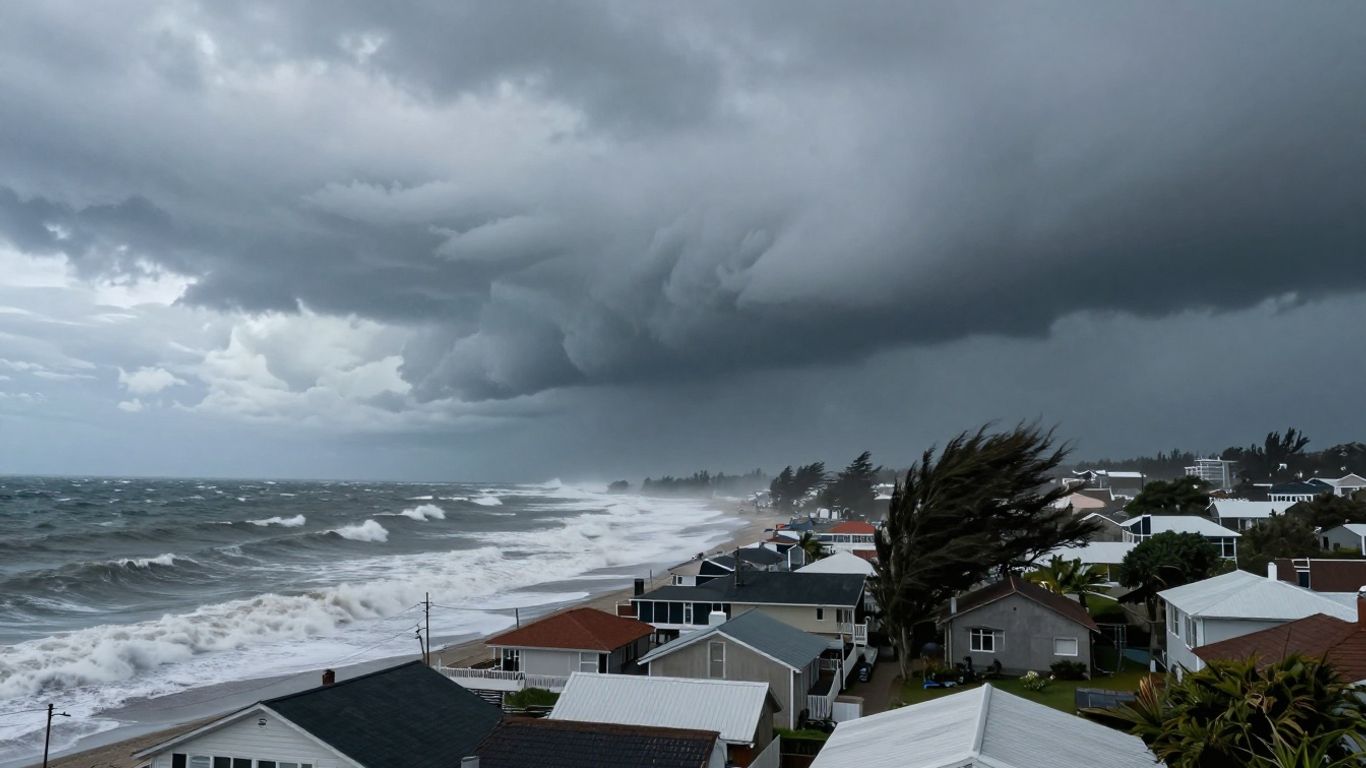
When we talk about windstorm insurance, it’s not just about the storm itself, but where you are when it hits. Different places have different risks, and that’s what this section is all about.
Geographic Factors Influencing Windstorm Risk
Location, location, location. It really matters when it comes to windstorms. Coastal areas, for example, are naturally more exposed to hurricanes and tropical storms. Think about the Outer Banks in North Carolina or the Gulf Coast – these regions deal with strong winds and storm surge much more often than, say, a landlocked state in the Midwest. Even within a state, topography plays a role. Areas near mountains might experience funneling effects that increase wind speeds, while open plains can be subject to widespread, powerful gusts. It’s not just about being near the coast; it’s about the specific landscape and its susceptibility to severe weather patterns.
Historical Windstorm Data and Predictive Modeling
To figure out how risky a place is, insurers look back at what’s happened before. They examine records of past storms – how strong they were, where they hit, and the kind of damage they caused. This historical data is super important. But it’s not just about looking in the rearview mirror. Companies use sophisticated computer models to predict what might happen in the future. These models take into account historical patterns, current weather trends, and even things like ocean temperatures that can influence storm formation. By combining past events with future projections, insurers get a clearer picture of potential losses.
Here’s a simplified look at how different regions might be categorized:
| Region Type | Primary Windstorm Threats | Example Locations |
|---|---|---|
| Coastal | Hurricanes, Tropical Storms, Nor’easters, Storm Surge | Florida, Louisiana, New England Coast |
| Inland Plains | Tornadoes, Derechos, Severe Thunderstorms | Midwest, Great Plains |
| Mountainous | Downbursts, Gusts, Orographic Effects | Rocky Mountains, Appalachian Mountains |
| Great Lakes | Lake-effect storms, derechos | Areas around the Great Lakes |
Climate Change Impact on Future Exposures
Now, things get a bit more complicated because the climate is changing. Scientists are seeing that storms might be getting stronger or happening more often in some areas. This means that the historical data we’ve relied on might not be enough to predict future risks accurately. For instance, warmer ocean waters can fuel more intense hurricanes. We might also see shifts in where storms typically form or travel. This uncertainty makes it harder for insurers to set prices and plan for the future. It’s a big challenge that requires constant monitoring and updating of risk assessments.
The way we think about windstorm risk needs to keep up with a changing environment. What was considered a "rare" event might become more common, and areas that were once thought to be safe could face new threats. This means insurance models have to be flexible and adapt to new scientific findings and observed weather patterns. It’s a continuous process of learning and adjusting to protect both policyholders and the insurance market itself.
The Underwriting Process for Windstorm Risk
When an insurance company decides whether to offer coverage and at what price, they go through a process called underwriting. For windstorm risk, this means looking very closely at the potential for damage from high winds and storms. It’s not just a quick look; it’s a deep dive into all sorts of factors to figure out how likely a loss might be and how bad it could get.
Risk Identification and Information Gathering
First off, the insurer needs to know exactly what they’re insuring. This means gathering a lot of details. For a house, they’ll want to know its location (obviously important for windstorms!), its age, construction materials, and any previous damage. For a business, it’s even more involved, looking at the type of business, its financial health, how it operates, and where its properties are located. They’ll also check past insurance claims – yours and sometimes even general industry trends. Getting all this information right is super important because if something’s left out or misrepresented, it can cause big problems later, like a claim being denied.
Analyzing Frequency and Severity of Losses
After collecting the info, underwriters analyze it. They’re trying to figure out two main things: how often a loss might happen (frequency) and how much that loss could cost (severity). A region might not get hit by a major hurricane often, but when it does, the damage can be enormous. That’s a low-frequency, high-severity risk. On the other hand, a place might have lots of smaller wind events that cause minor damage each year. These different patterns require different approaches to pricing and coverage. They use historical data, computer models, and sometimes just plain old expert judgment to make these calls.
Underwriting Decisions and Risk Selection
Based on all the information and analysis, the underwriter makes a decision. They might offer coverage, but perhaps with specific conditions. This could mean requiring certain upgrades to the property, like stronger windows or a better roof. They might also adjust the price (premium) or the amount they’re willing to pay out (limits). Sometimes, the risk is just too high or too unpredictable for the insurer to take on, and they’ll decline coverage. It’s all about finding a balance – taking on risks they can manage and price appropriately, while also making sure they have enough money to pay claims when they happen.
Key Components of Windstorm Insurance Policies
Declarations Page and Insuring Agreements
Think of the declarations page as the "who, what, where, and how much" of your policy. It’s usually the first page you see, and it lays out the important stuff: your name, the property address, the policy period, the types of coverage you’ve bought, the limits for each coverage, and how much you’re paying for it all. This page is super important because it summarizes the core details of your agreement. The insuring agreement is where the insurance company formally promises to pay for covered losses. It basically says, ‘We will pay you for losses caused by specific events, up to the limits shown on the declarations page.’ It’s the heart of the policy, defining the insurer’s obligation.
Named Perils vs. Open Perils Coverage
This is a big one when it comes to windstorm protection. With named perils coverage, your policy only covers damage caused by the specific perils listed in the policy documents. So, if windstorm damage isn’t on that list, you’re likely out of luck. It’s like having a specific list of "allowed" causes of damage. On the flip side, open perils coverage (sometimes called "all risks" coverage, though that’s a bit of a misnomer) covers damage from any cause unless it’s specifically excluded in the policy. This generally offers broader protection, but you still need to read those exclusions carefully.
Here’s a quick breakdown:
- Named Perils: Only covers listed events (e.g., windstorm, hail, fire).
- Open Perils: Covers all events except those specifically excluded.
Exclusions, Conditions, and Endorsements
These are the parts of the policy that modify or limit coverage. Exclusions are events or situations that the policy will not cover. For windstorms, common exclusions might involve damage from flooding (which is usually a separate policy), mold, or wear and tear. Conditions outline the rules you and the insurer must follow. For example, you might have a condition requiring you to report a loss promptly or to protect your property from further damage after a storm. Endorsements are amendments that add, remove, or change coverage. They can be used to tailor the policy to your specific needs, like adding coverage for certain types of business property or adjusting deductibles. It’s really important to understand these sections because they can significantly impact what you’re actually covered for when the wind starts howling.
Reading your insurance policy thoroughly is key. It might seem like a lot of dense text, but paying attention to the declarations page, the insuring agreements, and especially the exclusions and conditions can save you a lot of headaches and unexpected costs down the road. Think of it as understanding the rules of the game before you need to play it.
| Policy Section | Purpose |
|---|---|
| Declarations Page | Summarizes key policy details: insured, property, limits, premium. |
| Insuring Agreement | States the insurer’s promise to pay for covered losses. |
| Named Perils Coverage | Covers only specifically listed causes of loss. |
| Open Perils Coverage | Covers all causes of loss not specifically excluded. |
| Exclusions | Lists events or situations not covered by the policy. |
| Conditions | Outlines duties and requirements for both the insured and the insurer. |
| Endorsements | Modifies or adds to the original policy terms. |
Financial Aspects of Windstorm Insurance
When we talk about windstorm insurance, it’s not just about what’s covered, but also how the money side of things works. This is where premiums, deductibles, and limits come into play, shaping both the cost and the payout.
Premium Structures and Loading for Expenses
The premium you pay isn’t just a random number. It’s calculated based on a few things. First, there’s the ‘pure premium,’ which is basically the estimated cost of potential losses. Then, insurers add a ‘loading’ on top of that. This loading covers their operating costs – things like salaries, office rent, marketing, and, importantly, the expenses related to handling claims and managing the business. For windstorm coverage, especially in areas prone to severe weather, this loading can be significant because the potential for large, frequent losses is higher.
- Risk Assessment: The more likely you are to have a claim, the higher your premium.
- Operating Costs: Insurers need to cover their business expenses.
- Profit Margin: A portion is set aside for insurer profit.
- Regulatory Requirements: Some states have rules about how premiums are set.
The final premium reflects a blend of expected claims costs and the insurer’s operational needs.
Deductibles and Self-Insured Retentions
Think of a deductible as your initial share of the loss. It’s the amount you agree to pay out-of-pocket before the insurance company starts paying. For windstorm policies, deductibles can sometimes be a bit different. They might be a flat dollar amount, or they could be a percentage of the insured value of your property. A percentage deductible, especially in high-risk areas, can mean a pretty substantial amount you’re responsible for if a storm hits.
A Self-Insured Retention (SIR) is similar but often applies more to commercial policies. It’s an amount the policyholder agrees to retain and pay for themselves before the insurance coverage kicks in. It functions like a deductible but is typically a larger sum and means the policyholder is directly responsible for that initial layer of loss, rather than the insurer.
Limits of Liability and Sublimits
Coverage limits are the maximum amounts an insurance company will pay for a covered loss. For windstorm insurance, you’ll have a limit for your dwelling, other structures, and personal property. It’s really important to make sure these limits are high enough to actually rebuild or replace your stuff if the worst happens. If your home is insured for $300,000 but it would cost $500,000 to rebuild after a hurricane, you’d be on the hook for that $200,000 difference.
Sublimits are a bit trickier. These are specific, lower limits that apply to certain types of property or causes of loss, even if they fall under the main policy limit. For example, a policy might have a sublimit for damage to fences or detached structures, or for certain high-value items. You need to read your policy carefully to know if any sublimits apply to windstorm damage.
Understanding these financial components is key to having adequate protection. It’s not just about buying a policy; it’s about making sure the policy’s financial structure aligns with your actual risk and rebuilding costs. A policy that looks good on paper but has a deductible you can’t afford or limits that are too low won’t do you much good when you actually need it.
Navigating the Claims Process for Windstorm Damage
When a windstorm hits and causes damage, the next step is dealing with your insurance claim. It can feel overwhelming, but understanding the process helps. It’s basically about letting your insurance company know what happened, them figuring out if it’s covered, and then getting the repairs done.
Notice of Loss and Investigation Procedures
The very first thing you need to do after a windstorm causes damage is to tell your insurance company. This is called giving notice of loss. Most policies have a deadline for this, so don’t wait too long. You can usually do this by phone, through their website, or maybe even an app. After you report it, they’ll assign someone, usually called an adjuster, to look into what happened.
- Report the damage promptly: Check your policy for specific timeframes.
- Document everything: Take photos and videos of the damage before anything is moved or fixed.
- Keep records: Save receipts for any temporary repairs or expenses you incur.
The adjuster’s job is to figure out the extent of the damage and see if it’s covered by your policy. They’ll likely want to inspect the property themselves and might ask for repair estimates.
First-Party vs. Third-Party Claims
It’s important to know the difference between first-party and third-party claims. A first-party claim is when you’re claiming for damage to your own property – like your house or car. This is the most common type after a windstorm. A third-party claim happens when someone else claims you are responsible for damage they suffered, perhaps due to a falling tree from your property hitting theirs. Your insurance policy usually covers both, but the process and who is involved are different.
Role of Insurance Adjusters in Claim Resolution
Insurance adjusters are key players in getting your claim sorted. They are the ones who investigate the damage, review your policy to see what’s covered, and then figure out how much the insurance company should pay. They might be employed directly by the insurance company, or they could be independent contractors. Sometimes, policyholders hire their own public adjusters to represent their interests, especially in complex cases.
The adjuster’s assessment is a critical step. They’ll compare the damage they find against what your policy contract says is covered, looking at things like wind speed, specific types of damage, and any exclusions that might apply. Their report forms the basis for the insurance company’s decision on your claim.
Adjusters need to be fair and thorough. They’ll look at repair costs, replacement values, and sometimes even temporary living expenses if your home is unlivable. Their goal is to reach a resolution that aligns with the policy terms and conditions.
Addressing Claim Denials and Coverage Disputes
Sometimes, even after a windstorm causes damage, an insurance claim might not go as smoothly as hoped. It’s not uncommon for policyholders to face claim denials or disagreements about whether the damage is actually covered. This can be a really stressful situation, especially when you’re already dealing with the aftermath of a storm.
Common Reasons for Claim Denials
When an insurer denies a claim, it’s usually because they believe the loss isn’t covered by the policy. This can happen for a few key reasons:
- Policy Exclusions: Most insurance policies have specific exclusions, which are events or types of damage that the policy won’t pay for. For windstorms, this might include damage from flooding that happened at the same time, or certain types of damage to landscaping.
- Lack of Coverage: The policy might not have been active at the time of the loss, or the specific type of damage might not fall under the covered perils. For example, if you have a named perils policy, and the damage was caused by something not listed, it won’t be covered.
- Policy Lapses or Non-Payment: If premiums weren’t paid, the policy could have lapsed, meaning coverage was no longer in effect when the storm hit.
- Misrepresentation: If information provided when the policy was purchased was inaccurate and material to the risk, the insurer might deny the claim.
- Failure to Meet Conditions: Policies often have conditions that the policyholder must meet, like providing timely notice of the loss or cooperating with the investigation. Not meeting these can sometimes lead to a denial.
Policy Interpretation and Legal Standards
Disagreements often boil down to how the insurance policy language is interpreted. Insurance policies are legal contracts, and courts generally interpret them based on standard contract law. However, there are some specific rules for insurance policies:
- Ambiguity Favors the Insured: If there’s a genuine ambiguity in the policy language – meaning it can be reasonably understood in more than one way – courts usually interpret it in favor of the policyholder. This is why clear and precise wording is so important in policy documents.
- Plain Language: While policies can be complex, regulators and courts often expect them to be written in a way that a reasonable person can understand. Jargon or overly technical terms can sometimes be challenged.
- Legal Precedent: Past court decisions on similar policy language and situations can influence how a current dispute is resolved.
Understanding the specific terms, conditions, and exclusions in your windstorm policy is the first step in addressing any potential coverage disputes. It’s about knowing what you bought and what the insurer is obligated to provide.
Dispute Resolution Mechanisms
If you disagree with a claim denial or the settlement offer, there are several ways to try and resolve the dispute without immediately going to court:
- Internal Appeal: Many insurance companies have an internal process where you can request a review of the decision by a different claims handler or supervisor.
- Appraisal: Some policies include an appraisal clause. If you and the insurer disagree on the amount of the loss, you can each hire an appraiser, and they will work together to determine the value. If they can’t agree, they may select an umpire to make the final decision.
- Mediation: This is a process where a neutral third party (the mediator) helps you and the insurer discuss the issues and try to reach a mutually agreeable settlement. The mediator doesn’t make a decision but facilitates communication.
- Arbitration: Similar to mediation, but the arbitrator(s) will hear both sides and then make a binding decision. This is often faster and less expensive than going to court.
- Litigation: If all other methods fail, you can file a lawsuit against the insurance company. This is typically the most time-consuming and costly option.
The Role of Regulation in Windstorm Insurance
State-Level Insurance Regulation and Oversight
Insurance is a pretty heavily regulated business, and for good reason. Think about it – it’s all about protecting people when bad things happen. In the U.S., most of this regulation happens at the state level. Each state has its own department of insurance, kind of like a referee, that keeps an eye on things. They make sure insurance companies are licensed properly, that they have enough money set aside to pay claims (that’s solvency), and that their pricing isn’t totally out of whack. They also look at how companies interact with customers, which is called market conduct.
- Licensing: Insurers need permission to operate in a state.
- Solvency: Regulators check if companies have enough cash to pay future claims.
- Rate Filings: Companies often have to get approval for the prices they charge.
- Market Conduct: This covers how companies sell policies and handle claims.
These state-based rules are designed to keep the whole system stable and fair for everyone involved.
The core idea behind all this regulation is to ensure that when you buy an insurance policy, especially for something as unpredictable as windstorms, the company behind it is financially sound and will be there to help when you need it most. It’s about building trust in a system that can feel pretty complex.
Regulatory Focus on Operational Resilience
Lately, regulators have been paying a lot more attention to how insurance companies actually operate, especially when things get tough. This is what they call "operational resilience." It’s not just about having money in the bank; it’s about having plans and systems in place to keep functioning smoothly, even when facing big challenges like a major hurricane or a widespread cyberattack. This means looking at things like:
- Business Continuity: What happens if the insurer’s main office is damaged? Do they have backup plans?
- Cybersecurity: How are they protecting all the sensitive customer data they hold?
- Claims Handling Capacity: Can they actually process a flood of claims after a big storm without falling apart?
They want to make sure that the systems are robust enough to handle stress without collapsing, which could leave policyholders in a really bad spot.
Consumer Protection in Digital Environments
As more and more insurance business moves online, regulators are stepping in to make sure consumers are still protected. It’s easy to buy a policy with a few clicks, but that also means there are new ways things could go wrong. Regulators are looking at:
- Data Privacy: How is your personal information being collected, used, and stored online?
- Transparency: Are the policy terms and conditions clear and easy to understand, even when you’re just looking at a website?
- Fairness in Digital Underwriting: Are algorithms used for pricing and eligibility treating everyone fairly, or are they introducing new biases?
It’s a constant effort to adapt the rules to the changing ways we buy and manage insurance, making sure that the digital age doesn’t leave consumers vulnerable.
Evolving Insurance Models and Risk Management
Usage-Based and Embedded Insurance Models
Traditional insurance often feels like a one-size-fits-all approach, but things are changing. We’re seeing more models pop up that try to match the price more closely to how you actually behave or integrate coverage right into things you’re already buying. Think about car insurance that adjusts based on your driving habits, tracked through telematics. Or imagine buying a new gadget and having the option to add immediate protection right at the checkout. These new ways of offering insurance aim to make it more accessible and relevant to everyday life. It’s a big shift from just filling out a long application and hoping for the best.
Parametric Insurance and On-Demand Coverage
Parametric insurance is a bit different. Instead of paying out based on the actual damage you sustained, it pays out when a specific, predefined event happens. For example, a policy might pay out if a hurricane reaches a certain wind speed in a particular location, or if an earthquake registers a specific magnitude. The trigger is objective and measurable. On-demand coverage is also gaining traction, allowing you to activate insurance for specific periods or activities – like insuring your bike only when you’re going on a long trip. This flexibility is great, but it means insurers need really solid data and clear communication to make sure customers understand exactly what they’re buying.
Insurance as Part of Broader Risk Management Strategies
It’s easy to think of insurance as the only tool for managing risk, but it’s really just one piece of a larger puzzle. Businesses and individuals are increasingly looking at a whole suite of options. This can include taking steps to prevent losses in the first place – like installing better storm shutters or improving building codes. Sometimes, it makes sense to self-insure for smaller, predictable losses. And other times, contractual agreements can shift risk to another party. Insurance works best when it complements these other strategies, not when it’s expected to cover every single possibility on its own. It’s about building a layered defense against the unexpected.
Reinsurance and Insurer Financial Stability
Reinsurance acts like a safety net for insurance companies when losses start piling up, especially from big events like windstorms. Instead of carrying all the risk themselves, primary insurers pass on a portion to specialized reinsurance companies. This spread of risk can make or break an insurer’s stability.
Transferring Risk Through Reinsurance
Primary insurers use reinsurance to step back from holding every dollar at risk. Here’s how they do it:
- Facultative Reinsurance: Covers a specific high-risk policy when extra protection is needed.
- Treaty Reinsurance: A broader agreement that covers blocks of policies automatically based on set guidelines.
- Excess of Loss Reinsurance: Kicks in after the insurer hits a certain amount of losses from a single event or overall in a year.
Reinsurance lets an insurer take on more business and bigger risks without threatening its own stability.
Protecting Against Catastrophic Losses
Some windstorms or hurricanes can cause losses so enormous that a single insurer could go bankrupt without reinsurance backup. Through structures like catastrophe bonds and excess of loss contracts, reinsurance shields insurers from:
- Unexpected spikes in claims during a disaster
- Huge, unpredictable natural catastrophe costs
- Long-term effects of climate shifts and storm frequency
Below is an example of how a reinsurance structure works:
| Risk Scenario | Direct Insurer Pays | Reinsurer Pays |
|---|---|---|
| Small windstorm | $100,000 | $0 |
| Major windstorm | $500,000 | $500,000 |
| Catastrophe event | $1,000,000 | $4,000,000 |
A strong reinsurance program is what stands between an insurer’s solvency and insolvency after catastrophic events.
Reinsurance’s Role in Market Continuity
If reinsurance didn’t exist, insurance availability and pricing would swing wildly with every disaster, making it tough for people and businesses to rely on coverage. Here’s how reinsurance keeps things steady:
- Smooths out the ups and downs of annual losses by sharing risk over many companies and regions.
- Offers capital relief so insurers can meet the strict reserve and solvency requirements demanded by regulators.
- Supports long-term planning and pricing, so that insurance consumers aren’t hit with sudden, unpredictable premium increases.
Having a well-structured reinsurance program isn’t just a back-office detail—it’s a basic part of how insurance markets keep running, especially in areas with high windstorm risk. Policyholders usually never see this part of the insurance system, but it’s working behind the scenes, keeping the whole thing solid—storm after storm.
Looking Ahead: Adapting to Evolving Risks
So, we’ve talked a lot about windstorms and how they affect different places. It’s pretty clear that things are changing, and not always for the better, with more extreme weather popping up. This means we all, from homeowners to big businesses, really need to think about how we protect ourselves. Insurance is a big part of that, but it’s not just about having a policy. It’s about understanding what’s covered, how premiums are set, and how new ideas like usage-based insurance might change things. Plus, with climate change making weather more unpredictable, insurers have to get smarter about how they assess risk and price policies. It’s a complex picture, but staying informed and prepared is the best way to handle whatever the weather throws our way.
Frequently Asked Questions
What exactly is a windstorm, and how is it different from just wind?
A windstorm is a powerful weather event with very strong winds. Think of it as a big, strong gust of wind that can cause a lot of damage. It’s more than just a breezy day; it’s when the wind really picks up and can knock things over or blow them away.
What kind of damage can windstorms cause that insurance might cover?
Windstorms can damage roofs, break windows, and even knock down trees or fences. If your home or belongings are damaged by these strong winds, your insurance policy might help pay to fix or replace them, depending on what your policy says.
How do insurance companies figure out how much to charge for windstorm coverage?
Insurance companies look at a few things. They check how often bad windstorms happen in your area, how much damage they usually cause, and what your home is like. They also consider the cost of running their business. All this helps them decide the price, called a premium.
What’s the difference between ‘named perils’ and ‘open perils’ coverage for windstorms?
‘Named perils’ coverage only covers damage from the specific types of wind events listed in your policy. ‘Open perils’ coverage is broader and covers damage from any wind event unless it’s specifically listed as an exclusion in your policy.
If my property is damaged by a windstorm, how do I start the insurance claim process?
The first step is to tell your insurance company as soon as possible that you have damage. They’ll likely ask for details and may send someone, called an adjuster, to look at the damage. Keep records of everything, like photos and receipts.
Why might an insurance company deny a claim for windstorm damage?
A claim might be denied if the damage wasn’t caused by a covered windstorm, if the policy had expired, or if there was damage from something else the policy doesn’t cover, like flooding. Sometimes, not reporting the damage quickly enough or not having enough information can also cause issues.
Can climate change make windstorms worse, and how does that affect my insurance?
Yes, scientists think climate change might lead to more frequent and stronger windstorms. This can make insurance riskier for companies, which might mean higher prices or changes in how they offer coverage in certain areas.
What is reinsurance, and how does it help keep insurance companies stable?
Reinsurance is like insurance for insurance companies. If a huge windstorm causes a lot of damage across many homes, the insurance company can use reinsurance to get help paying those claims. This helps them stay in business and continue offering coverage.