

So, you’re thinking about vision insurance. It’s one of those things that pops up, maybe through work, and you’re left scratching your head. Is it really worth the monthly payment? I mean, your eyes seem fine, right? But what if they’re not? This article breaks down what vision insurance actually does, who might benefit most, and how to figure out if it makes sense for your wallet and your eyesight.
Key Takeaways
- Vision insurance helps cover costs for routine eye exams, glasses, and contact lenses, which regular health insurance usually doesn’t.
- Even if you have perfect vision now, an eye exam can catch early signs of serious health issues like diabetes or glaucoma.
- For kids, regular eye exams are super important for development and catching problems early.
- The monthly cost of vision insurance is often much lower than paying for eye exams and eyewear out-of-pocket.
- When picking a plan, look at what’s covered, if you need to stay in a network, and what your copays or deductibles will be.
Understanding Vision Insurance Coverage
Vision insurance is a bit like a specialized health plan, but just for your eyes. It helps cover the costs associated with routine eye care, which can add up faster than you might think. Think of it as a way to keep your vision in check without breaking the bank. It’s important to know that this type of insurance is different from your regular health insurance. While your health insurance might step in for serious eye injuries or diseases, it usually doesn’t cover the everyday stuff like your annual eye exam or new glasses.
What Vision Insurance Typically Covers
Most vision plans are designed to help with the most common eye care needs. This usually includes:
- Annual eye exams: This is the big one. It covers your regular check-up with the optometrist to make sure your vision is still good and your prescription is up-to-date.
- Eyeglasses: If you need glasses, your plan will typically help pay for the frames and the lenses, up to a certain amount.
- Contact lenses: Similar to glasses, vision insurance often provides an allowance for contact lenses.
- Lens options: Some plans might also offer a discount or coverage for special lens features, like anti-glare coatings or lenses for astigmatism.
Distinguishing Vision Insurance from Health Insurance
It’s easy to get vision and health insurance mixed up, but they serve different purposes. Your general health insurance is for overall medical care – think doctor visits for colds, broken bones, or managing chronic conditions. Vision insurance, on the other hand, is specifically for your eyes. It’s not meant to treat eye diseases or injuries that require medical intervention; that’s where your health insurance comes in. For example, if you have glaucoma or an eye infection, your health insurance would likely cover the treatment, not your vision plan.
| Service Type | Vision Insurance Coverage | Health Insurance Coverage |
|---|---|---|
| Routine Eye Exams | Typically Yes | Usually No |
| Eyeglasses/Contact Lenses | Typically Yes | Usually No |
| Eye Disease Treatment | No | Yes |
| Eye Injury/Emergency Treatment | No | Yes |
Coverage for Eyeglasses and Contact Lenses
When it comes to glasses and contacts, vision insurance usually works by providing a set allowance. This means the plan will cover a certain dollar amount towards the cost of your frames and lenses or contacts. For example, a plan might offer $150 for frames and $100 for contact lenses. If your chosen glasses or contacts cost more than that allowance, you’ll pay the difference out-of-pocket. It’s not usually a case of ‘free’ glasses, but it significantly reduces your expense.
It’s a good idea to check the specific details of your vision plan. Coverage amounts and what’s included can vary quite a bit from one policy to another. Some plans might have a separate allowance for frames and lenses, while others give you a total amount to spend on either.
Assessing the Value of Vision Insurance
So, is vision insurance really worth the money? It’s a question many people ponder, especially when they’re already seeing pretty well. You might think, ‘I don’t need glasses, why bother?’ But it’s not just about correcting blurry vision. Think of it like a tune-up for your eyes. Even if your eyesight is 20/20 right now, a regular check-up can spot potential problems before they become big, expensive issues. It’s about proactive care, not just fixing what’s broken.
Is Vision Insurance Worth It For Everyone?
Honestly, it depends on your situation, but for most people, the answer leans towards yes. If you wear glasses or contacts, the savings on exams, lenses, and frames can add up quickly, often exceeding the cost of your premiums. But even if you have perfect vision, the preventative aspect is significant. Eye exams can reveal early signs of serious health conditions like diabetes or high blood pressure, sometimes before you even feel symptoms. Catching these early can make a huge difference in managing your overall health. Plus, many plans are quite affordable, especially when offered through an employer. It’s worth comparing the annual cost of premiums against what you might pay out-of-pocket for a single exam and a new pair of glasses.
Benefits of Vision Insurance for Children
For kids, vision insurance is almost a no-brainer. Children’s eyes are still developing, and they can be prone to issues like amblyopia (lazy eye) or strabismus. Early detection and treatment are key to ensuring they develop good vision for life. Plus, kids tend to break glasses or outgrow them quickly, so having coverage for replacements and new prescriptions can be a lifesaver for parents’ wallets. Regular eye exams are also important for monitoring their vision as they grow and learn.
Vision Insurance for Those With Perfect Sight
Even if you’ve never needed corrective lenses, an eye exam is still a good idea. Your eye doctor can check for signs of eye diseases like glaucoma, cataracts, or macular degeneration, which often have no early symptoms. They can also detect indicators of systemic health problems, such as diabetes or high cholesterol, by looking into your eyes. These conditions can be serious, and catching them early through a routine exam could lead to better health outcomes. While you might not use the glasses or contacts benefit, the preventative health screening aspect of the exam can make the insurance worthwhile. It’s about safeguarding your long-term health, not just your current visual acuity. For those seeking more extensive coverage, extended health plans might offer a broader scope of benefits.
The value of vision insurance isn’t solely tied to needing glasses. It’s a tool for maintaining eye health and can serve as an early warning system for other health concerns. Considering the relatively low cost, the peace of mind and potential for early detection often outweigh the premium expense, even for those with 20/20 vision.
Here’s a quick look at what an exam might catch:
- Early signs of glaucoma
- Indicators of diabetes
- Potential for high blood pressure issues
- Macular degeneration risks
- Cataract development
Navigating Vision Plan Options
So, you’re looking into vision insurance, and maybe the sheer number of choices feels a little overwhelming. It’s not just about picking a plan; it’s about understanding how they work and what fits your life best. Let’s break down some of the key things to consider when you’re trying to figure out the right vision plan for you.
Understanding Provider Networks
Most vision plans work with a specific group of eye doctors and facilities, called a network. Sticking with providers inside this network usually means you’ll pay less out-of-pocket. Think of it like a preferred vendor list for your eyes. If you already have an eye doctor you love, the first thing you should do is check if they’re part of the plan’s network. If they aren’t, you’ll have to decide if you want to switch doctors or pay more for out-of-network care. Sometimes, plans might offer a bit of coverage for out-of-network visits, but it’s typically much less than what you’d get in-network. It’s always a good idea to confirm the specifics with the plan provider.
Exploring Different Plan Structures
Vision plans aren’t all the same. They come in a few different flavors, and knowing the difference can help you pick the one that makes the most sense. You might see plans that are more like a discount program, where you get a reduced price on services just for being a member. Others are more traditional insurance, where you pay a monthly premium and then have copays or coinsurance for services. Some employers offer vision coverage as part of a larger benefits package, which can be a great perk. You can also sometimes get vision coverage through a spouse’s plan or even purchase an individual policy if employer options aren’t available. It’s worth looking into employer-sponsored vision plans if that’s an option for you.
Here’s a quick look at common plan structures:
- Managed Vision Care Plans: These are the most common. They often involve a network of providers and set copays for exams, glasses, and contacts. They usually have an annual maximum benefit.
- Discount Vision Plans: You pay a membership fee, and in return, you get discounts on eye exams, eyewear, and other services. There are no deductibles or copays in the traditional sense, but the discounts might not be as deep as insurance coverage.
- Rider or Add-on Plans: Sometimes, vision coverage is an optional add-on to a health insurance policy. The coverage might be more limited than a standalone plan.
Considering Enhanced Lens Options
When you get your glasses, you’ll likely be offered a bunch of add-ons for your lenses. Things like anti-glare coatings, scratch resistance, blue light filters, and photochromic lenses (the ones that darken in the sun) can really improve your vision experience. Most basic vision plans will cover the cost of standard lenses and frames up to a certain amount. However, these fancy extras usually come with an additional cost. You’ll need to check if your plan offers any discounts on these upgrades or if you’ll be paying the full price yourself. For people who spend a lot of time in front of screens, features like blue light filtering can make a big difference in reducing eye strain.
Deciding on lens options often comes down to your lifestyle and daily habits. If you’re constantly on your computer or phone, investing in blue light filtering might be a wise choice, even if it costs a little extra. Similarly, if you spend a lot of time outdoors, photochromic lenses could be quite convenient.
It’s also worth noting that some plans have specific allowances for certain types of lenses or frames. For example, a plan might cover up to $150 for frames, but if you choose frames that cost $200, you’ll pay the difference. Always read the fine print to see what’s included and what’s considered an upgrade.
The Cost of Vision Insurance
So, you’re thinking about vision insurance. It’s a good idea to get a handle on what it actually costs before you sign up. It’s not usually a huge expense, but knowing the numbers helps you decide if it makes sense for your wallet.
Typical Monthly Premiums
Most of the time, vision insurance premiums are pretty low. If you get it through your job, you might be looking at anywhere from $5 to $15 each month. If you’re buying it on your own, it might be a bit more, but still generally under $20 a month. Keep in mind that this cost can cover more than just you; it can often include your spouse and kids too, which is a pretty good deal when you think about it.
Comparing Premiums to Out-of-Pocket Expenses
When you’re weighing the cost, it’s smart to compare that monthly premium to what you’d pay if you didn’t have insurance. A simple eye exam alone can set you back a fair amount, and that’s before even thinking about glasses or contacts. If you need specialized lenses or have a prescription that changes often, those costs add up fast. For many people, the yearly cost of premiums is way less than paying for everything out of pocket.
Understanding Copays and Deductibles
Vision plans often work with copays and sometimes deductibles. A copay is a set amount you pay for a service, like an eye exam or a new pair of glasses. For example, you might have a $10 copay for your exam and a $25 copay for frames. Some plans might also have a deductible, which is the amount you pay before the insurance starts covering its share. It’s important to check these details because they affect how much you’ll actually pay each time you use the benefit. Some plans might cover a good chunk of the cost after the deductible, while others might have an annual maximum on what they’ll pay out.
It’s not just about the price of the insurance itself. You also need to consider what the plan actually covers and what you’ll still have to pay. Sometimes, even with insurance, there are limits on how much they’ll pay for frames or specific types of lenses, leaving you to cover the rest.
Here’s a quick look at common terms:
- Copay: A fixed amount you pay for a covered service (e.g., $15 for an eye exam).
- Deductible: The amount you pay before your insurance starts covering costs.
- Coinsurance: Your share of the costs after meeting the deductible (e.g., you pay 20%, insurance pays 80%).
- Annual Maximum: The most the plan will pay for your vision care in a year.
Beyond Basic Eye Exams

So, you’ve got your vision insurance, and you’re thinking about that standard eye check-up. That’s great, but did you know your eyes can tell doctors a whole lot more than just if you need glasses? It turns out, a good eye exam can be a window into your overall health, spotting things you might not even feel yet.
Detecting Underlying Health Conditions
Think of your eyes as tiny, super-detailed billboards for your body. During a comprehensive eye exam, your optometrist isn’t just checking your vision sharpness. They’re looking at the blood vessels in your retina, the optic nerve, and other parts of your eye. Changes in these areas can be early signs of serious health issues. We’re talking about things like:
- Diabetes: High blood sugar can damage the tiny blood vessels in your eyes, leading to diabetic retinopathy. This can cause vision loss if not caught early.
- High Blood Pressure (Hypertension): Just like in other parts of your body, high blood pressure can affect the blood vessels in your eyes, sometimes causing them to narrow, bleed, or leak.
- High Cholesterol: Yellowish cholesterol deposits can sometimes appear on the eyelids or around the cornea, and changes in retinal blood vessels can also be a sign.
- Glaucoma: This condition often has no early symptoms, but it damages the optic nerve, usually due to high pressure inside the eye. Regular eye exams are the best way to detect it before significant vision loss occurs.
- Macular Degeneration: This affects central vision and is a leading cause of vision loss in older adults. Early detection is key to managing its progression.
These conditions can often be spotted during an eye exam long before you experience any other symptoms. Catching them early means you can start treatment sooner, potentially preventing more severe health problems down the line.
Addressing Digital Eye Strain
We’re all glued to screens these days, right? Phones, computers, tablets – they’re everywhere. All that screen time can lead to a bunch of annoying symptoms we call digital eye strain, or computer vision syndrome. It’s not just about blurry vision, either. You might also experience:
- Headaches
- Dry, tired, or itchy eyes
- Neck and shoulder pain
- Difficulty focusing
Your eye doctor can help figure out if your symptoms are related to screen use and suggest ways to manage it. This might involve special lens coatings, advice on screen breaks, or even specific eye exercises. Some vision plans might cover assessments or treatments related to digital eye strain, especially if it’s impacting your daily life or work.
Coverage for Vision Correction Surgeries
What about those bigger procedures, like LASIK or PRK? These surgeries aim to correct your vision so you don’t need glasses or contacts anymore. While vision insurance typically focuses on routine exams and corrective eyewear, some plans might offer a discount or a specific benefit towards these types of surgeries. It’s not usually full coverage, but it can help reduce the out-of-pocket cost. You’ll definitely want to check your specific plan details to see if there’s any assistance available. It’s worth asking your provider about potential discounts or if they have partnerships with specific surgical centers. Sometimes, these procedures are considered cosmetic, so coverage can be tricky, but it never hurts to inquire.
Remember, your eyes are complex organs, and a thorough exam goes way beyond just checking your prescription. It’s a chance to get a snapshot of your overall health and address modern-day vision challenges. Don’t skip it just because you think your vision is fine!
Making the Most of Your Vision Benefits
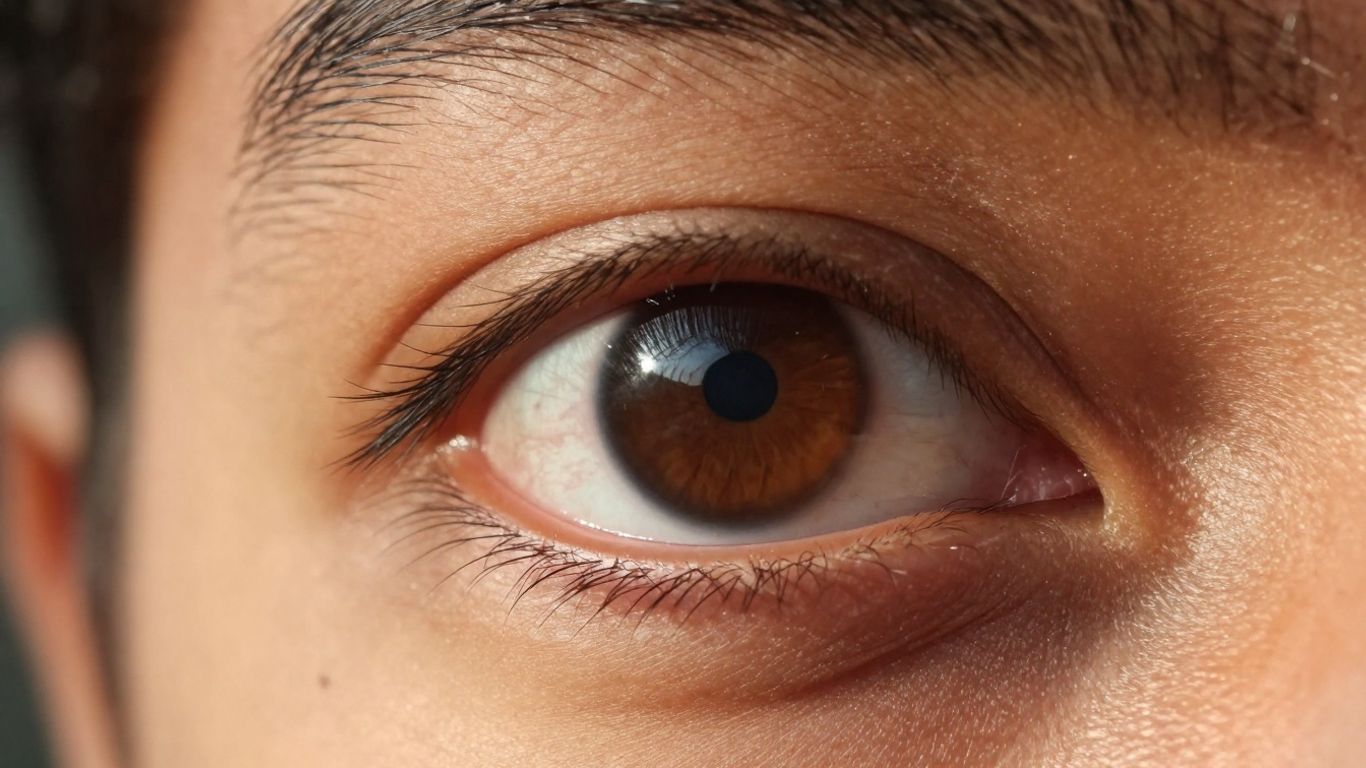
So, you’ve got vision insurance. That’s great! But are you actually using it to its full potential? It’s easy to forget about these benefits, especially if you don’t have immediate vision problems. Think of it like a perk you’re already paying for – not using it is like leaving money on the table. Let’s break down how to get the most bang for your buck.
Preparing for Your Eye Exam Appointment
Before you even step into the eye doctor’s office, a little prep work goes a long way. First off, know what your plan actually covers. Does it include a specific allowance for frames? Are certain lens coatings included, or are they extra? Pull up your plan details or give your insurance provider a quick call. It’s also a good idea to check if your preferred eye doctor is in the plan’s network. Going out-of-network can sometimes mean higher costs, and nobody wants that surprise.
- Review your policy details: Understand your coverage limits for exams, frames, lenses, and contacts.
- Confirm your doctor’s network status: Ensure your chosen provider is in-network to minimize out-of-pocket expenses.
- Gather your prescription history: If you’ve had previous eye exams, having that information handy can be helpful for the doctor.
- Note any specific concerns: Think about digital eye strain, dry eyes, or any other vision issues you’ve been experiencing.
Maximizing Your Coverage Limits
This is where strategy really comes into play. Most vision plans have an annual maximum – the most they’ll pay out in a year. If you know you’ll need new glasses or contacts, and your prescription hasn’t changed much, you might consider timing your purchase. For example, if your benefits reset in January, and you don’t desperately need new glasses right now, waiting until the new year could mean you get a fresh allowance to use.
Many vision plans operate on a calendar year basis for benefits. If you have unused benefits at the end of the year, they typically disappear. It’s often wise to use them before they expire, especially if you anticipate needing new eyewear in the near future.
Here’s a quick look at how benefits might work:
| Benefit Type | Typical Coverage (Example) | Notes |
|---|---|---|
| Eye Exam | $10 copay, covered | Usually once every 12-24 months |
| Frames | $150 allowance | May have a copay or coinsurance |
| Standard Lenses | $25 copay, covered | Includes basic single vision |
| Contact Lenses | $150 allowance | May be in lieu of frame allowance |
| Lens Coatings | Varies | Anti-glare, UV protection often extra |
| Annual Maximum | $1,000 | Total plan payout for the year |
Understanding Direct Billing Options
Direct billing, also known as assignment of benefits, is a real time-saver. Instead of you paying the full amount upfront and then submitting a claim for reimbursement, the provider bills your insurance company directly for their portion. This means you only pay your copay, deductible, or any amount not covered by the plan. It’s a much smoother process and can significantly reduce the amount you need to pay at the time of service. Just be sure to confirm with your provider if they offer direct billing and what information they’ll need from you to set it up. It’s usually as simple as providing your insurance card details.
So, Is Vision Insurance Worth It?
Alright, so we’ve talked a lot about vision insurance. It seems like for most people, especially if you wear glasses or contacts, it’s a pretty good deal. Even if your eyes are fine right now, getting them checked regularly can catch bigger health problems early, which is kind of a big deal. Plus, the monthly cost is usually way less than paying for an exam and new glasses out of your own pocket. Think of it like a safety net for your eyes – you hope you don’t need it, but it’s good to have it there just in case. Definitely worth looking into, especially if your job offers it.
Frequently Asked Questions
What’s the main difference between vision insurance and regular health insurance?
Think of it like this: regular health insurance is for when you get sick or have an accident, covering things like infections or injuries to your eyes. Vision insurance, on the other hand, is like a maintenance plan for your eyes. It mainly helps pay for routine check-ups, glasses, and contact lenses, which your regular health insurance usually doesn’t cover.
Is vision insurance really worth it if my eyesight is perfect?
Even if your vision seems great right now, it’s still a good idea. Eye exams do more than just check if you need glasses. Doctors can spot early signs of serious health problems like diabetes or glaucoma, sometimes before you even notice any symptoms. It’s like a check-up for your overall health, not just your eyes.
Do I need vision insurance if I don’t wear glasses or contacts?
Yes, you might! As mentioned, eye exams can help detect health issues you might not be aware of. Plus, your vision can change over time, even if it’s gradual. Getting regular check-ups can help you catch any changes early and ensure you’re seeing your best.
What kind of things does vision insurance usually cover?
Most plans cover the cost of a yearly eye exam. They also help pay for eyeglasses and contact lenses, though there might be a limit to how much they cover each year. Some plans might also offer discounts on lens add-ons like coatings that prevent scratches or glare.
How much does vision insurance typically cost?
The cost can vary, but it’s usually quite affordable, especially if you get it through your job. Many plans cost around $5 to $15 per month. This is often much less than what you’d pay out-of-pocket for an eye exam and new glasses if you didn’t have insurance.
Can vision insurance help with costs for things like LASIK surgery?
Some vision plans offer discounts or cover a portion of the cost for vision correction surgeries like LASIK. While these procedures can still be expensive, having insurance might make them more manageable. It’s always best to check the specific details of your plan to see what’s included.