

Ever wonder what happens with your home or business insurance if the place is empty for a while? It’s a common question, and it often comes down to something called a vacancy clause insurance. Basically, insurance companies use these clauses to manage the extra risk that comes with a property sitting vacant. It’s not always straightforward, and understanding how these clauses work can save you a lot of headaches, especially when it comes to making sure your coverage stays in place. Let’s break down what you need to know about vacancy clauses in insurance.
Key Takeaways
- A vacancy clause insurance states that coverage might be limited or denied if a property is left unoccupied for a specific period, usually 30 to 60 days.
- Properties are considered vacant when they lack both a place to live and cook, and are not furnished for immediate occupancy.
- Failing to tell your insurer about a vacant property can lead to claim denials or even policy cancellation.
- To keep coverage active for a vacant property, you might need to get a special permit or endorsement from your insurer, and take steps to secure and maintain the property.
- Both residential and commercial properties are subject to vacancy clauses, with rules sometimes differing based on the property type and its intended use.
Understanding Vacancy Clauses in Property Insurance
When you own a property, whether it’s your home, a rental unit, or a business space, you expect your insurance to cover it. But what happens when that property sits empty for a while? This is where vacancy clauses in property insurance come into play. They’re a pretty standard part of many policies, and understanding them is key to making sure you’re actually covered when you think you are.
Defining Property Vacancy for Insurance Purposes
First off, what does ‘vacant’ even mean to an insurance company? It’s not just about whether someone’s living there 24/7. Generally, a property is considered vacant if it’s empty of both people and personal belongings. For residential properties, this often means no one lives there for a certain number of consecutive days, usually 30 or more. For commercial buildings, it might mean it’s no longer being used for its intended business operations. It’s important to know the specific definition in your policy because it can vary. The exact wording in your policy document is what matters most.
Impact of Vacancy on Property Insurance Coverage
So, why does vacancy matter so much to insurers? Well, an empty building presents a higher risk. Think about it: there’s no one there to notice a small fire before it gets big, or to deter vandals or squatters. Because of this increased risk, vacancy can affect your insurance coverage in a few ways. Sometimes, coverage might be reduced, or certain types of claims might not be covered at all. For instance, damage from vandalism or water damage might be excluded if the property is deemed vacant according to the policy’s terms. It’s a bit like leaving your car unlocked in a high-crime area; the risk goes up, and so does the potential for problems. Understanding these policy structures and terms is really important here.
The Role of Vacancy Clauses in Risk Management
From an insurer’s point of view, vacancy clauses are a tool for managing risk. They help insurers price policies more accurately by accounting for the higher likelihood of losses in unoccupied properties. They also encourage policyholders to take steps to protect their property, even when it’s not in use. By having these clauses, insurers can better predict their potential payouts and maintain the financial health of their pool of policyholders. It’s a way to balance the costs and ensure that premiums are fair for everyone. The precise wording is crucial in defining these risks and coverage boundaries.
Key Provisions of Vacancy Clauses
Vacancy clauses in property insurance policies are pretty straightforward, but they have some important details you need to know. Basically, they define what counts as a vacant property and how that affects your coverage. It’s not just about whether someone’s living there; it’s about the duration of the vacancy and what you’re supposed to do about it.
Defining the Vacant Period
Insurers usually have a specific timeframe that defines when a property is considered vacant for policy purposes. This isn’t a one-size-fits-all number; it can vary between policies and insurers. Often, it’s around 30, 60, or 90 consecutive days. If your property sits empty for longer than this period, it might be considered vacant under the terms of your insurance contract.
- 30 Days: Some policies consider a property vacant after 30 days of continuous emptiness.
- 60 Days: A more common timeframe, where 60 days of vacancy triggers specific policy conditions.
- 90 Days: Longer periods of vacancy might fall under this definition, often seen in commercial policies.
It’s really important to check your specific policy documents to see what timeframe your insurer uses. This period is critical because it often dictates when certain coverage limitations or requirements kick in.
Notice Requirements for Vacancy
Many policies require you to notify your insurance company if your property is going to be vacant for an extended period, often exceeding the defined vacant period. Failing to provide this notice can have serious consequences, potentially leading to claim denial. Think of it as a courtesy and a risk management step for both you and the insurer. They need to know the property’s status so they can assess the increased risks involved.
- Inform the Insurer: Always let your insurance provider know if the property will be unoccupied for more than 30 days.
- Document Communication: Keep records of when and how you notified your insurer.
- Follow Up: If the vacancy extends beyond the initial notification period, provide updated information.
This communication is key to maintaining your coverage. It allows the insurer to potentially offer a vacancy permit or endorsement, or at least be aware of the situation.
Impact of Occupancy Status on Coverage
When a property is vacant, especially for extended periods, the type and extent of coverage you have can change significantly. Many standard policies have limitations on coverage for vacant properties. For instance, certain perils like vandalism, water damage from burst pipes (if the heat is off), or fire might have reduced coverage or be excluded entirely. The insurer’s main concern is the increased risk of loss when a property is unoccupied and unattended.
Insurers view vacant properties as higher risk because there’s no one present to notice or mitigate potential problems like leaks, fires, or break-ins. This increased exposure is why specific clauses and conditions are put in place.
Understanding these impacts is vital. If you have a property that will be vacant, you might need to look into specific endorsements or separate policies designed for vacant dwellings to ensure you have adequate protection. For example, if you’re renovating a property and it will be empty for several months, you’ll likely need a special vacancy permit to keep your coverage active for perils like fire or vandalism.
Consequences of Vacancy Clause Violations
When a property is left vacant, it often presents a higher risk to insurers. Think about it – no one’s there to catch a small leak before it becomes a major flood, or to notice a broken window that could lead to theft. Because of this, insurance policies usually have specific rules, called vacancy clauses, about how long a property can be empty before coverage changes or stops. If you don’t follow these rules, it can lead to some pretty serious problems.
This is probably the most common and immediate consequence. If something happens to your property while it’s vacant and you haven’t followed the vacancy clause, your insurance company might just deny the claim altogether. This means you’re on your own to cover the costs of any damage or loss. It’s not just about the property itself; if someone gets injured on your vacant property and decides to sue, your liability coverage might also be affected. It’s a tough spot to be in, especially after a significant event.
Beyond just denying a single claim, violating vacancy clauses can have longer-term impacts on your insurance. In some cases, especially if the insurer feels you intentionally misled them or repeatedly ignored the terms, they might decide to rescind the policy. This is like the policy never existed, and they’ll return your premiums, but it leaves you without coverage and can make it much harder to get insurance elsewhere. More commonly, they might simply choose not to renew your policy when it expires. This forces you to find a new insurer, and your history of vacancy clause violations will likely be a red flag during the underwriting process.
What exactly counts as ‘vacant’ can sometimes be a point of contention. Policies might define it as empty for 30, 60, or 90 consecutive days, but the specifics matter. For instance, is a property considered vacant if a caretaker is present but not living there full-time? Or what if it’s furnished but the owner is away for an extended period? These details are important because courts interpret policy language based on what’s reasonable and often in favor of the policyholder if there’s ambiguity. However, clear policy language and honest communication with your insurer about the property’s status are always the best defense against disputes.
Here’s a breakdown of common issues:
- Defining the Vacant Period: Policies specify a timeframe (e.g., 60 days) after which the property is considered vacant for coverage purposes.
- Notice Requirements: Many policies require you to notify the insurer before the property becomes vacant or within a certain period after it does.
- Impact on Coverage: Once vacant beyond the specified period without notice, certain perils (like vandalism or water damage) might be excluded, or the coverage limits could be reduced.
It’s easy to overlook the fine print when you’re dealing with a property that’s temporarily empty. But insurance policies are contracts, and the insurer has a right to know about changes in risk. Failing to disclose a vacant status, or not adhering to the specific terms related to it, can void your coverage when you need it most. Always read your policy carefully and talk to your agent if you’re unsure about anything.
Mitigating Risks Associated with Vacant Properties
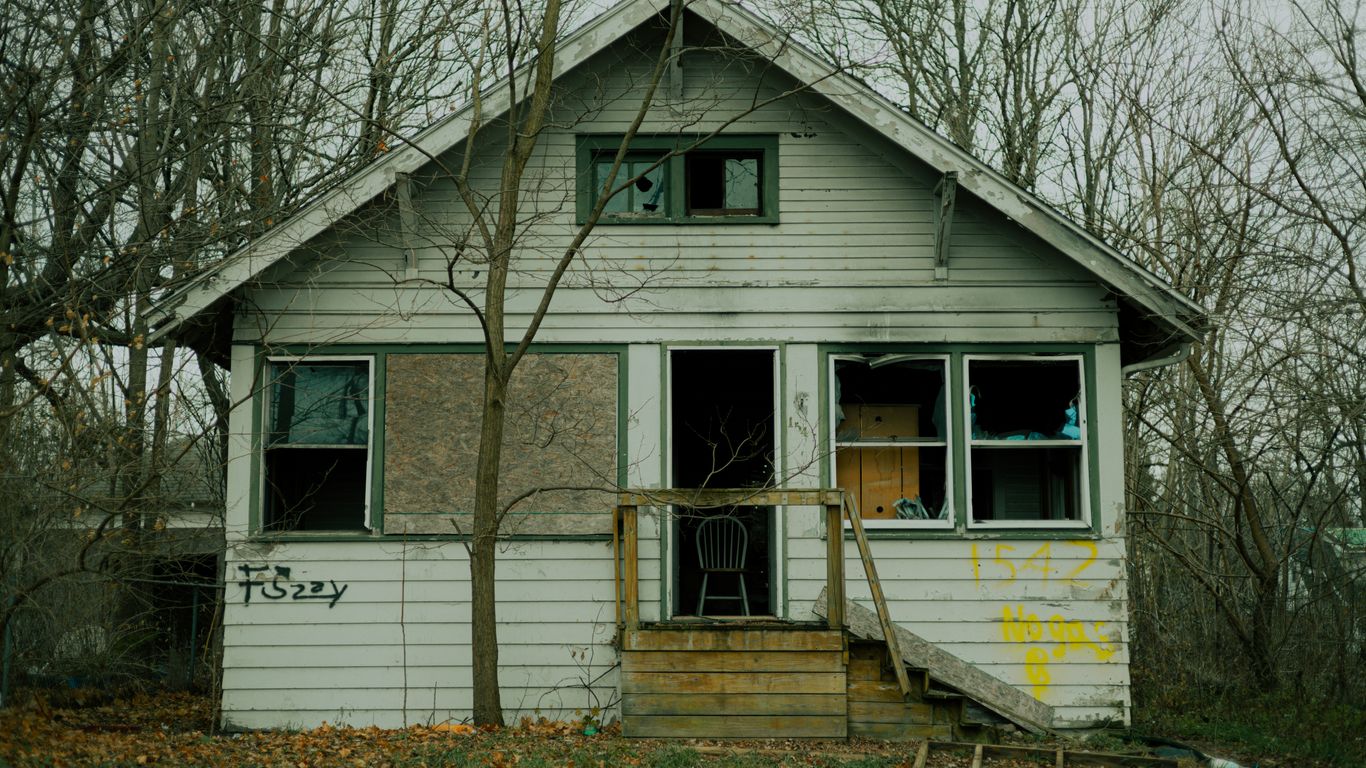
When a property sits empty, it’s like an open invitation for trouble. Things can go wrong much faster than you might think, and your insurance policy might not cover everything if you’re not careful. It’s not just about break-ins; water damage from a burst pipe or a small fire can spread quickly without anyone noticing. Taking proactive steps is key to keeping your property safe and your insurance valid.
Proactive Risk Assessment for Vacant Properties
Before a property becomes vacant, or as soon as it does, it’s smart to take a good look at what could go wrong. Think about the usual suspects: theft, vandalism, fire, and water damage. What are the weak spots? Are there old pipes that could freeze? Is the electrical system up to date? A thorough assessment helps you see where you need to focus your efforts. It’s about identifying potential hazards before they become actual problems. This kind of review is something insurance brokers can help with, as they look at all sorts of potential exposures.
Implementing Security Measures for Vacant Buildings
Making a vacant building less attractive to trouble is a good strategy. This means more than just locking the doors. Consider:
- Visible Deterrents: Good lighting, especially motion-activated lights, can make a big difference. Signs indicating an alarm system or that the property is monitored can also help.
- Physical Security: Reinforce doors and windows. If it’s a long-term vacancy, boarding up windows might be necessary, but make sure it’s done in a way that doesn’t look like the property is abandoned.
- Regular Checks: Having someone visit the property regularly, even if just to drive by, can deter potential issues and catch problems early.
Maintaining Property Condition During Vacancy
Keeping the property in good shape is just as important as security. Neglect can lead to bigger problems that insurance might not cover.
Even if a property is empty, it still needs basic upkeep. This includes things like ensuring the roof isn’t leaking, managing any landscaping that could become overgrown, and making sure utilities are maintained to prevent freezing or other issues. Ignoring these can lead to claims being denied.
For example, if a pipe bursts because the heat was turned off in winter and the property wasn’t winterized properly, the insurer might argue that the loss was due to neglect. It’s important to understand your insurance policy and its conditions regarding maintenance, especially for unoccupied structures.
Types of Properties Affected by Vacancy Clauses
Vacancy clauses in property insurance don’t just apply to one kind of building or situation. They can pop up in policies covering a wide range of properties, and the specifics often depend on whether it’s a place where people live or where business happens.
Residential Property Vacancy Considerations
For homes, think about houses, apartments, or condos. If a property is left empty for an extended period, say 30, 60, or 90 days, it’s generally considered vacant. This is a big deal for insurers because an empty house is more vulnerable. Vandals might break in, squatters could move in, or if a pipe bursts, there’s no one there to notice it right away, leading to more significant water damage. Most standard homeowners policies have limits on how long a property can be vacant before coverage changes. If you’re planning to be away for a while, like on an extended vacation or if your home is between tenants, you’ll need to check your policy carefully. Sometimes, you can get a specific endorsement or permit to extend coverage for a vacant property, but this usually comes with a higher premium. It’s all about managing the increased risk that comes with an unoccupied dwelling.
Commercial Property Vacancy Implications
Commercial properties, like office buildings, retail spaces, or warehouses, also fall under vacancy clause rules. The definition of vacancy here can be a bit different. For a retail store, it might mean the business has ceased operations and the premises are empty. For an office building, it could mean a significant portion of the leased space is unoccupied. Insurers look at these situations and see increased risks similar to residential properties – vandalism, unauthorized entry, and delayed discovery of damage. Business interruption coverage, which is common in commercial policies, might also be affected if the property is vacant. If a business isn’t operating, the need for that coverage might be questioned. It’s important for business owners to understand how long their property can be unoccupied before their commercial property insurance coverage is impacted.
Seasonal and Secondary Residence Vacancy Rules
Properties that are only used part-time, like vacation homes or cabins, present a unique challenge for vacancy clauses. These places are expected to be unoccupied for certain periods. Insurers often have specific rules for these types of properties. For example, a policy might allow for vacancy during the off-season, but require the property to be secured and maintained. If a seasonal home is left vacant for longer than the policy allows, or if it’s not properly secured, claims for damage like fire or theft might be denied. It’s crucial to communicate with your insurer about the intended use and occupancy schedule of your seasonal or secondary residence to ensure you have the right coverage in place. Failing to do so could lead to a denied claim when you need it most, and understanding the difference between Replacement Cost and Actual Cash Value is important in these scenarios.
Vacancy clauses are designed to address the heightened risks associated with unoccupied properties. Insurers view vacant buildings as more susceptible to damage from perils like vandalism, fire, and water, and they adjust coverage terms accordingly. Policyholders must be aware of these clauses and proactively communicate any extended periods of vacancy to their insurer to maintain valid coverage.
Insurance Underwriting and Vacancy
When an insurance company looks at a property, especially one that might be empty for a while, they’ve got a whole process to figure out if they can even offer coverage, and if so, what it’ll cost. This is basically underwriting, and vacancy status is a big piece of that puzzle.
Underwriting Practices for Vacant Properties
Insurers have specific guidelines for vacant properties because, let’s face it, an empty building is just riskier. Think about it: no one’s there to catch a small leak before it becomes a huge flood, or to notice a broken window that could lead to vandalism. Underwriters will look at how long the property is expected to be vacant, the reasons for vacancy (is it under renovation, or just abandoned?), and the property’s condition. They might require certain safety measures to be in place, like reinforced doors and windows, or regular inspections. The goal is to assess the increased risk and decide if the property can be insured at all, or under what conditions. Sometimes, they’ll offer a specific "vacancy permit" or endorsement, which is essentially a temporary agreement for coverage while the property is unoccupied. This often comes with a higher premium because, well, the risk is higher. You can find more about how insurers assess risk on pages like understanding applicant risk.
Risk Classification and Vacancy Status
Properties are grouped into different risk categories, and vacancy is a major factor in this classification. A property that’s regularly occupied by its owner or tenants is in a much lower risk category than one that’s sitting empty. When a property becomes vacant, it might get moved into a higher risk classification. This means the potential for claims like fire, theft, or vandalism goes up. Insurers use this classification to set their rates and to manage their overall exposure. If too many high-risk (vacant) properties end up in their pool, it can throw off their financial balance. So, they’re pretty careful about how they classify these situations.
The Influence of Vacancy on Premium Rates
So, how does vacancy actually affect what you pay? Generally, if your property becomes vacant, your insurance premium is likely to go up. This isn’t just a random charge; it’s directly tied to the increased risk we talked about. The longer the vacancy, the higher the potential premium. Some policies might even have a clause that says coverage is reduced or eliminated entirely after a certain period of vacancy, say 30 or 60 days, unless you get a specific endorsement. This is why it’s so important to communicate any extended vacancy to your insurer. They might offer different coverage options or require you to take specific steps to keep your premium manageable. Understanding the different parts of your policy, like coverage triggers and valuation methods, can help you see how these changes impact your protection.
Navigating Vacancy Clause Insurance Challenges
Dealing with insurance policies when a property is vacant can feel like walking a tightrope. It’s not always straightforward, and understanding your obligations is key to avoiding problems.
Disclosure Obligations Regarding Property Occupancy
One of the most important things you need to do is be upfront with your insurance company about the occupancy status of your property. Failure to disclose material facts, like a property being vacant, can lead to serious consequences. This is part of the utmost good faith principle that governs insurance contracts. If you don’t tell them, and something happens, they might have grounds to deny your claim or even cancel your policy. It’s better to over-communicate than to assume they know or will find out later.
Communicating Vacancy Status to Insurers
So, how do you actually tell your insurer? It’s usually best to do this in writing. A simple letter or email outlining the dates the property will be vacant and the reason for vacancy is a good start. Keep a copy for your records. Sometimes, insurers might require specific forms or endorsements to cover a vacant property, especially if it’s going to be empty for an extended period. Don’t just assume your standard policy covers it indefinitely. It’s worth checking the policy details or giving them a call to see what their specific requirements are for vacant properties.
Seeking Specialized Vacancy Insurance Solutions
If your property is going to be vacant for a while, your standard homeowner’s or business policy might not be enough. Many insurers offer specific endorsements or even separate policies designed for vacant properties. These might come with different terms and conditions, and potentially higher premiums, but they provide the necessary coverage. For instance, a vacant property might be more susceptible to vandalism or certain types of damage that wouldn’t occur if it were occupied. Specialized policies are designed to account for these increased risks. It’s a good idea to shop around and talk to different agents or brokers to find the best fit for your situation, especially if you’re dealing with a property that’s hard to insure under normal circumstances.
Here’s a quick look at what might change with a vacancy endorsement:
| Coverage Type | Standard Policy Impact | Vacancy Endorsement Impact |
|---|---|---|
| Vandalism | Often Limited | May be Included |
| Fire | Typically Covered | Typically Covered |
| Water Damage (Freezing) | Often Excluded | May be Covered (with maint.) |
| Theft | Often Limited | May be Included |
Remember, even with specialized coverage, you’ll likely still have responsibilities. These often include maintaining the property, securing it against entry, and ensuring utilities are managed appropriately to prevent damage. Always read the fine print of any endorsement or policy to know exactly what’s covered and what isn’t.
The Insurer’s Perspective on Vacancy
From an insurance company’s point of view, a vacant property presents a significantly different risk profile compared to an occupied one. It’s not just about a building sitting empty; it’s about the increased potential for certain types of losses that become more likely when no one is actively present. Think about it: a small leak might be noticed and fixed quickly in a lived-in home, but in an empty one, it could go unnoticed for weeks, leading to extensive water damage and mold. This is why vacancy clauses are so important to insurers.
Increased Risk Exposure in Vacant Properties
When a property is vacant, the opportunities for trouble really ramp up. Vandals might see it as an easy target, leading to property damage or theft. Fires can spread more rapidly without anyone present to notice or react. Even simple things like pests or weather-related issues can cause more significant damage because there’s no one there to catch them early. Insurers view vacancy as a condition that inherently elevates the risk of loss.
Here’s a quick look at some of the heightened risks:
- Vandalism and Theft: Empty buildings are often seen as easier targets for break-ins and destruction.
- Fire Spread: Without immediate detection, fires can grow much larger and cause more severe damage.
- Water Damage: Leaks from plumbing or roofs can go unnoticed, leading to extensive structural damage and mold growth.
- Pest Infestations: Rodents and insects can cause damage to property and create health hazards.
- Weather Damage: Storms or freezing temperatures can cause damage that might be mitigated if someone were present.
Preventing Moral Hazard with Vacancy Clauses
Vacancy clauses also play a role in managing what’s known as moral hazard. This concept comes up when having insurance might, even unintentionally, change someone’s behavior. If a property is insured and then left vacant for an extended period without proper precautions, the policyholder might not be as motivated to secure it or check on it as they would be if they had no coverage. The vacancy clause acts as a safeguard, reminding property owners that they still have responsibilities. It encourages them to maintain the property and protect it, even when it’s not actively being used. This helps keep the insurance pool fair for everyone. It’s about ensuring that the policyholder takes reasonable steps to prevent losses, rather than relying solely on the insurance to cover them after the fact. This principle is a cornerstone of how insurance contracts operate, demanding honesty and transparency from both sides, as outlined in the principle of utmost good faith.
The Role of Exclusions in Vacancy Clauses
Exclusions are a critical part of any insurance policy, and they are particularly relevant when it comes to vacant properties. Insurers use exclusions to clearly define what types of losses are not covered. For vacancy clauses, this often means that if a loss occurs due to a peril that is more likely because the property was vacant, the claim might be denied. For example, a policy might exclude damage caused by vandalism if the property has been vacant for more than 30 consecutive days and the insurer wasn’t notified. Or, damage from freezing pipes might not be covered if the heat was turned off and the water wasn’t drained. These exclusions aren’t meant to be punitive; they are designed to align the coverage with the actual risk being insured. By specifying these exclusions, insurers can better manage their exposure and offer coverage at a more sustainable price for all policyholders. It’s a way to manage the financial risk associated with properties that have a higher chance of experiencing certain types of damage.
Understanding these exclusions is vital for policyholders. It clarifies the boundaries of coverage and highlights the importance of adhering to the conditions set forth in the policy, especially concerning property occupancy status. Failing to do so can lead to unexpected claim denials when a loss occurs.
Policyholder Responsibilities Under Vacancy Clauses
When your property is vacant, you’ve got some specific duties to your insurance company. It’s not just about telling them the place is empty; it’s about actively managing the risks that come with it. Think of it as a partnership – they’re covering you, but you need to do your part to keep things from going sideways.
Adhering to Policy Conditions During Vacancy
First off, you absolutely have to read your policy. Seriously, don’t just shove it in a drawer. Vacancy clauses often spell out exactly what you need to do when a property is unoccupied for a certain period. This might include things like:
- Regular Inspections: You might be required to visit the property at least weekly, or bi-weekly, to check for any issues. This isn’t just a suggestion; it’s often a condition of coverage.
- Securing the Property: This means making sure all doors and windows are locked, and any other security measures mentioned in the policy are in place. No leaving the back door unlocked just because it’s "empty."
- Maintaining Utilities: Depending on the policy and the season, you might need to keep essential utilities like heat and water on to prevent freezing or other damage. This is a big one, especially in colder climates.
Failing to follow these conditions can be a major problem if something happens. It’s like not following the rules of a game – you might get disqualified from getting any help when you need it most. It’s important to understand that insurance contracts require utmost good faith from both parties, and that includes you being upfront and diligent.
Documenting Property Status and Maintenance
This is where you become your own best witness. If something does go wrong, you’ll need proof that you were doing what you were supposed to. Keep records! This could involve:
- Inspection Logs: A simple logbook or spreadsheet detailing when you visited, what you checked, and any observations. Note down if you saw any leaks, if the mail was piling up, or if anything seemed out of place.
- Maintenance Records: Keep receipts for any work done, like lawn care, snow removal, or repairs. If you had to fix a leaky faucet, keep that invoice.
- Photographic Evidence: Take dated photos or videos periodically, especially after inspections, to show the property’s condition and that it was secured.
This documentation is your shield. It shows you acted responsibly and weren’t negligent. It can be the difference between a claim being paid and being denied. Remember, insurers often issue a reservation of rights letter when they’re investigating a claim, and having your own solid records can help clarify the situation.
Understanding Insurable Interest in Vacant Properties
Having an insurable interest means you stand to suffer a financial loss if the property is damaged or destroyed. This sounds obvious, but it’s worth thinking about in the context of vacancy. If you’re renting out a property and the tenant moves out, but you haven’t updated your policy or informed your insurer, you might still have an insurable interest. However, if the property is vacant for an extended period, and you’ve failed to meet the policy’s conditions, your insurable interest might be challenged, or at least, the coverage for certain types of losses could be voided. It’s about demonstrating that you have a legitimate financial stake and that you’ve taken reasonable steps to protect that stake. If you’re unsure about your specific situation, it’s always best to talk directly with your insurance provider.
Endorsements and Modifications for Vacancy
Sometimes, standard insurance policies just don’t quite fit when your property is going to be empty for a while. That’s where endorsements and modifications come into play. Think of them as ways to tweak your existing policy to better match your specific situation, especially concerning vacant properties.
Adding Vacancy Permits to Policies
If you know your property will be unoccupied for a period that exceeds what your standard policy allows, you’ll likely need a vacancy permit. This is essentially an endorsement that formally acknowledges the vacancy and adjusts the terms. Without it, you might find yourself without coverage if something happens. It’s a way to get specific permission from the insurer to have the property vacant, often for a set duration.
- Duration of Vacancy: Clearly state how long the property is expected to be vacant.
- Occupancy Status: Detail if the property is completely empty or if there’s any limited use.
- Maintenance Plans: Outline any steps you’ll take to maintain the property.
Modifying Coverage for Extended Vacancy Periods
Standard policies often have limits on how long a property can be vacant before coverage is restricted or voided. If you anticipate a longer vacancy, perhaps due to renovations, a prolonged sale process, or awaiting new tenants, you’ll need to modify your coverage. This might involve increasing deductibles, adding specific exclusions for certain perils that are more likely during vacancy (like vandalism), or even adjusting the coverage limits. It’s about tailoring the policy to the increased risks associated with an empty building.
Insurers view vacant properties differently because they present a higher risk profile. Without regular oversight and maintenance, issues like undetected water leaks, electrical problems, or security breaches can escalate quickly, leading to more significant losses. Modifying coverage acknowledges these heightened risks and allows the insurer to price them appropriately.
Understanding the Limitations of Vacancy Endorsements
While vacancy endorsements are helpful, they aren’t a magic bullet. It’s important to understand what they don’t cover. Often, these endorsements will still have limitations or specific conditions that must be met. For example, an endorsement might cover fire damage but exclude theft or vandalism. You also need to be aware of the maximum duration the endorsement is valid for. Always read the fine print to know exactly what protections you have and what risks remain. It’s also worth noting that some insurers may not offer endorsements for properties vacant for extremely long periods, requiring you to seek specialized vacancy insurance solutions instead.
Here’s a quick look at common limitations:
- Specific Peril Exclusions: Certain risks might still be excluded, even with an endorsement.
- Maintenance Requirements: You may still need to meet certain upkeep standards.
- Time Limits: The endorsement is usually only valid for a defined period.
Wrapping Up: Understanding Your Policy
So, we’ve gone over a lot about insurance policies, and yeah, it can get pretty detailed. Things like what you need to tell your insurance company upfront, what happens if you don’t, and how they figure out what to charge you are all pretty important. It’s not just about paying a bill; it’s about knowing the rules of the game. Really, the main takeaway is that reading your policy, especially the parts about what’s covered and what’s not, is a good idea. It might seem like a chore, but it can save you a lot of headaches down the road if something unexpected happens. Just take it one step at a time.
Frequently Asked Questions
What exactly is a vacant property according to an insurance policy?
When your house or building is empty and no one is living there for a certain amount of time, like 30, 60, or 90 days, it’s usually considered vacant by insurance companies. This time frame can differ based on your specific insurance policy.
Why do insurance companies care if my property is vacant?
Vacant buildings are seen as riskier. There’s a higher chance of things like theft, vandalism, or damage from things like water leaks going unnoticed. Because of this increased risk, insurers have specific rules, called vacancy clauses, to manage it.
What happens to my insurance coverage if my property becomes vacant?
If your property is vacant, your regular insurance coverage might be reduced or even canceled. Many policies have limits on what they’ll cover for vacant buildings, especially for damage like fire or vandalism. It’s super important to check your policy.
Do I need to tell my insurance company if my property is going to be empty?
Yes, absolutely! You should always tell your insurance agent or company if you plan to leave your property empty for an extended period. Failing to do so could lead to your claims being denied or your policy being canceled.
What are the consequences if I don’t follow the vacancy clause rules?
If you don’t follow the rules in your vacancy clause, and something bad happens to your property while it’s vacant, your insurance company might refuse to pay your claim. In some cases, they could even cancel your policy altogether.
Can I get special insurance for a vacant property?
Yes, you often can. Insurers offer specific types of policies or endorsements, which are like add-ons to your policy, designed for vacant properties. These are sometimes called ‘vacancy permits’ or ‘unoccupied property coverage’ and can provide better protection.
What steps can I take to protect my property while it’s vacant?
To lower the risks, you can take several steps. Make sure the property is secure with good locks, consider setting up a security system, keep the lawn mowed, and arrange for someone to check on the property regularly. Keeping it in good condition shows it’s not neglected.
Does it matter if it’s a house or a business building when it comes to vacancy clauses?
No, it doesn’t matter if it’s your home or a commercial building; vacancy clauses apply to both. The rules and timeframes might be different, but the basic idea is the same: empty buildings are a higher risk for insurers.