

So, you’ve been in a car accident, and the other driver’s insurance just doesn’t cut it. That’s where underinsured motorist coverage comes in. It’s like a safety net for your wallet when the person who caused the crash doesn’t have enough insurance to cover your medical bills or car repairs. We’ll break down what this coverage is all about, how to figure out how much you need, and what to do if you have to use it. It’s not the flashiest part of your car insurance, but it can be a real lifesaver when you need it most.
Key Takeaways
- Underinsured motorist coverage helps pay for your damages when the at-fault driver’s insurance isn’t enough to cover your costs.
- Choosing the right coverage limits involves looking at your assets, potential medical bills, and how much protection you feel you need.
- The claims process for underinsured motorist coverage usually starts after you’ve exhausted the other driver’s liability limits.
- It’s important to know how underinsured motorist coverage differs from uninsured motorist coverage and how it works with your other auto insurance policies.
- Having adequate underinsured motorist coverage protects your finances from the fallout of accidents caused by drivers with insufficient insurance.
Understanding Underinsured Motorist Coverage
Defining Underinsured Motorist Coverage
So, what exactly is underinsured motorist (UIM) coverage? Think of it as a safety net for when you’re in an accident caused by another driver, but that driver doesn’t have enough insurance to cover your damages. It’s a part of your own auto insurance policy that steps in to help pay for things like medical bills, lost wages, and even pain and suffering if the at-fault driver’s liability limits aren’t high enough. It’s important to know that UIM coverage typically comes in two flavors: UMPD (Underinsured Motorist Property Damage) and UMBI (Underinsured Motorist Bodily Injury). UMBI is usually the more significant one, covering your injuries.
The Purpose of Underinsured Motorist Coverage
The main reason UIM coverage exists is pretty straightforward: to protect you. When you’re injured or your car is damaged because someone else was negligent, you should be able to recover your losses. However, many drivers carry only the minimum liability insurance required by law, which often isn’t enough to cover serious accidents. UIM coverage bridges that gap, ensuring you’re not left footing the bill for someone else’s insufficient insurance. It provides a layer of financial security, preventing a bad situation from becoming a financial catastrophe.
Key Components of Underinsured Motorist Coverage
Understanding the parts of UIM coverage can make a big difference. Here’s a breakdown:
- Bodily Injury (UMBI): This is the most critical part. It covers medical expenses, lost income, pain and suffering, and other costs related to your injuries if the at-fault driver’s bodily injury liability limits are too low.
- Property Damage (UMPD): This part helps pay for repairs or replacement of your vehicle if the at-fault driver’s property damage liability limits are insufficient. In some states, this coverage might have a deductible.
- Coverage Limits: Just like other insurance coverages, UIM has limits. These are the maximum amounts your insurance company will pay out per person or per accident. It’s vital to choose limits that adequately reflect your potential needs.
- Relationship to Liability Limits: Your UIM coverage limits are often tied to your own liability coverage limits. For example, if you have $100,000 in bodily injury liability coverage, you might also have the option to purchase up to $100,000 in UIM coverage.
It’s easy to think that minimum liability coverage is enough, but accidents can quickly exceed those limits. UIM coverage acts as a personal safety net, picking up where the other driver’s inadequate insurance falls short. It’s about making sure you can recover financially, even when the other party can’t cover the full cost of their mistake.
Determining Underinsured Motorist Coverage Limits
Figuring out how much underinsured motorist (UIM) coverage you actually need can feel like a puzzle. It’s not just about picking a random number; it’s about looking at your own situation and what could happen if you’re in an accident with someone who doesn’t have enough insurance. Think of it as building a safety net – you want it strong enough to catch you if you fall, but you don’t want to pay for more than you need.
Factors Influencing Coverage Limits
Several things play a role when you’re deciding on your UIM limits. Your state’s minimum requirements are a starting point, but they’re often quite low and might not offer much real protection. Then there’s the amount of liability coverage you carry on your own policy. It generally makes sense to have UIM limits that are at least as high as your own liability limits, so you’re covered if you cause an accident and also if someone else causes one and doesn’t have enough insurance to cover your damages.
- Your State’s Laws: Minimum coverage requirements vary significantly. Some states mandate UIM coverage, while others make it optional.
- Your Assets: If you own a home, have significant savings, or other valuable assets, you’ll want higher limits to protect them from potential lawsuits.
- Your Income: A higher income means a greater potential loss of earnings if you’re unable to work due to an accident.
- Your Risk Tolerance: How comfortable are you with the possibility of out-of-pocket expenses after a serious accident?
Assessing Your Personal Needs for Coverage
To really get a handle on what you need, take a good look at your finances and lifestyle. How much would it cost to replace your car? What are your medical bills likely to be if you’re seriously injured? Consider your debts and savings. If an accident left you with substantial medical debt and unable to work for a while, how would you manage?
It’s wise to think about the worst-case scenario. While you hope it never happens, imagining a severe accident where the at-fault driver has minimal insurance can help you understand the potential financial gap you need to cover.
Here’s a way to think about it:
- Estimate your potential medical expenses: Consider deductibles, co-pays, and costs not covered by health insurance.
- Calculate lost income: Figure out how much you earn and how long you might be unable to work.
- Assess property damage: Think about the value of your vehicle and any other property that could be damaged.
- Factor in pain and suffering: This is harder to quantify but is a real component of damages in many accidents.
Balancing Cost and Protection
Of course, more coverage usually means a higher premium. It’s a balancing act. You want to be protected, but you also need to afford the insurance. Get quotes for different coverage levels to see how the price changes. Sometimes, a small increase in premium can significantly boost your protection. Don’t just go for the cheapest option; think about the value you’re getting in terms of financial security. Your insurance agent can be a good resource here, helping you understand the trade-offs.
Navigating Underinsured Motorist Claims
When you’re in an accident caused by someone else, and their insurance isn’t enough to cover your damages, that’s where underinsured motorist (UIM) coverage comes into play. It’s designed to help bridge that financial gap. But what happens after the accident? How do you actually use this coverage?
When to File an Underinsured Motorist Claim
You’ll typically consider filing a UIM claim when the at-fault driver’s liability insurance limits are exhausted, and there’s still a shortfall in covering your medical bills, lost wages, or other accident-related expenses. This often happens in serious accidents where injuries are significant, or vehicle damage is extensive.
Here are some common situations where a UIM claim might be necessary:
- Serious Injuries: If you have substantial medical expenses that exceed the at-fault driver’s policy limits.
- Significant Lost Income: When your ability to work is impacted for an extended period, and the at-fault driver’s coverage can’t compensate for the lost earnings.
- High Vehicle Repair Costs: If the cost to repair or replace your vehicle is more than the at-fault driver’s property damage liability limit.
- Multiple Injured Parties: In accidents involving several people injured, the at-fault driver’s limits might be split among them, leaving less for each individual.
It’s important to remember that your UIM coverage has its own limits, just like any other insurance policy. Your claim can only pay up to the amount specified in your policy, even if your actual damages are higher.
The Claims Process Explained
Filing a UIM claim involves a few key steps. First, you’ll need to notify your own insurance company about the accident and your intention to file a UIM claim. They will then likely assign a claims adjuster to your case.
This adjuster will investigate the accident to confirm fault and assess the extent of your damages. They’ll review the at-fault driver’s insurance policy limits and the amount they’ve paid out (or are offering).
Your insurance company will then determine how much of your remaining damages can be covered by your UIM policy, up to your policy’s limits. This often involves negotiation, especially if there’s a disagreement about the value of your losses.
Gathering Necessary Documentation for Claims
To support your UIM claim, you’ll need to provide a good amount of information. Having everything organized can make the process smoother.
Here’s a list of common documents and information you’ll likely need:
- Police Report: The official report filed by law enforcement at the accident scene.
- Medical Records and Bills: All documentation related to your injuries, treatment, and associated costs.
- Proof of Lost Wages: Pay stubs, employer statements, or tax returns showing income lost due to the accident.
- Vehicle Repair Estimates or Bills: Documentation detailing the cost of repairing your vehicle.
- Photos and Videos: Any visual evidence of the accident scene, vehicle damage, and your injuries.
- At-Fault Driver’s Insurance Information: Details about the other driver’s policy, including their insurance company and policy number.
- Correspondence with the At-Fault Driver’s Insurer: Any letters, emails, or notes from the other driver’s insurance company.
Submitting these documents promptly and accurately helps your insurance company process your claim efficiently.
Underinsured Motorist Coverage vs. Other Coverages
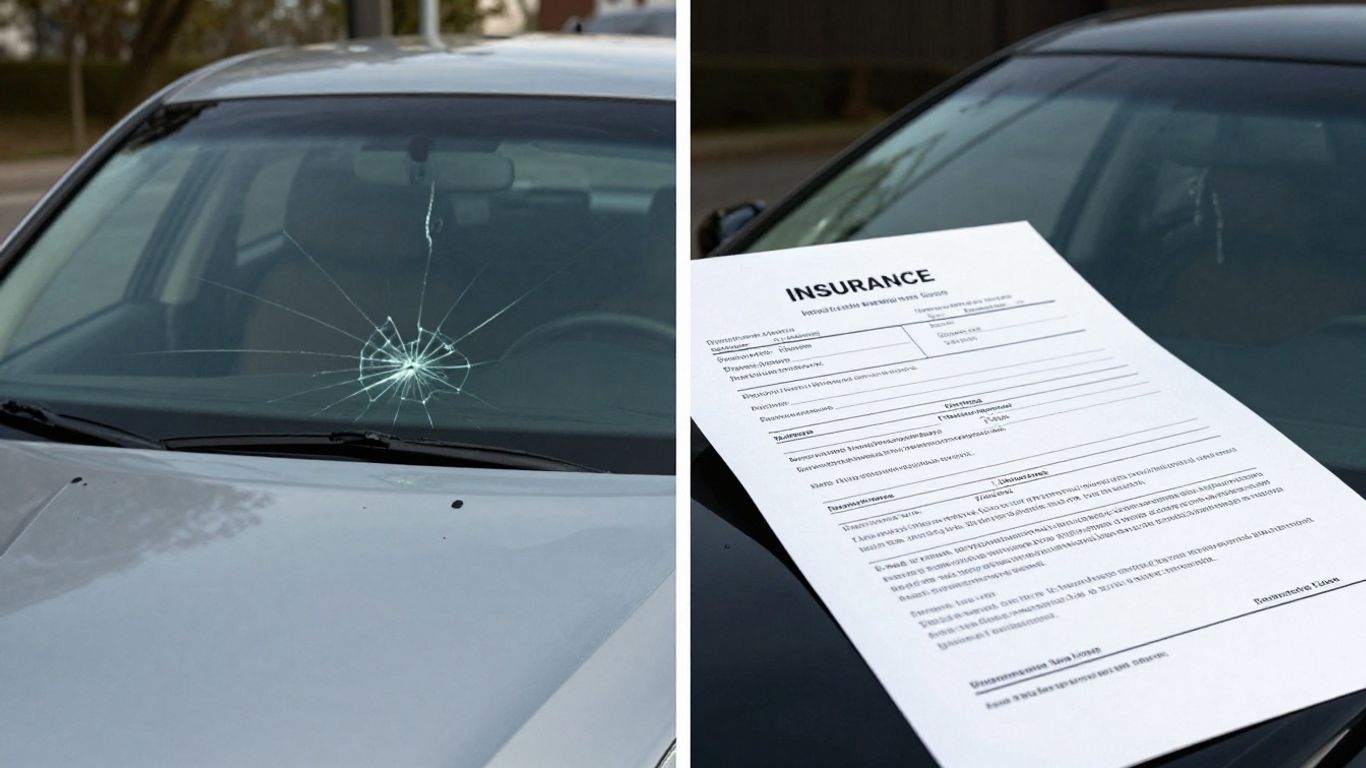
When you’re thinking about car insurance, it’s easy to get a little mixed up between the different types of coverage. Underinsured Motorist (UIM) coverage is one piece of the puzzle, but it works alongside other parts of your policy. Let’s break down how it fits in.
Distinguishing From Uninsured Motorist Coverage
Uninsured Motorist (UM) coverage and Underinsured Motorist (UIM) coverage are often discussed together because they both protect you when the at-fault driver doesn’t have enough insurance. The main difference is the amount of coverage the other driver has. UM coverage kicks in when the other driver has no insurance at all. UIM coverage, on the other hand, applies when the at-fault driver has insurance, but their policy limits aren’t high enough to cover all of your damages. Think of it this way:
- UM: The other driver has $0 in liability insurance.
- UIM: The other driver has liability insurance, but it’s less than your UIM coverage limit and not enough to pay for your losses.
Many states offer UM and UIM coverage as a package, sometimes called UM/UIM. It’s designed to fill the gap when the other driver’s insurance falls short, whether it’s completely absent or just insufficient.
Relationship With Liability Coverage
Your own auto insurance policy has several parts. Liability coverage is what you buy to pay for damages you cause to others. It covers bodily injury and property damage to third parties if you’re at fault in an accident. UIM coverage is different; it’s a first-party coverage, meaning it protects you and your passengers. It doesn’t pay for damages you cause to others. Instead, it steps in to cover your own injuries and damages when the at-fault driver’s liability limits aren’t enough to make you whole.
It’s important to remember that your liability limits and your UIM limits are separate. Having high liability limits doesn’t automatically mean you have adequate UIM coverage. You need to select UIM limits that align with your potential needs.
The Role of Collision and Comprehensive Coverage
Collision and comprehensive coverage are also first-party coverages, but they focus on damage to your vehicle. Collision covers damage from accidents with other vehicles or objects, regardless of fault. Comprehensive covers damage from other events like theft, vandalism, fire, or falling objects. UIM coverage, however, is primarily focused on your bodily injuries and, in some states, property damage that exceeds the at-fault driver’s liability limits. While your collision coverage might pay to fix your car after an accident with an underinsured driver, UIM coverage is there to help with medical bills, lost wages, and pain and suffering that your health insurance or the other driver’s limited liability might not fully cover.
Evaluating Policy Limits and Payouts
Understanding Maximum Payout Amounts
When you have underinsured motorist (UIM) coverage, it’s really important to know what the maximum amount your insurance company will pay out is. This is set by your policy’s limits. Think of it like a ceiling – once that amount is reached, the insurer’s responsibility stops. These limits are usually shown on your policy’s declarations page, often as two numbers, like $100,000/$300,000. The first number is the maximum they’ll pay for one person’s injuries in a single accident, and the second is the maximum for all injuries in that accident. It’s not just about UIM, though; this applies to other coverages too. Knowing these numbers helps you understand your financial protection after an accident.
How Limits Affect Claim Settlements
Your UIM coverage limits directly influence how much you can receive in a claim settlement. If the at-fault driver has insurance, but their limits aren’t enough to cover your damages, your UIM coverage kicks in to cover the difference, up to your policy’s limit. For example, if you have $100,000 in UIM coverage and your medical bills and lost wages total $80,000, but the other driver’s insurance only pays out $25,000, your UIM policy could potentially cover the remaining $55,000. However, if your damages were $120,000 and the other driver’s insurance paid $25,000, your UIM coverage would only pay up to your $100,000 limit, leaving you to cover the final $20,000 out-of-pocket.
The Impact of Deductibles on Underinsured Motorist Claims
Just like with other types of insurance, UIM coverage often comes with a deductible. This is the amount you have to pay yourself before your insurance coverage starts paying. For UIM claims, the deductible is typically subtracted from the amount your insurer pays out. So, if you have a $500 deductible on your UIM coverage and your claim settlement is $10,000, your insurance company would pay $9,500. It’s a good idea to check your policy to see what your deductible is and how it applies to UIM claims, as it can affect the total amount you receive.
Here’s a quick look at how limits and deductibles work together:
| Coverage Type | Policy Limit | Deductible | Maximum Payout (Before Deductible) | Net Payout (After Deductible) |
|---|---|---|---|---|
| UIM Bodily Injury | $100,000 | $500 | $80,000 | $79,500 |
| UIM Property Damage | $25,000 | $250 | $20,000 | $19,750 |
It’s important to remember that your UIM coverage limit is the absolute maximum your insurer will pay, regardless of your total losses. If your damages exceed your UIM limit, you’ll be responsible for the remaining amount.
The Importance of Adequate Underinsured Motorist Coverage
Protecting Yourself From Underinsured Drivers
When you’re out on the road, the unexpected can happen in a flash. One of the biggest worries is getting into an accident caused by someone else, only to find out their insurance won’t cover the full extent of your damages. This is where underinsured motorist (UIM) coverage really steps in. It’s like a safety net designed to help you out when the at-fault driver doesn’t have enough insurance to pay for your medical bills, lost wages, or vehicle repairs. Without it, you could be left paying a lot of money out of your own pocket, which can be a huge financial burden.
Ensuring Financial Security After an Accident
Think about what could happen if you’re seriously injured in a crash. Medical expenses can pile up fast – think ambulance rides, hospital stays, surgeries, and ongoing physical therapy. If the driver who caused the accident only has the minimum state-required insurance, which might be quite low, their policy could run out before all your bills are paid. UIM coverage helps bridge that gap. It steps in to cover the difference between what the other driver’s insurance pays and what you actually need to recover. This protection is key to maintaining your financial stability after a traumatic event.
The Benefits of Higher Coverage Limits
Choosing your UIM coverage limits isn’t just a formality; it’s a significant decision about your financial protection. While higher limits might mean a slightly higher premium, the peace of mind and financial security they offer can be well worth it. Consider your own assets and potential future earnings. If you have significant savings or a high income, you have more to lose in the event of a serious accident. Opting for higher UIM limits means you’re better prepared for a wider range of accident scenarios, protecting your hard-earned money and your future.
Here are some key reasons why adequate UIM coverage matters:
- Covers Medical Expenses: Helps pay for hospital bills, doctor visits, medication, and rehabilitation if the at-fault driver’s insurance isn’t enough.
- Replaces Lost Income: If you’re unable to work due to injuries from an accident, UIM coverage can help compensate for lost wages.
- Protects Your Assets: Prevents you from having to dip into your savings or sell assets to cover accident-related costs.
- Covers Vehicle Damage: In some states, UIM property damage coverage can help pay for repairs to your vehicle if the at-fault driver has insufficient coverage.
It’s easy to think that the minimum insurance required by the state is enough, but in reality, it often falls far short of what’s needed after a serious accident. Underinsured motorist coverage acts as a vital buffer, ensuring that you’re not left financially devastated by someone else’s inadequate insurance.
When deciding on your UIM limits, it’s wise to look at your own liability limits. Ideally, your UIM coverage should be at least as high as your own liability coverage. This way, you’re protected if you cause an accident and also if you’re the victim of an underinsured driver. Think of it as ensuring your own protection is mirrored, providing a consistent level of security on the road.
Common Scenarios Involving Underinsured Motorist Coverage
Accidents With Drivers Lacking Sufficient Insurance
This is the most straightforward situation where underinsured motorist (UIM) coverage comes into play. Imagine you’re in a car accident, and it’s clearly the other driver’s fault. You’ve suffered injuries and your car needs repairs. You check their insurance, and it turns out their liability limits are much lower than the actual cost of your damages. For example, they might have the state minimum of $25,000 in liability coverage, but your medical bills alone are $50,000, not to mention the cost to fix your car. This is precisely when your own UIM coverage steps in to cover the difference. Without it, you’d be responsible for paying that $25,000 gap out of your own pocket.
Hit-and-Run Incidents and Coverage
Hit-and-run accidents present a unique challenge. If the at-fault driver flees the scene and cannot be identified, you can’t pursue their insurance. In many states, your uninsured motorist (UM) coverage would apply here, as the identity of the at-fault driver is unknown. However, if the driver is identified but their insurance information is unavailable or they are uninsured, UM coverage is the primary recourse. UIM coverage typically doesn’t apply in pure hit-and-run scenarios unless the unidentified driver’s vehicle is proven to be insured below your UIM limits, which is a complex situation and often depends on specific state laws and policy wording. It’s important to understand that while UM covers you when the other driver has no insurance, UIM covers you when they have insurance, but it’s not enough.
Multi-Vehicle Collisions and Liability
Multi-vehicle accidents can get complicated quickly. If you’re involved in a crash with several other cars, determining fault and the extent of each driver’s insurance can be a tangled process. Even if you’re not found to be at fault, one or more of the other drivers involved might have insufficient insurance to cover the damages they’ve caused to you or your vehicle. In such cases, your UIM coverage can be vital. It acts as a safety net, providing compensation for your losses that exceed the available liability limits of the at-fault drivers. This is especially important if multiple parties contributed to the accident, as the available insurance from each party might be spread thin, leaving you undercompensated.
Navigating the aftermath of an accident where the other party’s insurance isn’t enough requires a clear understanding of your own policy. UIM coverage is designed to bridge the financial gap left by drivers who don’t carry adequate liability protection, helping to restore you to the financial position you were in before the incident.
Working With Your Insurer on Underinsured Motorist Claims
Dealing with an insurance company after an accident can feel like a maze, especially when it comes to underinsured motorist (UIM) claims. It’s not always straightforward, and knowing how to communicate and what to expect can make a big difference in getting the compensation you deserve.
Communicating Effectively With Claims Adjusters
When you file a UIM claim, you’ll likely be assigned a claims adjuster. This person is your main point of contact. It’s important to be clear and honest with them from the start. Keep records of all your conversations, including dates, times, and what was discussed. Don’t be afraid to ask questions if something isn’t clear. Adjusters handle many claims, so providing them with organized information helps them process yours efficiently.
Here’s a good approach:
- Be Prompt: Report the accident and your intent to file a UIM claim as soon as possible. Delays can sometimes complicate the process.
- Be Organized: Have all your documents ready, like the police report, medical bills, and repair estimates.
- Be Clear: Explain what happened and how you were injured or your vehicle was damaged. Stick to the facts.
- Be Patient: Claims can take time to investigate and settle. Understand that the adjuster needs to gather information and follow procedures.
Understanding Insurer Responsibilities
Your insurance company has certain obligations when handling your UIM claim. They are expected to act in good faith, which means they can’t unreasonably deny your claim or delay payment. They need to investigate your claim thoroughly and fairly. This includes reviewing all the evidence you provide and assessing the damages based on your policy terms.
Key responsibilities include:
- Investigating the Claim: This involves reviewing the accident details, the other driver’s insurance information, and your policy coverage.
- Evaluating Damages: Determining the extent of your injuries and vehicle damage, and calculating the costs associated with them.
- Communicating Coverage: Explaining what your UIM policy covers and any limitations.
- Making a Fair Offer: Based on their evaluation, offering a settlement that reflects the covered damages.
It’s important to remember that your insurance company’s primary goal is to fulfill its contractual obligations. While they work for you in a sense, they also have a responsibility to their policyholders as a whole to manage claims according to the policy and the law.
Resolving Disputes Over Claim Valuations
Sometimes, you and your insurer might not agree on the value of your claim. This is a common point of contention. If you believe the settlement offer is too low, you have options. First, try to discuss your concerns directly with the adjuster and provide any additional documentation that supports your valuation.
If a resolution can’t be reached through discussion, other methods include:
- Appraisal Clause: Many policies have an appraisal clause. This involves each party selecting an appraiser, and those appraisers selecting an umpire. They then determine the value of the loss.
- Mediation: A neutral third party helps facilitate a discussion between you and the insurer to reach a mutually agreeable settlement.
- Arbitration: Both parties agree to present their case to an arbitrator (or a panel), and their decision is typically binding.
- Litigation: If all else fails, you may need to file a lawsuit to have a court decide the outcome.
Legal Considerations for Underinsured Motorist Coverage
State Regulations Affecting Coverage
Every state has its own set of rules when it comes to auto insurance, and underinsured motorist (UIM) coverage is no exception. These laws dictate whether UIM coverage is even required, what the minimum limits must be, and how it interacts with other types of insurance. For instance, some states mandate UIM coverage, while in others, it’s optional but must be offered by insurers. It’s really important to know what your state requires because these regulations directly shape the protection you have on the road.
Here’s a quick look at how state laws can differ:
- Mandatory vs. Optional: Some states require insurers to provide UIM coverage unless you specifically reject it in writing. Other states allow insurers to offer it as an optional add-on.
- Minimum Limits: States often set minimum coverage amounts for UIM policies, similar to liability insurance. These are the lowest limits allowed by law.
- Stacking: State laws can determine whether you can ‘stack’ the UIM limits from multiple vehicles on your policy to increase your total coverage amount.
- Set-offs: Rules vary on whether your UIM coverage will be reduced by the amount of liability coverage from the at-fault driver’s policy or by other available insurance.
Policy Interpretation and Legal Standards
When you buy an insurance policy, you’re entering into a contract. How that contract is written and interpreted is governed by legal principles. Insurance policies can sometimes be complex, and disagreements can arise over what specific terms mean, especially after an accident. Courts generally interpret insurance policy language in favor of the policyholder when there’s ambiguity. This means if a term isn’t perfectly clear, it’s often read in a way that provides coverage.
Key legal standards that influence how UIM policies are interpreted include:
- Plain Language: Policies should ideally be written in a way that an average person can understand. Jargon and overly technical terms can lead to disputes.
- Contra Proferentem: This legal doctrine means that if there’s an ambiguity in the policy, it will be interpreted against the party that drafted the contract (usually the insurance company).
- Reasonable Expectations Doctrine: In some jurisdictions, courts may interpret a policy based on what a reasonable policyholder would expect the coverage to be, even if the literal wording is different.
The Role of Legal Counsel in Claims
While many UIM claims are resolved without lawyers, there are times when getting legal help is a really good idea. If your claim is denied, if the insurance company offers a settlement that seems too low, or if the situation involves serious injuries or complex liability, consulting with an attorney who specializes in auto accidents and insurance law can be beneficial. They can help you understand your rights, negotiate with the insurance company, and represent you in court if necessary.
Consider seeking legal counsel if:
- The at-fault driver’s insurance company is not offering a fair settlement.
- Your own insurance company is delaying or denying your UIM claim.
- You have sustained significant injuries or damages that exceed the initial settlement offer.
- There are questions about who was at fault for the accident.
Navigating the legal landscape of insurance can be tricky. Understanding state laws, how policy terms are interpreted, and when to seek professional advice are all important steps in making sure you get the protection you’re entitled to after an accident involving an underinsured driver.
Wrapping Up: Why Underinsured Motorist Coverage Matters
So, we’ve talked a lot about underinsured motorist (UIM) coverage and what those claim limits really mean. It’s not the most exciting topic, I know, but it’s super important for protecting yourself on the road. When you’re out there driving, you never know what might happen. Having the right UIM coverage means that if someone else causes an accident and doesn’t have enough insurance to cover your bills, you’re not left holding the bag. It’s about making sure you can get the medical care you need or fix your car without facing a huge financial hit. Take a look at your policy, understand those limits, and make sure you’re covered. It’s a small step that can make a massive difference when you need it most.
Frequently Asked Questions
What exactly is underinsured motorist (UIM) coverage?
Think of UIM coverage as your safety net. It kicks in when you’re in an accident caused by someone who doesn’t have enough insurance to cover your medical bills or car repairs. It’s like having a backup plan for when the other driver’s insurance just isn’t enough to pay for all the damage they caused.
Why is UIM coverage important for me?
It’s super important because accidents can be really expensive. If the person who caused the crash has very little insurance, you could be stuck paying a lot of money out of your own pocket for things like hospital visits or fixing your car. UIM coverage helps protect your savings and finances from these unexpected costs.
How much UIM coverage should I get?
Deciding how much coverage you need depends on a few things. Think about how much you could afford to pay if you had a serious accident. It’s generally a good idea to have coverage that’s at least as much as your own car’s liability limits. Consider your assets and potential medical costs to make a smart choice.
What’s the difference between UIM and uninsured motorist (UM) coverage?
They sound similar, but UM coverage helps you when the driver who caused the accident has NO insurance at all. UIM coverage steps in when they have *some* insurance, but not enough to cover your damages. Both are important for different accident situations.
When can I actually use my UIM coverage?
You can typically use your UIM coverage if you’re not at fault for an accident, and the driver who *is* at fault has insurance that doesn’t cover all your losses. This means their insurance limits are too low to pay for your medical bills, lost wages, or car repairs.
What happens when I file a UIM claim?
When you file a UIM claim, your insurance company will investigate the accident to confirm you weren’t at fault. They’ll then figure out how much your damages are worth and check the other driver’s insurance limits. If their limits are too low, your UIM coverage will pay the difference, up to your policy’s limit.
Does my UIM coverage have a deductible?
Yes, UIM coverage often comes with a deductible, similar to collision coverage on your own car. This is the amount you’ll have to pay out-of-pocket before your UIM coverage starts paying. Your policy documents will clearly state what your deductible is.
Can my insurance company deny my UIM claim?
While insurance companies aim to pay valid claims, they might deny one if it doesn’t meet the policy’s requirements. This could happen if you weren’t truly not at fault for the accident, or if you didn’t provide proper notice or documentation. It’s important to understand your policy and cooperate fully with the claims process.