

Shopping for insurance can feel like a chore, right? You might just go with the first quote you get, thinking it’s all the same. But honestly, that’s not the best way to handle it. Prices change, your needs change, and there are often ways to save money you might not know about. This article is all about making insurance shopping simpler and smarter, so you can get the coverage you need without overpaying. We’ll go over how to figure out what you actually need, how to use tools to compare offers, and what to look for in a company. Plus, we’ll talk about discounts and what makes your rates go up or down. It’s not rocket science, just some practical advice to help you out.
Key Takeaways
- Always check what coverage you have now and if it still fits your life, especially after big changes like moving or getting married.
- Use online tools to compare prices from different insurance companies. Don’t just stick with the first one you find.
- Look into companies’ reputations and how they handle claims before you buy. A good company makes a big difference when you need them.
- Ask about every possible discount. You might be surprised how much you can save by bundling policies or having a good driving record.
- Understand what affects your insurance rates, like your driving history and the type of car you own, so you can make better choices.
Understanding Your Insurance Needs

Alright, let’s talk about getting your insurance sorted. It might not be the most exciting topic, but honestly, it’s pretty important. Think of it like this: you wouldn’t go on a long road trip without checking your tires, right? Insurance is kind of the same thing for your financial life. It’s about making sure you’re covered if something unexpected happens.
Assess Your Current Coverage
First things first, take a good look at what you already have. Dig out those policy documents – yeah, I know, not exactly a page-turner – and see what’s actually covered. Are you insured for enough if, heaven forbid, you were in a bad accident? Or what about your home? Does your current policy cover things like theft or damage from a storm? Knowing what you’ve got is the starting point for figuring out if you need more, less, or something different. Sometimes, especially with cars, you might be paying for coverage you don’t really need anymore, like collision on an old clunker. It’s worth checking.
Evaluate Evolving Needs After Life Events
Life changes, and so should your insurance. Did you get married? Have a baby? Buy a new house? Move to a different town? All these big moments mean your insurance needs probably shifted too. For example, a new driver in the house means your auto insurance is going to look different. Or if you started a home-based business, you might need to look into different types of coverage than you did before. It’s easy to forget about insurance when things are good, but that’s exactly when you should be thinking about it.
Determine Appropriate Liability Limits
This one’s a bit more technical, but it’s super important, especially for car and home insurance. Liability coverage is what protects you if you’re found responsible for someone else’s injuries or damage to their property. The minimum required by the state might seem like enough, but honestly, it often isn’t. If you cause a serious accident, the costs could easily go way beyond those minimum limits, and then you’d be on the hook for the rest. Think about your assets – your savings, your home – and consider what it would take to protect them. It’s better to have a bit more coverage than not enough when you really need it.
Leveraging Technology for Smarter Shopping
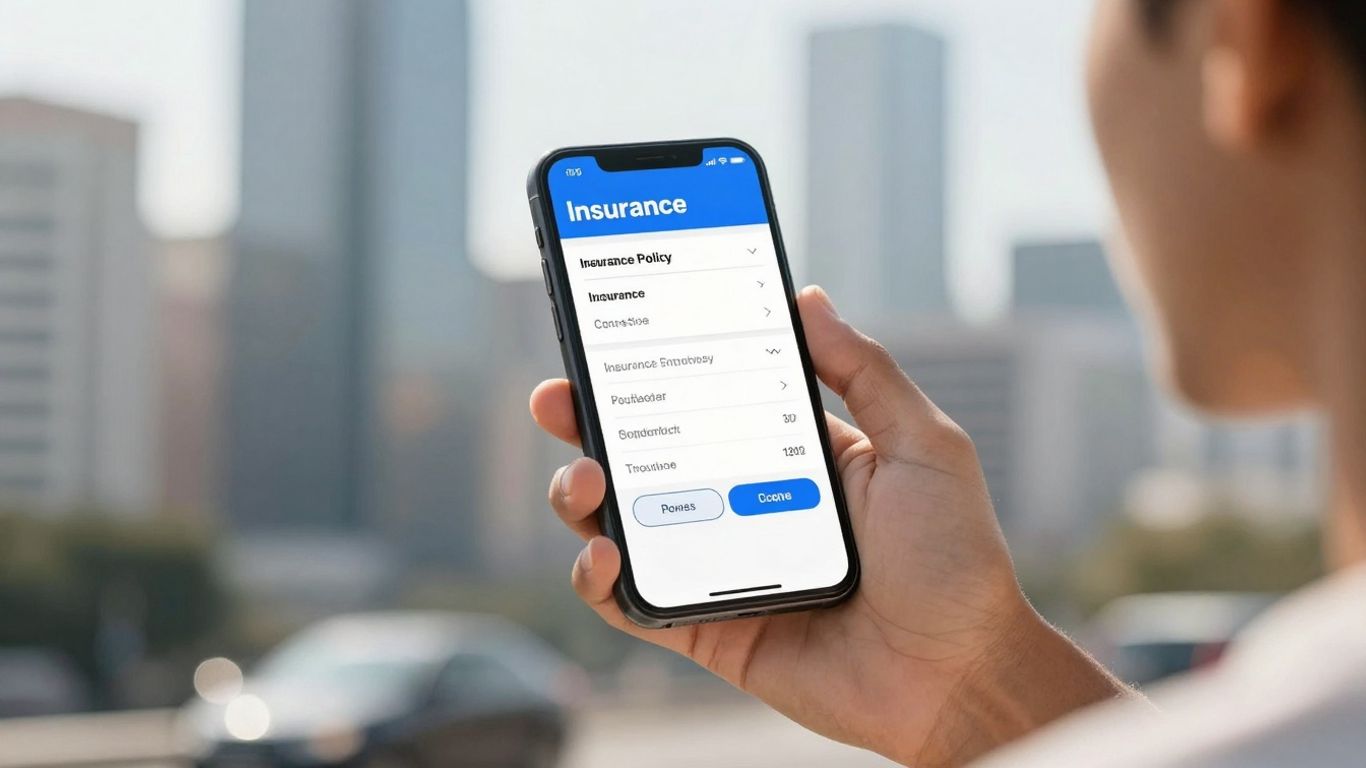
These days, you don’t have to just call up the first insurance company you see or accept whatever quote they give you. Technology has made it way easier to shop around and find a better deal. It’s like having a personal shopper for your insurance needs, right at your fingertips.
Utilize Online Comparison Tools
Online comparison tools are a game-changer. Instead of visiting a dozen different websites or making endless phone calls, you can use these platforms to see quotes from multiple companies all in one place. It really cuts down on the time you spend searching. You just input your information once, and boom – you get a list of options. It’s a pretty straightforward way to see who’s offering what.
Explore Digital Platforms for Quotes
Beyond just comparison sites, many insurance companies now have their own digital platforms where you can get quotes directly. Some even let you manage your policy online, making payments and accessing documents super simple. It’s all about convenience and having information readily available when you need it. Think of it as your insurance hub.
Access Policy Information Conveniently
Remember when you had to dig through filing cabinets for your insurance papers? Not anymore. Many insurers now offer apps or online portals where you can view your policy details, make changes, or even start a claim. This digital access means you can check your coverage or policy number anytime, anywhere, which is pretty handy if you’re on the go or just want to quickly confirm something.
The digital age has really changed how we buy insurance. It’s not just about finding the cheapest price, but also about how easy it is to get information, compare options, and manage your policy once you’ve bought it. Using these tech tools can save you time and potentially a good chunk of money.
Choosing a Reputable Insurance Provider
When you’re looking for insurance, it’s not just about the price. You want to make sure the company you pick is solid and will actually be there for you when you need them. Think about it like this: you wouldn’t trust your most valuable possessions to just anyone, right? The same goes for insurance. Picking the right company can save you a lot of headaches down the road, especially when you have to file a claim.
Research Company History and Reputation
Before you hand over your hard-earned money, take a little time to see what people are saying about an insurance company. Look into how long they’ve been around and what kind of reputation they have. Are they known for treating customers fairly? Or do you see a lot of complaints about them?
- Check online reviews and see what current and past customers say.
- Look for news articles or any public information about the company’s track record.
- See if they have any awards or recognition for good service.
Evaluate Financial Stability and Ratings
This is a big one. You need to know if the insurance company has the financial muscle to pay out claims, especially if something major happens. A company that’s struggling financially might not be able to cover your claim, leaving you in a tough spot. Checking their financial ratings can give you a good idea of their stability. You can often find this information through independent rating agencies.
It’s important to feel confident that your insurance provider has the resources to handle claims when they arise. This peace of mind is just as important as the coverage itself.
Consider Customer Service and Claims Process Efficiency
What happens when you actually need to use your insurance? That’s where customer service and how they handle claims really matter. You want a company that makes the claims process as smooth as possible, especially during what’s likely a stressful time. Good customer service means they’re responsive, helpful, and easy to communicate with.
Here’s what to look for:
- Responsiveness: How quickly do they get back to you when you call or email?
- Clarity: Do they explain things clearly, or do you feel like you’re being given the runaround?
- Claims Handling: Are customers generally satisfied with how their claims are processed? You can often find this information by looking at customer satisfaction ratings.
Choosing a provider with a strong reputation for service and efficient claims handling can make all the difference when you need them most.
Maximizing Savings Through Discounts and Negotiation
So, you’ve figured out what kind of insurance you need and you’re ready to start shopping. But before you just accept the first quote you get, let’s talk about how to really get the most bang for your buck. It’s not just about finding a policy; it’s about finding the best policy for your wallet.
Inquire About All Available Discounts
Insurance companies often have a whole list of discounts that they don’t always advertise front and center. It’s totally worth your time to ask about them. Sometimes, you might be eligible for a discount you never even knew existed. Think about it – a little bit of asking can add up to significant savings over time.
Here are some common discounts to ask about:
- Multi-Policy Discount: If you have more than one type of insurance with the same company (like car and home insurance), you can often get a discount. It’s a good way to simplify things and save money.
- Safe Driver Discount: This one’s pretty straightforward. If you have a clean driving record with no accidents or tickets, you’re usually rewarded with lower rates.
- Good Student Discount: If you have a young driver on your policy who’s a good student, some insurers offer a discount. Proof of a certain GPA is typically required.
- Safety Features Discount: Cars equipped with anti-theft devices, airbags, or automatic seatbelts might qualify for a discount.
- Affiliation Discounts: Sometimes, being part of a specific group, like a professional organization or a credit union, can get you a special rate. For example, some credit unions partner with insurance providers to offer member benefits.
Negotiate for the Best Possible Rate
Don’t be afraid to haggle a little. The initial price you’re quoted isn’t always the final price. If you’ve done your homework and compared quotes from different places, you can use that information to your advantage. Let the agent know what other companies are offering. Sometimes, a small nudge is all it takes to get a better deal. It might feel a bit awkward at first, but remember, they want your business, and there’s often a little wiggle room in the pricing.
Bundle Policies for Multi-Policy Savings
This is a big one. If you have multiple insurance needs – say, for your car, your home, and maybe even a boat or motorcycle – look into bundling them all with one insurance provider. Most companies offer a discount when you combine policies. It’s not just about saving money, either. Having all your policies under one roof can make managing your insurance much simpler. You’ll have one bill, one company to deal with for claims, and generally, a more streamlined experience. Just make sure that when you bundle, you’re still getting adequate coverage for each individual policy. You don’t want to save money by skimping on protection.
When you’re looking at bundling, it’s a good idea to compare the total cost of bundled policies versus buying them separately from different providers. Sometimes, even with a discount, a bundled package might not be the absolute cheapest option if one of your individual policies could be significantly cheaper elsewhere. Always weigh the convenience against the potential savings.
Comparing quotes from different companies is a smart move, and you can often find tools online to help with this. For instance, looking into car insurance options can give you a baseline for what’s out there.
Key Factors Influencing Insurance Premiums
Ever wonder why your car insurance bill seems to go up and down? It’s not random. Insurance companies look at a bunch of things to figure out how much risk you represent. Understanding these factors can help you make smarter choices and maybe even save some cash.
Understand How Driving History Impacts Rates
This is a big one. If you’ve had accidents where you were at fault, expect your rates to be higher. We’re talking potentially around a 43% jump after one at-fault accident. Speeding tickets, running red lights, or anything that shows up on your driving record can also make your premiums climb. And if you’ve ever had a DUI, that’s a serious red flag for insurers, often leading to increases of 85% or more. Keeping a clean driving record is probably the single best way to keep your insurance costs down.
Recognize the Role of Credit Score
It might seem odd, but your credit score can play a role in how much you pay for car insurance. Insurers often see a good credit score as a sign that you’re generally responsible, and statistically, people with better credit tend to file fewer claims. So, if your credit score isn’t where you’d like it, working on improving it could lead to lower insurance rates down the line.
Consider Vehicle Type and Associated Costs
The car you drive matters a lot. Fancy, expensive cars usually cost more to insure because repairs or replacements are pricier. High-performance vehicles might also get hit with higher premiums because they’re often driven faster and can be more attractive to thieves. Think about the cost to repair or replace parts, and how likely the car is to be stolen or involved in an accident when you’re choosing a vehicle.
Here’s a quick look at how some common issues can affect your rates:
- At-fault accident: Can increase premiums by about 43%.
- Speeding tickets: Multiple tickets will likely raise your rates.
- DUI conviction: Can lead to increases of 85% to 92%.
It’s important to remember that insurance pricing isn’t just about your personal history; it’s also about the overall risk associated with the vehicle itself and the general driving environment in your area. Factors like the car’s safety features, its likelihood of theft, and even local accident statistics can all factor into the final price you pay.
Strategies for Lowering Insurance Costs
Finding ways to trim down your insurance bills without sacrificing protection is a smart move. It’s not always about finding the cheapest policy out there, but rather getting the most bang for your buck. Think of it like this: you want enough coverage to sleep soundly at night, but you also don’t want to be overpaying for it.
Increase Your Deductibles Wisely
One of the most straightforward ways to lower your monthly premiums is by choosing a higher deductible. This is the amount you agree to pay out-of-pocket before your insurance kicks in when you file a claim. If you opt for a higher deductible, say $1,000 instead of $500, your insurer sees you as taking on a bit more risk, and they’ll often reward you with lower regular payments. It’s a trade-off, though. You’ll need to make sure you have that higher deductible amount saved up in an emergency fund, just in case you do need to make a claim. It’s not ideal to have to pay more upfront, but for many, the monthly savings are worth it.
Maintain a Clean Driving Record
This one might seem obvious, but it’s worth repeating: drive safely! Your driving history is a huge factor in what you pay for car insurance. Accidents where you’re at fault, speeding tickets, DUIs – these all send your rates soaring. Insurers see these as signs that you’re a higher risk to insure. On the flip side, a spotless record, especially over several years, can qualify you for safe driver discounts. Some companies even offer telematics programs where they track your driving habits (like how often you brake hard or speed) via an app or device in your car. If you prove you’re a good driver, you can earn significant discounts. It’s a win-win: you save money and are safer on the road.
Explore Optional Coverages
While it might seem counterintuitive to spend more on insurance, sometimes adding specific, optional coverages can actually save you money in the long run or provide peace of mind that’s priceless. For instance, if you have a newer car, gap insurance might be worth considering. If your car is totaled, this covers the difference between what you owe on your loan and the car’s actual cash value. Another option is an umbrella policy, which provides extra liability coverage above and beyond your standard auto and home policies. It’s a relatively inexpensive way to get a lot more protection if a major lawsuit comes your way. Think about what you truly need based on your assets and your risk tolerance. Don’t just accept every add-on; pick the ones that make sense for your situation.
Effective Methods for Obtaining Quotes
So, you’re ready to get some insurance quotes. That’s a smart move! It might seem like a chore, but honestly, it’s where you can really make a difference in what you pay. Don’t just go with the first company you think of. There are a few solid ways to get the ball rolling and make sure you’re seeing the full picture.
Compare Quotes from Multiple Insurers
This is probably the most important step. Think of it like shopping for anything else – you wouldn’t buy the first pair of shoes you see, right? Insurance is no different. You need to see what different companies are offering.
- Gather your info: Before you start, have your car’s details (make, model, year, VIN, mileage) and information for all drivers in your household (age, occupation, driving history) ready. This makes getting accurate quotes much faster.
- Use online tools: Websites like The Zebra are fantastic for this. They let you compare prices from many companies all at once. It’s super convenient.
- Check identical coverage: When you’re comparing, make sure each quote is for the exact same coverage levels and deductibles. Otherwise, you’re not really comparing apples to apples.
It’s easy to get overwhelmed by all the options, but remember, the goal is to find the best value for your specific needs. Don’t be afraid to spend a little time on this part.
Contact Insurers Directly for Tailored Pricing
While comparison sites are great, sometimes talking directly to an insurance company can give you a more personalized quote. They might have specific discounts or options that aren’t always obvious on a comparison tool. Plus, you can ask questions directly and get a feel for their customer service right away. It’s a good way to get a quote that’s really built around your situation.
Consult with Insurance Brokers
Insurance brokers are like your personal insurance shoppers. They work with lots of different insurance companies and can do the legwork for you. You tell them what you need, and they’ll come back with options from various providers. This can save you a ton of time, especially if you’re busy. Just be sure to ask them to show you quotes with the same coverage so you can compare them fairly.
Wrapping It Up
So, buying insurance doesn’t have to be a headache. By taking a little time to compare prices online, asking about all those possible discounts, and just generally staying on top of what you’re paying for, you can really make sure you’re getting a good deal. Life changes, and so should your insurance. Checking in on your policy every so often, especially after big events, means you’re not overpaying or underprotected. It’s all about being smart with your money and knowing you’ve got the right coverage when you need it.
Frequently Asked Questions
Why should I compare insurance quotes from different companies?
Comparing quotes is like checking prices at different stores before buying something. Insurance companies offer different prices and deals for the same coverage. By looking at a few options, you can find the best value and save money. It’s a smart way to make sure you’re not overpaying for your insurance.
How often should I review my insurance policy?
It’s a good idea to look at your insurance policy at least once a year. Also, if something big happens in your life, like getting married, moving, or buying a new car, you should check your policy then too. Life changes can mean your insurance needs change, and you might need more or less coverage.
What does ‘bundling policies’ mean, and why should I do it?
Bundling means buying more than one type of insurance from the same company, like your car insurance and your home insurance together. Many companies give you a discount when you bundle because it’s easier for them to manage your policies. It’s a simple way to save money on your insurance bills.
What is a deductible, and how does it affect my premium?
A deductible is the amount of money you pay out-of-pocket before your insurance kicks in when you file a claim. If you choose a higher deductible, your monthly insurance payments (premium) will usually be lower. But remember, you’ll have to pay more if you need to use your insurance.
Are there discounts I might be missing out on?
Absolutely! Insurance companies offer many discounts, but they don’t always tell you about them. Ask your insurance agent or company if you qualify for discounts for things like being a good student, having a safe driving record, or even for having certain safety features in your car. It never hurts to ask!
What’s the difference between liability, collision, and comprehensive coverage?
Liability coverage helps pay for damage or injuries you cause to others if you’re in an accident. Collision coverage helps pay to fix your own car if it’s damaged in an accident. Comprehensive coverage helps pay for damage to your car from things like theft, fire, or hitting an animal, basically anything that isn’t a collision.