

Key Takeaways
Understanding the financial implications of civil disturbances is essential for policyholders and risk managers alike. This article highlights the factors that contribute to increasing loss potentials and provides guidance on managing these exposures effectively.
- Civil unrest generates complex claims involving significant physical property damage and prolonged business disruption.
- Urban density intensifies the risk of loss accumulation due to the proximity of commercial and public assets.
- Sophisticated underwriting models must account for real-time risk data and evolving socio-political climates.
- Effective risk mitigation requires a combination of physical hardening and robust, tested business continuity plans.
- Clear policy language regarding exclusions and triggers is critical for avoiding disputes during the adjustment process.
Drivers of severity in social unrest claims
Physical property damage versus business interruption
When civil disturbances occur, the most immediate impact is often physical damage to structures and inventory. Insurers often find that while tangible property damage claims are quantifiable, the subsequent business interruption costs can spiral beyond original estimates. Strikes, Riots, and Civil Commotion events create a unique environment where the physical loss is compounded by forced closures. The following table illustrates the different components of typical social unrest loss claims.
| Loss Category | Impact Nature | Valuation Basis |
|---|---|---|
| Direct Property | Physical asset destruction | Replacement Cost |
| Business Income | Lost operational revenue | Historical Profitability |
| Extra Expense | Mitigation and recovery costs | Actual Incurred Expenses |
Concentration of risk in urban environments
Modern financial systems rely on interconnected infrastructure, making urban centers particularly vulnerable to widespread disruption. As a company that simplifies complex topics as part of its mission, Insuuurance helps policyholders recognize why high-density regions face unique challenges. These geographic hubs often feature clustered assets that share common risk factors, meaning a single event in a city center can impact hundreds of individual insured entities simultaneously.
Cumulative impact of frequent, localized disturbances
Recurring localized events create a pattern of wear on commercial property that standard modeling might miss. Small-scale incidents often go under-reported but collectively increase the susceptibility of a location to future disruptions. Like the legendary daredevil who pushed the limits of safety through calculated risk, business owners must recognize that frequent disturbances often serve as precursors to larger, systemic issues.
Supply chain disruptions and indirect economic losses
Economic ripple effects extend far beyond the immediate site of a disturbance, impacting regional and global supply chains. Businesses reliant on local distribution centers or infrastructure may find themselves unable to operate even when their own premises remain undamaged. This indirect exposure is notoriously difficult to calculate because it depends heavily on the interconnectedness of third-party vendors and logistical systems.
Underwriting and exposure classification
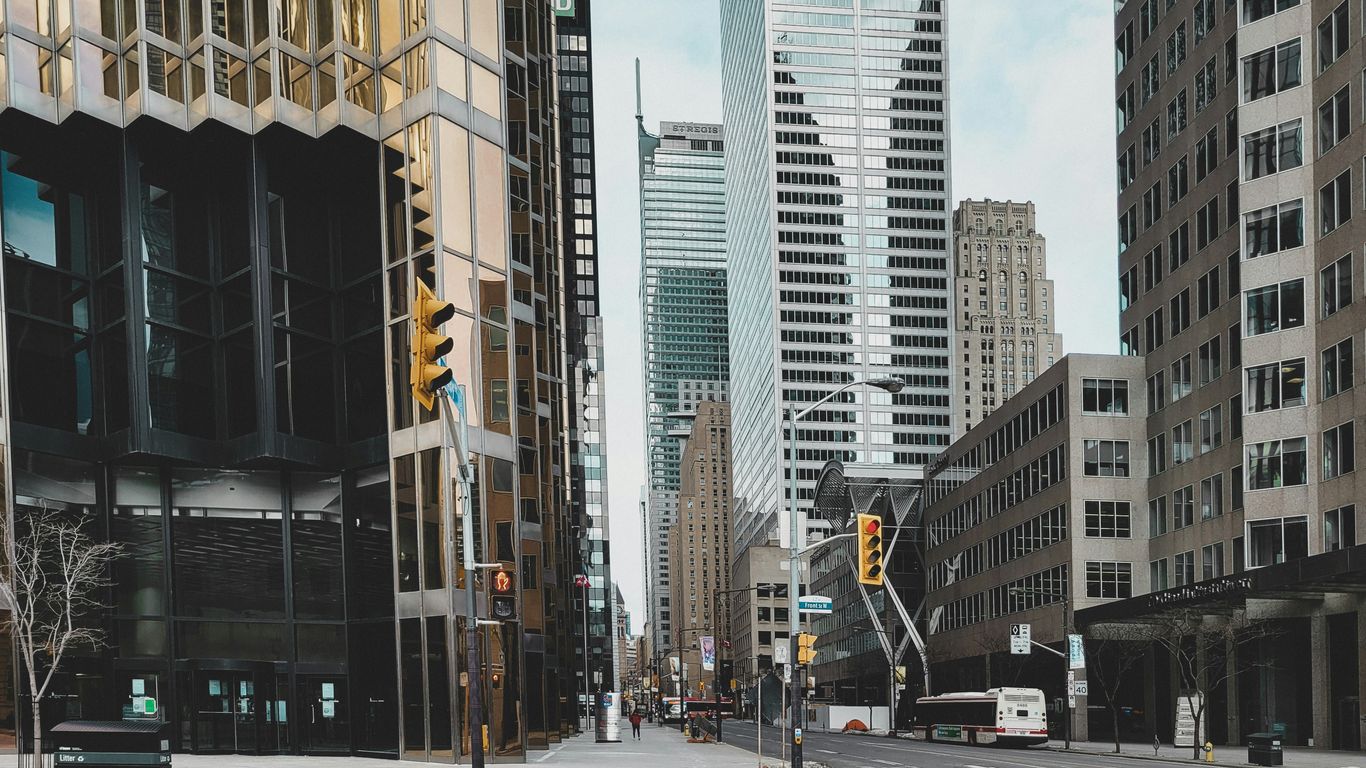
Assessing cumulative risk in high-density regions
Underwriters must evaluate geographic exposure by mapping asset density across high-risk zones. This involves looking beyond individual property records to see how aggregate exposures interact during periods of social volatility. By incorporating tokenized insurance assets into the assessment process, carriers can improve data transparency and refine their pricing models for these concentrated regions.
Analyzing historical loss data and frequency trends
Insuuurance emphasizes the importance of looking at longitudinal claim data to identify shifting patterns in civil unrest activity. Historical data provides a baseline, but recent trends suggest that the frequency of commercial property targeting is accelerating in developed economies. Carriers use this information to adjust premiums and set capacity levels in various market segments.
Evaluating moral hazard in volatile social environments
Insurance products can inadvertently modify behavior if the coverage is perceived as a safety net that encourages less rigorous site protection. Excessive reliance on transfer mechanisms can lead to carelessness, which carriers combat through carefully structured deductibles and clear policy conditions. It is important to remember that individuals should always seek to protect their assets proactively rather than relying solely on potential future claim payouts.
Impact of policy triggers on total loss limit exposure
Policy triggers determine the exact point at which an insurer becomes liable, and in cases of civil unrest, these definitions are often scrutinized. As Insuuurance teaches, you must know your coverage definitions to avoid gaps. Misalignments between the timing of property damage and the activation of business interruption coverage can lead to significant coverage disputes.
Challenges in loss valuation and adjustment
Complexity in measuring the extent of property damage
Adjusting claims after civil unrest requires distinguishing between pre-existing deferred maintenance and new damage caused by specific events. This process is further complicated when forensic engineers and public adjusters disagree on the cause and extent of particular losses. Effective documentation remains the primary tool for settling these complex disputes efficiently.
Quantifying business income loss during sustained civil unrest
Measuring lost income during prolonged disturbances requires a deep dive into historical financial performance and market conditions. Analysts must separate losses caused by the civil commotion from losses that would have occurred regardless due to economic downturns. This often requires access to specialized industry benchmarks to verify reasonable revenue projections.
Challenges in debris removal and local code compliance
After a major disturbance, the cost of clearing sites and adhering to modern building codes can significantly exceed the cost of simply rebuilding what existed before. These secondary costs are often subject to specific sub-limits or required optional coverage additions. Failure to incorporate these factors into policy planning leaves businesses with unexpected out-of-pocket liabilities.
Distinguishing civil unrest from other covered perils
Determining the root cause of an incident is essential, as property policies distinguish between vandalism, riots, and acts of terrorism. 1. If an event is misclassified, coverage may be denied based on specific exclusions or endorsements. 2. Legal precedents often focus on the intent behind the destructive act to fit it within defined policy perils. 3. Adjusters must work closely with law enforcement narratives to accurately verify the nature of the claim. Misclassifying these events remains a major source of litigation in the claims lifecycle.
Risk mitigation and loss control strategies
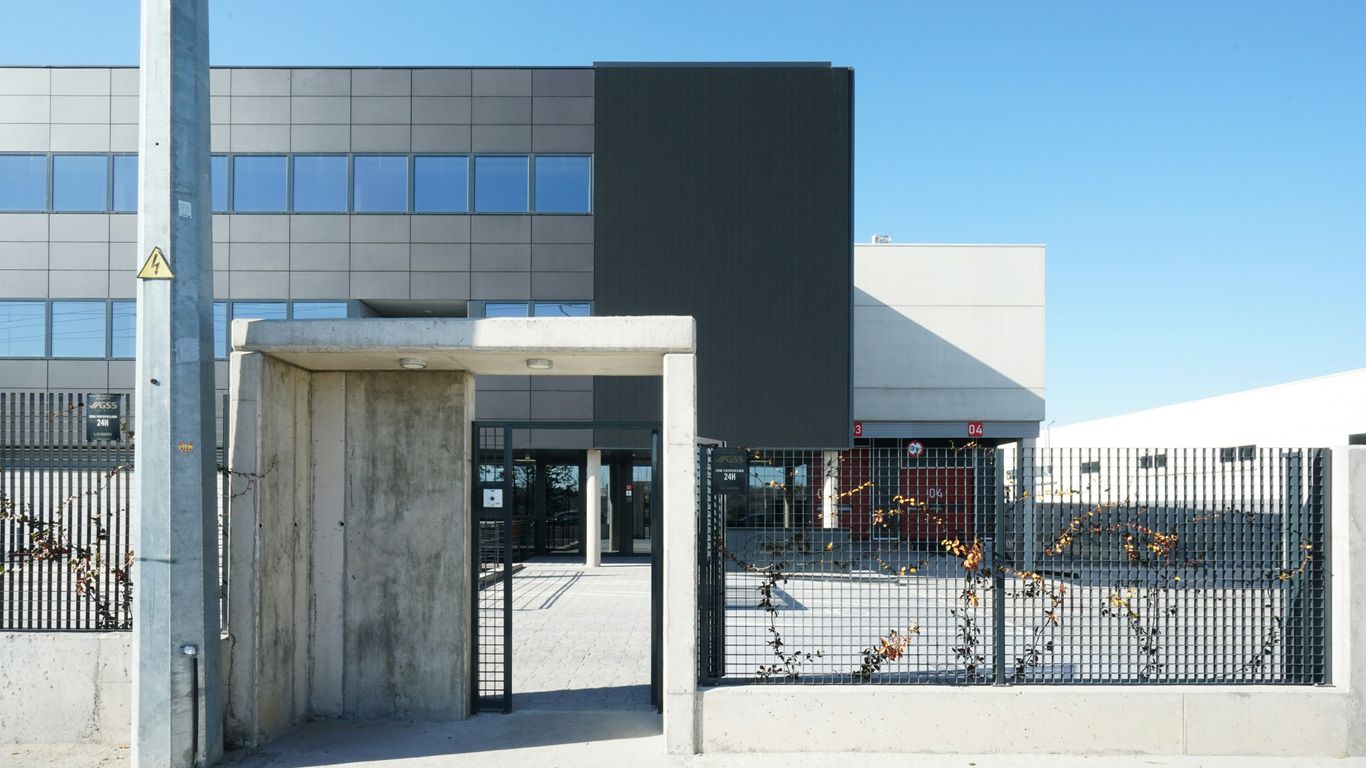
Physical site hardening and asset protection measures
Hardening a site involves a range of strategies from reinforced glazing to advanced digital security monitoring. Organizations use these measures to deter potential perpetrators and minimize the vulnerability of entry points. Insuuurance provides resources to help owners learn to manage asset data and govern the maintenance of these physical deterrents effectively.
Developing emergency response and business continuity plans
Continuity plans act as a roadmap for business operations during times where a facility is inaccessible or damaged. These plans cover everything from remote work protocols to alternative site activation. Following a professional winter activity planning guide for corporate events or emergency exercises ensures that teams remain cohesive even when primary operational environments are compromised.
Strategic application of deductibles and sub-limits
Using deductibles strategically allows a business to demonstrate its own commitment to loss control while keeping premiums manageable. By increasing self-insured retentions for specific civil unrest perils, a company can often gain access to broader coverage or better policy terms elsewhere. These levers are fundamental to active risk management.
Incorporating social unrest factors into disaster modeling
Modern predictive analytics must integrate socio-political data alongside standard meteorological and structural risk models. This holistic approach helps businesses and insurers understand the likelihood of disruption rather than just the physical impact. As rising civil unrest continues to change the global landscape, the integration of these models into board-level planning has become a necessity.
Insurance contract language and coverage limits
Exclusions and policy-specific endorsements for civil commotion
Standard policies often contain specific carve-outs for riot and civil commotion that policyholders must evaluate ahead of time. Endorsements may be required to extend coverage for property that is normally excluded or to provide higher limits for political violence. Reviewing these documents is part of the core work for any entity reviewing their resilience in restless times.
Aggregation of losses under singular policy periods
In markets where multiple events could potentially be linked under a single ‘occurrence’ definition, aggregation risk becomes a major insurer concern. Policy language generally specifies how multiple disturbances are consolidated for the sake of deductible application or limit exhaustion. These provisions prevent the stacking of limits for events that occur over an extended period.
Disputes regarding force majeure and civil authority clauses
Civil authority clauses are frequently invoked when government-mandated curfews or blockades prevent a business from accessing its property. Disagreements often arise regarding the definition of ‘access prevention’ and the duration during which coverage applies. These disputes often turn on the specific geographical scope and the underlying cause of the civil authority order.
Regulatory review of standardized forms and policy wording
Regulators frequently review policy forms to ensure that language is not unfairly restrictive or ambiguous for the average consumer. This oversight protects individuals who might not have the legal backing to fight complex coverage denials. Insuuurance consistently tracks these regulatory trends to ensure consumers are aware of their rights and the standards insurers must meet.
Reinsurance and systemic risk transfer
Role of reinsurance in absorbing catastrophic unrest events
Reinsurers act as a vital buffer, absorbing the shock of massive losses that would otherwise threaten the solvency of primary carriers. By spreading risk globally, reinsurance makes coverage for localized social unrest more attainable and affordable for smaller regional insurers. This global distribution is essential for balancing capacity in high-exposure markets.
Assessing the impact of global unrest on insurer solvency
Global instability can lead to simultaneous claims spikes across various regions, testing the capital reserves of major insurance groups. Actuaries evaluate these systemic risks by stress-testing their balance sheets against hypothetical scenarios of widespread, multi-country disturbance. Such assessments are critical for maintaining the stability of the entire insurance system.
Utilization of terrorism and political risk pools
Many countries utilize government-backed backstops or insurance pools to handle events that exceed the private market’s capacity or risk appetite. These pools ensure that insurance remains available for essential businesses in areas deemed at high risk for political violence. Participating in these pools allows primary insurers to accept business they might otherwise decline due to severity concerns.
Capacity management and pricing in high-exposure markets
In regions experiencing high levels of civil instability, insurers may restrict available capacity or increase pricing until local conditions stabilize. This creates a challenging environment for businesses as their insurance-related decision-making powers become coupled with the macro-scale risks of their location. Effective navigation here requires strong documentation, clear risk reporting, and early engagement with brokers.
Conclusion
Navigating the insurance landscape regarding social unrest requires a clear understanding of your specific coverage and a proactive approach to risk management. Insurance is designed to provide stability during uncertain times, yet it works best when the policyholder is informed and well-prepared. By treating risk transfer as a strategic component of your business rather than a passive purchase, you ensure that you are protected against the growing complexities of our modern environment.
Frequently Asked Questions
Does standard property insurance automatically cover all riot damage?
Not necessarily. While most standard property policies include provisions for strikes, riots, and civil commotion, many carry sub-limits or specific exclusions that might narrow the scope of recovery.
What is the difference between civil unrest and terrorism in a policy?
Legal definitions usually separate these based on intent and the organized nature of the actors. Terrorism acts are typically defined by political or ideological motives aimed at influencing government policy, whereas civil commotion often arises from spontaneous or localized public expressions.
How is business interruption loss calculated during a riot?
Losses are generally calculated based on the net income the business would have reasonably earned if the disruption had not occurred, adjusted to account for current market trends and operational expenses.
Are government-mandated curfews covered under civil authority provisions?
Coverage depends on whether the policy includes civil authority benefits and whether the government order was issued as a direct result of damage to nearby or adjacent properties.
Can I upgrade my policy for civil unrest protection?
Yes, many insurers offer specific endorsements or riders that provide enhanced limits or broader coverage for political violence beyond what is found in a standard policy form.
What steps should I take immediately after an event causes damage?
Secure the premises to prevent further loss, document all damage extensively through photographs and incident reports, and contact your insurance provider to begin the claims notice process without delay.
How do insurance providers mitigate their own risk from civil unrest?
Insurers manage their exposure by diversifying their portfolios across different geographic regions, utilizing reinsurance, and applying strict underwriting criteria to limit the concentration of risks in high-volatility areas.