

When you have an insurance claim, especially after a significant loss, the insurer might end up with rights to any damaged property that’s left over. This is what we call salvage rights. It’s basically the insurer’s ability to recover some of the money they pay out by taking possession of and selling or disposing of the damaged item. It’s a pretty standard part of how insurance works, but it can sometimes be a little confusing for folks dealing with a claim.
Key Takeaways
- Insurance salvage rights allow insurers to recover costs by taking ownership of damaged property after paying a claim.
- The principle of subrogation is closely related, enabling insurers to pursue at-fault third parties.
- Policy language is key; understanding what your contract says about salvage is important.
- Salvage rights can affect how your claim is settled, particularly in property and auto insurance.
- Disputes over salvage can be resolved through negotiation, appraisal, or even litigation.
Understanding Insurance Salvage Rights
When you file an insurance claim after a loss, like a car accident or a house fire, the insurance company pays you for the damage. But sometimes, the damaged item still has some value. This is where salvage rights come into play. Essentially, salvage rights allow the insurance company to take possession of the damaged property after they’ve paid your claim. They can then sell it to recoup some of their costs.
The Principle of Subrogation in Insurance
Subrogation is a fancy word that basically means the insurance company steps into your shoes after paying your claim. If someone else caused the loss, the insurer can then go after that at-fault party to get their money back. It’s like they’re taking over your right to sue the responsible person. This helps keep insurance costs down for everyone because insurers can recover some of what they paid out.
- Insurer’s Right to Recover: After paying a claim, the insurer gains the right to pursue any third party responsible for the loss.
- Purpose: This mechanism helps reduce the overall cost of claims for the insurer, which can, in turn, help stabilize premiums for policyholders.
- Contractual Basis: Subrogation rights are typically outlined in the insurance policy itself, though they are also governed by state laws.
Subrogation is a key part of how insurance companies manage their financial exposure. It’s not just about getting money back; it’s about ensuring fairness by making sure the party that caused the loss ultimately bears the financial responsibility.
How Salvage Rights Impact Claim Settlements
Salvage rights can affect how your claim is settled. If the damaged item has significant salvage value, the insurer might offer you a settlement that reflects this. For example, with a totaled car, they might pay you the car’s actual cash value but keep the wreck. Or, they might offer you a lower payout and let you keep the salvage if you prefer. It really depends on the specifics of the policy and the item.
Here’s a look at how it can play out:
| Scenario | Insurer Takes Salvage | Policyholder Keeps Salvage | Notes |
|---|---|---|---|
| Totaled Vehicle | Yes | No | Insurer pays Actual Cash Value (ACV) minus salvage value. |
| Damaged Personal Property | Yes | No | Insurer pays ACV and disposes of damaged goods. |
| Policyholder Buys Back Salvage | No | Yes | Insurer pays ACV minus the agreed-upon salvage value. |
Insurer’s Right to Recover After Loss Payment
Once an insurer pays out a claim, they generally acquire the rights to any salvageable property associated with that loss. This is a standard practice designed to mitigate the insurer’s financial exposure. They have the right to take possession of the damaged goods, whether it’s a wrecked car, damaged electronics, or damaged building materials, and dispose of them as they see fit, usually through auctions or sales to specialized salvage dealers. This process helps them recover a portion of the claim payment.
The Claims Process and Salvage Implications
When you file an insurance claim, it kicks off a whole process. It’s not just about getting a check; there’s a lot that goes on behind the scenes, and salvage rights can play a part in how things wrap up.
Notice of Loss and Initial Investigation
First off, you have to let your insurance company know something happened. This is the ‘notice of loss.’ It’s pretty important to do this quickly because policies often have rules about how soon you need to report things. If you wait too long, it could cause problems with your claim, depending on the situation and where you live. Once they get the notice, they’ll assign someone, usually an adjuster, to look into what happened. This person’s job is to figure out the facts, check if your policy covers the damage, and start figuring out how much it’s all going to cost. They might ask for documents, take pictures, or even inspect the damaged property themselves.
Coverage Analysis and Claim Valuation
This is where the insurance company really digs into your policy. They need to read all the fine print – the main agreement, any special additions (endorsements), and what’s specifically left out (exclusions) – to see if your loss is covered. It’s a bit like being a detective, trying to match the event to the policy terms. If there’s any confusion in the policy language, it often gets interpreted in your favor, which is why clear writing is so important for insurers. At the same time, they’re trying to put a dollar amount on the damage. This could be the cost to repair your car, rebuild your house, or cover medical bills. Disagreements over this value are pretty common and can lead to negotiations.
Settlement Negotiations and Payment Structures
Once the insurer has investigated and determined coverage and value, they’ll propose a settlement. This is the amount they’re willing to pay to resolve your claim. Sometimes, it’s straightforward, and you agree right away. Other times, you might need to negotiate, especially if you think their valuation is too low. There are different ways claims can be paid out, too. It might be a single lump sum, or in some cases, payments could be spread out over time, like with a structured settlement. The way a claim is settled can have a big impact on your finances, so it’s good to understand the options. If you can’t agree, there are other steps like appraisal or mediation that can help sort things out before it potentially goes to court.
The claims process is the insurer’s main way of fulfilling its promise to you after a loss. It involves a series of steps designed to verify the event, confirm coverage, and determine the financial compensation owed, all while adhering to policy terms and regulations.
Navigating Policy Provisions Related to Salvage
When you have an insurance policy, it’s not just a piece of paper; it’s a contract that lays out all the rules. Understanding what it says, especially about salvage, is pretty important. It’s like knowing the terms and conditions before you agree to something. The language used in these policies can sometimes be a bit tricky, but it’s what determines how salvage rights play out after a loss.
Interpreting Policy Language on Salvage
Policies usually have specific sections that talk about salvage. This is where the insurer states their right to any damaged property that still has some value after they’ve paid out a claim. It’s essential to read this part carefully because it defines what the insurer can take and what, if anything, you might be entitled to. Sometimes, the policy might just say the insurer has the right to salvage, while others might go into more detail about how that process works. It’s all about the exact wording.
Conditions and Exclusions Affecting Salvage
Just like any contract, insurance policies have conditions and exclusions. These can really impact salvage. For example, a condition might require you to report the loss promptly or cooperate with the insurer’s investigation. If you don’t meet these conditions, it could affect your claim and, by extension, the salvage process. Exclusions, on the other hand, might limit what the insurer can claim as salvage. It’s a bit of a balancing act, and these clauses are designed to manage risk for the insurer.
Declarations Page and Coverage Limits
The declarations page is like the summary of your policy. It lists your coverage limits, deductibles, and other key details. While it might not directly mention salvage, the coverage limits are super important. If your property is declared a total loss, the insurer will pay out up to your coverage limit. How salvage is handled can sometimes tie back into these limits, especially if the salvaged item’s value is factored into the final settlement. It’s all connected, really.
Salvage Rights in Property Insurance
When a property insurance claim is paid, the insurer often gains certain rights related to the damaged property. This is known as salvage. Essentially, if the insurer pays out for a loss, they might have the right to take possession of the damaged item or property. This helps the insurer recover some of the money they paid out, which in turn can help keep insurance costs down for everyone.
Assessing Damaged Property for Salvage Value
After a loss, an adjuster will look at the damaged property to figure out if it has any value left. This isn’t just about whether it can be repaired, but if the damaged item itself can be sold for parts or materials. For example, a partially burned building might still have usable lumber or metal components. Or, a water-damaged appliance might have working parts that can be salvaged and resold.
- Inspection: The adjuster examines the extent and nature of the damage.
- Valuation: They determine the potential resale value of the damaged property or its components.
- Comparison: This value is compared against the claim payout to see if pursuing salvage makes financial sense for the insurer.
The goal is to see if the insurer can recoup some of their claim payment by selling off the damaged goods. It’s a way to reduce the overall cost of the claim.
The Role of Adjusters in Salvage Identification
Claims adjusters are key players in the salvage process. They’re the ones on the ground, assessing the damage and deciding what, if anything, can be salvaged. They need to know about the property, its potential resale value, and the costs involved in recovering and selling it. Sometimes, they might bring in specialists if the property is unusual or requires specific expertise to assess its salvage value.
Disposition of Salvaged Property
Once the insurer decides to take possession of the damaged property, they need to figure out what to do with it. This can involve several options:
- Selling at Auction: Many insurers sell salvaged items through specialized auctions. This is common for vehicles, but also applies to other types of property.
- Selling to Salvage Yards or Dealers: Sometimes, damaged property is sold directly to businesses that specialize in processing or reselling salvaged goods.
- Donating or Disposing: In cases where the salvage value is minimal or the cost of recovery is too high, the property might be donated or disposed of responsibly.
The insurer’s ability to recover value from salvaged property directly impacts the net cost of the claim.
Salvage Rights in Auto Insurance
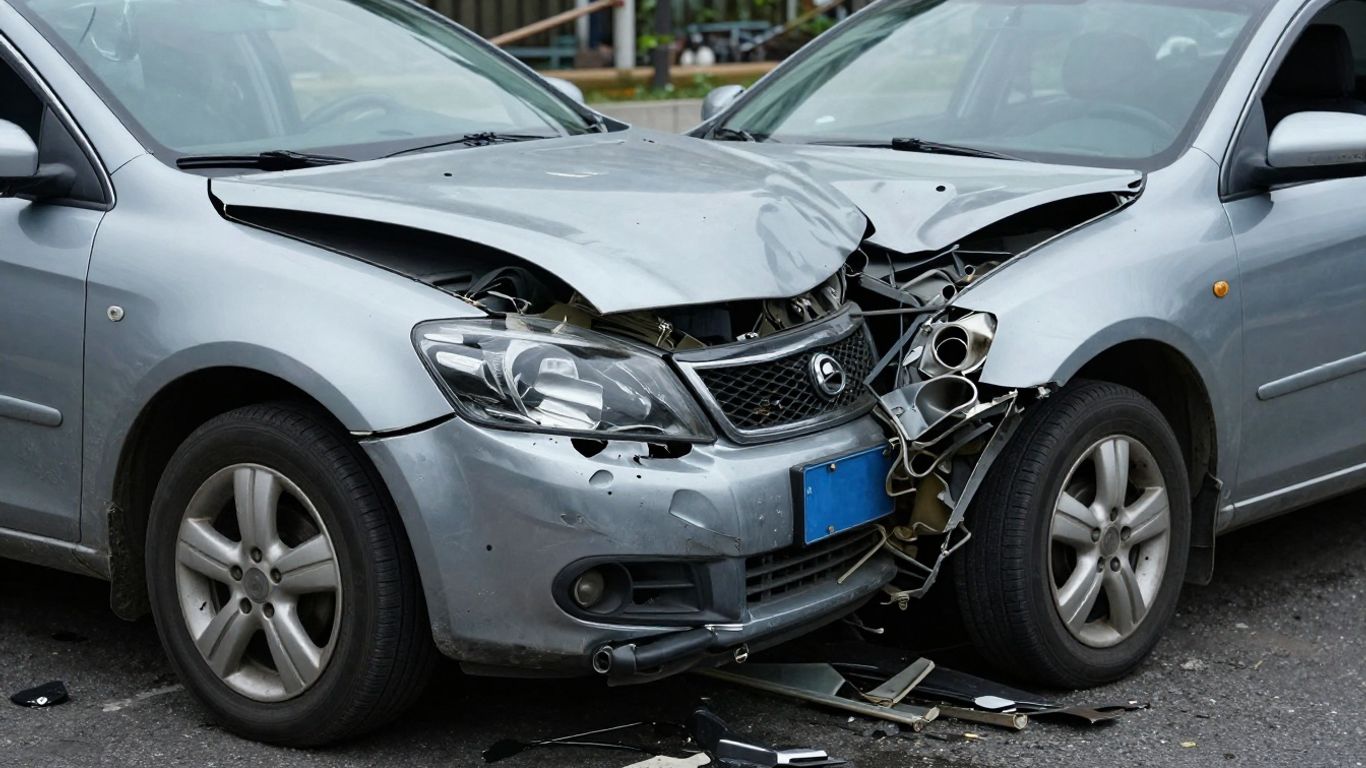
When your car is declared a total loss, it means the cost to repair it after an accident is more than the vehicle is worth. This is where salvage rights come into play. After the insurance company pays you the actual cash value (ACV) of your car, they typically take ownership of the damaged vehicle. This damaged vehicle is what they call ‘salvage’. They then have the right to sell it, usually at an auto auction, to try and recoup some of the money they paid out on your claim.
Total Loss Determinations and Salvage
Figuring out if a car is a total loss isn’t just about the damage. Insurers look at a few things:
- Repair Costs: How much will it cost to fix everything that’s broken?
- Actual Cash Value (ACV): What was the car worth right before the accident? This considers its age, mileage, condition, and any options it had.
- Salvage Value: How much can the insurance company sell the wrecked car for? They estimate this based on current market prices for salvage vehicles.
If the repair cost plus the estimated salvage value is more than the ACV, the car is usually declared a total loss. Sometimes, even if the repair cost is slightly less than the ACV, a car might still be totaled if it has significant safety issues or if the cost of parts is very high.
The determination of a total loss is a critical point where the insurer’s financial responsibility meets the policyholder’s need for compensation. It’s a calculation that balances repair feasibility against the vehicle’s pre-loss worth and the potential recovery from its damaged state.
Handling Salvaged Vehicles
Once a vehicle is declared a total loss and the insurer pays the claim, they own the salvage. What happens next depends on the insurer and the vehicle’s condition. Typically, the insurer will:
- Arrange for Towing: The damaged car is moved from your location to an impound lot or an auction site.
- Assign a Salvage Title: The vehicle’s title is changed to a ‘salvage’ title. This indicates it has been declared a total loss and may not be roadworthy without significant repairs and inspection.
- Sell the Salvage: The insurer sells the vehicle, often through specialized salvage auctions. Buyers at these auctions might be repair shops, parts dismantlers, or individuals looking for project cars.
It’s important to know that if you want to keep the car after it’s declared a total loss, you might be able to negotiate with the insurance company. You would essentially buy the salvage back from them at its estimated salvage value, and they would deduct that amount from your settlement payout. You would then receive a salvage title for the vehicle.
The Impact of Salvage on Policyholder Payouts
The salvage value directly affects how much you get paid. When an insurer pays you the ACV of your car, they are essentially paying you for the value of the car before the damage occurred. The money they expect to get back from selling the salvage is factored into their overall cost for the claim. So, while you receive the ACV, the insurer’s net cost is reduced by the salvage recovery. This process helps keep insurance premiums more stable for everyone. If you choose to retain the salvage, the payout you receive will be the ACV minus the salvage value, because you are keeping the damaged vehicle yourself.
Dispute Resolution for Salvage Issues
Sometimes, folks and their insurance companies just don’t see eye-to-eye on how things should go down, especially when salvage is involved. It’s not always a smooth ride from filing a claim to getting everything settled, and disagreements can pop up.
Appraisal Clauses and Salvage Disputes
Many insurance policies have what’s called an appraisal clause. Think of it as a built-in way to settle disagreements about the value of damaged property. If you and the insurer can’t agree on how much the damaged item is worth (and therefore, how much salvage value it might have or how much the payout should be), this clause lets you bring in neutral third parties. These appraisers, often experts in the specific type of property, will look at the damage and come up with a value. It’s usually a way to avoid going to court, which can be a long and expensive road.
Mediation and Arbitration of Salvage Claims
If an appraisal clause doesn’t quite cut it or isn’t applicable, mediation and arbitration are other options. Mediation is like a guided negotiation. A neutral mediator helps both sides talk through the issues and try to find a solution that works for everyone. It’s not binding, meaning neither party has to agree to anything. Arbitration, on the other hand, is more like a mini-trial. An arbitrator (or a panel of them) hears both sides and makes a decision that is usually binding. These methods are often quicker and less costly than a full-blown lawsuit.
Litigation Involving Insurance Salvage Rights
When all else fails, or if the dispute is particularly complex, a case might end up in court. Litigation is the most formal and often the most expensive way to resolve salvage disputes. This is where lawyers get involved, evidence is presented, and a judge or jury makes the final decision. Disputes in this arena can cover a wide range of issues, from the interpretation of policy language regarding salvage rights to the actual valuation of the salvaged property and whether the insurer acted in good faith throughout the claims process. Ultimately, the goal is to reach a fair resolution that aligns with the policy terms and applicable laws.
Fraud Detection and Its Relation to Salvage
Insurance fraud is a persistent issue that can significantly impact the industry, and it often intersects with salvage rights. When a loss occurs, insurers have a responsibility to investigate the claim thoroughly. This investigation isn’t just about determining coverage; it’s also about identifying any attempts to defraud the insurance company. This can range from exaggerating the extent of damage to outright staging an incident. Detecting these fraudulent activities is key to maintaining the integrity of the insurance system and keeping costs down for everyone.
Identifying Potential Insurance Fraud
Spotting fraud requires a keen eye and a systematic approach. Insurers use a variety of methods to flag suspicious claims. This often starts with data analytics, looking for patterns that deviate from the norm. Think about claims that seem too convenient, or where the details just don’t add up. Special Investigation Units (SIUs) are often involved in deeper dives into these cases. They might look into the claimant’s history, check for inconsistencies in statements, or even use surveillance if necessary. It’s a complex puzzle, and sometimes the smallest detail can be the biggest clue.
The Insurer’s Duty to Investigate Suspicious Claims
When a claim raises red flags, insurers have a duty to investigate. This isn’t just a suggestion; it’s part of their obligation to policyholders and regulators. A proper investigation can involve several steps:
- Reviewing all submitted documentation: Checking for authenticity and consistency.
- Conducting interviews: Speaking with the claimant, witnesses, and any involved third parties.
- Obtaining expert opinions: Bringing in specialists to assess damage or cause of loss.
- Cross-referencing information: Comparing claim details with databases or previous claims.
This thoroughness helps prevent payouts on illegitimate claims and can also uncover situations where salvage might be misrepresented or improperly handled.
Consequences of Fraudulent Salvage Claims
When fraud is linked to salvage, the consequences can be severe. If an individual tries to claim the full value of a damaged item and then secretly sell the salvageable parts, that’s a serious issue. Insurers might deny the claim entirely, or if payment has already been made, they could pursue legal action to recover the funds. Beyond financial penalties, there can be criminal charges. It’s a stark reminder that honesty is always the best policy, especially when dealing with insurance claims and the valuable assets that might be salvaged.
Regulatory Frameworks Governing Salvage
Insurance is a pretty regulated business, and for good reason. States pretty much handle most of the insurance rules, with each state having its own department of insurance. These departments are in charge of making sure insurers are licensed, that their rates are fair, and that their policies are on the up and up. They also keep an eye on the financial health of insurance companies to make sure they can actually pay out claims when they need to. It’s all about protecting us, the policyholders.
State-Level Insurance Regulations
Each state has its own set of laws that insurers have to follow. This includes things like how policies are written, what needs to be disclosed to customers, and how claims are handled. For salvage, this means there are often specific rules about how an insurer can take possession of damaged property and what they can do with it. These regulations are designed to prevent insurers from taking advantage of policyholders and to ensure that the salvage process is fair.
- Policy Form Approval: Insurers usually have to get their policy language approved by state regulators before they can use it. This helps make sure the wording is clear and doesn’t contain any sneaky clauses.
- Market Conduct: Regulators also look at how insurers interact with customers. This covers everything from how they sell policies to how they handle claims and complaints. If an insurer isn’t playing fair, regulators can step in.
- Financial Solvency: A big part of state regulation is making sure insurance companies have enough money to pay claims. They monitor things like reserves and investments to prevent bankruptcies.
The rules around salvage can vary quite a bit from state to state. What’s allowed in one place might not be in another, so it’s always a good idea to know the specific regulations where you live.
Consumer Protection in Salvage Processes
Consumer protection is a major focus of insurance regulation. When it comes to salvage, this means rules are in place to make sure you’re treated fairly. For example, if your car is declared a total loss, the insurer can’t just take it without accounting for its salvage value. They have to deduct that value from your payout, and there are often rules about how that value is determined. Similarly, if your property is damaged and the insurer decides to salvage it, they need to follow specific procedures.
- Disclosure Requirements: Insurers are typically required to clearly explain your rights and their rights regarding salvage. This includes how the salvage value is calculated and what happens to the property.
- Fair Valuation: Regulations often mandate that salvageable property be valued fairly. This prevents insurers from undervaluing items to reduce their payout.
- Dispute Resolution: If you disagree with how salvage is handled, consumer protection laws usually provide avenues for dispute resolution, such as mediation or arbitration.
Compliance Requirements for Insurers
Insurers have a lot of hoops to jump through to stay compliant with all these regulations. This isn’t just about avoiding fines; it’s about maintaining their license to operate and building trust with their customers. For salvage, compliance means having clear internal procedures for identifying, valuing, and disposing of salvaged items. It also means training adjusters and claims staff on these procedures and the relevant state laws. Failure to comply can lead to significant penalties, including fines and damage to the insurer’s reputation.
- Record Keeping: Insurers must keep detailed records of all salvage activities, including how property was valued and where it was sold.
- Training: Staff involved in claims and salvage must be trained on applicable laws and company procedures.
- Reporting: Insurers may be required to report certain salvage-related data to state regulators.
The Insured’s Role in Salvage
When you file an insurance claim, especially after a significant loss like a fire or a car accident, there’s more to the process than just getting a check. Your insurance policy is a contract, and like any contract, it comes with responsibilities for both you and the insurance company. Understanding your part in the claims process, particularly concerning salvage, is pretty important. It’s not just about what the insurer does; it’s also about what you need to do.
Policyholder Obligations During Claims
After a loss, your policy likely outlines specific duties you must fulfill. These aren’t just suggestions; they’re conditions of your coverage. Failing to meet them can sometimes complicate your claim or even affect the payout you receive. It’s like when you agree to help a friend move, but then you don’t show up – things don’t go as planned.
- Prompt Notification: You generally need to report the loss to your insurer as soon as reasonably possible. Delays can make it harder for the insurer to investigate and might even lead to coverage issues, depending on your policy and local laws.
- Protecting Property: You usually have a duty to protect the damaged property from further loss. This might mean covering a hole in your roof after a storm or moving undamaged items away from a fire. It’s about preventing the situation from getting worse.
- Allowing Inspection: You must permit the insurer to inspect the damaged property. This is how they assess the extent of the loss and determine what needs to be done, including identifying any salvageable items.
Cooperation Clauses and Salvage
Many insurance policies include a "cooperation clause." This basically means you need to work with your insurer to resolve the claim. When it comes to salvage, this cooperation is key. If your damaged property has value as salvage – meaning it can be sold for parts or scrap, for instance – your insurer might want to take possession of it after paying your claim. This is their right, often stemming from the principle of subrogation, where they try to recover some of their payout.
Your cooperation might involve:
- Providing information about the damaged property.
- Allowing the insurer to take possession of salvageable items.
- Not interfering with the insurer’s efforts to recover or dispose of salvage.
It’s important to remember that if the insurer pays you for the full value of a damaged item (like a totaled car), they typically gain ownership of that item, including any salvage value it holds. They’ll usually deduct the estimated salvage value from your settlement if you decide to keep the damaged item.
Understanding Your Rights Regarding Salvaged Property
While the insurer has rights concerning salvage, you also have rights as a policyholder. If you disagree with the insurer’s assessment of salvage value or how they plan to handle salvaged property, you have options. The policy itself is the primary document outlining these rights and obligations. If there’s ambiguity, or if you feel the insurer isn’t acting fairly, you can always ask for clarification or seek advice.
It’s easy to get caught up in the stress of a loss and just want the claim settled. But taking a moment to understand your duties and rights, especially concerning property that might still have value, can make a big difference in the final outcome. Think of it as being an active participant in getting your claim resolved fairly.
For example, if your car is declared a total loss, the insurance company will pay you its actual cash value (minus your deductible). In most cases, they will then take ownership of the wrecked vehicle. However, if you want to keep the car, you can usually negotiate to do so. In this scenario, the insurer would deduct the vehicle’s salvage value from your settlement amount. You’d then be responsible for the title transfer and any repairs or disposal of the vehicle yourself. This allows you to potentially recoup some value if you believe the salvage estimate is too low or if you have plans for the vehicle.
Financial Implications of Salvage Rights
When an insurance company pays out a claim, especially for a total loss, they often gain certain rights related to any remaining value of the damaged property. This is where salvage rights come into play, and they have a direct impact on the financial side of insurance for both the insurer and, sometimes, the policyholder.
Impact on Premiums and Loss Costs
Insurers use salvage recovery as a way to offset the costs associated with paying out claims. When they can successfully recover some value from damaged property – think of a totaled car sold for parts or damaged goods sold to a salvage dealer – it reduces the net amount the insurer has to pay out for that specific claim. This recovery directly contributes to lowering the overall loss costs for the insurance company. Over time, lower loss costs can influence premium calculations. While it’s not a direct one-to-one reduction for every policyholder, the aggregate effect of successful salvage operations helps stabilize or potentially slow the rate of premium increases across the board. It’s a mechanism that helps keep the insurance pool financially healthy.
Recovering Claim Payments Through Salvage
After an insurer pays a claim, particularly for a total loss, they often step into the shoes of the policyholder regarding the damaged property. This means they have the right to take possession of the property and sell it to recoup some of their payout. For example, if a car is declared a total loss and the insurer pays out its actual cash value, the insurer typically takes ownership of the wrecked vehicle. They then sell this vehicle at a salvage auction. The money generated from this sale is then used to recover a portion of the claim payment. This process is a standard part of claims management and is vital for the financial sustainability of insurance operations. It’s essentially a way for the insurer to mitigate their financial exposure on a claim.
The Economic Role of Salvage in Insurance
Salvage operations play a significant, though often unseen, role in the economics of the insurance industry. It’s more than just selling off damaged goods; it’s a business in itself for many insurers. Specialized departments or third-party vendors handle the logistics of assessing, transporting, and selling salvaged items. This process not only helps recover funds but also feeds into secondary markets, giving damaged goods a new life and reducing waste. For the insurer, it’s a revenue stream that helps balance the books. For the broader economy, it supports businesses involved in the salvage and recycling industries. Ultimately, effective salvage management contributes to the overall efficiency and affordability of insurance by reducing the net cost of claims.
The financial health of an insurance company relies on managing its inflows and outflows. Salvage rights are a key tool in managing outflows, allowing insurers to recover a portion of claim payments and thereby reducing the overall financial burden of claims. This recovery directly impacts loss ratios and, consequently, influences future premium rates for all policyholders.
Wrapping Up Salvage Rights
So, after a loss and the insurance payout, understanding salvage rights is pretty important. It’s basically about who gets what from damaged property. The insurer usually gets the rights if they pay out the full value, but there are a lot of details in the policy that spell this out. It’s not always a simple yes or no, and sometimes things can get complicated, especially if there’s a dispute about the value of the loss or the property itself. Always check your policy wording carefully, and if you’re unsure, talking to your insurance company or a legal expert is a good idea. Knowing these rights helps avoid surprises down the road.
Frequently Asked Questions
What does ‘salvage rights’ mean for my insurance claim?
When your insurance company pays you for a total loss, like a damaged car or home, they might gain the right to keep the damaged item. This is called salvage. They can then try to sell it to get some of their money back.
How does salvage affect the amount I get paid for my claim?
If the insurance company takes the salvage, it means they’ve already recovered some value from the damaged item. This can sometimes affect how much they pay you, especially if the salvage value wasn’t fully accounted for in the initial payout. Always check your policy details.
Can I keep the damaged item if my insurance company pays me for it?
Sometimes. If you want to keep the damaged item, you might be able to negotiate with your insurer. They would likely subtract the item’s salvage value from your claim payment, meaning you’d get less money but keep the damaged property.
What is subrogation and how is it related to salvage?
Subrogation is when your insurer steps into your shoes to recover money from a third party who caused the loss. Salvage is about the damaged item itself. While different, both help the insurer recoup some of the money they paid out on a claim.
Who decides if an item has salvage value?
Usually, the insurance adjuster, who is trained to assess damage, will determine if the damaged item has any value left. They might consult with specialists or salvage yards to get an accurate estimate.
What happens to salvaged vehicles?
Salvaged vehicles are often sold at auctions. Sometimes they are repaired and resold, but they usually get a ‘salvage title’ which indicates they were previously declared a total loss. This title affects their value and insurability.
Are there rules about how insurers handle salvage?
Yes, insurance companies have to follow specific rules and regulations about how they handle salvage. These rules vary by state but are generally in place to ensure fair practices and consumer protection.
What should I do if I disagree with the salvage value or the insurer’s decision?
If you disagree, you should first talk to your insurance adjuster and explain your concerns. If you still can’t reach an agreement, your policy might have an appraisal clause, or you could consider mediation or arbitration to resolve the dispute.