

When your property is damaged, you want to know that your insurance will cover the cost to repair or replace it. That’s where replacement cost coverage comes in. It’s a key part of many property insurance policies, but it’s not always straightforward. Let’s break down how this type of coverage actually works, what it means for you, and why it matters when you file a claim.
Key Takeaways
- Replacement cost coverage pays to repair or rebuild your property using materials of similar kind and quality, without deducting for depreciation.
- It’s different from Actual Cash Value (ACV), which pays the replacement cost minus depreciation.
- Policy limits, deductibles, and co-insurance clauses all play a role in how much you’ll actually receive after a loss.
- Understanding the claims process, including the role of adjusters and valuation methods, is vital when using replacement cost coverage.
- Extended replacement cost offers an additional layer of protection beyond the policy limit, often necessary in volatile markets.
Understanding Replacement Cost Coverage
Replacement cost coverage is a type of insurance that pays to repair or replace damaged property with new materials of similar kind and quality, without deducting for depreciation. Think of it like this: if your roof gets damaged by a storm, a replacement cost policy would pay to put on a brand new roof, not just what the old roof was worth before the damage. This is a pretty big deal, especially when you consider how quickly things can wear out or become outdated.
Definition of Replacement Cost Coverage
At its core, replacement cost coverage means the insurance company will pay the full cost to repair or rebuild your property to its condition before the loss occurred. This doesn’t mean you get a brand new, upgraded version of what you had, but rather an equivalent item or structure. For example, if you have a 10-year-old washing machine that gets destroyed in a fire, replacement cost would cover the price of a new washing machine of the same make and model, or a comparable one if the original is no longer available. It’s designed to get you back to where you were, financially speaking, before the damage happened.
Distinction from Actual Cash Value
It’s really important to know the difference between replacement cost and actual cash value (ACV). ACV coverage pays you the replacement cost of the damaged item minus depreciation. Depreciation accounts for the item’s age, wear and tear, and obsolescence. So, with ACV, if your 10-year-old washing machine is destroyed, you’d get the cost of a new one, but then they’d subtract the value that 10 years of use took away. This often leaves you with less money than you need to actually buy a replacement. Replacement cost, on the other hand, aims to cover the full cost without that depreciation deduction.
Here’s a quick look at the difference:
| Feature | Replacement Cost Coverage | Actual Cash Value (ACV) Coverage |
|---|---|---|
| Payout Basis | Cost to repair/replace with new | Cost to repair/replace minus depreciation |
| Depreciation | Not deducted | Deducted |
| Goal | Restore to pre-loss condition | Restore to pre-loss value |
| Typical Payout Amount | Higher | Lower |
Importance in Property Insurance
Replacement cost coverage is super important for homeowners and business owners because it helps prevent a significant financial hit after a disaster. Without it, a major loss could mean you have to come up with a lot of extra money out-of-pocket to rebuild or replace what was lost. This is especially true for older homes or properties with aging systems. Having replacement cost coverage provides a greater sense of security, knowing that your insurance policy is more likely to cover the actual expenses needed to restore your property to its previous state. It helps maintain financial stability and reduces the stress associated with unexpected property damage.
The primary goal of replacement cost coverage is to ensure that policyholders can fully restore their damaged property without suffering a significant financial loss due to the depreciation of the original items. This protection is vital for maintaining financial stability and peace of mind after an unexpected event.
Key Components of Replacement Cost Policies
When you’re looking at a replacement cost policy, there are a few main things that really shape how it works and what it costs. It’s not just a simple "we’ll pay to replace it" kind of deal. You’ve got to understand the limits, what you’re responsible for paying upfront, and how the policy makes sure you’re actually insured for enough.
Policy Limits and Valuation
This is basically the maximum amount the insurance company will pay out for a covered loss. For replacement cost, the valuation method aims to pay what it would cost to buy a brand-new version of the damaged item, not what it’s worth today after some wear and tear. It’s important to make sure these limits are set high enough to actually cover the cost of replacing everything. If you don’t, you might end up paying a big chunk out of your own pocket.
- Maximum Payout: The policy limit is the ceiling on what the insurer will pay.
- New for Old: Replacement cost means paying for new items, not depreciated ones.
- Adequacy Check: Regularly review limits to match current replacement costs.
Setting the right policy limits is probably the most critical step in making sure your replacement cost coverage actually does what you need it to do when you need it most.
Deductibles and Their Impact
A deductible is the amount you, the policyholder, have to pay out of pocket before the insurance kicks in. With replacement cost policies, you might have different deductibles for different types of losses, or a general one that applies to most claims. A higher deductible usually means a lower premium, but it also means you’re taking on more risk yourself. It’s a trade-off, and you need to figure out what level of out-of-pocket expense you’re comfortable with.
- Your Share: The deductible is your initial financial responsibility.
- Premium Connection: Higher deductibles generally lead to lower premiums.
- Risk Assessment: Choose a deductible that aligns with your financial capacity.
Co-insurance Clauses and Adequate Coverage
Co-insurance clauses are common, especially in commercial property insurance, and they’re designed to encourage you to insure your property for a significant portion of its replacement value. Typically, you’ll need to insure the property for at least 80% of its replacement cost. If you don’t, and a loss occurs, the insurance company might only pay a proportional amount of the loss, even if it’s below the policy limit. This means you’d be sharing in the loss beyond just your deductible. It’s a way to make sure you’re not underinsuring and expecting the insurer to cover almost everything when you’ve only paid for a fraction of the coverage.
- Coverage Threshold: Often requires insuring at least 80% of the replacement cost.
- Loss Sharing: Failure to meet the threshold results in the policyholder sharing more of the loss.
- Incentive for Full Coverage: Encourages policyholders to maintain adequate insurance levels.
The Role of Underwriting in Replacement Cost
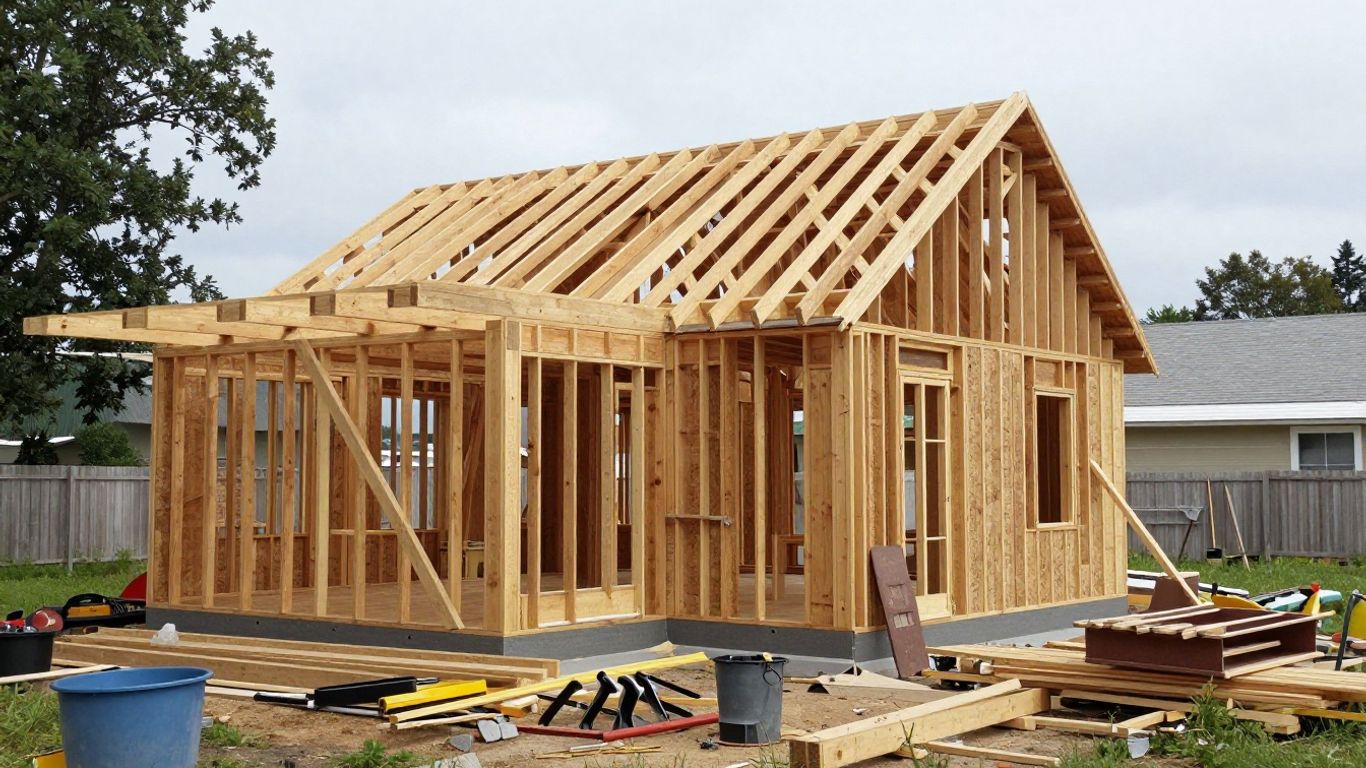
Definition of Replacement Cost Coverage
Replacement cost coverage is a type of property insurance that pays to repair or replace damaged property with new materials of similar kind and quality, without deducting for depreciation. This means if your roof is damaged by a storm, the insurance company will pay the current cost to install a brand-new roof, not what the old roof was worth just before the damage occurred. It’s designed to get you back to the state you were in before the loss, as closely as possible.
Distinction from Actual Cash Value
Actual Cash Value (ACV) is different. ACV pays the replacement cost minus depreciation. So, for that damaged roof, ACV would pay the cost of a new roof minus the value of the years the old roof had already been in service. Think of it like this: ACV is what something is worth now, considering its age and wear. Replacement cost is what it will cost to buy a new one. Most homeowners policies offer replacement cost for the dwelling itself, but sometimes personal property is only covered at ACV unless you specifically add replacement cost coverage for those items.
Importance in Property Insurance
Replacement cost coverage is really important, especially for homeowners. Property values and construction costs tend to go up over time. If you only have ACV coverage, you might find yourself paying a significant amount out-of-pocket to rebuild or repair your home after a major loss, because the insurance payout wouldn’t cover the full cost of new materials. Having replacement cost coverage helps ensure you can actually restore your property to its pre-loss condition without a major financial hit. It provides a much greater sense of security and financial stability when the unexpected happens.
Underwriting is the backbone of the insurance process, and it’s especially critical when it comes to replacement cost coverage. It’s how insurers decide who to insure, what to charge, and what terms to offer. For replacement cost policies, underwriters have to look closely at a property to make sure they’re not taking on too much risk.
Risk Assessment for Replacement Cost
When an underwriter looks at a property for replacement cost coverage, they’re trying to figure out how likely it is that the property will have a claim, and how much that claim might cost. They look at a lot of things. This includes the age and condition of the building, the materials it’s made from, where it’s located (like if it’s in an area prone to floods or wildfires), and even the owner’s claims history. The goal is to accurately estimate the potential cost of rebuilding the property from scratch. They use data and guidelines to make these judgments. It’s a detailed process to make sure the price charged matches the risk involved.
Underwriting Guidelines and Adjustments
Insurers have specific rules, or guidelines, that underwriters follow. These guidelines help them decide if a property is acceptable for replacement cost coverage and what the premium should be. For example, a guideline might state that a roof older than 15 years needs to be replaced before replacement cost coverage can be offered for the dwelling. If a property doesn’t quite meet the standard guidelines, an underwriter might suggest adjustments. This could mean requiring the homeowner to make certain repairs, like updating old wiring or plumbing, or perhaps adding specific safety features. Sometimes, they might offer coverage but with a higher deductible or a modified limit if the risk is higher than average.
Impact of Property Condition on Eligibility
The physical condition of a property plays a huge role in whether it can get replacement cost coverage and at what price. If a house is falling apart, has a leaky roof, or outdated electrical systems, it’s a much riskier prospect for an insurer. In many cases, severe disrepair can lead to the denial of replacement cost coverage altogether. The insurer might say, "We can’t offer replacement cost until these issues are fixed." This is because the policy is meant to cover replacement of sound property, not to fund major renovations or repairs due to neglect. Insurers want to see that the property has been reasonably maintained, as this indicates a lower likelihood of claims and a more stable risk profile.
Calculating Replacement Cost Premiums
Figuring out the premium for replacement cost coverage isn’t just a wild guess. It involves some pretty complex math and data analysis. Actuaries, who are basically insurance mathematicians, develop pricing models. These models take into account:
- Construction Costs: The current cost of building materials and labor in the specific area.
- Property Characteristics: Size, type of construction (e.g., frame, brick), number of stories, and features like finished basements or high-end kitchens.
- Location Risks: Factors like proximity to fire hydrants, fire department response times, and susceptibility to natural disasters (wind, hail, earthquake).
- Loss History: The claims history of the property and similar properties in the area.
- Coverage Limits: The maximum amount the policy will pay out.
The premium needs to be high enough to cover potential claims, operating expenses, and a bit of profit, but also competitive enough so people actually buy the insurance. It’s a balancing act based on a lot of data and statistical analysis.
Actuarial Science in Pricing
Actuarial science is the engine behind insurance pricing. Actuaries use probability and statistics to predict how often losses might occur (frequency) and how much those losses might cost on average (severity). For replacement cost, they analyze vast amounts of data on construction costs, building materials, and historical claims related to property damage. They build complex models that can estimate the potential cost of rebuilding a structure under various scenarios. This scientific approach helps insurers set premiums that are fair to policyholders and financially sound for the company.
Factors Influencing Premium Rates
Several factors directly influence how much you’ll pay for replacement cost coverage. The obvious ones are the value of the property and the amount of coverage you need. But beyond that, the type of construction materials used matters a lot – brick is generally cheaper to insure than wood frame. The age of the building and its systems (like plumbing and electrical) are also key; older systems often mean higher premiums. Your location is another big one; areas with higher risks of fire, windstorms, or other natural disasters will naturally have higher rates. Finally, your personal claims history and even your credit score (in some states) can affect your premium.
Loss Frequency and Severity Analysis
Insurers constantly analyze loss data to understand two main things: loss frequency (how often claims happen) and loss severity (how much those claims typically cost). For replacement cost policies, they look at data related to fires, wind damage, hail, and other perils that could lead to a total or near-total loss. If data shows that properties in a certain region are experiencing frequent, high-cost claims due to, say, severe thunderstorms, the premiums for replacement cost coverage in that region will likely be higher. This analysis helps insurers adjust their pricing and underwriting rules to reflect the real-world risks they are covering.
Underwriting is the process insurers use to evaluate the risk associated with insuring a property and to decide whether to offer coverage, and at what price. For replacement cost policies, this process is particularly important because it involves estimating the potentially high cost of rebuilding.
Risk Assessment for Replacement Cost
Underwriters assess the risk of a property by looking at various factors. For replacement cost, they focus heavily on the potential cost to rebuild. This involves considering:
- Construction Type and Materials: Is it wood frame, brick, concrete? What kind of roofing is used?
- Building Age and Condition: Older buildings or those in poor repair may pose a higher risk.
- Location: Proximity to fire services, susceptibility to natural disasters (wind, hail, earthquake).
- Square Footage and Features: The size of the building and any unique features like swimming pools or high-end finishes.
- Claims History: Past insurance claims filed for the property.
The underwriter’s job is to determine if the risk is acceptable and if the potential payout aligns with the premium charged.
Underwriting Guidelines and Adjustments
Insurers develop detailed underwriting guidelines to ensure consistency and manage risk. These guidelines specify criteria for accepting or rejecting risks, setting coverage limits, and determining appropriate premiums. For replacement cost, guidelines might dictate:
- Maximum age for roofs, HVAC systems, or plumbing before repairs are required.
- Minimum standards for electrical and heating systems.
- Specific requirements for properties in high-risk areas (e.g., requiring impact-resistant windows in hurricane zones).
If a property doesn’t fully meet the guidelines, underwriters may suggest adjustments. This could involve requiring the applicant to make specific repairs or upgrades before coverage can be issued, or perhaps offering coverage with a higher deductible or a reduced limit.
Impact of Property Condition on Eligibility
The physical condition of a property is a major factor in underwriting. A well-maintained property with updated systems is generally easier to insure for replacement cost than one that shows signs of neglect. Insurers want to avoid covering properties where the cost of repair is primarily due to deferred maintenance rather than a sudden, accidental loss. For instance, if a roof is already old and damaged, the insurer likely won’t cover its replacement cost under a standard policy; they might require it to be replaced first. This ensures that the policy is used for its intended purpose – covering unexpected damage, not pre-existing deterioration.
Setting the price for replacement cost coverage involves a detailed analysis of potential rebuilding expenses and associated risks. It’s a complex calculation designed to balance the insurer’s exposure with the policyholder’s need for adequate protection.
Actuarial Science in Pricing
Actuarial science is the foundation for calculating insurance premiums. Actuaries use statistical methods and probability theory to analyze historical loss data, construction costs, and various risk factors. They develop models that predict the likelihood and potential cost of claims. For replacement cost, this means estimating the current cost to rebuild a structure, considering factors like labor rates, material prices, and regional construction trends. This data-driven approach allows insurers to price policies accurately and sustainably.
Factors Influencing Premium Rates
Several key factors influence the premium for replacement cost coverage:
- Rebuilding Cost: The estimated current cost to construct an identical or similar building.
- Property Characteristics: Size, type of construction (e.g., frame, masonry), number of stories, and features like finished basements or attics.
- Location: Risks associated with the geographic area, such as the likelihood of windstorms, hail, wildfires, or earthquakes.
- Age and Condition: The age of the building and its major systems (roof, electrical, plumbing, HVAC).
- Coverage Limits: The maximum amount the insurer will pay for a covered loss.
- Deductible Amount: A higher deductible typically results in a lower premium.
Loss Frequency and Severity Analysis
Insurers analyze historical data to understand loss frequency (how often claims occur) and loss severity (the average cost of claims). This analysis helps them identify patterns and trends. For example, if data shows a high frequency of wind damage claims in a particular region, premiums for replacement cost coverage in that area will likely be higher to account for this increased risk. Similarly, if the severity of fire claims is increasing due to rising construction costs, premiums will adjust accordingly to ensure adequate funds are available to cover these larger potential losses.
Underwriting is the critical process insurers use to evaluate the risks associated with offering replacement cost coverage. It involves assessing the property, determining eligibility, and setting the appropriate price. This ensures that the insurer can provide the promised coverage without taking on excessive financial exposure.
Risk Assessment for Replacement Cost
When assessing a property for replacement cost coverage, underwriters focus on the potential cost to rebuild. They examine factors such as:
- Construction Type: The materials used in the building’s structure (e.g., wood, brick, steel).
- Age and Condition: The overall state of the property, including the age of the roof, electrical, and plumbing systems.
- Location: Geographical risks like proximity to fire services, flood zones, or areas prone to severe weather.
- Size and Features: The square footage, number of stories, and any unique architectural elements or amenities.
The underwriter’s primary goal is to accurately estimate the potential cost of replacing the property in the event of a total loss. This estimate directly influences the premium charged and the terms of the policy.
Underwriting Guidelines and Adjustments
Insurers maintain specific underwriting guidelines that dictate the criteria for offering replacement cost coverage. These guidelines help ensure consistency and manage risk across their portfolio. For example, a guideline might require that a roof be no more than 15 years old to qualify for full replacement cost coverage on the dwelling. If a property doesn’t meet these standards, underwriters may propose adjustments. This could involve requiring the homeowner to make specific repairs, such as replacing an old roof or updating outdated wiring, before the policy can be issued. Alternatively, they might offer coverage with a higher deductible or a modified coverage limit.
Impact of Property Condition on Eligibility
The physical condition of a property is a significant determinant of eligibility for replacement cost coverage. Properties that are well-maintained and have updated systems are generally viewed as lower risks. Conversely, properties with significant deferred maintenance, such as a dilapidated roof, structural issues, or outdated plumbing, may be denied replacement cost coverage. Insurers aim to cover sudden and accidental losses, not the cost of repairing or replacing components that have reached the end of their useful life due to wear and tear or neglect. Therefore, a property’s condition directly impacts its insurability under a replacement cost policy.
Calculating Replacement Cost Premiums
Determining the premium for replacement cost coverage is a detailed process that relies on actuarial science and a thorough analysis of risk factors. The goal is to set a price that is adequate to cover potential claims while remaining competitive.
Actuarial Science in Pricing
Actuaries use statistical models and historical data to predict the frequency and severity of potential losses. For replacement cost policies, they analyze data on construction costs, labor rates, and material prices in specific geographic areas. They also consider factors like the likelihood of different perils (fire, wind, hail) and the potential cost of rebuilding after such events. This scientific approach allows insurers to develop pricing structures that reflect the actual risk involved.
Factors Influencing Premium Rates
Several factors contribute to the final premium for replacement cost coverage:
- Estimated Rebuilding Cost: The primary driver, based on current construction expenses.
- Property Characteristics: Size, design complexity, and quality of materials used.
- Location: Risks associated with the property’s geographic area, including natural disaster probabilities and fire protection levels.
- Age and Condition of Major Systems: The state of the roof, electrical, plumbing, and HVAC systems.
- Coverage Limits: The maximum payout the policy will provide.
- Deductible: The amount the policyholder pays out-of-pocket before insurance kicks in.
Loss Frequency and Severity Analysis
Insurers continuously analyze claims data to understand how often losses occur (frequency) and how much they cost on average (severity). This analysis helps them identify trends and adjust pricing accordingly. For example, if data indicates an increase in the cost of rebuilding due to inflation in material prices, premiums for replacement cost coverage will likely rise to compensate. Similarly, if a region experiences a rise in the frequency of severe weather events, premiums in that area will reflect the increased risk of substantial property damage.
Underwriting is the process insurers use to evaluate the risks associated with insuring a property and to decide whether to offer replacement cost coverage, and at what price. It’s a crucial step in managing the insurer’s financial exposure.
Risk Assessment for Replacement Cost
Underwriters assess the risk of a property by looking at various factors that could influence the cost of rebuilding. This includes:
- Construction Details: The type of materials used (e.g., wood frame, brick, concrete) and their quality.
- Age and Maintenance: The age of the building and its major systems (roof, electrical, plumbing), as well as the general upkeep.
- Location: Proximity to fire services, potential for natural disasters (wind, hail, earthquake), and local building codes.
- Size and Complexity: The overall square footage, number of stories, and any unique architectural features.
The underwriter’s main task is to estimate the potential cost to replace the property entirely, ensuring this aligns with the premium being charged.
Underwriting Guidelines and Adjustments
Insurers operate with established underwriting guidelines that provide a framework for evaluating risks. These guidelines help ensure consistency and fairness in decision-making. For replacement cost policies, guidelines might specify:
- Maximum age limits for roofs and other building components.
- Requirements for updated electrical and plumbing systems.
- Specific conditions for properties in high-risk geographical areas.
If a property doesn’t fully meet these standards, underwriters may suggest adjustments. This could involve requiring the applicant to make repairs, such as replacing an old roof, before coverage can be approved. In some cases, they might offer coverage but with a higher deductible or a modified coverage limit to account for the increased risk.
Impact of Property Condition on Eligibility
The physical condition of a property is a significant factor in determining eligibility for replacement cost coverage. Insurers prefer to cover properties that are well-maintained and have relatively modern systems. A property with a history of neglect, such as a worn-out roof or outdated electrical wiring, may be considered too high a risk for replacement cost coverage. The policy is intended to cover sudden and accidental losses, not the cost of repairing or replacing components that have simply reached the end of their lifespan due to normal wear and tear. Therefore, the property’s condition directly influences whether replacement cost coverage can be offered and under what terms.
Calculating Replacement Cost Premiums
Calculating premiums for replacement cost coverage is a sophisticated process that aims to accurately reflect the potential cost of rebuilding and the associated risks.
Actuarial Science in Pricing
Actuarial science is the discipline that uses mathematics and statistics to assess risk and set insurance prices. Actuaries analyze vast amounts of data, including historical claims, construction costs, and economic trends, to predict the likelihood and cost of future losses. For replacement cost policies, they focus on estimating the current cost of materials and labor needed to rebuild a structure, factoring in regional variations and potential inflation.
Factors Influencing Premium Rates
Several factors directly impact the premium for replacement cost coverage:
- Estimated Rebuilding Cost: The most significant factor, representing the current market cost to replace the structure.
- Property Characteristics: The size, design, and quality of materials used in the building.
- Location: Risks associated with the property’s geographic area, such as exposure to natural disasters and the quality of local fire protection.
- Age and Condition: The age of the building and its major systems (roof, electrical, plumbing).
- Coverage Limits: The maximum amount the insurer will pay for a loss.
- Deductible: The amount the policyholder agrees to pay out-of-pocket.
Loss Frequency and Severity Analysis
Insurers conduct detailed analyses of loss frequency (how often claims occur) and loss severity (the average cost per claim). This helps them understand the patterns of risk. For instance, if data shows a rising trend in the cost of building materials, insurers will adjust premiums upward to ensure they can cover the higher replacement costs. Similarly, if a region experiences an increase in the frequency of severe weather events, premiums in that area will reflect the heightened risk of substantial property damage and the associated rebuilding expenses.
Calculating Replacement Cost Premiums
Figuring out the cost of replacement cost coverage isn’t just a shot in the dark. Insurers use some pretty sophisticated methods to set those premium prices. It’s all about balancing the risk they’re taking on with making sure they can actually pay out claims when they happen, while still running a business.
Actuarial Science in Pricing
Actuaries are the number crunchers of the insurance world. They use math, statistics, and a whole lot of data to figure out how likely a loss is and how much it might cost. For replacement cost, they look at things like the cost to rebuild a structure, considering materials, labor, and even inflation. They’re basically trying to predict the future cost of rebuilding your property.
Factors Influencing Premium Rates
Several things go into determining your premium. The type of property, its location (think weather risks or crime rates), its age and condition, and even your claims history all play a part. The more likely a loss is, or the more expensive it would be to replace, the higher your premium will likely be. Insurers also factor in their own operating costs, like salaries, office space, and marketing, plus a bit for profit.
Loss Frequency and Severity Analysis
This is where actuaries really dig in. They analyze how often claims happen (frequency) and how much they tend to cost when they do (severity). For replacement cost, they’re looking at historical data for similar properties and similar types of losses. If a certain area has a high frequency of wind damage claims, for example, premiums for properties in that area will reflect that risk. They might use models that look something like this:
| Factor | Description | Impact on Premium |
|---|---|---|
| Building Material | Wood vs. Brick | Higher for more expensive materials |
| Construction Type | Standard vs. Complex | Higher for complex designs |
| Location | High-risk weather zone | Higher due to increased peril likelihood |
| Age of Property | Older structures | Potentially higher due to condition/outdated codes |
| Inflation Rate | Current economic trends | Higher to account for rising replacement costs |
Insurers aim to set premiums that are just right – not so high that people can’t afford coverage, but high enough to cover expected claims and expenses. It’s a constant balancing act based on data and predictions.
Navigating the Claims Process with Replacement Cost
When you have a loss and need to file a claim under your replacement cost policy, it’s a bit of a process. It’s not just about calling up and saying, ‘My house burned down.’ There are steps involved, and understanding them can make things go a lot smoother. The goal is to get you back to where you were before the loss, as quickly and fairly as possible.
Notice of Loss and Initial Investigation
The very first thing you need to do after a loss is to let your insurance company know. This is called providing notice of loss. Most policies have specific timeframes for this, so don’t delay. You can usually do this by calling your agent or the insurer’s claims department directly. Some insurers even have apps or online portals for reporting claims.
Once they’re notified, the insurer will assign a claims adjuster to your case. This person is your main point of contact. Their job is to figure out what happened, confirm that the loss is covered by your policy, and start assessing the damage. They might ask for a lot of information, like police reports if it was a theft, photos of the damage, or even statements from witnesses.
- Report the loss promptly: Check your policy for specific deadlines.
- Gather initial documentation: Collect any photos, videos, or receipts related to the damaged property.
- Cooperate with the adjuster: Provide honest and complete information when asked.
The investigation phase is critical for establishing the facts of the loss and ensuring that the claim aligns with the policy’s terms and conditions. It’s a two-way street; you need to provide information, and the insurer needs to conduct a thorough review.
Valuation Methods in Claims Settlement
This is where replacement cost really comes into play. Unlike Actual Cash Value (ACV), which factors in depreciation, replacement cost means the insurer will pay to repair or replace the damaged property with materials of similar kind and quality, without deducting for wear and tear. However, the actual payout process can vary.
Often, the insurer will first pay you the ACV of the damaged property. Then, once you actually repair or replace the damaged items, you can submit receipts and proof of completion to receive the difference between the ACV and the full replacement cost. This is sometimes called a "two-phase" or "delayed payout" settlement.
Here’s a simplified look at how it might work:
| Item | Actual Cash Value (ACV) | Replacement Cost (RC) | Difference (RC – ACV) | Amount Paid Initially | Amount Paid After Repair |
|---|---|---|---|---|---|
| Roof | $8,000 | $12,000 | $4,000 | $8,000 | $12,000 |
| Kitchen Counter | $1,500 | $2,500 | $1,000 | $1,500 | $2,500 |
| Living Room Sofa | $500 | $1,000 | $500 | $500 | $1,000 |
- Initial Payment: Typically based on ACV to provide immediate funds.
- Repair/Replacement: You must complete the repairs or replacements.
- Supplemental Payment: Submit proof of completion and costs to receive the remaining replacement cost value.
Role of Insurance Adjusters
Insurance adjusters are the professionals who manage the claims process on behalf of the insurance company. They are trained to investigate, evaluate, and negotiate claims. For replacement cost policies, their role is particularly important because they need to accurately determine the cost to repair or rebuild the damaged property using current market prices for materials and labor.
They might use specialized software, consult with contractors, or even hire independent appraisers to get accurate cost estimates. It’s their job to make sure the settlement amount reflects the true cost of replacement, as defined by your policy. If there are disagreements about the valuation, the adjuster will be involved in discussions, and potentially in appraisal or mediation processes if a resolution can’t be reached directly.
- Investigate the loss: Determine the cause and extent of damage.
- Interpret the policy: Apply policy terms and conditions to the specific loss.
- Estimate repair/replacement costs: Calculate the value based on current market rates.
- Negotiate settlement: Work towards an agreed-upon resolution with the policyholder.
Challenges and Considerations in Replacement Cost
Replacement cost coverage sounds pretty straightforward, right? You pay your premium, and if something happens, the insurance company pays to replace it with something new. But like most things in the insurance world, it’s not always that simple. There are a few hurdles and things to keep in mind that can make the process a bit more complicated than you might expect.
Moral Hazard and Adverse Selection
One of the big concerns for insurers is something called moral hazard. This is basically the idea that if people know they’re covered, they might be a little less careful. For example, someone with full replacement cost coverage might not be as diligent about locking their doors or might be more inclined to file a claim for minor damage because they know they’ll get new stuff. Then there’s adverse selection. This happens when people who know they are at higher risk are more likely to buy insurance. Think about someone living in a flood zone who suddenly decides they really need flood insurance. Insurers try to combat these issues through careful underwriting, setting deductibles, and having specific policy conditions.
Material Misrepresentation and Concealment
When you apply for insurance, you have to be honest and provide all the important details. If you don’t, or if you hide something that could affect the insurer’s decision, that’s called material misrepresentation or concealment. For instance, if you say your roof is only five years old when it’s actually fifteen, and that affects your premium or eligibility for replacement cost coverage, the insurer could have grounds to deny a claim or even cancel your policy. It’s really important to give accurate information from the start.
Market Cycles and Coverage Availability
Insurance markets go through cycles. Sometimes, it’s a ‘hard’ market where coverage is expensive and harder to get, and insurers are very strict. Other times, it’s a ‘soft’ market where there’s lots of competition, and coverage might be more readily available and cheaper. Replacement cost coverage can be affected by these cycles. In a hard market, insurers might limit the availability of replacement cost, especially for older properties, or they might increase premiums significantly. This can make it tough for homeowners to get the protection they want or need.
The interplay between policyholder behavior, accurate disclosure, and the broader economic conditions of the insurance market creates a complex environment for replacement cost coverage. Insurers must balance providing adequate protection with managing their own financial risks, while policyholders need to understand the limitations and responsibilities associated with their coverage.
Replacement Cost vs. Extended Replacement Cost
When you’re looking at property insurance, especially for your home or business, you’ll run into terms like ‘Replacement Cost’ and ‘Extended Replacement Cost.’ They sound pretty similar, and honestly, they are, but that little ‘extended’ part can make a big difference when you actually need to file a claim.
Understanding Extended Replacement Cost
So, what’s the deal with Extended Replacement Cost (ERC)? Think of it as a safety net on top of your regular replacement cost coverage. Standard replacement cost coverage pays to repair or rebuild your damaged property using materials of similar kind and quality, up to the limit stated in your policy. Extended Replacement Cost provides an additional percentage above your policy’s dwelling limit to cover the costs of rebuilding or repairing your property. This extra buffer is super important because construction costs can sometimes go way up, especially after a major disaster when everyone needs materials and labor at the same time.
Additional Coverage Limits
Policies with ERC usually specify an additional percentage or a fixed dollar amount above the main dwelling limit. For example, a policy might have a dwelling limit of $300,000 and offer Extended Replacement Cost coverage of an additional 25%. This means the insurer would pay up to $375,000 ($300,000 + 25% of $300,000) to rebuild your home if the costs exceed the base limit.
Here’s a quick look at how it might work:
| Coverage Type | Policy Limit | Additional % | Maximum Payout |
|---|---|---|---|
| Replacement Cost (Base) | $300,000 | N/A | $300,000 |
| Extended Replacement Cost | $300,000 | 25% | $375,000 |
It’s not just about the dwelling, either. Some policies might extend this additional coverage to other structures on your property, like detached garages or sheds, though the percentage or limit might be different.
When Extended Coverage is Necessary
Why would you need this extra coverage? Several things can drive up rebuilding costs beyond your initial policy limit:
- Increased Material Costs: Prices for lumber, roofing, and other building materials can fluctuate wildly. A sudden spike can make a big dent in your coverage.
- Labor Shortages: After a widespread event, demand for skilled labor skyrockets. This can lead to higher wages and contractor fees.
- Building Code Upgrades: Sometimes, local building codes are updated, requiring you to use more expensive materials or methods to meet new standards during a rebuild.
- Inflation: General inflation can erode the purchasing power of your coverage limit over time.
- Unforeseen Site Conditions: Discovering issues like unexpected soil problems or needing to clear more debris than anticipated can add to the cost.
Basically, if you live in an area prone to natural disasters or where construction costs are generally high and volatile, Extended Replacement Cost is a really smart addition to your policy. It gives you peace of mind knowing that you’re more likely to be able to fully rebuild your property, even if costs go through the roof.
The Insurable Interest Requirement
Establishing Financial Stake
Before an insurance policy can be considered valid, there’s a fundamental principle that needs to be in place: insurable interest. Simply put, this means the person or entity buying the insurance must stand to suffer a direct financial loss if the event the policy covers actually happens. It’s not about hoping for a payout; it’s about having a genuine financial stake in the property or situation being insured. Without this, insurance would just be a way to gamble, and that’s not what it’s designed for.
Insurable Interest in Property Insurance
When we talk about property insurance, like for your home or car, the insurable interest needs to exist at the time of the loss. So, if your house burns down, you must own it or have a significant financial tie to it at that exact moment for the insurance to kick in. It’s not enough to have owned it a year ago or to plan on buying it next year. This requirement is pretty straightforward but really important for keeping things fair and preventing people from insuring things they don’t actually have a financial connection to.
Preventing Speculative Insurance
This whole insurable interest idea is a big part of why insurance isn’t just a free-for-all bet. It stops people from taking out policies on things they have no financial connection to, just in the hopes of collecting a payout. Imagine insuring your neighbor’s prize-winning rose bush – if it dies, you don’t lose any money, so there’s no insurable interest. The requirement ensures that insurance is about protecting against actual financial harm, not about profiting from misfortune. It keeps the system grounded in reality and protects the integrity of the insurance pool for everyone involved.
Here’s a quick breakdown:
- What it is: A financial stake in the insured item or situation.
- When it matters (property): At the time the loss occurs.
- Why it’s important: Prevents gambling and ensures insurance protects against real financial loss.
- What it’s not: A way to profit from someone else’s misfortune or insure things you have no connection to.
Policy Interpretation and Legal Standards
When you buy an insurance policy, it’s not just a piece of paper; it’s a contract. And like any contract, it has to be interpreted according to specific rules. This is where policy interpretation and legal standards come into play. Basically, courts look at insurance policies using established legal ideas to figure out what everything means, especially when there’s a disagreement.
Contract Law Principles
At its core, an insurance policy is a contract. This means standard contract law principles apply. Think offer, acceptance, consideration, and the intent of the parties. The policy outlines the promises made by the insurer (to pay for covered losses) and the insured (to pay premiums and follow certain rules). If there’s a dispute about what a policy covers, courts will often look at how similar contracts are generally interpreted. This helps ensure fairness and predictability.
Ambiguities and Coverage Disputes
Sometimes, the language in an insurance policy isn’t perfectly clear. This is where ambiguities can arise. When a policy has unclear wording, courts generally interpret it in favor of the policyholder. This is often called the doctrine of contra proferentem. The idea is that the insurer, who drafted the policy, should bear the risk of any confusion. This is why insurers try to be very precise in their policy language, but disputes still happen.
Here’s a breakdown of how ambiguities are often handled:
- Clear Language: If the policy language is straightforward and unambiguous, courts will typically enforce it as written.
- Ambiguous Language: If there are two or more reasonable interpretations of a policy provision, the interpretation that favors the insured is usually adopted.
- Exclusions: Ambiguities in exclusion clauses are often interpreted narrowly, meaning they are less likely to apply if the wording isn’t crystal clear.
- Endorsements: Any modifications or additions to the standard policy language (endorsements) are also subject to interpretation rules.
Court Rulings on Replacement Cost
Over time, court decisions have shaped how replacement cost coverage is applied. For instance, rulings might clarify what constitutes ‘like kind and quality’ when replacing damaged property. They can also address whether an insurer must pay the full replacement cost upfront or only after the property has actually been repaired or replaced. Some cases have dealt with situations where the cost to rebuild exceeds the policy limits, and how extended replacement cost provisions might apply. These rulings are important because they set precedents that guide future claims and policy interpretations.
The practical effect of legal standards and court decisions is to provide a framework for resolving disagreements between policyholders and insurers. They ensure that insurance contracts are not just one-sided agreements but are upheld with a degree of fairness and legal accountability. This system helps maintain trust in the insurance process, even when losses occur.
Loss Control and Risk Mitigation Strategies
When it comes to property insurance, especially with replacement cost coverage, it’s not just about having the right policy in place. It’s also about actively working to prevent losses from happening in the first place. Insurers often encourage and sometimes even require policyholders to take steps to reduce the chances of damage or theft. This isn’t just about good practice; it can actually impact your premiums and the overall effectiveness of your coverage.
Preventative Measures for Property
Taking proactive steps to protect your property can significantly lower the risk of claims. Think about it: a well-maintained building is less likely to suffer from issues like water damage or structural failure. Here are some common areas to focus on:
- Building Maintenance: Regular inspections and upkeep of your roof, plumbing, electrical systems, and HVAC can catch small problems before they become big, costly ones. This includes things like clearing gutters, checking for leaks, and ensuring wiring is up to code.
- Security Systems: Installing and maintaining effective security systems, such as alarms, surveillance cameras, and robust locks, can deter theft and vandalism. For businesses, this might also include access control measures.
- Fire Prevention: This is a big one. Having working smoke detectors and fire extinguishers, maintaining clear access for emergency services, and ensuring proper storage of flammable materials are critical. For businesses, fire suppression systems and regular safety drills are also important.
- Environmental Protections: Depending on your location, measures to protect against natural disasters can be key. This might involve flood barriers, storm shutters, or ensuring landscaping doesn’t create fire hazards near structures.
Impact of Safety Systems on Premiums
Many insurers see investments in loss control as a sign of a responsible policyholder. Because these measures directly reduce the likelihood or severity of claims, they can often lead to premium discounts. It’s a win-win: you pay less for your insurance, and the insurer has fewer claims to pay out.
Here’s a general idea of how some systems might affect your rates:
| Safety System Installed | Potential Premium Impact |
|---|---|
| Monitored Fire Alarm | Up to 10% discount |
| Monitored Burglar Alarm | Up to 5% discount |
| Sprinkler System | Up to 15% discount |
| Advanced Security Cameras | Negotiable discount |
Note: These are general estimates. Actual discounts vary significantly by insurer, policy type, and specific system features.
Insurer Incentives for Risk Reduction
Beyond just offering discounts, insurers might provide resources or guidance to help policyholders implement risk reduction strategies. This could include offering free risk assessments, providing educational materials on safety best practices, or partnering with security and safety service providers. Some policies might even have specific requirements for certain types of businesses or properties to maintain coverage, making loss control a non-negotiable part of the insurance agreement.
Ultimately, viewing insurance not just as a safety net but as part of a broader risk management plan is the most effective approach. By actively engaging in loss control, you not only protect your assets but also contribute to a more stable and affordable insurance market for everyone.
Wrapping Up Replacement Cost Coverage
So, we’ve gone over how replacement cost coverage works. It’s not always as straightforward as it sounds, and understanding the details really matters. Think about how the policy is written, what the limits are, and how depreciation might play a role. Making sure you have enough coverage to actually replace what you lost, without any nasty surprises, is the main goal here. It’s about getting the right protection for your stuff so you can get back on your feet if something happens.
Frequently Asked Questions
What exactly is replacement cost coverage?
Replacement cost coverage is like getting paid enough money to buy a brand new version of something you lost or that got damaged, instead of just what the old item was worth. Think of it as getting a new phone for your old, broken one, not just the value of the used phone.
How is replacement cost different from actual cash value?
Actual cash value means you get the value of the item right before it was damaged, taking into account how old it was and how much it had worn out. Replacement cost, on the other hand, gives you the money to buy a new, similar item, ignoring its age or wear and tear.
Why is replacement cost coverage important for my property?
It’s super important because if something happens to your house or belongings, like a fire, you’ll have the money to rebuild or replace them with new items. Without it, you might only get enough money to buy used or older versions, which might not be enough to get back to where you started.
What are policy limits and how do they relate to replacement cost?
Policy limits are the maximum amount your insurance company will pay for a covered loss. With replacement cost, the limit needs to be high enough to actually cover the cost of buying new items. If your limit is too low, you might end up having to pay the difference yourself.
What’s the deal with deductibles in replacement cost policies?
A deductible is the amount you have to pay out-of-pocket before your insurance kicks in. Even with replacement cost, you’ll still have to pay your deductible. It’s a way to share the risk and can help keep your insurance costs lower.
Can you explain co-insurance clauses in simple terms?
Co-insurance clauses basically say that you need to insure your property for a certain percentage of its replacement cost (like 80% or 90%). If you don’t insure it for enough, and then you have a claim, the insurance company might make you pay a bigger share of the loss, even if it’s less than the policy limit.
What is extended replacement cost coverage?
Extended replacement cost is an extra layer of protection. It means the insurance company will pay more than the policy limit, usually an extra percentage like 20% or 25%, if the cost to rebuild or replace your property is higher than your original limit. This is really helpful if building costs suddenly skyrocket.
What does ‘insurable interest’ mean in insurance?
Insurable interest means you have a financial stake in what you’re insuring. You must be able to prove that you would suffer a financial loss if the insured item were damaged or destroyed. It prevents people from insuring things they don’t actually own or care about financially.