

Riding a motorcycle is a great feeling, but it comes with risks. That’s why having the right motorcycle insurance is super important. It protects you, your bike, and others on the road. Figuring out all the different types of coverage can be a bit confusing, though. Let’s break down what motorcycle insurance actually covers so you can ride with peace of mind.
Key Takeaways
- Liability coverage is usually required and helps pay for damages or injuries you cause to others.
- Collision coverage helps pay for damage to your motorcycle from an accident, regardless of fault.
- Comprehensive coverage protects your bike from things like theft, fire, or vandalism.
- Uninsured/underinsured motorist coverage helps if you’re hit by a driver with no or insufficient insurance.
- Optional coverages like roadside assistance or accessory protection can add extra layers of security.
Understanding Essential Motorcycle Insurance Coverages
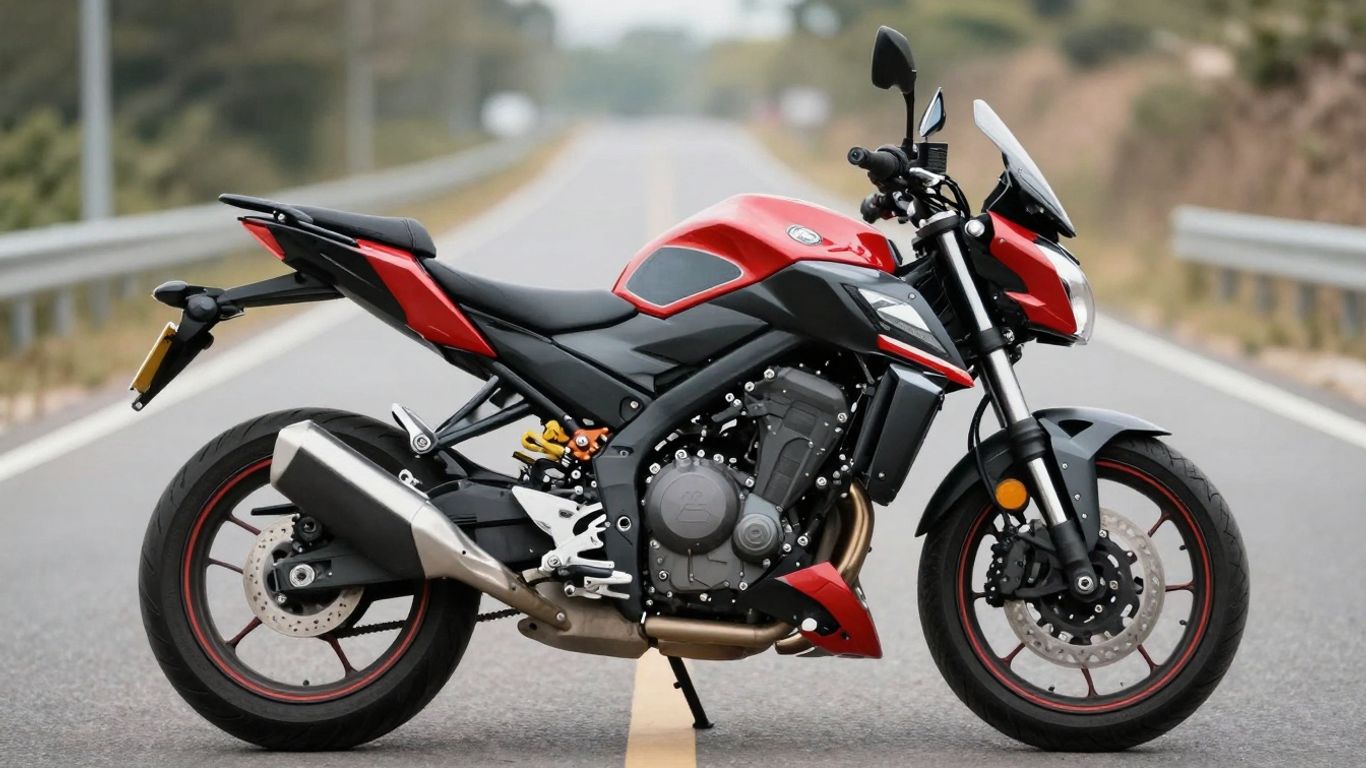
Alright, let’s talk about the basics of motorcycle insurance. It’s not just about having a policy; it’s about knowing what’s actually covered when you’re out on your bike. Think of these as the building blocks for protecting yourself and your ride.
Liability Protection Explained
This is usually the first thing people think about, and for good reason. Liability coverage is pretty much mandatory in most places. It’s designed to cover damages and injuries you might cause to others if you’re at fault in an accident. This means if you hit someone’s car or, unfortunately, injure another person, your liability coverage can help pay for their medical bills, car repairs, and even legal fees if you get sued. It’s split into two main parts: Bodily Injury Liability and Property Damage Liability.
Collision Coverage Details
So, what happens if you smack into another vehicle or, say, a tree? That’s where collision coverage comes in. It helps pay for the repairs to your own motorcycle after a crash, no matter who caused it. There’s usually a deductible you’ll have to pay first, like a small upfront cost before the insurance kicks in. It’s a good idea to think about how much you’re willing to pay out of pocket when choosing your deductible amount.
Comprehensive Coverage Benefits
Now, not all damage comes from crashes. Sometimes, things just happen. Comprehensive coverage is your safety net for those incidents that aren’t collisions. This could be anything from your bike getting stolen or vandalized to damage from a falling tree branch or even hitting a deer. Like collision coverage, it typically has a deductible. It’s basically for those ‘acts of God’ or unfortunate events that are outside of your control.
Protecting Yourself and Others on the Road
When you’re out on your motorcycle, you’re not just responsible for your own safety, but also for the well-being of others and their property. That’s where liability coverages come into play. They’re pretty much a must-have in almost every state, designed to help you out financially if you’re found at fault in an accident.
Bodily Injury Liability Coverage
This is a big one. If you happen to injure someone else while riding, this coverage can help pay for their medical bills, lost wages, and other related expenses. It can also provide legal defense if you’re sued. You can usually pick different limits for how much coverage you want, so think about what makes sense for your situation.
Property Damage Liability Coverage
Similar to bodily injury liability, this covers damage you might cause to someone else’s property. This could be their car, a fence, or anything else you might accidentally hit. Again, you’ll typically have options for the amount of coverage you choose. It’s all about making sure you’re not left footing a massive bill if something goes wrong.
Uninsured and Underinsured Motorist Protection
What happens if you get into an accident with someone who doesn’t have insurance, or doesn’t have enough insurance to cover the damages? That’s where Uninsured and Underinsured Motorist (UM/UIM) coverage steps in. It can help pay for your medical expenses and damage to your motorcycle if the other driver is at fault but can’t cover the costs. It’s a smart way to protect yourself from the financial fallout caused by others’ lack of adequate motorcycle insurance.
Here’s a quick rundown of what these coverages generally handle:
- Bodily Injury Liability: Covers injuries you cause to others.
- Property Damage Liability: Covers damage you cause to others’ property.
- UM/UIM: Protects you when the at-fault driver lacks sufficient insurance.
It’s easy to focus just on protecting your own bike, but these liability coverages are just as important, if not more so. They’re there to help you manage the financial fallout if you’re responsible for hurting someone or damaging their stuff. Thinking about these coverages means you’re being a responsible rider, looking out for everyone on the road.
Coverage for Your Motorcycle and Rider
When you’re out on your bike, you want to know that both you and your ride are looked after. This section covers the parts of your policy that focus specifically on the rider and the motorcycle itself, beyond just who you might hit.
Medical Payments Coverage
This part of your policy is pretty straightforward. It helps pay for medical bills if you or your passengers get hurt in an accident, no matter who was at fault. Think of it as a safety net for immediate medical needs after a crash. It can cover things like ambulance rides, hospital stays, and doctor visits. The limits can vary, so it’s good to check what makes sense for you.
Personal Injury Protection Options
Similar to Medical Payments coverage, Personal Injury Protection (PIP) can also help with medical costs. However, PIP often goes a bit further. It can cover not just medical expenses but also lost wages if you can’t work due to your injuries, and even services like childcare or household help if you’re unable to perform those tasks yourself after an accident. It’s a more robust option if you want broader protection for yourself and your passengers.
Coverage for Accessories and Custom Parts
So, you’ve spent time and money making your bike uniquely yours – custom paint, new exhaust, upgraded seat? This coverage helps protect those additions. If your motorcycle is stolen or damaged in a covered incident, this part of your policy can help pay to replace those aftermarket parts and accessories, not just the standard factory components. It’s important to let your insurer know about significant customizations so they can be properly valued and covered.
It’s easy to focus on the big stuff, like the engine or frame, when thinking about your motorcycle. But the little things, the parts that make your bike your bike, are often overlooked. Making sure these custom touches are covered can save you a lot of headaches and money down the line if something happens.
Here’s a quick look at what might be included:
- Custom Seats: If you’ve swapped out the stock seat for something more comfortable or stylish.
- Aftermarket Exhaust Systems: That sweet sound you love could be covered.
- Upgraded Electronics: Like new sound systems or GPS units.
- Specialty Paint Jobs: Unique paint or graphics that make your bike stand out.
Additional Motorcycle Insurance Benefits
Sometimes, the standard coverages just aren’t enough to cover every possible hiccup on the road. That’s where these extra benefits come in handy. They’re designed to make life a little easier if your bike is out of commission or if you need a hand when you’re stranded.
Towing and Labor Assistance
This is a lifesaver if your motorcycle breaks down. It helps cover the costs of towing your bike to a repair shop. Plus, it can often include basic roadside labor, like a jump-start if your battery dies or help with a flat tire. It’s good to know you won’t be stuck on the side of the road.
Rental Reimbursement Coverage
If your motorcycle is your main way of getting around, what happens when it’s in the shop after an accident? Rental reimbursement coverage helps pay for a rental car or other transportation while your bike is being repaired. This coverage is super helpful for keeping you mobile. It usually has a daily limit and a maximum total limit, so check those details.
Emergency Roadside Assistance
This is a broader service than just towing. It’s your go-to for unexpected issues when you’re out riding. Think running out of gas, a dead battery, a flat tire, or even losing your keys. It provides help right where you are, 24/7, so you can get back on the road or get safely home. It’s like having a roadside helper in your pocket. You can get a quote for motorcycle insurance to see what options are available.
These additional benefits are often overlooked but can make a significant difference in your overall experience as a motorcycle owner. They provide peace of mind, knowing that you have support when unexpected problems arise, beyond just the damage to your bike or injuries from an accident.
Specialized Motorcycle Insurance Features
Replacement Cost Coverage
Sometimes, the worst happens, and your motorcycle is totaled. When that occurs, standard insurance might only pay out what the bike was worth at the time of the loss. Replacement cost coverage is a bit different. It aims to pay enough to get you a brand-new motorcycle of the same make and model, rather than just the depreciated value of your old one. This can be a huge relief, especially if you have a newer bike or one that holds its value well. It means you’re not left scrambling to cover the difference between what insurance pays and what it costs to get back on the road with a comparable ride.
Guest Passenger Liability
If you often ride with a passenger, this coverage is something to think about. Guest passenger liability is designed to help protect you if your passenger gets injured while riding on your motorcycle and decides to sue you. It can help cover their medical bills and other related costs if you’re found responsible for the accident. It’s a good idea to check the specifics of this coverage, as it might have its own limits or conditions.
Genuine Parts Replacement
When your motorcycle needs repairs after a covered incident, you want it fixed right. Genuine Parts Replacement coverage means that if your bike needs a new part, the insurance company will use original equipment manufacturer (OEM) parts. This is important because OEM parts are made specifically for your make and model, fitting correctly and performing as intended. It helps maintain the integrity and performance of your motorcycle, unlike aftermarket parts which can sometimes be a gamble.
When considering specialized features, think about your riding habits and the value of your motorcycle. These add-ons can provide significant peace of mind, especially for riders who customize their bikes or frequently carry passengers. Don’t just assume your standard policy covers everything; take a moment to explore these options.
Here’s a quick look at what these features generally cover:
- Replacement Cost Coverage: Focuses on getting you a new, comparable bike.
- Guest Passenger Liability: Protects you if your passenger is injured and sues.
- Genuine Parts Replacement: Ensures repairs are done with original manufacturer parts.
What Motorcycle Insurance Typically Excludes
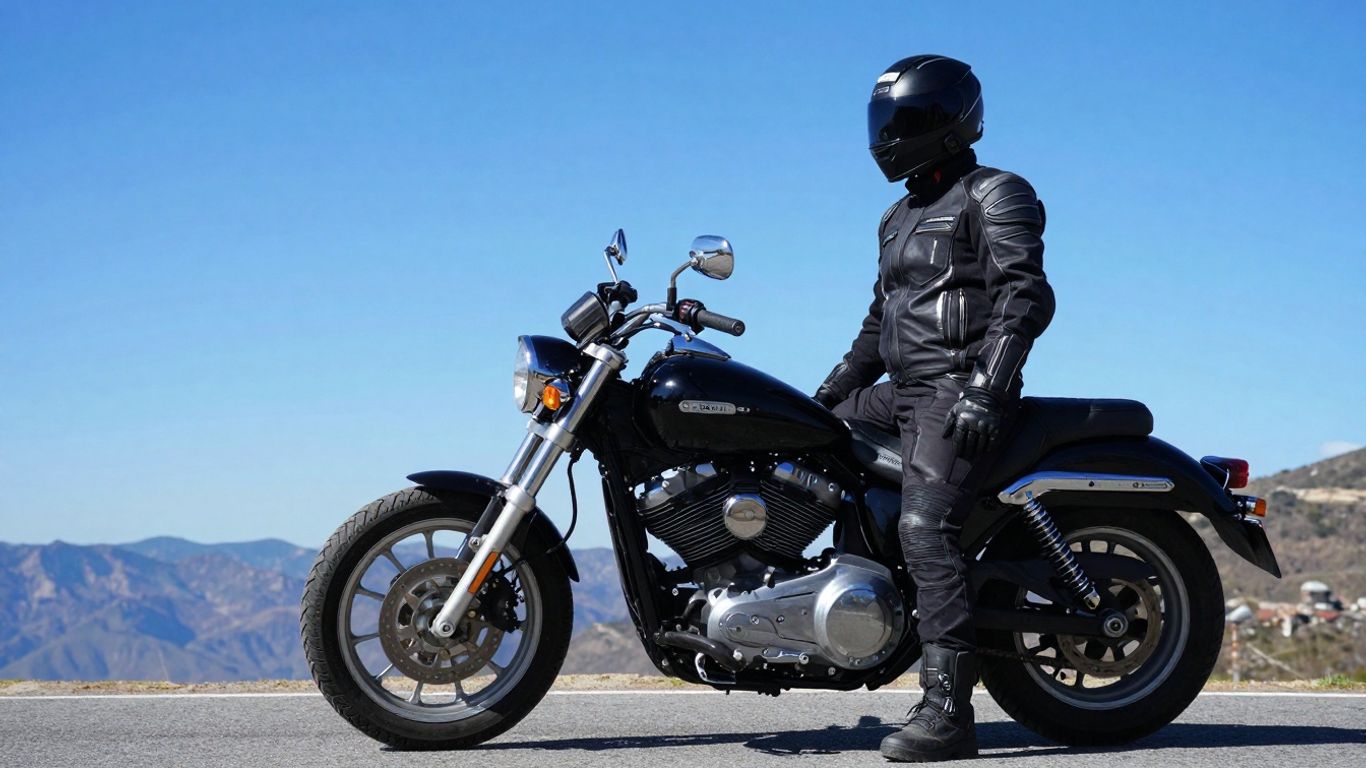
So, you’ve got your motorcycle insurance sorted, but it’s super important to know what’s not covered. Policies aren’t designed to cover everything, and understanding these limits can save you a lot of headaches down the road. Think of it like this: your insurance is there for the everyday risks, not for pushing the boundaries of what your bike can do or how you use it.
Track Days and Competitions
If you’re the type of rider who loves hitting the track for some high-speed action or participating in organized competitions, your standard motorcycle insurance policy likely won’t cover you. This includes things like racing events, timed speed trials, or even just practicing on a closed course. The risks involved in these activities are just too high for a regular policy to handle. It’s a different ballgame when you’re pushing your bike to its absolute limits in a competitive setting. If this is your scene, you’ll probably need to look into specialized coverage designed specifically for racing or track use.
Commercial Use Limitations
Your personal motorcycle insurance is generally for personal use only. If you’re using your bike for any kind of business, like delivering food, working as a courier, or even using it for ride-sharing services, your policy might not cover you. This is a big one, and it’s crucial to be upfront with your insurer about how you use your bike. Using your motorcycle for work purposes often requires a separate commercial insurance policy, which is tailored to the unique risks associated with business operations. Trying to get by with personal insurance when you’re using the bike for work could lead to a denied claim when you need it most.
Wear and Tear
Motorcycle insurance is designed to protect against sudden, accidental damage or loss, not the gradual effects of time and use. This means that things like rust, corrosion, or general depreciation of your bike’s parts are typically not covered. Your insurance won’t pay to fix something just because it’s gotten old or worn out from regular riding. It’s similar to how your car insurance doesn’t cover the cost of new tires just because the old ones are bald from driving. You’re responsible for the ongoing maintenance and upkeep of your motorcycle to keep it in good working order. For more details on what can affect your policy, check out information on modifying your motorcycle.
It’s always a good idea to have a clear conversation with your insurance agent about what is and isn’t covered. Don’t assume anything; ask questions and get things in writing if necessary. Knowing the exclusions upfront means you won’t be caught off guard if something unexpected happens.
Wrapping It Up
So, there you have it. Motorcycle insurance can seem like a lot at first, with all the different types of coverage out there. But really, it boils down to protecting yourself, your bike, and others on the road. Whether you need the basics like liability or want extra peace of mind with comprehensive and collision, there’s a plan for you. Taking a little time to figure out what you need means you can ride with confidence, knowing you’re covered if something unexpected happens. Don’t just guess; get a quote and see what makes sense for your ride and your wallet.
Frequently Asked Questions
What’s the most important kind of motorcycle insurance?
The most crucial type is usually Liability coverage. It’s required in most places and helps pay if you hurt someone or damage their stuff in an accident you caused. Without it, you could end up paying a lot out of your own pocket, and even face lawsuits.
What’s the difference between Collision and Comprehensive coverage?
Think of Collision coverage as protection for when your bike smashes into something, like another car or a tree, no matter who’s at fault. Comprehensive coverage is for other bad stuff that happens, like if your bike gets stolen, catches fire, or is damaged by a storm or an animal.
Do I really need Uninsured Motorist coverage?
It’s a really smart idea. This coverage helps you out if you’re hit by a driver who doesn’t have insurance or doesn’t have enough to cover the damage and your medical bills. It can help pay for your bike repairs and your injuries, so you’re not left paying for someone else’s mistake.
What if I get hurt in an accident, even if it’s my fault?
That’s where Medical Payments coverage or Personal Injury Protection (PIP) can help. These coverages pay for your medical bills and sometimes even lost wages, regardless of who caused the accident. It’s peace of mind for you and your passengers.
Can my insurance help if my motorcycle is stolen or damaged?
Yes, if you have Comprehensive coverage, it can help pay for repairs or replace your bike if it’s stolen or damaged by things like fire, vandalism, or natural disasters. Collision coverage would help if it’s damaged in a crash.
What kind of extras can I get for my motorcycle insurance?
You can add helpful extras like Towing and Labor to help if you break down, or Rental Reimbursement to help pay for a rental car if your bike is being fixed after an accident. Some policies also cover custom parts and accessories you’ve added to your bike.