

So, you’ve got a mobile home, huh? That’s pretty cool. They’re a great option for many people, offering a different kind of living. But when it comes to protecting that investment, you can’t just grab any old insurance policy off the shelf. Mobile home insurance is a bit different from what you might get for a standard house. Let’s break down what you need to know about mobile home insurance so you can make sure you’re covered.
Key Takeaways
- Mobile home insurance is designed specifically for manufactured and mobile homes, as standard homeowners policies often don’t cover them due to unique risks.
- Core coverage typically includes protecting the physical structure of your home (dwelling), your personal belongings (contents), and shielding you from legal claims if someone gets hurt or their property is damaged (personal liability).
- You can add extra protection like coverage for upgrades you make to your home, specific valuable items, or even costs if you have to live elsewhere temporarily.
- Factors like the age of your mobile home, where it’s located, and how it was built all play a role in how much your mobile home insurance premiums will be.
- Because mobile homes can be moved and have different construction, they have unique needs that specialized mobile home insurance policies address, unlike standard homeowners insurance.
Understanding Mobile Home Insurance Coverage
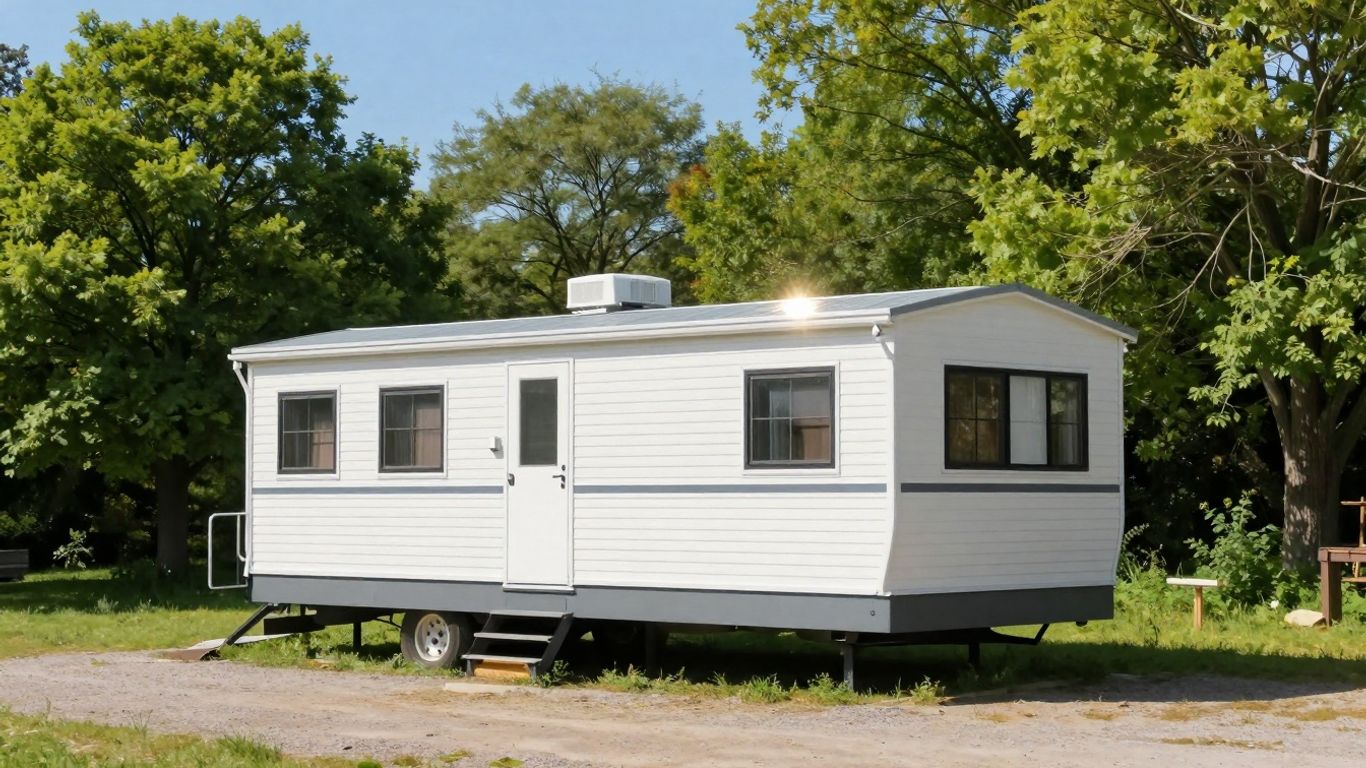
What Mobile Home Insurance Covers
So, you’ve got a mobile or manufactured home, and you’re wondering about insurance. It’s not quite the same as a stick-built house, but the core idea is similar: protecting your investment. Mobile home insurance is designed specifically for these types of dwellings and generally includes coverage for the structure itself, your personal belongings inside, and protection if someone gets hurt on your property or if you accidentally damage someone else’s. The goal is to give you financial backup if something bad happens. Think of it as a safety net for your home and your finances.
Here’s a quick look at what’s typically included:
- Dwelling Coverage: This is for the physical structure of your mobile home. It helps pay to repair or rebuild if it’s damaged by things like fire, wind, or theft, as listed in your policy.
- Contents Coverage: This part covers your personal stuff – furniture, clothes, electronics, and other belongings inside your home. If a covered event damages your items, this helps replace them.
- Personal Liability Protection: This is important. If a guest slips and falls and gets injured, or if you accidentally cause damage to a neighbor’s property, this coverage can help pay for medical bills or repair costs.
It’s worth noting that standard mobile home policies might not cover everything. Things like floods or earthquakes usually require separate coverage. Also, the land your home sits on and any separate structures, like a detached shed, might not be included in the basic dwelling coverage.
Mobile home insurance policies can vary quite a bit. It’s really important to read through what your specific policy covers and what it doesn’t. Don’t be afraid to ask your insurance agent questions if anything is unclear. You want to make sure you have enough protection for your unique situation.
Key Differences from Standard Homeowners Insurance
While mobile home insurance shares similarities with standard homeowners insurance, there are some key distinctions. For starters, mobile homes are, well, mobile. This inherent characteristic means insurance needs to account for potential relocation, which isn’t a factor for a house built on a permanent foundation. Insurers also look at mobile homes a bit differently when figuring out premiums. Older mobile homes, for instance, might be seen as higher risk compared to older standard homes. Also, many insurers prefer to cover mobile homes based on their stated value rather than their actual cash value, which can affect how much you get if you file a claim. And unlike some standard policies, mobile home policies often don’t have a grace period for payments, though they might offer more flexible payment schedules, like quarterly or semi-annually.
Types of Mobile Homes Covered
When we talk about mobile home insurance, it’s not just one specific type of dwelling. The term "mobile home" can encompass a few different kinds of factory-built housing. Generally, policies are available for:
- Mobile Homes: The classic definition, often built before 1976.
- Manufactured Homes: These are homes built after 1976, adhering to a federal building code.
- Modular Homes: These are built in sections in a factory but are constructed to meet local building codes, similar to site-built homes, and are typically placed on a permanent foundation.
- Tiny Homes & Mini Homes: Smaller dwellings, often built off-site, can also qualify.
It’s not just the name that matters, though. Insurers often have specific criteria. Your home might need to be attached to a permanent foundation, meet local building codes, be connected to utilities like sewage and water, and have proper anchoring systems in place. It’s always best to check with your insurance provider to see exactly what types of homes and what specific criteria their policies cover.
Core Components of Mobile Home Insurance
When you’re looking into insurance for your mobile home, it’s good to know what the main parts of a policy usually cover. Think of it like building blocks; these are the pieces that form the foundation of your protection. Most policies are built around three key areas, and understanding them helps you pick the right coverage.
Dwelling Coverage Explained
This is the big one, folks. Dwelling coverage is all about protecting the actual structure of your mobile home. If something happens, like a fire or a strong windstorm, this part of your policy helps pay to repair or even rebuild your home. It’s designed to cover damage from specific events, called perils, that are listed in your policy. You’ll want to check what these perils are, as they can vary from one insurance company to another. Common ones often include things like fire, lightning, smoke, theft, and wind. It’s important to remember that this coverage typically doesn’t include the land your home sits on or any separate structures like a detached shed.
Contents Coverage for Belongings
Beyond the walls of your home, you’ve got stuff. Lots of stuff. Contents coverage, sometimes called personal property coverage, is there to protect all the things you own inside your mobile home. This includes furniture, electronics, clothing, appliances, and pretty much anything else you’d take with you if you moved. If a covered event damages your belongings, this coverage helps you replace them. The value of these items can add up fast, so it’s a good idea to think about whether your policy’s limit is high enough, especially if you have valuable items like jewelry or expensive electronics. You might need to talk to your insurer about adding extra coverage for those.
Personal Liability Protection
This part of your policy is about protecting you if you accidentally cause harm to someone else or damage their property. Imagine a guest trips and falls while visiting your home and decides to sue. Personal liability coverage can help pay for legal fees and any damages you might be found responsible for. It’s a pretty important safety net, as lawsuits can get expensive really quickly. This coverage often follows you, too, meaning it could potentially help even if an incident happens away from your home, like if you accidentally damage a rental property while traveling.
It’s really about making sure you’re not left footing a massive bill for something that was nobody’s fault, or at least, not entirely your fault. This protection is there to give you some peace of mind.
Exploring Additional Mobile Home Insurance Options
So, you’ve got the basics covered with dwelling, contents, and liability protection. That’s a solid start for your mobile home insurance. But what about those extras that can really make a difference when something unexpected happens? Think about it – your mobile home is more than just walls and a roof; it’s your personal space, and you’ve likely put your own stamp on it. That’s where these additional options come into play, offering a bit more peace of mind.
Coverage for Betterments and Improvements
When you own a mobile home, you might do things to make it more you. Maybe you added a nice deck, put up a gazebo, or even built a small shed for storage. These additions, along with things like skirting around the base, are called betterments and improvements. They add value to your property, but they aren’t always included in the standard dwelling coverage. If something happens to your home, you’ll want to make sure these upgrades are covered too, so you can rebuild them just the way you like them. It’s about protecting the investment you’ve made in personalizing your space.
Optional Perils and Risks
Standard policies usually list specific events, or perils, that are covered, like fire or wind. But what if you live in an area prone to other issues? Some policies might not automatically cover things like damage from falling objects or even theft. You can often add specific perils to your policy. It’s a good idea to look at what’s common in your area and consider adding coverage for those risks. For instance, if you’re worried about certain types of water damage that aren’t typically covered, you might look into extended water coverage options.
Specialized Coverage for Valuables
Do you have items that are worth quite a bit? We’re talking about things like jewelry, musical instruments, or high-end electronics. While your contents coverage helps with everyday belongings, it often has limits on how much it will pay out for specific high-value items. If you have a collection of valuable pieces, you might need specialized coverage, sometimes called an endorsement or rider, to make sure those items are fully protected against damage or loss. It’s worth checking the limits on your current policy and talking to your insurer about options for these special possessions.
It’s easy to think of insurance as just a safety net for the big stuff, but sometimes the smaller, more specific coverages are what save you the most hassle down the line. Taking a few extra minutes to review these add-ons can prevent a lot of headaches if you ever need to file a claim. It’s all about making sure your policy truly fits your life and your home.
Here’s a quick look at some common add-ons:
- Betterments and Improvements: Covers upgrades you’ve made to the home, like decks or sheds.
- Scheduled Personal Property: Provides higher limits for specific valuable items like jewelry or art.
- Extended Perils Coverage: Adds protection for risks not typically included in a standard policy, such as certain types of water damage or falling objects.
Remember, your mobile home insurance policy is designed to be flexible. Don’t hesitate to ask your insurance provider about these additional options to make sure you have the right protection for your home. It’s better to have it and not need it, than to need it and not have it.
Factors Influencing Mobile Home Insurance Premiums
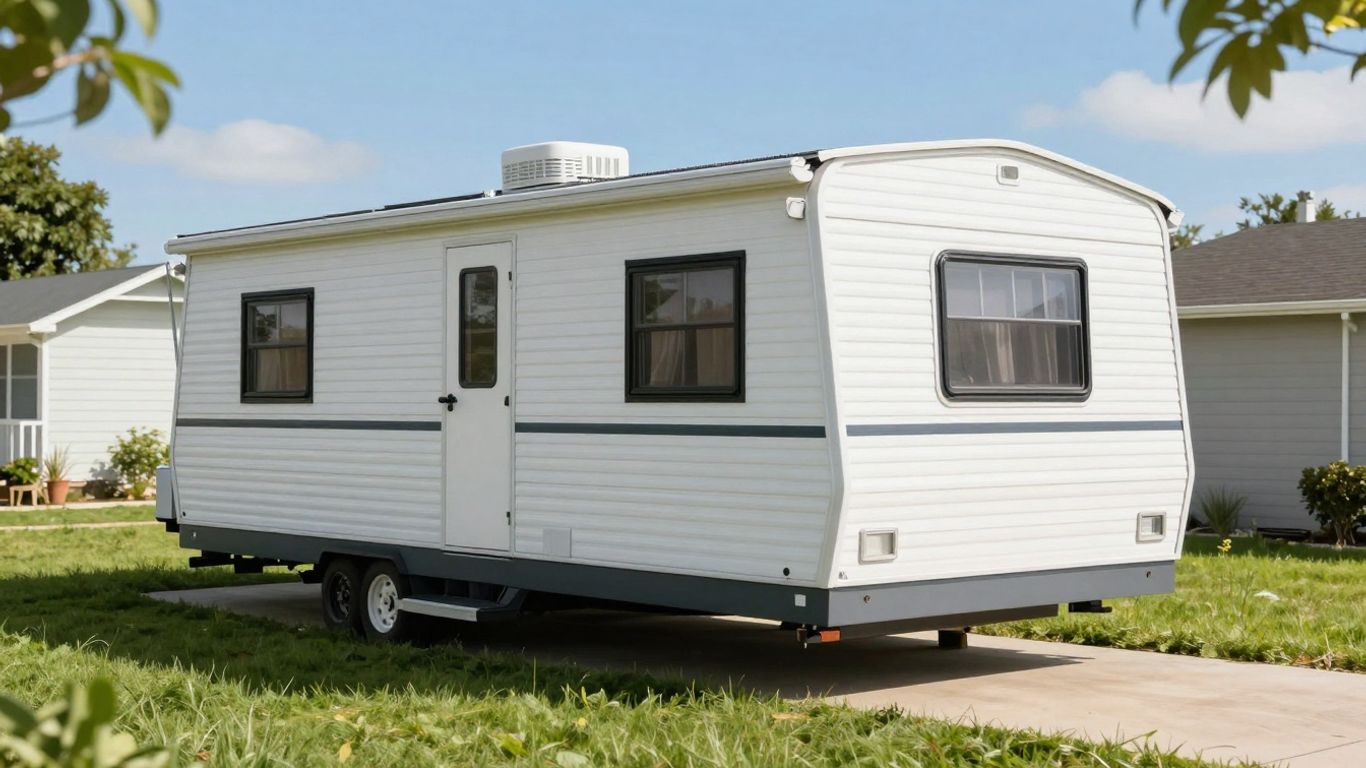
So, you’re wondering what makes your mobile home insurance cost what it does? It’s not just a random number. A few things play a big role in how insurers figure out your premium. Think of it like this: the more risk an insurance company sees, the more they’ll charge to cover it.
Age and Condition of the Home
This is a pretty big one. Older mobile homes, especially those over 25 years old, can be seen as riskier. Why? Well, older materials might not hold up as well, and systems like plumbing or electrical might be outdated and more prone to problems. Some companies might even shy away from insuring very old homes altogether.
Location and Proximity to Services
Where your home sits matters a lot. Insurers look at your zip code to see if you’re in an area with a higher chance of things like theft, vandalism, or severe weather events like hurricanes or tornadoes. They also check how close you are to fire hydrants and fire stations. If you’re far from help, that can bump up your rates because it might take longer for emergency services to get there if something goes wrong.
Construction Materials and Features
What your home is made of can affect the price. Homes built with certain materials might be considered more durable or less of a fire risk than others. Also, any special features or upgrades you’ve added could influence the cost, either up or down, depending on what they are and how they impact the home’s overall value and safety.
Here’s a quick look at how some factors might stack up:
| Factor | Impact on Premium | Notes |
|---|---|---|
| Age of Home | Higher for older | Older homes may have outdated systems and materials. |
| Location | Varies | High-risk areas (weather, crime) cost more. |
| Proximity to Fire Dept | Higher if distant | Longer response times increase risk. |
| Construction Quality | Lower for better | Sturdier materials can mean lower rates. |
| Claims History | Higher if many | Past claims suggest a higher likelihood of future claims. |
It’s worth noting that your personal claims history is also a factor. If you’ve filed a lot of claims in the past, expect your premium to be higher. On the flip side, if you’ve never filed a claim, you might even get a discount. It’s a bit of a balancing act for the insurance company.
Coverage Choices and Deductibles
This one is pretty straightforward. The more coverage you decide to get, and the higher the limits you set for that coverage, the more you’ll pay. It’s like buying more protection. Similarly, choosing a lower deductible means you’ll pay less out-of-pocket if you have to file a claim, but your premium will likely be higher to compensate for that lower risk to you.
When Standard Homeowners Insurance Falls Short
So, you might be thinking, "Can’t I just use my regular homeowners insurance for my mobile home?" Well, sometimes yes, but often, it’s not that simple. Standard policies are usually built with traditional houses in mind, and mobile homes have their own set of quirks that can leave you exposed if you’re not careful.
Unique Vulnerabilities of Mobile Homes
Mobile homes, by their very nature, can be more susceptible to certain types of damage than site-built houses. Think about wind. Because they’re often lighter and can be more exposed, strong winds can be a bigger concern. Also, while many mobile homes are now permanently set up, some might still be moved, and that mobility introduces risks that a standard policy might not account for. Water damage is another area where differences can pop up; how the home is skirted or if it’s in a flood-prone area can really change things.
Mobility and Relocation Considerations
This is a big one. If you ever plan on moving your mobile home, even just to a new lot, your standard homeowners policy likely won’t cover it while it’s in transit. That’s a whole different ballgame, and it requires specific coverage. Even if you don’t plan on moving it, the fact that it can be moved can affect how insurers view the risk compared to a house that’s always been on its foundation.
Why Specialized Policies Are Necessary
Basically, a specialized mobile home insurance policy is designed to address these specific vulnerabilities. It’s tailored to the construction, potential risks, and even the mobility aspects that are unique to manufactured or mobile homes. While some insurers might offer coverage for certain mobile homes under a standard policy if they meet specific criteria (like being fully skirted and on a permanent foundation), it’s often a more limited form of coverage. A dedicated policy gives you peace of mind knowing that the things that make your mobile home different are actually covered.
It’s not just about the structure itself; it’s about how it’s built, where it’s located, and its potential for movement that sets it apart from a typical house. These factors mean a one-size-fits-all insurance approach often leaves gaps.
Enhancing Your Mobile Home Insurance Policy
So, you’ve got the basics covered with your mobile home insurance. That’s great! But sometimes, the standard policy might not quite hit all the marks for your specific situation. Think of these as the "add-ons" or "upgrades" that can really make your policy work harder for you. It’s about making sure you’re not caught off guard if something unexpected happens.
Additional Living Expenses Coverage
This is a big one. If a covered event, like a fire or a major storm, makes your mobile home unlivable, what happens next? Additional Living Expenses (ALE) coverage helps pay for the costs of living somewhere else while your home is being repaired. This could mean hotel bills, rent for a temporary apartment, or even extra costs for meals if your usual cooking facilities aren’t available. It’s designed to keep your life as normal as possible during a stressful time. You can usually adjust the coverage limit for ALE, so think about how long you might realistically need to be displaced.
Coverage for Detached Structures
Many mobile home policies focus on the main dwelling. But what about that shed where you keep your tools, or a carport you added? These detached structures might not be fully covered under your main policy. Adding specific coverage for them means that if, say, a tree falls on your shed, you won’t have to pay for its repair or replacement entirely out of pocket. It’s a good idea to list out any separate structures you have and check if they’re included or need an endorsement.
Emergency Removal and Transportation Coverage
This is a more specialized option, but it can be incredibly useful. Imagine a situation where a severe storm is approaching, and there’s a real risk to your home. Emergency removal coverage might help pay for the costs associated with moving your mobile home to a safer location temporarily. It can also cover costs related to transporting your home if it needs to be moved for repairs after a claim. This type of coverage is particularly relevant for homes that might be relocated, offering protection for the unique challenges associated with moving a manufactured dwelling. You can find more details on optional coverage for items like sports equipment and other valuables.
Sometimes, the standard policy feels like a good fit, but it’s worth taking a moment to consider what could happen. Thinking about potential scenarios, even those that seem unlikely, can help you decide if adding extra coverage makes sense for your peace of mind and financial security. It’s not about being pessimistic; it’s about being prepared.
Here’s a quick look at what these extra coverages might help with:
- Additional Living Expenses: Covers costs like temporary rent, hotel stays, and increased food expenses.
- Detached Structures: Protects sheds, carports, garages, and other buildings separate from your main home.
- Emergency Removal/Transportation: Assists with costs to move your home due to an imminent threat or for repairs.
It’s always a good idea to chat with your insurance provider about these options. They can explain the specifics and help you figure out what level of coverage is right for your needs and budget.
Wrapping It Up
So, we’ve gone over the basics of mobile home insurance. It’s not so different from regular home insurance, but it does have its own quirks because, well, it’s a mobile home. Remember, you’ve got your main coverages like protecting the structure itself, your stuff inside, and that all-important liability protection. Don’t forget about those extra bits you can add on, like covering specific valuables or even costs if you have to move out suddenly. It might seem like a lot, but getting the right policy means you can relax knowing your home and belongings are looked after. Take your time, figure out what you need, and don’t be afraid to ask questions to make sure you’ve got the best plan for your situation.
Frequently Asked Questions
What’s the main difference between mobile home insurance and regular homeowners insurance?
Regular homeowners insurance is for houses built on a permanent foundation. Mobile home insurance is designed for homes that can be moved, like manufactured or modular homes. Because mobile homes have unique features and can be relocated, they need their own special type of insurance to cover these differences.
What does dwelling coverage protect on my mobile home?
Dwelling coverage is like the main shield for your mobile home itself. It helps pay to fix or rebuild the physical structure of your home if it gets damaged by things listed in your policy, such as fire, wind, or theft. It doesn’t cover the land it sits on, though.
Does mobile home insurance cover my personal belongings?
Yes, it usually does! Contents coverage is part of most mobile home insurance policies. It helps replace your stuff, like furniture, clothes, and electronics, if they’re damaged or lost due to a covered event like a fire. If you have really valuable items, you might need extra coverage for them.
What is personal liability protection?
Personal liability protection is super important. It helps cover you if someone gets hurt on your property and decides to sue you. It can also help if you accidentally damage someone else’s property. Think of it as a safety net for unexpected accidents.
Can I add extra coverage to my mobile home insurance policy?
Absolutely! You can often add extra protection, called endorsements or riders, to your policy. This could include coverage for things like detached structures (like a shed), extra living expenses if you have to move out after a claim, or even coverage for damage that happens while you’re moving your home.
What factors influence how much my mobile home insurance will cost?
Several things affect your insurance price. The age and condition of your mobile home play a big role, as does where it’s located (some areas have more risks like floods or high crime). The materials used to build your home and how far away it is from things like fire hydrants also matter.