

So, you’re trying to figure out medicare insurance? It can feel like a lot at first, with all the different parts and plans. Basically, it’s a government-run health insurance program, mostly for folks 65 and older, but also for some younger people with certain disabilities or conditions. Think of it as your health coverage after a certain age or if specific health issues come up. We’ll break down what you need to know about medicare insurance, from the different parts to the costs involved, so it’s not so confusing.
Key Takeaways
- Medicare insurance is a federal health insurance program primarily for people aged 65 and older, and for younger individuals with specific disabilities or conditions like ESRD or ALS.
- Medicare is divided into four parts: Part A (hospital insurance), Part B (medical insurance), Part C (Medicare Advantage plans), and Part D (prescription drug coverage).
- Original Medicare includes Part A and Part B, covering hospital stays and doctor visits, but you might need extra coverage for things like prescriptions or vision care.
- Medicare Advantage plans (Part C) bundle Part A, Part B, and often Part D, offering an alternative way to get Medicare benefits through private insurance companies.
- Supplemental coverage, like Medigap policies, can help pay for out-of-pocket costs not covered by Original Medicare, but you can’t have both Medigap and a Medicare Advantage plan.
Understanding Medicare Insurance Basics

So, you’re trying to get a handle on Medicare? It can feel like a lot at first, but let’s break it down. Think of Medicare as the federal health insurance program, mainly for folks 65 and older, though some younger people with disabilities or specific conditions like ALS or End-Stage Renal Disease can get it too. It’s not part of the health insurance marketplace you might hear about for other coverage options. The whole system is divided into different "Parts," and it’s important to know what each one does.
What is Medicare Insurance?
Medicare is a government-run health insurance program. It’s designed to help cover healthcare costs for eligible individuals. It’s not tied to your employer or a private insurance exchange. Instead, it’s a federal program with its own set of rules and benefits. The program is structured into distinct parts, each addressing different healthcare needs.
How Medicare Insurance Works
Getting Medicare coverage generally involves a couple of main steps. First, you need to sign up for Part A (Hospital Insurance) and Part B (Medical Insurance) during specific enrollment periods. After that, you choose how you want to get your health coverage. You can stick with "Original Medicare," which is just Part A and Part B, or you can opt for a "Medicare Advantage Plan" (Part C). If you choose Original Medicare, you’ll then decide if you want to add prescription drug coverage (Part D) and possibly a supplemental plan to help with out-of-pocket costs.
Here’s a quick look at the main choices:
- Original Medicare: This includes Part A and Part B. You can see any doctor or go to any hospital that accepts Medicare. It covers most medically necessary services and many preventive ones.
- Medicare Advantage Plans (Part C): These are offered by private companies approved by Medicare. They bundle Part A and Part B benefits, and often include extra perks like vision, dental, and prescription drug coverage.
Medicare Parts vs. Medicare Plans
It’s easy to get "Parts" and "Plans" mixed up when you’re first learning about Medicare. They sound similar, but they mean different things.
- Medicare Parts: These are the main components of the Medicare program itself, like Part A, Part B, Part C, and Part D. They define the types of services covered.
- Medicare Plans: This term often refers to specific insurance policies you can buy. For example, Medicare Advantage Plans (Part C) are plans offered by private insurers. "Medicare Supplement Insurance Plans," also known as Medigap, are another type of plan that helps pay for costs that Original Medicare doesn’t cover.
Understanding these basic distinctions is the first step to making informed decisions about your healthcare coverage. It’s about knowing what the government provides and what options you have to fill in any gaps.
The Four Parts of Medicare Insurance
Medicare is broken down into four main parts, each covering different kinds of healthcare needs. Think of them as the building blocks for your health coverage. It can seem a bit confusing at first, but once you get the hang of what each part does, it makes a lot more sense.
Medicare Part A: Hospital Insurance
This is your hospital coverage. Part A helps pay for when you’re admitted to a hospital as an inpatient. It also covers care in a skilled nursing facility after a hospital stay, some home health care, and hospice services. Most people don’t pay a monthly premium for Part A if they or their spouse paid Medicare taxes while working. It’s pretty straightforward – if you need to stay in the hospital, Part A is there to help with those costs.
Medicare Part B: Medical Insurance
Part B is all about your medical needs outside of a hospital stay. This includes doctor visits, outpatient care, lab tests, medical equipment like walkers or wheelchairs, and many preventive services such as flu shots and screenings. Unlike Part A, most people pay a monthly premium for Part B. It’s the part that covers your day-to-day medical care and doctor appointments. You can find out more about Part B coverage.
Medicare Part C: Medicare Advantage
Medicare Advantage plans, also known as Part C, are an alternative way to get your Medicare benefits. These plans are offered by private insurance companies that are approved by Medicare. They bundle Part A and Part B coverage, and often include Part D prescription drug coverage too. Many Medicare Advantage plans also offer extra benefits not covered by Original Medicare, like dental, vision, or hearing care. It’s important to know that when you join a Medicare Advantage Plan, you still have Medicare, but you get your benefits through the private plan.
Medicare Part D: Prescription Drug Coverage
This part helps cover the costs of prescription drugs. Part D plans are also offered by private insurance companies. If you have Original Medicare (Part A and Part B), you can add a standalone Part D prescription drug plan. If you have a Medicare Advantage Plan, it might already include drug coverage, or you might need to join a separate Part D plan. Not having drug coverage when you’re eligible can lead to extra costs later on.
Understanding these four parts is key to figuring out the best way to get your healthcare covered. Each part plays a specific role, and knowing what they are helps you make informed choices about your health insurance.
Here’s a quick look at what each part generally covers:
- Part A: Inpatient hospital stays, skilled nursing facility care, hospice, some home health care.
- Part B: Doctor visits, outpatient care, medical supplies, preventive services.
- Part C: Bundles Part A and B, often includes Part D, may offer extra benefits.
- Part D: Prescription drug costs.
Original Medicare Coverage Explained
So, you’re looking into Medicare and keep hearing about "Original Medicare." What exactly is it? Think of it as the traditional way Medicare has worked for a long time. It’s made up of two main parts: Part A and Part B. This is the coverage you get directly from the federal government. It’s pretty straightforward in how it operates, but it’s important to know what it covers and what it doesn’t.
How Original Medicare Works
When you have Original Medicare, you’re generally free to see any doctor or visit any hospital in the U.S. as long as they accept Medicare. That’s a big plus for many people. After you’ve met your yearly deductible, Medicare pays its share for covered services, and you pay your share. This share is usually a coinsurance or copayment. A key thing to remember is that Original Medicare doesn’t have an annual out-of-pocket spending limit. This means if you have a lot of medical needs in a year, your costs could add up quite a bit unless you have other coverage.
Services Covered by Original Medicare
Original Medicare is split into two parts:
- Part A (Hospital Insurance): This helps cover costs when you’re admitted to a hospital. It also helps with care in a skilled nursing facility (but not long-term custodial care), hospice care, and some home health services.
- Part B (Medical Insurance): This part is for doctor visits, outpatient care, preventive services (like flu shots and screenings), durable medical equipment (like walkers or wheelchairs), and other medical services that aren’t inpatient hospital care.
It’s worth noting that Original Medicare generally doesn’t include prescription drug coverage. You’d need to add that separately.
Services covered by Medicare must be deemed medically necessary. This means Medicare will only pay for care that it considers appropriate for diagnosing or treating a health condition.
Choosing Additional Coverage with Original Medicare
Because Original Medicare doesn’t cover everything and has no out-of-pocket maximum, many people choose to get extra help. You have a couple of main options here:
- Medicare Supplement Insurance (Medigap): These policies are sold by private companies and help pay for some of the costs that Original Medicare doesn’t cover, like deductibles, copayments, and coinsurance. They can help set a limit on your out-of-pocket spending.
- Medicare Part D Prescription Drug Coverage: If you want help paying for prescription drugs, you’ll need to enroll in a standalone Part D plan. This is separate from your Original Medicare coverage.
Choosing to add these can make a big difference in your overall healthcare costs and peace of mind.
Medicare Advantage Plans
So, you’ve heard about Medicare Advantage, right? It’s basically another way to get your Medicare benefits, but instead of going through the traditional "Original Medicare" (that’s Parts A and B), you get them through a private insurance company that’s approved by Medicare. Think of it as a bundled package. These plans are also known as "Part C" plans.
How Medicare Advantage Plans Work
These plans are offered by private companies that have a contract with Medicare. They have to follow rules set by Medicare, but they can also add their own benefits and rules. The big thing to remember is that when you join a Medicare Advantage Plan, you still have Medicare, but you get your Part A and Part B coverage from the private plan. You’ll likely get a Medicare card from the plan, and you’ll use that card to get your health care. Most of the time, you’ll need to use doctors and hospitals that are in the plan’s network. If you go outside the network, you might have to pay more, or the service might not be covered at all, depending on the plan.
Benefits of Medicare Advantage
Why would someone choose a Medicare Advantage plan? Well, they often come with extra perks that Original Medicare doesn’t cover. Many plans include prescription drug coverage (Part D) all in one package, which can be super convenient. Plus, some plans might offer things like dental, vision, or hearing benefits, which are usually separate with Original Medicare. You might also find that the monthly premiums, deductibles, and copayments are lower than what you’d pay with Original Medicare, though this can vary a lot from plan to plan.
Here are some common benefits you might see:
- Prescription drug coverage (Part D)
- Dental care
- Vision care
- Hearing aids
- Gym memberships
- Wellness programs
Network Requirements for Medicare Advantage
This is a pretty important point. Most Medicare Advantage plans have a network of doctors, hospitals, and other healthcare providers. You’ll usually pay less if you get care from providers within the plan’s network. Some plans, like HMOs (Health Maintenance Organizations), require you to get a referral from your primary care doctor before you see a specialist. Other plans, like PPOs (Preferred Provider Organizations), might let you see specialists without a referral, but you’ll pay more if you go out-of-network. It’s really important to check if your current doctors and preferred hospitals are part of the plan’s network before you sign up. You don’t want to join a plan only to find out your favorite doctor isn’t covered!
When you choose a Medicare Advantage plan, you’re essentially letting a private company manage your Medicare benefits. This can mean more convenience and potentially lower out-of-pocket costs for certain services, but it also means you’ll likely be restricted to a specific network of providers and may need prior approval for some treatments.
Supplemental Coverage Options
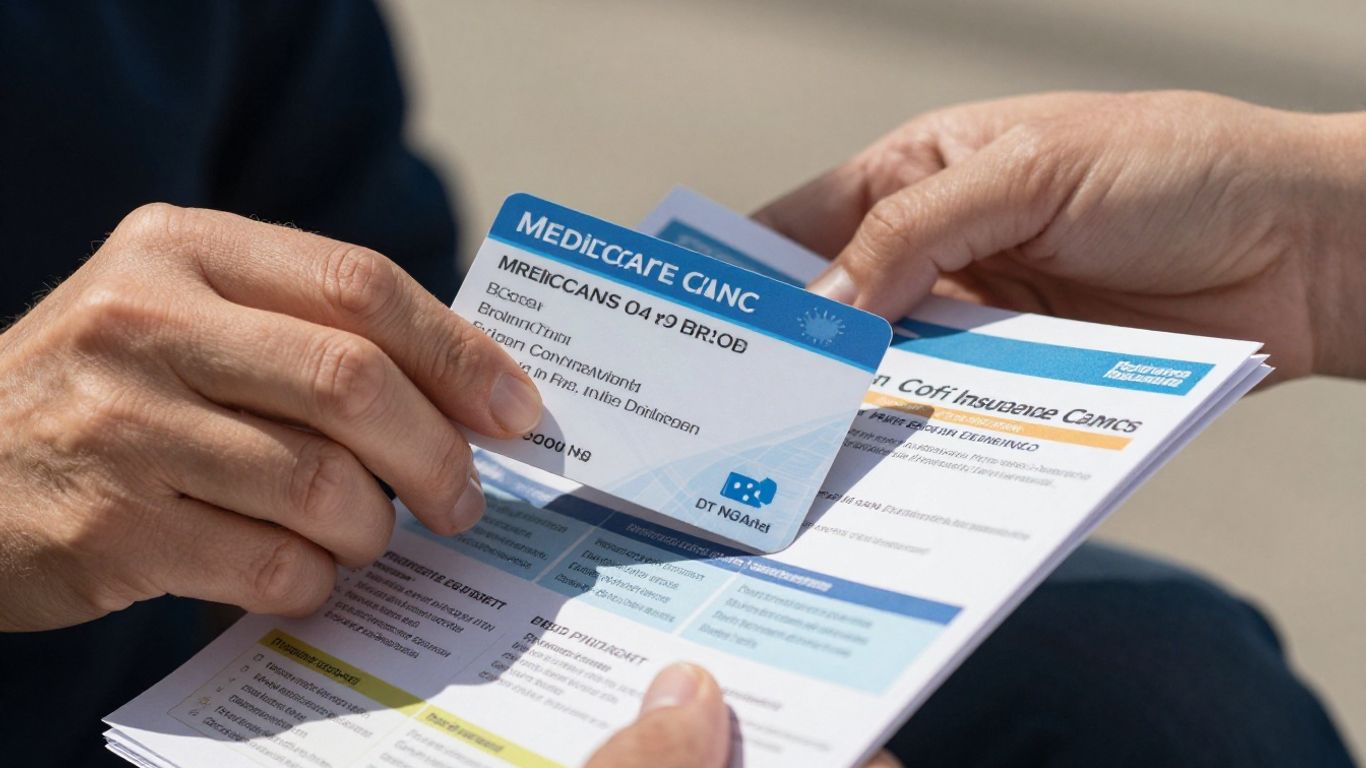
So, you’ve got Original Medicare (that’s Part A and Part B), and you’re wondering if that’s all there is to it. For many people, Original Medicare covers a lot, but it doesn’t cover everything. There are still costs like deductibles, copayments, and coinsurance that can add up. Plus, Original Medicare doesn’t typically cover things like routine dental, vision, or hearing care. That’s where supplemental coverage comes in.
Medicare Supplement Insurance Plans
These plans, often called Medigap, are sold by private insurance companies. They’re designed to help fill in the gaps left by Original Medicare. Think of them as helping pay for some of the out-of-pocket costs that Original Medicare doesn’t cover. Medigap plans are standardized, meaning they offer the same basic benefits no matter which insurance company sells them. However, the price can vary quite a bit between companies. You can’t have both a Medigap policy and a Medicare Advantage Plan at the same time. If you have a Medicare Advantage Plan, you’d need to leave it to enroll in a Medigap policy.
Here’s a quick look at what Medigap can help with:
- Part A coinsurance and hospital costs: If you end up needing a longer hospital stay.
- Part B coinsurance and copayments: For doctor visits and other outpatient services.
- Blood: The first three pints of blood in a Medicare-covered healthcare service.
- Part A hospice care coinsurance or copayment.
- Skilled nursing facility care coinsurance.
- The Part A deductible.
- The Part B deductible.
- Part B excess charges: This happens when a doctor doesn’t accept the Medicare-approved amount for a service.
Choosing Between Medicare Supplement and Medicare Advantage
This is a big decision, and it really depends on your personal health needs and how you like to get your medical care. Original Medicare covers about 80% of most medically necessary services, but you’re responsible for the remaining 20% (plus deductibles and copays). Medigap plans help reduce those out-of-pocket costs. Medicare Advantage plans, on the other hand, bundle your Part A, Part B, and often Part D coverage into one plan, usually with a network of doctors and hospitals. They often have lower monthly premiums than Medigap but might have different rules about where you can get care.
When you’re comparing Medigap and Medicare Advantage, think about your budget, your preferred doctors, and how much flexibility you want in choosing where you receive care. It’s not a one-size-fits-all situation.
How Medigap Works with Original Medicare
If you choose a Medigap policy, you’ll still use your Original Medicare card for most of your care. You’ll pay your monthly premium for Original Medicare (Part B) and a separate monthly premium to the private insurance company for your Medigap policy. When you get a medical service or stay in the hospital, Medicare pays its share first. Then, your Medigap policy pays its share of the remaining costs, according to the benefits of the specific Medigap plan you have. It’s a two-step process, but it can make your healthcare costs much more predictable.
Navigating Medicare Costs
Understanding what you’ll pay for Medicare coverage can feel like a puzzle, but it’s really about knowing a few key terms. You’ll run into things like premiums, deductibles, and co-payments. These costs vary depending on which parts of Medicare you have and the specific plans you choose. It’s not a one-size-fits-all situation, so paying attention to the details really matters.
Understanding Medicare Premiums
Think of a premium as your monthly membership fee for Medicare. For Part A, most people don’t have to pay a monthly premium because they or their spouse paid Medicare taxes while working. However, if you haven’t worked enough or don’t meet certain requirements, you might have to pay a premium for Part A. Part B, which covers doctor visits and outpatient care, almost always has a monthly premium. The standard premium amount can change each year. If you have a higher income, you might pay a higher premium for both Part B and Part D. Your Part D premium, for prescription drug coverage, also varies based on the plan you select.
Deductibles and Co-payments in Medicare
Beyond the monthly premium, you’ll also encounter deductibles and co-payments. A deductible is the amount you pay out-of-pocket for covered health care services before Medicare starts to pay. For example, Part A has a deductible for each "benefit period" when you’re admitted to a hospital. Part B has an annual deductible. Co-payments are fixed amounts you pay for services after you’ve met your deductible. For instance, you might have a co-payment for a doctor’s visit or a prescription. These costs are different for Original Medicare and Medicare Advantage plans, so it’s good to know what to expect with your specific coverage.
Here’s a general idea of how some costs might look:
| Cost Type | Part A (Hospital) | Part B (Medical) |
|---|---|---|
| Premium | Usually $0 (if eligible) | Standard monthly premium (changes yearly) |
| Deductible | Per benefit period for inpatient hospital stays | Annual deductible |
| Co-payment | After deductible, for extended hospital stays | After deductible, for most services (e.g., 20%) |
Financial Assistance for Medicare Costs
If the costs associated with Medicare seem a bit much, there are programs that can help. These programs are designed for people with limited income and resources. They can help pay for things like monthly premiums, deductibles, and co-payments. Some states also have programs that help cover prescription drug costs. It’s worth looking into these options if you’re concerned about affording your Medicare coverage. You can usually find information through your state’s Medicaid office or by contacting Medicare directly.
It’s important to remember that Medicare costs aren’t static. They can change from year to year, and your personal costs can also shift based on the services you use and the plans you’re enrolled in. Staying informed about your specific coverage details is key to managing your healthcare expenses effectively.
Wrapping Up Medicare
So, Medicare can seem like a lot at first, right? We’ve gone over the different parts – A, B, C, and D – and how they cover things like hospital stays, doctor visits, and prescriptions. Remember, Original Medicare is the government-run option, while Medicare Advantage plans are offered by private companies and often bundle extra benefits. It’s really about figuring out what fits your health needs and budget best. Don’t forget about supplemental plans, like Medigap, that can help with costs Original Medicare doesn’t cover. Take your time, look at your choices, and don’t hesitate to ask for help if you need it. Getting this right now means fewer worries about healthcare costs down the road.
Frequently Asked Questions
What exactly is Medicare?
Think of Medicare as a national health insurance program, run by the government. It’s designed to help people with healthcare costs. It’s not part of the regular health insurance marketplace. Medicare is broken down into different parts, and each part covers different kinds of medical needs and expenses.
What’s the difference between Medicare ‘Parts’ and ‘Plans’?
It can be a bit confusing, but ‘Parts’ refer to the main sections of Medicare itself, like Part A (hospital care) and Part B (medical care). ‘Plans,’ on the other hand, often refer to extra coverage you can get, such as Medicare Supplement Insurance Plans (also called Medigap) or Medicare Advantage Plans (Part C).
What does Original Medicare cover?
Original Medicare includes Part A, which helps pay for hospital stays, and Part B, which helps pay for doctor visits and other medical services. It generally covers most medically necessary services, but you’ll usually have to pay deductibles and a portion of the costs yourself unless you have other coverage.
What is a Medicare Advantage Plan?
A Medicare Advantage Plan, also known as Part C, is an option offered by private companies that are approved by Medicare. These plans bundle your Part A and Part B coverage together and often include prescription drug coverage (Part D) and extra benefits like vision or dental care. You usually have to use doctors and hospitals within the plan’s network.
Can I get help paying for my prescriptions?
Yes, Medicare offers a program called Part D that helps cover the cost of prescription drugs. You can get this coverage through a separate plan if you have Original Medicare, or it might be included as part of a Medicare Advantage Plan.
What is Medicare Supplement Insurance (Medigap)?
Medigap policies are sold by private insurance companies and can help fill in the gaps of Original Medicare. They can help pay for things like deductibles, co-payments, and co-insurance that you would otherwise have to pay out-of-pocket. You can’t have both a Medigap policy and a Medicare Advantage Plan at the same time.