

So, your home got damaged, and you can’t live there right now. That’s a rough spot to be in, for sure. Dealing with repairs is one thing, but where do you even go? This is where loss of use coverage comes in. It’s basically your insurance policy’s way of helping you out with the extra costs of living somewhere else while your home is being fixed. Think of it as a safety net for those unexpected, inconvenient times.
Key Takeaways
- Loss of use coverage helps pay for living expenses when you can’t stay in your home due to covered damage.
- This coverage typically kicks in after events like fires, storms, or other disasters that make your home uninhabitable.
- It’s important to know what your policy covers, like temporary housing and meals, and what it doesn’t.
- The claims process involves reporting the damage, gathering documents, and working with an insurance adjuster to figure out the payout.
- Understanding your policy limits and deductibles is key to getting the most out of your loss of use benefits.
Understanding Loss Of Use Coverage
Defining Loss Of Use Coverage
Loss of use coverage, often found within homeowners and renters insurance policies, is a pretty important part of your insurance. Basically, it helps pay for the extra costs you run into when you can’t live in your home because of damage from a covered event. Think of it as a safety net for those unexpected times when your house is temporarily unlivable. It’s not about fixing the damage itself, but about covering the expenses that pop up because you’re displaced.
The Purpose of Loss Of Use Protection
The main goal here is to keep you from being financially stuck if your home becomes uninhabitable. When a fire, storm, or other covered disaster strikes, you might need to find a place to stay, eat out more often, and deal with other daily expenses that are higher than usual. Loss of use coverage is designed to bridge that gap. It aims to put you back in a similar living situation to the one you had before the damage occurred, without you having to dip into your savings. It’s about maintaining your standard of living while your home is being repaired.
Key Components of Loss Of Use Policies
Loss of use coverage typically includes a few main parts:
- Temporary Housing: This is the big one. It covers the cost of staying in a hotel, renting an apartment, or another temporary dwelling while your home is being fixed.
- Additional Living Expenses (ALE): This covers the difference between your normal living expenses and the costs you incur while displaced. This can include things like extra food costs if you can’t cook in your temporary place, laundry expenses, or even pet boarding if your temporary housing doesn’t allow pets.
- Fair Rental Value (for landlords): If you rent out a property and it becomes uninhabitable due to a covered loss, this part of the coverage can reimburse you for the rental income you lose while the property is being repaired.
It’s important to remember that these policies have limits and deductibles, just like other parts of your insurance. You’ll want to check your specific policy to see exactly what’s covered and how much the insurer will pay out.
When Loss Of Use Coverage Becomes Applicable
Loss of use coverage, often called "additional living expenses" (ALE) coverage, kicks in when your home becomes uninhabitable due to a covered event. Think of it as a safety net designed to help you maintain your normal standard of living while your primary residence is being repaired or rebuilt.
Triggering Events for Loss Of Use Claims
Several situations can make your home unlivable, triggering your loss of use coverage. It’s not just about major disasters; sometimes, smaller incidents can also render a home uninhabitable.
- Fire: A fire, whether small or large, can quickly make a home unsafe and unlivable due to smoke damage, structural compromise, or the need for extensive cleanup.
- Severe Storm Damage: This includes damage from hurricanes, tornadoes, hail, or high winds that compromise the roof, walls, or windows, leading to water intrusion or structural instability.
- Certain Water Damage: While slow leaks might not qualify, sudden and accidental water damage, like a burst pipe or a major appliance malfunction causing significant flooding, can make a home uninhabitable.
- Other Covered Perils: Depending on your policy, other events like lightning strikes, vandalism, or even certain types of falling objects could also trigger loss of use.
Covered Perils and Property Damage
It’s important to remember that loss of use coverage is tied directly to damage caused by a covered peril. Your policy will list the specific events (perils) it covers. If your home is damaged by something not listed in your policy, you likely won’t be able to claim loss of use benefits.
For example, if your home is damaged by a flood and you don’t have separate flood insurance, your standard homeowners policy likely won’t cover the repairs, and therefore, won’t provide loss of use benefits. Similarly, damage from earthquakes is often excluded from standard policies and requires a separate endorsement.
Distinguishing Loss Of Use from Other Coverages
Loss of use is distinct from other types of insurance coverage. It’s not about repairing or replacing your damaged property itself; that’s covered by your dwelling or personal property coverage. Instead, loss of use covers the consequences of not being able to live in your home.
Here’s a quick breakdown:
- Dwelling Coverage: Pays to repair or rebuild the physical structure of your home (walls, roof, foundation).
- Personal Property Coverage: Pays to repair or replace your belongings (furniture, electronics, clothing) that are damaged or destroyed.
- Loss of Use Coverage: Pays for the extra costs you incur to live elsewhere while your home is being repaired, such as hotel bills, restaurant meals above your normal grocery budget, and other necessary expenses.
Understanding the specific perils covered in your policy is key. If your home is damaged, the first step is always to check if the cause of the damage is listed as a covered peril in your insurance contract. This will determine if you can proceed with claims for both property damage and the resulting loss of use.
Navigating Temporary Housing Options
When your home becomes unlivable due to a covered event, finding a place to stay is a top priority. Loss of use coverage, often called Additional Living Expenses (ALE), is designed to help with these costs. It’s not just about finding any place; it’s about finding a place that reasonably accommodates your needs while your home is being repaired or rebuilt. This coverage aims to put you back in a similar living situation to what you had before the damage occurred.
Types of Temporary Accommodations
Your insurance policy will typically cover a range of temporary housing solutions. The goal is to maintain your normal standard of living as much as possible. Common options include:
- Rented Homes or Apartments: This is often the most direct replacement for your damaged home, offering similar space and amenities.
- Hotels or Extended-Stay Suites: These are suitable for shorter periods or for individuals who prefer hotel services. Many offer kitchenettes, which can help reduce food costs.
- Furnished Corporate Housing: These are often fully equipped apartments or houses, designed for temporary stays, and can be a good option for families needing more space and amenities.
- Living with Relatives or Friends: While not always a direct payout, your policy might cover costs associated with staying with others, such as contributing to their utility bills, if it’s a reasonable alternative.
Factors Influencing Housing Choices
Several things will play a role in what kind of temporary housing is appropriate and covered. Your insurance adjuster will work with you to figure this out, but it’s good to have an idea beforehand.
- Family Size and Needs: A single person might be fine in a hotel room, but a family with children and pets will likely need a larger rental property.
- Location: Ideally, your temporary housing should be as close as possible to your damaged home, your work, and your children’s schools. Significant travel costs can add up quickly.
- Duration of Stay: For shorter repairs, a hotel might suffice. If rebuilding will take months, a more permanent rental solution is usually better.
- Budget: Your policy has limits, and the cost of the temporary housing must fall within those limits. You’ll need to balance your needs with what the policy allows.
The key is to find housing that is comparable to your original dwelling in terms of size, location, and amenities. It’s not about upgrading to a luxury suite if you lived in a modest home, but it’s also not about squeezing into a tiny room if you had a spacious house.
Duration of Temporary Stays
The length of time you can stay in temporary housing depends entirely on how long it takes to repair or rebuild your home. This is often tied to the scope of the damage and the time needed for construction. Insurance policies usually cover the period that is "reasonably necessary" to make repairs or for you to find and occupy a permanent replacement dwelling. This can sometimes be a point of contention if repairs are delayed, so keeping open communication with your insurer and contractor is important. If rebuilding is taking longer than expected, you may need to formally request an extension of your loss of use benefits.
The Claims Process for Loss Of Use
When your home becomes unlivable due to a covered event, like a fire or major storm damage, you’ll need to file a loss of use claim. This process can feel overwhelming, but understanding the steps involved can make it much smoother. It’s all about getting the compensation you need to cover temporary housing and other related expenses while your home is repaired.
Initiating a Loss of Use Claim
The first step is to notify your insurance company as soon as possible after the damage occurs. Most policies have a time limit for reporting a claim, and delaying can sometimes affect your coverage. You can usually do this by calling your insurance agent or the company’s claims department directly. Some insurers also offer online portals or mobile apps for reporting claims.
Documentation Required for Claims
Gathering the right documents is key to a successful claim. Your insurer will likely ask for several things to process your claim efficiently. Be prepared to provide:
- Proof of Loss: This is a formal statement detailing the damage and the value of your losses. Your insurance company will usually provide a form for this.
- Repair Estimates: Get at least two detailed estimates from reputable contractors for the cost of repairs to your home.
- Receipts for Additional Expenses: Keep all receipts for costs incurred due to being displaced, such as hotel stays, meals eaten out, laundry services, and pet boarding.
- Photos or Videos: Document the damage to your property thoroughly. Before and after photos can be very helpful.
It’s important to remember that your insurance policy is a contract. Understanding its terms and conditions, especially regarding loss of use coverage, will help you navigate the claims process more effectively.
Working with Insurance Adjusters
An insurance adjuster will be assigned to your claim. Their job is to investigate the damage, assess the extent of the loss, and determine what your policy covers. They will likely visit your property to inspect the damage and may ask you questions about what happened. Be honest and thorough in your answers. It’s a good idea to be present during the inspection if possible, and to have your documentation ready to share. If you have any questions about the process or the adjuster’s findings, don’t hesitate to ask. Sometimes, it can be beneficial to have your own contractor or a public adjuster present during the inspection as well, especially for complex claims.
Calculating Loss Of Use Benefits
Determining Fair Rental Value
When your home is unlivable due to a covered event, your insurance policy’s "loss of use" coverage, often called "additional living expenses" (ALE), is designed to help. But how does the insurance company figure out how much they’ll pay? It usually comes down to two main things: fair rental value and additional living expenses. First up, fair rental value. If you rent out your property, this part of the coverage aims to replace the income you’d normally get from tenants. The insurer looks at what similar properties in your area rent for. They’ll consider factors like the size of the home, its location, amenities, and the going rental rates for comparable places. The goal is to put you back in the financial position you would have been in if the damage hadn’t happened and you were still collecting rent. It’s not about what you were charging, but what a fair market rate would be.
Additional Living Expenses Explained
This is the other big piece of the puzzle for homeowners. Additional living expenses cover the extra costs you incur because you can’t live in your home. Think about it: you need a place to stay, food to eat, and maybe even laundry services while your home is being repaired. This coverage helps pay for those necessary costs that go above and beyond your normal, everyday expenses. It’s important to keep good records of everything you spend.
Here’s a breakdown of what might be included:
- Temporary Housing: This could be a hotel, a rental apartment, or even a furnished house. The cost should be reasonable and comparable to your normal living situation.
- Increased Food Costs: If you have to eat out more often because your kitchen isn’t usable, or if groceries cost more at your temporary location, this can be covered.
- Utilities: You might have to pay for utilities at your temporary place, which can be added to your claim.
- Laundry and Cleaning: If you don’t have access to laundry facilities, the cost of using a laundromat can be reimbursed.
- Moving and Storage: If you need to move your belongings to a storage unit while your home is repaired, those costs can be included.
Policy Limits and Deductibles in Loss Of Use
Just like with any other part of your insurance policy, there are limits and deductibles that apply to loss of use coverage. Your policy will state a maximum amount the insurance company will pay for additional living expenses. This limit is often a percentage of your home’s dwelling coverage or a set dollar amount. It’s really important to know what this limit is so you don’t end up with unexpected costs. You’ll also have a deductible, which is the amount you have to pay out-of-pocket before the insurance coverage kicks in. For loss of use, the deductible might be a separate amount or it might be tied to the deductible for the property damage itself. Always check your policy documents or talk to your insurance agent to get the specifics for your situation.
Understanding these calculations is key to making sure you get the compensation you’re entitled to. Keep all your receipts and be prepared to explain your expenses clearly to the insurance adjuster. It’s not always straightforward, but knowing the basics helps a lot.
Potential Challenges in Loss Of Use Claims
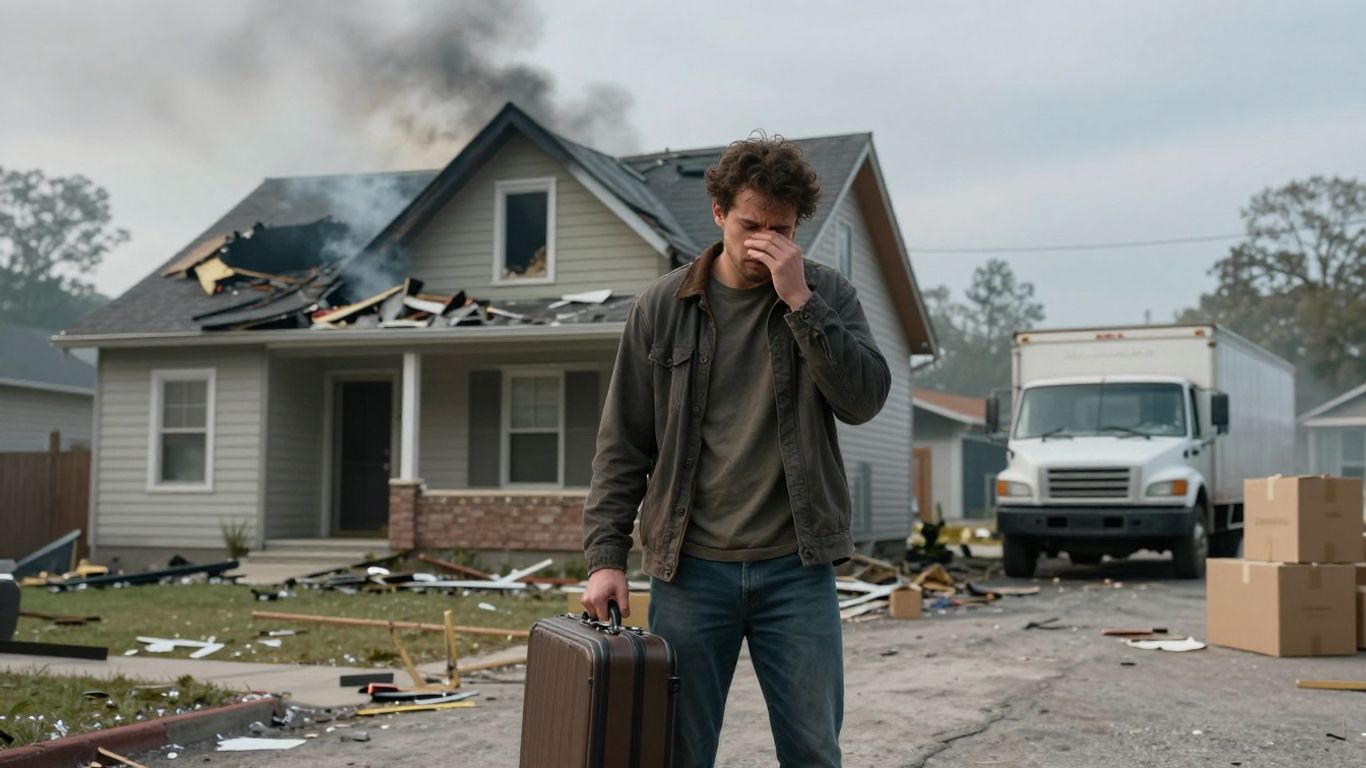
Even with a solid understanding of loss of use coverage, dealing with a claim can sometimes get complicated. It’s not always a straightforward process, and policyholders can run into a few roadblocks. Knowing what these common issues are can help you prepare and hopefully make things smoother.
Disputes Over Coverage and Valuation
Sometimes, you and your insurance company might not see eye-to-eye on whether a situation is covered or how much the temporary housing should cost. The policy language can be tricky, and what seems obvious to you might be interpreted differently by the insurer. For example, if your home is uninhabitable due to a fire, that’s usually clear-cut. But what if it’s a less common issue, like a major mold problem that wasn’t immediately apparent?
- Coverage Interpretation: The insurer might argue that the specific cause of damage isn’t listed as a covered peril in your policy, or that it falls under an exclusion. This is especially common with issues like gradual water damage or certain types of pest infestations.
- Valuation Disagreements: Even when coverage is agreed upon, there can be arguments about what constitutes ‘fair rental value’ or ‘additional living expenses.’ The insurer might offer an amount that doesn’t quite cover the actual cost of comparable housing in your area, especially if you live in a high-cost region or need specific accommodations (like pet-friendly options or space for a home office).
- Documentation Gaps: If you don’t have thorough records of your normal living expenses or the costs of your temporary housing, it can be harder to prove your claim. This is why keeping receipts and detailed notes is so important.
Understanding Policy Exclusions
Every insurance policy has exclusions – things it specifically won’t cover. These are designed to manage risk for the insurer and keep premiums down. However, they can sometimes catch policyholders off guard when a loss occurs.
Common exclusions that might affect loss of use claims include:
- Gradual Damage: Many policies exclude damage that happens slowly over time, like wear and tear, rust, mold (unless caused by a sudden, covered event), or insect/vermin damage. If your home becomes uninhabitable due to one of these, loss of use might not apply.
- Lack of Maintenance: If the damage is a result of poor maintenance or neglect, the insurer may deny the claim. This could include things like a leaky roof that wasn’t repaired or a foundation issue that worsened over time.
- Specific Perils: Some policies might exclude certain natural disasters (like floods or earthquakes, which often require separate insurance) or acts of war. If your home is damaged by an excluded peril, you likely won’t get loss of use benefits.
It’s really important to read your policy thoroughly, especially the ‘Exclusions’ section, before you need to file a claim. Knowing what’s not covered can help you understand your coverage better and avoid surprises down the road.
Addressing Delays in Claim Resolution
Sometimes, the biggest challenge isn’t whether a claim will be paid, but when. Delays in the claims process can add significant stress and financial strain when you’re already displaced from your home.
Several factors can contribute to these delays:
- High Claim Volume: After a major weather event or disaster, insurance companies can be overwhelmed with claims, leading to longer response and processing times.
- Complexity of the Loss: Investigating and assessing damage for complex claims, especially those involving structural issues or multiple contributing factors, can take time.
- Disputes: As mentioned, disagreements over coverage or valuation can halt the claims process until they are resolved through negotiation, appraisal, or other means.
- Third-Party Involvement: If another party is involved in the incident that caused the damage (e.g., a contractor error, a neighbor’s actions), the claim might involve multiple insurance companies or legal reviews, which can slow things down.
When facing delays, it’s best to maintain consistent communication with your adjuster, document everything, and understand your policy’s requirements for timely notice and cooperation.
Loss Of Use Coverage in Different Policy Types
Loss of use coverage, often called Additional Living Expenses (ALE) or Loss of Rents, isn’t a standalone product. It’s a feature that shows up in various types of insurance policies, and how it works can differ depending on what kind of policy you have. It’s pretty important to know which policy applies to your situation.
Homeowners Insurance and Loss Of Use
For homeowners, this is probably the most common place you’ll find loss of use coverage. If your house becomes unlivable because of a fire, a major storm, or some other covered event, your homeowners policy kicks in. It helps pay for the extra costs you incur to maintain a similar standard of living while your home is being repaired or rebuilt. This could mean staying in a hotel, renting a temporary house, or even covering restaurant meals if your usual kitchen isn’t accessible.
- Dwelling Coverage: This is the main part of your homeowners policy that covers the physical structure of your house.
- Other Structures: This covers things like detached garages or sheds.
- Personal Property: This covers your belongings inside the home.
- Loss of Use: This is the part that covers your temporary living expenses.
The goal here is to put you back in a similar living situation you had before the damage occurred.
Renters Insurance and Loss Of Use
Renters insurance also includes loss of use, but it’s a bit different because renters don’t own the building itself. If a fire or other covered peril makes your rented apartment or house uninhabitable, your renters policy will cover your additional living expenses. This means it helps pay for a temporary place to stay and other related costs. However, it won’t cover the repairs to the building structure itself; that’s the landlord’s responsibility. Your policy typically covers your personal belongings and your temporary housing needs.
- Personal Property Coverage: Protects your belongings like furniture, electronics, and clothing.
- Loss of Use Coverage: Covers increased living expenses when you can’t live in your rental.
- Liability Coverage: Protects you if someone is injured on your rental property and sues you.
Commercial Property Insurance Considerations
For businesses, loss of use coverage is often referred to as Business Interruption Insurance or Business Income Coverage. If a covered event damages your business property and forces you to close temporarily, this coverage helps replace lost income and covers ongoing operating expenses. This could include rent for a temporary location, payroll, utilities, and other costs that continue even when you can’t operate from your usual premises. It’s vital for keeping a business afloat during a recovery period.
- Covered Property: This includes buildings, equipment, inventory, and other business assets.
- Business Interruption: Compensates for lost profits and continuing expenses.
- Extra Expense Coverage: May cover costs to resume operations quickly, like overtime pay or expedited shipping.
Understanding the specific wording in your policy is key. What triggers coverage, what limits apply, and what are the deductibles? These details can vary significantly between homeowners, renters, and commercial policies, so always read your policy documents carefully or ask your insurance agent for clarification.
Maximizing Your Loss Of Use Benefits
When your home becomes unlivable due to a covered event, loss of use coverage is there to help. But getting the most out of it isn’t always straightforward. It’s about being prepared and knowing how to work with your insurance company.
Proactive Steps for Policyholders
Before disaster strikes, take some time to really understand your policy. What exactly does it cover? What are the limits? Knowing this upfront can save a lot of headaches later.
- Review your policy annually: Insurance needs can change. Make sure your coverage still fits your situation.
- Document your belongings: Keep an inventory of your possessions, including photos or videos. This is super helpful if you need to make a claim.
- Understand your deductible: Know how much you’ll have to pay out-of-pocket before your insurance kicks in.
- Keep records of everything: This includes policy documents, communication with your insurer, and any expenses you incur related to the loss.
Effective Communication with Insurers
Clear and consistent communication is key when dealing with your insurance company. Don’t be afraid to ask questions and make sure you understand their responses.
- Notify your insurer promptly: Report the loss as soon as possible after it occurs. Delays can sometimes complicate the claims process.
- Be honest and thorough: Provide all requested information accurately. Withholding details or being misleading can jeopardize your claim.
- Keep a log of all interactions: Note down dates, times, names of people you spoke with, and what was discussed. This creates a helpful record.
- Get important agreements in writing: If you discuss and agree on something with your adjuster, ask for confirmation via email or letter.
Seeking Professional Assistance When Needed
Sometimes, insurance claims can get complicated, and you might feel overwhelmed. That’s when getting some expert help can make a big difference.
- Public Adjusters: These professionals work for you, not the insurance company. They can help assess damage, negotiate with your insurer, and ensure you receive a fair settlement.
- Attorneys: If you’re facing a significant dispute or believe your insurer is acting in bad faith, a lawyer specializing in insurance claims can provide legal guidance and representation.
Remember, your loss of use coverage is designed to get you back on your feet. By being proactive, communicating effectively, and knowing when to seek help, you can better ensure you receive the benefits you’re entitled to.
The Role of Loss Of Use in Business Continuity
When a business experiences a covered property loss, like a fire or major storm damage, it’s not just about fixing the building. It’s also about keeping the doors open, or at least getting back to business as quickly as possible. This is where loss of use coverage really shines, especially for commercial operations. It’s designed to help a business keep going when its physical location is unusable.
Impact on Business Operations
Imagine your main office or storefront is suddenly off-limits due to damage. Customers can’t get in, employees can’t work, and sales come to a screeching halt. This is a business interruption scenario, and loss of use coverage is the financial safety net that helps bridge this gap. It steps in to cover expenses that arise because you can’t use your property as intended. This isn’t just about lost profits; it’s about covering the ongoing costs of running a business even when you can’t operate from your usual spot.
- Lost Income: If your business can’t generate revenue because of the damage, loss of use can help replace that lost income. This is often calculated based on your business’s historical earnings.
- Continuing Expenses: Rent for a temporary location, utilities at the new spot, and even salaries for employees who can’t work from home might be covered.
- Extra Costs: Sometimes, you might incur extra costs to keep the business running, like shipping goods from a different location or paying for overtime to catch up once you’re back online.
Reestablishing Business Functions
Loss of use coverage isn’t just about paying bills; it’s about enabling a business to get back on its feet. The goal is to minimize the time operations are disrupted. This means having the funds available to quickly secure a temporary workspace, move essential equipment, and set up operations elsewhere. Without this coverage, a significant property loss could force a business to close permanently, especially smaller ones that don’t have large cash reserves.
Preventing Extended Downtime
The faster a business can resume operations, the less impact a disaster will have on its long-term viability. Loss of use coverage provides the financial means to act swiftly. This might involve:
- Securing a comparable temporary office or retail space.
- Relocating essential equipment and inventory.
- Setting up communication and IT systems at the new location.
- Notifying customers and stakeholders about the temporary change in operations.
The ability to quickly find and occupy a temporary space, coupled with the compensation for lost revenue, is what allows many businesses to weather a significant property loss without facing insurmountable financial hardship. It’s a critical component of a robust business continuity plan, ensuring that a physical setback doesn’t lead to the end of the business itself.
Wrapping Up Loss of Use Coverage
So, when something unexpected happens and you can’t stay in your home, knowing about loss of use coverage is a big deal. It’s that part of your policy that helps out with the costs of living somewhere else while your place gets fixed up. It’s not just about the rent or mortgage for a new spot, but can also cover things like extra food costs or laundry if your kitchen isn’t usable. Really, it’s there to keep your life as normal as possible during a tough time. Make sure you understand what your policy says about this, and don’t hesitate to ask your insurance agent if anything is unclear. It’s better to know now than to be caught off guard later.
Frequently Asked Questions
What exactly is ‘Loss of Use’ coverage?
Loss of Use coverage is like a safety net in your insurance policy. If something bad happens to your home, like a fire or a big storm, and you can’t live there anymore, this coverage helps pay for the extra costs you have to deal with while your home is being fixed. Think of it as help for your ‘temporary living expenses’.
When does Loss of Use coverage kick in?
This coverage usually starts when your home becomes unlivable because of a covered event listed in your policy. This means if your house is damaged by things like fire, windstorms, or certain types of water damage, and you’re forced to move out, your Loss of Use coverage can be activated.
What kind of costs does Loss of Use cover?
It mainly covers the extra money you spend to maintain your normal standard of living while your home is being repaired. This often includes things like hotel bills, meals eaten out if you normally cook at home, laundry services, and even pet boarding if you can’t take your pet with you.
How is ‘fair rental value’ different from ‘additional living expenses’?
If you rent out your property and can’t collect rent because of damage, ‘fair rental value’ helps replace that lost income. ‘Additional living expenses’ (ALE) is what homeowners insurance usually covers – it’s the extra money you spend to live somewhere else. They both help with costs due to damage, but for different situations.
What should I do if I need to file a Loss of Use claim?
First, tell your insurance company as soon as possible that you can’t stay in your home due to damage. You’ll need to provide details about what happened and keep records of all your extra expenses, like receipts for hotels, food, and anything else you have to pay for because you’re not home.
How long does Loss of Use coverage last?
The coverage typically lasts as long as it’s reasonably necessary to repair your home or until you can move back in. Your policy will have limits on how long it will pay, and it’s important to work with your insurance adjuster to understand this timeframe.
What if my insurance company and I disagree on the amount of my claim?
Disagreements can happen. If you don’t agree with the insurance adjuster’s assessment of the damage or the amount they offer, you have options. You can try to negotiate with the insurance company, provide more evidence of your expenses, or sometimes use a process called appraisal to get an independent opinion.
Does renters insurance have Loss of Use coverage?
Yes, renters insurance usually includes Loss of Use coverage. If your rented apartment or house becomes unlivable due to a covered event, this part of your renters policy helps pay for your temporary housing and other necessary living expenses, just like it would for a homeowner.