

Insurance Volatility During Trade Wars


Key Takeaways

Trade wars introduce systemic instability that requires a sophisticated approach to risk assessment and policy management. Understanding these dynamics is essential for businesses seeking to maintain operational resilience in a shifting economic landscape.

  • Geopolitical tensions create volatility in pricing and demand for specialized commercial insurance products.
  • Supply chain interruptions now often require specific coverage beyond standard property and damage triggers.
  • Trade credit insurance is shifting from a peripheral tool to a core component of political risk strategies.
  • Reinsurance capacity is recalibrating in response to the growing aggregation of trade-related physical losses.
  • Regulatory compliance in a sanctions-heavy environment demands proactive monitoring of international exposure.

The intersection of trade wars and insurance market stability

Geopolitical friction disrupts traditional business operations, creating a unique set of challenges that impact how carriers assess risk and price coverage. As nations impose tariffs and restrictive trade policies, the resulting market shifts force insurers to reconsider long-standing assumptions about global commerce. Insuuurance consistently highlights the need for policyholders to understand how these systemic changes influence their exposure to international disruptions.

Defining trade wars as a systemic risk to the insurance sector

Trade wars are best understood as foundational shocks that ripple through every segment of the supply chain. When governments impose trade barriers, the resulting cost increases often exceed the capacity of businesses to absorb them, creating financial distress. Geopolitical tensions thus become a primary driver of risk that standard policies might not capture, necessitating a broader look at underwriting standards.

Identifying shifts in global trade risk profiles

Risk profiles are no longer static, as the traditional reliance on predictable supply routes is compromised by state-level maneuvering. Carriers must now account for sudden shifts in operational viability for companies with heavy cross-border footprints. This is a critical area where dynamic risk modelling provides the clarity needed to navigate such unpredictable environments.

How tariff volatility affects commercial policy structures

Tariff schedules frequently change, leaving businesses to manage sudden financial exposure that their insurance programs were not originally designed to cover. Insurers often react by tightening restrictions or raising premiums to compensate for the uncertainty, which can catch policyholders off guard. Insuuurance advocates for granular analysis of policy language to ensure that coverage remains relevant despite these abrupt shifts.

Evaluating long-term economic instability on insurer solvency

Long-term economic volatility threatens the stability of the underwriting pool itself, as persistent instability forces carriers to hold higher reserves. The accumulation of interconnected risks makes it difficult to maintain pricing discipline while protecting the insurer’s balance sheet. Maintaining financial risk management practices is essential for companies aiming to survive these prolonged periods of uncertainty.

Supply chain disruption and business interruption coverage
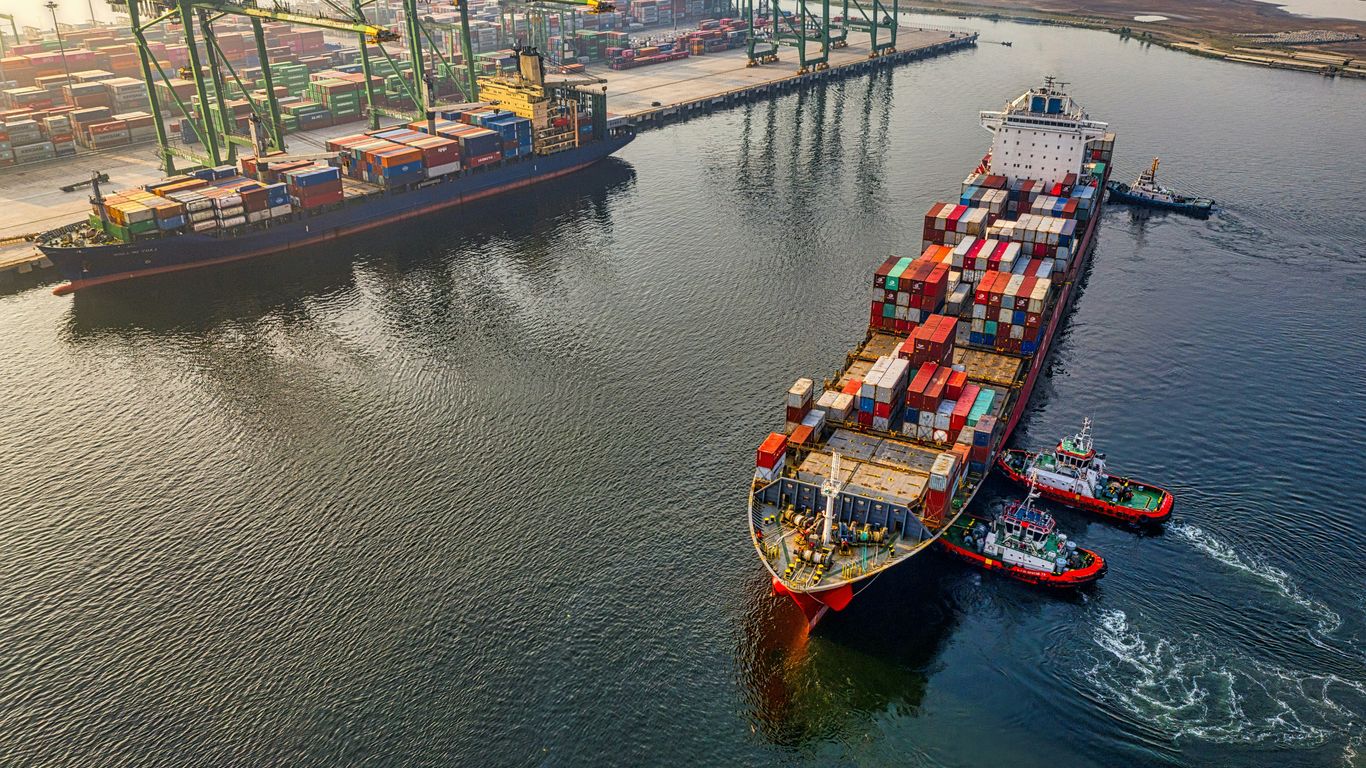
Logistics hub facing potential disruption

Modern commerce relies heavily on interconnected logistics networks that are increasingly vulnerable to national trade policies and port-related delays. When trade wars force shifts in these networks, businesses frequently experience interruptions that extend well beyond single locations. Practitioners should be aware of how their business interruption programs respond to such complex, non-physical delays to avoid gaps in their coverage.

Navigating physical versus non-physical damage triggers

Traditional business interruption insurance typically triggers upon physical property damage, creating a significant coverage gap during trade-related delays where no physical loss occurs. Many businesses fail to appreciate that their existing structures do not cover costs arising solely from government intervention or port closures. This disconnect is why Political Risk Insurance is now considered a vital pillar for those operating internationally.

Analyzing the role of contingent business interruption

Contingent business interruption is essential for protecting against the downstream effects of supplier shutdowns. The following breakdown illustrates how different coverage types interact within a modern commercial program:

Coverage Type Typical Trigger Primary Protection Benefit
Property Damage Physical loss to assets Direct repair costs
Business Interruption Damage to own property Lost operational income
Contingent BI Loss to key supplier Supply chain continuity

These layers provide a graduated defense against the multi-faceted disruptions characterizing global trade conflicts today.

Managing exposure to logistics and port delays

Logistics delays are now a chronic feature of the international trade environment, causing inventory bottlenecks and missed contract deadlines. Insuuurance advises business owners to evaluate the specific language of their policies regarding civil authority extensions, which may offer limited relief during major port shutdowns or border closures.

Contractual disputes regarding force majeure and trade policy

Contractual disagreements often arise when one party claims that government-mandated tariffs constitute a force majeure event, excusing non-performance. These disputes lead to lengthy litigation where the interpretation of policy terms becomes the deciding factor. Businesses should work with their counsel to ensure that contractual and insurance definitions are harmonized before a disruption occurs.

Assessing political risk and trade credit exposure

The necessity of trade credit insurance in volatile markets

In markets where political instability is high, trade credit insurance acts as a buffer against counterparty default or sovereign action risk. It is a vital tool that shifts the burden of commercial or political non-payment away from the business. Relying solely on internal credit vetting is often insufficient when entire sectors are targeted by regional trade policy changes.

Evaluating sovereign and counterparty credit risk

Sovereign risk encompasses the possibility that a government might restrict currency convertibility or unilaterally terminate commercial contracts. When assessing these risks, organizations must look beyond historical data and incorporate current geopolitical trends. Proactive firms often deploy localized data gathered from specialized advisors to refine their exposure thresholds.

Shifts in demand for political risk insurance

Demand for political risk tools has spiked as traditional insurance capacity retracts in high-risk zones. Many companies are finding that standard commercial policies offer no relief for losses caused by government-led confiscation, expropriation, or systemic domestic disorder. This evolution means that specialized coverage is no longer just for large multinationals; it is a necessity for a growing range of enterprises.

Distinguishing between commercial non-payment and political interference

It is essential to categorize loss events accurately, as the distinction between a simple bad debt and a politically motivated loss is legally significant. Carriers may contest claims if they believe an insolvency was driven by commercial mismanagement rather than political disruption. To better prepare for such investigations, companies should adopt a structured approach to risk management, similar to having an emergency locksmith plan for property security—having clear protocols in place minimizes the time spent in dispute.

Volatility in underwriting and pricing strategies

Insurance professional analyzing market data

Underwriting practices are witnessing a shift toward high-precision modeling to keep pace with rapid shifts in international trade metrics. Carriers must balance the need for growth against the potential for unexpected aggregations of losses stemming from regional geopolitical shifts. Discipline in underwriting determines the long-term viability of any program designed to address transnational risk.

Challenges in projecting loss frequency for geopolitical events

Projecting frequency for events like sudden retaliatory tariffs is notoriously difficult because standard actuarial models rely on historical patterns that are now being broken. Insurers frequently adjust their appetites based on real-time intelligence feeds, which makes pricing consistency a moving target for the average insured. To avoid surprises, policyholders should check in regularly on their coverage terms and be aware that tech neck treatments, while cosmetic, are perhaps more predictable than global trade trends.

Dynamic pricing models in response to tariff shifting

Dynamic models allow insurers to adjust premiums in synchronization with major trade disruptions as they unfold. While this keeps the carrier financially stable, it creates budget uncertainty for firms trying to plan for consecutive fiscal years. A consistent, transparent dialogue with an insurance broker is the only way to manage these fluctuations securely.

Adjusting underwriting guidelines for cross-border risks

Guidelines for multi-jurisdictional risks are increasingly emphasizing the need for legal documentation and robust compliance protocols. Insuuurance reminds its audience that applicants have strict disclosure duties; omitting material risks associated with specific trade routes or political affiliations can lead to denial of coverage. Many firms also invest in reliable 50cc petrol scooter fleets that require stable maintenance; similarly, they must treat their insurance program as an asset requiring ongoing, deliberate updates.

Mitigating the effects of adverse selection in international markets

Adverse selection occurs when insurers find themselves covering only those clients most likely to experience trade-related damage, which destabilizes the premium pool. To prevent this, carriers often require comprehensive underwriting information, including full disclosure of supply-chain partners. Ensuring that your own risk profile is presented clearly can prevent being grouped with high-risk counterparts.

Challenges for global reinsurance capacity

Evaluating the impact of large or volatile trade-related losses

When trade-related losses aggregate, the impact on reinsurance capacity is immediate and profound, often resulting in reduced limits for direct carriers. This forces insurers to pass on higher costs to the end-consumer as they struggle to manage their own capital requirements. The current climate suggests that capacity for highly exposed segments will continue to tighten throughout the near future.

Reinsurance appetite for high-exposure trade segments

Reinsurance appetite is shrinking for sectors heavily concentrated in politically active regions, forcing a move toward more selective risk partitioning. This shrinkage creates a bottleneck effect in the market, where finding adequate coverage requires extensive specialized placement. Firms that rely on THC Coffee & Cold Brew for their daily work-day caffeine surge might not worry about this, but their business insurance partners certainly do.

The role of alternative risk transfer mechanisms for geopolitical events

Alternative risk transfer, such as captive insurance vehicles, offers organizations a way to retain their own geopolitical risks without depending on the open market. Captives grant greater control over the coverage language and allow for tailored capital management. These structures are becoming increasingly common among companies facing consistent trade volatility.

Managing concentration risk within global reinsurance treaties

Reinsurers are increasingly monitoring treaty limits to avoid over-exposure within specific geographical blocs that are prone to sudden trade policy changes. By limiting the number of risks tied to a single, volatile trade corridor, they ensure their own solvency. This focus on concentration risk means that policyholders located in sensitive areas may face harder negotiations.

Emerging regulatory and legal landscape

Addressing compliance in an evolving sanctions environment

Compliance officers must navigate a landscape of frequently updated sanctions lists that complicate even standard commercial transactions. Insurers now mandate higher reporting standards to ensure that they are not facilitating trade with prohibited entities, creating an administrative burden for all parties. Companies need to conduct rigorous commercial bat removal checks—well, metaphorically speaking—by ensuring their own vendor list is clean of sanctioned entities.

Litigation risks stemming from trade-related policy interpretations

Courts are increasingly being tasked with deciding whether modern trade actions trigger standard insurance definitions. Because these are novel legal questions, the results are rarely predictable, leading many insurers to tighten policy wording. This legal uncertainty underscores the brand promise of Insuuurance: helping you understand your coverage before it is tested by a court of law.

Reporting obligations for international trade exposure

Regulatory bodies have expanded reporting obligations to track the scale of corporate exposure to geopolitical events. This data collection allows regulators to assess the systematic risks posed to the insurance industry as a whole. Failing to disclose accurate trade exposure figures can result in significant legal consequences for firms of all sizes.

Collaborative efforts in regulatory oversight of cross-border risks

International bodies are working to harmonize the regulatory response to globalized risks, looking to create consistent standards that transcend national borders. While these efforts are slow-moving, they aim to reduce the fragmentation that often results in gaps in coverage for international businesses. Staying abreast of these developments is key for any proactive risk management strategy.

Conclusion

Navigating the insurance implications of global trade wars requires a combination of vigilance and proactive planning. As economic policies continue to influence risk environments, policyholders must focus on clear contract terms, robust risk transfer strategies, and frequent audits of their operational exposure. By actively managing these factors, businesses can better protect themselves against the volatility that defines modern cross-border operations.

Frequently Asked Questions

Do standard commercial policies cover losses from trade wars?

Standard commercial policies often exclude losses caused by political volatility, government interference, or specifically named perils associated with war, requiring businesses to seek supplementary political risk coverage.

What is considered a trade barrier in insurance terms?

In insurance and risk management, a trade barrier is any government-imposed restriction such as tariffs, quotas, or license requirements that alters the cost or difficulty of international trade and impacts business operations.

Why does trade volatility affect my premiums?

Premiums reflect the insurer’s assessment of aggregate risk; when systemic insecurity rises due to trade conflicts, the probability of claims increases, forcing insurers to raise prices to maintain solvency.

How can I mitigate geopolitical risks in my business?

Mitigation involves diversifying supply chains, conducting thorough counterparty due diligence, and utilizing financial instruments like trade credit insurance or captive insurance structures to protect your income.

Are port and logistics delays always covered by insurance?

Not typically; standard business interruption coverage usually requires physical damage to your property to trigger benefits, meaning non-physical logistical delays are frequently excluded unless specific endorsements are purchased.

What should I look for in my insurance policy before a trade war?

Review your policy’s definitions of covered perils, reporting requirements, and any exclusions related to government or regulatory actions to determine where your current coverage stands.

How does reinsurance influence my business coverage?

Reinsurance is how insurance companies offload part of their risk to stay solvent; if reinsurance capacity drops for your specific industry or market due to trade instability, your primary insurer may raise prices or restrict available limits for your business.

Insurance Volatility During Trade Wars


Key Takeaways

Trade wars introduce systemic instability that requires a sophisticated approach to risk assessment and policy management. Understanding these dynamics is essential for businesses seeking to maintain operational resilience in a shifting economic landscape.

  • Geopolitical tensions create volatility in pricing and demand for specialized commercial insurance products.
  • Supply chain interruptions now often require specific coverage beyond standard property and damage triggers.
  • Trade credit insurance is shifting from a peripheral tool to a core component of political risk strategies.
  • Reinsurance capacity is recalibrating in response to the growing aggregation of trade-related physical losses.
  • Regulatory compliance in a sanctions-heavy environment demands proactive monitoring of international exposure.

The intersection of trade wars and insurance market stability

Geopolitical friction disrupts traditional business operations, creating a unique set of challenges that impact how carriers assess risk and price coverage. As nations impose tariffs and restrictive trade policies, the resulting market shifts force insurers to reconsider long-standing assumptions about global commerce. Insuuurance consistently highlights the need for policyholders to understand how these systemic changes influence their exposure to international disruptions.

Defining trade wars as a systemic risk to the insurance sector

Trade wars are best understood as foundational shocks that ripple through every segment of the supply chain. When governments impose trade barriers, the resulting cost increases often exceed the capacity of businesses to absorb them, creating financial distress. Geopolitical tensions thus become a primary driver of risk that standard policies might not capture, necessitating a broader look at underwriting standards.

Identifying shifts in global trade risk profiles

Risk profiles are no longer static, as the traditional reliance on predictable supply routes is compromised by state-level maneuvering. Carriers must now account for sudden shifts in operational viability for companies with heavy cross-border footprints. This is a critical area where dynamic risk modelling provides the clarity needed to navigate such unpredictable environments.

How tariff volatility affects commercial policy structures

Tariff schedules frequently change, leaving businesses to manage sudden financial exposure that their insurance programs were not originally designed to cover. Insurers often react by tightening restrictions or raising premiums to compensate for the uncertainty, which can catch policyholders off guard. Insuuurance advocates for granular analysis of policy language to ensure that coverage remains relevant despite these abrupt shifts.

Evaluating long-term economic instability on insurer solvency

Long-term economic volatility threatens the stability of the underwriting pool itself, as persistent instability forces carriers to hold higher reserves. The accumulation of interconnected risks makes it difficult to maintain pricing discipline while protecting the insurer’s balance sheet. Maintaining financial risk management practices is essential for companies aiming to survive these prolonged periods of uncertainty.

Supply chain disruption and business interruption coverage

Logistics hub facing potential disruption

Modern commerce relies heavily on interconnected logistics networks that are increasingly vulnerable to national trade policies and port-related delays. When trade wars force shifts in these networks, businesses frequently experience interruptions that extend well beyond single locations. Practitioners should be aware of how their business interruption programs respond to such complex, non-physical delays to avoid gaps in their coverage.

Navigating physical versus non-physical damage triggers

Traditional business interruption insurance typically triggers upon physical property damage, creating a significant coverage gap during trade-related delays where no physical loss occurs. Many businesses fail to appreciate that their existing structures do not cover costs arising solely from government intervention or port closures. This disconnect is why Political Risk Insurance is now considered a vital pillar for those operating internationally.

Analyzing the role of contingent business interruption

Contingent business interruption is essential for protecting against the downstream effects of supplier shutdowns. The following breakdown illustrates how different coverage types interact within a modern commercial program:

Coverage Type Typical Trigger Primary Protection Benefit
Property Damage Physical loss to assets Direct repair costs
Business Interruption Damage to own property Lost operational income
Contingent BI Loss to key supplier Supply chain continuity

These layers provide a graduated defense against the multi-faceted disruptions characterizing global trade conflicts today.

Managing exposure to logistics and port delays

Logistics delays are now a chronic feature of the international trade environment, causing inventory bottlenecks and missed contract deadlines. Insuuurance advises business owners to evaluate the specific language of their policies regarding civil authority extensions, which may offer limited relief during major port shutdowns or border closures.

Contractual disputes regarding force majeure and trade policy

Contractual disagreements often arise when one party claims that government-mandated tariffs constitute a force majeure event, excusing non-performance. These disputes lead to lengthy litigation where the interpretation of policy terms becomes the deciding factor. Businesses should work with their counsel to ensure that contractual and insurance definitions are harmonized before a disruption occurs.

Assessing political risk and trade credit exposure

The necessity of trade credit insurance in volatile markets

In markets where political instability is high, trade credit insurance acts as a buffer against counterparty default or sovereign action risk. It is a vital tool that shifts the burden of commercial or political non-payment away from the business. Relying solely on internal credit vetting is often insufficient when entire sectors are targeted by regional trade policy changes.

Evaluating sovereign and counterparty credit risk

Sovereign risk encompasses the possibility that a government might restrict currency convertibility or unilaterally terminate commercial contracts. When assessing these risks, organizations must look beyond historical data and incorporate current geopolitical trends. Proactive firms often deploy localized data gathered from specialized advisors to refine their exposure thresholds.

Shifts in demand for political risk insurance

Demand for political risk tools has spiked as traditional insurance capacity retracts in high-risk zones. Many companies are finding that standard commercial policies offer no relief for losses caused by government-led confiscation, expropriation, or systemic domestic disorder. This evolution means that specialized coverage is no longer just for large multinationals; it is a necessity for a growing range of enterprises.

Distinguishing between commercial non-payment and political interference

It is essential to categorize loss events accurately, as the distinction between a simple bad debt and a politically motivated loss is legally significant. Carriers may contest claims if they believe an insolvency was driven by commercial mismanagement rather than political disruption. To better prepare for such investigations, companies should adopt a structured approach to risk management, similar to having an emergency locksmith plan for property security—having clear protocols in place minimizes the time spent in dispute.

Volatility in underwriting and pricing strategies

Insurance professional analyzing market data

Underwriting practices are witnessing a shift toward high-precision modeling to keep pace with rapid shifts in international trade metrics. Carriers must balance the need for growth against the potential for unexpected aggregations of losses stemming from regional geopolitical shifts. Discipline in underwriting determines the long-term viability of any program designed to address transnational risk.

Challenges in projecting loss frequency for geopolitical events

Projecting frequency for events like sudden retaliatory tariffs is notoriously difficult because standard actuarial models rely on historical patterns that are now being broken. Insurers frequently adjust their appetites based on real-time intelligence feeds, which makes pricing consistency a moving target for the average insured. To avoid surprises, policyholders should check in regularly on their coverage terms and be aware that tech neck treatments, while cosmetic, are perhaps more predictable than global trade trends.

Dynamic pricing models in response to tariff shifting

Dynamic models allow insurers to adjust premiums in synchronization with major trade disruptions as they unfold. While this keeps the carrier financially stable, it creates budget uncertainty for firms trying to plan for consecutive fiscal years. A consistent, transparent dialogue with an insurance broker is the only way to manage these fluctuations securely.

Adjusting underwriting guidelines for cross-border risks

Guidelines for multi-jurisdictional risks are increasingly emphasizing the need for legal documentation and robust compliance protocols. Insuuurance reminds its audience that applicants have strict disclosure duties; omitting material risks associated with specific trade routes or political affiliations can lead to denial of coverage. Many firms also invest in reliable 50cc petrol scooter fleets that require stable maintenance; similarly, they must treat their insurance program as an asset requiring ongoing, deliberate updates.

Mitigating the effects of adverse selection in international markets

Adverse selection occurs when insurers find themselves covering only those clients most likely to experience trade-related damage, which destabilizes the premium pool. To prevent this, carriers often require comprehensive underwriting information, including full disclosure of supply-chain partners. Ensuring that your own risk profile is presented clearly can prevent being grouped with high-risk counterparts.

Challenges for global reinsurance capacity

Evaluating the impact of large or volatile trade-related losses

When trade-related losses aggregate, the impact on reinsurance capacity is immediate and profound, often resulting in reduced limits for direct carriers. This forces insurers to pass on higher costs to the end-consumer as they struggle to manage their own capital requirements. The current climate suggests that capacity for highly exposed segments will continue to tighten throughout the near future.

Reinsurance appetite for high-exposure trade segments

Reinsurance appetite is shrinking for sectors heavily concentrated in politically active regions, forcing a move toward more selective risk partitioning. This shrinkage creates a bottleneck effect in the market, where finding adequate coverage requires extensive specialized placement. Firms that rely on THC Coffee & Cold Brew for their daily work-day caffeine surge might not worry about this, but their business insurance partners certainly do.

The role of alternative risk transfer mechanisms for geopolitical events

Alternative risk transfer, such as captive insurance vehicles, offers organizations a way to retain their own geopolitical risks without depending on the open market. Captives grant greater control over the coverage language and allow for tailored capital management. These structures are becoming increasingly common among companies facing consistent trade volatility.

Managing concentration risk within global reinsurance treaties

Reinsurers are increasingly monitoring treaty limits to avoid over-exposure within specific geographical blocs that are prone to sudden trade policy changes. By limiting the number of risks tied to a single, volatile trade corridor, they ensure their own solvency. This focus on concentration risk means that policyholders located in sensitive areas may face harder negotiations.

Emerging regulatory and legal landscape

Addressing compliance in an evolving sanctions environment

Compliance officers must navigate a landscape of frequently updated sanctions lists that complicate even standard commercial transactions. Insurers now mandate higher reporting standards to ensure that they are not facilitating trade with prohibited entities, creating an administrative burden for all parties. Companies need to conduct rigorous commercial bat removal checks—well, metaphorically speaking—by ensuring their own vendor list is clean of sanctioned entities.

Litigation risks stemming from trade-related policy interpretations

Courts are increasingly being tasked with deciding whether modern trade actions trigger standard insurance definitions. Because these are novel legal questions, the results are rarely predictable, leading many insurers to tighten policy wording. This legal uncertainty underscores the brand promise of Insuuurance: helping you understand your coverage before it is tested by a court of law.

Reporting obligations for international trade exposure

Regulatory bodies have expanded reporting obligations to track the scale of corporate exposure to geopolitical events. This data collection allows regulators to assess the systematic risks posed to the insurance industry as a whole. Failing to disclose accurate trade exposure figures can result in significant legal consequences for firms of all sizes.

Collaborative efforts in regulatory oversight of cross-border risks

International bodies are working to harmonize the regulatory response to globalized risks, looking to create consistent standards that transcend national borders. While these efforts are slow-moving, they aim to reduce the fragmentation that often results in gaps in coverage for international businesses. Staying abreast of these developments is key for any proactive risk management strategy.

Conclusion

Navigating the insurance implications of global trade wars requires a combination of vigilance and proactive planning. As economic policies continue to influence risk environments, policyholders must focus on clear contract terms, robust risk transfer strategies, and frequent audits of their operational exposure. By actively managing these factors, businesses can better protect themselves against the volatility that defines modern cross-border operations.

Frequently Asked Questions

Do standard commercial policies cover losses from trade wars?

Standard commercial policies often exclude losses caused by political volatility, government interference, or specifically named perils associated with war, requiring businesses to seek supplementary political risk coverage.

What is considered a trade barrier in insurance terms?

In insurance and risk management, a trade barrier is any government-imposed restriction such as tariffs, quotas, or license requirements that alters the cost or difficulty of international trade and impacts business operations.

Why does trade volatility affect my premiums?

Premiums reflect the insurer’s assessment of aggregate risk; when systemic insecurity rises due to trade conflicts, the probability of claims increases, forcing insurers to raise prices to maintain solvency.

How can I mitigate geopolitical risks in my business?

Mitigation involves diversifying supply chains, conducting thorough counterparty due diligence, and utilizing financial instruments like trade credit insurance or captive insurance structures to protect your income.

Are port and logistics delays always covered by insurance?

Not typically; standard business interruption coverage usually requires physical damage to your property to trigger benefits, meaning non-physical logistical delays are frequently excluded unless specific endorsements are purchased.

What should I look for in my insurance policy before a trade war?

Review your policy’s definitions of covered perils, reporting requirements, and any exclusions related to government or regulatory actions to determine where your current coverage stands.

How does reinsurance influence my business coverage?

Reinsurance is how insurance companies offload part of their risk to stay solvent; if reinsurance capacity drops for your specific industry or market due to trade instability, your primary insurer may raise prices or restrict available limits for your business.

Insurance Volatility During Trade Wars


Key Takeaways

Trade wars introduce systemic instability that requires a sophisticated approach to risk assessment and policy management. Understanding these dynamics is essential for businesses seeking to maintain operational resilience in a shifting economic landscape.

  • Geopolitical tensions create volatility in pricing and demand for specialized commercial insurance products.
  • Supply chain interruptions now often require specific coverage beyond standard property and damage triggers.
  • Trade credit insurance is shifting from a peripheral tool to a core component of political risk strategies.
  • Reinsurance capacity is recalibrating in response to the growing aggregation of trade-related physical losses.
  • Regulatory compliance in a sanctions-heavy environment demands proactive monitoring of international exposure.

The intersection of trade wars and insurance market stability

Geopolitical friction disrupts traditional business operations, creating a unique set of challenges that impact how carriers assess risk and price coverage. As nations impose tariffs and restrictive trade policies, the resulting market shifts force insurers to reconsider long-standing assumptions about global commerce. Insuuurance consistently highlights the need for policyholders to understand how these systemic changes influence their exposure to international disruptions.

Defining trade wars as a systemic risk to the insurance sector

Trade wars are best understood as foundational shocks that ripple through every segment of the supply chain. When governments impose trade barriers, the resulting cost increases often exceed the capacity of businesses to absorb them, creating financial distress. Geopolitical tensions thus become a primary driver of risk that standard policies might not capture, necessitating a broader look at underwriting standards.

Identifying shifts in global trade risk profiles

Risk profiles are no longer static, as the traditional reliance on predictable supply routes is compromised by state-level maneuvering. Carriers must now account for sudden shifts in operational viability for companies with heavy cross-border footprints. This is a critical area where dynamic risk modelling provides the clarity needed to navigate such unpredictable environments.

How tariff volatility affects commercial policy structures

Tariff schedules frequently change, leaving businesses to manage sudden financial exposure that their insurance programs were not originally designed to cover. Insurers often react by tightening restrictions or raising premiums to compensate for the uncertainty, which can catch policyholders off guard. Insuuurance advocates for granular analysis of policy language to ensure that coverage remains relevant despite these abrupt shifts.

Evaluating long-term economic instability on insurer solvency

Long-term economic volatility threatens the stability of the underwriting pool itself, as persistent instability forces carriers to hold higher reserves. The accumulation of interconnected risks makes it difficult to maintain pricing discipline while protecting the insurer’s balance sheet. Maintaining financial risk management practices is essential for companies aiming to survive these prolonged periods of uncertainty.

Supply chain disruption and business interruption coverage

Logistics hub facing potential disruption

Modern commerce relies heavily on interconnected logistics networks that are increasingly vulnerable to national trade policies and port-related delays. When trade wars force shifts in these networks, businesses frequently experience interruptions that extend well beyond single locations. Practitioners should be aware of how their business interruption programs respond to such complex, non-physical delays to avoid gaps in their coverage.

Navigating physical versus non-physical damage triggers

Traditional business interruption insurance typically triggers upon physical property damage, creating a significant coverage gap during trade-related delays where no physical loss occurs. Many businesses fail to appreciate that their existing structures do not cover costs arising solely from government intervention or port closures. This disconnect is why Political Risk Insurance is now considered a vital pillar for those operating internationally.

Analyzing the role of contingent business interruption

Contingent business interruption is essential for protecting against the downstream effects of supplier shutdowns. The following breakdown illustrates how different coverage types interact within a modern commercial program:

Coverage Type Typical Trigger Primary Protection Benefit
Property Damage Physical loss to assets Direct repair costs
Business Interruption Damage to own property Lost operational income
Contingent BI Loss to key supplier Supply chain continuity

These layers provide a graduated defense against the multi-faceted disruptions characterizing global trade conflicts today.

Managing exposure to logistics and port delays

Logistics delays are now a chronic feature of the international trade environment, causing inventory bottlenecks and missed contract deadlines. Insuuurance advises business owners to evaluate the specific language of their policies regarding civil authority extensions, which may offer limited relief during major port shutdowns or border closures.

Contractual disputes regarding force majeure and trade policy

Contractual disagreements often arise when one party claims that government-mandated tariffs constitute a force majeure event, excusing non-performance. These disputes lead to lengthy litigation where the interpretation of policy terms becomes the deciding factor. Businesses should work with their counsel to ensure that contractual and insurance definitions are harmonized before a disruption occurs.

Assessing political risk and trade credit exposure

The necessity of trade credit insurance in volatile markets

In markets where political instability is high, trade credit insurance acts as a buffer against counterparty default or sovereign action risk. It is a vital tool that shifts the burden of commercial or political non-payment away from the business. Relying solely on internal credit vetting is often insufficient when entire sectors are targeted by regional trade policy changes.

Evaluating sovereign and counterparty credit risk

Sovereign risk encompasses the possibility that a government might restrict currency convertibility or unilaterally terminate commercial contracts. When assessing these risks, organizations must look beyond historical data and incorporate current geopolitical trends. Proactive firms often deploy localized data gathered from specialized advisors to refine their exposure thresholds.

Shifts in demand for political risk insurance

Demand for political risk tools has spiked as traditional insurance capacity retracts in high-risk zones. Many companies are finding that standard commercial policies offer no relief for losses caused by government-led confiscation, expropriation, or systemic domestic disorder. This evolution means that specialized coverage is no longer just for large multinationals; it is a necessity for a growing range of enterprises.

Distinguishing between commercial non-payment and political interference

It is essential to categorize loss events accurately, as the distinction between a simple bad debt and a politically motivated loss is legally significant. Carriers may contest claims if they believe an insolvency was driven by commercial mismanagement rather than political disruption. To better prepare for such investigations, companies should adopt a structured approach to risk management, similar to having an emergency locksmith plan for property security—having clear protocols in place minimizes the time spent in dispute.

Volatility in underwriting and pricing strategies

Insurance professional analyzing market data

Underwriting practices are witnessing a shift toward high-precision modeling to keep pace with rapid shifts in international trade metrics. Carriers must balance the need for growth against the potential for unexpected aggregations of losses stemming from regional geopolitical shifts. Discipline in underwriting determines the long-term viability of any program designed to address transnational risk.

Challenges in projecting loss frequency for geopolitical events

Projecting frequency for events like sudden retaliatory tariffs is notoriously difficult because standard actuarial models rely on historical patterns that are now being broken. Insurers frequently adjust their appetites based on real-time intelligence feeds, which makes pricing consistency a moving target for the average insured. To avoid surprises, policyholders should check in regularly on their coverage terms and be aware that tech neck treatments, while cosmetic, are perhaps more predictable than global trade trends.

Dynamic pricing models in response to tariff shifting

Dynamic models allow insurers to adjust premiums in synchronization with major trade disruptions as they unfold. While this keeps the carrier financially stable, it creates budget uncertainty for firms trying to plan for consecutive fiscal years. A consistent, transparent dialogue with an insurance broker is the only way to manage these fluctuations securely.

Adjusting underwriting guidelines for cross-border risks

Guidelines for multi-jurisdictional risks are increasingly emphasizing the need for legal documentation and robust compliance protocols. Insuuurance reminds its audience that applicants have strict disclosure duties; omitting material risks associated with specific trade routes or political affiliations can lead to denial of coverage. Many firms also invest in reliable 50cc petrol scooter fleets that require stable maintenance; similarly, they must treat their insurance program as an asset requiring ongoing, deliberate updates.

Mitigating the effects of adverse selection in international markets

Adverse selection occurs when insurers find themselves covering only those clients most likely to experience trade-related damage, which destabilizes the premium pool. To prevent this, carriers often require comprehensive underwriting information, including full disclosure of supply-chain partners. Ensuring that your own risk profile is presented clearly can prevent being grouped with high-risk counterparts.

Challenges for global reinsurance capacity

Evaluating the impact of large or volatile trade-related losses

When trade-related losses aggregate, the impact on reinsurance capacity is immediate and profound, often resulting in reduced limits for direct carriers. This forces insurers to pass on higher costs to the end-consumer as they struggle to manage their own capital requirements. The current climate suggests that capacity for highly exposed segments will continue to tighten throughout the near future.

Reinsurance appetite for high-exposure trade segments

Reinsurance appetite is shrinking for sectors heavily concentrated in politically active regions, forcing a move toward more selective risk partitioning. This shrinkage creates a bottleneck effect in the market, where finding adequate coverage requires extensive specialized placement. Firms that rely on THC Coffee & Cold Brew for their daily work-day caffeine surge might not worry about this, but their business insurance partners certainly do.

The role of alternative risk transfer mechanisms for geopolitical events

Alternative risk transfer, such as captive insurance vehicles, offers organizations a way to retain their own geopolitical risks without depending on the open market. Captives grant greater control over the coverage language and allow for tailored capital management. These structures are becoming increasingly common among companies facing consistent trade volatility.

Managing concentration risk within global reinsurance treaties

Reinsurers are increasingly monitoring treaty limits to avoid over-exposure within specific geographical blocs that are prone to sudden trade policy changes. By limiting the number of risks tied to a single, volatile trade corridor, they ensure their own solvency. This focus on concentration risk means that policyholders located in sensitive areas may face harder negotiations.

Emerging regulatory and legal landscape

Addressing compliance in an evolving sanctions environment

Compliance officers must navigate a landscape of frequently updated sanctions lists that complicate even standard commercial transactions. Insurers now mandate higher reporting standards to ensure that they are not facilitating trade with prohibited entities, creating an administrative burden for all parties. Companies need to conduct rigorous commercial bat removal checks—well, metaphorically speaking—by ensuring their own vendor list is clean of sanctioned entities.

Litigation risks stemming from trade-related policy interpretations

Courts are increasingly being tasked with deciding whether modern trade actions trigger standard insurance definitions. Because these are novel legal questions, the results are rarely predictable, leading many insurers to tighten policy wording. This legal uncertainty underscores the brand promise of Insuuurance: helping you understand your coverage before it is tested by a court of law.

Reporting obligations for international trade exposure

Regulatory bodies have expanded reporting obligations to track the scale of corporate exposure to geopolitical events. This data collection allows regulators to assess the systematic risks posed to the insurance industry as a whole. Failing to disclose accurate trade exposure figures can result in significant legal consequences for firms of all sizes.

Collaborative efforts in regulatory oversight of cross-border risks

International bodies are working to harmonize the regulatory response to globalized risks, looking to create consistent standards that transcend national borders. While these efforts are slow-moving, they aim to reduce the fragmentation that often results in gaps in coverage for international businesses. Staying abreast of these developments is key for any proactive risk management strategy.

Conclusion

Navigating the insurance implications of global trade wars requires a combination of vigilance and proactive planning. As economic policies continue to influence risk environments, policyholders must focus on clear contract terms, robust risk transfer strategies, and frequent audits of their operational exposure. By actively managing these factors, businesses can better protect themselves against the volatility that defines modern cross-border operations.

Frequently Asked Questions

Do standard commercial policies cover losses from trade wars?

Standard commercial policies often exclude losses caused by political volatility, government interference, or specifically named perils associated with war, requiring businesses to seek supplementary political risk coverage.

What is considered a trade barrier in insurance terms?

In insurance and risk management, a trade barrier is any government-imposed restriction such as tariffs, quotas, or license requirements that alters the cost or difficulty of international trade and impacts business operations.

Why does trade volatility affect my premiums?

Premiums reflect the insurer’s assessment of aggregate risk; when systemic insecurity rises due to trade conflicts, the probability of claims increases, forcing insurers to raise prices to maintain solvency.

How can I mitigate geopolitical risks in my business?

Mitigation involves diversifying supply chains, conducting thorough counterparty due diligence, and utilizing financial instruments like trade credit insurance or captive insurance structures to protect your income.

Are port and logistics delays always covered by insurance?

Not typically; standard business interruption coverage usually requires physical damage to your property to trigger benefits, meaning non-physical logistical delays are frequently excluded unless specific endorsements are purchased.

What should I look for in my insurance policy before a trade war?

Review your policy’s definitions of covered perils, reporting requirements, and any exclusions related to government or regulatory actions to determine where your current coverage stands.

How does reinsurance influence my business coverage?

Reinsurance is how insurance companies offload part of their risk to stay solvent; if reinsurance capacity drops for your specific industry or market due to trade instability, your primary insurer may raise prices or restrict available limits for your business.

Recent Posts