

Key Takeaways
Understanding the mechanics of grid-related insurance helps consumers and business owners better prepare for sudden outages or infrastructure failures. These critical points summarize the essential risk management concepts covered in this guide.
- Grid failures act as distinct financial risks requiring careful assessment of both physical damage and operational downtime.
- Homeowners should understand the specific limitations of their property policies regarding power surges and grid instability.
- Commercial entities often mandate dedicated business interruption coverage when relying on consistent electrical supply.
- Emerging parametric insurance structures utilize automated triggers to provide faster payouts for utility-related disruptions.
- Regulatory oversight plays a vital role in balancing utility accountability with the consumer protections afforded to policyholders.
Understanding power grid failure as an insurable risk
The complexity of managing grid reliability has elevated the importance of power grid failure insurance systems for modern asset protection. While infrastructure stability is generally assumed in daily commerce, extreme weather and technical limitations expose the fragile nature of utility delivery. Insured parties must recognize that insurance serves as a risk transfer mechanism rather than a guarantee of utility performance, placing the onus on policyholders to audit their specific coverage vulnerabilities.
Differentiating between sudden surges and prolonged outages
Sudden electrical spikes occur when grid components experience rapid voltage shifts, often during restoration processes or equipment malfunctions. These events differ significantly from extended blackouts, which represent a complete loss of power rather than an influx of hazardous energy. Policyholders should verify if their protection addresses only physical damage or includes provisions for equipment failure caused by internal surges.
Assessing the scope of commercial versus residential exposure
Commercial enterprises often face higher financial sensitivity to power loss compared to residential homeowners. While a household might lose pantry stock during a surge, a facility could see its supply chain dissolve if its cooling systems fail during an outage. Evaluating Signature Solitaire Collection data management protocols alongside utility risk helps businesses build an authoritative foundation for asset protection.
The role of perils and hazards in grid instability
External factors such as storms, tree falls, or excessive demand put immense strain on the nation’s electric grid, creating hazards that escalate into tangible perils. Understanding these variables allows for better grid pressure insurance planning, as insurers often distinguish between predictable seasonal volatility and catastrophic grid collapses.
Coverage structures for grid-related property damage
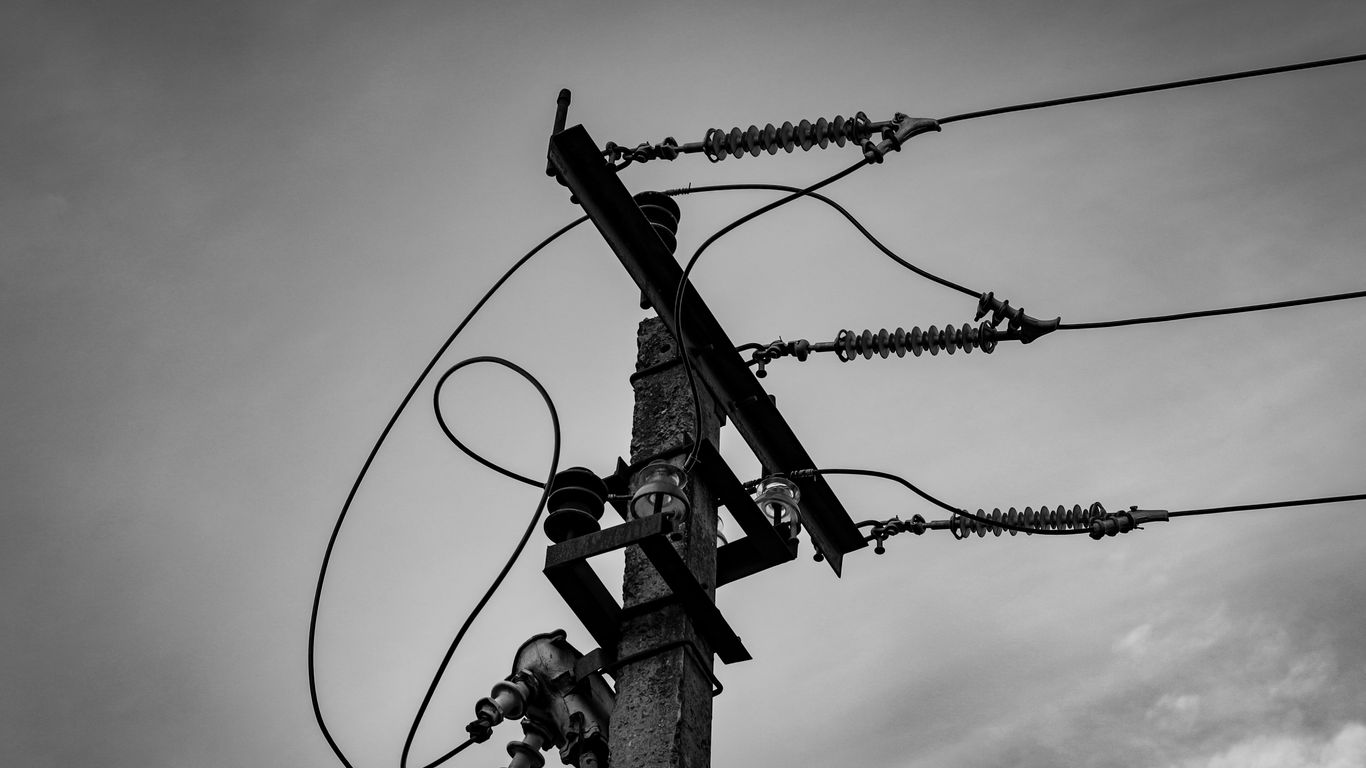
Property insurance serves as the primary defense against physical damage resulting from electrical fluctuations or distribution failure. Determining the right coverage requires an analysis of policy declarations and exclusions, specifically regarding where the utility company’s responsibility ends and the policyholder’s begins. When the grid fails, a clear understanding of the contractual coverage boundaries ensures that policyholders can maximize their financial recovery after a qualifying event.
Standard policy provisions for electrical damage
Most property policies provide limited coverage for surges directly linked to lightning strikes or other specific named perils. Consumers should explore their home surge damage protections to determine if standard dwelling coverage adequately accounts for built-in electronic systems or sophisticated machinery.
Limitations of all-risk versus named-peril coverage
Named-peril policies only respond to events explicitly listed in the contract, often creating gaps in coverage during unique grid failure scenarios. In contrast, all-risk structures provide broader protection, though they still contain specific exclusions for maintenance-related failures or inevitable component deterioration.
Applying deductibles and recovery limits for systemic failures
Systemic failures can affect multiple pieces of equipment simultaneously, making it essential for policyholders to understand how their total limits are applied across claims. The following table outlines standard approaches to handling common electrical loss categories:
| Loss Type | Coverage Source | Typical Valuation |
|---|---|---|
| Surge Damage | Personal Property | Replacement Cost |
| Infrastructure Failure | Dwelling Coverage | Actual Cash Value |
| Food Spoilage | Loss of Use | Agreed Limit |
Managing these limits ensures that businesses and households do not face unexpected out-of-pocket costs when claims emerge from broad grid instability.
Business interruption and income protection
Business interruption coverage protects enterprises from the loss of revenue when physical damage prevents normal operations. This coverage is inherently linked to the occurrence of a covered direct property loss, creating a critical gap if the grid failure causes income loss without damaging the business’s own fixed assets. Strategically utilizing automated team-building events or other operational continuity strategies can sometimes mitigate the duration of these disruptions.
Linking income loss to direct property damage triggers
Standard business interruption policies typically require proof of property damage at the insured location to initiate a claim. This condition often excludes financial loss resulting from regional energy outages if those outages occurred off-site without causing physical damage to the insured premises.
Evaluating extra expense and mitigation costs
Businesses may incur significant costs, such as renting temporary generators, to minimize the impact of an outage. Properly structured extra expense coverage addresses these temporary operational costs during a restoration window, helping to prevent a power outage claim from becoming a long-term profit loss.
The complexity of indirect outage losses
Indirect losses often fall outside the scope of basic property policies, leading to confusion during large-scale blackouts. Addressing power outage coverage gaps early in the policy term allows owners to clarify whether their contract provides necessary protection for income loss secondary to utility grid issues.
Parametric insurance solutions for utility disruptions
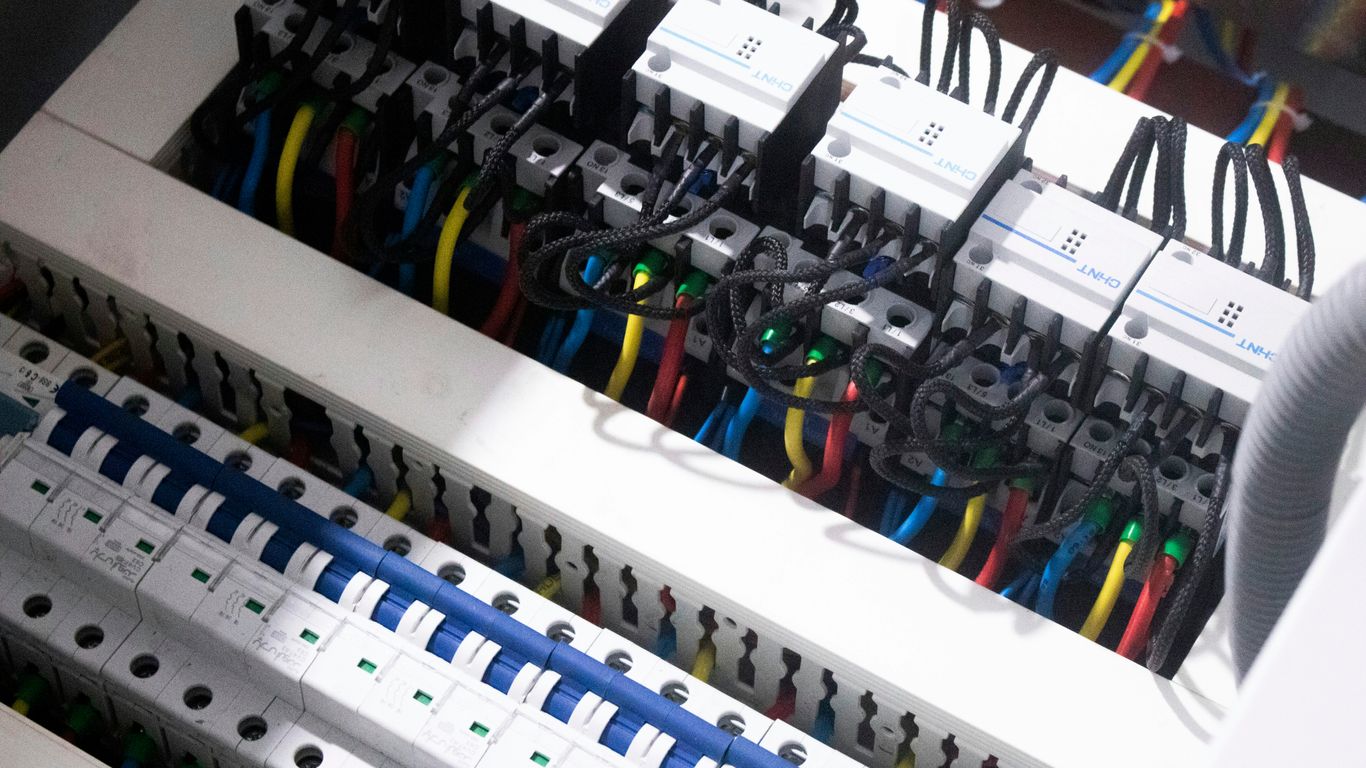
Parametric insurance represents a departure from traditional indemnity by triggering payouts based on objective measurements rather than verified claims valuation. For utilities and large industrial operations, this structure allows for rapid cash flow when pre-defined reliability indices are breached. As tokenized insurance ecosystems evolve, these automated models are increasingly used to manage high-frequency, low-severity utility failures effectively.
Designing triggers based on grid reliability indices
Triggers for these policies might include specific durations of power loss or frequency counts recorded by independent sensors. These metrics remove subjectivity from the settlement process, providing a transparent basis for determining if a payout is due.
Reducing settlement duration through automated payouts
By replacing manual damage assessment with automated data verification, parametric policies can settle claims in days rather than months. Organizations that require immediate liquidity following a disruption often prioritize these models to maintain their financial resilience.
Enhancing capacity for large-scale infrastructure failure
Large-scale grid events can exhaust traditional insurer capacity, making parametric products a valuable layer of protection. These solutions may involve multiple stakeholders, including reinsurers, to ensure that the liquidity exists to pay out during widespread, multi-regional utility failures.
Claims investigation and valuation methodologies
Investigating grid-related claims requires technical experts to determine if the loss originated from external utility surges or internal electrical issues. Insurers utilize specialized investigators to differentiate between normal component end-of-life and damage caused by sudden external force. As CognitiveMetrics terms of service remind users, transparency and accurate data remain essential elements for successful claims processing.
Verifying the causal link between grid instability and loss
Determining causation involves reviewing utility logs, weather reports, and local documentation to map the outage timeline to the specific loss incident. Causation analysis often hinges on whether the grid failure was the proximate cause of the claimed property damage.
Establishing actual cash value for damaged equipment
Valuation methodologies frequently distinguish between the replacement cost of new equipment and the depreciation-adjusted actual cash value. Policyholders must maintain an accurate and up-to-date registry of their assets to support these valuations effectively during an incident.
Navigating disputes regarding equipment aging and surges
Insurers routinely investigate whether equipment failures stem from long-term neglect rather than recent grid events. Policyholders should adhere to the following best practices when preparing for such investigations:
- Maintain detailed maintenance logs for all critical electronic infrastructure.
- Document power surge events with timestamps immediately upon discovery.
- Request diagnostic reports from third-party technicians after electrical-related failures.
- Take high-resolution photos of damaged circuit boards or hardware components.
These proactive steps help resolve disputes faster by providing concrete evidence of the equipment’s condition before the incident occurred.
Regulatory oversight and market stability
Regulators enforce rules regarding consumer protection and insurer transparency during times of mass outages. These frameworks ensure that insurers communicate clearly regarding denials while maintaining the solvency necessary to satisfy obligations. Understanding the broader power grid insurance context helps consumers navigate their rights effectively when systemic failures trigger large volumes of claims.
State-specific requirements for utility liability claims
Liability standards change based on the jurisdiction, affecting how easily a homeowner can hold a utility accountable for grid-related losses. Many states have specific consumer protection statutes that mandate clear communication during extended energy disruptions.
The influence of catastrophe models on pricing grid risk
Insurers rely on complex catastrophe models to project how future events, such as heatwaves or winter storms, will impact their overall claim experience. These models directly influence premium pricing and the availability of policy endorsements designed to cover specific utility-related hazards.
Consumer protection standards during widespread outages
Regulators typically audit insurers to ensure they provide consistent and fair handling during catastrophic events. This oversight prevents bad faith practices, guaranteeing that the legendary daredevil spirit of overcoming adversity isn’t met with systemic insurance barriers when households need help the most.
Conclusion
Navigating the nuances of grid-related insurance requires a shift toward proactive risk identification and clear policy documentation. By understanding the distinct thresholds for property, business, and parametric coverage, policyholders can construct a program that offers financial stability even when the public grid struggles to deliver consistent power. Engaging with these concepts early transforms insurance from a reactive expense into a foundational pillar of operational and personal resilience.
Frequently Asked Questions
Does homeowners insurance usually cover damage from power surges?
Most homeowners policies provide limited protection for power surges, provided they result from a covered peril like lightning. It is important to confirm what specific internal or external causes your policy covers to avoid coverage surprises.
What documentation is required when filing a power outage claim?
To file a valid claim, you generally need timestamps of when the power fluctuated or stopped, proof of damage such as repair invoices or equipment diagnostics, and an itemized inventory of destroyed items.
Can my business recover lost income if the power grid fails?
Business interruption coverage typically covers lost income only if the outage causes direct physical property damage to your site. Without physical damage, many policies will not trigger coverage for revenue loss from grid failures.
What is a parametric insurance trigger in the context of utility disruptions?
Parametric triggers are objective metrics, such as a measured duration of power loss or a specific grid failure report, that initiate an automated payout without the need for traditional manual damage assessment.
Is food spoilage covered during a long-term blackout?
Many policies offer modest food spoilage coverage as a standard feature, often subject to a deductible. Review your policy to see if food loss is included and what documentation is required, such as lists of discarded items.
How do insurance companies determine if a loss was due to grid instability?
Adjusters analyze utility records, local outage reports, and expert diagnostics. They compare the timeline of the reported grid event to the failure of the insured property to determine if a causal nexus exists.
What role do state regulators play during mass power outages?
State regulators ensure that insurers maintain fair claims-handling standards, provide timely communication to policyholders, and remain solvent enough to process high volumes of claims following widespread catastrophe events.