

Insurance Exposure From Robotics Malfunctions


Key Takeaways

Navigating coverage for automated systems requires a deep dive into how human-driven and machine-directed actions are defined. Managing robotics malfunction insurance exposure effectively involves a combination of hardware-centric policies, specialized software riders, and rigorous forensic evidence practices.

  • Robotics malfunction is not covered by a single policy; it requires a blend of general, professional, and cyber liability.
  • Attribution of fault in complex, multi-layered software environments remains the greatest challenge during the claims process.
  • Predictive failure monitoring and clear contractual indemnification clauses are essential tools for minimizing financial volatility.
  • Claims involving autonomous systems demand a forensic-first approach to identify where a specific failure occurred in the technology stack.
  • Compliance with emerging autonomous safety standards is now a prerequisite for favorable underwriting terms.

Categorizing liability in automated systems

Determining where responsibility lies when a machine fails is becoming increasingly difficult. As factories shift from manual oversight to automated workflows, the divide between simple user error and a genuine system glitch has become blurred. Insuuurance provides guides that simplify how consumers assess their risks and coverage needs in this evolving environment, especially when addressing the nuances of robotics malfunction insurance exposure.

Distinctions between operator error and technical malfunction

When a machine fails, investigators first look at whether the setup was maintained according to the manufacturer’s documentation. Operator error implies that the human agent deviated from standard procedures, while a technical malfunction points to a failure in the logic or physical construction of the unit. Sorting these two causes is critical for deciding which policy responds to the loss.

Product liability versus professional liability frameworks

  • Product liability typically addresses physical harm or damage resulting from a manufactured good with a defect.
  • Professional liability focuses on the outcome of digital services, technical advice, or software engineering decisions provided by a third party.
  • Hybrid entities often require a comprehensive strategy that bridges the gap between hardware failures and code-related errors.

Clarifying these boundaries before a claim occurs is vital. Organizations often find that their traditional property damage coverage does not automatically extend to the professional liability risks inherent in modern industrial software.

Impact of third-party property damage and bodily injury potential

Robotic systems integrated into public-facing environments or shared work spaces significantly elevate the stakes for bodily injury. Liability coverage covers legal responsibility for accidental harm or property damage to others, which acts as a primary buffer against catastrophic lawsuits. These risks are not limited to the immediate vicinity of the device and can involve extensive cleanup or public liability incidents.

Attribution challenges in multi-vendor software environments

Modern automated systems often run on code provided by dozens of unique digital vendors. When an incident occurs, identifying whether the failure originated in the proprietary hardware, the third-party control software, or the cloud-based logic is a task requiring profound technical validation.

Essential insurance coverages for robotics risks
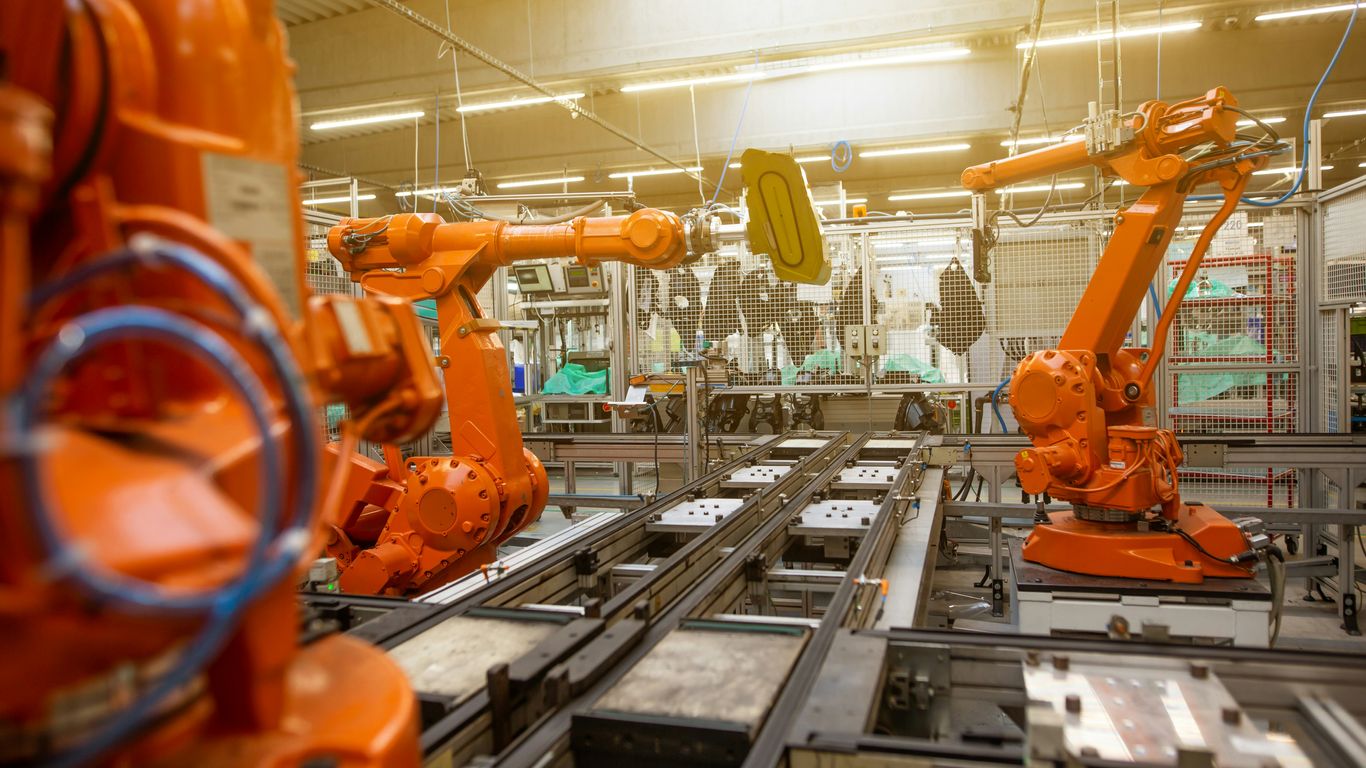
A modern warehouse floor featuring advanced autonomous robotic technology

Businesses utilizing these systems must look beyond standard commercial policies to ensure they are adequately protected against modern operational perils. The core approach requires tailoring limits and identifying potential gaps where traditional insurance might otherwise stay silent. Because these risks are interconnected, finding efficient ways to allocate risk and stabilize financial exposure is absolutely crucial for any long-term stability.

General liability and umbrella structures for hardware failure

Hardware failures often result in property damage or operational downtime that exceeds standard policy caps. Utilizing an umbrella structure allows the policyholder to extend primary coverage limits during catastrophic equipment failures or accidents.

Cyber risk insurance for software-related malfunctions

Software-defined systems are susceptible to digital threats, ranging from external hacking to logical bugs within the operating environment. A robust cyber insurance product addresses these specific malfunctions, covering the recovery costs and legal defense fees that arise from software corruption.

Product recall and manufacturing defect coverage

When an entire fleet of automated machines shows a systemic failure due to a manufacturing defect, the cost of a recall can be crippling. This specific coverage ensures the company can bear the burden of removing the faulty hardware from service without resorting to self-insurance.

Specialized business interruption protection for automated facilities

Coverage Type Primary Benefit Risk Addressed
Business Interruption Income loss replacement Operational downtime
Extra Expense Coverage Mitigation cost support Resumption of business
Contingent BI Supply chain disruption Vendor failures

This table illustrates how specific interruption protections work in tandem to keep a facility functional. Having these protections in place allows management to prioritize safety over profit during restoration periods.

Underwriting challenges for advanced robotics

Underwriters today must analyze far more than historical loss reports when assessing a robotics facility. They are now tasked with evaluating the very nature of autonomy and the volatility of the code powering the machinery. Insuuurance offers the guidance needed to understand these complex liability requirements and how underwriters view your unique automation setup.

Assessing reliability metrics and predictive failure data

Reliability statistics have replaced older, static risk assessments in the underwriting process. By analyzing predictive failure data, insurers can determine if a firm is actively managing its risk or merely waiting for the inevitable, which changes the premium structure.

Evaluating the impact of autonomous decision-making on risk profiles

Autonomous systems that actively "learn" or adjust to their environment present a moving target for underwriters. Factoring in the behavioral variance of these machines is now a standard practice for assessing fiduciary liability exposure in any large-scale industrial project.

Analyzing software supply chains and third-party dependencies

Supply chain mapping is critical when determining the total risk profile of a system-heavy firm. Underwriters typically look for transparency in third-party vendor relationships to ensure that a failure in one software node does not cascade into a complete facility-wide disaster.

Factoring in human-robot collaboration safety standards

Human-robot collaboration introduces specific safety profiles that deviate from isolated machine models. Compliance with verified safety standards acts as a testament to the organization’s discipline and proactive approach to injury prevention.

Navigating the claims process for complex malfunctions
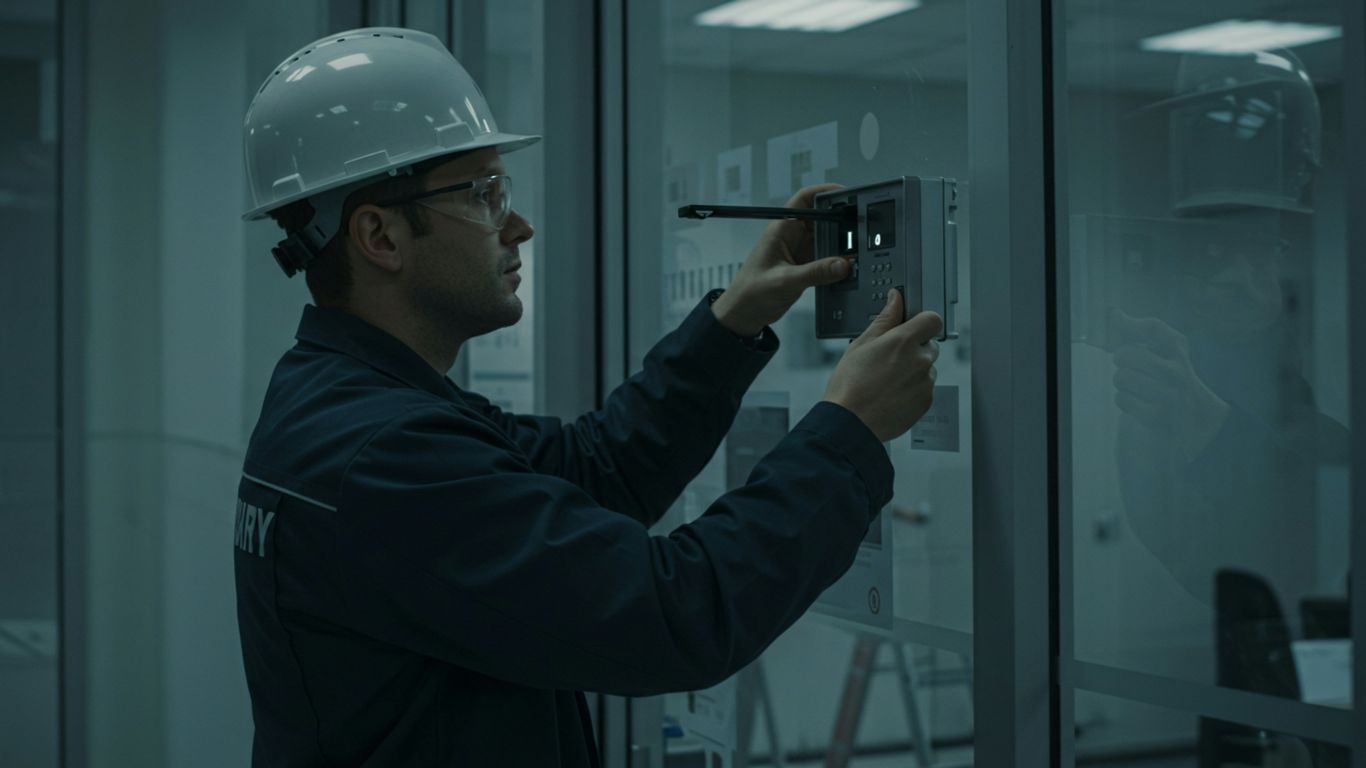
Expert adjusters performing a forensic inspection of a robotic arm

When a malfunction is reported, the path toward resolution requires precise documentation and cooperation across multiple technical domains. The claims process serves as the realization of your risk management strategies in the face of an actual failure. By leveraging the educational resources from Insuuurance, policyholders can approach these moments with clarity instead of confusion.

Establishing causation in non-linear system failures

Proving the proximate cause in a non-linear failure requires expert analysis of system logs and historical data. Without a clear chain of events, coverage determination can be delayed, potentially leading to disputes about who is ultimately liable for the damage.

Evidentiary requirements for digital and forensic logs

Digital forensics provide the foundation for any complex tech claim. Insurers require time-stamped logs, sensor arrays, and error reports to distinguish between an intentional act, a maintenance failure, or a genuine product flaw.

The role of expert testimony in automated process audits

Expert testimony becomes the deciding factor when policy language is tested against sophisticated automated operations. Auditors are often called in to simulate the failure, providing the objective truth needed to settle disagreements between the insured and the carrier.

Reservation of rights and coverage determination in high-tech claims

Carriers often utilize reservation of rights letters when the initial facts of the malfunction are unclear. This legal safeguard allows the insurer to investigate the claim thoroughly while preserving their right to deny coverage should the evidence show a specific, excluded peril.

Regulatory landscape and compliance concerns

Navigating the patchwork of global safety regulations for autonomous systems is a daunting task for any business. Insurers look for companies that don’t just meet minimum standards but exceed them through meticulous record-keeping and proactive reporting. Understanding how these insurance and liability frameworks shift based on location is vital for any international operator.

Evolving safety regulations for autonomous systems

Safety rules are changing as fast as the technology itself. Firms must stay ahead of the curve by reviewing their workflows against new guidelines, ensuring that their current machines meet the latest certification requirements.

Mandatory reporting obligations for software-induced incidents

Many jurisdictions now require that any software-induced incident with significant impact be reported to national databases. Failure to comply with these notification obligations can void your coverage protection and open the business to massive regulatory penalties.

Jurisdiction-specific liability rules for robotics technology

Liability frameworks change significantly across state lines and national boundaries. What constitutes a product flaw in one district might be viewed as a maintenance failure in another, making local knowledge essential to the defense strategy.

Adherence to statutory claims handling standards for complex losses

Statutory standards regarding how insurers must process claims exist to protect the consumer from unfair practices. Compliance with these standards is a bedrock expectation for maintaining an honest relationship with your insurance carrier during a high-stakes loss.

Risk mitigation and loss control strategies

Robust mitigation programs prevent the very failures that drive up long-term insurance costs. By standardizing processes as suggested by comprehensive coverage guides, businesses can significantly lower their exposure and achieve better terms during policy renewals.

Implementation of preventive failure monitoring systems

Advanced monitoring provides early warnings that allow for human intervention before a fault occurs. This is the most effective way to reduce the frequency of claims and keeps the insurance program from becoming an excessive reactive expense.

Contractual risk transfer and indemnification clauses

Contractual language is the first line of defense against the errors of upstream software and hardware providers. By ensuring robust indemnification clauses exist in every vendor agreement, the business can transfer the liability back to the parties responsible for the design flaws.

Standardizing post-incident analysis for underwriting renewals

Collecting consistent post-incident data helps insurance partners understand that the business takes future mitigation seriously. Standardized reports demonstrate control over the operational environment, which often leads to more favorable pricing and wider coverage scope.

Evaluating the efficacy of safety protocols in loss control programs

Regular, audited reviews of the safety protocols ensure that loss control is not just a document on a shelf. When these protocols are tested and improved, the business demonstrates a culture of safety that significantly reduces its risk profile.

Conclusion

Successfully managing robotics malfunction insurance exposure relies on acknowledging that these systems are both physical and logical assets. By prioritizing clear contractual structures, rigorous preventative monitoring, and a claims process rooted in forensic evidence, companies can secure their future against the inherent volatility of automation. Understanding your coverage before the malfunction occurs is the ultimate competitive advantage, ensuring that protection remains a foundation for your technological innovation rather than an afterthought during a crisis.

Frequently Asked Questions

How does robotics insurance differ from standard commercial liability insurance?

Standard commercial liability is designed to cover routine operational risks like slip-and-fall incidents, whereas robotics insurance includes specific riders for software errors, autonomous decision-making failures, and cybersecurity breaches that traditional policies often exclude.

Can my current business insurance cover robotic malfunctions?

It is unlikely that a basic general liability policy will cover specialized malfunctions, especially those arising from complex third-party software or autonomous logic; missing or insufficient coverage for these risks often leads to significant financial gaps.

Why is the claims process for robotics harder than for other assets?

Claims are more difficult because they involve technical, non-linear failures that require extensive digital forensics and expert witnesses to identify the root cause, whereas physical asset claims usually rely on straightforward visual inspections.

What can I do to reduce my robotics insurance premiums?

Implementing predictive monitoring technology, ensuring clear indemnification in your vendor contracts, and maintaining a strict, audited safety program can demonstrate to insurers that you are a lower-risk entity, which often leads to reduced premiums.

Who is usually held responsible when an autonomous robot causes an accident?

Fault attribution is a complex legal issue that depends on whether the incident resulted from a hardware flaw, a software bug, or poor maintenance by the owner, with legal strategies typically involving a mix of product liability, professional liability, and operator negligence.

Are there mandatory safety compliance standards for robot operators?

Yes, businesses must adhere to evolving local and federal safety standards that govern human-robot interaction to remain fully compliant and to ensure that their claims aren’t denied due to safety violations.

Should I include software vendors in my risk management plan?

Absolutely, because your risk profile depends heavily on the robustness of their code, you must include them in your indemnity and risk transfer clauses to ensure they provide a share of the responsibility if their software triggers a failure.

Insurance Exposure From Robotics Malfunctions


Key Takeaways

Navigating coverage for automated systems requires a deep dive into how human-driven and machine-directed actions are defined. Managing robotics malfunction insurance exposure effectively involves a combination of hardware-centric policies, specialized software riders, and rigorous forensic evidence practices.

  • Robotics malfunction is not covered by a single policy; it requires a blend of general, professional, and cyber liability.
  • Attribution of fault in complex, multi-layered software environments remains the greatest challenge during the claims process.
  • Predictive failure monitoring and clear contractual indemnification clauses are essential tools for minimizing financial volatility.
  • Claims involving autonomous systems demand a forensic-first approach to identify where a specific failure occurred in the technology stack.
  • Compliance with emerging autonomous safety standards is now a prerequisite for favorable underwriting terms.

Categorizing liability in automated systems

Determining where responsibility lies when a machine fails is becoming increasingly difficult. As factories shift from manual oversight to automated workflows, the divide between simple user error and a genuine system glitch has become blurred. Insuuurance provides guides that simplify how consumers assess their risks and coverage needs in this evolving environment, especially when addressing the nuances of robotics malfunction insurance exposure.

Distinctions between operator error and technical malfunction

When a machine fails, investigators first look at whether the setup was maintained according to the manufacturer’s documentation. Operator error implies that the human agent deviated from standard procedures, while a technical malfunction points to a failure in the logic or physical construction of the unit. Sorting these two causes is critical for deciding which policy responds to the loss.

Product liability versus professional liability frameworks

  • Product liability typically addresses physical harm or damage resulting from a manufactured good with a defect.
  • Professional liability focuses on the outcome of digital services, technical advice, or software engineering decisions provided by a third party.
  • Hybrid entities often require a comprehensive strategy that bridges the gap between hardware failures and code-related errors.

Clarifying these boundaries before a claim occurs is vital. Organizations often find that their traditional property damage coverage does not automatically extend to the professional liability risks inherent in modern industrial software.

Impact of third-party property damage and bodily injury potential

Robotic systems integrated into public-facing environments or shared work spaces significantly elevate the stakes for bodily injury. Liability coverage covers legal responsibility for accidental harm or property damage to others, which acts as a primary buffer against catastrophic lawsuits. These risks are not limited to the immediate vicinity of the device and can involve extensive cleanup or public liability incidents.

Attribution challenges in multi-vendor software environments

Modern automated systems often run on code provided by dozens of unique digital vendors. When an incident occurs, identifying whether the failure originated in the proprietary hardware, the third-party control software, or the cloud-based logic is a task requiring profound technical validation.

Essential insurance coverages for robotics risks

A modern warehouse floor featuring advanced autonomous robotic technology

Businesses utilizing these systems must look beyond standard commercial policies to ensure they are adequately protected against modern operational perils. The core approach requires tailoring limits and identifying potential gaps where traditional insurance might otherwise stay silent. Because these risks are interconnected, finding efficient ways to allocate risk and stabilize financial exposure is absolutely crucial for any long-term stability.

General liability and umbrella structures for hardware failure

Hardware failures often result in property damage or operational downtime that exceeds standard policy caps. Utilizing an umbrella structure allows the policyholder to extend primary coverage limits during catastrophic equipment failures or accidents.

Cyber risk insurance for software-related malfunctions

Software-defined systems are susceptible to digital threats, ranging from external hacking to logical bugs within the operating environment. A robust cyber insurance product addresses these specific malfunctions, covering the recovery costs and legal defense fees that arise from software corruption.

Product recall and manufacturing defect coverage

When an entire fleet of automated machines shows a systemic failure due to a manufacturing defect, the cost of a recall can be crippling. This specific coverage ensures the company can bear the burden of removing the faulty hardware from service without resorting to self-insurance.

Specialized business interruption protection for automated facilities

Coverage Type Primary Benefit Risk Addressed
Business Interruption Income loss replacement Operational downtime
Extra Expense Coverage Mitigation cost support Resumption of business
Contingent BI Supply chain disruption Vendor failures

This table illustrates how specific interruption protections work in tandem to keep a facility functional. Having these protections in place allows management to prioritize safety over profit during restoration periods.

Underwriting challenges for advanced robotics

Underwriters today must analyze far more than historical loss reports when assessing a robotics facility. They are now tasked with evaluating the very nature of autonomy and the volatility of the code powering the machinery. Insuuurance offers the guidance needed to understand these complex liability requirements and how underwriters view your unique automation setup.

Assessing reliability metrics and predictive failure data

Reliability statistics have replaced older, static risk assessments in the underwriting process. By analyzing predictive failure data, insurers can determine if a firm is actively managing its risk or merely waiting for the inevitable, which changes the premium structure.

Evaluating the impact of autonomous decision-making on risk profiles

Autonomous systems that actively "learn" or adjust to their environment present a moving target for underwriters. Factoring in the behavioral variance of these machines is now a standard practice for assessing fiduciary liability exposure in any large-scale industrial project.

Analyzing software supply chains and third-party dependencies

Supply chain mapping is critical when determining the total risk profile of a system-heavy firm. Underwriters typically look for transparency in third-party vendor relationships to ensure that a failure in one software node does not cascade into a complete facility-wide disaster.

Factoring in human-robot collaboration safety standards

Human-robot collaboration introduces specific safety profiles that deviate from isolated machine models. Compliance with verified safety standards acts as a testament to the organization’s discipline and proactive approach to injury prevention.

Navigating the claims process for complex malfunctions

Expert adjusters performing a forensic inspection of a robotic arm

When a malfunction is reported, the path toward resolution requires precise documentation and cooperation across multiple technical domains. The claims process serves as the realization of your risk management strategies in the face of an actual failure. By leveraging the educational resources from Insuuurance, policyholders can approach these moments with clarity instead of confusion.

Establishing causation in non-linear system failures

Proving the proximate cause in a non-linear failure requires expert analysis of system logs and historical data. Without a clear chain of events, coverage determination can be delayed, potentially leading to disputes about who is ultimately liable for the damage.

Evidentiary requirements for digital and forensic logs

Digital forensics provide the foundation for any complex tech claim. Insurers require time-stamped logs, sensor arrays, and error reports to distinguish between an intentional act, a maintenance failure, or a genuine product flaw.

The role of expert testimony in automated process audits

Expert testimony becomes the deciding factor when policy language is tested against sophisticated automated operations. Auditors are often called in to simulate the failure, providing the objective truth needed to settle disagreements between the insured and the carrier.

Reservation of rights and coverage determination in high-tech claims

Carriers often utilize reservation of rights letters when the initial facts of the malfunction are unclear. This legal safeguard allows the insurer to investigate the claim thoroughly while preserving their right to deny coverage should the evidence show a specific, excluded peril.

Regulatory landscape and compliance concerns

Navigating the patchwork of global safety regulations for autonomous systems is a daunting task for any business. Insurers look for companies that don’t just meet minimum standards but exceed them through meticulous record-keeping and proactive reporting. Understanding how these insurance and liability frameworks shift based on location is vital for any international operator.

Evolving safety regulations for autonomous systems

Safety rules are changing as fast as the technology itself. Firms must stay ahead of the curve by reviewing their workflows against new guidelines, ensuring that their current machines meet the latest certification requirements.

Mandatory reporting obligations for software-induced incidents

Many jurisdictions now require that any software-induced incident with significant impact be reported to national databases. Failure to comply with these notification obligations can void your coverage protection and open the business to massive regulatory penalties.

Jurisdiction-specific liability rules for robotics technology

Liability frameworks change significantly across state lines and national boundaries. What constitutes a product flaw in one district might be viewed as a maintenance failure in another, making local knowledge essential to the defense strategy.

Adherence to statutory claims handling standards for complex losses

Statutory standards regarding how insurers must process claims exist to protect the consumer from unfair practices. Compliance with these standards is a bedrock expectation for maintaining an honest relationship with your insurance carrier during a high-stakes loss.

Risk mitigation and loss control strategies

Robust mitigation programs prevent the very failures that drive up long-term insurance costs. By standardizing processes as suggested by comprehensive coverage guides, businesses can significantly lower their exposure and achieve better terms during policy renewals.

Implementation of preventive failure monitoring systems

Advanced monitoring provides early warnings that allow for human intervention before a fault occurs. This is the most effective way to reduce the frequency of claims and keeps the insurance program from becoming an excessive reactive expense.

Contractual risk transfer and indemnification clauses

Contractual language is the first line of defense against the errors of upstream software and hardware providers. By ensuring robust indemnification clauses exist in every vendor agreement, the business can transfer the liability back to the parties responsible for the design flaws.

Standardizing post-incident analysis for underwriting renewals

Collecting consistent post-incident data helps insurance partners understand that the business takes future mitigation seriously. Standardized reports demonstrate control over the operational environment, which often leads to more favorable pricing and wider coverage scope.

Evaluating the efficacy of safety protocols in loss control programs

Regular, audited reviews of the safety protocols ensure that loss control is not just a document on a shelf. When these protocols are tested and improved, the business demonstrates a culture of safety that significantly reduces its risk profile.

Conclusion

Successfully managing robotics malfunction insurance exposure relies on acknowledging that these systems are both physical and logical assets. By prioritizing clear contractual structures, rigorous preventative monitoring, and a claims process rooted in forensic evidence, companies can secure their future against the inherent volatility of automation. Understanding your coverage before the malfunction occurs is the ultimate competitive advantage, ensuring that protection remains a foundation for your technological innovation rather than an afterthought during a crisis.

Frequently Asked Questions

How does robotics insurance differ from standard commercial liability insurance?

Standard commercial liability is designed to cover routine operational risks like slip-and-fall incidents, whereas robotics insurance includes specific riders for software errors, autonomous decision-making failures, and cybersecurity breaches that traditional policies often exclude.

Can my current business insurance cover robotic malfunctions?

It is unlikely that a basic general liability policy will cover specialized malfunctions, especially those arising from complex third-party software or autonomous logic; missing or insufficient coverage for these risks often leads to significant financial gaps.

Why is the claims process for robotics harder than for other assets?

Claims are more difficult because they involve technical, non-linear failures that require extensive digital forensics and expert witnesses to identify the root cause, whereas physical asset claims usually rely on straightforward visual inspections.

What can I do to reduce my robotics insurance premiums?

Implementing predictive monitoring technology, ensuring clear indemnification in your vendor contracts, and maintaining a strict, audited safety program can demonstrate to insurers that you are a lower-risk entity, which often leads to reduced premiums.

Who is usually held responsible when an autonomous robot causes an accident?

Fault attribution is a complex legal issue that depends on whether the incident resulted from a hardware flaw, a software bug, or poor maintenance by the owner, with legal strategies typically involving a mix of product liability, professional liability, and operator negligence.

Are there mandatory safety compliance standards for robot operators?

Yes, businesses must adhere to evolving local and federal safety standards that govern human-robot interaction to remain fully compliant and to ensure that their claims aren’t denied due to safety violations.

Should I include software vendors in my risk management plan?

Absolutely, because your risk profile depends heavily on the robustness of their code, you must include them in your indemnity and risk transfer clauses to ensure they provide a share of the responsibility if their software triggers a failure.

Recent Posts