

Running a contracting business means you’re always on the move, dealing with different sites, materials, and people. It’s a lot of moving parts, and honestly, things can go wrong. That’s where having the right insurance for contractors comes in. It’s not just about having something to check off a list; it’s about protecting everything you’ve worked so hard to build. Let’s break down what you really need to know.
Key Takeaways
- General liability insurance is a must-have for contractors, covering claims of injury or property damage to others.
- Protect your physical assets like tools, equipment, and your workspace with commercial property coverage.
- Business income insurance can help replace lost earnings if your operations are halted due to covered property damage.
- Workers’ compensation is vital for covering employee injuries that happen on the job.
- Consider specialized policies like commercial auto, inland marine, and owners and contractors protective liability based on your specific business needs.
Understanding Contractor Insurance Needs
Running a contracting business means you’re constantly dealing with potential risks, from a worker getting hurt on the job to a client’s property getting damaged. It’s not just about having insurance; it’s about having the right insurance. Figuring out what you need can feel like a puzzle, but it’s super important for keeping your business on solid ground.
What Is Contractor Liability Insurance?
Think of contractor liability insurance as your safety net. It’s designed to help protect your business if something unexpected happens that leads to a claim against you. This could be anything from a client tripping over your tools and getting injured to accidentally damaging a client’s property while you’re working. This type of coverage can help pay for legal fees, settlements, or medical expenses, giving you some peace of mind so you can focus on the job at hand.
Key Coverages for Contracting Businesses
Most contracting businesses benefit from a package policy, often called a Business Owner’s Policy (BOP). This usually bundles together a few core coverages that are pretty standard for the industry:
- General Liability Protection: This is the big one. It helps cover claims that your business caused bodily injury or property damage to someone else. For example, if a subcontractor you hired accidentally breaks a window while working on a client’s house, general liability could help cover the repair costs.
- Commercial Property Coverage: This protects the physical stuff your business owns or uses. That includes your office space (if you own it), tools, equipment, and any materials you have on hand. If a fire or theft damages your workshop, this coverage can help you replace what was lost.
- Business Income Insurance: Sometimes called business interruption insurance, this helps replace lost income if your business has to shut down temporarily due to a covered event, like a fire or major storm damage to your primary work location. It helps cover your ongoing expenses while you get back up and running.
Tailoring Insurance for Larger Firms
As your contracting business grows, so do your risks and your insurance needs. Larger firms often need more specialized coverage beyond the basic BOP. This might include:
- Commercial Auto Insurance: If your business owns vehicles or employees use their own cars for work, you’ll need this to cover accidents and damages related to business driving.
- Workers’ Compensation: This is usually required by law and covers medical expenses and lost wages for employees who get injured or sick because of their job. It’s a big one for protecting your team.
- Professional Liability (Errors & Omissions): If you provide design or consulting services, this covers claims related to mistakes or negligence in your professional advice or services. For instance, if an architectural error you made leads to costly rework for a client, this could help.
It’s easy to think that insurance is just another expense, but really, it’s an investment in the stability and future of your business. Without the right protection, a single major incident could potentially put you out of business for good. Taking the time to understand your risks and get appropriate contractor insurance is one of the smartest moves you can make.
When you’re looking at policies, don’t be afraid to ask questions. An insurance agent who specializes in working with contractors can be a huge help in sorting through all the options and making sure you’re not underinsured or overpaying. They can help you get quotes from different providers, too.
Essential Insurance Policies for Contractors
General Liability Protection
This is probably the most talked-about insurance for contractors, and for good reason. General liability insurance is designed to protect your business if someone gets hurt or their property gets damaged because of your work. Think about it: you’re on a client’s property, maybe doing some electrical work, and accidentally knock over a valuable antique vase. Or, a passerby trips over some equipment you left out and breaks their arm. These are the kinds of situations where general liability can step in to help cover the costs of medical bills, repairs, or legal fees if a lawsuit comes your way.
It’s the safety net that catches you when things go wrong on the job site due to your operations.
Commercial Property Coverage
Your business has stuff, right? Tools, equipment, maybe a small office or workshop, materials waiting to be installed. Commercial property insurance is there to help protect those physical assets. If a fire breaks out in your storage unit and damages your expensive power tools, or if a storm damages the small office you rent, this coverage can help pay to repair or replace those items. It covers things you own or rent that are necessary for running your business.
- Owned Buildings: If you own your office or workshop, this covers the structure itself.
- Rented Spaces: If you rent an office or storage unit, it can cover your business personal property within that space.
- Tools and Equipment: Your essential gear, from hand tools to heavy machinery, can be covered.
- Inventory and Materials: Supplies you have on hand for upcoming jobs can also be protected.
Business Income Insurance
This one is a bit less obvious but incredibly important, especially for smaller operations. Business income insurance, sometimes called business interruption insurance, helps replace lost income if your business has to temporarily shut down due to a covered event, like a fire or major storm damage to your primary work location. It’s not just about replacing lost profits; it can also help cover ongoing operating expenses like rent, payroll, and loan payments while you’re getting back up and running. Without it, a significant disruption could put you out of business for good.
Imagine a fire destroys your workshop. You can’t take on new jobs, and you can’t finish the ones you have. Business income insurance helps keep the lights on and the bills paid while you figure out how to rebuild or find a new space. It’s about keeping your business afloat during tough times.
Here’s a quick look at what it can help with:
- Lost profits from interrupted operations.
- Continuing payroll for your employees.
- Rent or mortgage payments for your business location.
- Other necessary operating expenses.
Protecting Your Business Assets and Operations
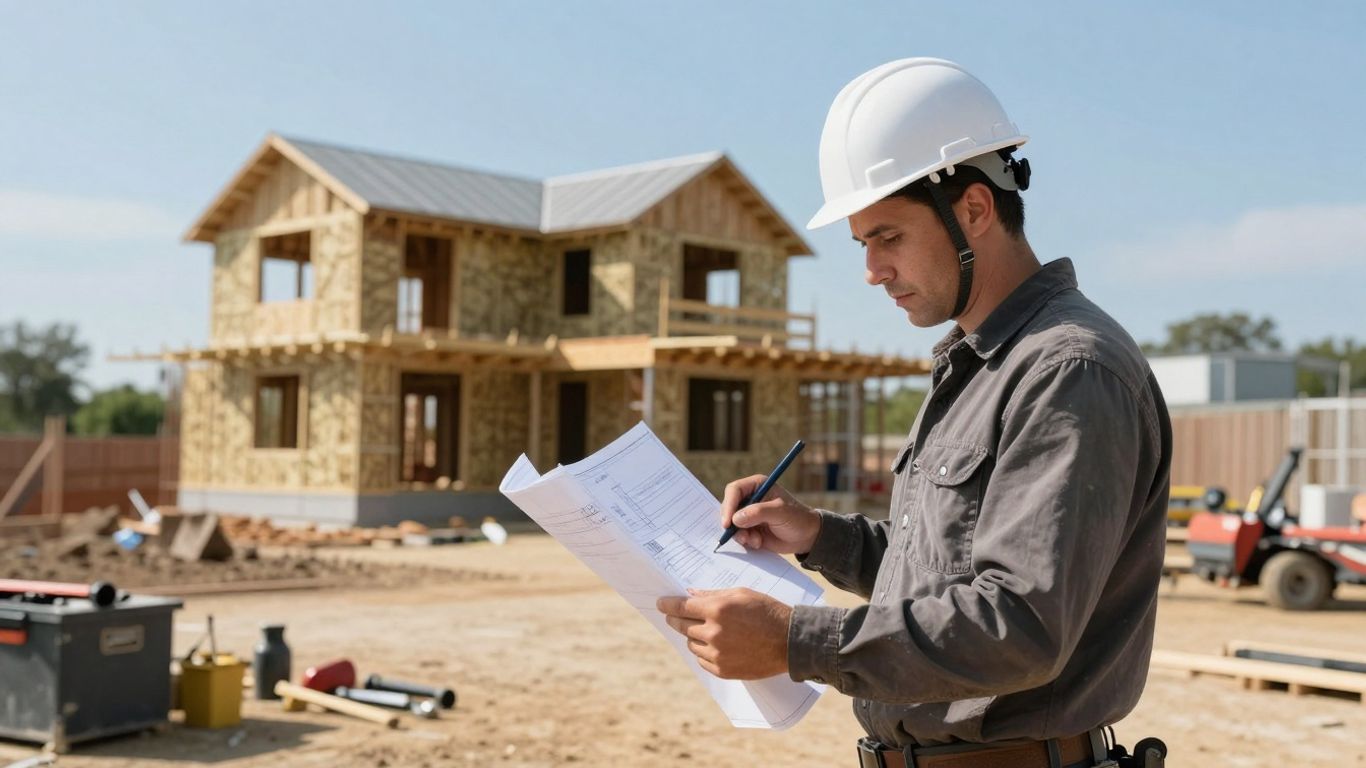
Running a contracting business means you’ve got a lot of stuff that keeps you going – tools, equipment, maybe even a workshop or office space. It’s not just about the big projects; it’s also about making sure the things you rely on day-to-day are safe. Losing a key piece of equipment to theft or having your workshop damaged by a fire can really put a halt to everything.
Coverage for Tools and Equipment
Your tools and equipment are your livelihood. Whether it’s a set of power tools, a specialized piece of machinery, or even your company vehicles, they represent a significant investment. Insurance for tools and equipment, often called contractors equipment insurance, can help cover the cost if these items are damaged, stolen, or destroyed by covered events like fire or theft. It’s pretty common for stolen equipment not to be recovered, so having this coverage can make a big difference in getting back to work quickly.
- Theft: If your tools are stolen from a job site or your storage, this coverage can help replace them.
- Damage: Accidental damage during use or from a covered event like a fire can be covered.
- Replacement: It helps pay to repair or replace your valuable equipment so you don’t miss out on work.
Commercial Auto Insurance
If your business uses vehicles – vans, trucks, or even cars for work-related travel – you absolutely need commercial auto insurance. This isn’t the same as personal auto insurance. It covers accidents that happen while you or your employees are driving for business purposes. Think about a situation where an employee is rushing to a job site and gets into an accident; commercial auto insurance is what steps in to help cover the costs.
Addressing Property Damage Claims
Sometimes, despite your best efforts, damage happens. This could be anything from a fire in your workshop to a client’s property being damaged due to your work. Having the right insurance means you’re not on the hook for the full cost of repairs or replacements. It’s important to understand how to file a claim and what documentation you’ll need. Specialized claims teams often handle construction-related claims because they can be pretty complex.
Dealing with property damage claims can be stressful, but having a clear insurance policy in place makes the process much smoother. It allows you to focus on getting your business back up and running without the added worry of massive repair bills.
Here’s a quick look at what might be covered:
- Damage to your owned or rented business property (like offices or storage units).
- Damage to tools and equipment.
- Damage to materials and inventory.
- Costs associated with repairing or replacing damaged items.
Safeguarding Your Workforce

When you’re running a contracting business, your team is your biggest asset. They’re out there doing the physical work, often in challenging conditions. Because of this, it’s super important to have the right insurance in place to protect them if something goes wrong. We’re talking about things like injuries on the job or accidents that happen while they’re working.
Workers’ Compensation for Employee Injuries
Accidents happen, even with the best safety precautions. A worker could slip and fall from a ladder, get injured lifting heavy materials, or have an accident while operating machinery. Workers’ compensation insurance is designed to help cover the costs associated with these work-related injuries or illnesses. This coverage typically helps pay for medical treatment, rehabilitation, and lost wages if an employee can’t work for a while. It’s a pretty standard requirement for most businesses with employees, and it can make a big difference in how quickly your team can get back on their feet without facing huge medical bills.
The reality is, construction sites can be unpredictable. Even with strict safety protocols, unexpected events can lead to injuries. Having workers’ comp means you’re prepared to support your employees when they need it most, which also helps protect your business from costly lawsuits.
Here’s a quick look at what workers’ comp generally covers:
- Medical Expenses: Doctor visits, hospital stays, medication, and physical therapy.
- Lost Wages: A portion of the employee’s salary if they are unable to work due to the injury.
- Rehabilitation: Services to help the employee recover and return to work.
- Death Benefits: Payments to the employee’s family if the injury results in death.
Managing Subcontractor Insurance
As your business grows, you might start using subcontractors to help with specific tasks or to manage workload. This is where things can get a little tricky insurance-wise. You need to make sure that your subcontractors are also properly insured. It’s a good idea to require any subcontractors you hire to provide proof of their own workers’ compensation and general liability insurance. This helps protect you from being held responsible if one of their workers gets injured on your project or if they cause damage to property.
When bringing on subcontractors, consider these points:
- Verify Coverage: Always ask for certificates of insurance showing they have the required coverages.
- Name You as Additional Insured: For general liability, see if they can add your business as an additional insured. This offers an extra layer of protection.
- Understand Their Policies: Know what their policies cover and what they don’t, especially if you’re working on larger projects. You might need to look into WSIB insurance in Ontario if you operate in that region and are unsure about local requirements.
- Contractual Agreements: Clearly outline insurance responsibilities in your contracts with subcontractors.
Specialized Insurance for Construction Projects
Owners and Contractors Protective Liability
This type of insurance, often called "wrap-up" insurance, is designed to protect the property owner and the general contractor from liability claims that arise from the construction project itself. It’s a single policy that covers all the contractors and subcontractors working on the site. Think of it as a blanket of protection for everyone involved, from the owner who hired you to you, the general contractor, and all the subs under your umbrella. It can be a real lifesaver when something goes wrong on a big job.
Inland Marine Coverage
When you’re working on a construction site, your tools and equipment are constantly on the move. They might be at your shop, on the truck, or out at a job site. Inland marine coverage is specifically designed to protect this kind of movable property. It covers your tools, equipment, and materials while they’re in transit or at various job locations, not just at your main business address. This is super important because standard commercial property insurance usually doesn’t cover items once they leave your primary business premises.
CyberRisk Protection
Okay, so you might be thinking, "Cyber risks? I’m a contractor, not a tech company." But here’s the thing: even contractors handle sensitive information. You’ve got client data, employee records, financial details, and maybe even blueprints or project plans stored digitally. A data breach or cyberattack could expose all of that. CyberRisk protection helps cover the costs associated with a cyber incident, like data recovery, notification expenses, and potential legal fees. It’s becoming more and more relevant for businesses of all types, including construction.
Construction projects are complex, with many moving parts and potential risks. Having the right specialized insurance can mean the difference between a minor setback and a major financial disaster. It’s about being prepared for the unexpected, no matter how well you plan.
Factors Influencing Contractor Insurance Costs
So, you’re wondering what makes your contractor insurance premium go up or down? It’s not just a random number; a bunch of things play a role. Think of it like building a house – many different materials and labor costs go into the final price. Your insurance is similar.
Understanding Premium Variations
Several key elements affect how much you’ll pay for insurance. It’s a mix of your business’s specifics and the general market conditions. The more risk an insurer sees, the higher your premium will likely be. This isn’t meant to scare you, just to help you understand the pricing.
Here are some of the big ones:
- Type of Contracting Work: A general contractor overseeing a large commercial project will likely pay more than a handyman specializing in small residential repairs. Different trades have different risk profiles.
- Years in Business & Claims History: Businesses that have been around longer and have a clean claims record often get better rates. A history of frequent claims can signal higher risk to insurers.
- Geographic Location: Where you operate matters. Areas with higher rates of theft, vandalism, or natural disasters might see higher premiums.
- Number of Employees & Payroll: More employees mean more potential for workplace injuries, which can increase your costs.
- Revenue and Project Size: Larger projects and higher annual revenue generally correlate with higher insurance costs, as there’s more at stake.
The Role of Risk Exposure
Risk exposure is a pretty big deal when it comes to insurance pricing. Basically, it’s about how likely your business is to have a claim. If you’re working at heights regularly, dealing with hazardous materials, or managing complex electrical systems, your risk exposure is higher.
Insurers look at your day-to-day operations. They want to know about the types of projects you take on, the safety protocols you have in place, and the general environment you work in. A business that actively works to mitigate risks, perhaps by investing in better safety equipment or training, might find their premiums are more manageable.
Comparing E&S Market Costs
Sometimes, standard insurance markets can’t or won’t cover certain risks. That’s where the Excess and Surplus (E&S) lines market comes in. This market is designed for businesses with unique or higher-than-average risks. Think specialized construction, large-scale projects, or businesses with a challenging claims history. Because E&S carriers take on more complex risks, their policies often come with higher price tags compared to standard insurance. However, they provide coverage that might otherwise be unavailable. It’s important to work with an agent who understands both the standard and E&S markets to find the right coverage for your business at a fair price.
Wrapping Up
So, we’ve talked a lot about insurance for contractors. It might seem like a lot to figure out, but really, it’s just about protecting your business. Think of it like putting up scaffolding – it’s there to keep things safe while you’re working. Whether it’s covering accidents on the job, protecting your tools, or dealing with unexpected client issues, having the right insurance means you can focus on building, not worrying about what might go wrong. It’s a smart move for any contractor who wants their business to stick around for the long haul.
Frequently Asked Questions
What is contractor liability insurance?
Contractor liability insurance is like a safety net for your contracting business. It helps protect your company’s money and belongings if someone gets hurt or their property gets damaged because of your work. It gives you peace of mind knowing you’re prepared for unexpected problems.
What are the most important types of insurance for contractors?
Most contractors need general liability insurance to cover injuries or property damage claims. Commercial property insurance protects your tools, equipment, and buildings. Business income insurance helps replace lost money if you can’t work due to damage like a fire.
Do I need insurance for my tools and equipment?
Yes, you should! Tools and equipment are essential for your business. Contractors equipment insurance can help pay to fix or replace them if they’re stolen, damaged by fire, or other covered events. Losing your gear can really set you back.
What happens if an employee gets hurt on the job?
If an employee gets hurt or sick because of their work, workers’ compensation insurance is there to help. It helps pay for their medical bills and lost wages while they recover. This is super important for looking after your team.
Do I need to worry about insurance for subcontractors?
It’s smart to think about subcontractors. Your insurance might not cover them if they cause damage. You can either hire only subcontractors who have their own insurance, or see if you can add them to your policy, though this might cost more.
Why does contractor insurance cost vary so much?
The price of insurance changes based on your business’s specific risks, like the type of work you do and how many employees you have. Larger projects or riskier jobs usually mean higher insurance costs. Getting quotes helps you see the differences.