

So, you’ve heard the term ‘inland marine insurance’ thrown around, and maybe you’re wondering what it’s all about. It sounds a bit specific, right? Well, it actually covers a pretty wide range of things that aren’t tied down to one particular spot. Think of it as insurance for stuff that moves around, or property that’s temporarily somewhere else. It’s a pretty important piece of the puzzle for many businesses, and understanding it can save you a lot of headaches down the road.
Key Takeaways
- Inland marine insurance is designed to protect movable property, whether it’s in transit, being worked on by others, or stored off-site.
- It’s distinct from standard property insurance, which typically covers fixed locations like buildings.
- This type of coverage can apply to a variety of assets, including business equipment, tools, cargo, and even specialized items like fine art.
- Key aspects to understand are what’s included, what’s excluded, and how the property’s value is determined for claims.
- Choosing the right inland marine insurance provider involves looking at their experience with specialized risks and how they handle claims.
Understanding Inland Marine Insurance
Defining Inland Marine Insurance
So, what exactly is inland marine insurance? It’s a type of property insurance that covers property while it’s being transported over land, or while it’s stored in various locations away from the primary business premises. Think of it as coverage for things that move, or things that are temporarily located somewhere else. It’s not just about trucks on the highway; it can cover a wide range of movable property, from construction equipment to fine art. The key differentiator is that it covers property that isn’t fixed in one location. This type of insurance is designed to address the unique risks associated with property that is in transit or temporarily stored off-site, which standard property policies often don’t fully cover.
Key Characteristics of Inland Marine Coverage
Inland marine policies have a few defining traits. For starters, they are designed for movable property. This means it’s not for your office building, but for the equipment you take to job sites or the goods you ship out. Another characteristic is that the property is often away from the insured’s main business location. This could be at a client’s site, in a warehouse, or even on a boat. The coverage is typically broad, protecting against a variety of perils that can occur during transit or while the property is temporarily stored. It’s about protecting assets that are constantly on the move or in different places.
Here are some key characteristics:
- Mobility: Covers property that is not stationary.
- Location Flexibility: Protects property regardless of its temporary location.
- Broad Peril Coverage: Often includes protection against a wide array of risks.
- Customization: Policies can be tailored to specific types of property and risks.
Distinguishing Inland Marine from Other Policies
It’s easy to get inland marine confused with other types of insurance, but there are clear differences. Standard commercial property insurance usually covers assets at a specific, fixed location – like your main warehouse or office. If your property leaves that location, it might not be covered, or only covered to a limited extent. Inland marine fills that gap. It’s also different from auto insurance, which primarily covers the vehicle itself and liability from its operation. While auto insurance might cover cargo if it’s part of a commercial auto policy, inland marine specifically focuses on the cargo or movable property, regardless of the vehicle used for transport. Think of it this way: auto insurance covers the truck, inland marine covers what’s in the truck when it’s moving around.
Understanding the specific triggers and limitations of each policy type is vital. A standard property policy might cover your tools if they are stolen from your locked workshop, but if those same tools are stolen from your truck at a job site across town, you’d likely need inland marine coverage to be protected. This distinction is important for businesses that rely on moving equipment or goods regularly.
Here’s a quick comparison:
| Policy Type | Primary Focus | Typical Coverage Location | Example |
|---|---|---|---|
| Commercial Property | Fixed assets at a specific business location | Main office, warehouse, retail store | Damage to inventory stored in your warehouse |
| Inland Marine | Movable property, property in transit or off-site | Job sites, client premises, transit, temporary storage | Contractors’ tools at a construction site, goods being shipped to a client |
| Commercial Auto | Vehicles used for business purposes | Roads, parking lots | Damage to your company van, liability from an accident |
This type of coverage is essential for businesses that operate outside the confines of a single building, ensuring their valuable assets are protected wherever they go. For more on general liability, you can look into general liability insurance.
Scope of Inland Marine Coverage
Property in Transit
Inland marine insurance is particularly well-suited for protecting property that is on the move. This isn’t just about big cargo ships, but also about goods being transported by trucks, trains, or even carried by individuals. Think about a business that ships its products to customers daily, or a contractor moving equipment from one job site to another. If that property gets damaged or stolen while it’s in transit, inland marine coverage can step in. It’s designed to cover risks that might not be adequately addressed by standard property policies, which often focus on fixed locations. This type of coverage is pretty flexible, often extending to cover the property while it’s temporarily stored at a location other than the main business premises, as long as it’s part of the transit process. It’s a way to keep an eye on your assets even when they’re not sitting still.
Property of Others
Beyond your own stuff, inland marine policies can also cover property that belongs to other people but is in your care, custody, or control. This is a big deal for businesses that handle goods or equipment that aren’t theirs. For example, a repair shop might have customer vehicles or equipment in their possession. A warehouse might be storing goods for other companies. If that property is damaged or lost while under your responsibility, and you’re found liable, inland marine coverage can help protect you. It essentially extends protection to property you’re temporarily responsible for, acknowledging that businesses often interact with assets that don’t belong to them. This is a key differentiator from many other types of insurance that focus solely on the insured’s own property.
Mobile Equipment and Contractors’ Tools
For many businesses, especially those in construction, contracting, or service industries, their most valuable assets are mobile. We’re talking about bulldozers, cranes, generators, welding equipment, and all sorts of specialized tools that get moved from site to site. Standard property insurance usually won’t cover these items once they leave the business premises. That’s where inland marine insurance, often through a specific type of policy like a contractors’ equipment floater, comes into play. It provides coverage for this equipment wherever it may be – on a job site, in transit between locations, or even temporarily stored. This ensures that a business’s ability to operate isn’t crippled by the loss or damage of its essential mobile assets. It’s about keeping the work going, no matter where the equipment needs to be.
Bridges, Tunnels, and Communications Systems
While inland marine insurance is often associated with movable property, its scope extends to certain types of fixed infrastructure that are vital to commerce and communication. This can include things like bridges, tunnels, dams, and even certain communication towers or pipelines. These structures, while not
Types of Inland Marine Insurance Policies
Inland marine insurance isn’t a single policy but rather a category that encompasses various specialized coverages. These policies are designed to protect property that is movable, in transit, or unique in some way, often extending coverage beyond the typical boundaries of a standard property policy. Because the risks involved can vary so much, there are several distinct types of inland marine policies available.
Motor Truck Cargo Insurance
This is a really important one for anyone who moves goods for a living. Motor truck cargo insurance specifically covers the cargo being transported by a motor carrier. It protects the goods themselves from loss or damage while they’re on the truck, whether that’s due to an accident, fire, theft, or other covered perils. It’s crucial because the trucking company is often responsible for the value of the goods they carry, and this insurance helps them meet that responsibility. The coverage can be quite specific, sometimes limited to certain types of cargo or geographic areas.
Contractors Equipment Floater
For businesses that rely on heavy machinery and tools to get their jobs done, a contractors equipment floater is a lifesaver. This policy covers mobile equipment and tools owned or rented by the contractor. Think bulldozers, cranes, excavators, and even smaller tools like generators or welding equipment. The key here is that it covers these items wherever they are, whether they’re at a job site, in transit between sites, or even stored temporarily. It’s designed to protect against damage, theft, or loss of this valuable, often expensive, equipment.
Bailees’ Customers Coverage
This type of policy is for businesses that temporarily hold or care for a customer’s property. If you’re a dry cleaner, a repair shop, a warehouse, or a jeweler, you’re a bailee. Bailees’ customers coverage protects the customer’s property while it’s in your care, custody, or control. So, if a fire damages the clothes at your dry cleaner or a theft occurs at your repair shop, this insurance would cover the loss to your customer’s belongings. It’s essentially protecting you against liability for damage to property you don’t own but are responsible for.
Personal Articles Floater
While many inland marine policies are for businesses, the personal articles floater is for individuals. It’s designed to provide broader coverage for specific, high-value personal items that might be excluded or have limited coverage under a standard homeowner’s policy. This often includes things like jewelry, fine art, musical instruments, furs, and collectibles. The policy typically covers these items on an all-risks basis, meaning it covers more types of losses than a standard policy, and it provides coverage for the items even when they are away from your home, like when you’re traveling or exhibiting them.
Key Inclusions in Inland Marine Policies
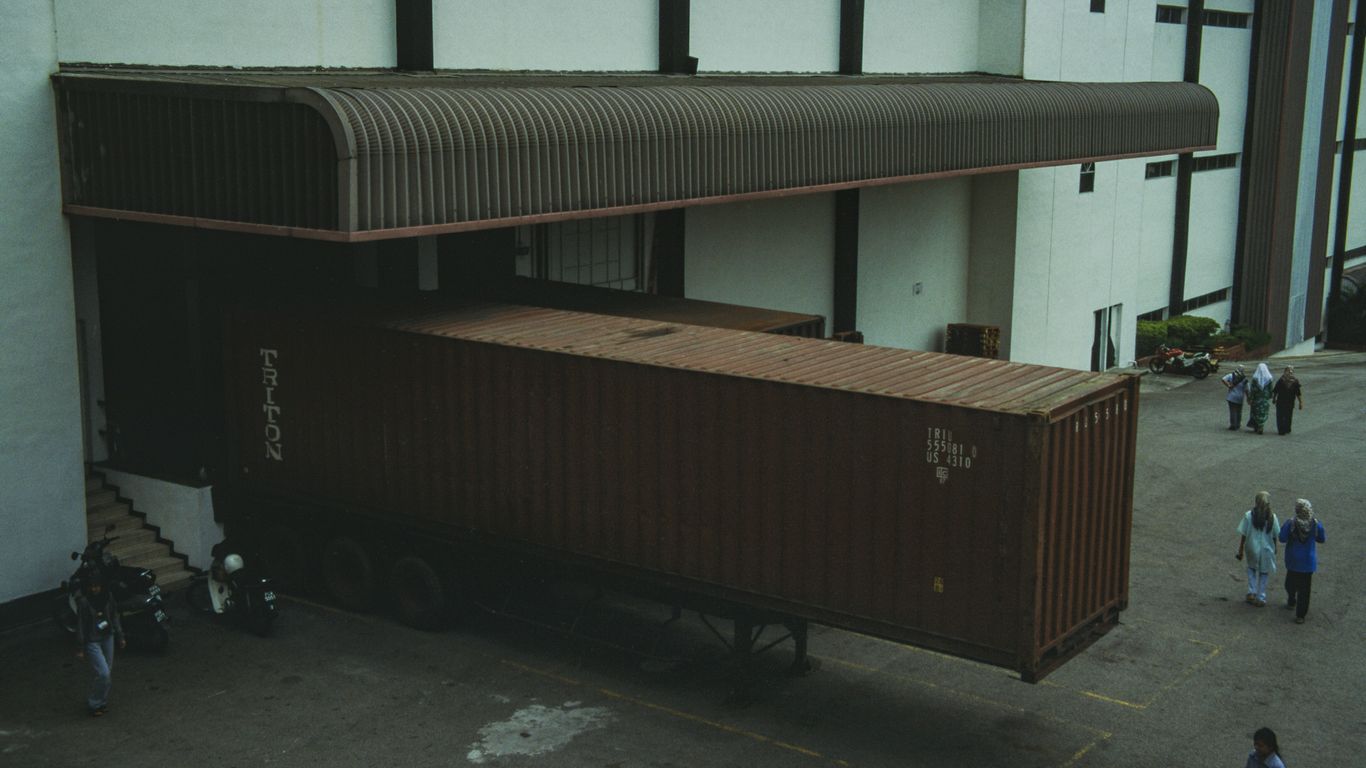
When you’re looking at inland marine insurance, it’s all about covering property that’s on the move or in special circumstances. Unlike standard property insurance that usually covers a fixed location, inland marine policies are designed for things that don’t stay put. This type of coverage is incredibly flexible and adapts to a wide range of movable assets.
Coverage for Movable Property
This is the heart of inland marine insurance. It’s designed to protect property that isn’t tied to a single, fixed location. Think about it: if your business involves transporting goods, using specialized equipment at different job sites, or even storing items at a temporary location, your standard policy might not cut it. Inland marine steps in to fill that gap.
- Goods in Transit: This covers items being shipped from one place to another, whether by truck, rail, or even air freight. It’s vital for businesses that sell and ship products.
- Contractors’ Equipment: Tools and machinery used by contractors on various job sites are a prime example. These items are constantly moved, making them vulnerable.
- Personal Property Floaters: For individuals, this can cover valuable items like jewelry, art, or musical instruments that are taken outside the home.
Protection Against Various Perils
Inland marine policies typically offer broad protection against a variety of risks that can affect movable property. The specific perils covered can vary, but they often go beyond basic fire and theft.
- Theft and Vandalism: Protecting against unauthorized taking or damage to property.
- Damage During Transit: This includes damage that might occur while goods are being loaded, unloaded, or transported.
- Natural Disasters: Coverage can extend to damage from events like windstorms, hail, or floods, depending on the policy and location.
- Accidents: This can cover damage resulting from vehicle accidents involving the insured property.
Coverage for Property Away From Premises
This is a key differentiator. If your business property is temporarily stored at a client’s site, at a trade show, or in a repair shop, inland marine insurance can provide coverage. It acknowledges that business assets aren’t always within the walls of your main building. This is particularly important for service providers and manufacturers who might have their products or equipment in various external locations. Understanding the scope of coverage is important here, as policies are tailored to specific needs.
Exclusions and Limitations in Inland Marine Insurance

Even though inland marine insurance is designed to be broad, it’s not a blank check. Like any insurance policy, it comes with its own set of exclusions and limitations. Understanding these is super important so you don’t get any nasty surprises when you actually need to file a claim. It’s all about knowing what’s covered and, just as importantly, what’s not.
Standard Policy Exclusions
Most inland marine policies will exclude certain types of losses or property. These are pretty standard across the board, though the exact wording can vary. You’ll often find exclusions for things like:
- Wear and Tear: Normal aging or deterioration of property isn’t covered. Think of it like your phone getting slower over time – that’s not a defect, it’s just age.
- Mechanical Breakdown: If a piece of equipment just stops working on its own, that’s usually not covered. This is different from damage caused by an external event.
- War and Civil Disturbance: Damage resulting from acts of war, invasion, or riots is typically excluded.
- Governmental Action: Seizure or destruction of property by government authorities is generally not covered.
- Nuclear Hazard: Damage from nuclear reactions or radioactive contamination is almost always excluded.
Territorial Limitations
Inland marine policies usually specify a geographic area where coverage applies. This is often referred to as the "territory." While "inland marine" implies movement within a country, the policy might limit coverage to a specific state, a group of states, or the entire United States and Canada. If your property is damaged or lost outside of this defined territory, you likely won’t have coverage. It’s really important to check the declarations page for the exact wording on this. Sometimes, there are options to extend coverage for temporary trips outside the usual territory, but this usually requires an endorsement and potentially an extra premium.
Valuation Methodologies
How the insurance company decides to pay out a claim can also be a limitation. Policies will state how the value of the damaged or lost property is determined. The most common methods are:
- Actual Cash Value (ACV): This pays the replacement cost of the item minus depreciation. So, if your five-year-old laptop is stolen, you’ll get what it was worth at the time of the theft, not what a brand-new one costs.
- Replacement Cost (RC): This pays to replace the damaged item with a new one of similar kind and quality, without deducting for depreciation. This is generally more favorable for the policyholder.
- Agreed Value: For certain high-value items, like specialized equipment or fine art, you and the insurer agree on a specific value beforehand. If a covered loss occurs, the insurer pays that agreed-upon amount.
The choice of valuation method significantly impacts the payout you’ll receive. Always clarify which method your policy uses and consider if it aligns with your needs, especially for valuable or rapidly depreciating assets. It’s a key detail that can make a big difference in a claim scenario.
It’s also worth noting that some policies might have sub-limits for certain types of property or specific perils, meaning the coverage for those items or events is capped at a lower amount than the overall policy limit. Always read the fine print!
The Role of Inland Marine Insurance in Business
Protecting Business Assets in Transit
Businesses often move valuable property, whether it’s raw materials heading to a factory, finished goods going to a distributor, or specialized equipment being transported to a job site. Standard commercial property insurance usually only covers items while they’re at a fixed location, like your main office or warehouse. That’s where inland marine coverage steps in. It’s designed to protect your property when it’s on the move, away from your premises, or in the care of others. Think of it as a safety net for your assets while they’re traveling across land. This type of insurance can cover a wide range of items, from electronics and artwork to construction materials and machinery. Without it, a significant loss during transit could seriously disrupt your operations and finances.
Securing Specialized Equipment
Many businesses rely on specialized equipment that isn’t always kept in one place. Contractors, for example, frequently move tools, machinery, and materials between different job sites. Inland marine policies, often called contractors’ equipment floaters, are tailored for this. They cover the equipment itself, regardless of its location, against common risks like theft, damage from accidents, or vandalism. This is really important because replacing specialized equipment can be incredibly expensive and time-consuming. Having the right coverage means you can get back to work faster if something happens to your gear. It’s not just about physical items, either; it can also cover things like mobile medical equipment or even valuable papers and records that are moved around.
Ensuring Business Continuity
Ultimately, inland marine insurance plays a big part in keeping a business running smoothly. When property is damaged or lost while in transit or away from the main business location, it can cause significant delays and financial setbacks. This coverage helps to mitigate those risks. By providing financial compensation for covered losses, it allows businesses to replace damaged goods, repair or replace equipment, and continue their operations with less interruption. This stability is key for maintaining customer relationships, meeting deadlines, and preserving the overall financial health of the company. It’s a way to manage the unpredictable nature of moving assets in the modern economy.
Factors Influencing Inland Marine Premiums
So, you’re looking into inland marine insurance and wondering what makes the price go up or down? It’s not just a random number; a few key things play a big role in how insurers figure out your premium. Think of it like this: the more risk an insurer takes on, the more they’ll charge to cover it. It’s all about balancing the potential for loss with the cost of protection.
Nature of the Property Insured
The type of property you’re insuring is a pretty big deal. Is it something delicate that could easily get damaged, like fine art or electronics? Or is it something more rugged, like construction equipment? The inherent fragility and value of the items being moved or stored directly impact the premium. High-value items or property that’s particularly susceptible to damage will naturally cost more to insure. For instance, insuring a load of fragile glassware being trucked across the country is going to be priced differently than insuring a shipment of steel beams.
Geographic Exposure
Where your property is going and where it’s stored matters a lot. Are you shipping goods through areas known for high crime rates or frequent natural disasters like floods or severe storms? The geographic location introduces different levels of risk. Insurers look at the potential for theft, vandalism, or damage from environmental factors. A policy covering goods transported solely within a low-risk urban area will likely be less expensive than one covering transit through multiple states with varying risk profiles. This is why understanding your route and destination is so important.
Loss History and Risk Management Practices
Your track record with claims is a significant factor. If you’ve had a history of frequent or severe losses, insurers will see you as a higher risk, and your premiums will reflect that. On the flip side, if you have strong risk management practices in place, like using secure transport methods, implementing robust security measures for stored goods, or providing thorough training for employees handling valuable property, you might be able to negotiate a better rate. Demonstrating that you’re actively working to prevent losses can make a real difference.
Here’s a quick look at how these factors can stack up:
- Property Type: Fragile vs. Durable, High-Value vs. Standard Value
- Geographic Risk: High-Crime Areas, Natural Disaster Zones, Transit Routes
- Risk Mitigation: Security Measures, Employee Training, Loss Prevention Programs
Insurers assess premiums based on the likelihood and potential cost of a claim. This involves looking at what you’re insuring, where it’s going, and how you’re protecting it. It’s a way to make sure the price accurately reflects the risk being covered.
Navigating the Claims Process for Inland Marine
When something goes wrong with your insured property, filing an inland marine claim is the next step. It might seem complicated, but breaking it down makes it manageable. The whole process starts with you, the policyholder, letting the insurance company know what happened.
Reporting a Loss
First things first, you need to report the incident to your insurer as soon as possible. Most policies have a specific timeframe for this, and delaying can sometimes cause issues with your claim. You can usually report a loss by calling your agent, using an online portal, or sometimes even through a mobile app. The sooner you report, the better.
Documentation Requirements
After you report the loss, the insurer will need details to understand what happened and how much damage occurred. This is where documentation comes in. You’ll likely need to provide:
- A detailed description of the incident.
- Proof of ownership for the damaged property.
- Receipts or invoices showing the value of the property.
- Photographs or videos of the damage, if possible.
- Any relevant police reports or third-party information.
Having this information ready will speed things up considerably. It’s all about showing the insurer the extent of the loss and the value of what was affected.
Claim Investigation and Settlement
Once the insurer has your report and documentation, they’ll assign a claims adjuster. This person’s job is to investigate the circumstances of the loss, verify that it’s covered under your policy, and assess the damage. They might inspect the property, talk to witnesses, or review expert reports. Based on their findings, they’ll determine the amount of the settlement. If there’s a disagreement about the value of the loss, there are often processes like appraisal or mediation to help resolve it. Ultimately, the goal is to reach a fair settlement that aligns with your policy language and the terms of your contract. If a third party was responsible for the loss, the insurer might pursue subrogation to recover their costs.
Specialized Inland Marine Applications
Beyond the typical movement of goods, inland marine insurance has carved out specific niches for unique types of property and situations. These specialized policies are designed to address risks that don’t fit neatly into standard property or liability coverages. They often require a deeper look into the specific nature of the property and how it’s used or stored.
Fine Arts and Collectibles
This is a big one for collectors, galleries, museums, and even individuals with valuable pieces. Think paintings, sculptures, rare books, antiques, and other unique items. The key here is that these items are often highly valuable, sometimes irreplaceable, and can be quite mobile, whether they’re being moved between locations, displayed, or stored. Standard policies might not cover the full value or the specific risks associated with handling such delicate and valuable property.
- Coverage for items while on display at galleries or museums.
- Protection during transit to and from exhibitions or private residences.
- Coverage for items while on loan to other institutions.
- Protection against damage from handling, fire, theft, or even natural disasters.
Exhibition and Trade Show Coverage
Businesses that participate in trade shows or exhibitions face a unique set of risks. Their valuable displays, equipment, and merchandise are often transported to a venue, set up, and then dismantled. During this time, the property is exposed to potential damage, theft, or loss. This type of coverage is typically a temporary policy, often called a "show floater," that covers the property from the time it leaves the insured’s premises until it’s safely returned.
- Property is covered while in transit to and from the exhibition hall.
- Protection while the property is set up and on display at the venue.
- Coverage extends to property while being dismantled and packed.
This coverage is vital because standard business property insurance often has limitations when property is taken off-site for extended periods or is exposed to the general public in a temporary setting. The risks at a busy trade show are quite different from those at a business’s own premises.
Livestock and Agricultural Products
For those in the agricultural sector, inland marine policies can be tailored to cover livestock (like cattle, horses, or sheep) and harvested crops. This might include coverage for the animals while they are being transported to market, to a new pasture, or during a show. For agricultural products, it could cover harvested goods while in storage or in transit to buyers. The risks here can involve accidents during transport, disease outbreaks affecting livestock, or spoilage of perishable goods.
- Coverage for livestock during transit, sale, or exhibition.
- Protection for harvested crops in storage or en route to processing or sale.
- May include coverage for specific perils like disease or accidental death for livestock.
Choosing the Right Inland Marine Insurance Provider
Finding the right insurance company for your inland marine needs is a big deal. It’s not just about getting a policy; it’s about partnering with a company that understands the unique risks associated with moving property and specialized equipment. You want someone who knows their stuff when it comes to things like cargo, tools, or even bridges.
Underwriting Expertise
This is where the rubber meets the road. A good inland marine insurer has underwriters who really get the ins and outs of this specific type of coverage. They know what questions to ask and how to assess the risks involved with different types of movable property. They’re not just looking at a generic checklist; they’re evaluating the specifics of your operation. This means they can offer coverage that actually fits your situation, rather than a one-size-fits-all approach that might leave you exposed.
- Specialized Knowledge: Look for insurers with dedicated inland marine underwriting teams.
- Risk Assessment: They should be able to accurately gauge the risks associated with your specific property and operations.
- Tailored Solutions: The best providers will customize policies to meet your unique needs.
Claims Handling Reputation
When something goes wrong, you need an insurer that handles claims efficiently and fairly. A company’s reputation for claims handling is super important. You don’t want to be stuck in a long, drawn-out process when you’re trying to get back on your feet after a loss. Check reviews, ask for references, and see what other businesses say about their experience.
A smooth claims process can make all the difference during a stressful event. It’s about getting the support you need when you need it most, without unnecessary hurdles.
Policy Customization Options
Inland marine insurance isn’t always straightforward. Your business might have some unusual exposures or specific requirements. The provider you choose should be willing and able to adjust their policies to fit. This could mean adding endorsements for specific perils, adjusting coverage limits, or modifying exclusions to better suit your operational realities. A rigid policy might seem cheaper upfront, but it could cost you dearly down the line if it doesn’t cover what you actually need it to.
Here’s what to look for in customization:
- Endorsements: Ability to add specific coverage for unique risks.
- Flexible Limits: Options to set coverage amounts that match your property’s value.
- Wording Clarity: Clear policy language that accurately reflects your agreement.
- End-of-Life Coverage: Some policies might have specific clauses about how property is valued when it’s nearing the end of its useful life, which can impact payouts. It’s good to understand this upfront.
Wrapping Up Inland Marine Coverage
So, we’ve gone over what inland marine insurance is all about. It’s not just for ships, despite the name! It really covers a lot of different stuff that moves around or is exposed to the elements, especially when it’s not tied down to one specific building. Think about equipment on a job site, art being shipped, or even things like bridges and communication towers. It’s a pretty specialized area of insurance, and understanding if you need it, and what it actually covers, is key. It’s about making sure those valuable items that aren’t sitting safely inside a building are still protected when they’re out and about. Definitely worth looking into if your business or personal property travels or is exposed in ways standard policies don’t touch.
Frequently Asked Questions
What exactly is Inland Marine Insurance?
Think of Inland Marine insurance as a special type of coverage designed to protect your stuff when it’s not sitting safely at home or in your main business building. It covers things that are movable, like goods being shipped, tools a contractor takes to a job site, or even art being displayed at a gallery. It’s basically insurance for property on the go or away from its usual spot.
How is Inland Marine different from regular property insurance?
Regular property insurance, like for your house or business building, usually covers things only when they are at that specific location. Inland Marine insurance steps in when your property is traveling, being used at different locations, or is temporarily stored somewhere else. It’s all about protecting things that aren’t fixed in one place.
What kinds of things does Inland Marine insurance typically cover?
It covers a wide range of movable items. This can include anything from products being shipped by truck or train (cargo), to the tools and equipment contractors use for their jobs, to specialized items like musical instruments or even livestock. If it’s valuable and it moves, there’s a good chance Inland Marine can cover it.
Does Inland Marine insurance cover property that belongs to others?
Yes, it often does! If your business is holding onto, repairing, or transporting property that belongs to someone else, Inland Marine insurance can protect you if that property gets damaged or lost while in your care. This is super important for businesses like repair shops or warehouses.
Are there any things that Inland Marine insurance *doesn’t* cover?
Like most insurance, there are usually some exclusions. Common ones might be damage from war, certain types of natural disasters not specifically listed, or issues arising from poor packing or maintenance. Also, coverage might be limited to certain areas or countries, so it’s important to check the policy details.
What’s the difference between Motor Truck Cargo insurance and a Contractors Equipment Floater?
Motor Truck Cargo insurance is specifically for the goods or products being transported by a truck – essentially, the cargo itself. A Contractors Equipment Floater, on the other hand, covers the tools, machinery, and equipment that contractors use to do their jobs, like bulldozers, cranes, or power tools, no matter where they are being used.
How do I figure out how much Inland Marine insurance I need?
The amount of coverage you need usually depends on the value of the property you’re insuring. For example, if you’re shipping $100,000 worth of goods, you’ll need at least that much coverage. For equipment, you’d add up the replacement cost of all your tools and machinery. Your insurance agent can help you assess the value accurately.
What should I do if I need to make a claim on my Inland Marine policy?
The first step is to report the loss to your insurance company as quickly as possible. You’ll likely need to provide details about what happened, when it happened, and the value of the damaged or lost property. Having photos, receipts, or other proof of ownership and value will be very helpful during the claims process.