

So, you’ve got renters insurance. That’s a good start. But what happens when you actually need to use it? Filing renters insurance claims can seem a bit confusing, like trying to assemble IKEA furniture without instructions. Don’t worry, though. We’re going to break down how these claims work, step-by-step, so you know exactly what to do if the unexpected happens. It’s all about being prepared and knowing your options.
Key Takeaways
- Renters insurance covers your personal belongings, liability if someone gets hurt in your place, and extra costs if you can’t live there after a covered event.
- To start a renters insurance claim, you need to document the incident thoroughly with details, photos, and a list of damaged items.
- Contact your insurance provider promptly after the incident and be ready to fill out a Schedule of Loss detailing everything affected.
- Understand your deductible – the amount you pay before the insurance kicks in – and how it affects your premium and payout.
- Payouts are determined by your policy limits and whether you have Actual Cash Value (ACV) or Replacement Cost coverage.
Understanding Your Renters Insurance Claims
So, something happened. Maybe a pipe burst and soaked your favorite armchair, or perhaps your bike got swiped from the hallway. Whatever it is, you’re probably wondering how your renters insurance actually works when you need to use it. It’s not just about having the policy; it’s about knowing the steps to take when you need to file a claim. Think of it as your safety net – it’s there to help you get back on your feet after a covered event.
What Renters Insurance Covers
Renters insurance is designed to protect your personal belongings and provide liability coverage. It generally covers things like furniture, electronics, clothing, and other possessions you own within your rented space. It also typically includes liability protection if someone gets injured in your apartment and medical payments coverage. Some policies might even offer additional living expenses if your home becomes temporarily unlivable due to a covered event, like a fire.
Why You Need Renters Insurance
It might seem like an extra expense, but renters insurance is a really good idea. Your landlord’s insurance only covers the building itself, not your stuff. If a fire or flood damages your apartment, you’d be responsible for replacing everything you own without this coverage. Plus, if a guest slips and falls in your apartment, renters insurance can help with medical bills and legal costs. It’s a relatively inexpensive way to protect yourself from potentially huge financial losses.
The Role of Your Landlord’s Policy
It’s a common mix-up, but your landlord’s insurance and your renters insurance are two different things. The landlord’s policy is there to protect the physical structure of the building – the walls, roof, and common areas. It does not cover your personal belongings inside your apartment. If your TV gets stolen or your couch is ruined by water damage, your landlord’s insurance won’t help you replace those items. That’s where your renters insurance comes in.
It’s important to remember that your renters insurance policy has specific limits and deductibles. These details dictate how much the insurance company will pay out and how much you’ll be responsible for upfront after a claim. Always check your policy documents to understand these terms before you need them.
Here’s a quick look at what’s typically covered:
- Personal Property: Your belongings like furniture, electronics, clothes, and kitchenware.
- Liability Protection: If someone is injured in your rental and sues you.
- Additional Living Expenses: Costs for temporary housing, food, and other necessities if your rental is unlivable due to a covered loss.
It’s always a good idea to review your policy details to know exactly what’s covered and what isn’t. Some policies have specific limits for certain items, like jewelry or electronics, so understanding these nuances can save you a headache later.
Initiating Your Renters Insurance Claim
So, something happened. Maybe a pipe burst and your favorite armchair is now a soggy mess, or perhaps your bike got swiped from the hallway. Whatever it is, you need to start the renters insurance claim process. Don’t panic, it’s usually pretty straightforward if you know what to do. The key is to act reasonably fast and be organized.
Documenting the Incident Thoroughly
This is your first and most important step. Before you do anything else, take pictures or videos of the damage. If something was stolen, note down exactly what’s missing. The more details you can gather right away, the better. Think of it like building a case for your insurance company. You’ll want to note:
- What happened: Briefly describe the event (e.g., "water damage from upstairs apartment leak," "theft of bicycle from building’s storage area").
- When it happened: The date and approximate time.
- Where it happened: Your apartment address and the specific location within it (e.g., "living room," "balcony").
- What was damaged or stolen: Make a list of all affected items. Try to include brand names, models, and any identifying features if possible.
It’s a good idea to keep a running inventory of your belongings, maybe with photos and purchase dates, even when nothing’s wrong. It makes this part way easier.
Notifying Your Insurance Provider Promptly
Once you’ve got a good handle on the situation and have documented it, it’s time to call your insurance company. Don’t wait too long, as most policies have a time limit for reporting claims. When you call, they’ll likely ask you to:
- Provide your policy number.
- Explain what happened (using the details you just gathered).
- Give them an initial list of damaged or stolen items.
They might send you a claim form or direct you to an online portal to fill out. Be honest and accurate with all the information you provide.
Submitting the Schedule of Loss
This is basically a detailed list of everything you’re claiming. Your insurance company will probably provide a specific form for this, often called a "Schedule of Loss" or similar. You’ll need to list each item that was damaged or stolen, along with:
- Description of the item: Be specific (e.g., "Sony Bravia 55-inch LED TV," "Trek FX 2 Disc Hybrid Bike").
- Estimated value: What you think it’s worth or what it would cost to replace.
- Proof of purchase (if available): This is where receipts, credit card statements, or even old online order confirmations come in handy. If you don’t have them, don’t worry too much, but it definitely helps speed things up and can lead to a better payout.
Here’s a quick look at how your deductible works:
| Your Loss | Your Deductible | Insurer Pays | Total Claim Value |
|---|---|---|---|
| $2,000 | $500 | $1,500 | $2,000 |
| $400 | $500 | $0 | $400 |
Remember, your deductible is the amount you pay out-of-pocket before your insurance kicks in. If your loss is less than your deductible, you won’t get a payout from the insurer.
Navigating the Claims Process
So, you’ve had something happen and need to file a renters insurance claim. It can feel a bit overwhelming, but breaking it down makes it much more manageable. The first thing to get a handle on is your deductible. This is the amount you pay out-of-pocket before your insurance kicks in. Think of it like a threshold. If the damage is less than your deductible, it might not be worth filing a claim, as you’d be paying for it yourself anyway. It’s a good idea to know this number before you even need it.
Understanding Your Deductible
Your deductible is a set amount you agree to pay towards a covered loss. It’s a key part of your policy and can affect your premium. A higher deductible usually means a lower monthly payment, but remember, you’ll be responsible for more if you file a claim. It’s a trade-off, and what works best depends on your financial situation and risk tolerance.
How Claim Payouts Are Determined
When you file a claim, the insurance company will figure out how much they’ll pay you. This isn’t just a random number; it’s based on a few things. They’ll look at the damage, what your policy covers, and your deductible. The goal is to get you back to where you were before the incident, as much as your policy allows. They’ll assess the value of the damaged or stolen items.
Actual Cash Value vs. Replacement Cost
This is a big one and can really impact your payout. Most policies offer one of two ways to calculate your claim: Actual Cash Value (ACV) or Replacement Cost Value (RCV). ACV pays you what the item was worth right before it was damaged or stolen, taking depreciation into account. Replacement Cost, on the other hand, pays you enough to buy a brand-new item of similar kind and quality. RCV usually results in a higher payout, but it often comes with a higher premium. It’s super important to know which one your policy has.
Here’s a quick look at the difference:
| Feature | Actual Cash Value (ACV) | Replacement Cost (RCV) |
|---|---|---|
| Payout Basis | Value before loss | Cost to buy new |
| Depreciation | Included | Not included |
| Typical Premium | Lower | Higher |
When you’re dealing with a claim, remember that insurance policies are contracts. They outline exactly what is covered and how payouts are calculated. Taking the time to read and understand your policy documents, especially the sections on deductibles and valuation methods, can save you a lot of confusion and potential disappointment down the line. It’s always better to be prepared and informed before you need to file a claim.
It’s also worth noting that there are time limits for filing claims. You generally have a limited window, often just a few days, to submit a renters insurance claim, though this timeframe can vary based on your specific policy. Don’t delay once you’ve experienced a loss.
Common Renters Insurance Claims
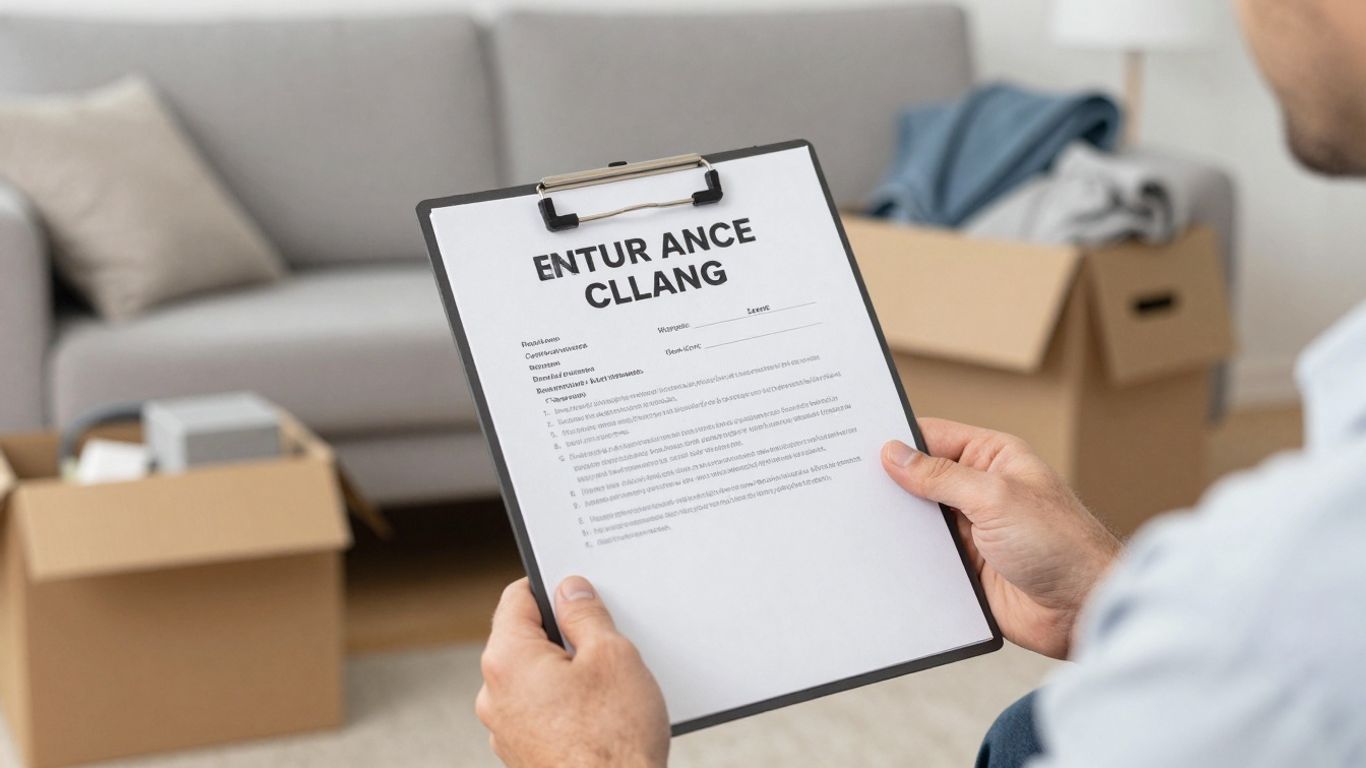
So, something bad happened. Maybe your apartment got broken into, or a pipe burst and flooded your living room. It’s stressful, for sure, but that’s what renters insurance is for. Let’s talk about the kinds of things that usually end up being claimed.
Handling Theft Claims
This is a pretty common one. If someone breaks into your place and steals your stuff – like your TV, your laptop, or even your bike from the building’s storage area – your renters insurance can help replace those items. The key here is having a good record of what you own. Think about it: if you don’t have a police report, it’s going to be tough to prove the theft happened. Also, make sure you’ve got photos or receipts for your more expensive items. It really speeds things up when you can show the insurance company exactly what was taken and what it was worth. Remember, your landlord’s insurance won’t cover your personal belongings if they’re stolen.
Addressing Water Damage Claims
Water damage can come from a few different places. A leaky pipe in your apartment, a burst pipe from the unit above you, or even a major appliance malfunction like a washing machine hose breaking can all cause a soggy mess. If the water damage is from something like a burst pipe within your unit, your policy likely covers the cost to repair or replace your damaged belongings. However, if the water came from outside, like a flood, that might require a separate endorsement or policy. It’s important to know the specifics of your policy regarding water damage. Sometimes, damage from sewer backups or overland flooding needs extra coverage.
Fire and Smoke Damage Claims
Fires, thankfully, aren’t an everyday occurrence for most people, but when they do happen, the damage can be extensive. Smoke can travel and cause damage even if the fire itself didn’t reach your apartment. Your renters insurance policy is designed to cover the cost of replacing your damaged or destroyed personal property. It can also help with temporary living expenses if your apartment becomes unlivable due to a fire. This is where having a detailed inventory of your possessions really pays off. It’s not just about the big stuff; it’s about everything that was damaged or lost in the incident.
When filing any claim, remember that your insurance policy has limits and a deductible. You’ll only be reimbursed up to your policy’s limits, and you’ll have to pay your deductible out-of-pocket before the insurance coverage kicks in. It’s always a good idea to review your policy details so you know exactly what to expect.
Here are some common steps when dealing with these types of claims:
- Document Everything: Take photos and videos of the damage immediately. Make a list of all damaged or stolen items.
- Notify Your Insurer: Contact your insurance provider as soon as possible to report the incident.
- Gather Proof: Collect receipts, credit card statements, or any other documentation that shows you owned the items and their value. This is especially helpful for theft claims.
- Work with the Adjuster: Be prepared to provide the information your claims adjuster needs to assess the damage and process your claim.
Working With Your Insurer
The Role of the Claims Adjuster
Once you’ve filed your claim, the insurance company will assign a claims adjuster to your case. Think of them as the investigator who figures out what happened and how much it’s going to cost to fix. They’re not necessarily on your side or the insurance company’s side; their job is to be impartial and assess the damage based on your policy. They’ll likely want to visit your place, take a look at everything, and ask you a bunch of questions. It’s important to be honest and provide as much detail as you can. They’ll be comparing what you tell them with the information you provided when you filed the claim.
Providing Additional Documentation
Sometimes, the initial information you give isn’t enough for the adjuster to make a decision. They might need more proof or clarification. This is where providing additional documentation comes in. What kind of stuff might they ask for? Well, it really depends on what happened.
- For theft claims: Police reports are a big one. You might also need to provide receipts or photos of the stolen items to show you owned them and what they were worth.
- For water damage: You might need to show repair estimates from plumbers or restoration companies. Photos of the damage before any cleanup happens are super helpful.
- For fire damage: Similar to water damage, you’ll want estimates for repairs and photos. Sometimes, fire department reports are also requested.
The key is to be organized and responsive. The faster you can get them what they need, the smoother the process will be.
Receiving Reimbursement for Repairs
After the adjuster has reviewed everything and determined what your policy covers, they’ll let you know the payout amount. How you get that money can vary. Sometimes, they’ll send you a check directly. Other times, especially if you’re having repairs done, they might send the check directly to the contractor or repair company. It’s also possible they’ll send you a partial payment to get started on repairs and then the rest once the work is completed and you’ve provided proof.
It’s a good idea to keep records of all payments you receive and all expenses you incur, even if the insurance company is paying for most of it. This helps you track everything and makes sure you don’t miss anything.
Maximizing Your Renters Insurance Claim

So, you’ve filed a claim, and now you’re wondering how to make sure you get the most out of it. It’s not about trying to pull a fast one; it’s about making sure you’re properly compensated for your losses according to your policy. Think of it as being prepared and organized.
Reviewing Your Policy Limits
Before anything bad happens, it’s a good idea to actually look at your renters insurance policy. Seriously, pull it out and read it. You need to know what your coverage limits are. This is the maximum amount your insurance company will pay for a specific type of loss. If you have $20,000 worth of stuff but your policy limit for personal property is only $15,000, that’s the most you’ll get back for your belongings, even if you lost more.
Here’s a quick look at common limits:
- Personal Property: Covers your belongings like furniture, electronics, and clothes.
- Loss of Use: Covers additional living expenses if you can’t stay in your home due to a covered event.
- Liability: Covers you if someone is injured in your rental and sues you.
- Specific Item Limits: Some policies have lower limits for high-value items like jewelry or electronics. You might need a rider or endorsement for extra coverage on these.
The Importance of Receipts and Proof of Purchase
This is a big one. When you’re filing a claim, especially for theft or damage to your personal property, your insurance company will want proof of what you owned and what it was worth. The best way to do this is with receipts.
- Keep receipts for everything: Big purchases, small purchases, it all adds up.
- Digital copies are great: Take photos of receipts or save digital versions. Store them somewhere safe, like a cloud drive or a dedicated folder on your computer.
- What if you don’t have receipts? Don’t panic. Photos of the items, bank statements showing the purchase, or even credit card statements can help. The more evidence you have, the better.
Having solid documentation is your best friend when dealing with an insurance claim. It helps the adjuster understand the scope of your loss and speeds up the process. Without it, you might end up with less than you deserve.
Seeking Assistance from Your Insurer
Don’t be afraid to ask questions. Your insurance provider is there to help you through the claims process. If something isn’t clear, ask for clarification. They can explain your policy, what’s covered, and what you need to do next. Sometimes, they might offer direct repair services or have preferred vendors, which can simplify things. Just remember to communicate clearly and keep records of all your conversations.
Wrapping It Up
So, filing a renters insurance claim might seem like a hassle at first, but it’s really about being prepared. Think of it like this: you wouldn’t go on a road trip without checking your car’s oil, right? Same idea here. Having your policy details handy and knowing what to do when something goes wrong makes a huge difference. It’s not just about getting your stuff replaced; it’s about getting back to normal without a ton of extra stress. Keep those documents organized, snap those photos, and don’t hesitate to call your insurance company. They’re there to help you through it, and that peace of mind is totally worth it.
Frequently Asked Questions
What exactly does renters insurance cover?
Renters insurance helps pay for your personal stuff if it gets stolen or damaged. Think of your clothes, furniture, electronics, and other belongings. It can also help if someone gets hurt in your rental and decides to sue you, or if a covered problem, like a fire, makes your place unlivable and you need to stay somewhere else for a bit.
Do I really need renters insurance if my landlord has insurance?
Yes, you do! Your landlord’s insurance only covers the building itself, not your personal belongings. It’s like how a car dealership’s insurance doesn’t cover your car once you buy it. You need your own policy to protect the things you own.
What’s a deductible, and how does it work with my claim?
A deductible is the amount of money you have to pay out of your own pocket before your insurance company starts paying for a claim. For example, if your deductible is $500 and you have $2,000 in damages, you’d pay $500, and the insurance company would cover the remaining $1,500.
How do I start a renters insurance claim?
First, take pictures or videos of the damage or what was stolen. Make a list of everything that was affected, including when you bought it and how much it cost if you remember. Then, call your insurance company as soon as possible to let them know what happened. They’ll guide you through the next steps.
Will my insurance pay for brand new items if mine are ruined?
It depends on your policy. Some policies offer ‘replacement cost,’ which means they’ll pay enough to buy you new, similar items. Others offer ‘actual cash value,’ meaning they’ll pay what the damaged item was worth right before it was ruined, which is usually less because things lose value over time.
What happens after I file a claim?
After you submit your claim, an insurance adjuster will likely review everything. They might ask for more information or photos. Once they’ve assessed the damage and confirmed it’s covered by your policy, they’ll let you know how much they’ll pay out to help you repair or replace your belongings.