

So, you’ve probably heard the term ‘insurance telematics’ floating around, especially if you’re looking to save some cash on your car insurance. It sounds a bit techy, right? But really, it’s just a way for insurance companies to get a clearer picture of how people actually drive. Instead of just guessing, they use technology to see your driving habits. This means safer drivers can get rewarded, and everyone gets a more personalized insurance experience. Let’s break down what it’s all about.
Key Takeaways
- Insurance telematics uses devices or apps to track driving behavior like speed, braking, and distance traveled.
- This data helps insurers offer personalized pricing, often rewarding safer drivers with discounts.
- It encourages safer driving by making drivers aware of their habits and their impact on insurance rates.
- While offering benefits like fairer pricing and streamlined claims, concerns about data privacy and interpretation exist.
- Understanding how insurance telematics works can help policyholders make informed decisions about their coverage.
Understanding Insurance Telematics and Its Role
Defining Insurance Telematics
So, what exactly is insurance telematics? Think of it as using technology to get a clearer picture of how you actually drive. It’s a system that combines telecommunications and information technology to gather data about your vehicle and your driving habits. This data helps insurance companies move away from guessing and towards knowing. Instead of just looking at your age or where you live, they can see how you handle your car on the road. It’s all about making insurance more about your personal driving behavior and less about broad categories.
How Telematics Technology Collects Data
This technology works by using small devices, often plugged into your car’s diagnostic port (the OBD-II port, if you’re curious), or sometimes through a smartphone app. These devices are pretty smart. They use GPS to track where you go and how fast, and they have sensors that can detect things like sudden braking or rapid acceleration. It’s like having a little co-pilot that’s constantly taking notes. The information gathered is then sent wirelessly to the insurance company for analysis.
Here’s a quick rundown of what’s happening:
- Device Installation: A small telematics device is installed in your vehicle or your smartphone app is activated.
- Data Gathering: The device or app continuously collects driving information.
- Data Transmission: This collected data is sent securely to the insurance provider.
- Data Analysis: Insurers analyze the data to understand your driving patterns.
Types of Data Insurers Monitor
Insurance companies aren’t just looking at one thing. They’re collecting a range of data points to build a complete profile of your driving. This includes:
- Mileage: How much you drive is a big factor in risk.
- Speed: Are you frequently exceeding speed limits?
- Braking and Acceleration: Harsh stops and quick take-offs can indicate risky driving.
- Time of Day: Driving late at night might be seen as higher risk.
- Location: While not always used for pricing, it can help understand driving context (e.g., city vs. highway).
The goal here isn’t to spy on you, but to get a more accurate understanding of the actual risks involved in insuring your vehicle. This allows for fairer pricing and can even encourage safer habits on the road.
How Insurance Telematics Programs Operate
Insurance telematics programs might sound high-tech, but their basic operation is pretty straightforward once you break it down. Here’s a look at how the technology actually works in practice.
Telematics Devices and Smartphone Apps
There are two main ways telematics data is gathered: through hardware devices and smartphone apps. Insurers might send you a small plug-in device (often called a black box) that fits into your car’s OBD-II port, or they’ll ask you to download a mobile app that tracks your driving via GPS and built-in sensors.
- Plug-in devices monitor your vehicle directly
- Mobile apps collect GPS and phone sensor data
- Some cars come with built-in telematics systems from the factory
It can feel odd at first — sort of like your car’s tattling on you — but this is the backbone of usage-based insurance plans. For a quick example of what data gets collected, see this overview of telematics-driven insurance discounts.
Data Transmission and Processing
Once the device or app starts logging your driving, that information is sent wirelessly to the insurer. Here’s what usually happens:
- The device or app logs trip data (speed, distance, cornering, braking, etc.).
- Data gets encrypted and transmitted via cellular or Wi-Fi.
- Insurers collect this info in a secure database for processing.
- Advanced algorithms analyze driving habits and score your behavior.
| Step | Device/App Action | Insurer’s Role |
|---|---|---|
| 1. Data Logging | Records trips/behaviors | |
| 2. Transmission | Sends data wirelessly | Receives driving data |
| 3. Storage | Stores securely | |
| 4. Processing | Scores, processes results |
Most of this happens automatically—you don’t have to email trip reports or upload files. It’s meant to feel as hands-off as possible for drivers.
Premium Adjustment Based on Driving Behavior
Telematics insurance programs aren’t just about collecting data for the fun of it. The whole point is to connect your driving to what you pay for coverage. Here’s how premium adjustment works:
- Safer driving (gentle braking, obeying speed limits, driving less) usually earns you discounts at renewal or even month-by-month.
- Repeated risky events (hard acceleration, lots of late-night trips) can raise your risk score.
- Some programs offer feedback or coaching, encouraging you to improve driving habits over time.
- Your insurance company uses these results to update your price—sometimes you can track your own progress in an app, so you see the impact before your bill changes.
To sum it up: With telematics, your driving actually shapes what you pay, and the process is mostly automatic once you’re set up.
Benefits of Using Insurance Telematics
So, why would anyone want an insurance company tracking their driving? Well, it turns out there are some pretty good reasons, especially if you’re a careful driver. Telematics can lead to fairer prices and even encourage you to be a safer driver on the road. It’s not just about insurers getting more data; it can actually work in your favor.
Fair and Personalized Pricing
Forget those one-size-fits-all insurance rates that lump everyone together. Telematics flips that model on its head. By looking at how you actually drive – not just your age or where you live – insurers can offer prices that truly match your risk level. If you’re a low-mileage driver who brakes gently and avoids speeding, you should pay less. It’s that simple.
- Rewards Good Driving: Consistently safe driving habits can translate directly into lower premiums. Think of it as a discount for being responsible behind the wheel.
- Reduces Unfair Premiums: Drivers who don’t drive much or drive very cautiously won’t have to subsidize the costs of those who take more risks.
- Usage-Based Options: Programs like Pay-As-You-Drive (PAYD) or Pay-How-You-Drive (PHYD) become possible, giving you more control over your insurance costs based on your actual usage and behavior.
The shift towards telematics means insurance is becoming less about guessing and more about knowing. This data-driven approach aims to make the system more equitable for everyone involved.
Encouraging Safer Driving Habits
Knowing you’re being monitored can be a powerful motivator. Telematics provides real-time feedback, often through smartphone apps, showing you exactly where you can improve. Seeing that you frequently brake hard or accelerate too quickly can prompt you to adjust your driving style. Over time, this can lead to fewer accidents and a safer driving record for everyone.
- Awareness: You become more conscious of your driving actions, like speeding or sudden stops.
- Behavioral Change: The feedback loop encourages you to adopt smoother, more defensive driving techniques.
- Reduced Risk: Ultimately, this leads to fewer accidents, making the roads safer for you and others.
Streamlining Claims and Reducing Fraud
When an accident does happen, telematics data can be a lifesaver for the claims process. It provides objective information about what occurred – the speed, location, and braking just before impact. This helps insurers process claims faster and more accurately, cutting down on disputes and making the experience less stressful for you. It also makes it much harder for people to file fraudulent claims, which ultimately helps keep everyone’s premiums lower.
- Faster Claims Processing: Objective data speeds up verification and settlement.
- Accurate Accident Reconstruction: Details like speed and location help paint a clear picture of the incident.
- Fraud Deterrence: Makes it more difficult to fake accidents or exaggerate damages.
Key Data Points Collected by Insurance Telematics
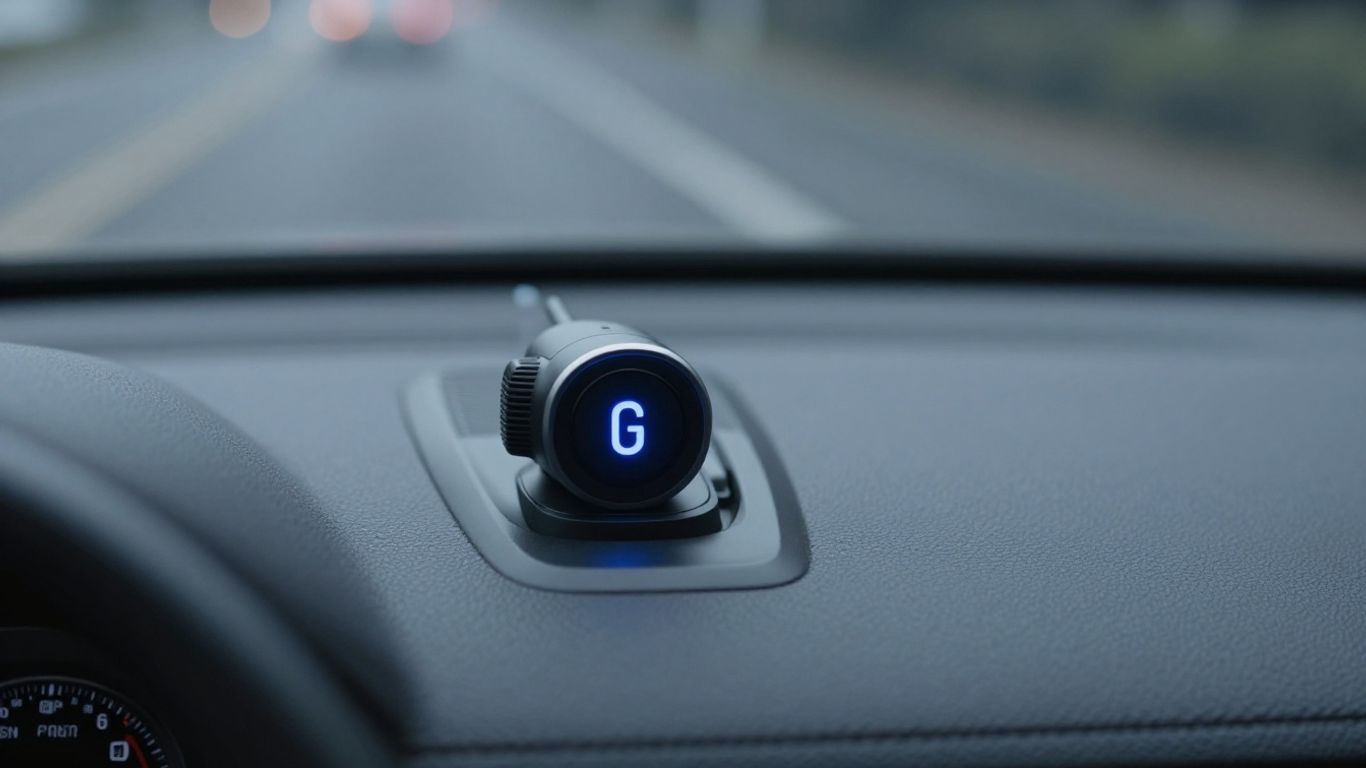
So, what exactly are these telematics systems tracking when you’re out on the road? It’s more than just knowing where you are. Insurers are looking at a variety of driving behaviors and patterns to get a full picture of your risk profile. This data helps them move away from one-size-fits-all pricing towards policies that truly reflect how you drive.
Speed, Acceleration, and Braking Patterns
This is probably the most talked-about aspect of telematics. The system monitors how you handle your vehicle in different situations. Think about:
- Speeding: Are you frequently exceeding the speed limit?
- Harsh Braking: Do you slam on the brakes often, indicating you might be following too closely or not paying attention?
- Rapid Acceleration: Are you flooring it from a standstill, which can also be a sign of aggressive driving?
These actions, when logged consistently, can point to riskier driving habits. For example, sudden stops can increase the likelihood of rear-end collisions.
Time, Route, and Distance Driven
Where and when you drive matters just as much as how you drive. Telematics can track:
- Mileage: How many miles are you putting on the car each month or year? More miles often mean more exposure to potential accidents.
- Time of Day: Driving late at night or during peak rush hour might be considered higher risk due to factors like fatigue or heavy traffic.
- Routes: Are you sticking to major highways, or are you frequently navigating busy city streets? Some routes might inherently carry more risk.
This information helps insurers understand your typical driving environment. For instance, someone who primarily drives short distances on quiet suburban roads might present a different risk profile than someone who commutes long distances on busy interstates every day. Understanding these patterns is key to usage-based insurance programs.
Mobile Device Usage and Distraction Monitoring
This is a sensitive area, but increasingly important. Some telematics systems, particularly those using smartphone apps, can detect if you’re using your phone while driving. This might include:
- Detecting phone handling during active driving periods.
- Monitoring for prolonged periods where the phone is being interacted with.
Distracted driving is a major cause of accidents, so insurers are keen to identify and discourage this behavior. The goal isn’t to catch you out, but to encourage safer habits by making you aware of potential distractions.
The data collected by telematics is designed to provide a clear, objective view of driving behavior. It moves beyond guesswork and broad assumptions, offering specific insights that can lead to fairer pricing and safer roads for everyone. This information is then used to tailor insurance policies, rewarding good drivers and helping others identify areas where they can improve their safety behind the wheel.
Privacy and Security Considerations in Insurance Telematics
When you sign up for an insurance telematics program, you’re essentially agreeing to let a device or app track how you drive. This means a lot of personal information about your movements is being collected. It’s natural to wonder what happens to all that data and who gets to see it. Protecting your sensitive driving data is a big deal, and insurers have a responsibility to be upfront about it.
Protecting Sensitive Driving Data
Insurers use telematics devices and smartphone apps to gather details like your speed, how hard you brake, and where you go. This information helps them figure out how risky a driver you are. But with all this data being collected, there’s always a worry about it falling into the wrong hands. Companies need to have strong security measures in place to keep this information safe from hackers or unauthorized access. Think of it like keeping your bank account details secure – it’s that important.
Concerns About Data Sharing and Access
One of the main questions people have is who actually gets to look at their driving data. Will it be shared with third parties for marketing? Could it be used in ways you didn’t expect? It’s important for insurers to clearly state their policies on data sharing. Some programs might share anonymized data for research, but you should know exactly what’s happening with your personal driving habits.
Ensuring Transparency with Policyholders
To build trust, insurance companies need to be totally open about their telematics programs. This means explaining:
- What specific data is being collected.
- How that data is being used to calculate your premium.
- Who has access to the data and under what circumstances.
- What security measures are in place to protect your information.
It’s not just about collecting data; it’s about how that data is handled responsibly. Policyholders deserve to know the full picture, from the moment a device is installed to how their driving behavior impacts their insurance costs. Clear communication builds confidence and makes the whole process feel less like a mystery.
Sometimes, the way data is interpreted can also be a concern. For instance, slamming on your brakes to avoid an accident might be flagged as risky behavior, even though it was a necessary safety maneuver. Insurers need to consider the context of driving events, not just the raw data, to make fair assessments.
Common Challenges with Insurance Telematics
While insurance telematics sounds pretty neat, it’s not always a walk in the park. There are definitely some bumps in the road that both drivers and insurance companies run into.
Technical Glitches and Hardware Issues
Sometimes, the tech just doesn’t cooperate. The little boxes plugged into your car or the apps on your phone can have their own minds. They might stop sending data, or worse, send the wrong stuff. This can happen because of a faulty device, a software bug, or even just a bad connection, especially if you’re driving in an area with spotty cell service. When data collection gets interrupted, it can mess with how your driving is scored, potentially leading to unfair premium adjustments. It’s like trying to track your steps with a broken fitness tracker – you just don’t get the full picture.
Misinterpretation of Driving Contexts
This is a big one. Telematics systems are great at spotting hard braking or quick acceleration, but they don’t always get why you did it. Slamming on the brakes might be necessary to avoid hitting a deer that darted out, or a sudden acceleration could be needed to merge safely into fast-moving traffic. The system just sees the action, not the reason behind it. This can lead to a driver getting a lower score for what was actually a safe, defensive maneuver. It’s tough for a computer to understand the split-second decisions a human driver has to make on the road.
Data Overload and Analysis Complexities
These telematics devices churn out a ton of information – every trip, every speed change, every stop. For insurance companies, sorting through all that raw data to figure out who’s a good driver and who’s not can be overwhelming. They need sophisticated systems and skilled people to make sense of it all. If the analysis isn’t done right, they might miss important trends or make incorrect assumptions about risk. It’s like having a library full of books but no catalog – finding the specific story you need becomes a huge challenge.
The sheer volume of data collected by telematics systems presents a significant hurdle. Without robust analytical tools and trained personnel, insurers risk drowning in information rather than extracting actionable insights. This can lead to flawed risk assessments and missed opportunities for accurate pricing and driver feedback.
Best Practices for Integrating Telematics Into Insurance
Choosing the Right Telematics Provider
Finding a trustworthy telematics partner is probably the trickiest part for most companies. Look for vendors that prioritize reliable hardware, accurate data, and strong security features. You don’t want to jeopardize driver trust or risk costly technical failures. Here are a few things to consider:
- Check if devices work seamlessly with your vehicles and software.
- Make sure the provider offers clear reporting, real-time insights, and open APIs for easy data sharing.
- Prioritize encryption and privacy controls from the start.
Choosing a telematics partner should be all about compatibility, transparency, and the ability to grow with your insurance program’s needs.
Sometimes, starting small helps. Some suggest rolling out devices to a few vehicles before going all-in, which makes it easy to spot hardware issues or awkward data flows before they can do real damage. For a bigger picture, defining your goals before you start — maybe preventing fraud, coaching drivers, or simply saving money — helps keep everything aligned. You can see more about setting objectives and choosing tech in dash camera strategies.
Educating Drivers and Policyholders
Explaining telematics to drivers can be surprisingly tough. People worry about privacy, confusing reports, or even getting punished for things that aren’t their fault. To keep things simple and build trust:
- Be up front about exactly what’s being tracked and why.
- Explain how safer driving habits can lead to fairer pricing or premium discounts.
- Offer hands-on training, not just thick manuals.
- Walk managers through using telematics for feedback, instead of just monitoring mistakes.
When drivers feel informed and supported, they’re more likely to engage and even appreciate the feedback telematics provides.
Aligning Telematics Data With Existing Systems
Mismatched data formatting or awkward system integrations are one of the biggest time sinks out there. To really get value from your data:
- Pick telematics solutions that link easily to policy admin, billing, and claims software.
- Automate reports where possible, so less time is spent wrangling spreadsheets.
- Test everything when adding new pieces, especially if you’re updating existing systems.
Here’s a quick table showing what to check when integrating telematics with insurance platforms:
| Item | Why It Matters |
|---|---|
| Data Format Compatibility | Prevents errors, saves manual effort |
| Real-Time Syncing | Keeps pricing and risk models up to date |
| User Access Controls | Maintains privacy across multiple systems |
| Automated Reporting | Cuts down repetitive admin work |
Bolt-on platforms rarely deliver the day-to-day efficiency you expect, so it’s worth taking the time to find the right fit from the start.
This whole process is less about copying what others do and more about focusing on your drivers, your goals, and your tech setup. If you take it one simple step at a time, you’ll get both insurance savings and practical insights for your business.
Conclusion
So, that’s the gist of how insurance telematics works. It’s not magic—just a mix of GPS, sensors, and a bit of data crunching that helps both drivers and insurers get a clearer picture of what’s happening on the road. For drivers, it can mean lower premiums if you’re careful behind the wheel. For insurance companies, it’s a way to set prices that actually match how people drive, not just who they are or where they live. Sure, there are some things to think about, like privacy and how the data gets used, but overall, telematics is changing the way insurance works. If you’re looking to save money and don’t mind a little extra tracking, it might be worth checking out. Just remember to read the fine print and see if it fits your needs.
Frequently Asked Questions
What exactly is insurance telematics?
Think of insurance telematics as a way for your car insurance company to see how you drive. It uses technology, like a small device in your car or an app on your phone, to collect information about your driving habits. This information helps the insurance company understand the risks involved in insuring you.
How does telematics technology collect driving data?
Telematics devices or apps track things like how fast you’re going, if you brake suddenly, how quickly you speed up, and where you drive. Some systems can even tell if you’re using your phone while driving. It’s like having a helpful assistant watching your driving to make sure it’s safe.
Why do insurance companies use telematics?
Insurance companies use telematics to offer fairer prices. Instead of just guessing based on age or where you live, they can base your insurance cost on your actual driving. If you drive safely, you might get a discount! It also helps them identify risky drivers and encourage everyone to be safer on the road.
Can telematics help me save money on insurance?
Yes, often! If you show that you’re a safe driver – meaning you don’t speed, brake hard, or drive recklessly – your insurance company might give you a discount. It’s a way for them to reward good driving behavior and save you money.
What kind of information is collected, and is my privacy protected?
They collect data about your driving speed, braking, acceleration, and sometimes your location and phone usage. Insurance companies promise to keep this information safe and private. They usually explain exactly what they track and why, so you know what’s going on.
Are there any downsides to using telematics insurance?
Sometimes, the technology might have small issues, or the data might not always understand the full picture (like braking hard to avoid an accident). Also, if you’re not a consistently safe driver, your rates could potentially go up. It’s important to understand how the program works for you.