

Thinking about homeowners insurance can feel a bit overwhelming, right? It’s one of those things you hope you never have to use, but it’s seriously important. Basically, it’s a safety net for your home and your stuff. If something bad happens, like a fire or a break-in, your insurance can help you fix or replace what’s lost. Plus, it covers you if someone gets hurt on your property. This article breaks down the homeowners insurance basics, so you know what you’re getting into.
Key Takeaways
- Homeowners insurance is a package deal that covers damage to your house, your personal items, and protects you if someone gets hurt or their property is damaged because of you.
- Policies generally cover damage from events like fire, windstorms, and theft, but usually exclude things like floods, earthquakes, and regular wear and tear.
- There are different ways insurance pays out: Actual Cash Value (ACV) pays for the depreciated value, while Replacement Cost pays to replace items with new ones.
- Your insurance rate isn’t random; it’s based on how risky your home is considered, looking at things like your claims history, where you live, and what your house is made of.
- To get the most out of your policy, keep a record of your belongings, look for ways to get discounts, and compare quotes from different companies regularly.
Understanding Your Homeowners Insurance Coverage
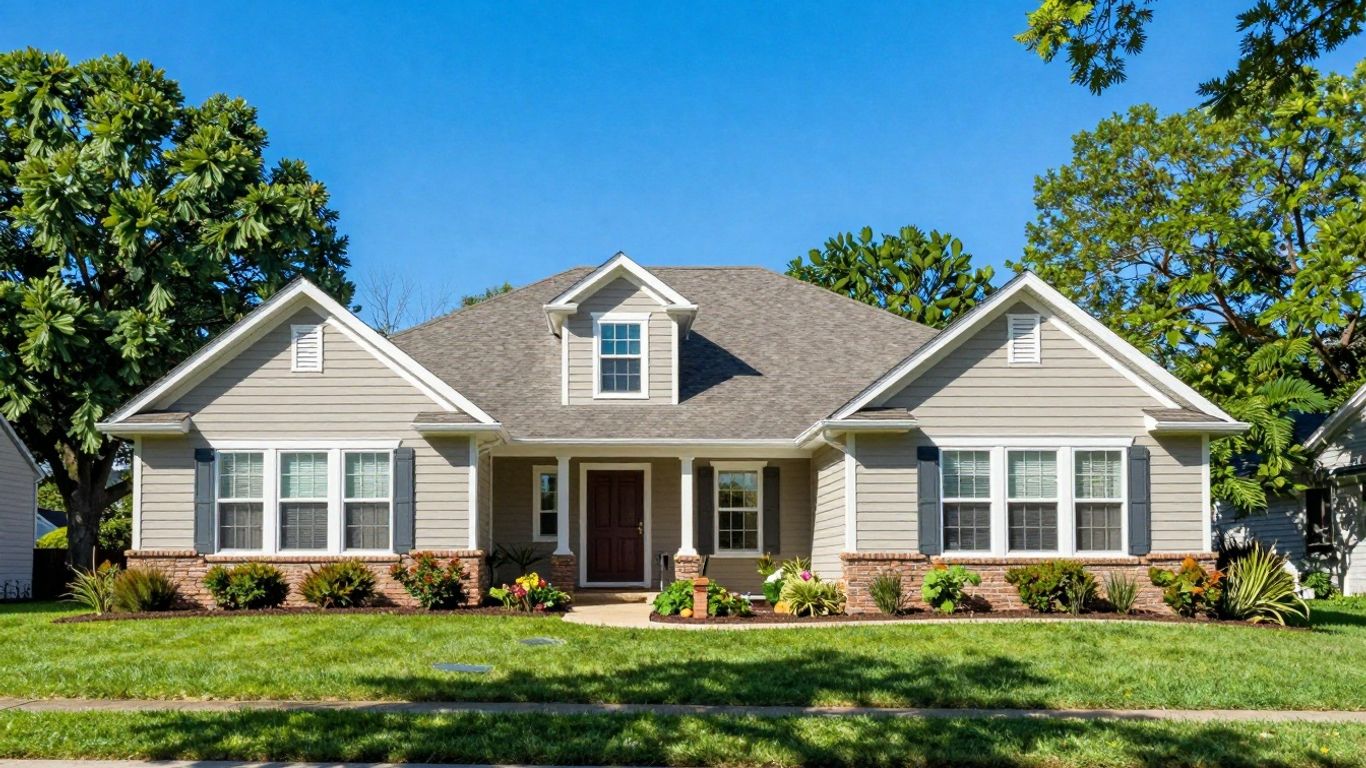
When you buy a home, getting insurance is a big step, and it’s not just about protecting your investment. It’s about having a safety net for a lot of things that could go wrong. Think of it as a package deal that covers different parts of your homeownership experience.
Coverage For The Structure Of Your Home
This is probably what most people think of first. It’s the part of your policy that helps pay to repair or even rebuild your house if it gets damaged by things like a fire, a bad storm, or even vandalism. It covers the walls, the roof, the foundation – basically, the bones of your house. It can also extend to other structures on your property, like a detached garage or a fence, though you’ll want to check your specific policy details for that.
- Fire and Lightning: If your house catches fire, this coverage helps.
- Windstorms and Hail: Major storms can cause a lot of damage, and this is where this part of your policy kicks in.
- Vandalism: Unfortunately, if someone intentionally damages your property, this coverage can help with repairs.
Coverage For Your Personal Belongings
Beyond the house itself, you’ve got stuff inside it, right? Furniture, clothes, electronics, that collection of vintage action figures – all of it. This part of your insurance helps replace those items if they’re stolen or damaged by a covered event. It’s usually a percentage of your home’s structural coverage, so it’s a good idea to do a quick inventory of your possessions to make sure it’s enough. Good news: this coverage often travels with you, meaning it can cover your belongings even if they’re stolen from your car or while you’re on vacation.
Liability Protection
This is a really important, but sometimes overlooked, part of your policy. It’s there to protect you if someone gets hurt on your property and decides to sue you. It can also cover you if you, or someone in your household, accidentally causes damage to someone else’s property. This coverage can help with legal fees and any settlements or judgments against you, which can add up fast.
This section is all about protecting you financially if you’re held responsible for someone else’s injury or property damage. It’s a standard part of most policies and offers peace of mind.
Additional Living Expenses
Imagine your house is temporarily unlivable because of a covered disaster, like a fire. Where would you stay? What would you eat? This coverage, often called "loss of use," helps pay for the extra costs you incur to maintain a similar standard of living while your home is being repaired. This could include hotel bills, restaurant meals, and other necessary expenses that go beyond your normal budget.
Key Types Of Homeowners Insurance Policies
When you’re looking at homeowners insurance, it’s not just one big thing. Policies come in different flavors, and understanding these differences is pretty important. Think of it like buying a car – there are basic models and then ones with all the bells and whistles. The main thing to get your head around is how your insurance company figures out how much they’ll pay you if something happens to your house or your stuff.
Actual Cash Value Explained
This is one way insurance companies calculate payouts. Basically, they figure out what your stuff was worth right before it got damaged or stolen, and then they subtract for how old it was. So, if your 10-year-old TV gets ruined, they won’t pay you what a brand-new TV costs. They’ll pay you what that 10-year-old TV was worth. It’s usually less money than you might expect, which can be a bit of a shocker.
Replacement Cost Explained
This is generally the better deal for homeowners. With replacement cost coverage, the insurance company pays to replace your damaged items with new ones of similar kind and quality. They don’t take off for depreciation. So, if that 10-year-old TV gets ruined, they’ll pay to get you a new TV. This type of coverage usually costs a bit more on your premium, but it can save you a lot of money out-of-pocket if you have a big claim.
Understanding Policy Levels
Homeowners policies aren’t all the same. You’ll hear about different "HO" numbers, like HO-3, HO-5, HO-6, and so on. The HO-3 is super common and generally covers your house and belongings against a list of specific problems, plus it includes liability. Then there are policies for renters (HO-4) and condo owners (HO-6), which are tailored for those living situations. It’s worth knowing which "level" you’re looking at because it affects what’s covered and how.
- HO-1 (Basic Form): This is the most basic and covers very few perils. It’s not offered by many companies anymore.
- HO-2 (Broad Form): Covers more perils than HO-1, but still not as much as other policies.
- HO-3 (Special Form): This is the most common for homeowners. It covers your dwelling on an open-perils basis (meaning it covers everything unless specifically excluded) and your personal property on a named-perils basis.
- HO-5 (Comprehensive Form): This offers the broadest coverage, typically covering both the dwelling and personal property on an open-perils basis.
Choosing the right policy level is about matching your needs with what the insurance company is willing to cover. It’s a balance between cost and protection. Don’t just pick the cheapest one without really looking at what it covers and what it doesn’t.
What Homeowners Insurance Typically Covers

So, what exactly does that homeowners insurance policy you’re paying for actually do for you? It’s not just some abstract piece of paper; it’s designed to step in when things go wrong. Think of it as a safety net for your biggest investment. Most policies are built around a few key areas, and understanding them helps you know what you’re protected against.
Damage to Your Home’s Interior or Exterior
This is probably what most people think of first. If a fire breaks out, a tree falls on your roof during a storm, or someone vandalizes your property, this part of your policy kicks in. It helps pay for repairs or even rebuilding your house if it’s badly damaged. This coverage usually extends to other structures on your property too, like a detached garage or a shed, though it’s always good to double-check your specific policy details.
- Fire and Lightning: Pretty straightforward, covers damage from these events.
- Windstorms and Hail: Protects against damage from severe weather.
- Vandalism and Malicious Mischief: Covers intentional damage by others.
- Theft: If someone breaks in and steals things, this can help.
- Water Damage: Covers accidental overflows from plumbing or appliances, but usually not floods.
It’s important to remember that this coverage isn’t unlimited. While it’s designed for sudden, unexpected events, it generally won’t cover damage that happens over time due to poor maintenance or natural disasters like floods or earthquakes. You might need separate insurance for those.
Protection for Your Possessions
Beyond the walls of your house, your insurance also covers the stuff inside. We’re talking about your furniture, your clothes, your electronics, that collection of vintage action figures – basically, your personal belongings. If these items are damaged or stolen due to a covered event, like a fire or a burglary, this part of your policy helps you replace them. This coverage often extends beyond your home, so if your laptop gets stolen while you’re on vacation, you might be covered. The amount of coverage is usually a percentage of your home’s dwelling coverage, so it’s worth doing a quick inventory to make sure it’s enough for you.
Personal Liability Protection
This is a really important part that people sometimes overlook. Personal liability coverage is there to protect you if someone gets injured on your property and decides to sue you. It also covers you if you or your family members accidentally cause damage to someone else’s property. For example, if your dog bites a visitor, or if your kid accidentally breaks a neighbor’s window with a baseball, this coverage can help pay for medical bills or repair costs, as well as legal fees if you end up in court. It’s a pretty big deal for peace of mind.
Common Exclusions In Homeowners Policies
Even with a solid homeowners insurance policy, it’s important to know what’s not covered. Think of it like a contract – there are always fine print details. Most standard policies are designed to cover sudden, accidental damage from specific events, but they aren’t meant to be a catch-all for everything that could possibly go wrong with your home.
Damage From Natural Disasters
When we talk about natural disasters, a few big ones usually aren’t included in your typical homeowners policy. Floods are a prime example. If your basement fills up because of a heavy rainstorm or a nearby river overflows, your standard policy likely won’t pay for the cleanup or repairs. Similarly, earthquakes are generally excluded. The ground shaking and causing damage? That’s usually on you unless you get separate earthquake coverage. Some policies might offer a little bit for sinkholes, but if it’s a slow, gradual thing, don’t count on it being covered.
Here’s a quick rundown of common natural disaster exclusions:
- Floods
- Earthquakes
- Sinkholes (often, especially gradual ones)
- Landslides and mudflows
Maintenance And Pest Issues
Your insurance policy isn’t a magic wand for general wear and tear or problems caused by neglect. Things like mold or mildew that develop over time, especially if you didn’t address a moisture problem early on, are usually not covered. The same goes for pest infestations – termites, rodents, or other critters making a home in your house are typically your responsibility to deal with. If a pipe bursts because it’s old and corroded, that’s usually not covered either; it’s considered a maintenance issue. Also, if you have to upgrade your home to meet new building codes after a covered event, the extra cost might not be fully covered.
Think of your policy as covering unexpected emergencies, not the ongoing upkeep of your home. If something breaks down due to age or lack of maintenance, that’s generally outside the scope of what insurance is designed to handle.
Acts Of War And Intentional Damage
This one might seem obvious, but it’s worth stating. Damage caused by war, terrorism, or even widespread civil unrest is almost always excluded from standard policies. You also won’t be covered if you intentionally damage your own property. Insurance is meant to protect against unforeseen events, not deliberate actions. This also extends to things like nuclear accidents or radiation exposure – these are highly specialized risks that require separate coverage, if available at all.
Factors Influencing Homeowners Insurance Rates
So, what makes your homeowners insurance premium go up or down? It really boils down to how much of a risk the insurance company thinks you and your house are. They’re in the business of paying out claims, but they also need to make money, so they look at a lot of things to figure out the "price" of insuring your home.
Assessing Risk and Past Claims
One of the biggest things insurers look at is your history with insurance claims. If you, or even the previous owner of your home, have filed a lot of claims in the last few years, expect your rates to be higher. It’s not just about the number of claims, either; the type and severity of those claims matter too. A history of frequent or significant claims signals to the insurer that there’s a higher chance of future claims. Some companies might even hesitate to insure a property with a very long claim history.
Location and Building Materials
Where you live plays a huge role. Insurers consider local crime rates, the proximity to fire stations and hydrants, and even the general risk of natural disasters in your area, like floods or wildfires. The materials used to build your home are also important. For example, a house made mostly of wood might cost more to insure than one built with brick or concrete because it’s more susceptible to fire and weather damage. If you’re thinking about renovations or additions, the materials you choose can impact your future premiums.
Coverage Options and Deductibles
Of course, the amount of coverage you choose directly affects your rate. If you opt for higher coverage limits on your dwelling, personal property, or liability, your premium will naturally be higher. Similarly, adding endorsements for valuable items like jewelry, art, or collectibles will increase the cost. The deductible is another key factor. A higher deductible means you agree to pay more out-of-pocket if you file a claim, which typically results in a lower premium. Conversely, a lower deductible means a higher premium.
Here’s a quick look at how some factors might influence your rate:
- Claim History: Multiple past claims usually mean higher rates.
- Location: Areas with higher crime or natural disaster risks often have higher premiums.
- Building Materials: Flammable materials can lead to higher costs.
- Coverage Limits: More coverage equals a higher premium.
- Deductible: A higher deductible generally means a lower premium.
It’s worth remembering that insurance companies assess risk differently. What one company considers a high risk, another might see as moderate. This is why shopping around and getting quotes from multiple insurers is so important. You might find a company that offers you a better rate based on their specific risk assessment model.
Maximizing Your Homeowners Insurance Value
So, you’ve got your homeowners insurance policy. That’s a big step! But are you getting the most bang for your buck? It’s not just about having coverage; it’s about making sure that coverage works best for you and your wallet. Let’s look at a few ways to really get the most out of your policy.
Creating a Home Inventory
This is one of those things that sounds like a chore, but trust me, it can save you a massive headache if you ever need to file a claim. Basically, you’re making a detailed list of everything you own inside your house. Think furniture, electronics, clothing, jewelry, even that collection of vintage action figures. Take pictures or videos of your stuff, too. Having a solid home inventory is key to making sure you’re not underinsured for your personal belongings. It helps you and your insurance company understand the true value of what you have, so you can get the right amount of coverage.
Here’s a simple way to get started:
- Go room by room: Don’t try to do it all at once. Tackle one room each weekend.
- Document everything: Note the item, brand, model number (if applicable), purchase date, and original cost. Snap a photo or video.
- Store it safely: Keep your inventory list and media files somewhere secure, like a cloud storage service or a fireproof box. Don’t keep it only on your home computer!
Exploring Policy Discounts
Insurance companies love rewarding good behavior and risk reduction. You might be surprised how many discounts are out there. Many insurers offer a discount if you bundle your home insurance with other policies they offer, like auto insurance. It’s worth asking about.
Other common discounts include:
- Security Systems: Having a monitored alarm system or even just smoke detectors and carbon monoxide detectors can lower your premiums.
- Home Improvements: Upgrades like a new roof, updated electrical wiring, or certain weatherproofing measures might qualify you for a discount.
- Loyalty Programs: Some companies offer lower rates the longer you stay with them.
- No Claims: If you haven’t filed a claim in a while, you might get a discount.
Always ask your insurance agent what discounts you might be eligible for. It never hurts to inquire!
Regularly Comparing Policies
Your insurance needs and the market itself can change. What was the best deal a few years ago might not be today. It’s a good idea to shop around and compare quotes from different insurance companies at least once a year, or whenever you make significant changes to your home. You might find a better rate or a policy with better coverage for your needs. Don’t just look at the price, though. Make sure the coverage levels and deductibles still make sense for you. Sometimes, a slightly higher premium can get you much better protection.
Think of it like this: you wouldn’t buy the first car you see without checking out other options, right? Insurance should be no different. A little comparison shopping can lead to significant savings and better peace of mind.
Wrapping It Up
So, that’s the lowdown on homeowners insurance. It might seem like a lot to take in, with all the different types of coverage and costs to think about. But really, it boils down to protecting your home and your wallet from unexpected stuff. Whether it’s a leaky pipe, a break-in, or someone tripping on your sidewalk, having the right insurance means you won’t be left completely high and dry. Take the time to compare your options, understand what you’re paying for, and don’t be afraid to ask questions. It’s a big investment you’re making in your home, and insurance is just part of making sure that investment stays safe.
Frequently Asked Questions
What exactly does homeowners insurance cover?
Homeowners insurance is like a safety net for your house. It typically covers damage to the actual building, like if a fire breaks out or a storm hits. It also protects your stuff inside, such as furniture and clothes, if they’re stolen or damaged. Plus, it offers protection if someone gets hurt on your property and you’re found responsible, helping with legal costs and medical bills.
Are floods and earthquakes covered by my regular homeowners policy?
Usually, standard homeowners insurance policies don’t include damage from floods or earthquakes. These are often considered separate risks. If you live in an area prone to these natural events, you’ll likely need to buy extra insurance, called an endorsement or a separate policy, to make sure you’re covered.
What’s the difference between ‘Actual Cash Value’ and ‘Replacement Cost’ coverage?
Think of it this way: ‘Actual Cash Value’ pays you for the value of your damaged or stolen items after taking away for how old they are (like a used car). ‘Replacement Cost’ is better because it pays to replace your items with new ones of similar kind and quality, without deducting for age. It’s generally more expensive but offers better protection.
Why is it important to create a home inventory?
Making a list of all your belongings, maybe with photos or videos, is super helpful. If something happens to your home, this inventory makes filing a claim much easier. It helps you remember everything you owned and ensures you get the right amount of money to replace your lost items.
How do insurance companies decide how much to charge for my policy?
Insurance companies look at how likely it is that you’ll need to file a claim. They consider things like your home’s location (some areas have more crime or weather risks), the materials it’s made of, your past insurance claims history, and even your credit score. The more coverage you choose, the higher your price will likely be.
What are ‘Additional Living Expenses’ coverage?
If a covered disaster makes your home unlivable, this coverage helps pay for the extra costs of living somewhere else while your home is being repaired. This can include things like hotel bills, restaurant meals, and other necessary expenses you wouldn’t normally have.