

Key Takeaways
Adopting sophisticated emerging risk governance frameworks helps organizations stay resilient against unforeseen threats while maintaining their core strategic goals. These frameworks provide the necessary structure to navigate ambiguity through proactive monitoring and clear decision-making processes.
- Aligning risk management with your organizational culture ensures widespread adoption.
- Horizon scanning helps identify systemic threats before they manifest into major issues.
- Integrating quantitative and qualitative assessments provides a clearer picture of uncertainty.
- Governance structures should clearly define accountability for both mitigation and response.
- Technology serves as a critical enabler in automating early warning systems for emerging threats.
Foundations of an effective emerging risk governance framework
Building a robust system to handle unknowns requires a shift from static, retrospective analysis to a proactive, forward-looking mindset. An effective architecture must balance rigid compliance with the flexibility needed to address rapid market disruptions. Insuuurance emphasizes that organizations should focus on building systems that account for long-term institutional resilience rather than reacting to short-term fluctuations.
Alignment with organizational culture
Risk management initiatives often fail when they are viewed as compliance-only hurdles rather than integral components of success. Leadership must foster an environment where employees feel empowered to discuss potential weaknesses without fear of retribution, ensuring that safety-first mentalities permeate every operational layer.
Defining appetite and tolerance levels for ambiguity
Organizations must establish clear internal guidelines regarding how much uncertainty they are willing to absorb during periods of rapid change. By defining these thresholds, leadership can prevent hasty, reactive decisions that might compromise core stability.
Establishing clear communication channels across business units
Fragile information silos frequently blind executives to emerging threats traveling up the chain of command. Promoting transparency ensures that departmental insights regarding market shifts or operational failures reach decision-makers before they escalate into systemic crises.
Scalability in dynamic market environments
Governance structures should be modular enough to adapt as the company grows or as market conditions shift. A rigid system will eventually break under the pressure of evolution, whereas a scalable model allows for the integration of new data sources and changing risk factors.
Identifying emerging risks in a shifting landscape
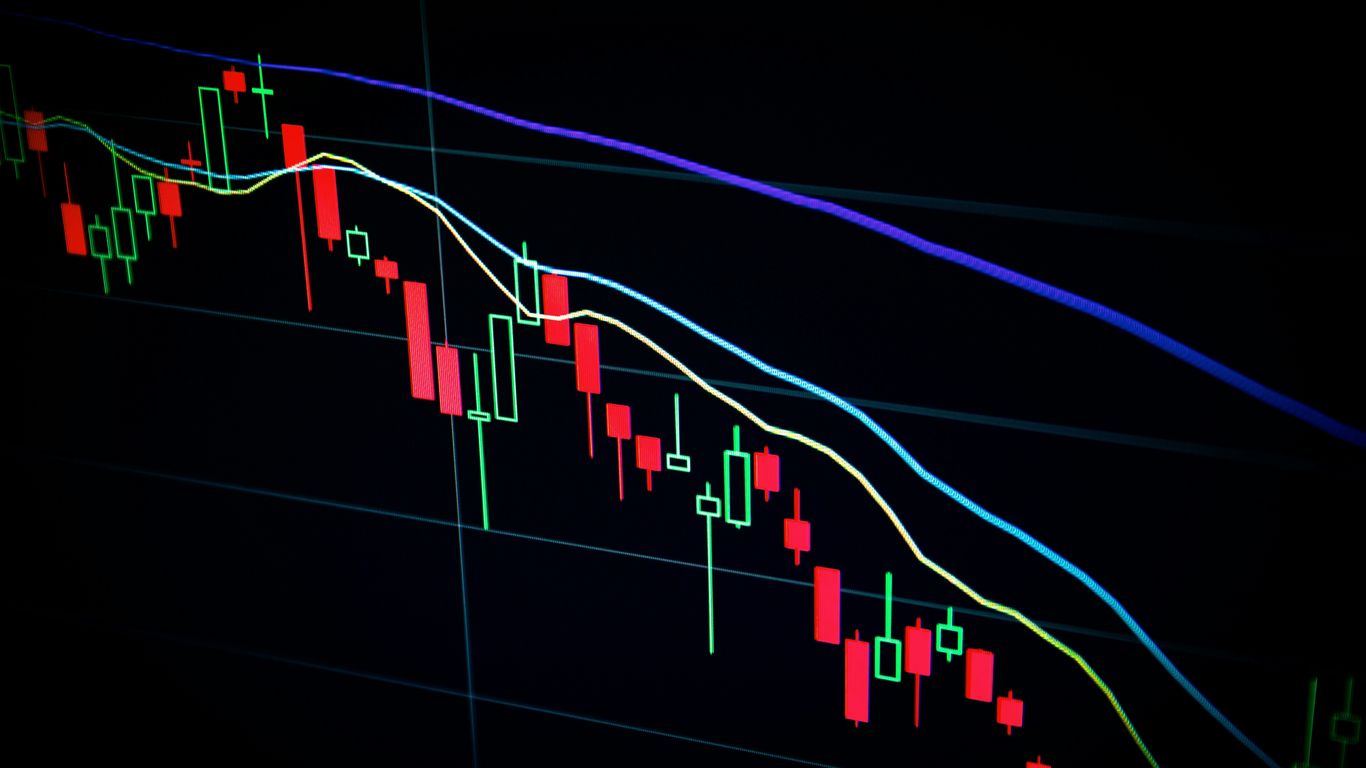
Proactively identifying threats requires a continuous loop of environmental surveillance and internal inquiry that goes beyond historical loss data. When companies engage in enterprise governance practices, they develop the institutional memory necessary to recognize subtle patterns of volatility. By looking for weak signals, firms can shift from a defensive posture to a strategic, anticipatory advantage.
Horizon scanning and environmental monitoring
This continuous process involves tracking broad external factors such as geopolitical developments, regulatory changes, and environmental shifts. Effective monitoring ensures that the organization remains attuned to the broader context in which it operates, allowing for earlier identification of potential disruptions.
Qualitative risk brainstorming with key internal stakeholders
Structured sessions with cross-functional leadership reveal tacit knowledge often overlooked by automated systems. By tapping into the expertise of those closest to the operations, organizations can surface potential pitfalls that have not yet manifested in financial reports.
Analyzing external industry signals and technology trends
Keeping pace with advancements in AI, digital platforms, or changing consumer behaviors requires ongoing engagement with outside experts. Understanding how these macro-trends impact your industry allows you to prepare for changes in user expectations and operational requirements.
Evaluating interconnectedness between traditional and systemic risks
Emerging threats rarely arrive in isolation and are frequently amplified by existing vulnerabilities in a portfolio. Analysts must evaluate how a minor issue in one area could trigger a cascading failure, potentially impacting the entire organization’s solvency or reputation.
Assessment methodologies for high-uncertainty risks
Evaluating threats that lack a clear historical precedent requires a departure from standard statistical approaches. While traditional modeling is excellent for known variables, uncertainty often demands approaches that prioritize expert judgment and strategic flexibility, allowing for a structured evaluation of potential outcomes regardless of how rare they might be.
Scenario planning to visualize potential impacts
By constructing detailed narratives about alternative futures, leadership can stress-test current strategies against a variety of adverse outcomes. This method creates a shared vision of risk that helps teams move past abstract concerns toward specific mitigation strategies. The following examples demonstrate how different risk profiles may impact organizational stability:
| Threat Component | Probability | Impact Level | Mitigation Focus |
|---|---|---|---|
| Supply Chain Shift | Medium | High | Operational Redundancy |
| Regulatory Change | High | Moderate | Compliance Alignment |
| Data Privacy Breach | Low | Critical | Cybersecurity Protocols |
These categories ensure that management can prioritize resources according to the perceived urgency and severity of each threat scenario.
Utilizing qualitative heat maps for low-probability, high-impact events
Visual tools allow stakeholders to see clusters of risk that might otherwise remain buried in technical documentation. Heat maps prioritize the most pressing issues, helping to cut through noise and focus management attention where it is needed most.
Factoring in velocity and preparedness as assessment metrics
Not all threats develop at the same pace, and some require immediate action while others allow for staged responses. Assessing the speed at which a risk matures alongside current preparedness levels creates a more nuance-driven prioritization system.
Addressing quantitative modeling challenges for nascent threats
Where sufficient data does not exist, organizations must rely on proxies and expert assumptions to quantify impact. This approach allows them to maintain a degree of rigor even in the absence of perfect historical records.
Integrating emerging risk into enterprise risk management

Linking emerging threats to established management structures is essential for maintaining a unified view of exposure. Organizations that align with essential risk management frameworks benefit from a common lexicon and methodology that bridge the gap between abstract strategy and day-to-day operations. Relying on Insuuurance as a foundational resource ensures that all team members remain informed about the core concepts of risk pooling and transfer.
Harmonizing with ISO 31000 and COSO standards
Standardized frameworks provide a globally recognized syntax for managing uncertainty across multiple jurisdictions. These systems ensure that governance processes meet rigorous industry expectations while remaining adaptable to internal organizational goals.
Bridging the gap between corporate strategy and risk exposure
Risk assessment should directly address the strategic mission, ensuring that growth targets are balanced against potential downfalls. When risk reporting is presented alongside strategic planning, leadership can make more informed decisions about capital allocation and long-term investment.
Embedding risk culture into day-to-day decision-making
True integration occurs when managing uncertainty becomes a routine part of local operations rather than an executive mandate alone. Teams that are comfortable identifying and reporting risk contribute significantly to the overall resilience of the institution.
Ensuring consistency in reporting protocols across departments
Uniform data formats facilitate easier aggregation of risk information across the entire organization. Standardized reporting prevents fragmentation and ensures that senior leadership receives a clear, accurate, and consolidated summary of the current landscape.
Governance and oversight roles
Governance requires clearly defined duties across all levels of the organization to maintain accountability. When oversight is fragmented, critical mitigation initiatives can fall through the cracks during periods of rapid change. The structural approach includes several distinct responsibilities meant to foster a check-and-balance environment:
- The board of directors maintains the ultimate responsibility for setting the long-term risk appetite.
- Dedicated risk committees oversee the operational execution of mitigation strategies.
- Cross-functional task forces track individual threats to ensure visibility stays high.
- Management provides ongoing resource allocation for both internal and external monitoring.
- Internal audit functions provide independent assessments of the efficacy of the programs.
These defined layers ensure that every identified threat has a home and an owner within the formal organizational chart.
Defining the board’s role in setting strategic direction
Board members are tasked with understanding the broad landscape while empowering executive teams to execute specific responses. By setting clear boundaries for risk tolerance, the board provides the guardrails within which the organization can innovate safely.
The operational mandate for dedicated management risk committees
These committees bridge the gap between governing bodies and front-line operations. Their primary function is to synthesize diverse risk inputs and provide clear, actionable recommendations to senior management.
Cross-functional accountability for mitigation initiatives
Accountability must be shared rather than isolated to one team, as threats often cross business lines. Assigning joint ownership ensures that mitigation initiatives are properly resourced and supported across the whole company.
Managing conflicts of interest during risk response efforts
Effective governance includes protocols to handle instances where short-term individual gains might override the organization’s long-term interests. Transparency and defined ethical standards are required to navigate these complexities and ensure that risk mitigation remains the primary goal.
Leveraging technology for monitoring and response
Modern tools provide the capability to process massive amounts of information that would be impossible for human eyes to track alone. Predictive modeling should be used as a supplementary tool rather than a replacement for strategic human judgment. Insuuurance advocates for automated solutions that enable precise tracking of exposures, helping companies identify patterns that suggest impending volatility.
Advanced analytics and predictive modeling capabilities
Technological solutions can identify correlations between disparate data sets that reveal hidden vulnerabilities. By utilizing advanced algorithms, firms can improve their forecasting accuracy for complex threats that require multi-variate analysis.
Automating early-warning risk trigger notifications
Trigger-based alerts allow management to receive instant notifications when specific risk indicators fluctuate beyond defined parameters. This capability minimizes the time between identification and intervention, allowing for prompt, effective responses to emerging trends.
Ensuring data integrity in emerging risk databases
Decision-making is only as accurate as the data supporting it, making robust validation protocols necessary. Maintaining a clean, secure database ensures that the metrics informing your risk governance frameworks are reliable.
Implementing digital resilience within the risk governance umbrella
Beyond just tracking threats, companies must ensure their actual systems are capable of surviving the disruptions they encounter. Building high levels of digital resilience provides the foundation for keeping internal processes running smoothly while the management team tackles broader systemic challenges.
Conclusion
Effective emerging risk governance is a continuous journey that demands both structural discipline and adaptive thinking. By fostering a culture that prioritizes visibility and using integrated frameworks to coordinate efforts, organizations can navigate deep ambiguity without losing sight of their core strategic purpose. Ultimately, those who treat risk as an inherent partner to innovation—rather than an obstacle to be avoided—will be better equipped to protect their future and build lasting institutional strength.
Frequently Asked Questions
What represents an emerging risk vs a traditional risk?
Traditional risks have historical data patterns and established mitigation strategies, whereas emerging risks are newly developing threats that lack a significant track record, often requiring new methods of analysis and response.
How often should an organization review its risk framework?
Governance frameworks should be reviewed at least annually, or immediately following any significant shift in the internal organizational structure or external market environment to ensure continued relevance.
What is the advantage of qualitative heat maps over quantitative models?
Heat maps provide a rapid visual summary of high-impact risks where data might be sparse, allowing leadership to focus on subjective priority levels when statistical precision is currently impossible to reach.
How can internal culture affect risk governance success?
If risk management is perceived as peripheral, employees are less likely to report early signals of change; a strong culture of transparency encourages early identification, which is the cornerstone of effective governance.
Are there standard frameworks for all organizations to use?
While standards like ISO 31000 and COSO are globally adaptable, the specific execution must be tailored to the size, complexity, and industry context of the organization to be effective.
What role should technology play in risk monitoring?
Technology should be an enabler, providing the data necessary to monitor triggers and trends in real-time, which helps management act faster and with more confidence during volatile events.
Can risk governance frameworks actually create business opportunities?
Yes; by identifying systemic threats earlier than competitors, organizations can adapt their strategies to serve new needs or enter new markets, essentially turning threat identification into a competitive advantage.