

Buying a car is a big deal, and figuring out all the insurance stuff can feel overwhelming. One thing you might hear about is gap insurance. It’s not something everyone needs, but for some folks, it can be a real lifesaver financially. This guide breaks down what gap insurance is all about, why you might want it, and how to get it, so you can drive off the lot feeling a bit more secure.
Key Takeaways
- Gap insurance covers the difference between what your car is worth and what you owe on your loan if it’s totaled or stolen.
- New cars lose value fast, often meaning you owe more than the car is worth, making gap insurance a good idea.
- Consider gap insurance if you made a small down payment, have a long loan term, or are leasing a vehicle.
- While not always required, some leases or loans might ask you to have gap insurance.
- You can get gap insurance from your car insurer, the dealership, or sometimes your lender. It’s smart to shop around for the best price.
Understanding Gap Insurance
So, you’ve got a car loan, and maybe you’re wondering about this "gap insurance" thing. It sounds a bit mysterious, right? Basically, it’s a type of coverage that helps you out if your car is totaled or stolen. Think of it as a safety net for the difference between what your regular insurance pays out and what you actually still owe on your car loan or lease.
What Gap Insurance Covers
Gap insurance is pretty straightforward in what it aims to cover. It’s not about fixing your car or covering medical bills. Its main job is to pay the difference between your car’s actual cash value (what your insurance company says it’s worth right now) and the amount you still owe on your loan or lease.
- The "Gap" Amount: This is the core of it. If your car is declared a total loss, your standard collision or comprehensive insurance will pay you the car’s current market value. If that value is less than what you owe, gap insurance covers that shortfall.
- Loan or Lease Payoff: It aims to pay off your loan or lease balance, so you’re not left making payments on a car you no longer have.
- Deductible (Sometimes): Some gap insurance policies might even include your deductible in the payout, meaning you don’t have to pay that out of pocket either. Always check your policy details on this one.
How Gap Insurance Works
Let’s say you bought a new car for $30,000 and financed the whole amount. A year later, maybe you’ve only paid off $3,000, so you owe $27,000. But, cars lose value fast, especially new ones. If your car is now only worth $24,000 and it gets totaled, your regular insurance will give you $24,000. That leaves you with a $3,000 gap that you’d normally have to pay yourself.
This is where gap insurance steps in. It would pay that extra $3,000 to the lender, meaning your loan is fully paid off. You wouldn’t owe anything more on that car. It’s a pretty simple concept, really.
The Purpose of Gap Insurance
The main reason gap insurance exists is to protect you from owing money on a car you can no longer drive. When you finance or lease a vehicle, especially a new one, it starts losing value the moment you drive it off the lot. This depreciation can happen much faster than you pay down your loan balance.
Without gap insurance, if your car is stolen or wrecked beyond repair, you could be responsible for paying off the difference between what your insurance settlement offers and what you still owe. This could be thousands of dollars you weren’t expecting to pay.
So, its purpose is really about financial security. It prevents a total loss of your vehicle from turning into a significant financial burden, allowing you to move on without that lingering debt.
When Gap Insurance Becomes Essential
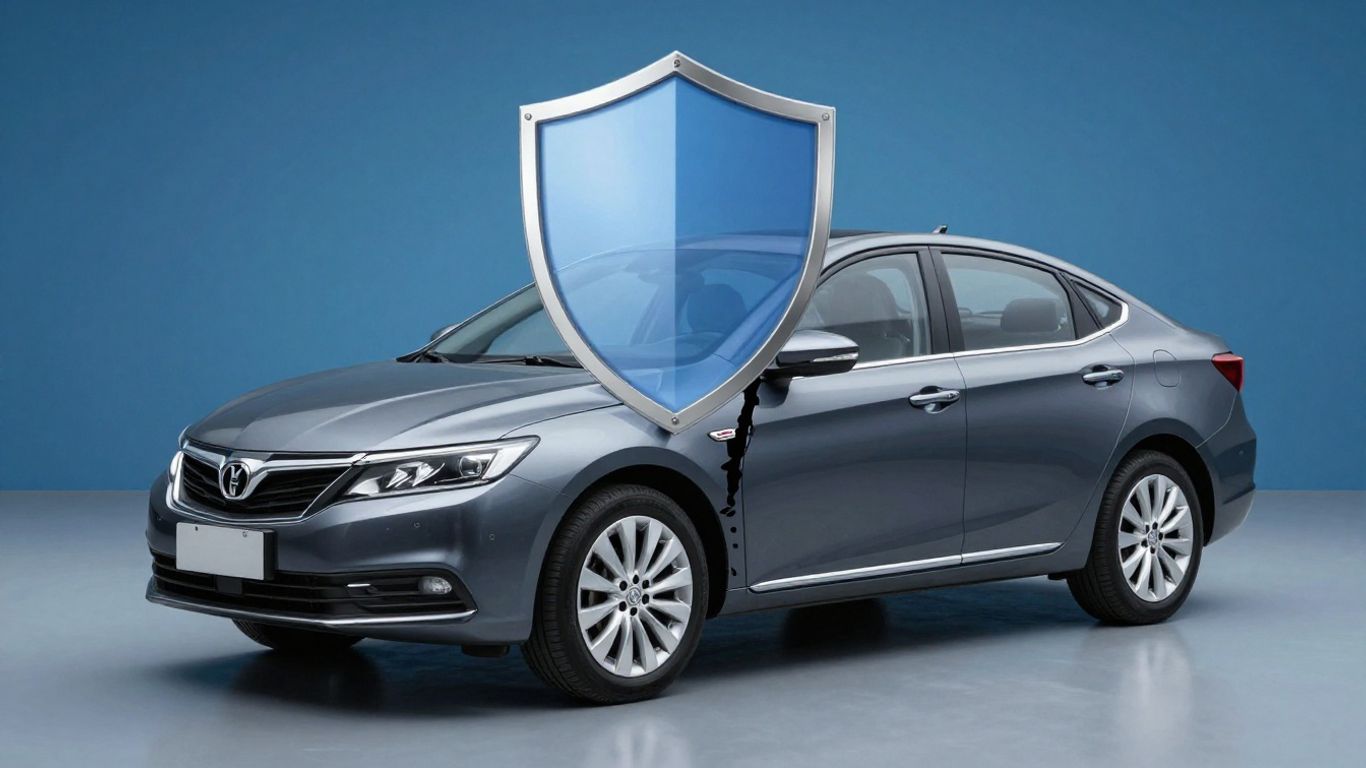
There are some situations where gap insurance can really save you from a big headache—especially if you find yourself owing more on your car loan than your car is worth. Not everyone needs gap insurance, but for people in certain situations, skipping it can lead to big out-of-pocket costs. Let’s break down the types of drivers and loan scenarios where having gap insurance should be on your radar.
Financing a New Vehicle
Buying a new car is exciting, but new models lose value fast in the first couple years. If you’ve just signed a loan agreement for a brand-new car, gap insurance generally makes sense. Here’s why:
- New cars lose the most value during the first months of ownership.
- If your car is totaled or stolen, your standard insurance payout is often much less than your remaining loan.
- You could end up paying thousands out of pocket just to settle your loan balance, even though you don’t have the car anymore.
Even responsible savers can get caught off guard by the speed at which new cars drop in value compared to the pace of loan repayment.
Making a Small Down Payment
Put down less than 20%? You’re more likely to owe more than your vehicle is worth. Here’s what can happen if you make a small (or zero) down payment:
- The gap between loan balance and car value is biggest right after purchase.
- More of your payment goes toward interest upfront, not the actual loan principal.
- A smaller down payment means you’re "upside-down" on your loan longer.
Example Table: Loan-to-Value Ratio vs. Down Payment
| Down Payment | Loan-to-Value Ratio (Start) | Gap Risk |
|---|---|---|
| 0% | 100% | High |
| 10% | 90% | Moderate |
| 20% | 80% | Lower |
Leasing a Vehicle
Leasing companies almost always require gap insurance. When you lease, you’re basically paying for the vehicle’s depreciation over the lease term, so:
- Lease contracts may include gap coverage, but not always—ask before signing.
- The lease buyout amount can be higher than the current value if the vehicle is totaled early in the term.
- You can be on the hook for a surprising balance without this extra protection.
Opting for Lengthy Auto Loan Terms
If you chose a loan term of 60, 72, or even 84 months, that long stretch means slower equity building. Here’s why gap insurance comes in handy:
- Longer loans mean lower monthly payments, but you pay off your loan more slowly.
- Your vehicle’s value drops faster than your loan declines during the first years.
- This increases your risk of having a balance left over if your car gets totaled or stolen during that window.
Keep in mind, gap insurance for auto loans helps cover the difference between what you owe and what your car is worth when it matters most. For anyone in these scenarios, seriously consider the extra layer of financial protection—sometimes it’s the small print that saves you from a big surprise.
The Impact of Vehicle Depreciation
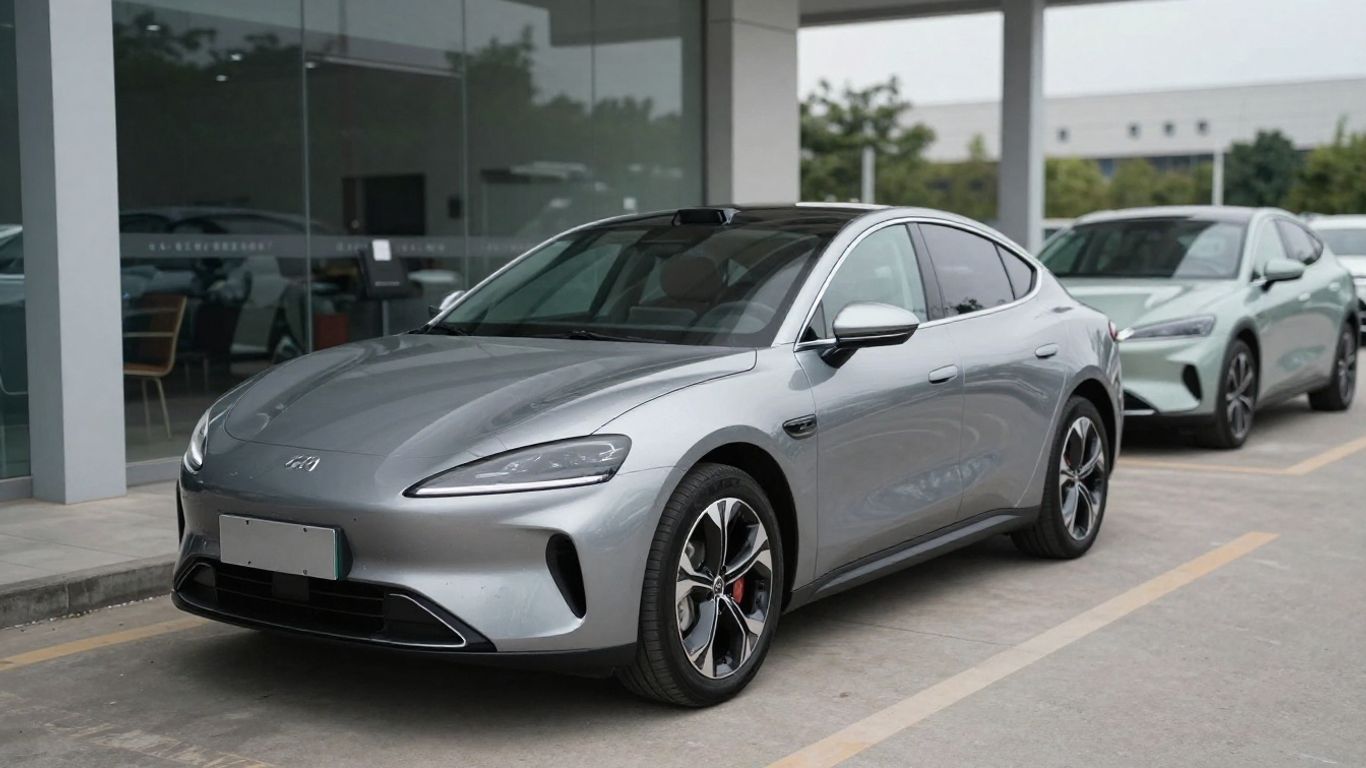
So, you just bought a shiny new car. Awesome! But here’s the not-so-fun part: as soon as you drive it off the lot, its value starts to drop. This is called depreciation, and it’s a big deal when it comes to car loans.
Rapid Depreciation of New Cars
New cars are the biggest culprits here. Think about it – that sticker price includes all sorts of things that don’t matter once it’s a ‘used’ car. We’re talking about maybe 15% to 20% of its value just vanishing in the first year. So, that $30,000 car you bought? It could easily be worth closer to $24,000 or less after just 12 months.
The Gap Between Value and Loan Balance
This is where things get tricky. Most people finance their cars, meaning they owe money on a loan. If you finance a lot of the car’s price, especially if you don’t put much money down, you might end up owing more on the loan than the car is actually worth. This difference is often called being ‘upside down’ or having negative equity.
Let’s say you owe $27,000 on your car loan, but because of depreciation, the car is only worth $24,000. That’s a $3,000 gap.
Why Your Payout Might Not Cover Your Loan
Now, imagine the worst happens – your car is totaled in an accident or stolen. Your regular auto insurance will pay out the car’s actual cash value at the time of the incident. In our example, that’s $24,000. But you still owe $27,000 on the loan. Your insurance payout covers the car’s worth, but it doesn’t cover the remaining $3,000 you owe. That $3,000 is your problem to solve, and you’d have to pay it out of your own pocket, even though you no longer have the car.
This is precisely the situation gap insurance is designed to handle. It bridges that financial gap, so you’re not left paying for a car you can’t even drive.
Here’s a quick look at how that gap can form:
- Initial Loan Amount: The total amount you borrowed for the car.
- Depreciation: The decrease in the car’s market value over time.
- Actual Cash Value (ACV): What your car is worth right before it’s totaled.
- Loan Balance: How much you still owe on your car loan.
- The Gap: The difference between your Loan Balance and the ACV. If the Loan Balance is higher, you have a gap.
Acquiring Gap Insurance Coverage
Finding gap insurance isn’t complicated, but there are a few paths you can take, each with its own perks and limits. Here’s how you can get covered:
Purchasing Through Your Auto Insurer
Adding gap insurance directly to your existing auto policy is often the easiest route. Most big-name insurers offer it as an extra option—you just have to ask. This can be more affordable than what you’ll see at dealerships, and you keep everything in one place for easier management. It’s worth calling your agent to check what’s available and how much it adds to your monthly payment.
Options at the Car Dealership
Some dealers push gap insurance when you sign the papers for your car or lease. It’s all about convenience—they tack it on to your total loan or lease, so payments are bundled together. The downside? The price is usually higher, and you might pay interest on it over your loan term. Here’s a snapshot:
| Seller | Typical Cost Range | Interest Charged? |
|---|---|---|
| Dealership | $400 – $700 | Yes |
| Auto Insurer | $20 – $60/year | No |
| Standalone | $100 – $300 total | No |
Standalone Gap Insurance Providers
There are standalone companies that sell just gap insurance. People tend to overlook these, but they often run cheaper than what you’ll get at the dealership. You buy it separately and pay upfront, not bundled with your car payment. The catch is you have to research and buy a separate policy, but the savings can make it worthwhile.
Inquiring with Financial Institutions
A lot of banks and credit unions now package gap insurance as an option when you take out a car loan. It’s worth asking during the loan process. Sometimes their terms are straightforward, and coverage can be added right away.
- Auto insurers offer it as an add-on
- Dealerships include it in your loan (usually at a higher price)
- Banks and credit unions sometimes include it with their financing products
- Standalone gap insurance companies often provide lower one-time rates
It’s smart to compare all the quotes, not just for the price but also for what’s actually covered. Sometimes the cheapest option leaves out things you want.
When it comes to gap insurance, the method of buying often affects not just the cost, but how flexible your policy is if you want to cancel or if you refinance. Shop around, ask questions, and don’t just buy the first one you’re offered. The time you spend upfront can save you money—sometimes a lot of it—over the years you have your car.
Key Considerations for Gap Insurance
Gap insurance is more than just a checkbox on your auto loan documents. There are important details to keep in mind if you want to avoid surprises down the line. Let’s go through how to make a smart choice and what can trip up car owners.
Comparing Quotes and Costs
Don’t grab the first policy you’re offered—pricing and coverage can be all over the place. Some lenders pad these plans into your financing, while insurers might tack it onto your auto policy for a lower rate.
It’s worth comparing different providers to see who gives you the best deal for the right coverage. The price can depend on your lender, your car’s value, and how much you still owe on your loan. Check if the costs fit your budget, especially because some gap coverage can get expensive at dealerships.
| Purchase Venue | Average Cost (Per Year) | Can Cancel Early? |
|---|---|---|
| Auto Dealership | $400–$700 (once) | Sometimes |
| Insurance Provider | $20–$50 (added yearly) | Yes |
| Standalone Provider | $200–$400 (once) | Yes |
| Financial Institution | $250–$600 (once) | Sometimes |
Understanding Policy Exclusions
Just because you buy gap coverage doesn’t mean you’re covered for everything. Policies typically don’t cover:
- Payments that are overdue or missed
- Your collision/comprehensive deductible
- Charges for loan add-ons like warranties or service packages
- Penalties for early payoff or lease termination
Before you sign, read the fine print. Missing these details can lead to a nasty surprise if you ever make a claim. On top of that, some policies don’t factor in your actual loan-to-value ratio, which is important if you had a low down payment or a long loan term.
Cancellation and Transfer Policies
Plans change—maybe you pay off your loan early or sell your car. What then? Some gap policies let you cancel and get a partial refund, but it’s not a guarantee. Redemption rules are often strict, especially for coverage bundled by a car dealer or lender. Know their policy for:
- Early cancellations and possible refunds
- Transferring the policy if your car is sold
- Steps to claim any unused premium
If you don’t look into how to cancel or transfer your gap insurance when your loan situation changes, you might end up leaving money on the table or being uninsured when you need it most.
Gap insurance can help shield you from big out-of-pocket expenses, but it only works if you’ve checked the options, the fine print, and the rules about getting your money back. Always double-check the details before you buy.
Benefits of Gap Insurance
So, you’re thinking about gap insurance. It might seem like just another thing to pay for, but honestly, it can be a real lifesaver for your wallet.
Reducing Financial Risk
This is the big one, right? When you buy a car, especially a new one, it starts losing value the second you drive it off the lot. This is called depreciation. If your car gets totaled or stolen, your regular insurance pays out what the car is worth at that moment, not what you owe on the loan. If you owe more than the car is worth – and that happens more often than you’d think – you’re stuck paying the difference. Gap insurance steps in and covers that difference. It means you won’t have to come up with thousands of dollars out of your own pocket just to pay off a car you can no longer drive.
Gaining Peace of Mind
Knowing that you’re protected if the worst happens is a huge relief. You’ve got enough to worry about if your car is gone. Not having to stress about a massive car loan bill on top of everything else is pretty great. It lets you focus on finding a new ride or dealing with the situation without that extra financial weight.
Protecting Your Investment
Think of your car as an investment, even though it depreciates. You put a lot of money into it, whether through a loan or a down payment. Gap insurance helps protect that initial investment from being completely wiped out by depreciation in the event of a total loss. It ensures that the money you’ve put into the car isn’t lost because the car’s value dropped faster than your loan balance.
Here’s a quick look at how it works:
- Scenario: You owe $20,000 on your car loan.
- Accident: Your car is totaled, and its current market value is $17,000.
- Insurance Payout: Your standard insurance pays $17,000.
- The Gap: You still owe $3,000 on the loan.
- Gap Insurance: Covers that $3,000 difference.
Without gap insurance, you’d be responsible for paying that $3,000 yourself. It’s a simple concept, but the financial implications can be pretty significant for many people.
Wrapping It Up
So, that’s the lowdown on gap insurance. It’s not something everyone needs, but if you’ve got a newer car, a small down payment, or a long loan term, it could really save you from a big headache down the road. Think of it as a safety net for your finances, just in case the worst happens. It’s worth looking into when you’re buying or leasing, and remember to shop around to get the best deal. Don’t just take the first offer you get. Taking a little time to understand gap insurance can give you some serious peace of mind.
Frequently Asked Questions
What exactly is gap insurance?
Gap insurance is like a safety net for your car loan. If your car is stolen or wrecked badly enough to be a total loss, your regular insurance pays you what the car is worth at that moment. But if you still owe more on your loan than the car is worth, gap insurance steps in and pays the difference. It covers that ‘gap’ so you don’t have to pay it out of your own pocket.
Why would I owe more on my car loan than my car is worth?
This happens because cars lose value, or ‘depreciate,’ pretty quickly, especially when they’re new. Think about it: the moment you drive a new car off the lot, it’s worth less than what you paid. If you financed a big chunk of the car’s price or made a small down payment, the amount you owe can easily be more than the car’s current value.
When is gap insurance most important to have?
It’s a really good idea if you’re financing a new car, making a small down payment (or no down payment at all), or if you have a long loan term, like 60 months or more. Leasing a car often means you’ll need it too, as lease agreements sometimes require it.
Does gap insurance cost a lot?
The cost can vary, but it’s usually pretty affordable. It’s often a small percentage of your regular car insurance costs. You can sometimes get it through your car insurance company, the dealership, or even your bank when you get your loan. It’s smart to compare prices before you decide.
Where can I buy gap insurance?
You have a few options! You can often buy it directly from your car insurance provider as an add-on to your policy. Dealerships also offer it when you buy or lease a car, though it might be a bit pricier. Some lenders or credit unions might offer it too when you’re getting your auto loan.
What doesn’t gap insurance cover?
Gap insurance is specific. It usually won’t cover things like your insurance deductible, any late payments you might have missed on your loan, or extra fees. It’s mainly there to cover the difference between your car’s value and what you owe if it’s totaled or stolen.