

You’ve probably heard people talk about “full coverage” auto insurance. It sounds like it covers everything, right? Like a magic shield for your car. But honestly, the term itself can be a bit confusing. It’s not like there’s one official policy called “full coverage.” What most people mean is a combination of different types of coverage that offer pretty broad protection. Let’s break down what that usually looks like so you can figure out if it’s the right fit for you and your car.
Key Takeaways
- “Full coverage” isn’t an official insurance term; it’s a common way to describe a policy with liability, collision, and comprehensive coverage.
- Liability coverage helps pay for damages and injuries you cause to others if you’re at fault in an accident.
- Collision coverage helps pay to repair or replace your car after an accident with another vehicle or object, regardless of fault.
- Comprehensive coverage helps pay for damage to your car from non-collision events like theft, vandalism, fire, or natural disasters.
- Deciding if “full coverage” is right for you involves looking at your car’s value, your financial situation, and your driving habits.
Understanding “Full Coverage” Auto Insurance
You’ve probably heard people talk about "full coverage" car insurance. It sounds like it covers everything, right? Like a magic shield for your car. But honestly, the term itself can be a bit of a head-scratcher. It’s not an official insurance term, and there’s no single policy that’s universally defined as "full coverage." What most people mean when they say it is a combination of coverages that offer a good amount of protection for both you and your vehicle.
Why The Term "Full Coverage" Can Be Confusing
The biggest issue with "full coverage" is that it’s not a real insurance product with a set definition. It’s more of a nickname. Different people, and even different insurance agents, might use it to describe slightly different sets of policies. This can lead to misunderstandings, where you think you’re covered for something, but you’re actually not. It’s important to know exactly what’s in your policy, rather than relying on a vague term.
What "Full Coverage" Typically Includes
When folks talk about "full coverage," they’re usually referring to a policy that bundles together a few key types of insurance:
- Liability Coverage: This is almost always required by law. It pays for damage or injuries you cause to others if you’re at fault in an accident.
- Collision Coverage: This helps pay to repair or replace your own car if it’s damaged in a collision with another vehicle or object, like a fence or a tree.
- Comprehensive Coverage: This covers damage to your car from things that aren’t collisions, such as theft, vandalism, fire, falling objects, or natural disasters like hail.
So, when someone says "full coverage," they generally mean you have liability, collision, and comprehensive all rolled into one policy. It’s a good starting point for understanding your protection, but it’s not the whole story.
No Official Definition Of "Full Coverage"
Because there’s no official definition, what one insurance company considers "full coverage" might be different from another. Some might include additional coverages, while others might stick to the basic three. It’s also worth noting that even with these three coverages, there are still situations where you might not be fully protected. For example, if your car is totaled and you owe more than its market value, collision coverage might not cover the entire loan balance. That’s where other types of protection come into play, which we’ll discuss later. Getting a clear picture of your car insurance policy details is key to avoiding surprises.
The term "full coverage" is a handy shorthand, but it’s best to think of it as a starting point for discussion. Always ask your insurance provider to list out exactly which coverages are included in your policy and what the limits are. Don’t assume "full coverage" means you’re covered for every single possible eventuality.
Core Components Of Full Coverage Auto Insurance
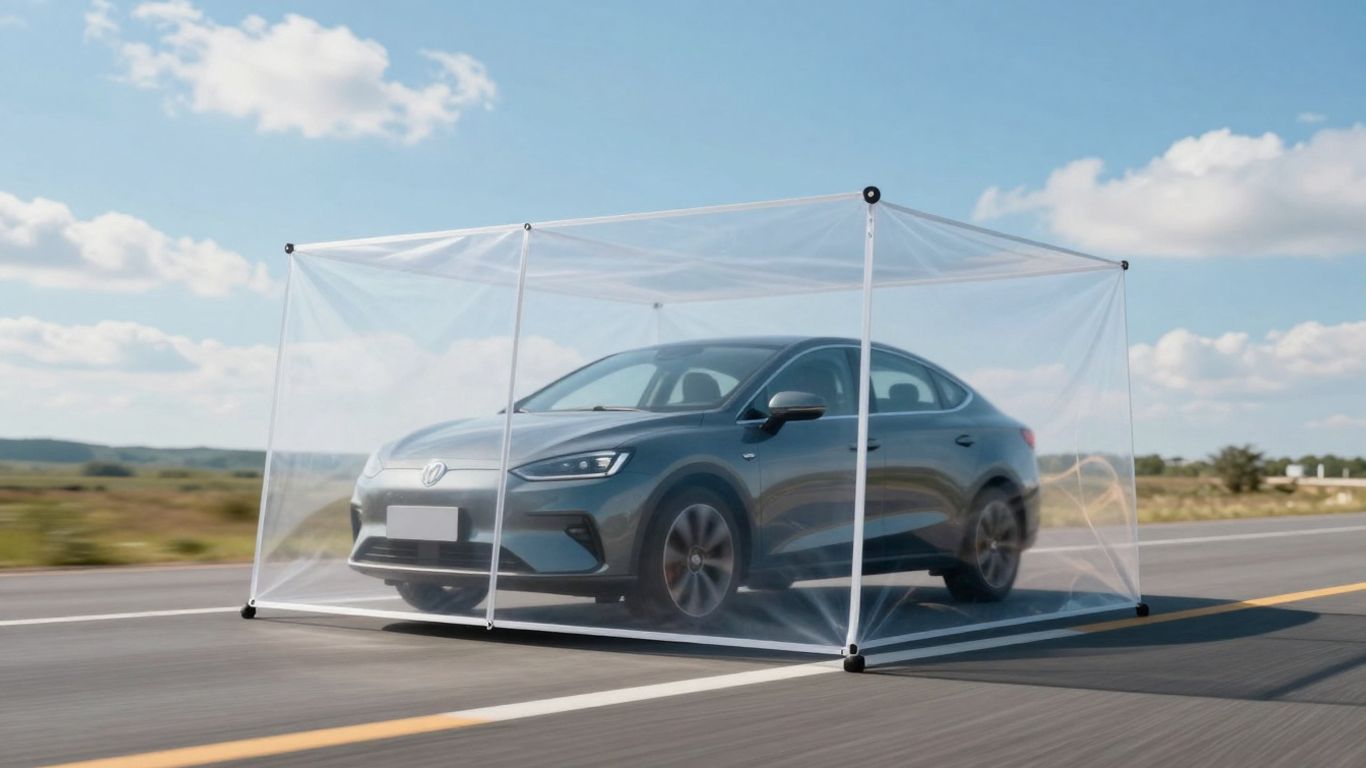
So, what exactly makes up this "full coverage" thing people talk about? It’s not one single policy, but rather a combination of coverages that work together to protect you and your car. Think of it like building blocks. The main ones you’ll usually find bundled are liability, collision, and comprehensive.
Liability Coverage Explained
This is the bedrock of most auto insurance policies, and it’s required in almost every state. Liability coverage is all about protecting others if you’re the one who causes an accident. It’s split into two main parts:
- Bodily Injury Liability: If you hurt someone in an accident you caused, this helps pay for their medical bills, lost wages, and even legal fees if they sue you. It’s there to help cover the costs associated with injuries to other people.
- Property Damage Liability: This covers damage you cause to someone else’s property. That could be their car, a fence, a building – anything you hit or damage while driving that belongs to someone else.
This coverage doesn’t pay for your own car’s damage or your own injuries. It’s strictly for the other party involved.
Collision Coverage Details
Collision coverage is what helps pay to fix or replace your own car if it gets damaged in a crash. It doesn’t matter if you were at fault or not. This covers things like:
- Hitting another car.
- Running into a stationary object, like a tree or a pole.
- Damage from a rollover.
- Even minor fender benders.
This coverage usually comes with a deductible, which is the amount you pay out-of-pocket before the insurance kicks in. So, if your deductible is $500 and the repairs cost $2,000, you’d pay $500, and the insurance would cover the remaining $1,500.
Comprehensive Coverage Explained
While collision covers crashes, comprehensive coverage is for everything else that could happen to your car that isn’t a collision. It’s often called "other than collision" coverage. Think of these scenarios:
- Theft: If your car gets stolen.
- Vandalism: If someone intentionally damages your car.
- Natural Disasters: Damage from things like hail, floods, or windstorms.
- Fire: If your car catches fire.
- Falling Objects: Like a tree branch falling on your car.
Similar to collision, comprehensive coverage also typically has a deductible. It’s designed to protect your vehicle from a wide range of unexpected events that aren’t related to a car accident.
When Full Coverage Auto Insurance Is Recommended
So, you’re wondering if "full coverage" is the way to go. It’s not a one-size-fits-all answer, really. It boils down to your specific situation and what makes you feel comfortable. Think about it like this: if you’ve got a brand-new car, or one you’re still paying off, you’re probably going to want that extra layer of protection. It just makes sense to safeguard a significant investment.
Protecting Newer Or Financed Vehicles
If your car is new, or if you’ve got a loan or lease on it, your lender or leasing company will almost certainly require you to have what most people call "full coverage." This usually means having both collision and comprehensive insurance. They want to make sure their investment is protected if something happens to the car. It’s pretty standard practice. If you’re still making payments, you’re essentially sharing ownership, and they want their stake covered.
Assessing Your Personal Financial Risk
This is a big one. How much could you realistically afford to pay out of pocket if your car got seriously damaged or was totaled? If you have a decent emergency fund and could handle a major repair bill without it sinking you, maybe you don’t need every single bell and whistle. But if a big repair would put you in a tough spot financially, then more coverage is probably a smart move. It’s about weighing the cost of premiums against the potential cost of an accident.
Here’s a quick way to think about it:
- High Risk: You have limited savings, and a major car repair would be a financial disaster.
- Medium Risk: You have some savings, but a large repair would still be a significant strain.
- Low Risk: You have substantial savings and could easily cover a major repair or replacement.
Considering Your Driving Habits
Where and how you drive matters too. If you spend a lot of time on busy highways, deal with aggressive drivers, or live in an area with a lot of traffic and fender-benders, you might be more prone to accidents. Parking your car on a busy street versus a secure garage also plays a role. The more risk factors you have in your daily driving routine, the more sense it makes to have robust coverage. Think about your commute, your parking situation, and the general driving environment around you. It all adds up.
Beyond The Basics: Optional Coverages
So, you’ve got the main parts of "full coverage" sorted out – liability, collision, and comprehensive. But what if you want a little extra peace of mind? There are a bunch of other coverages you can add to your policy that aren’t always included in that basic "full coverage" package. Think of these as the add-ons that can really tailor your insurance to your specific needs and potential risks.
Uninsured and Underinsured Motorist Protection
This one’s pretty important, especially if you live in an area where a lot of people might not have insurance or enough of it. Basically, if you get into an accident with someone who either has no insurance (uninsured) or not enough insurance to cover the damages (underinsured), this coverage steps in. It can help pay for your medical bills and sometimes even your car repairs. It’s a real lifesaver when the other driver can’t cover the costs.
Medical Payments and Personal Injury Protection
These coverages are all about handling medical expenses after an accident, no matter who was at fault. Medical Payments (MedPay) typically covers you, your passengers, and sometimes family members for medical or funeral costs. Personal Injury Protection (PIP) is a bit broader and can cover medical bills, lost wages, and even essential services you might need if you’re injured. PIP is usually found in "no-fault" states, meaning you go through your own insurance first.
Rental Reimbursement and Roadside Assistance
Life happens, and sometimes your car needs to go to the shop. Rental reimbursement coverage helps pay for a rental car while yours is being fixed after a covered claim. It means you’re not stuck without transportation. Roadside assistance is like having a helpful friend on call. It can cover things like towing if your car breaks down, a jump-start for a dead battery, or even help if you lock your keys inside. It’s handy for those unexpected roadside hiccups.
Gap Coverage for Leased or Financed Vehicles
If you have a newer car that’s leased or financed, you might owe more on the loan than the car is actually worth, especially if it gets totaled. That’s where gap coverage comes in. It covers the difference, or the "gap," between what your insurance pays out for the car’s actual cash value and the amount you still owe on your loan. Without it, you’d be stuck paying off a car you can no longer drive.
Here’s a quick look at what these optional coverages can do:
- Uninsured/Underinsured Motorist: Protects you when the at-fault driver lacks sufficient insurance.
- Medical Payments/PIP: Covers medical costs for you and passengers, regardless of fault.
- Rental Reimbursement: Pays for a rental car while yours is being repaired.
- Roadside Assistance: Offers help with towing, jump-starts, and other roadside emergencies.
- Gap Coverage: Covers the difference between your car’s value and your loan balance if it’s totaled.
When you’re looking at insurance, it’s easy to just stick with the basics. But taking a few extra minutes to consider these optional coverages can make a big difference if something unexpected happens. It’s about making sure you’re not left with a huge bill or stranded when you least expect it.
Making Your Full Coverage Auto Insurance Work For You
So, you’ve got a handle on what "full coverage" usually means – liability, collision, and comprehensive. That’s a great start. But insurance isn’t a one-size-fits-all deal. Making it truly work for you means looking at your own life and figuring out what makes sense. It’s about getting the protection you need without paying for stuff you don’t. Think of it like tailoring a suit; you want it to fit perfectly, not be too baggy or too tight.
Tailoring Coverage To Your Lifestyle
Your daily routine and how you use your car play a big role. Are you commuting an hour each way, or just running to the grocery store a few times a week? Do you live in an area with a lot of car theft or severe weather? These details matter. For instance, if you drive a lot, especially on busy highways, you might want higher liability limits. If you live in a place prone to hail or flooding, comprehensive coverage becomes even more important. It’s about matching your policy to your actual risks.
- High Mileage Commuters: Consider higher liability limits and possibly roadside assistance for unexpected breakdowns.
- Urban Dwellers: Uninsured/underinsured motorist coverage can be a good idea due to higher traffic density.
- Rural Drivers: Evaluate risks like animal collisions, which fall under comprehensive.
- Severe Weather Areas: Comprehensive coverage is key for damage from storms, hail, or flooding.
Understanding Deductibles And Premiums
This is where the rubber meets the road financially. Your deductible is the amount you pay out-of-pocket before your insurance kicks in for collision or comprehensive claims. A higher deductible usually means a lower premium (what you pay regularly), and vice versa. It’s a trade-off. You need to decide if you’d rather pay a bit more each month or have a larger bill if something happens. It’s a good idea to check out how to find the best car insurance rates to see how different deductibles might affect your overall cost.
Here’s a quick look at how deductibles can impact your premium:
| Deductible Amount | Estimated Premium Impact |
|---|---|
| $500 | Moderate |
| $1,000 | Lower |
| $1,500 | Lowest |
Remember, the goal is to find a balance. A super low premium with a deductible you can’t afford to pay if you need it isn’t really helping you in the long run.
Evaluating Your Insurance Needs
Your insurance needs aren’t static. They change as your life changes. That new car you bought? It probably needs more protection than your old clunker. Did you pay off your car loan? You might not need gap coverage anymore, and maybe you can adjust your collision and comprehensive coverage. It’s wise to review your policy at least once a year, or whenever you have a major life event like buying a new car, moving, or changing your driving habits. This regular check-up helps make sure you’re not overpaying or, more importantly, underinsured.
Wrapping It Up
So, while "full coverage" sounds like it means everything is covered, it’s really just a common way to talk about a mix of policies. Think of it as a starting point. What really matters is making sure the coverages you choose actually fit your life and your car. It’s not about getting the most expensive plan, but the right one for you. Take a look at what you drive, how you use it, and what you can afford for deductibles and monthly payments. That’s how you build a policy that truly protects you without costing too much.
Frequently Asked Questions
What exactly is “full coverage” car insurance?
Think of “full coverage” as a popular nickname, not an official insurance term. It usually means you have a mix of coverages, like liability, collision, and comprehensive. It’s a way people describe having protection for different kinds of accidents and damage, but it doesn’t mean every single thing is covered.
Does “full coverage” cover everything?
Not quite! While it offers broad protection, “full coverage” doesn’t guarantee that every single possible car problem or accident will be paid for. There are always limits and specific situations that might not be included, so it’s important to know the details of your policy.
What are the main parts of “full coverage”?
Typically, “full coverage” includes liability insurance (which pays for damage you cause to others), collision coverage (for damage to your car from crashes), and comprehensive coverage (for damage from things like theft, fire, or falling objects).
Why is “full coverage” confusing?
It’s confusing because there’s no single, official definition. What one person calls “full coverage” might be different for someone else. Insurance companies usually prefer to talk about the specific types of coverage you have, like liability, collision, and comprehensive, rather than using the general term “full coverage.”
When should I consider getting “full coverage”?
It’s a good idea if you have a newer car, a car that’s still being paid off (financed or leased), or if you want extra protection for your vehicle beyond just covering damage to others. It also makes sense if you want to protect yourself from major repair costs if your car is damaged.
Are there other coverages I might need besides the basics?
Yes! You might want to think about things like uninsured/underinsured motorist coverage (if you’re hit by someone with no or little insurance), medical payments or personal injury protection (for medical bills), rental car reimbursement (if your car is in the shop), and roadside assistance. Gap insurance is also helpful if you owe more on your car than it’s worth.