

Flooding can be a real headache, and sometimes, it feels like water damage can come out of nowhere. Many people assume their regular home insurance has them covered for any water issue, but that’s often not the case. This article breaks down what flood insurance actually is, what it typically covers, and importantly, what it leaves out. We’ll also look at how to figure out what you need and what to do if you can’t get it.
Key Takeaways
- Standard home insurance usually doesn’t cover flood damage from outside your home, like overflowing rivers or heavy rain. You often need separate flood insurance for this.
- Flood insurance typically includes coverage for the structure of your home, your belongings (contents), and extra living expenses if you have to move out.
- Optional coverages like sewer backup protection and overland flood insurance can be added to your policy, as they are not always standard.
- Your flood insurance premium, deductible, and coverage limits are influenced by your home’s location and the assessed flood risk in your area.
- Flood insurance generally won’t cover damage from poor maintenance, freezing pipes (unless specific precautions are met), or natural events like tsunamis.
Understanding Flood Insurance Coverage
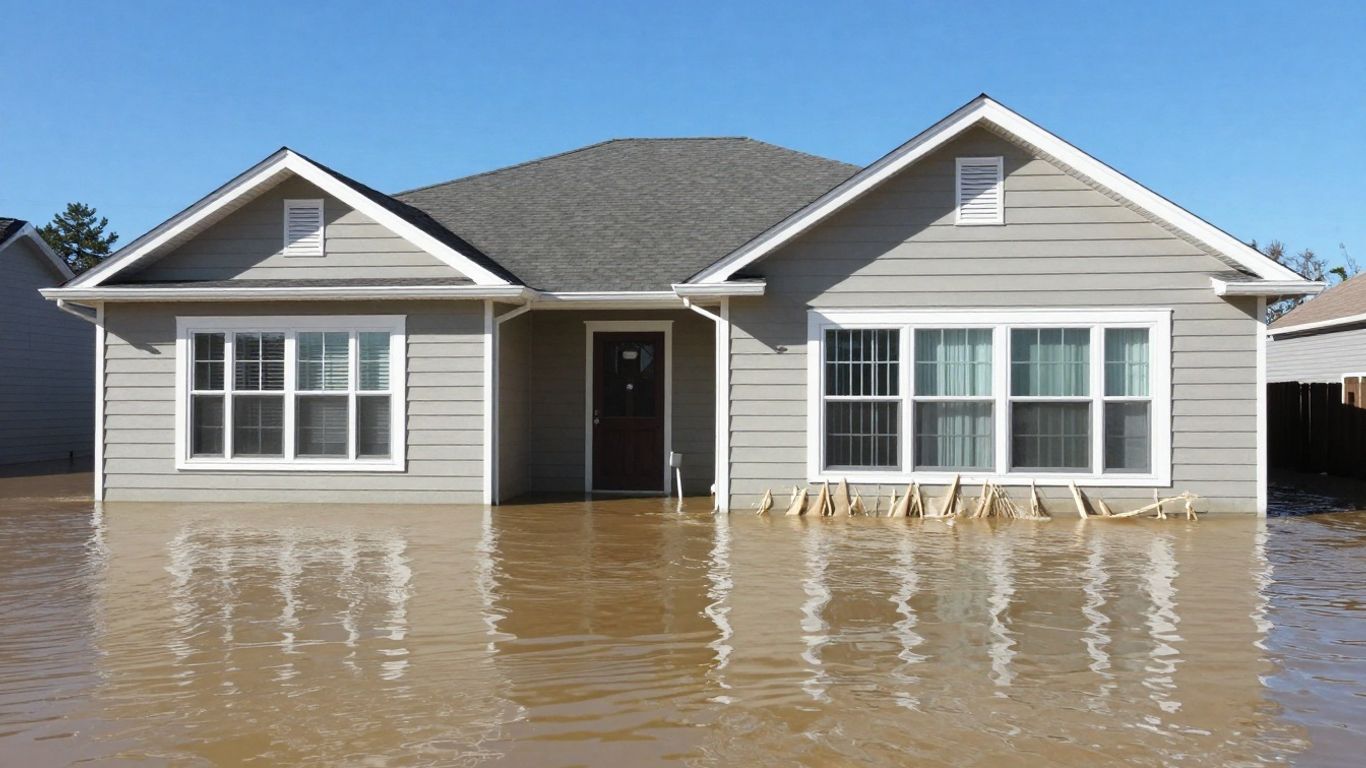
So, what exactly does flood insurance cover? It’s a bit different from your regular homeowner’s policy, and that’s where a lot of confusion happens. Think of it this way: your standard home insurance usually covers water damage from things like a burst pipe inside your house or a leaky roof. But when water comes from outside and inundates your property, that’s generally where flood insurance steps in.
What Flood Insurance Typically Covers
Flood insurance is designed to help you get back on your feet after a flood event. It usually breaks down into a few key areas:
- Structure or Dwelling Coverage: This part helps pay for repairs to the actual building. We’re talking about things like your foundation, walls, floors, and even the roof if it’s damaged by the floodwaters. It can also cover essential systems like plumbing and electrical that get damaged.
- Contents Coverage: This is for your personal belongings. Think furniture, electronics, clothing, and appliances. If floodwaters ruin your couch or your TV, this coverage can help you replace them.
- Additional Living Expenses (ALE): If your home becomes unlivable due to a flood, ALE coverage can help pay for temporary housing, like a hotel or rental, as well as meals and other necessary living costs while your home is being repaired.
Distinguishing Flood Damage from Other Water Damage
This is a really important point. Insurance companies make a clear distinction between a flood and other types of water damage. A flood, in insurance terms, typically means surface water from a natural source that has spread over land that is normally dry. This could be from heavy rain, melting snow, or overflowing rivers.
Water damage from things like:
- A washing machine hose bursting
- A toilet overflowing
- A pipe freezing and bursting inside your home
- A leaky roof (unless the leak is caused by a flood)
…are usually covered by a standard homeowner’s policy, not flood insurance. It can be frustrating, but knowing the difference is key to making sure you have the right coverage when you need it.
The Role of Standard Home Insurance Policies
Your standard homeowner’s insurance policy is your first line of defense for many types of damage, including some water-related issues. It’s designed to protect against perils like fire, windstorms, and theft. As mentioned, it often covers internal water damage from plumbing failures or appliance malfunctions. However, it almost never covers damage caused by external flooding. This is why, especially if you live in an area with any flood risk, you can’t rely solely on your standard policy. You need that separate flood insurance policy to cover those specific external water events.
Key Components of Flood Insurance Policies
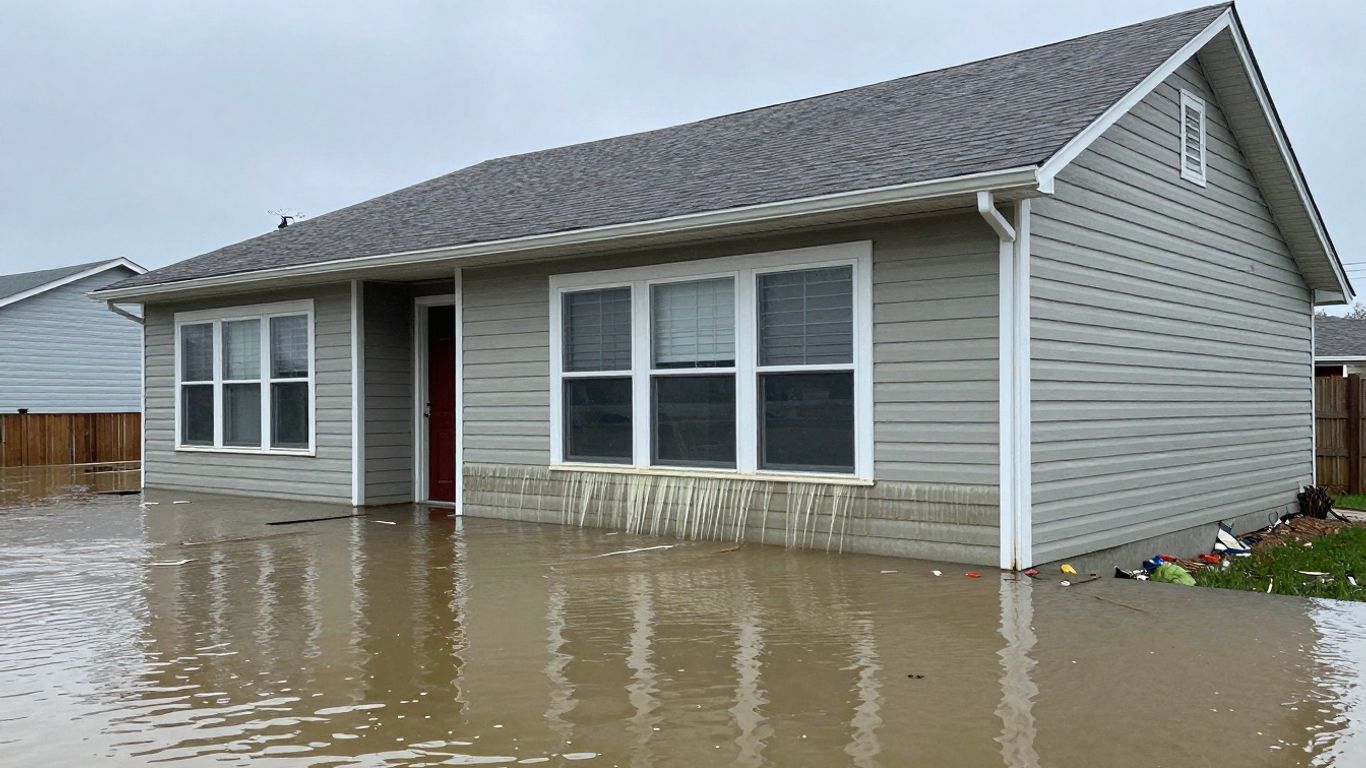
When you’re looking into flood insurance, it’s helpful to know the main pieces that make up a typical policy. Think of it like building blocks for your protection. Most policies are designed to cover the big stuff, but understanding each part helps you figure out if you’re getting enough coverage for your situation.
Structure or Dwelling Coverage
This is usually the biggest part of your flood insurance. It’s all about protecting the actual building – your house itself. If a flood hits, this coverage helps pay for repairs to the foundation, walls, floors, and even the roof. It can also cover things like built-in appliances and systems like your electrical and plumbing. The goal here is to get your home back to its pre-flood condition. This can involve a lot of work, from drying out soaked materials to replacing damaged structural elements that can’t be saved. It’s not just about the visible damage; water can seep into places you can’t see, causing problems later on.
Contents Coverage
While dwelling coverage takes care of the house, contents coverage is for everything inside it. This includes your furniture, electronics, clothing, and other personal belongings. If these items are damaged or destroyed by a flood, this part of your policy helps you replace them. It’s important to know that there might be separate limits for certain high-value items, so if you have a lot of expensive art or jewelry, you might need to look into special riders or additional coverage. Making a list or taking photos of your belongings before a flood can be a lifesaver when it comes time to file a claim.
Additional Living Expenses (ALE)
This is a really important, though sometimes overlooked, part of flood insurance. If a flood makes your home unlivable, ALE coverage helps pay for the extra costs you incur while you’re displaced. This could mean hotel bills, temporary rental costs, and even increased food expenses if you can’t cook in your temporary accommodation. It’s designed to help you maintain a similar standard of living while your home is being repaired. Without ALE, you could be stuck paying for both repairs and a place to live out of your own pocket, which can be a huge financial strain. This coverage is also available for renters, helping them find a temporary place to stay and replace their damaged belongings, as a landlord’s policy typically only covers the building itself. Flood insurance coverage should ideally include these three main components to offer robust protection.
Optional Flood Insurance Coverages
Standard flood insurance policies are great, but sometimes they don’t cover everything you might need. Think of these as add-ons, like getting extra cheese on your pizza – they just make things better.
Sewer Backup Protection
This is a big one for many people. Heavy rains can overwhelm city sewer systems, and sometimes, that means the water backs up right into your home. It’s not a pleasant thought, but it happens. Standard flood insurance often doesn’t include this, so you’ll want to check if you can add it on. It can cover damage to your structure and belongings caused by sewage or drain water backing up into your home. Cleaning up after a sewer backup can be really expensive, so this protection is worth looking into.
Overland Flood Coverage
This is different from sewer backup. Overland flooding happens when water from outside, like a river, lake, or even a small creek, spills over its banks and comes onto your property. Even if you don’t live right next to a major body of water, you might be surprised to learn about smaller creeks that run underground in your area. Heavy rain, quick snowmelt, or ice dams can all cause these bodies of water to overflow. This type of coverage is specifically for water coming from the ground up, not from the sky down.
Coverage for Businesses and Renters
It’s not just homeowners who need to think about flood insurance. If you rent your home, your landlord’s insurance won’t cover your personal stuff if it gets damaged by a flood. You’ll need your own policy to protect your belongings and help with temporary living expenses if you have to move out. Businesses can also get flood insurance. If a flood hits your business, you might not be able to operate for a while, and that means lost income. Business flood insurance can help cover repairs, replace inventory, and even make up for that lost income so you can get back on your feet. The National Flood Insurance Program offers options for both renters and businesses.
It’s easy to think that flood insurance is only for people living right on the coast or next to a big river. But the reality is that floods can happen anywhere, and sometimes the most unexpected places are the most vulnerable. Checking for optional coverages can make a big difference when disaster strikes.
Factors Influencing Your Flood Insurance
So, you’re thinking about flood insurance. It’s not a one-size-fits-all deal, and a few things really shake up what you get and what you pay. Let’s break down what goes into it.
Determining Coverage Limits
When you’re looking at flood insurance, the amount of coverage you need really boils down to the value of your home and everything inside it. It’s not just about what you paid for the house, but more about what it would cost to actually rebuild or repair it after a flood. You might want to do a little digging into local construction and restoration costs to get a good idea of what you’d be looking at. This helps make sure your policy limits are set right, so you’re not underinsured when disaster strikes.
Understanding Deductibles
Next up is the deductible. This is the amount you’re expected to pay out of pocket before your insurance company steps in. Think about what you could comfortably afford to pay if you had to make a claim. Picking a lower deductible usually means your monthly premiums will be higher. On the flip side, a higher deductible can lower your regular payments, but you’ll need to have that larger sum ready if you need to file a claim. Some folks set up a small emergency fund just for this.
Premium Costs and Risk Assessment
Your flood insurance premium isn’t just pulled out of thin air. Insurance companies look at a bunch of stuff to figure out how much risk you’re actually facing. This includes things like:
- Your home’s location: Are you in a known flood zone? How close are you to rivers or coastlines?
- The type of property: Is your home built on a slab, a crawl space, or a basement? Basements are generally more vulnerable.
- Your home’s elevation: Higher elevation usually means lower risk.
- Building materials and features: Things like flood vents or elevated utilities can sometimes lower your premium.
- The history of flooding in your area: Past events can indicate future risk.
The insurance company uses all these factors to assess the likelihood of a flood claim and sets your premium accordingly. It’s all about balancing the risk they’re taking on with the price you pay.
It’s a good idea to chat with your insurance agent about these factors. They can help you understand how each one might affect your policy and what options you have.
What Flood Insurance Does Not Cover
It’s easy to think flood insurance covers every kind of water problem, but that’s not quite the case. Standard flood policies are designed for specific scenarios, and a lot of other water-related issues fall outside their scope. Understanding these limitations is key to avoiding surprises when you need to file a claim.
Wear and Tear or Poor Maintenance
Flood insurance, like most insurance, is meant to cover sudden and accidental damage. It’s not designed to fix problems that happen over time due to neglect or simply because things get old. Think of it this way: if your roof has been leaking for years because you never replaced those old shingles, and then a heavy rain causes water damage inside, that’s likely not going to be covered. The insurance company will probably point to the lack of maintenance as the root cause. The same goes for things like foundations that crack because they weren’t properly sealed or maintained over the years.
Insurance policies are built around protecting you from unexpected events, not from the natural aging process of your home or from issues that arise from not taking basic care of your property. Regular inspections and upkeep are your first line of defense against many common problems that could otherwise be blamed on a lack of maintenance.
Damage from Freezing or Ice Dams
While freezing temperatures can lead to water damage, flood insurance typically doesn’t step in for issues stemming from frozen pipes or ice dams on your roof. If your pipes burst because they froze, that’s usually considered a home insurance matter, not a flood insurance one. However, there are often specific conditions for this coverage. For instance, if you were away during the heating season and didn’t take precautions like draining your pipes or having someone check your home regularly, your claim might be denied. Ice dams, those chunky ridges of ice that form at the edge of your roof, can cause water to back up under shingles and leak into your home. This type of damage is generally excluded from standard flood policies and is often linked back to issues with attic insulation or roof ventilation, which are maintenance-related.
Tsunamis and Tidal Waves
This might seem obvious, but it’s worth clarifying. Flood insurance covers inundation from rising bodies of water like rivers, lakes, or heavy rainfall causing surface water to pool. It does not cover damage caused by seismic events like earthquakes that trigger tsunamis or large tidal waves. These are considered separate perils, and if you live in an area prone to such events, you would need specific coverage for them, which is usually not part of a standard flood policy.
Navigating Flood Insurance Availability
Sometimes, getting flood insurance isn’t as straightforward as you might think. Even with the best intentions, you might run into a few roadblocks when trying to secure coverage.
When Flood Insurance May Not Be Offered
It’s a tough pill to swallow, but in some areas, insurance companies simply won’t offer flood insurance. This usually happens when the risk of flooding is just too high. Insurers look at the likelihood of repeated or major claims, and if the numbers don’t add up for them, they’ll steer clear. This can be particularly frustrating if you live in a place that’s known for flooding, or if flood zones are expanding in your area.
The increasing frequency of severe weather events means that flood risks are changing, and what was once considered a low-risk area might not be anymore.
Alternatives When Coverage Is Limited
So, what do you do if your usual insurance company doesn’t offer flood coverage, or if you’re in one of those high-risk zones? Don’t despair just yet. Your first step should be to shop around. Another insurance company might offer policies in your area, even if your current one doesn’t. It’s worth checking with different providers, especially those that specialize in high-risk areas or have specific flood insurance programs. Sometimes, local or even government-backed programs might offer some form of assistance or insurance, though these can vary greatly.
- Research companies that specialize in high-risk insurance.
- Look into any government-backed flood insurance programs available in your region.
- Consider if a different type of policy, like a broader water damage policy, might offer some protection, though it likely won’t cover true flooding.
Mortgage Lender Requirements
Here’s where things can get really serious. Even if you don’t think you need flood insurance, your mortgage lender might require it. If you live in a designated flood zone, or if your property has a history of flooding, your lender might make flood insurance a condition of your mortgage. This isn’t just about protecting their investment; it’s about protecting yours too. If you can’t get flood insurance, and your lender requires it, you could face issues when it’s time to renew your mortgage. It’s a good idea to understand your lender’s specific requirements early on, so you’re not caught off guard.
Wrapping It Up
So, we’ve talked a lot about flood insurance, and honestly, it can get a little confusing. It’s not usually part of your regular home insurance, which is a big deal because floods are happening more often. Remember, things like burst pipes are different from a river overflowing. You’ll want to check if your policy covers sewer backups or water coming from outside your home, as these often need extra coverage. Think about how much it would cost to fix your place and replace your stuff if the worst happened. Knowing what’s covered and what’s not, and making sure you have the right amount of protection, is key to not getting stuck with a huge bill when you least expect it. It’s worth the time to chat with your insurance agent and get it sorted.
Frequently Asked Questions
What exactly is considered a flood for insurance purposes?
An insurance company sees a flood as a lot of water covering land that’s usually dry. This usually means water from outside your home, like a river overflowing or heavy rain causing widespread puddles. Things like a burst pipe inside your house or a leaky roof are typically not called floods by insurance companies, though they might be covered by your regular home insurance.
Does my regular home insurance cover flood damage?
Usually, no. Standard home insurance policies typically don’t cover damage caused by flooding from outside sources. You’ll likely need a separate flood insurance policy or an add-on to your existing policy to be covered for flood damage.
What parts of my home does flood insurance cover?
Flood insurance generally covers damage to your home’s structure, like walls, floors, and the foundation. It can also cover your belongings, such as furniture, clothes, and electronics. Some policies also offer coverage for extra costs if you can’t live in your home while it’s being repaired.
Are there extra coverages I can get for floods?
Yes, you can often add extra coverage. This might include protection for sewer backups, which happen when wastewater flows back into your home, or for overland flooding, which is when water from rivers or lakes spills onto dry land. These are usually not part of a basic flood policy.
How much does flood insurance cost?
The cost, or premium, depends on a few things. Where you live and how likely it is to flood are big factors. If you live in an area with a high risk of flooding, your insurance might cost more. The amount of coverage you choose and your deductible also play a role.
What if I can’t get flood insurance where I live?
In some very high-risk areas, insurance companies might not offer flood coverage. If this happens, your options could be limited. It’s important to check with different insurance providers. Sometimes, mortgage lenders might require you to have flood insurance, so if you can’t get it, it could affect your mortgage.