

When you think about protecting your home, flood insurance often comes up, especially if you live in a risky area. But it’s not always straightforward. Policies have specific rules about what they cover and, just as importantly, what they don’t. Understanding these details is key to making sure you’re actually covered when disaster strikes. This article breaks down the common exclusions in flood insurance so you know what to expect.
Key Takeaways
- Standard flood insurance policies cover damage directly caused by flooding, but they often exclude water damage from other sources like sewer backups or sump pump overflows.
- Damage to landscaping, outdoor structures, and costs for additional living expenses are typically not covered by basic flood insurance policies.
- Understanding the exact wording and definitions in your flood insurance policy is vital, as endorsements can change or clarify coverage.
- Gaps in flood protection might require looking into specialized flood insurance or coordinating with other types of policies.
- Accurate disclosure of risk factors during the application process is required; failing to do so can lead to denied claims or voided coverage.
Understanding Flood Insurance Coverage
When we talk about flood insurance, it’s really about understanding what’s covered and, just as importantly, what’s not. Think of it like a contract – it lays out the deal between you and the insurance company. It’s not just about the big, obvious stuff; it’s in the details.
Defining Flood Perils and Hazards
First off, what exactly is a "flood" in insurance terms? It’s usually defined as a general condition of partial or complete inundation of normally dry land caused by the overflow of inland or tidal waters, unusual and rapid accumulation or runoff of surface waters from any source, or mudflow. This is different from just a leaky pipe in your basement, which is a whole other ballgame. Hazards are the conditions that make a flood more likely or worse, like living in a low-lying area or having poor drainage.
Distinguishing Between Named Perils and Open Perils
Policies generally fall into two main categories: named perils and open perils. It’s a pretty big difference.
- Named Perils: This type of policy only covers damage caused by the specific events listed in the policy. If it’s not on the list, you’re not covered. It’s like a grocery list – if it’s not on the list, you don’t buy it.
- Open Perils: This is broader. It covers damage from any cause unless it’s specifically excluded in the policy. So, if something happens and it’s not listed as an exclusion, it’s generally covered. This is often called "all-risk" coverage, though that term can be a bit misleading because there are always exclusions.
The Role of Exclusions in Policy Limitations
Exclusions are the parts of the policy that spell out what is not covered. They’re super important because they limit the insurer’s responsibility. Without exclusions, insurance policies would be incredibly expensive, if they existed at all. They help keep premiums manageable and prevent coverage for things that are either uninsurable or that policyholders can reasonably manage themselves. Understanding these exclusions is just as critical as understanding what is included in your policy.
Insurance policies are built on a foundation of what’s covered and what’s not. The definitions of perils and hazards set the stage, while the distinction between named and open perils dictates the breadth of coverage. However, it’s the exclusions that truly define the boundaries of the protection offered, acting as crucial limitations on the insurer’s liability and shaping the overall risk management strategy for the policyholder.
Key Exclusions in Standard Policies
Even with flood insurance, it’s important to know what’s typically not covered. Standard policies often have specific carve-outs, meaning certain types of water damage or related issues won’t be paid for. This isn’t to trick you, but rather to define the boundaries of the coverage and keep premiums manageable.
Water Damage Not Caused by Flooding
This is a big one. Flood insurance is designed for damage caused by the "inundation" of normally dry land. If your water damage comes from a leaky pipe inside your house, a burst water heater, or even a storm that causes rain to come through your roof (but not due to rising external water levels), that’s usually not considered a flood. These types of events are typically covered under a standard homeowners policy, not flood insurance. It’s all about the source of the water.
- Internal plumbing failures: Leaks from pipes, appliances like washing machines, or overflowing toilets.
- Roof leaks: Unless directly caused by a flood event that has already inundated the property.
- Appliance malfunctions: Water damage from a malfunctioning dishwasher or refrigerator.
Sewer Backup and Sump Pump Overflow
Damage from water backing up through sewers or drains, or from a sump pump failing, is another common exclusion in many flood policies. While it’s certainly a water-related disaster, it’s often treated separately. Some homeowners policies might offer an endorsement (an add-on) for sewer backup, but it’s not a given. Flood insurance specifically focuses on external water inundating the property.
It’s crucial to check your specific policy documents to see if these specific scenarios are addressed, either by inclusion or exclusion. Sometimes, separate coverage is needed.
Damage from Other Natural Disasters
Flood insurance is, well, for floods. It doesn’t typically cover damage from other natural events, even if they often happen alongside or lead to flooding. Think about it: a hurricane might cause wind damage and flooding. The wind damage would be covered by a standard homeowners policy (if you have one that covers wind), but the flood damage would fall under the flood policy. Similarly, earthquakes can cause ground shaking and sometimes trigger tsunamis or landslides that lead to flooding, but the earthquake damage itself isn’t covered by flood insurance.
- Earthquakes: Damage from shaking or resulting landslides.
- Windstorms: Damage directly caused by high winds, separate from any flooding.
- Hail: Damage to roofs or other structures from hail.
Understanding these exclusions helps you know where your flood policy begins and ends, and what other types of insurance you might need to consider for complete protection.
Specific Exclusions in Flood Insurance
Even with flood insurance, there are certain things that typically aren’t covered. It’s not like a blanket protection for every single water-related issue. Understanding these specific exclusions is pretty important so you don’t end up surprised when you need to file a claim.
Damage to Landscaping and Outdoor Structures
Most standard flood insurance policies won’t pay to replace your prize-winning roses, your mature oak tree, or that nice wooden deck you built. Landscaping, including trees, shrubs, and plants, is generally excluded. The same often goes for outdoor structures that aren’t attached to your main building, like detached garages, sheds, fences, swimming pools, and patios. While these might get damaged by a flood, the insurance policy usually draws a line here.
- Trees and shrubs
- Fences and retaining walls
- Decks and patios
- Swimming pools
- Detached sheds or garages
Loss of Use and Additional Living Expenses
If a flood makes your home unlivable, you might need to stay in a hotel or rent a temporary place. Standard flood insurance policies usually don’t cover the costs associated with this. This means you won’t get reimbursed for additional living expenses (ALE) or loss of use. It’s a bit different from standard homeowners insurance, which often includes ALE coverage for other types of covered losses. So, if you’re displaced by a flood, you’ll likely need to cover those extra costs yourself.
It’s a common misconception that flood insurance works just like other property insurance. While it protects your structure and belongings from flood damage, it often lacks certain coverages, like additional living expenses, that are standard elsewhere.
Mold and Mildew Beyond Covered Flood Damage
Flooding can create conditions ripe for mold and mildew growth. While flood insurance will cover the direct physical damage caused by the floodwaters themselves, it generally won’t cover the costs associated with mold or mildew that develops after the flood event, especially if it’s due to slow leaks or moisture that wasn’t directly caused by the initial inundation. There are exceptions, of course, particularly if the mold is a direct result of flood damage that is itself covered. However, if the mold is a result of poor maintenance or a separate issue, it’s likely not covered. The key is often whether the mold is a direct and immediate consequence of the covered flood event.
The Importance of Policy Interpretation
Understanding Policy Language and Definitions
When you buy an insurance policy, it’s easy to just glance at the declarations page and think you’re all set. But the real meat of what you’re covered for, and more importantly, what you’re not covered for, lies within the policy’s actual wording. Insurance policies are legal documents, and like any legal document, the language matters. Sometimes, a word that seems straightforward in everyday conversation can have a very specific, technical meaning within an insurance contract. For example, what exactly constitutes a "flood" according to your policy? Is it just rising water from a river, or does it include surface water accumulation after a heavy rain? The definitions section of your policy is your first stop for clarity. It’s where terms like "peril," "hazard," "damage," and even "flood" itself are precisely defined. Getting a handle on these definitions is the absolute first step to understanding your coverage. Without this, you’re essentially trying to understand a game without knowing the rules.
The Impact of Endorsements on Coverage
Think of endorsements as little add-ons or modifications to your standard insurance policy. They can either add coverage that wasn’t there before, remove something that was, or clarify existing terms. For flood insurance, an endorsement might be something that specifically broadens the definition of flood damage or adds coverage for certain types of water damage that are typically excluded. On the flip side, an endorsement could also be used to limit coverage in a specific way. It’s really important to know if you have any endorsements attached to your policy, because they can significantly change what you thought you were covered for. Sometimes these are added automatically, and sometimes you have to specifically request them. It’s like getting a custom order versus a standard one – the details can make a big difference.
Navigating Ambiguities in Insurance Contracts
What happens when the policy language isn’t crystal clear? This is where things can get tricky. Insurance policies are drafted by insurers, and if there’s an ambiguity – meaning a word or phrase could reasonably be interpreted in more than one way – courts often interpret that ambiguity in favor of the policyholder. This is a legal principle designed to protect consumers. However, relying on this can be a gamble. It’s always better to have a clear, unambiguous policy from the start. If you find yourself questioning what a certain part of your policy means, especially when you have a claim, it’s worth digging deeper. Sometimes, a quick call to your agent or even seeking advice from a legal professional specializing in insurance can save you a lot of headaches down the road. Don’t just assume; try to get a definitive answer.
Insurance policies are not always written in plain English. They are legal contracts, and the exact wording can have a significant impact on what is covered and what is not. When a dispute arises, the interpretation of these words becomes paramount. It’s a bit like trying to solve a puzzle where some of the pieces might look similar but fit in very different ways.
Addressing Gaps in Flood Protection
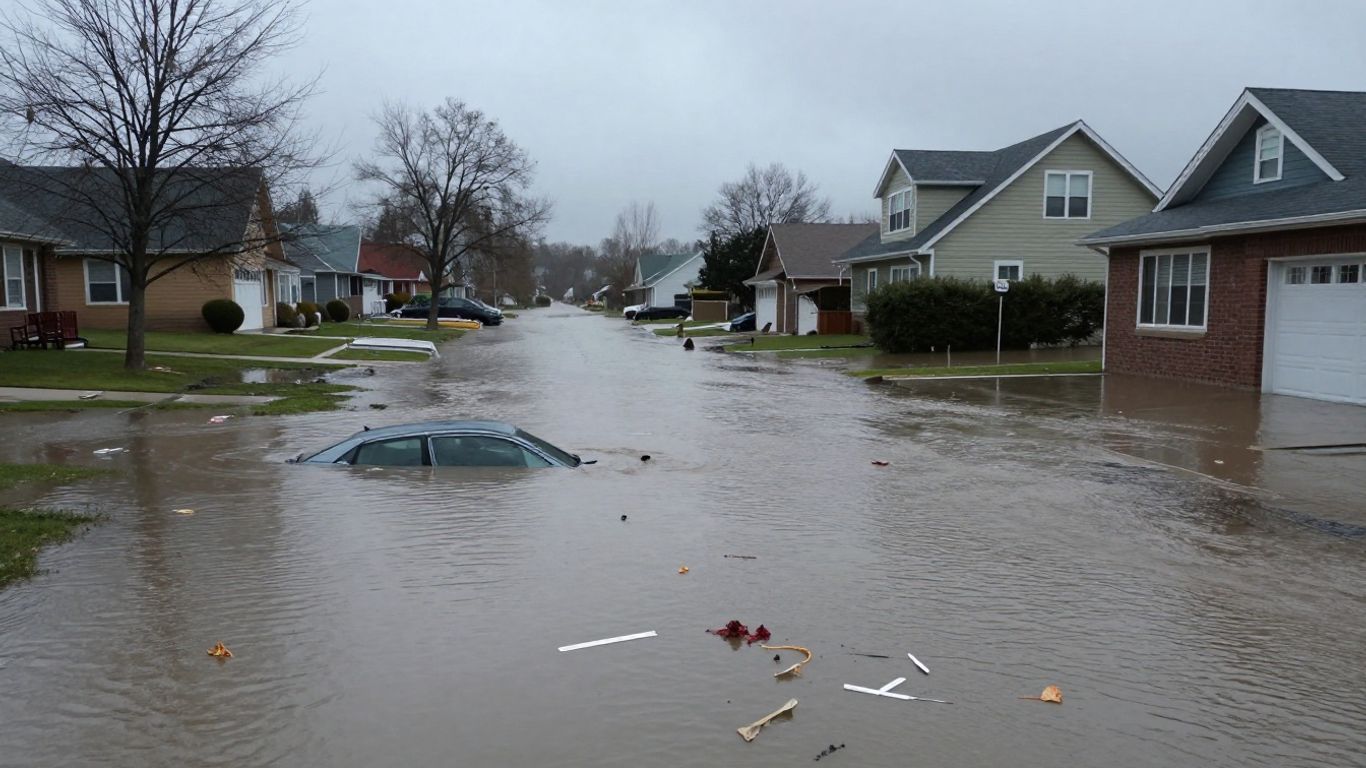
Even with a flood insurance policy, there might be situations where your coverage doesn’t fully cover everything. It’s like having a raincoat but forgetting to bring a hat for a really rainy day. Sometimes, the standard policies just don’t cover every single possibility, and that’s where you need to think about extra layers of protection.
Considering Excess and Umbrella Policies
Think of excess and umbrella policies as backup coverage. If your main flood insurance policy has a limit – say, $250,000 – and you have a massive flood that causes $400,000 in damage, that extra $150,000 isn’t covered by your primary policy. An excess or umbrella policy can kick in to cover that difference, provided it’s structured to do so. These policies don’t usually start paying until your primary insurance is used up. They’re designed for those really big, unexpected losses that go beyond typical limits.
Coordinating Multiple Insurance Coverages
It’s not just about flood insurance. You might have homeowners insurance, and maybe even separate policies for other things. The trick is making sure they all work together without leaving holes. For example, if your homeowners policy covers some water damage but not flooding, and your flood policy has specific exclusions, you need to know exactly where one stops and the other begins. This coordination is key to avoiding situations where you think you’re covered, but you’re actually not.
Here’s a quick look at how different policies might interact:
| Policy Type | Primary Coverage Focus |
|---|---|
| Standard Homeowners | Dwelling, personal property, liability (named perils) |
| Flood Insurance | Direct flood damage to building and contents |
| Excess/Umbrella | Additional limits above primary policies |
The Need for Specialized Flood Insurance
Sometimes, standard flood insurance, even with added layers, might not be enough. This is especially true for businesses with unique assets or very high-value properties. In these cases, you might need to look into specialized flood insurance products. These are often tailored to specific industries or risks and can provide coverage for things that standard policies leave out. It’s about getting the right fit for your specific situation, not just a one-size-fits-all solution.
It’s really important to read your policies carefully. What seems like a small detail in the fine print can make a big difference when you actually need to make a claim. Don’t be afraid to ask your insurance agent or broker to explain anything you don’t understand. They’re there to help you figure out what you’re covered for and what you’re not.
Disclosure Obligations and Material Facts
When you apply for flood insurance, or any insurance for that matter, there’s a big expectation that you’ll be upfront about everything. It’s not just about filling out a form; it’s about a principle called ‘utmost good faith.’ This means both you and the insurance company are expected to be completely honest.
Applicant’s Duty to Disclose Risk Factors
Basically, you have to tell the insurance company about anything that could affect their decision to insure you or how much they charge. Think of it like this: if you’re selling your car, you’d probably mention if it had a weird engine noise or a dent, right? Insurance is similar, but the stakes are higher. You need to disclose facts that are ‘material’ – meaning they’re important enough that they could change the insurer’s mind about offering coverage or affect the price. For flood insurance, this could include things like:
- Previous flood damage to the property.
- Proximity to known flood zones or bodies of water.
- Any modifications made to the property that might increase flood risk.
- Whether the property has a history of drainage issues.
Failure to disclose these kinds of details can have serious consequences down the line. It’s not about hiding minor things; it’s about making sure the insurer has a clear picture of the risk they’re taking on.
Consequences of Misrepresentation or Concealment
So, what happens if you don’t tell them something important, or if you accidentally give them wrong information? This is where things can get tricky. If the insurance company finds out later that you misrepresented a material fact (lied or gave false information) or concealed one (left out important information), they might have the right to void your policy. This means it’s as if the policy never existed, and they won’t pay out any claims, even if the loss was clearly due to flooding. It’s a harsh outcome, but it’s there to protect the insurance pool from people who might try to get coverage unfairly.
Insurance contracts are built on a foundation of trust and transparency. Both parties must act with honesty. If an applicant fails to disclose information that could influence the insurer’s decision, the validity of the policy can be jeopardized, potentially leaving the policyholder without protection when they need it most.
The Insurable Interest Requirement
Another key piece of the puzzle is having an ‘insurable interest.’ This sounds a bit formal, but it just means you have to stand to suffer a financial loss if the insured event (in this case, a flood) happens. You can’t take out insurance on your neighbor’s house just because you don’t like them and want to see them have a bad day. You need a legitimate financial stake. For property insurance, like flood insurance, this insurable interest needs to exist at the time the flood damage occurs. If you bought the house after the flood, you didn’t have an insurable interest in the damage that happened before you owned it. This rule stops people from using insurance as a way to gamble or profit from someone else’s misfortune.
Underwriting and Risk Assessment for Flood Risk
When an insurance company decides whether to offer flood coverage and how much to charge, they go through a process called underwriting and risk assessment. It’s basically their way of figuring out how likely it is that a claim will be made and how much that claim might cost. They look at a lot of different things to make this call.
Evaluating Geographic Exposure and Flood Zones
One of the biggest factors is where the property is located. Insurers pay close attention to flood maps, which show areas that are more prone to flooding. These maps are often created by government agencies and are pretty detailed. Properties in high-risk zones, like those near rivers or coastlines, naturally have a higher chance of experiencing flood damage. This means the insurance company sees them as a greater risk.
- High-Risk Zones: Properties in these areas often face higher premiums and may have more specific policy requirements.
- Moderate-Risk Zones: While less prone than high-risk areas, these locations still have a notable chance of flooding.
- Low-Risk Zones: Flooding is less common here, but it’s not impossible. Insurers still consider potential risks, though often at a lower level.
The location of a property is a primary driver in assessing flood risk. Insurers rely heavily on official flood zone designations to understand the inherent dangers associated with a particular area.
Analyzing Historical Loss Data
Past events are a good indicator of future possibilities. Insurance companies collect and analyze data on past flood claims. They look at how often floods have occurred in certain areas, the severity of the damage from those floods, and how much was paid out in claims. This historical information helps them predict future losses more accurately. If an area has a history of frequent and costly flood damage, insurers will likely adjust their underwriting and pricing accordingly.
The Role of Actuarial Science in Pricing
Actuarial science is the backbone of how insurance companies price risk. Actuaries are professionals who use math and statistics to figure out the likelihood of future events, like floods. They take all the information gathered – geographic data, historical losses, property characteristics – and use complex models to calculate the premium. The goal is to set a price that is fair to the policyholder but also allows the insurance company to cover potential claims and remain financially stable. This scientific approach helps ensure that premiums are not just random guesses but are based on solid data and probability.
| Risk Factor | Impact on Premium | Notes |
|---|---|---|
| High Flood Zone | Increases | Based on official flood maps |
| Frequent Past Losses | Increases | Historical claim data analysis |
| Property Elevation | Decreases | Lower elevation generally means higher risk |
| Proximity to Water Body | Increases | Rivers, lakes, coastlines |
Claim Handling for Flood-Related Losses
The Claims Process and Notification Requirements
When a flood happens, the first thing you need to do is let your insurance company know. This is called giving notice of loss. Most policies have a deadline for this, and if you wait too long, it could cause problems with your claim. You can usually report a loss by phone, through an online portal, or maybe even an app. It’s a good idea to have your policy number handy when you call.
- Gather initial documentation: This might include photos of the damage, receipts for any temporary repairs you’ve made, and a list of damaged items.
- Understand your policy’s notification period: Check your policy documents for specific timeframes.
- Keep records of all communication: Note down who you spoke with, when, and what was discussed.
The claims process is where the insurance contract really gets put to the test. It’s the point where the insurer has to follow through on its promise to help after a covered event. This stage requires careful attention to detail from both the policyholder and the insurance company to make sure everything is handled correctly according to the policy terms.
Investigating Flood Damage and Coverage
After you report the flood, the insurance company will likely send an adjuster to look at the damage. This person’s job is to figure out what happened, check if the damage is covered by your policy, and estimate how much it will cost to fix. They’ll look at your property, ask questions, and review any documents you provide. It’s important to be honest and thorough during this part of the process. They’ll be comparing the damage against what your policy says it covers and, just as importantly, what it excludes.
Resolving Coverage Disputes and Denials
Sometimes, there can be disagreements about whether a loss is covered or how much the payout should be. This is where understanding your policy language really matters. If your claim is denied, or if you don’t agree with the settlement offer, you have options. You can ask for a review, try mediation, or in some cases, pursue legal action. It’s often helpful to get a second opinion from another adjuster or a public adjuster if you feel the initial assessment isn’t fair. Disputes often arise from differing interpretations of policy exclusions and causation.
| Potential Dispute Area | Common Issues |
|---|---|
| Cause of Damage | Determining if water damage was from flooding or another excluded peril. |
| Scope of Damage | Disagreements on the extent of property affected. |
| Valuation of Loss | Differences in estimating repair or replacement costs. |
| Policy Exclusions | Interpretation of specific exclusions like mold or landscaping damage. |
Mitigating Moral and Morale Hazards
Insurance is a pretty neat tool for managing risk, but it’s not without its quirks. Two of those quirks are what the industry calls ‘moral hazard’ and ‘morale hazard.’ They sound similar, and they’re related, but they’re not quite the same thing. Understanding them is key to how insurance policies are structured, especially when it comes to things like flood insurance.
How Deductibles Influence Claim Behavior
So, what’s the deal with deductibles? Basically, a deductible is the amount of money you, the policyholder, agree to pay out-of-pocket before your insurance kicks in. Think of it as your share of the loss. For example, if you have a $1,000 deductible on your flood policy and a covered flood causes $5,000 in damage, you’ll pay the first $1,000, and the insurance company will cover the remaining $4,000.
This setup is a pretty direct way to tackle moral hazard. When you have some ‘skin in the game,’ you’re naturally more inclined to be careful. You’re less likely to file a small claim that might not be worth the hassle of paying your deductible, and you might think twice before taking on extra risks if you know you’ll have to pay a portion of any resulting damage.
Here’s how deductibles can affect behavior:
- Reduced Claim Frequency: Policyholders might absorb minor damages themselves rather than filing a claim, especially if the claim amount is close to or less than the deductible. This saves the insurer money on administrative costs for small claims.
- Increased Risk Awareness: Knowing you’ll have to pay a portion of a loss can make you more mindful of potential hazards and encourage preventative actions.
- Financial Incentive for Care: Higher deductibles generally mean lower premiums, but they also mean a larger out-of-pocket expense for the insured if a loss occurs. This trade-off encourages a balance between cost savings and personal financial exposure.
Policy Conditions and Insured Responsibilities
Beyond just paying a deductible, insurance policies come with a bunch of conditions and responsibilities that the insured person or business must follow. These aren’t just bureaucratic hurdles; they’re designed to keep the risk manageable for everyone involved. For flood insurance, these might include requirements for maintaining your property, reporting issues promptly, or cooperating with the insurer during a claim.
For instance, a policy might state that you need to take reasonable steps to protect your property from further damage after a flood event. This could mean drying out your home, boarding up broken windows, or moving undamaged belongings to a safe place. Failing to meet these conditions could, in some cases, affect your claim payout.
Some common policy conditions include:
- Prompt Notification: You’re usually required to notify the insurer of a loss or potential loss as soon as reasonably possible. Delays can sometimes complicate investigations and potentially impact coverage.
- Cooperation: Policyholders are expected to cooperate with the insurer’s investigation of a claim. This might involve providing requested documents, allowing inspections, and answering questions truthfully.
- Mitigation of Further Damage: After a loss occurs, you generally have a duty to take reasonable steps to prevent the damage from getting worse. This is about limiting the overall cost of the claim.
- Maintaining Property: Some policies may require that the insured property be maintained in good condition. Neglect that leads to or worsens a loss might not be covered.
The principle of ‘utmost good faith’ is central to insurance contracts. This means both the insurer and the insured are expected to be honest and transparent. For the insured, this involves disclosing all relevant information accurately and fulfilling policy obligations. For the insurer, it means handling claims fairly and promptly. When these duties are not met, it can lead to serious consequences, including claim denials or even policy cancellation.
Preventing Increased Carelessness with Coverage
This is where morale hazard really comes into play. It’s that subtle shift where, because you have insurance, you might unconsciously become a bit less vigilant. It’s not necessarily about intentionally taking bigger risks (that’s more moral hazard), but more about a general relaxation of caution. You might think, "Oh, if something happens, the insurance will cover it," and that thought, even if it’s not conscious, can lead to less diligent maintenance or a slower response to minor issues that could become bigger problems.
Insurers try to combat this through a combination of the tools we’ve already discussed: deductibles and policy conditions. But they also rely on clear policy language that defines what is and isn’t covered, and sometimes, on specific exclusions that remove coverage for losses that are more likely to result from carelessness than from a true, unforeseen event. It’s a constant balancing act to provide protection without inadvertently encouraging a less careful approach to risk management.
Regulatory Landscape of Flood Insurance
State-Level Insurance Regulation
Insurance in the U.S. is mostly handled at the state level. Each state has its own department of insurance that keeps an eye on things. They’re responsible for making sure insurance companies are financially stable, that they treat policyholders fairly, and that the prices they charge make sense for the risks involved. This means insurers have to get their policy forms approved, which includes all the details about what’s covered and what’s not. It’s a lot of paperwork and oversight, but it’s designed to protect people who buy insurance.
- Licensing: Insurers must be licensed in each state they operate in.
- Rate Approval: States review and approve insurance rates to prevent them from being excessive or inadequate.
- Market Conduct: Regulators examine how insurers sell policies, handle claims, and interact with consumers to ensure fair practices.
This state-by-state approach creates a complex web of rules that insurers must follow, especially if they do business across multiple states. It’s a system built on consumer protection and financial stability for the insurance market.
Federal Programs and Mandates
While states handle most insurance regulation, the federal government plays a significant role, particularly with flood insurance. The National Flood Insurance Program (NFIP), managed by FEMA, is the primary source of flood coverage for many Americans. It’s not just a program; it’s a mandate. In high-risk areas, if you have a federally backed mortgage, you’re required to have flood insurance. This federal involvement sets standards and influences the availability and cost of flood coverage nationwide. It’s a unique partnership between government and private insurers who often sell and service these policies.
Ensuring Insurer Solvency and Market Conduct
Keeping insurance companies financially sound is a big deal for regulators. They watch over things like how much money insurers have set aside for future claims (reserves) and their overall capital. This is to make sure that when a big disaster happens, like widespread flooding, the insurance companies can actually pay out all the claims. Beyond just financial health, regulators also focus on market conduct. This means looking at how companies advertise, sell policies, and handle claims. They want to stop unfair practices and make sure consumers are treated honestly. The goal is a stable insurance market where companies are reliable and consumers are protected.
Wrapping Up: What to Remember About Flood Insurance Exclusions
So, we’ve talked a lot about flood insurance and what it covers, but it’s also super important to know what it doesn’t cover. Policies aren’t always straightforward, and there are definitely some water-related risks that might not be included. Think about things like sewer backups or damage from groundwater seepage – these often need separate coverage or aren’t covered at all. It’s really about reading the fine print and understanding that your standard policy might have gaps. Don’t just assume you’re covered for every possible water problem; take the time to check your policy details and ask your insurance agent questions. Knowing these exclusions upfront can save you a lot of headaches and unexpected costs down the road when you actually need to file a claim.
Frequently Asked Questions
What exactly is flood insurance, and what does it cover?
Flood insurance is a special type of coverage that helps pay to repair or replace your home and belongings if they’re damaged by a flood. Think of it as protection for water damage that comes from outside your home, like a river overflowing or heavy rain causing widespread flooding. It’s usually separate from your regular homeowners insurance.
Does my standard homeowners insurance cover flood damage?
Generally, no. Most standard homeowners insurance policies do not cover damage caused by flooding. Flooding is typically listed as an exclusion, meaning it’s a risk that isn’t covered. You usually need to buy a separate flood insurance policy for this type of protection.
What kind of water damage is NOT covered by flood insurance?
Flood insurance is for widespread water damage from external sources like overflowing rivers or heavy rain. It usually doesn’t cover water damage that comes from inside your home, like a burst pipe, a leaky roof, or a clogged drain that causes water to back up. These issues are often covered by your regular homeowners insurance, but it depends on the cause.
What about sewer backup or sump pump failures?
Damage from sewer backups or sump pump failures is often excluded from standard flood insurance policies. Some homeowners policies might offer this as an optional add-on, or you might need a separate endorsement. It’s important to check your specific policy details to see if this is covered.
Does flood insurance cover damage to my yard or outdoor items?
Typically, flood insurance focuses on your home’s structure and your personal belongings inside. Damage to landscaping, like trees, plants, and lawns, or to outdoor structures such as fences, decks, and swimming pools, is usually not covered by standard flood insurance policies.
If I have to leave my home because of a flood, will insurance pay for my hotel?
Standard flood insurance policies usually don’t cover ‘loss of use’ or ‘additional living expenses.’ This means they generally won’t pay for temporary housing, meals, or other costs you incur if you can’t live in your home due to flood damage. Your homeowners policy might offer this coverage for other types of damage, but not usually for floods.
What is ‘utmost good faith’ in insurance, and why is it important?
Utmost good faith means that both you and the insurance company must be completely honest and upfront with each other. You have to tell them all the important facts that could affect their decision to insure you or how much they charge. If you don’t, or if you give them wrong information, they might deny your claim or cancel your policy.
How do I know if I need flood insurance?
Even if you don’t live in a high-risk flood zone, floods can happen anywhere. Heavy rainfall, snowmelt, or even a broken water main can cause flooding. If your property is near a body of water, in a low-lying area, or has experienced flooding before, it’s a good idea to consider flood insurance. Your mortgage lender might also require it if you have a loan.