

So, you’re thinking about fire insurance. It’s basically a safety net for your stuff, especially your building, if a fire happens. We’re going to break down what fire insurance actually is, what it covers when it comes to structural damage, and how these policies are put together. We’ll also look at what’s *not* covered, how much it costs, and the whole process from signing up to making a claim. It’s a lot to take in, but understanding it can save you a huge headache later on.
Key Takeaways
- Fire insurance is a way to manage financial risk by transferring potential losses from a fire to an insurance company. It’s a core part of protecting your assets.
- Policies detail what structures are covered, like your home or business building, and the limits on how much the insurer will pay out, often distinguishing between replacing items new or paying their depreciated value.
- Understanding your policy’s structure is key. This includes knowing if it covers specific listed perils (like fire) or all perils except those excluded, and paying attention to limits and any smaller sublimits for certain items.
- Policies have exclusions, meaning certain things aren’t covered. These are important to know to avoid surprises, and sometimes you can add extra coverage with endorsements.
- The cost of fire insurance, or the premium, is based on risk factors and how the insurer rates different types of properties and potential losses. Deductibles and coinsurance clauses also play a role in how claims are handled and how much you pay out of pocket.
Defining Fire Insurance and Its Role in Risk Management
Purpose of Fire Insurance in Financial Protection
Fire insurance is basically a contract. You pay a regular fee, called a premium, and in return, the insurance company agrees to help cover the costs if your property is damaged or destroyed by fire. Think of it as a safety net for your home or business. Without it, a single fire could wipe out years of savings and hard work. It’s a way to manage the big, scary ‘what ifs’ that could otherwise lead to financial ruin. It helps keep things stable, so one bad event doesn’t completely derail your life or your business.
Risk Pooling and Transfer Mechanisms
How does an insurance company afford to pay for a big fire loss? It’s all about numbers and sharing. Insurance companies collect premiums from a lot of people. This big pot of money is then used to pay for the losses of the few who actually experience a fire. This is called risk pooling. It spreads the financial burden across many, so no single person or business has to bear the full weight of a catastrophic loss. It’s a way of transferring the risk of a huge, unpredictable loss to a company that’s set up to handle it. This mechanism allows individuals and businesses to face potential losses with more confidence.
Fundamental Principles Governing Fire Insurance
Fire insurance, like other types of insurance, is built on some core ideas. For starters, you need to have an ‘insurable interest’ – meaning you’d actually lose money if the property burned down. You can’t insure your neighbor’s house just because you don’t like them. Then there’s the principle of ‘utmost good faith.’ This means both you and the insurance company have to be honest and upfront about everything important. If you don’t tell them about a known fire hazard, they might not cover your loss. Finally, there’s ‘indemnity,’ which means the insurance is supposed to put you back in the financial position you were in before the fire, not make you richer. You get paid for your actual loss, not for a windfall.
- Insurable Interest: You must have a financial stake in the property.
- Utmost Good Faith: Both parties must be truthful and disclose all relevant information.
- Indemnity: The goal is to restore you to your pre-loss financial state, not to profit from the loss.
Insurance isn’t just about getting a payout after a disaster. It’s a system designed to make unpredictable, potentially devastating financial hits manageable. By pooling resources and transferring risk, it provides a level of security that allows individuals and businesses to plan for the future with greater certainty, even when facing the possibility of loss.
Structural Losses Covered by Fire Insurance Policies
When a fire strikes, the damage to a building’s structure can be devastating. Fire insurance policies are designed to help cover these losses, but it’s not always straightforward. Understanding what’s covered, and what’s not, is key to making sure you have the right protection.
Insured Property and Coverage Boundaries
Basically, fire insurance covers the physical building itself – think walls, roof, floors, and built-in fixtures. It also typically extends to other structures on the property, like detached garages or sheds. However, policies have limits. Personal belongings inside the home or business are usually covered under a separate part of the policy, or might require a different type of insurance altogether. It’s important to know where the building’s structure ends and your personal property begins.
- Dwelling: The main building, including its foundation, walls, and roof.
- Other Structures: Detached garages, sheds, fences, and similar outbuildings.
- Fixtures: Items permanently attached to the building, like built-in cabinets or plumbing.
Replacement Cost Versus Actual Cash Value
This is a big one when it comes to how much you’ll actually get if you need to rebuild or repair. Policies can pay out based on two different methods:
- Replacement Cost: This pays to repair or replace the damaged property with new materials of similar kind and quality, without deducting for wear and tear. It’s generally more expensive but offers better protection.
- Actual Cash Value (ACV): This pays the replacement cost minus depreciation. So, if your roof was 10 years old, you’d get the cost of a new roof minus 10 years of its useful life.
The difference between these two valuation methods can significantly impact the payout you receive after a fire.
Business and Residential Property Considerations
While the core principles are similar, fire insurance for businesses and homes has different focuses. For homeowners, the policy usually covers the dwelling, personal property, and loss of use (extra living expenses if you can’t stay in your home). For businesses, it’s more complex. It covers the building, but also inventory, equipment, and business personal property. Crucially, business policies often include coverage for business interruption, which helps replace lost income if the fire forces the business to close temporarily.
Understanding the specific definitions within your policy, like what constitutes ‘structural damage’ versus ‘contents,’ is vital. Don’t assume; always read the fine print or ask your insurance agent for clarification before a loss occurs.
Policy Structure and Key Coverage Provisions in Fire Insurance
When you get a fire insurance policy, it’s not just a single piece of paper saying you’re covered. It’s actually a collection of documents and agreements that lay out exactly what’s protected, under what conditions, and how much the insurance company will pay if something bad happens. Think of it like a contract, but for your property against fire. It’s pretty important to know what you’re signing up for, so let’s break down the main parts.
Declarations Page and Insuring Agreement
The first thing you’ll usually see is the Declarations Page, often called the "Dec Page." This is like the summary of your policy. It lists who is insured, the property address, the policy period (when it starts and ends), the types of coverage you have, the limits for each coverage, and how much you’re paying for it all (the premium). It’s the quick reference guide for your specific policy. Then there’s the Insuring Agreement. This is the core promise from the insurance company. It states that they agree to provide coverage for specific types of losses, usually fire and other listed perils, up to the policy limits, in exchange for your premium payment. It’s the heart of the contract, outlining the insurer’s commitment.
Named Perils Versus Open Perils Coverage
This is a big one when it comes to what’s actually covered. Policies can be written in two main ways: named perils or open perils. With named perils coverage, only the specific causes of loss (perils) listed in the policy are covered. If a fire happens, but the cause isn’t on that list, you might not have coverage. It’s like a checklist – if it’s not on the list, it’s out. On the other hand, open perils coverage, sometimes called "all-risk" coverage (though that’s a bit of a misnomer), covers losses from any cause unless it’s specifically excluded in the policy. This generally offers broader protection, but you still need to read those exclusions carefully.
Here’s a simple way to think about it:
- Named Perils: Covers only what’s listed (e.g., fire, lightning, windstorm).
- Open Perils: Covers everything except what’s listed as an exclusion (e.g., war, nuclear hazard, flood).
Coverage Limits and Sublimits
Coverage limits are the maximum amounts an insurance company will pay for a covered loss. Your Declarations Page will show these limits. For example, you might have a limit of $300,000 for the dwelling itself. But sometimes, there are also sublimits. These are smaller, specific limits that apply to certain types of property or causes of loss within the broader coverage. For instance, while your overall policy might cover $300,000, there might be a sublimit of only $1,500 for "property removed from the premises" or a specific limit for "business property" if you run a home-based business. It’s really important to know these sublimits because they can significantly affect how much you actually get paid if you have a loss involving those specific items.
Understanding the difference between named perils and open perils, along with the specific coverage limits and sublimits, is key to knowing what your fire insurance policy actually protects. Don’t just assume everything is covered; read the details.
Exclusions and Limitations in Fire Insurance Coverage
Standard Policy Exclusions for Structural Loss
Fire insurance policies, while designed to cover damage from fire, don’t just pay out for any fire-related incident. There are specific things that are typically left out of standard coverage. Think of it like a contract – both sides agree on what’s covered and, just as importantly, what’s not. These exclusions are there for a few reasons, mainly to keep premiums fair and to prevent people from trying to get coverage for risks that are just too unpredictable or that they might even cause themselves.
Some common exclusions you’ll find include:
- Acts of War and Nuclear Hazard: Damage from war, invasion, or nuclear events is almost always excluded. These are catastrophic events that insurers can’t reasonably price into a standard policy.
- Governmental Action: If authorities condemn or order the destruction of property, that’s usually not covered. This can happen for various reasons, like public health concerns or safety issues.
- Earthquake and Flood Damage: While fire might be the result of an earthquake or flood, the initial damage from the natural disaster itself (like the ground shaking or water rising) is typically not covered under a standard fire policy. You’d need separate insurance for those specific perils.
- Intentional Acts: If the insured person deliberately sets fire to their own property, that’s not going to be covered. Insurance is meant for accidental losses, not for self-inflicted damage.
Control of Adverse Selection via Exclusions
Exclusions play a big role in keeping insurance fair for everyone. Without them, people who know they’re facing a higher risk might be more likely to buy insurance, while those with lower risks might skip it. This is called adverse selection, and it can really mess up the whole system. If only the highest-risk people are buying insurance, the insurer has to pay out a lot more claims than they collect in premiums, and eventually, premiums would have to skyrocket for everyone.
By excluding certain high-risk or predictable events, insurers can maintain a broader base of policyholders. This helps keep the cost of insurance more manageable for the average person. It’s a way to make sure that the pool of people paying premiums is diverse enough to absorb the losses of the few without bankrupting the insurer or making the insurance unaffordable.
The fine print in any insurance policy is where the real details lie. While the main promise is to cover fire damage, the list of what’s not covered is just as important for understanding your actual protection. It’s always a good idea to read through these sections carefully, or even ask your agent to explain them, so you know exactly where you stand when something unexpected happens.
Endorsements and Supplemental Coverage Options
Now, what if you do need coverage for something that’s normally excluded? That’s where endorsements, also known as riders or endorsements, come in. These are like add-ons to your basic policy that can modify or add coverage for specific risks. For example, if you live in an area prone to earthquakes, you might add an earthquake endorsement to your policy to cover damage from seismic activity, even though it’s usually excluded from standard fire coverage.
Here are a few examples of how endorsements can help:
- Scheduled Personal Property Endorsement: This adds coverage for specific high-value items like jewelry, art, or collectibles that might have sub-limits or be excluded under the main policy.
- Water Backup and Sump Pump Overflow Endorsement: This can add coverage for damage caused by water backing up through sewers or drains, or from a sump pump failing, which is often excluded.
- Ordinance or Law Coverage Endorsement: This helps cover the increased cost of rebuilding or repairing a structure to meet current building codes after a covered loss, which standard policies might not fully address.
These supplemental options allow policyholders to tailor their coverage to their specific needs and the unique risks they face, providing a more complete safety net beyond the standard fire policy.
Premium Determination and Rating Methods for Fire Insurance
Figuring out how much you’ll pay for fire insurance, known as the premium, isn’t just a random number. It’s a careful calculation based on a few key ideas. Insurers need to make sure the money they collect covers potential claims, running the business, and leaves a little room for profit, all while staying competitive. This process involves looking at how often losses might happen and how bad they could be.
Expected Loss and Premium Components
The core of any premium is the ‘expected loss.’ This isn’t about predicting a specific fire, but rather understanding the probability of a fire occurring and the average cost if one does. Think of it as a statistical average. This expected loss is often called the ‘pure premium.’ On top of that, insurers add ‘expense loadings.’ These cover things like the cost of running the business – paying staff, marketing, office space, and so on. So, your premium is really the pure premium plus these operational costs.
Experience and Manual Rating
There are a couple of main ways insurers arrive at your rate. ‘Manual rating’ is like using a standardized guide. The insurer looks at broad categories of risk – like the type of building, its location, and its use – and assigns a rate based on historical data for that group. It’s a straightforward approach. Then there’s ‘experience rating.’ This method adjusts the manual rate based on your own past claims history. If you’ve had few or no claims, you might get a discount. If you’ve had several, your premium could go up. This directly links your past behavior to your future costs.
Credibility Theory and Risk Classification
Sometimes, especially for larger businesses, insurers use something called ‘credibility theory.’ This is a bit more sophisticated. It blends the general rate from the manual (the collective experience of many) with your specific loss history (your individual experience). The idea is that if you have a long and stable claims history, your own experience gets more ‘credibility’ or weight in setting your rate. If your history is short or erratic, the manual rate carries more weight. This helps ensure rates are fair and accurate for everyone.
Insurers also group risks into classes. This helps them manage different types of exposures. Here’s a simplified look:
| Risk Classification | Key Factors Considered |
|---|---|
| Residential Buildings | Construction type, age, occupancy, fire protection |
| Commercial Buildings | Building use, construction, occupancy, fire protection, business type |
| Contents | Type of property, storage, fire protection |
| Specific Occupancies | Restaurants, manufacturing, retail (each has unique fire risks) |
The goal of these rating methods is to create a premium that accurately reflects the risk being insured. It’s a balancing act between making sure the insurer can pay claims and keeping the cost reasonable for the policyholder. It’s not just about the building itself, but also about how it’s used and maintained.
Deductibles, Self-Insured Retentions, and Coinsurance
Deductibles and Claim Frequency Impacts
When you file a fire insurance claim, the deductible is the amount of money you agree to pay out of your own pocket before the insurance company starts covering the rest. Think of it as your initial contribution to the repair or replacement costs. Choosing a higher deductible usually means you’ll pay a lower premium for your insurance policy. It’s a trade-off: you save money on the policy upfront, but you’ll have a larger bill to pay if something actually happens. This setup is designed to discourage small, frequent claims. If you have to pay the first $1,000 of every little incident, you might think twice about reporting minor issues. This helps keep the overall costs down for everyone in the insurance pool.
Coinsurance Clauses to Promote Adequate Insurance
Coinsurance clauses are a bit like a partnership agreement for larger commercial properties, though they can appear in some residential policies too. Essentially, the policy requires you to insure your property for a certain percentage of its value, often 80% or 90%. If you meet this requirement, and a partial loss occurs, the insurance company will pay the full amount of the loss up to the policy limit. However, if you don’t insure the property for the required percentage – meaning you’re underinsured – the insurance company will only pay a portion of the loss. They’ll calculate what they would have paid if you had been insured to the required level and pay you that proportion of your actual loss. It’s a way to make sure you’re carrying a fair amount of the risk yourself, rather than relying entirely on the insurer for even minor underinsurance.
Here’s a simplified look at how it works:
- Scenario 1: Adequate Insurance
- Scenario 2: Underinsurance
Policyholder Self-Insured Retention Structures
A self-insured retention (SIR) is similar to a deductible, but it’s typically used for larger commercial risks and functions a bit differently. With an SIR, the policyholder is responsible for the entire amount of the loss up to the specified retention limit. The insurer’s coverage only kicks in after the SIR has been fully exhausted. This means the policyholder is essentially acting as their own insurer for that initial layer of risk. It requires the policyholder to have the financial capacity to absorb losses up to the SIR amount. Unlike a deductible, which might apply per claim, an SIR can sometimes be an aggregate amount for the policy period, meaning once the total of all claims paid by the policyholder reaches the SIR limit, the insurer then covers subsequent losses for the rest of the policy term. This structure encourages robust risk management and loss control efforts by the policyholder, as they bear the primary financial burden for losses within their retention.
Understanding these financial responsibility structures is key. They aren’t just random numbers; they’re carefully designed mechanisms that influence how insurance works, how much it costs, and how policyholders interact with their coverage when a loss occurs. They balance the insurer’s need to manage risk with the policyholder’s need for protection.
The Fire Insurance Underwriting Process
Risk Assessment and Property Evaluation
Underwriting is basically the insurer’s way of figuring out if they want to take on your risk and, if so, how much they’re going to charge you for it. It’s all about looking closely at what you’re insuring. For a building, this means checking out its construction materials, how old it is, what kind of shape it’s in, and even where it’s located. Is it in an area prone to wildfires? Does it have old wiring that could be a fire hazard? These are the kinds of questions underwriters ask. They’re trying to get a clear picture of the potential for a fire to start and how bad the damage could be if one does. They want to make sure the risk they’re taking on is one they can handle.
Underwriting Criteria for Structural Loss
When it comes to structural loss from fire, underwriters look at a few key things. They’ll definitely want to know about the building’s history – any past fires or major repairs? They’ll also check out the fire protection systems in place, like sprinklers or alarm systems. The type of business or how the property is used matters a lot too. A warehouse storing flammable materials is a different story than a quiet office building. They use all this information to decide if they can offer coverage and at what price.
Here’s a quick look at some factors:
- Construction Type: Wood frame vs. masonry vs. steel.
- Occupancy: Residential, commercial, industrial, or vacant.
- Protection: Fire hydrants, sprinkler systems, alarm services.
- Location: Proximity to fire stations, fire-prone areas.
- Maintenance: General upkeep and condition of the property.
Role of Moral and Morale Hazards
Beyond the physical stuff, underwriters also think about human behavior. This is where moral and morale hazards come in. Moral hazard is when someone might intentionally cause a loss because they’re insured, or perhaps not take good care of the property knowing insurance will cover it. Morale hazard is more about carelessness – maybe not locking doors or being a bit lax with fire safety because, hey, insurance is there. Underwriters try to spot signs of these hazards. It’s tough to measure directly, but things like a history of suspicious claims or a poorly maintained property can be red flags. They might adjust the premium or add specific conditions to the policy to account for these risks.
Underwriting is the gatekeeper for insurance. It’s where the insurer decides who gets coverage, under what terms, and at what cost. It’s a careful balancing act, trying to predict the future and price risk fairly, all while keeping the business afloat.
Claims Handling and Settlement of Structural Fire Losses
When a fire damages a structure, the claims process kicks into gear. It’s the part where the insurance policy really gets put to the test. Think of it as the moment of truth after the smoke clears. The whole thing starts when you, the policyholder, let the insurance company know what happened. This is usually called ‘notice of loss.’ It’s important to do this pretty quickly because policies often have rules about how soon you need to report things. If you wait too long, it could cause problems down the road, depending on where you live and the specific policy details.
Claims Notification and Initial Investigation
After you report the fire, the insurance company will assign someone to look into it. This person is often called a claims adjuster. Their job is to figure out what happened, check if the damage is covered by your policy, and figure out how much the repairs will cost. They might ask for documents, take pictures, talk to people who saw what happened, and inspect the damage themselves. It’s all about gathering the facts to understand the situation.
- Report the loss promptly: Follow the timeline outlined in your policy.
- Document everything: Keep records of the damage, repair estimates, and any expenses incurred.
- Cooperate with the adjuster: Provide requested information and access to the property.
The initial investigation is key to establishing the facts of the loss and determining coverage. It sets the stage for the entire claims process.
Role of Adjusters in Damage Assessment
Adjusters are the ones who really dig into the details of the damage. They’re trained to assess how bad things are and what it will take to fix them. This isn’t just about looking at the burnt parts; they also consider smoke damage, water damage from firefighting efforts, and even structural integrity issues that might not be immediately obvious. They’ll compare their findings to your policy’s terms, like coverage limits and deductibles, to figure out what the insurer will pay. Sometimes, they might bring in specialists, like engineers, if the damage is really complex.
First-Party and Third-Party Loss Distinctions
It’s important to know the difference between first-party and third-party claims. A first-party claim is when you’re claiming for damage to your own property – like your house or business building. This is the most common type of claim after a fire. A third-party claim, on the other hand, happens when someone else claims you’re responsible for damage to their property. For example, if a fire started in your building and spread to a neighbor’s, they might file a third-party claim against your liability insurance. The way these claims are handled and the legal aspects involved can be quite different.
Legal and Regulatory Standards in Fire Insurance
State-Based Regulation and Oversight
Insurance is a heavily regulated industry, and fire insurance is no exception. In the United States, this regulation primarily happens at the state level. Each state has its own Department of Insurance, which acts as the main watchdog. These departments are responsible for making sure insurers are financially sound, that they treat policyholders fairly, and that the prices they charge are reasonable. They also oversee licensing for insurance companies and agents, and they review policy forms before they can be used. It’s a complex system because each state has its own rules, so an insurer operating in multiple states has to keep track of all those different requirements. This state-by-state approach means that the exact rules for fire insurance can vary quite a bit depending on where you live.
Policy Interpretation and Legal Disputes
When a fire happens and a claim is filed, the insurance policy is the main document that guides what happens next. But policies can sometimes be complicated, and disagreements can arise over what certain words or phrases actually mean. This is where contract law and specific insurance legal rules come into play. Courts often interpret insurance policies in a way that favors the policyholder if there’s an ambiguity. This is why clear writing in policies is so important; it helps avoid confusion and potential legal battles down the road. If a dispute does happen, it might be settled through negotiation, or it could end up in court.
Fraud, Misrepresentation, and Claims Resolution
Honesty is a big deal in insurance. The principle of utmost good faith means both the insurer and the insured have to be truthful. If someone provides false information when applying for insurance, especially if that information would have changed the insurer’s decision to offer coverage or the price, it can cause problems. This is called misrepresentation. Similarly, hiding important facts is called concealment. If fraud or material misrepresentation is discovered, it can lead to the policy being canceled or a claim being denied. Insurers have processes in place to detect fraud, as it’s not only illegal but also drives up costs for everyone.
Here’s a look at common issues:
- Misrepresentation: Providing incorrect information on an application.
- Concealment: Failing to disclose a known fact that affects the risk.
- Fraud: Intentional deception for financial gain.
These issues can lead to policy rescission (canceling the policy as if it never existed) or claim denial.
Market Dynamics and Availability of Fire Insurance
Impact of Economic Cycles and Loss Trends
Fire insurance availability and cost aren’t static; they shift with the broader economy and how often fires actually happen. When the economy is doing well, businesses are expanding, and people are building more, which can increase the demand for insurance. However, if there’s a lot of new construction, it also means more structures are out there that could catch fire. On the flip side, during economic downturns, companies might cut back on insurance to save money, or insurers might become more cautious about who they cover.
Loss trends are a big deal too. If there’s been a string of really bad fire seasons, or a major industrial fire that caused huge losses, insurers will definitely take notice. This can lead to higher premiums across the board, or even make certain types of properties harder to insure. Insurers constantly analyze historical loss data and project future risks to set their prices and decide how much coverage they can offer. It’s a balancing act between making sure they have enough money to pay claims and keeping their prices competitive.
Admitted Versus Surplus Lines Insurers
When you’re looking for fire insurance, you’ll mostly deal with what are called "admitted" insurers. These are companies that have been licensed by your state’s insurance department. They have to follow all the state’s rules about how they operate, how they set prices, and how they handle claims. This gives policyholders a good level of protection because the state is watching over them. They also usually have to maintain a certain amount of financial reserves to make sure they can pay claims.
But what happens if a property is just too risky for admitted insurers? That’s where "surplus lines" insurers come in. These are companies that aren’t licensed in your state, but they can still sell insurance, usually for specialized or high-risk properties that standard insurers won’t touch. Think of unique commercial buildings, or properties in areas with very high fire risk. Because they aren’t regulated by the state in the same way, they don’t have to follow all the same rules. This means they can be more flexible with coverage and pricing, but it also means policyholders have less state-level protection. It’s a trade-off for getting coverage that might not otherwise be available.
Reinsurance and Insurer Financial Stability
No single insurance company wants to be on the hook for a massive fire that destroys an entire factory or a large apartment complex. That’s where reinsurance comes in. Reinsurance is basically insurance for insurance companies. When a primary insurer sells a fire insurance policy, especially a large one, they might buy reinsurance to cover a portion of that risk. This means if a huge claim happens, the reinsurer helps pay for it.
This is super important for the stability of the whole insurance market. It allows insurers to take on more risk than they could handle on their own, which means more coverage is available to businesses and individuals. It also helps protect insurers from going bankrupt if they face a series of large, unexpected losses. Without reinsurance, the capacity of the insurance market would be much smaller, and getting fire insurance, especially for larger or more complex properties, would be significantly harder and more expensive. It’s a behind-the-scenes mechanism that keeps the system running smoothly and ensures insurers can actually pay out when disaster strikes.
Risk Management Practices Complementing Fire Insurance
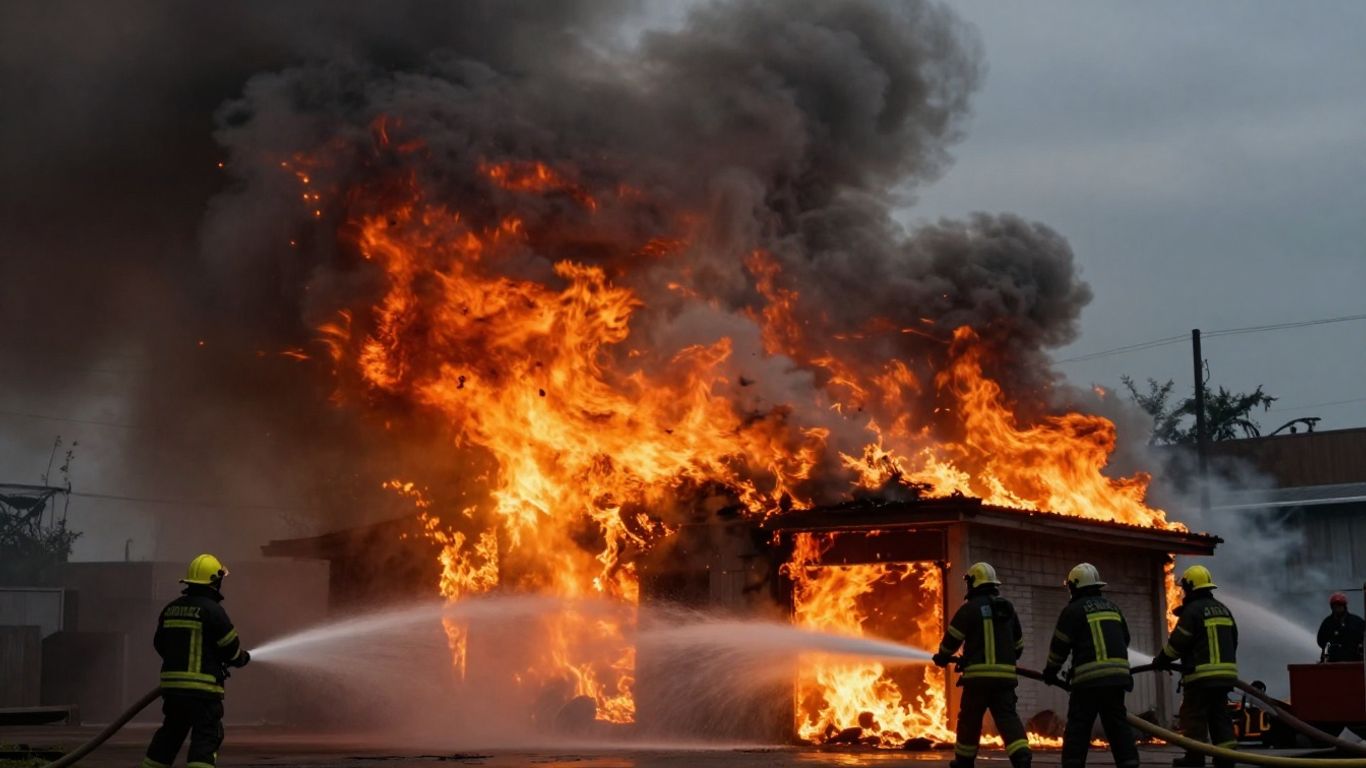
While fire insurance provides a safety net, it’s only part of a larger plan to protect property and people from loss. Most property owners learn quickly that a good risk management game plan can mean less stress, fewer claims, and lower premiums over time. Insurance coverage works best when combined with practical, real-world strategies that reduce the likelihood of fire—and minimize damage when it happens.
Loss Prevention and Mitigation Strategies
Loss prevention focuses on preventing a fire from breaking out in the first place, while mitigation deals with limiting damage when a fire does occur. Common practices include:
- Installing and maintaining fire alarms and sprinkler systems
- Keeping electrical wiring and heating appliances in good condition
- Storing flammable materials away from heat sources
- Practicing emergency fire drills and preparing evacuation plans
- Regular inspection of extinguishers and emergency exits
A combination of these efforts lowers the risk of loss and demonstrates to insurers that the property is taken care of, sometimes leading to policy discounts.
| Loss Prevention Method | Risk Reduction Potential |
|---|---|
| Fire alarms & sprinklers | High |
| Annual electrical inspection | Moderate |
| Fireproof storage cabinets | Moderate |
| Employee fire safety training | High |
Keeping up with regular safety checks and drills makes claims less likely and can speed up recovery when something goes wrong.
Interaction with Other Insurance Coverages
Fire insurance by itself might not cover every situation, so it pays to look at how it works with other types of protection. Examples include:
- Homeowners or renters insurance, which may include personal property and loss-of-use coverage
- Business interruption insurance, helping replace income if operations pause after fire
- Liability coverage, protecting against lawsuits if a fire spreads beyond your property
Coordinating these coverages helps avoid gaps and ensures that, if the worst happens, the financial hit stays manageable.
Contractual and Self-Insurance Approaches
For some, especially larger businesses, it makes sense to go beyond traditional insurance. Here are three approaches:
- Contractual risk transfer: Property owners may shift some risks to contractors or tenants through leases and service agreements, requiring them to hold their own insurance.
- Self-insured retentions: A business accepts responsibility for smaller, predictable losses by covering costs out-of-pocket up to a set limit before insurance kicks in.
- Captives or risk retention groups: Large organizations sometimes form their own insurance companies to cover fire and other risks, gaining more control over costs and claims.
Each option comes with pros and cons, especially in terms of up-front cash requirements and administrative work, but the right mix can bring greater stability and peace of mind.
Wrapping Up Fire Coverage and Structural Loss
So, when we look at fire coverage and how buildings hold up, it’s clear that insurance plays a big part. Policies are set up to cover different kinds of damage, from the building itself to what’s inside. Understanding what your policy actually covers, like whether it’s for named perils or open perils, is super important. It’s not just about the big stuff, either; things like business interruption insurance can keep a company afloat if a fire shuts things down. Ultimately, knowing the ins and outs of your insurance, including what’s excluded and what your limits are, helps make sure you’re not caught off guard when something bad happens. It’s all about being prepared and having the right protection in place.
Frequently Asked Questions
What exactly is fire insurance and why do people get it?
Fire insurance is like a safety net for your property. It’s a type of insurance that helps pay for damages if your home or business building is damaged or destroyed by fire. Think of it as a way to protect yourself financially from a really bad event. It works by spreading the risk among many people, so if one person has a big loss, the insurance company can still pay them using the money collected from everyone else.
What kind of damage does fire insurance usually cover?
Fire insurance typically covers damage to the actual building structure itself. This includes things like the walls, roof, and foundation that are part of the building. It’s important to know that it usually doesn’t cover your personal belongings inside the building, like furniture or electronics, unless you have a separate policy or an endorsement that specifically includes them.
What’s the difference between ‘replacement cost’ and ‘actual cash value’ for fire damage?
These terms decide how much money you get after a fire. ‘Replacement cost’ means the insurance company will pay to rebuild or repair your property with new materials, like for like. ‘Actual cash value’ means they’ll pay the cost to replace it minus the amount it has already aged or depreciated. So, with actual cash value, you might get less money because they take off for wear and tear.
Are there things that fire insurance *doesn’t* cover?
Yes, definitely. Most fire insurance policies have a list of things they won’t pay for, called exclusions. Common exclusions might include damage from floods, earthquakes, or if the fire was caused on purpose by the insured. Sometimes, damage from neglect or lack of maintenance might also not be covered. It’s crucial to read your policy to know what’s left out.
How do insurance companies decide how much to charge for fire insurance (the premium)?
Insurance companies figure out your premium based on a few things. They look at how likely a fire is to happen at your property (like the type of building, its age, and where it’s located) and how much damage a fire could cause. They also consider your past insurance claims. It’s a mix of statistics and looking at your specific situation to guess the potential cost of future fires.
What is a deductible, and how does it affect my fire insurance?
A deductible is the amount of money you agree to pay out-of-pocket before the insurance company starts paying for a claim. For example, if you have a $1,000 deductible and a fire causes $10,000 in damage, you’d pay the first $1,000, and the insurance company would pay the remaining $9,000. Having a higher deductible usually means a lower premium, but you’ll pay more if you have a claim.
What is ‘underwriting’ in fire insurance?
Underwriting is the process insurance companies use to decide if they want to insure your property and how much they’ll charge. They carefully examine your property’s risks, like its condition, building materials, and whether it’s in an area prone to fires. They also look at your history to make sure they’re not taking on too much risk.
What happens after a fire when I need to make a claim?
After a fire, you’ll need to tell your insurance company right away. They will then send an adjuster to inspect the damage. The adjuster’s job is to figure out how bad the damage is, what caused it, and how much it will cost to fix or rebuild. They’ll use this information, along with your policy details, to determine how much the insurance company will pay you.