

Finding affordable insurance options can feel like a puzzle, but it doesn’t have to be. There are many ways to get the coverage you need without breaking the bank. This guide will walk you through some smart strategies and resources to help you find the right plan for your budget and your health.
Key Takeaways
- Understand when you can sign up for health insurance, especially during open enrollment periods or special enrollment due to life changes.
- Explore local providers like Blue Cross Blue Shield and use tools like ZIP code searches to find suitable plans.
- Look for plans with cost-saving features such as virtual urgent care, preventive services, and prescription drug programs.
- Utilize digital tools like online portals and apps to manage your plan, find providers, and access rewards.
- Don’t hesitate to seek help from customer service or licensed clinicians when you have questions or need assistance with your plan.
Exploring Affordable Health Insurance Options
Finding health insurance that fits your budget can feel like a puzzle, but there are definite ways to make it work. It’s not just about picking the cheapest plan; it’s about finding the right coverage for your needs without breaking the bank. Understanding when you can sign up is the first big step.
Understanding Open Enrollment Periods
Think of Open Enrollment as a specific window of time each year when most people can sign up for or change their health insurance plans. If you miss this window, you might have to wait until the next year to get coverage, unless you qualify for a Special Enrollment Period. For most plans, this period typically runs from November 1st to January 15th of the following year. It’s wise to mark these dates on your calendar so you don’t forget.
- November 1st: The enrollment period begins.
- January 15th: The enrollment period typically ends.
- January 16th – October 31st: You generally cannot enroll unless you have a qualifying life event.
Special Enrollment Due to Life Events
Life happens, and sometimes you need health insurance outside the usual Open Enrollment times. This is where Special Enrollment Periods come in. Losing other health coverage, like if you were laid off from a job that provided insurance, is a common reason. Other qualifying events include getting married, having a baby, adopting a child, or moving to a new area where your current plan isn’t available. These events usually give you a limited time, often 60 days, to enroll in a new plan.
Missing the Open Enrollment deadline doesn’t mean you’re out of luck forever. Keep an eye on major life changes, as they can open up a new opportunity to get covered.
Seeking Expert Assistance for Coverage
Trying to figure out all the different plans and terms can be confusing. Luckily, you don’t have to go it alone. Many states have resources, often run by government agencies or non-profits, that offer free help. These experts can explain your options, help you compare plans, and figure out if you qualify for financial assistance, like subsidies that lower your monthly premiums. They’re trained to help people just like you find coverage that makes sense for their situation and their wallet.
Finding Local Insurance Plans
When you’re looking for health insurance, it often makes sense to see what’s available right in your neighborhood. Different companies have different networks of doctors and hospitals, and some might be a better fit for where you live. It’s not just about the price; it’s about having access to the care you need without a long drive.
Blue Cross Blue Shield Provider Options
Blue Cross Blue Shield, often called BCBS, is a well-known name in health insurance. They operate through independent companies in different states. This means that while they share a common brand, the specific plans and networks can vary quite a bit from one area to another. Checking with your local BCBS company is a good first step to see what they offer in your specific region. They’ve been around for a long time, and many people are familiar with their coverage.
Identifying Plans by ZIP Code
One of the easiest ways to narrow down your choices is by using your ZIP code. Insurance companies use this to figure out which plans are available to you and what the costs might be. When you enter your ZIP code on their website, you’ll usually see a list of available plans. This helps filter out options that aren’t even an option for you, saving you time.
Here’s a general idea of what you might see:
| Plan Type | Description |
|---|---|
| HMO | Typically requires you to choose a primary care doctor and get referrals. |
| PPO | Offers more flexibility to see doctors outside the network, usually at a higher cost. |
| EPO | A mix, often requiring you to stay in-network unless it’s an emergency. |
| POS | Combines features of HMOs and PPOs, with specific rules for referrals. |
Understanding Blue Distinction® Specialty Care
Beyond just finding a plan, it’s helpful to know about programs that highlight quality care. Blue Distinction® Specialty Care is a program from BCBS that recognizes hospitals and health systems for their expertise in certain medical areas, like heart care or cancer treatment. When you see this designation, it means those providers have met certain quality standards. It’s a way to help you feel more confident about choosing a doctor or hospital for more complex health needs.
Cost-Saving Features in Health Plans
Finding a health plan that fits your budget is a big deal. Luckily, many plans come with built-in ways to help you save money while still getting the care you need. It’s not just about the monthly premium; it’s about the overall cost of staying healthy.
Virtual Urgent Care and Preventive Services
Think about those times you need quick advice for a minor issue, like a rash or a nagging cough, but it’s late or you can’t get to a doctor easily. Many plans now offer virtual urgent care, often with a low copay or even for free. This can save you the trip to an urgent care clinic and the associated costs. Plus, regular check-ups and screenings are usually covered at no cost. These preventive services are designed to catch potential problems early, which is almost always cheaper than treating them later.
Prescription Drug Savings Programs
Medications can add up fast. Look for plans that have specific programs to help lower your prescription costs. This might include:
- Preferred Pharmacy Networks: Using pharmacies that are in your plan’s network often means lower prices for your prescriptions.
- Mail-Order Options: For maintenance medications, mail-order pharmacies can sometimes offer discounts and the convenience of home delivery.
- Tiered Formularies: Plans often group drugs into tiers, with lower-cost generics in the lowest tiers. Understanding your plan’s formulary (the list of covered drugs) is key.
Access to Patient Assurance Programs
Some insurance providers have programs designed to give you more predictable costs, especially for certain treatments or medications. These programs might cap your out-of-pocket expenses for specific drugs or offer a set, lower price for them. It’s like a guarantee that you won’t pay more than a certain amount, making budgeting much easier. For example, you might find programs that offer certain common medications for a flat fee, regardless of the actual retail price. This kind of predictability can be a huge relief.
When you’re comparing plans, don’t just look at the monthly premium. Dig into the details about copays, deductibles, coinsurance, and what’s covered under prescription drug benefits. Sometimes a slightly higher premium can mean significantly lower costs when you actually use your health services.
It’s worth checking out tips on how to save on health insurance premiums, like considering top-up plans to boost your coverage if you need more protection. Understanding these features can make a big difference in your overall healthcare spending.
Personalized Support for Your Health Journey
Sometimes, figuring out healthcare can feel like a puzzle. That’s where personalized support comes in. It’s about having someone or something that helps you make sense of it all and get the care you need, when you need it. This kind of support can make a big difference in managing your health and making sure you’re getting the most out of your insurance plan.
Virtual Primary and Behavioral Health Care
Need to see a doctor but can’t get to an office? Many plans now offer virtual visits for both routine check-ups and when you’re feeling under the weather. You can connect with a primary care doctor or even a behavioral health specialist right from your home. It’s convenient and can help you stay on top of your health without the hassle of travel.
Health Coaching for Specific Conditions
If you’re dealing with a long-term health issue like diabetes or heart disease, a health coach can be a real game-changer. They work with you one-on-one to create a plan tailored to your specific needs. Think of them as your personal guide, helping you understand your condition better and make lifestyle changes that can improve your well-being. They can also help you track your progress and stay motivated.
Navigating Healthcare Systems with Assistance
Let’s be honest, the healthcare system can be confusing. From understanding bills to figuring out which specialist to see, it’s easy to get lost. Some plans offer services that help you through these tricky parts. This might include a dedicated person to help you sort out complex medical situations or even assistance with understanding your benefits and claims. It’s like having a helpful friend who knows the ropes.
Getting the right support means you’re not facing health challenges alone. It’s about having resources available that simplify your healthcare experience and help you achieve your personal health goals.
Here’s a look at what this support might include:
- Virtual Doctor Visits: Access to doctors for common illnesses and check-ups via video call.
- Mental Health Support: Confidential sessions with therapists or counselors online.
- Condition Management: Guidance from coaches for specific health issues.
- Advocacy Services: Help understanding medical bills and insurance paperwork.
- Personalized Health Plans: Customized strategies for diet, exercise, and treatment.
Finding a plan that includes these kinds of personalized services can really help you feel more in control of your health. It’s a way to get individual health insurance that truly works for you individual health insurance covers everyday health expenses such as dental, vision, and prescriptions. It’s about more than just having coverage; it’s about having a partner in your health journey.
Leveraging Digital Tools and Rewards
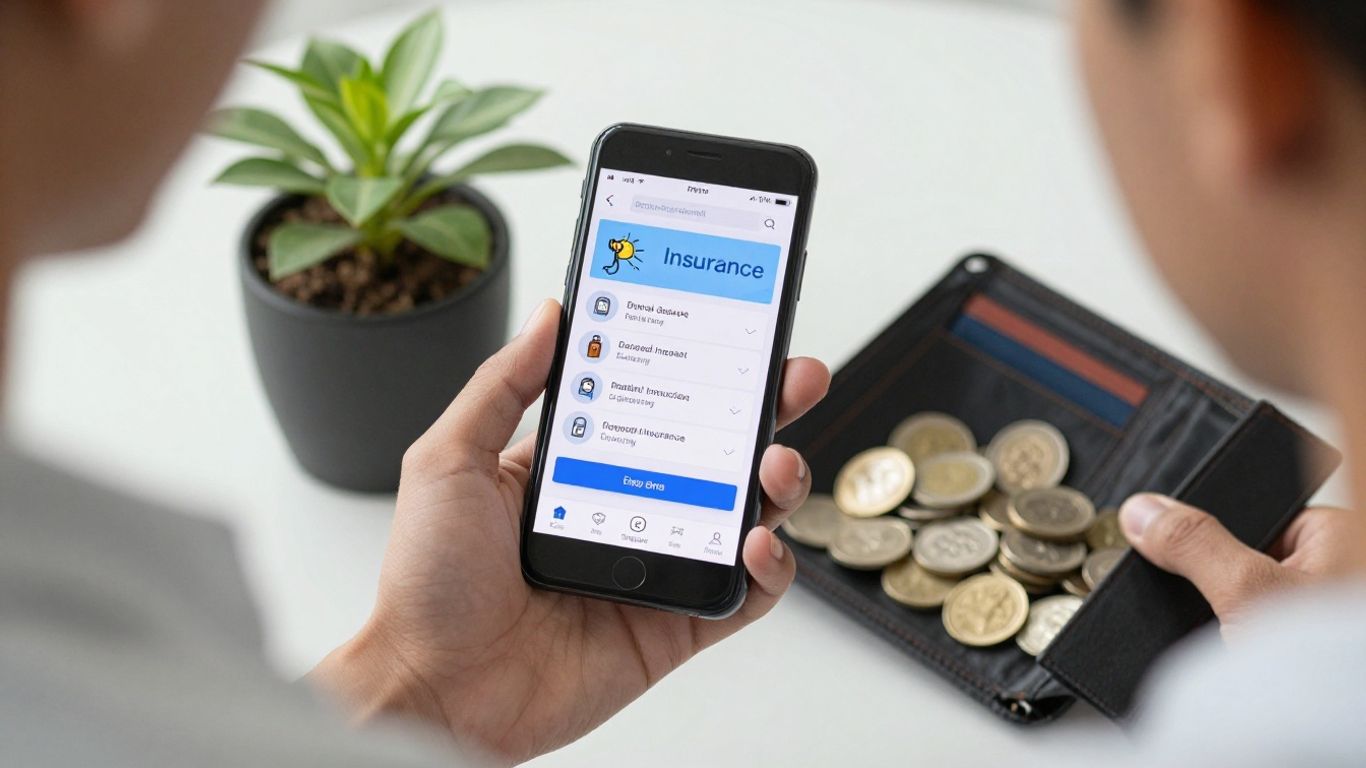
These days, a lot of insurance companies have websites and apps that can make managing your health plan way easier. Think of them as your personal assistant for all things insurance. You can usually log in to see your plan details, check if a doctor is in your network, and even refill prescriptions. Some even send you little reminders about check-ups or potential savings.
Using Online Portals for Plan Management
Most major insurers have online portals. These are super handy for a few reasons:
- Finding Doctors and Hospitals: You can search for doctors, dentists, and hospitals that are part of your plan’s network. This is important because going out-of-network can cost you a lot more.
- Checking Your Benefits: Want to know what your plan covers? The portal usually has this information, often with details about copays and deductibles.
- Managing Claims and Bills: You might be able to submit claims, track their status, and even pay bills directly through the portal. It cuts down on paperwork.
- Getting ID Cards: Need a copy of your insurance card? You can often download and print a temporary one from the site.
It’s a good idea to get familiar with your insurance provider’s online tools early on. The more you use them, the more you’ll understand how your plan works and how to get the most out of it.
Finding In-Network Providers and Pharmacies
This is a big one for saving money. When you use doctors, hospitals, or pharmacies that are
Customer Service for Insurance Needs

When picking a new health plan, figuring things out can feel like a maze. The good news is customer service is there to make things a bit easier. Let’s talk through some real ways you can get help, no matter what time or day it is.
24/7 Access to Customer Support
You shouldn’t have to worry about business hours just because you have a question about your insurance. Many health insurance providers now offer support lines that run 24/7. Here’s what you can expect:
- Speak to a real person anytime—night or day
- Get fast answers about billing or benefits
- Ask about finding a new doctor or pharmacy
Sometimes, you’d rather message, so most plans also have online chat or email help. No one wants to stew all night with a question about a claim, so having support around the clock is a real relief.
Customer Support by Channel (Typical)
| Channel | Availability |
|---|---|
| Phone | 24/7 |
| Online Chat | 24/7 or business hrs |
| Reply in 1-2 days | |
| App/Portal | 24/7 (self-service) |
Assistance with Plan Navigation
Sorting out plan details isn’t always simple. That’s why customer service reps are trained to help you break things down. They can:
- Explain the difference between deductibles, copays, and coinsurance
- Walk you through how to submit claims
- Help you find in-network providers so you don’t get stuck with unexpected costs
- Set up automatic payments or explain your billing statement
Things get confusing quickly—don’t be shy about asking even the small questions. A good customer support team can clear up misunderstandings before they ruin your day.
Consulting Licensed Clinicians
Some insurers let you call or chat with a nurse or doctor, too. If you’re not sure about a new symptom or want advice after hours, these clinicians can:
- Answer health questions that aren’t emergencies
- Guide you on whether to go to urgent care, the ER, or manage things at home
- Offer advice on managing medications or side effects
Quick Tip: Always keep your insurance card handy—customer service will usually ask for your member number to pull up your info faster.
Customer service isn’t just about troubleshooting. It’s your on-demand support system, making everything about health plans a bit less stressful.
Wrapping Up Your Insurance Search
So, finding the right insurance doesn’t have to be a huge headache. We looked at a few ways to get covered, from checking out what your state offers to seeing what big names like Blue Cross Blue Shield and Cigna have. Remember, there are often experts ready to help you figure out the details, and many plans come with extras like discounts or virtual care. Don’t forget to mark your calendar for open enrollment periods, but also know that life changes can sometimes open up special times to sign up. Take your time, compare your choices, and you’ll find a plan that fits your needs and your wallet.
Frequently Asked Questions
What is open enrollment and when is it?
Open enrollment is the yearly period when anyone can sign up for health insurance. For most people, this happens in the fall, usually from November 1st to January 15th. If you miss this window, you might have to wait until the next open enrollment to get coverage, unless you qualify for a special enrollment period.
What is a special enrollment period?
A special enrollment period is a chance to sign up for health insurance outside of the regular open enrollment time. This usually happens if you experience a major life event, like getting married, having a baby, losing other health coverage, or moving to a new area.
How can I find insurance plans in my area?
You can find local insurance plans by using your ZIP code on websites like Blue Cross Blue Shield’s. They can show you the coverage options available where you live. Many insurance companies also have tools to help you search for plans based on your location.
What are some ways to save money on health insurance?
Many plans offer ways to save money. Look for plans that include $0 virtual urgent care visits, free preventive services, and lower costs for prescription drugs. Some plans also have reward programs for staying healthy, like getting a reward for your yearly check-up.
Can I get help managing my health conditions with my insurance?
Yes, many insurance plans offer support for managing health conditions. This can include access to health coaches who can help you with things like diabetes management. Some plans also provide help navigating the healthcare system during difficult times.
How can I get help if I have questions about my insurance plan?
Most insurance companies offer customer support you can reach 24/7. You can call them to ask about your plan details, find doctors, or understand your benefits. Some even let you speak with a licensed clinician anytime you have a health question.