

Key Takeaways
Civil infrastructure failure represents a significant financial and physical risk that requires proactive management and robust legal structures. Understanding the nuances of liability and insurance is essential for stakeholders involved in large-scale public and private projects.
- Infrastructure collapse exposure involves complex interactions between structural integrity, maintenance history, and environmental stress factors.
- Precise legal frameworks for professional negligence and contractual indemnity must be established to manage liability effectively.
- Catastrophe modeling and predictive maintenance allow insurers and project owners to quantify risk before failure occurs.
- Insurance structures like builder’s risk and professional liability are critical components of risk transfer for major public works.
- Regulatory compliance, including rigorous safety inspections and risk disclosure, serves as the primary barrier against unforeseen catastrophic loss.
Understanding civil infrastructure collapse exposure
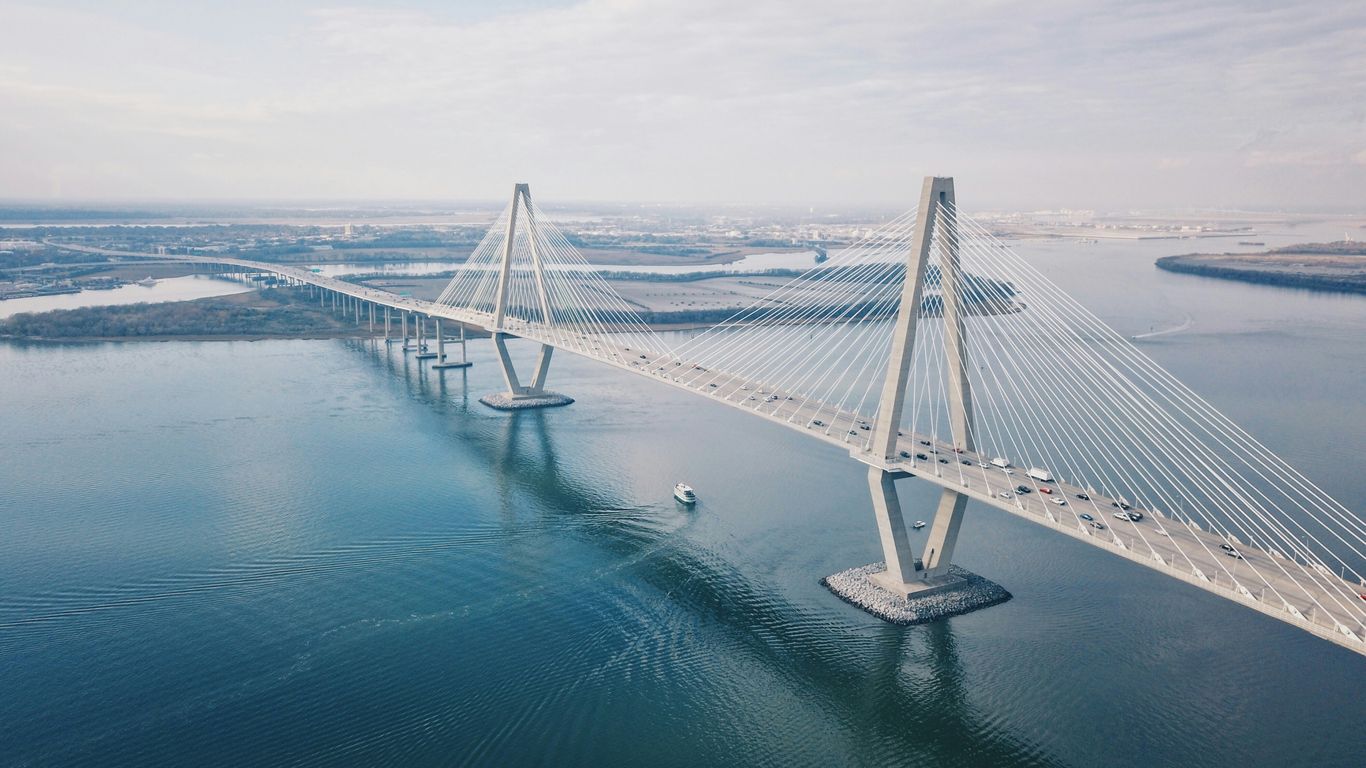
Infrastructure systems across the nation are facing an era where age meets extreme environmental pressure. This reality forces engineers and owners to grapple with civil infrastructure collapse exposure, a risk that goes beyond simple age-related degradation. When critical assets like major bridges or transportation arteries fail, the economic and social fallout can be immense, requiring leaders to understand the scope of their responsibility before tragedy strikes.
Defining the scope of catastrophic infrastructure failure
The engineering definition of catastrophic failure involves more than just a single collapsed beam or failed foundation. Forensic experts often categorize these events based on how localized issues propagate through a system, potentially leading to a total loss of function that is disproportionate to any single initial defect. By studying these patterns, owners can proactively identify structural vulnerabilities before they manifest.
Distinguishing structural failure from ongoing maintenance neglect
It is often difficult to draw a sharp line between sudden structural failure and the quiet erosion caused by deferred maintenance. While some instances are the result of unforeseen material defects, others arise from years of skipped inspections or ignored reporting requirements. Stakeholders must carefully differentiate these causes to avoid coverage disputes or misplaced liability, a topic often explored through Insuuurance, which simplifies how coverage applies to maintenance-related exclusions.
Analyzing the impact of aging assets on long-term risk profiles
Many of our most vital bridges and roads were built to standards that are now considered obsolete. Aging assets face cumulative stress from increased traffic density and shifting environmental conditions, which alters their performance over decades. Professionals often use tools like 9c60 for guidance on managing data for physical assets to stay ahead of these long-term fatigue factors.
Defining the threshold between operational risk and unforeseen catastrophe
Determining where routine operations end and latent catastrophe potential begins is a primary challenge for risk assessment. Engineers often rely on established safety classes to classify structural elements that could trigger a wider collapse if they fail. Understanding this threshold allows operators to implement targeted risk mitigation strategies to prevent isolated issues from escalating, providing peace of mind for public and private stakeholders alike.
Legal and liability frameworks for infrastructure failure
Navigating the legal reality of an infrastructure collapse is a task that often spans years of litigation and forensic analysis. When things go wrong, the focus shifts immediately to determining who held responsibility for the design, inspection, and upkeep of the asset in question. This process involves complex interactions between public entities and private contractors, necessitating a clear understanding of c998 when investigating potential claims.
Professional negligence in structural design and engineering
Design professionals often face the highest scrutiny in the wake of a collapse. Plaintiffs examine whether the original design complied with the relevant codes at the time and whether engineers fulfilled their duty of care. Any deviation from established safety protocols or failure to account for known environmental risks can become the focal point of a professional negligence claim.
Contractual indemnity obligations and upstream risk allocation
Large projects rely on a web of contracts that define how liability is passed between the project owner, the lead contractor, and various subcontractors. Indemnity clauses determine who will ultimately pay the costs when litigation arises, effectively allocating risk before a single shovel of dirt is moved. Organizations often utilize eb77 for insights into how these complex design and responsibility factors are balanced.
Public entity liability and sovereign immunity nuances
Public agencies, such as transportation departments or local governments, often enjoy protections under sovereign immunity laws, which limits their liability for public works incidents. However, these protections are not absolute and often contain exceptions related to known design defects or gross negligence in maintenance. Successfully navigating these claims requires an appreciation for the statutes that dictate how and when a government body can be held accountable.
Third-party liability risks for contractors and project operators
Contractors and operators, unlike public entities, do not possess sovereign immunity and are fully exposed to litigation when their actions lead to harm. Their risk profiles are further complicated by the use of multiple sub-contractors and joint venture structures during massive builds. Operators can better understand these complexities by reviewing industry-standard 6473 guidelines, which highlight how third parties are impacted by structural integrity issues.
Insurance coverage architectures for major projects
Insurance is a highly engineered system that provides a buffer against the financial devastation of a large-scale structural event. By structuring coverage into primary and excess layers, project owners can protect their balance sheets against the extreme costs associated with catastrophic losses. Understanding these layers is part of how Insuuurance provides clarity so that policyholders can navigate complex commercial insurance environments with confidence.
Builder’s risk and installation floater considerations
During the construction phase, risks are focused on physical damage to work in progress and materials on site. Builder’s risk policies are specifically designed to respond to these risks, covering the project until the site is turned over to the owner. It is vital to harmonize these policies with other coverages to ensure there are no gaps in the protection of a capital-intensive construction venture.
Professional liability for architecture and engineering firms
Professional liability insurance addresses the unique exposures of firms that design and certify structural projects. This coverage protects against claims alleging that errors, omissions, or negligent acts caused financial or physical damage to a project. It serves as essential security for firms whose work must withstand the test of time and extreme site conditions.
Environmental impairment liability resulting from structural collapse
When a large structure fails, it frequently leads to secondary environmental impacts, such as toxic material spills or contamination of nearby soil and water resources. Environmental impairment liability policies fill the gap where standard property insurance might stop, addressing clean-up costs and litigation related to the resulting environmental degradation.
Reinsurance structures for high-severity public works projects
Because the cost of a bridge collapse or dam failure can threaten the solvency of an individual insurer, the primary insurance market often utilizes reinsurance to transfer risk. This creates a global network of risk-sharing that stabilizes the financial system when large-scale disasters occur. Below are several types of risk transfer mechanisms used in these high-stakes projects:
| Mechanism | Core Function | Primary Benefit |
|---|---|---|
| Facultative Reinsurance | Covers specific large-scale projects | Highly targeted mitigation |
| Treaty Reinsurance | Protects portfolios of assets | Broad market stability |
| Captive Programs | Retains specific project risks | Custom financial efficiency |
These reinsurance structures are essential for ensuring that funding remains available for the reconstruction of critical systems following a major loss event.
Risk assessment and catastrophe modeling

Modern insurers do not simply react to a loss; they attempt to forecast the likelihood of those losses through sophisticated catastrophe models. By quantifying the probability and potential severity of a collapse, these models guide the pricing of policies and the allocation of capital to ensure liquidity. This ensures Insuuurance readers can better visualize the importance of accurate actuarial science in their own insurance costs.
Evaluating frequency and severity ratios in civil infrastructure
Risk analysts look at the historical data to determine how often failures occur and how expensive they are to resolve. Because infrastructure events are rare but exceptionally damaging, they are categorized as high-severity, low-frequency perils. Insurers must carefully balance this reality, ensuring that premiums collected are sufficient to cover these extreme outliers without making coverage unaffordable for routine projects.
Predictive maintenance and structural fatigue modeling in underwriting
Underwriters benefit significantly from advanced technology platforms that monitor the real-time health of physical assets. Digital records of maintenance and sensor-based data help identify fatigue before failures manifest, allowing insurers to incentivize risk reduction behaviors. There are several key data points that underwriters prioritize when assessing structural risk:
- Historical maintenance and inspection records
- Cumulative stress markers from traffic load monitoring
- Material composition and age-related wear indicators
- Localized climate data affecting corrosion rates
By focusing on these metrics, an insurer can provide a much more stable and accurate assessment of the ongoing risks present in a multi-site portfolio.
Factoring extreme climate variables into infrastructure resilience
Climate patterns are no longer theoretical; they are a central component of modern risk assessments for civil projects. Increased frequency of extreme flood events and intense thermal variations can accelerate the deterioration of materials like concrete and steel. Professionals in this space now routinely evaluate these environmental shifts as a core part of their vulnerability assessment protocols.
Aggregation analysis for complex, multi-site infrastructure networks
Aggregation analysis looks at the collective exposure of all assets owned by a single entity. If an organization owns a series of dams or pipelines, they must ensure that a single climate event does not overwhelm their entire capital structure. Understanding this aggregation is fundamental to institutional investment, which is increasingly enabled by innovative financing tools such as f694 for modernizing essential service infrastructure.
Claims and litigation management protocols
After a major infrastructure collapse, the response period is often chaotic, requiring well-documented protocols to ensure all parties are treated fairly. Invoices, forensic reports, and witness statements must be carefully organized to resolve causation disputes quickly. This is where the effectiveness of an organization’s insurance program is truly tested in practice.
Site investigation and forensic evidence preservation procedures
Immediate site investigation is vital, as the loss of debris or evidence can compromise later legal efforts. Forensic teams use advanced imaging and documentation tools to capture the as-found conditions before anything is disturbed. This objective record is the most powerful tool available to insurance representatives when determining why a collapse occurred.
Navigating subrogation rights in public-private partnerships
When an insurer pays a claim, they often hold the right of subrogation, allowing them to pursue the third parties responsible for the damage. In complex public-private partnerships, this can become a contentious process as multiple contractors, government entities, and subcontractors engage in finger-pointing. Clear contracts are the only effective tool for streamlining these recoveries.
Challenges in managing rapid-response claims for wide-area disasters
When a single event impacts a broad region, the sheer volume of claims can overwhelm traditional management teams. Rapid-response protocols, including remote triage and automated claims adjusting platforms, are essential for maintaining pace with the recovery. Scalability and preparation are the primary factors in how successfully a company handles these catastrophic spikes.
Addressing complex causation disputes in legal proceedings
Causation disputes often center on whether the collapse was a result of an insured peril, such as a extreme natural event, or an excluded peril, such as long-term neglect. These legal proceedings rely on deep forensic work to map out the chain of events leading to the failure. Resolution is often found through arbitration or mediation to keep costs from spiraling.
Regulatory compliance and safety oversight
Regulatory agencies serve as the final watchdogs for the integrity of civil systems. Their focus is often on systemic solvency and universal safety reporting requirements that apply to all infrastructure operators. For the owner, compliance is not just about avoiding fines; it is about keeping their infrastructure both insurable and functional.
The role of code compliance and safety inspections in insurability
If a bridge or system does not meet current code, insurers may refuse to provide coverage or assign significantly higher premiums to the risk. Routine, independent safety inspections prove that the asset is being managed according to the standard of care. This compliance demonstrates that the operator is managing their physical risk portfolio in a way that minimizes exposure for their insurers.
Disclosing structural risks to regulatory bodies and insurers
Full transparency regarding known risks is a condition of most insurance contracts. Operators who hide degradation from regulators or insurers may find that their policies are voided when a claim is finally filed. Clear documentation of risks and the intended timeline for remediation is the safest route for any owner of critical public works.
Compliance barriers within rapid-build or accelerated infrastructure programs
Accelerated programs often attempt to compress the design-build timeline, which can inadvertently create compliance friction. When safety oversight is squeezed, internal monitoring programs must be even more rigid to ensure that quality is not sacrificed for speed. Ensuring that all permits, environmental reviews, and code requirements are met requires highly organized data governance at every stage.
Managing reporting requirements following initial signs of degradation
Once an asset shows early signs of degradation, the clock begins to tick on reporting requirements. Whether it is a hairline crack or a vibration issue, operators must document these findings internally and report them to regulators as specified in their operating permits. Timeliness here is a critical factor for maintaining both safety and insurability.
Conclusion
Managing the fallout of civil infrastructure collapse requires a disciplined combination of forensic investigation, strategic insurance architecture, and diligent regulatory oversight. By understanding their own exposure through robust risk modeling and maintaining full compliance with evolving engineering codes, infrastructure owners can effectively mitigate the chance of systemic failure. While the complexities of law and finance in this sector are significant, a commitment to transparent risk management provides the foundation for resilient and safe public assets that continue to serve the community for generations.
Frequently Asked Questions
What defines a catastrophic failure in civil infrastructure?
Catastrophic failure occurs when a component or section of infrastructure experiences a loss of integrity that leads to a disproportionate, chain-reaction failure of the wider system.
How is professional negligence established in structural failures?
Liability is often proven by demonstrating that an engineer failed to adhere to the standard of care, design codes, or known safety protocols during a project’s inception or management.
What role do cat models play in infrastructure insurance?
Catastrophe models use historical and probability data to quantify the frequency and potential dollar impact of extreme events, allowing insurers to set appropriate coverage limits.
Can aging bridge infrastructure be fully protected from all risks?
While complete immunity to risk is impossible, infrastructure can be protected through a combination of predictive maintenance, ongoing structural repairs, and comprehensive insurance coverage.
What is subrogation in the context of infrastructure claims?
Subrogation is the legal right of an insurer, after covering a loss, to pursue a third party that may have caused the initial damage to recover some or all of the claim payments.
Why is transparent reporting important for maintaining insurance coverage?
Insurers require honest disclosure of an asset’s condition to assess risk accurately; failure to disclose known hazards can jeopardize coverage for future claim submissions.
How does climate change factor into current infrastructure resilience planning?
Extreme weather events, such as heat waves and floods, place unprecedented stress on building materials, requiring designers to account for these variables when planning long-term infrastructure stability.