

Sometimes, when you file an insurance claim, the payout you get isn’t quite what you expected. It might cover some of the damage, but not all of it. This is where partial payment disputes can start. What might seem like a simple disagreement over money can quickly get complicated, leading to a full-blown argument. This article looks at how these issues can get bigger and what happens when they do.
Key Takeaways
- Partial payment disputes happen when an insurer pays only a portion of a claim, and the policyholder disagrees with the amount. These disagreements can grow from simple disagreements into more serious issues.
- The claims process itself, from initial reporting to final payment, has many steps where disagreements can pop up, especially concerning what the policy actually covers and how much the damage is worth.
- When disagreements can’t be settled directly, things can move to mediation or arbitration as ways to resolve the issue without going to court, though sometimes lawsuits are the only option left.
- Insurers have a duty to act in good faith. If they handle claims unfairly, like by delaying payments or making low offers without good reason, they could face accusations of bad faith, which can be costly.
- To avoid these problems, clear policy language, good communication from the start, and smart claims handling by the insurer are really important to keep things fair and prevent disputes from escalating.
Understanding Partial Payment Dispute Escalation
The Claims Lifecycle and Dispute Origins
When an insured event happens, it kicks off a process that insurance companies call the claims lifecycle. It starts with you reporting the loss. Then, an adjuster comes in to figure out what happened, check if your policy covers it, and estimate the damage. This is where things can get complicated. Sometimes, the insurer might pay only part of what you believe you’re owed. This is often because of disagreements about the scope of the damage, how much repairs will actually cost, or how depreciation is applied. These initial disagreements are the first steps toward a potential dispute. It’s important to remember that the claims process is governed by your policy terms and applicable laws.
Defining Partial Payment Disputes
A partial payment dispute happens when an insurer pays less than the amount the policyholder believes is due for a covered loss. This doesn’t mean the entire claim is denied, but rather that there’s a disagreement over the settlement amount. These disputes can arise from various issues, such as:
- Valuation Discrepancies: The insurer’s estimate for repairs or replacement is lower than expected.
- Depreciation Arguments: Disagreements over how much value has been lost due to age or wear and tear.
- Scope of Work: The insurer only covers certain repairs, while the policyholder believes more extensive work is needed.
- Matching Issues: In property claims, disputes over whether materials used for repairs will match existing ones.
Common Triggers for Escalation
Several factors can cause a partial payment dispute to move beyond a simple disagreement. One major trigger is when communication breaks down. If the insurer doesn’t clearly explain why they’ve made a certain payment or denied parts of the claim, it can lead to frustration and escalation. Another common trigger is the insurer’s failure to conduct a thorough investigation. If the adjuster doesn’t gather all necessary information or properly assess the damage, their partial payment might not reflect the true extent of the loss. Finally, policy interpretation plays a big role. Ambiguities in the policy language can lead to different understandings of coverage, pushing the dispute to a more formal stage. Understanding these early stages is key to managing potential conflicts effectively [a79f].
The initial stages of a claim are critical. Clear communication from the insurer, a thorough investigation by the adjuster, and a solid understanding of the policy by the policyholder can prevent many disputes from escalating. When these elements are missing, disagreements are more likely to arise and grow.
Initial Stages of Dispute Resolution
When a disagreement pops up about an insurance claim payment, it’s not usually an immediate trip to court. Most policies and standard practices have built-in steps to try and sort things out first. Think of it as a cooling-off period, a chance for both sides to look at the issue again before things get more complicated.
Internal Review and Reconsideration
After an initial payment decision is made, or if a claim is denied, the first port of call is often an internal review. This isn’t just a rubber stamp; it’s a chance for a different set of eyes within the insurance company to look over the claim file. The policyholder can usually request this, providing any new information or arguments they have. The insurer will then re-examine the facts, the policy language, and the adjuster’s findings. This step is critical because it can resolve many disputes without needing outside help. Sometimes, a simple misunderstanding or a missed piece of information is the root cause, and an internal review can uncover that.
Communication Protocols and Documentation
Throughout this entire process, how you talk to each other and what you write down matters a lot. Insurers usually have specific ways they want to be contacted and what information they need. Keeping records of every phone call, email, and letter is super important. This documentation serves as a timeline and evidence of what was said and agreed upon. If you’re the policyholder, make sure you’re getting everything in writing. For the insurer, clear communication means explaining why a decision was made, not just what the decision is. This helps build trust, even when there’s a disagreement. It’s all about being transparent and keeping a clear trail of communication.
The Role of Claims Adjusters
Claims adjusters are the front-line professionals when it comes to assessing losses and determining payments. They investigate the claim, gather evidence, and interpret the policy to make an initial recommendation. If a dispute arises, the adjuster’s initial assessment and report become a key piece of evidence. They might be asked to clarify their findings or even re-evaluate the situation based on new information. Sometimes, disagreements stem from differing interpretations of damage or repair costs, and the adjuster’s professional opinion is central to these discussions. Understanding their role helps in knowing where the dispute originated and what information is most relevant. It’s often their job to explain the technical aspects of the loss and how it relates to the policy terms.
Navigating Coverage Disputes
Sometimes, even after a claim is filed and investigated, the insurer and the policyholder can’t agree on whether the loss is actually covered by the policy. This is where coverage disputes come into play, and they can really complicate the claims process.
Policy Interpretation and Ambiguities
Insurance policies are legal documents, and like any legal document, their wording can sometimes be unclear. When a loss happens, the insurer has to look at the policy language to see if it fits the situation. If the language is vague or open to more than one interpretation, that’s a recipe for disagreement. Ambiguities in policy language are often interpreted in favor of the insured, meaning if the insurer wrote it unclearly, the policyholder might get the benefit of the doubt. This is why precise drafting is so important for insurers.
Exclusions and Conditions as Dispute Catalysts
Policies have sections called exclusions, which list specific events or circumstances that are not covered. They also have conditions that the policyholder must meet for coverage to apply. These exclusions and conditions are frequent sources of disputes. For example, a policy might exclude damage from floods, but if the policyholder believes the damage was actually caused by a covered peril like a burst pipe that then led to water damage, a dispute can arise over what the primary cause was. Similarly, if a policyholder didn’t meet a specific condition, like providing notice within a certain timeframe, the insurer might deny coverage based on that. These details can get pretty technical.
The Impact of Reservation of Rights
When an insurer isn’t sure if a claim is covered but still wants to investigate further without losing its right to deny coverage later, it might issue a "reservation of rights" letter. This is a formal notice to the policyholder that the insurer is looking into the claim but reserves the right to deny it based on policy terms or facts discovered during the investigation. While this is a standard practice, it can create tension. The policyholder might feel like the insurer is already leaning towards denial, even while the investigation is ongoing. It’s a way for the insurer to protect itself legally, but it can certainly add to the stress of an already difficult situation. Sometimes, these disputes might lead to needing a declaratory judgment action to clarify the insurer’s obligations before further steps are taken.
Valuation Disagreements and Their Impact
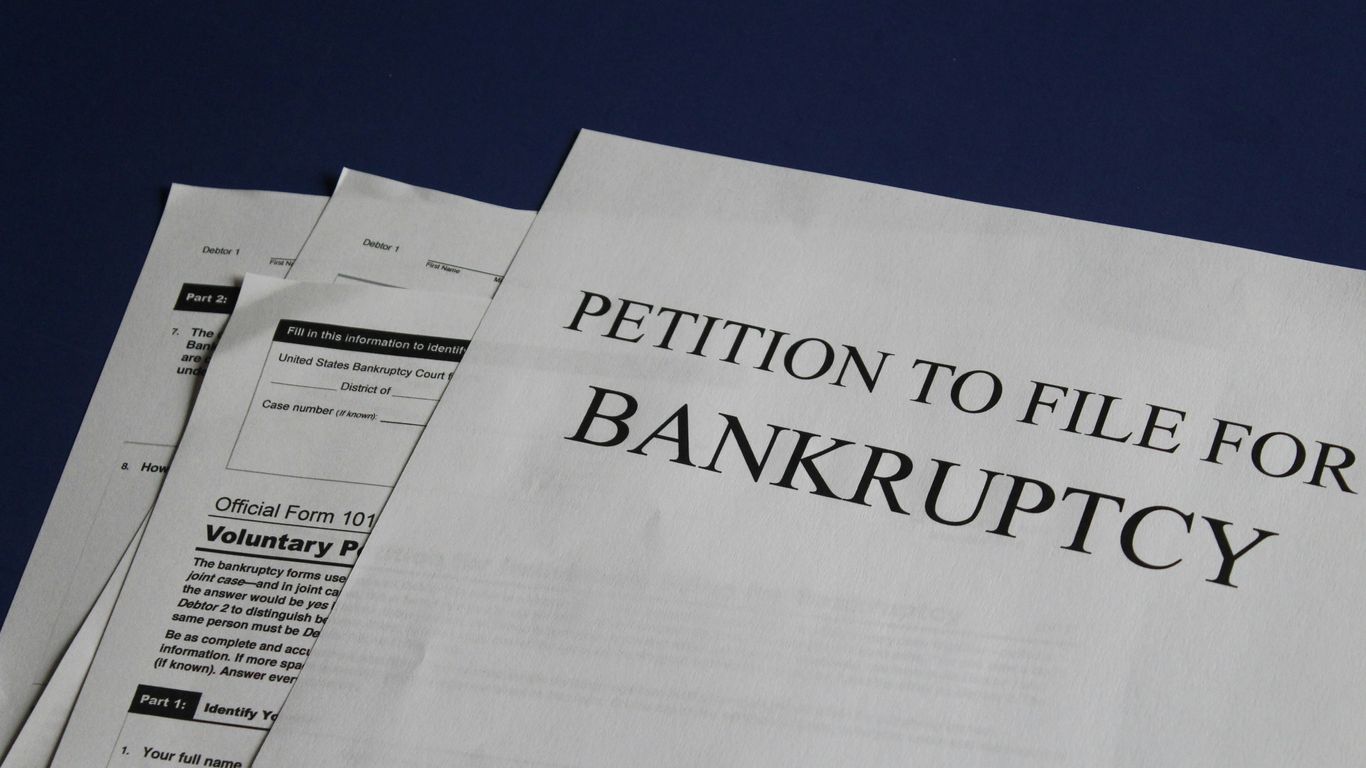
Sometimes, even when an insurer agrees that a loss is covered by the policy, the real arguments start over how much that loss is actually worth. This is where valuation disagreements come into play, and they can really complicate the claims process.
Methods of Loss Valuation
When a claim happens, the insurer needs to figure out the dollar amount of the damage or loss. There are a few ways they might do this. For property damage, it could be based on the cost to repair the item or property, or maybe the cost to replace it with something new. Sometimes, they look at the ‘actual cash value,’ which means the replacement cost minus depreciation – basically, what it was worth right before the damage happened. Policies can specify which method to use, but if they don’t, or if the language is fuzzy, that’s a common spot for arguments to start. It’s all about how the policy language guides the calculation of these amounts.
Discrepancies in Repair or Replacement Costs
Even with a clear valuation method, you can still have disagreements. One big reason is simply that the policyholder and the insurer might get different estimates for repair or replacement. Maybe the policyholder’s contractor is more expensive, or maybe the insurer’s estimate doesn’t account for certain details. For example, if a roof is damaged, the insurer might estimate the cost to replace just the damaged shingles, while the policyholder might argue that the entire roof needs replacing due to age or matching issues. This is a pretty common point of contention, especially with older properties where matching materials can be tricky. These differences in perceived scope or value are key factors influencing negotiations.
The Role of Appraisals in Valuation Disputes
When direct negotiation over the value hits a wall, many insurance policies have a built-in way to handle it: the appraisal process. This is often outlined in a specific clause within the policy. Basically, if you and the insurer can’t agree on the amount of the loss, you each get your own appraiser. These two appraisers then try to come to an agreement. If they still can’t agree, they might bring in a neutral third person, called an umpire, to help break the tie. The decision of the appraisers (or the umpire and one appraiser) is usually binding. It’s a way to resolve valuation disputes without having to go to court, which can be a long and expensive road. Expert opinions can be crucial in these situations, providing objective assessments that aid in settlement discussions.
Disagreements over how much a loss is worth can stall a claim for months. It’s not just about the numbers; it’s about how those numbers are reached and what they represent in terms of getting things back to how they were before the damage occurred. This is where the details of the policy and the specifics of the loss really matter.
Moving Towards Alternative Dispute Resolution
When disagreements over partial payments can’t be settled through direct talks, the next logical step often involves methods outside of the courtroom. These approaches are generally quicker and less expensive than full-blown litigation, aiming to find common ground without the high stakes of a trial. It’s about finding a middle path when the initial back-and-forth just isn’t working.
Mediation as a Collaborative Solution
Mediation brings in a neutral third party, the mediator, who doesn’t make decisions but helps facilitate a conversation between the parties. Think of them as a guide helping you both talk through the issues and explore potential solutions. The goal is to reach a mutually agreeable settlement. This process is informal and confidential, making it a safe space to discuss sensitive points.
- Facilitates open communication: A mediator encourages both sides to express their concerns and listen to the other’s perspective.
- Explores creative solutions: Beyond just the payment amount, mediation can address underlying issues or find compromises.
- Preserves relationships: By focusing on collaboration, mediation can help maintain a working relationship between the policyholder and the insurer, which is often difficult to do in court.
- Cost-effective: Compared to litigation, mediation typically involves lower fees and less time commitment.
The success of mediation often hinges on the willingness of both parties to engage in good faith and to be open to compromise. It’s not about winning or losing, but about finding a resolution that both sides can live with.
Arbitration for Binding Decisions
If mediation doesn’t lead to an agreement, arbitration offers a more formal, yet still alternative, path. Here, an arbitrator or a panel of arbitrators acts like a judge, hearing evidence from both sides and then making a binding decision. This is a step closer to litigation, but usually still more streamlined. Many insurance policies actually include an appraisal clause that mandates arbitration for valuation disputes.
Here’s a look at how arbitration typically works:
- Selection of Arbitrator(s): Parties usually agree on an arbitrator or a panel. Sometimes, each party selects one arbitrator, and those two select a third.
- Presentation of Case: Similar to a trial, both sides present their arguments, evidence, and witnesses.
- Award: The arbitrator(s) issue a decision, known as an award, which is typically final and legally enforceable.
While arbitration can be faster and less expensive than court, the binding nature means you give up the right to appeal most decisions. It’s a trade-off for a more definitive resolution.
Benefits of ADR Over Litigation
Alternative Dispute Resolution (ADR), encompassing both mediation and arbitration, offers several advantages over traditional court proceedings, especially in the context of partial payment disputes. These benefits are significant for both policyholders and insurers looking for efficient and effective resolutions.
| Benefit | Description |
|---|---|
| Speed | ADR processes are generally much faster than court cases, which can take years. |
| Cost | Lower legal fees and fewer procedural expenses make ADR more affordable. |
| Confidentiality | Proceedings are private, unlike public court records. |
| Control | Parties have more say in the process and the selection of the decision-maker. |
| Relationship | Less adversarial nature can help preserve business relationships. |
Ultimately, embracing ADR methods can lead to quicker settlements, reduced financial strain, and a more positive experience when resolving payment disputes. It’s a smart strategy for managing claims effectively and avoiding the lengthy, costly battles of litigation.
The Threat of Bad Faith Allegations
Defining Insurer’s Duty of Good Faith
At its core, insurance is built on a foundation of trust. Policyholders pay premiums with the expectation that their insurer will act honestly and fairly when a covered loss occurs. This expectation is legally recognized as the insurer’s duty of good faith and fair dealing. It means an insurance company can’t just deny a valid claim out of hand or drag its feet indefinitely. They have to investigate properly, communicate clearly, and make decisions based on the policy terms and the facts of the claim. Failing to uphold this duty can lead to serious consequences for the insurer.
Unreasonable Delays and Underpayments
One of the most common ways an insurer might breach its duty of good faith is through unreasonable delays in processing or paying a claim. Imagine your home is damaged by a storm, and you can’t live there. If the insurance company takes months to even start the assessment, or delays payment for repairs for an extended period without a good reason, that’s a problem. Similarly, consistently offering settlements that are significantly lower than the actual loss, without a solid basis, can also be seen as acting in bad faith. This often happens when there’s a disagreement over the valuation of the loss, and the insurer pushes for the lowest possible payout.
Here’s a look at common indicators:
- Excessive Delays: Taking an unreasonable amount of time to acknowledge, investigate, or pay a claim.
- Lowball Offers: Consistently offering amounts far below the documented value of the loss.
- Lack of Communication: Failing to respond to policyholder inquiries or provide clear explanations for decisions.
- Misrepresentation: Providing false or misleading information about coverage or the claims process.
Consequences of Bad Faith Claims
When a policyholder successfully proves an insurer acted in bad faith, the repercussions can be substantial. Beyond simply paying the original claim amount, the insurer might be ordered to pay the policyholder’s legal fees and costs associated with fighting the claim. In some cases, courts can award compensatory damages for emotional distress or financial losses incurred due to the insurer’s actions. Perhaps most significantly, punitive damages may be assessed. These are intended to punish the insurer for egregious conduct and deter similar behavior in the future. Such damages can far exceed the original claim amount, making bad faith litigation a significant financial risk for insurance companies. It’s why insurers must maintain clear communication and document processes thoroughly, adhering to state laws and their obligations to policyholders. Navigating coverage disputes often involves understanding these potential pitfalls.
Formal Legal Proceedings and Litigation

When discussions and alternative methods fail to resolve a partial payment dispute, the matter often moves into the formal legal arena. This stage involves structured processes designed to interpret policy language and determine legal obligations. It’s where disagreements about coverage, the extent of damage, or the insurer’s conduct are finally settled through judicial or quasi-judicial means.
Declaratory Judgment Actions
Sometimes, the core issue isn’t about the amount of money but whether the policy actually covers the loss at all. This is where a declaratory judgment action comes in. It’s a lawsuit filed to ask a court to officially declare the rights and obligations of the parties involved under the insurance policy. For instance, an insurer might file one if they believe a claim falls under an exclusion, or a policyholder might file one if the insurer is delaying a decision indefinitely. The goal is to get a clear legal interpretation of the policy before significant amounts are paid or further disputes arise. This type of action helps clarify ambiguous policy language and can prevent future litigation over the same issue. It’s a proactive step to define the boundaries of coverage. Clarifying policy language is key here.
Coverage Litigation Strategies
When a dispute escalates to coverage litigation, it means the parties are in court to decide if the insurer is obligated to pay for the loss. Strategies vary depending on who initiates the lawsuit. Insurers might focus on policy exclusions, conditions precedent, or misrepresentations made by the policyholder. Policyholders, on the other hand, will likely emphasize the policy’s insuring agreements and argue against the applicability of exclusions. This often involves detailed examination of policy wording, the circumstances of the loss, and relevant case law. The insurer’s duty to defend, which means providing legal representation for the insured, can also become a point of contention, leading to separate legal battles.
Defense Obligation Disputes
A significant area of litigation involves the insurer’s duty to defend. In many liability policies, the insurer agrees to defend the insured against lawsuits seeking damages covered by the policy. Disputes can arise if the insurer denies this duty, perhaps believing the lawsuit’s allegations fall outside the policy’s scope. This can leave the policyholder to fund their own defense, which can be incredibly expensive. If the court later finds the insurer was obligated to defend, the insurer may be liable not only for the defense costs incurred by the policyholder but also potentially for the judgment or settlement amount of the underlying claim. These disputes highlight the critical nature of the insurer’s initial coverage assessment and their communication regarding the duty to defend.
Litigation is often the last resort, a complex and costly path taken when all other avenues for resolution have been exhausted. It requires careful legal strategy, thorough evidence gathering, and a deep understanding of insurance law and contract interpretation. The outcomes can set precedents and significantly impact how similar claims are handled in the future.
Regulatory Oversight and Compliance
Regulatory oversight in insurance is a huge part of how partial payment disputes are managed and resolved. Every insurer is held to standards set by government agencies, and if those standards aren’t followed, things can spiral quickly into fines, penalties, or worse. Let’s break down how authorities set the rules, watch over insurers, and intervene when disputes happen.
State-Level Insurance Regulation
Most insurance regulation in the U.S. happens at the state level. Each state has its own department of insurance to oversee licensing, policy language, rate approvals, and market conduct. States want to make sure insurers are solvent, treat customers fairly, and honor the terms of their contracts. While most rules are local, broader issues—especially technology and data privacy—are starting to push the need for more unified regulations. For a quick look at what regulators track, see this basic table:
| Regulatory Focus | State Oversight? | Description |
|---|---|---|
| Solvency | Yes | Are insurers financially healthy? |
| Claims practices | Yes | Timely, fair claim resolution? |
| Policy standards | Yes | Are policies clear and compliant? |
| Rate approval | Yes | Are premiums fair and stable? |
In addition to these basics, states often audit insurers, do market conduct exams, and respond to consumer complaints. If you want to go deeper, insurance regulations explained is a helpful guide.
Market Conduct and Fair Claims Practices
Regulators expect insurers to handle claims with fairness and speed. When partial payment disputes arise, the claims process itself is under scrutiny:
- Insurers must acknowledge and investigate claims quickly.
- Written explanations are required for denials or underpayments.
- Unpaid, undisputed sums must be sent without unnecessary delay.
Market conduct exams review how insurers actually interact with policyholders—from sales and advertising to claims service. They look for patterns of unfair treatment, misleading communications, or recurring payment problems.
Even simple complaints about slow or partial payments can trigger market conduct investigations, so compliance is a daily concern for insurers.
Enforcement Actions and Penalties
When an insurer breaks the rules—by delaying payments, mishandling dispute processes, or using poor documentation—regulators can step in with enforcement:
- Fines and penalties (sometimes running into millions)
- Orders to make policyholders whole (restitution, interest on delayed payments)
- Operational restrictions or mandated changes in how claims are handled
- Suspension or even revocation of an insurance license in severe cases
Some states also publicly list enforcement actions, which can damage an insurer’s reputation. Industry-wide, these penalties are designed to scare companies straight—and protect the consumer.
For insurers, it’s not just about following the law: it’s about having systems in place to catch mistakes before regulators do. To see why knowing government agency procedures matters, check out this background on compliance and agency actions.
Staying compliant means understanding the rules, putting them into everyday practice, and fixing issues fast when disputes arise. In a world where oversight is always evolving, that’s never been more important.
Preventative Measures for Partial Payment Disputes
Nobody wants to deal with a dispute, especially when it comes to insurance payments. It’s a headache nobody needs. The good news is, a lot of these partial payment issues can be avoided from the start with a little foresight and careful planning. It’s all about setting things up right from the get-go.
Clear Policy Language and Drafting
This is probably the most important part. If the policy language is confusing, that’s where problems start. Think about it: if you can’t easily understand what’s covered and what’s not, how can anyone else? Insurers need to write policies that are straightforward and easy for the average person to grasp. This means avoiding overly technical terms and making sure definitions are crystal clear. When policyholders understand their coverage, they’re less likely to be surprised by payment decisions.
- Use plain language: Avoid jargon and complex sentence structures.
- Define terms clearly: Ensure all key terms have simple, understandable definitions.
- Structure logically: Organize the policy in a way that makes sense and is easy to follow.
- Provide examples: Illustrate coverage scenarios where appropriate.
Clear policy wording isn’t just good practice; it’s a fundamental step in building trust and managing expectations. When policyholders know what to expect, disputes are far less likely to arise.
Proactive Claims Management
Once a claim happens, how it’s handled makes a huge difference. A proactive approach means the insurer is on top of things from the moment the claim is filed. This involves quick acknowledgment, setting clear expectations for the process, and keeping the policyholder informed. It’s not just about processing the claim; it’s about managing the entire experience.
Here’s a look at what proactive claims management entails:
- Timely Acknowledgment: Confirm receipt of the claim promptly.
- Clear Communication Plan: Outline the next steps, timelines, and who to contact.
- Thorough Investigation: Conduct a complete and fair investigation without unnecessary delays.
- Accurate Valuation: Use established methods for assessing damages and provide clear explanations.
- Prompt Payment: Issue payments for undisputed amounts as quickly as possible.
Enhanced Communication Strategies
Communication is key in any relationship, and insurance is no different. Regular, transparent communication throughout the claims process can prevent misunderstandings that lead to partial payment disputes. This means not just sending letters, but actively engaging with the policyholder.
Consider these communication tactics:
- Regular Updates: Keep policyholders informed about the claim’s progress, even if there’s no new development.
- Explain Decisions: Clearly articulate the reasons behind coverage decisions and payment amounts, referencing specific policy language.
- Multiple Channels: Offer various ways for policyholders to communicate, such as phone, email, or a secure online portal.
- Active Listening: Truly listen to the policyholder’s concerns and address them directly.
By focusing on clear policy language, managing claims proactively, and maintaining open lines of communication, insurers can significantly reduce the likelihood of partial payment disputes, leading to more satisfied policyholders and a smoother claims process overall. This approach helps avoid the need for formal dispute resolution down the line.
The Strategic Importance of Dispute Management
When claims don’t go smoothly, and you end up with a partial payment dispute, it’s easy to get bogged down in the details. But looking at the bigger picture, how an insurer handles these disagreements is really important for the business itself. It’s not just about settling one claim; it’s about how that settlement process affects everything else.
Impact on Policyholder Trust
Think about it: if a policyholder feels like they’re being shortchanged or that the insurer isn’t being fair, that’s a huge blow to trust. It’s like when you have a bad experience at a restaurant; you’re probably not going back, and you might even tell your friends. For an insurer, losing a policyholder’s trust can mean losing their business, and potentially the business of others they influence. Building and maintaining trust is key, and how disputes are managed plays a massive role in that. It’s about treating people right, even when things get complicated.
- Clear Communication: Keeping policyholders informed at every step helps manage expectations.
- Fairness: Demonstrating a genuine effort to resolve disputes equitably builds goodwill.
- Timeliness: Promptly addressing concerns shows respect for the policyholder’s situation.
Financial Implications of Escalated Disputes
Beyond just the amount of the partial payment itself, letting disputes drag on or escalate can get really expensive. We’re not just talking about the claim payout. There are legal fees, administrative costs, and the potential for regulatory fines if things aren’t handled properly. Sometimes, a dispute can even lead to a lawsuit, which is almost always more costly than finding a resolution earlier. It’s like a small leak in a boat; if you ignore it, it can lead to much bigger problems down the line. Managing claims efficiently helps keep those costs in check. This is where understanding claims escalation thresholds becomes really important for insurers.
| Cost Type | Initial Dispute | Escalated Dispute | Litigation |
|---|---|---|---|
| Claim Payout | $X | $X + Y | $X + Y + Z |
| Legal Fees | Minimal | Moderate | Significant |
| Administrative Costs | Moderate | High | Very High |
| Potential Fines/Penalties | None | Possible | Likely |
Lessons Learned for Insurer Operations
Every dispute, whether it ends up being resolved quickly or turns into a major headache, offers a chance to learn. Insurers that pay attention to the patterns in these disputes can figure out where their processes might be weak. Maybe the policy language isn’t as clear as they thought, or perhaps there’s a training gap for adjusters. By analyzing these issues, companies can make changes to their policies, their training programs, and their overall claims handling procedures. This continuous improvement is vital for staying competitive and providing better service. It’s about using the tough situations to get better at what you do, which ultimately helps with strengthening loss reserves and making the whole operation run smoother.
Proactive claims management and clear communication are not just good customer service; they are strategic business decisions that can prevent significant financial and reputational damage. Paying attention to the details of dispute resolution can lead to more robust operational practices and a stronger market position.
Ultimately, how an insurer handles partial payment disputes isn’t just a back-office function. It’s a core part of their relationship with customers and a significant factor in their financial health and operational efficiency. Getting it right means happier customers, lower costs, and a more stable business.
Moving Forward from Payment Disputes
So, we’ve talked about how disagreements over partial payments can really get complicated. It’s not just about a number; it often involves looking closely at the policy, what was agreed upon, and how the claim was handled. Sometimes, these issues can be sorted out with a bit of back-and-forth, maybe through talking it over or using a neutral third party like an appraiser. But when that doesn’t work, things can get serious, leading to formal complaints or even court. The key takeaway is that clear communication from the start and fair handling of claims by insurers can go a long way in preventing these disputes from blowing up into bigger problems. It’s about making sure everyone understands the process and their rights, which ultimately helps keep things fair for everyone involved.
Frequently Asked Questions
What is a partial payment dispute?
A partial payment dispute happens when an insurance company pays only some of the money you asked for after a loss, and you don’t agree with the amount they paid or why they paid that amount. It’s like getting only part of your expected refund.
Why would an insurance company only pay part of a claim?
This can happen for a few reasons. Maybe they think only part of the damage is covered by your policy, or they disagree on how much it should cost to fix or replace what was lost. Sometimes, they might have found something in the policy that limits how much they have to pay.
What’s the first step if I disagree with a partial payment?
Usually, the first step is to talk to the insurance adjuster or claims representative. You should explain why you think the payment is too low and provide any extra information or proof, like repair estimates or photos, that supports your view. Keep records of all your conversations.
What if talking doesn’t solve the problem?
If you can’t reach an agreement, you can ask for an internal review within the insurance company. If that doesn’t work, you might consider mediation or arbitration, which are ways to settle disputes outside of court with a neutral helper. Sometimes, you might need to talk to a lawyer.
What is ‘bad faith’ in insurance claims?
Bad faith means the insurance company didn’t act honestly or fairly. This could be by unreasonably delaying your payment, not investigating properly, or unfairly denying your claim. If an insurer acts in bad faith, you might be able to get more money than just the original claim amount.
How do policy rules affect disputes?
Your insurance policy is a contract. Rules like exclusions (things not covered), conditions (things you must do), and limits (maximum amounts paid) can all lead to disputes if you and the insurance company see them differently. Understanding your policy is key.
Can regulators help with partial payment disputes?
Yes, state insurance departments oversee insurance companies. If you believe an insurer isn’t following the rules or is acting unfairly, you can file a complaint with your state’s insurance regulator. They can investigate and sometimes help resolve the issue.
How can I avoid partial payment disputes in the future?
To help prevent these issues, read your policy carefully and make sure you understand it before you need to make a claim. Ask questions if anything is unclear. Also, keep good records of everything related to your policy and any claims you make. Clear communication from the start helps a lot.