

It feels like every time you turn around, there’s another story about a nursing home facing a lawsuit. The whole situation with nursing home liability escalation seems to be getting more complicated. It’s not just about one bad apple anymore; it’s like the whole system is under a microscope. From what residents are experiencing to how facilities are run, a lot of factors are contributing to this rising tide of legal trouble. We’re going to break down what’s happening and why it matters.
Key Takeaways
- Nursing home liability is increasing due to more frequent and severe claims, fueled by greater regulatory attention.
- Issues like poor resident care, insufficient staffing, and medication errors are major drivers of lawsuits.
- Insurance plays a big role, with disputes over coverage and how claims are handled adding to the complexity.
- Residents and their families have legal options, including suing for negligence, wrongful death, and abuse.
- Facilities need strong risk management, including better training and quality checks, to combat rising costs and legal exposure.
Understanding Nursing Home Liability Escalation
The Evolving Landscape of Claims
It feels like lately, there’s been a lot more talk about nursing homes facing lawsuits. It’s not just a few isolated incidents anymore; the whole situation seems to be changing. More families are looking into their options when something goes wrong, and the types of claims being filed are getting more complex. This shift means nursing homes need to be extra careful about how they operate and how they handle resident care. The frequency and severity of these claims are definitely on the rise.
Increased Litigation Frequency and Severity
We’re seeing more lawsuits being filed against nursing homes, and the amounts being sought in damages are often higher than before. This isn’t just about minor slip-ups; these cases often involve serious allegations of neglect or abuse. When a facility has to defend itself against multiple serious claims, it really strains their resources. It’s a tough environment out there for these care providers.
Impact of Regulatory Scrutiny
On top of everything else, government agencies are paying closer attention to nursing homes. Inspections are more thorough, and when they find problems, the penalties can be significant. This increased oversight, while good for residents, adds another layer of pressure on facilities to maintain high standards. Failing to meet these regulations can lead to fines and, unfortunately, can also be used as evidence in lawsuits. It’s a tricky balance to strike, making sure everyone is safe and cared for while also managing the business side of things. The regulatory environment is constantly changing, and staying on top of it is a major challenge.
Factors Driving Increased Liability
Several key elements are contributing to the rise in nursing home liability cases. It’s not just one thing, but a combination of factors that are making these facilities more vulnerable to lawsuits and larger payouts.
Resident Care Standards and Negligence
At the heart of many liability claims is the basic expectation of quality care. When residents don’t receive the level of attention and medical support they need, things can go wrong, leading to serious harm. This can range from failing to properly treat existing conditions to not preventing new ones from developing. The failure to meet established standards of care is a primary driver of negligence lawsuits.
- Falls and resulting injuries: Inadequate supervision or mobility assistance can lead to falls, which are common and can have severe consequences for elderly residents.
- Pressure ulcers (bedsores): These often indicate a lack of proper repositioning and skin care, pointing to neglect.
- Malnutrition and dehydration: Not ensuring residents are properly fed and hydrated is a critical failure in basic care.
- Infections: Poor hygiene, inadequate wound care, or failure to isolate contagious residents can lead to preventable infections.
The legal system increasingly holds nursing homes accountable for preventable harm, recognizing that residents are often vulnerable and dependent on the facility for their well-being.
Staffing Ratios and Training Deficiencies
It’s no secret that nursing homes often struggle with staffing. When there aren’t enough nurses and aides, or when the staff isn’t properly trained, the quality of care inevitably suffers. This can create a domino effect, where overworked staff members miss crucial details or make mistakes.
- Insufficient Staffing Levels: A lack of personnel means less one-on-one time with residents, increasing the risk of missed care needs.
- Inadequate Training: Staff may not be equipped with the skills to handle complex resident needs, manage challenging behaviors, or administer medications correctly.
- High Staff Turnover: Constant changes in staff disrupt continuity of care and can indicate underlying issues within the facility’s management or work environment.
Medication Errors and Abuse Allegations
Medication management is a complex and critical aspect of resident care. Errors in prescribing, dispensing, or administering medications can have serious, even fatal, consequences. Beyond medication mistakes, allegations of physical, emotional, or financial abuse also contribute significantly to increased liability. These are particularly sensitive issues that can lead to substantial legal and financial repercussions for facilities.
- Wrong medication or dosage: Administering the incorrect drug or the wrong amount can lead to adverse reactions or ineffective treatment.
- Failure to administer medication: Skipping doses or not giving medication as prescribed can worsen a resident’s condition.
- Physical abuse: This includes actions like hitting, shoving, or restraining residents improperly.
- Neglect: Failing to provide basic necessities like food, water, hygiene, or medical care.
- Financial exploitation: Misappropriating a resident’s funds or property.
The Role of Insurance in Liability Claims
Insurance plays a big part in how nursing home liability cases are handled, especially when things get complicated. It’s the safety net, but sometimes that net has holes or isn’t quite what people expect. When a claim is filed, the insurance policy becomes the main document everyone looks at. It outlines what’s covered, what’s not, and how much the insurer will pay out. This is where things can get tricky.
Coverage Disputes and Policy Interpretation
One of the most common issues that pops up is disagreement over what the insurance policy actually covers. Nursing home liability policies can be pretty dense, full of legal terms and specific conditions. Sometimes, the language isn’t as clear as it could be, leading to different interpretations. For example, a policy might have an exclusion for certain types of neglect, but what exactly counts as ‘neglect’ can be debated. These coverage disputes often end up being the first major hurdle in resolving a claim.
- Ambiguous Policy Language: When terms aren’t clearly defined, it opens the door for arguments. Is a staffing shortage a direct cause of a fall, or is it a contributing factor? The policy’s wording is key.
- Exclusions and Limitations: Insurers often include specific exclusions to limit their exposure. Understanding these exclusions and whether they apply to a particular incident is critical.
- Policy Limits and Aggregation: Knowing the maximum payout (limit) is important, but so is understanding how multiple claims might be grouped together, or aggregated, under a single policy. This can significantly affect the total payout and the facility’s out-of-pocket costs [192f].
Disputes over policy interpretation can significantly delay claim resolution and increase legal costs for both the nursing home and the claimant. It’s a common battleground where legal teams on both sides try to get the most favorable reading of the contract.
Bad Faith Claims Against Insurers
Sometimes, the problem isn’t just about what the policy says, but how the insurance company handles the claim. If a nursing home believes its insurer is unreasonably delaying payment, unfairly denying a valid claim, or not investigating properly, they might have grounds for a bad faith claim. This is a serious accusation because it goes beyond just a contract dispute and can lead to much larger financial penalties for the insurer, including punitive damages. It means the insurer didn’t act honestly or fairly in handling the claim.
The Impact of Claims Handling Practices
How an insurance company manages claims has a ripple effect. Efficient and fair claims handling can lead to quicker resolutions and less stress for everyone involved. On the other hand, poor practices, like slow communication, inadequate investigations, or a pattern of denials, can escalate tensions and lead to more lawsuits. The way claims are processed can also influence future underwriting decisions and premium costs for nursing homes. It’s a cycle where good or bad practices in claims management can affect the overall cost and availability of insurance for the industry.
Legal Avenues for Claimants
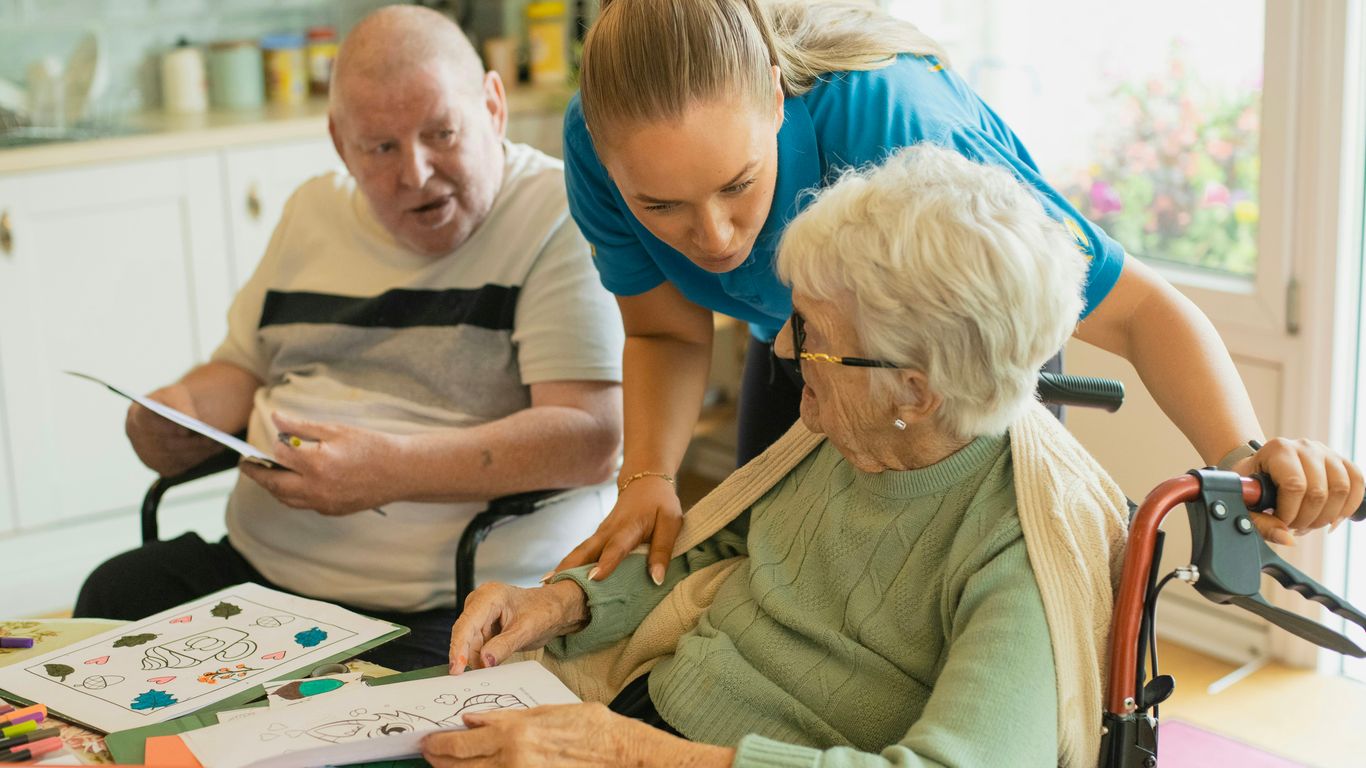
When a resident or their family believes a nursing home has fallen short in providing adequate care, leading to harm or loss, there are specific legal paths they can pursue. These avenues are designed to hold facilities accountable for negligence, abuse, or neglect. Understanding these options is the first step for anyone seeking justice.
Negligence and Malpractice Lawsuits
This is perhaps the most common legal route. It involves proving that the nursing home staff or the facility itself failed to meet the accepted standard of care, and this failure directly resulted in injury or worsening of a resident’s condition. To build a case, claimants typically need to demonstrate:
- Duty of Care: The nursing home had a legal obligation to provide a certain level of care to the resident.
- Breach of Duty: The nursing home failed to meet this standard of care. This could involve anything from inadequate supervision to improper medical treatment.
- Causation: The breach of duty directly caused the resident’s injury or harm.
- Damages: The resident suffered actual harm, such as physical injury, pain and suffering, or increased medical costs.
Establishing negligence requires a thorough investigation into the facility’s practices and the specific circumstances of the resident’s care. This often involves expert testimony from medical professionals who can attest to the standard of care and how it was violated. It’s about showing that the facility’s actions, or inactions, were unreasonable and led to a preventable negative outcome. For instance, a failure to properly assess a resident’s fall risk and implement preventative measures could be a clear breach of duty if that resident subsequently falls and sustains serious injuries. This type of claim can also involve issues related to medication errors, which are a significant concern in elder care settings.
Wrongful Death Claims
When the negligence or abuse within a nursing home results in a resident’s death, their surviving family members may have grounds for a wrongful death lawsuit. This type of claim is distinct from a personal injury lawsuit, as it seeks compensation for the losses experienced by the survivors, not just the deceased individual. The damages sought can include:
- Loss of financial support the deceased would have provided.
- Loss of companionship, guidance, and consortium.
- Funeral and burial expenses.
- The pain and suffering the deceased experienced before death.
Proving a wrongful death claim often requires demonstrating that the nursing home’s actions were the direct cause of the resident’s death. This can be particularly challenging if the resident had pre-existing health conditions. However, if the facility’s substandard care significantly contributed to or hastened the death, a claim may be viable. The legal framework for these claims varies by state, dictating who can file the lawsuit and what types of damages are recoverable.
Abuse and Neglect Litigation
This category of lawsuits specifically addresses the more egregious forms of mistreatment that can occur in nursing homes. Abuse can be physical, emotional, or sexual, while neglect refers to the failure to provide basic necessities like food, water, hygiene, and medical care. Signs of abuse and neglect can be subtle and may include unexplained injuries, sudden changes in behavior, poor hygiene, or unexplained weight loss. Litigation in this area often focuses on:
- Physical Abuse: Intentional infliction of pain or injury.
- Emotional Abuse: Causing mental anguish or distress.
- Neglect: Failure to meet a resident’s basic needs, leading to harm.
- Financial Exploitation: Misappropriation of a resident’s funds or property.
These cases can be emotionally charged and require careful documentation of the mistreatment. Families often feel a profound sense of betrayal when a loved one is harmed in a place meant for their safety and comfort. Pursuing these claims is not only about seeking compensation but also about preventing future harm to other vulnerable residents. The legal process aims to uncover the truth and ensure that those responsible are held accountable for their actions or omissions. It’s a difficult path, but one that can bring a measure of closure and justice.
Financial Implications of Escalating Liability
When nursing homes face more lawsuits, and those lawsuits tend to be for larger amounts, it really starts to hit their wallets. It’s not just about paying out settlements or judgments; there are a lot of other costs that pile up.
Rising Insurance Premiums
This is probably the most direct hit. As claims increase in frequency and severity, insurance companies see nursing homes as riskier business. To cover their own potential payouts and expenses, insurers have to charge more for policies. This means nursing homes are paying significantly higher premiums just to maintain their coverage. It’s a tough cycle because better insurance is needed due to more claims, but the higher cost of that insurance can strain a facility’s budget, potentially impacting the very care that leads to fewer claims.
Here’s a look at how premiums might change:
| Claim Frequency | Severity Impact | Premium Increase |
|---|---|---|
| High | High | Significant |
| High | Moderate | Moderate |
| Moderate | High | Moderate to Significant |
| Low | Low | Minimal |
Increased Defense Costs
Even if a nursing home ultimately wins a lawsuit, the cost of defending itself can be astronomical. This includes:
- Legal Fees: Hiring experienced attorneys who understand elder care law is expensive.
- Expert Witnesses: Often, specialized medical professionals or care consultants are needed to testify, and their fees add up quickly.
- Discovery Costs: Gathering evidence, taking depositions, and managing legal documents requires time and resources.
- Court Costs: Filing fees, administrative expenses, and other court-related charges contribute to the overall expense.
These defense costs are incurred regardless of the final outcome of the case, making them a substantial financial burden. It’s a bit like paying for a battle you might not even lose, but the cost of fighting is still very real. The complexity of these cases often means that even straightforward allegations can turn into lengthy legal battles, driving up defense costs.
Potential for Punitive Damages
Beyond compensating the injured party for their losses (compensatory damages), courts may award punitive damages. These are not meant to cover the claimant’s losses but rather to punish the defendant for particularly egregious conduct and to deter similar behavior in the future. When allegations of abuse, neglect, or gross negligence are proven, the potential for substantial punitive damages can dramatically increase the financial exposure for a nursing home. This threat alone can pressure facilities to settle claims, even if they believe they have a strong defense, simply to avoid the risk of a massive punitive award. It really underscores the importance of maintaining the highest standards of care and documentation to avoid situations that could lead to such severe penalties.
The financial fallout from escalating liability isn’t just about the direct payouts. It’s a complex web of rising insurance costs, extensive legal defense expenses, and the ever-present risk of punitive damages that can fundamentally alter a facility’s financial stability. Proactive risk management and a commitment to quality care are no longer just ethical imperatives; they are critical financial strategies.
Risk Management Strategies for Facilities
When it comes to nursing homes, keeping residents safe and well-cared for isn’t just a moral obligation; it’s also a huge part of managing liability. Facilities that proactively put good risk management practices in place can seriously cut down on the chances of lawsuits and the severity of claims if they do happen. It’s all about being prepared and having solid systems in place.
Implementing Robust Quality Assurance Programs
A strong quality assurance (QA) program is the backbone of risk management in any nursing home. This isn’t just about checking boxes; it’s about continuously looking for ways to improve care and identify potential problems before they become major issues. Think of it as a regular health check-up for the facility.
- Regular Audits: Conduct frequent internal audits of resident care plans, medication administration, and incident reports. This helps catch deviations from established protocols.
- Resident Feedback Mechanisms: Establish clear channels for residents and their families to voice concerns or provide feedback without fear of reprisal. This direct input is invaluable.
- Data Analysis: Track key performance indicators (KPIs) related to resident outcomes, falls, infections, and staff performance. Analyzing this data can reveal trends that need attention.
A proactive approach to quality assurance means that potential risks are identified and addressed at the earliest possible stage, preventing minor issues from escalating into significant liability concerns.
Enhancing Staff Training and Supervision
Your staff are on the front lines of resident care, so making sure they are well-trained and properly supervised is absolutely critical. Inadequate training or poor supervision can lead to mistakes that have serious consequences.
- Comprehensive Onboarding: Ensure all new hires receive thorough training on facility policies, procedures, and resident care standards, including specific training on recognizing and reporting abuse or neglect.
- Ongoing Education: Provide regular in-service training on topics like dementia care, fall prevention, infection control, and communication skills. Keep staff updated on best practices and regulatory changes.
- Supervisory Oversight: Implement a system where supervisors regularly observe staff performance, provide constructive feedback, and ensure adherence to protocols. This includes direct supervision during critical care tasks.
Proactive Incident Reporting and Investigation
When something does go wrong, how it’s handled afterward makes a big difference. A system that encourages open reporting of incidents and thorough investigation afterward is key to learning and preventing future occurrences. This is where you can really learn from mistakes.
- Clear Reporting Procedures: Make it easy and safe for staff to report all incidents, no matter how minor they may seem. This includes near misses, which can be early warning signs.
- Thorough Root Cause Analysis: For every incident, conduct a detailed investigation to determine the underlying causes, not just the immediate trigger. This helps identify systemic issues.
- Corrective Action Plans: Develop and implement specific action plans based on investigation findings. Track the effectiveness of these plans to ensure they are actually solving the problems.
By focusing on these risk management strategies, nursing home facilities can build a safer environment for residents and significantly reduce their exposure to costly litigation. It’s an ongoing effort, but one that pays off in both resident well-being and financial stability. This focus on risk mitigation is also something that [insurance companies] look at closely when assessing policies. [Fiduciary liability] can also be a concern if not managed properly within the facility’s operations.
The Influence of Regulatory Compliance
State and Federal Mandates
Nursing homes operate under a complex web of rules set by both state and federal governments. These mandates cover everything from how often residents must be checked on to the cleanliness of the facility and the qualifications of the staff. Staying on top of these regulations isn’t just about avoiding trouble; it’s directly tied to the quality of care provided. When facilities fall short, it can lead to a cascade of problems, including fines, sanctions, and, importantly for liability, a documented history of non-compliance that claimants’ attorneys can use. It’s a constant balancing act to meet these requirements, especially with changing laws and interpretations.
- Resident Rights: Ensuring residents are treated with dignity and respect, have privacy, and can make choices about their care.
- Health and Safety Standards: Maintaining safe environments, proper infection control, and adequate nutrition.
- Staffing Requirements: Meeting minimum staffing levels and ensuring staff are properly trained and background-checked.
The sheer volume of regulations can be overwhelming. Facilities must dedicate significant resources to understanding, implementing, and monitoring compliance across all departments. This includes regular internal audits and staff training to keep everyone informed.
Survey Deficiencies and Enforcement Actions
When government agencies conduct inspections, often called surveys, they look for compliance with the established mandates. If they find issues, these are documented as deficiencies. The severity of these deficiencies dictates the enforcement actions taken. These can range from requiring a plan of correction to imposing fines, restricting admissions, or even revoking the facility’s operating license. For liability purposes, these survey reports are public records. A pattern of deficiencies, especially those related to resident safety or care, can be powerful evidence in a lawsuit. It shows a systemic failure to meet accepted standards, which is exactly what plaintiffs aim to prove. It’s also worth noting that these deficiencies can directly impact a facility’s ability to get or keep certain types of insurance coverage, or at least lead to higher premiums. Understanding how these regulatory bodies operate and what they look for is key.
Impact on Insurance Underwriting
Insurance companies look very closely at a nursing home’s regulatory compliance history when deciding whether to offer coverage and at what price. A facility with a clean record, few deficiencies, and a history of passing surveys with flying colors is generally seen as a lower risk. This can translate into more favorable insurance premiums and broader coverage terms. Conversely, a facility with a history of serious deficiencies, repeated violations, or significant enforcement actions will likely face higher premiums, higher deductibles, or even difficulty obtaining coverage altogether. Insurers may require specific risk management improvements before agreeing to underwrite the policy. Inadequate documentation of compliance efforts can also be a red flag for insurers, potentially leading to coverage disputes down the line, especially if a claim arises from an area where compliance was questionable. This is why maintaining thorough records of all compliance activities, training, and corrective actions is so important for insurance claims handling.
Alternative Dispute Resolution in Liability Cases
When nursing home liability cases arise, going straight to court isn’t always the first or best step. There are other ways to sort things out, often called Alternative Dispute Resolution, or ADR. These methods can sometimes be quicker and less expensive than a full-blown trial. They offer a chance for both sides to talk things through with a neutral person helping out.
Mediation and Arbitration Options
Mediation involves a neutral third party, the mediator, who helps facilitate a conversation between the parties. The mediator doesn’t make decisions but guides the discussion to help everyone find common ground and reach an agreement. It’s a voluntary process, and if it doesn’t work, you can still pursue other options. Arbitration, on the other hand, is more like a simplified court proceeding. An arbitrator or a panel of arbitrators hears the evidence and makes a binding decision. Many insurance policies might even require arbitration for certain types of disputes, which can streamline the process. It’s important to understand if your policy has these clauses. Disputes over scope and valuation are common areas where ADR can be particularly useful.
Benefits of Early Settlement
Sorting out a liability claim early through ADR can have significant advantages. For one, it can save a lot of money on legal fees and court costs. Trials can drag on for years and rack up huge expenses. ADR, especially mediation, can often lead to a resolution much faster. This means less stress for everyone involved, including the residents and their families, and the facility staff. Getting a case settled early also provides certainty. You know what the outcome is, rather than waiting for a judge or jury to decide, which can be unpredictable. It allows the nursing home to move forward without the lingering uncertainty of a long legal battle.
Limitations of ADR
While ADR methods like mediation and arbitration offer benefits, they aren’t always the perfect solution. A key limitation of mediation is that it relies on both parties being willing to compromise. If one side is completely unwilling to budge, mediation won’t lead to an agreement. With arbitration, while it’s often faster than court, the decisions are binding. This means you give up your right to have a judge or jury decide your case. Also, the rules of evidence and procedure might be more relaxed in arbitration, which could potentially disadvantage one party if they aren’t prepared. Sometimes, a case just needs the formal structure and public record of a court proceeding to achieve a just outcome. It’s not uncommon for claims to escalate to court proceedings if ADR isn’t successful.
Technological Advancements and Liability
Technology is changing how nursing homes operate, and with that, it’s also changing where liability can arise. It’s not just about the physical care anymore; it’s about how systems and devices are used, or not used, to protect residents.
Electronic Health Records and Documentation
Electronic Health Records (EHRs) are supposed to make things better, right? They can centralize resident information, making it easier for staff to access critical data quickly. This can help prevent errors, like duplicate medications or missed treatments. However, the flip side is that if the EHR system isn’t used correctly, or if there are glitches, it can create its own set of problems. Inaccurate or incomplete digital records can lead to claims of negligence. Proper training and consistent use of these systems are key to avoiding liability. Think about it: if a resident’s allergy information isn’t updated in the EHR, and they have a reaction, that’s a direct link to the documentation system. It’s a whole new area for potential lawsuits that wasn’t there with paper charts.
Monitoring Systems and Fall Prevention Technology
Many facilities are now using various technologies to keep an eye on residents, especially those at risk of falls. This can include motion sensors, wearable devices that alert staff if someone falls, or even cameras in common areas. On one hand, these systems can be incredibly effective at preventing serious injuries and can serve as evidence that the facility was taking reasonable steps to protect residents. But what happens when the technology fails? If a sensor doesn’t trigger an alert, or a wearable device isn’t charged, and a resident falls, the facility could still be held liable. The expectation shifts from just having staff present to having functioning technology in place. It’s a complex balance between implementing new tools and ensuring they work as intended.
The introduction of advanced monitoring systems, while intended to improve resident safety, also introduces new layers of potential liability. Facilities must not only implement these technologies but also maintain them rigorously and ensure staff are fully trained on their operation and limitations. Failure to do so can transform a safety feature into a source of legal exposure.
Data Analytics for Risk Identification
Nursing homes are starting to use data analytics to spot patterns and predict potential risks before they become major problems. By looking at trends in resident incidents, staffing levels, and even resident feedback, facilities can try to get ahead of issues. For example, if data shows a spike in falls on a particular unit during certain shifts, management can investigate and implement targeted interventions. This proactive approach can be a strong defense in liability cases. However, if a facility collects data but fails to act on the insights it provides, or if the data itself is flawed, it could potentially be used against them. It raises questions about what constitutes ‘reasonable’ use of data and what level of predictive capability is expected.
Here’s a look at how different technologies might impact liability:
- EHRs: Potential for errors in documentation, but also provides a record of care.
- Monitoring Systems: Can prevent injuries and provide evidence of oversight, but failure can lead to claims.
- Data Analytics: Allows for proactive risk management, but inaction on insights can be problematic.
These technological shifts mean that nursing homes need to be more sophisticated in their risk management, understanding not just the physical aspects of care but also the digital and data-driven ones. It’s a continuous learning process, and staying informed about evolving employment practices related to technology is also important as staff interact with these new systems.
Future Trends in Nursing Home Liability
The landscape of nursing home liability is constantly shifting, and staying ahead means understanding what’s on the horizon. Several key trends are likely to shape how these cases are handled and what facilities need to focus on.
Shifting Legal Precedents
Courts are continually refining how they interpret laws related to elder care. This means that what was considered acceptable practice a few years ago might now be viewed differently, potentially leading to new types of claims or different outcomes in existing ones. We’re seeing a move towards holding facilities more accountable for systemic issues rather than just isolated incidents. This evolution in legal interpretation means that facilities need to be extra diligent about their policies and procedures.
Evolving Societal Expectations
As a society, we’re increasingly aware of the rights and needs of our aging population. This heightened awareness translates into higher expectations for the quality of care provided in nursing homes. Families are more informed and more willing to seek legal recourse when they believe those expectations aren’t being met. This growing public scrutiny puts more pressure on facilities to maintain the highest standards of care.
The Role of Advocacy Groups
Organizations dedicated to protecting the rights of seniors and nursing home residents are becoming more influential. These groups often play a significant role in bringing attention to systemic problems, advocating for stronger regulations, and supporting individuals and families pursuing legal action. Their work can directly impact public opinion and legislative changes, which in turn can affect liability trends. They often highlight issues like understaffing and neglect, pushing for better oversight and accountability.
Here’s a look at some areas where these trends are most likely to manifest:
- Increased focus on resident dignity and autonomy: Legal challenges may arise from claims that residents’ rights to make choices about their care and daily lives were violated.
- Greater scrutiny of financial practices: Concerns about potential exploitation or improper billing could lead to new legal avenues for claimants.
- Impact of technology on care: While technology can improve care, its implementation and oversight (or lack thereof) could also become a source of litigation, especially concerning data privacy and the appropriate use of monitoring systems.
The insurance industry is also adapting to these shifts. As liability risks evolve, insurers are re-evaluating underwriting guidelines and policy terms. This includes paying closer attention to a facility’s risk management practices and its history of regulatory compliance. The potential for complex mass tort cases involving long-term care issues means insurers must carefully assess their exposure and reserves.
Looking Ahead
So, what does all this mean for nursing homes and the people who run them? It’s pretty clear that the legal landscape is shifting. We’re seeing more lawsuits, and the stakes are getting higher. This isn’t just about covering costs anymore; it’s about protecting reputations and ensuring the long-term health of these facilities. Staying on top of regulations, keeping good records, and really focusing on resident care are more important than ever. It feels like a constant balancing act, but ignoring these trends just isn’t an option if you want to keep your doors open and provide the best care possible.
Frequently Asked Questions
What is nursing home liability?
Nursing home liability means a nursing home can be held responsible if a resident gets hurt or mistreated because the facility didn’t provide proper care or follow safety rules. It’s like being blamed when something goes wrong due to negligence.
Why are nursing homes facing more lawsuits now?
Several things are causing more lawsuits. Residents’ care standards are stricter, there are concerns about not enough staff or poorly trained staff, and sometimes there are claims of medication mistakes or abuse. Also, government rules and inspections play a big role.
How does insurance affect nursing home liability?
Insurance helps nursing homes pay for legal costs and damages if they are found liable. However, disputes can arise over what the insurance policy covers, and sometimes insurance companies are accused of not handling claims fairly. This can lead to more legal battles.
What are the main reasons a nursing home might be found liable?
Common reasons include not providing the right level of care, leading to injuries. This can involve things like falls, bedsores, or malnutrition. Also, issues with medication errors, physical or emotional abuse, and neglect are major concerns.
What happens if a nursing home is found liable?
If a nursing home is found responsible, they might have to pay a lot of money to the injured resident or their family. This can include covering medical bills, pain and suffering, and sometimes even extra money as punishment for really bad behavior (punitive damages).
How can nursing homes reduce their risk of liability?
Nursing homes can lower their risk by having strong quality checks, making sure staff are well-trained and supervised, and investigating any problems or accidents quickly and thoroughly. Good communication and following safety rules are key.
Do government rules impact nursing home liability?
Yes, absolutely. Government rules set standards for care, and if a nursing home doesn’t meet them, they can face penalties. These rule violations can also be used as evidence in liability lawsuits and affect how insurance companies view the facility’s risk.
What are the financial consequences for nursing homes with high liability?
When liability increases, nursing homes often see their insurance costs go up significantly. They also have to spend more on lawyers to defend themselves in lawsuits. In severe cases, the financial penalties can be very large.