

Living in an area prone to earthquakes means thinking about what happens if the ground starts shaking. Standard home insurance usually doesn’t cover earthquake damage, so it’s a good idea to look into earthquake insurance coverage specifically. This type of policy can help pay for repairs to your home, other structures on your property, your belongings, and even temporary living expenses if your home becomes uninhabitable. Understanding what’s covered and what’s not is the first step in making sure you’re protected.
Key Takeaways
- Earthquake insurance coverage is separate from standard homeowners policies and is vital for protecting against seismic damage.
- Policies detail coverage for the dwelling, other structures, personal property, and additional living expenses if you can’t stay home.
- Your geographic location, building type, and personal finances help determine if you need earthquake coverage.
- Understand policy limits and deductibles, as they significantly impact how much you’ll pay out-of-pocket after a quake.
- Familiarize yourself with common exclusions, the claims process, and how to work with your insurance provider for effective protection.
Understanding Earthquake Insurance Coverage
Defining Earthquake Insurance
Earthquake insurance is a specific type of coverage designed to protect your home and belongings from damage caused by earthquakes. Standard homeowners or renters insurance policies typically exclude earthquake damage. This means if the ground shakes and causes damage to your property, you wouldn’t be covered unless you have a separate earthquake policy or an endorsement added to your existing policy. It’s a specialized product that addresses a very particular kind of risk. Think of it as an add-on for a specific peril, much like flood insurance is separate from standard policies. The main goal is to provide financial relief when seismic activity causes destruction, helping you repair or rebuild your home and replace damaged possessions. It’s important to know that this coverage isn’t usually part of a basic landlord insurance package either, so property owners need to be proactive.
The Importance of Specific Peril Coverage
When you’re looking at insurance, it’s not just about having a policy; it’s about having the right policy. Standard policies cover a list of
Key Components of Earthquake Insurance Policies
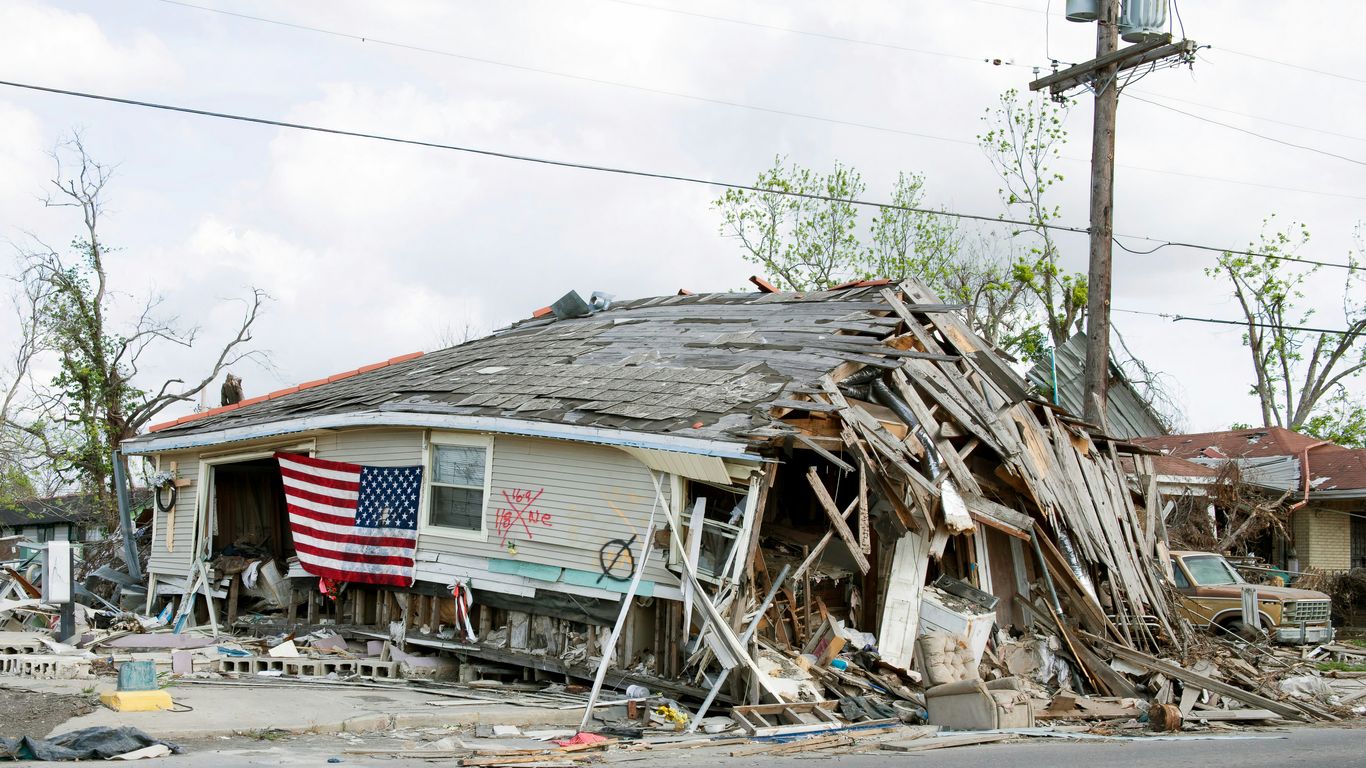
When you’re looking into earthquake insurance, it’s not just a single, simple coverage. It’s actually made up of several parts that work together to protect different aspects of your property. Think of it like building a safety net; each piece is important for full protection.
Dwelling Coverage Details
This is the main part, covering the actual structure of your house. It includes the walls, foundation, roof, and anything permanently attached to the home. If an earthquake causes damage to your house itself, this is what kicks in to help with repairs or rebuilding. It’s important to make sure the amount of coverage here is enough to rebuild your home from the ground up, considering current construction costs. This is often the largest part of your earthquake policy. You can find details about your specific coverage limits on your policy’s Declarations Page.
Coverage for Other Structures
Beyond your main house, you likely have other structures on your property. This part of the policy covers things like detached garages, sheds, fences, and retaining walls. Earthquakes can cause significant damage to these as well, and having separate coverage means you won’t have to pay out-of-pocket for their repair or replacement. The limits for these structures are usually a percentage of your main dwelling coverage, but it’s good to check the specifics.
Personal Property Protection
Your belongings inside your home are also at risk during an earthquake. This coverage helps pay to repair or replace items like furniture, electronics, clothing, and appliances that are damaged or destroyed. Standard homeowners policies often have limits on certain high-value items, and earthquake policies can work similarly. You’ll want to consider if the standard limit is sufficient for your needs, especially if you have a lot of valuable possessions.
Loss of Use Provisions
If an earthquake makes your home uninhabitable, you’ll need a place to stay and cover living expenses while your home is being repaired. This is where Loss of Use coverage comes in. It helps pay for additional living expenses like hotel stays, restaurant meals, and other costs you incur because you can’t live in your home. It’s designed to keep your life as normal as possible during a difficult time. This coverage typically has a time limit or a dollar limit, so it’s wise to understand those parameters.
Assessing Your Need for Earthquake Coverage
Even if earthquakes aren’t something you worry about every day, evaluating your risk makes sense before skipping specialized coverage. Here’s how to start:
Geographic Risk Factors
Some places are far more likely to experience severe earth movement than others. For instance, if you’re living anywhere near major fault lines — think California, parts of the Pacific Northwest, or cities like Memphis along the New Madrid fault — your risks are a lot higher. Even if big quakes feel rare where you live, smaller ones can still cause costly damage.
A helpful way to check your area’s exposure is by looking at historical data, local building codes, and proximity to known fault zones. The table below illustrates how risk can vary by region:
| Region | Approximate Annual Quake Risk | Notable Historic Events |
|---|---|---|
| Los Angeles, CA | High | Northridge 1994 |
| St. Louis, MO | Moderate | New Madrid 1811-1812 |
| Seattle, WA | High | Nisqually 2001 |
| Dallas, TX | Low | Minor events possible |
Earthquake coverage is usually most important in areas with both high quake risk and high property values.
Building Construction and Vulnerability
How your home was built matters more than you might realize. Certain building materials handle shaking better — for example, wood frames tend to flex, while unreinforced brick crumbles easily. The age of your home, foundation type, and any upgrades (like retrofits or strapping water heaters) all affect your vulnerability. Newer structures may follow updated seismic codes, so make sure you know when your building was last evaluated for earthquakes.
Consider these construction-related factors:
- Foundation type (slab, crawlspace, or raised)
- Roof structure
- Anchoring of the frame to the foundation
- Age of the building
- Retrofitting or structural upgrades completed
If you’re uncertain, a structural engineer’s review could be eye-opening.
Personal Financial Exposure
Finally, step back and ask: If an earthquake hits and causes damage, can I cover repairs or replacement out of pocket? The higher your home’s value, the more you stand to lose. Think about not just your house, but also personal belongings and the potential cost of living elsewhere if repairs take months. Earthquake policies can fill gaps left by standard property insurance — which almost never covers this peril — and protect your savings from major shocks.
People often underestimate earthquake risk until they see neighbors struggling to rebuild without solid insurance in place.
Your premium will reflect things like location, building characteristics, and coverage choices (factors affecting insurance pricing). Even if you decide against a full earthquake policy, knowing your risk can help you plan for other ways to protect yourself.
Navigating Policy Limits and Deductibles
When you’re looking at earthquake insurance, understanding the numbers is pretty important. It’s not just about knowing you have coverage; it’s about knowing how much coverage and what your part of the cost will be when something happens.
Understanding Coverage Limits
Think of coverage limits as the maximum amount your insurance company will pay out for a covered loss. For earthquake insurance, these limits are often tied to the overall value of your home and its contents. It’s usually a dollar amount, and it’s important to make sure this amount is high enough to actually rebuild or replace what you’ve lost. If your home is worth $500,000, you’ll want a policy that reflects that value, not one capped at $200,000.
Here’s a quick look at how limits work:
- Dwelling Limit: The maximum payout for damage to your house itself.
- Other Structures Limit: Covers things like detached garages or fences, usually a percentage of the dwelling limit.
- Personal Property Limit: The maximum for your belongings inside the home.
- Loss of Use Limit: Covers additional living expenses if you can’t stay in your home.
The Role of Deductibles in Claims
Now, about deductibles. This is the amount you, the policyholder, have to pay out of pocket before your insurance kicks in. Earthquake deductibles are often quite different from standard home insurance. They are frequently a percentage of your home’s insured value, not a fixed dollar amount. So, a 10% deductible on a $500,000 home means you’d be responsible for the first $50,000 of the damage.
It’s a big number, and it’s why people sometimes hesitate. However, choosing a higher deductible can lower your premium, but it means you’ll have more out-of-pocket costs if you file a claim. It’s a trade-off to consider based on your financial situation and risk tolerance.
Impact of Sublimits on Specific Items
Beyond the main coverage limits and deductibles, some policies have sublimits. These are smaller, specific limits that apply to certain types of property or types of damage. For example, you might have a sublimit for valuable items like jewelry or art, or for specific types of repairs. It’s really important to read your policy carefully to see if any sublimits apply to things you own that are particularly valuable or if there are specific conditions for certain types of damage.
Understanding these financial aspects – the limits, the deductibles, and any sublimits – is key to knowing what your earthquake insurance policy will actually do for you when you need it most. Don’t just assume you’re covered; know the details.
The Claims Process for Earthquake Damage
When the ground shakes and your property sustains damage, understanding how to file an earthquake insurance claim is your next important step. It’s not always straightforward, and having a clear picture of what to expect can make a big difference.
Initiating an Earthquake Claim
After an earthquake, the first thing you’ll need to do is contact your insurance company to report the damage. This is often called providing ‘notice of loss.’ It’s best to do this as soon as possible, as policies usually have time limits for reporting. You can typically do this by phone, through your insurer’s website, or via their mobile app. Be prepared to provide your policy number and a general description of the damage. Prompt notification is key to a smoother process.
Investigation and Documentation Requirements
Once you’ve filed the claim, the insurance company will assign an adjuster to your case. This person’s job is to assess the damage and determine if it’s covered by your policy. They’ll likely want to inspect your property, so make sure it’s accessible. You’ll also need to gather any documentation that supports your claim. This could include:
- Photographs or videos of the damage (before and after, if possible)
- A detailed list of damaged or destroyed items
- Repair estimates from qualified contractors
- Receipts for any temporary repairs you’ve made to prevent further damage
- Police or fire department reports, if applicable
It’s important to be thorough and organized. This detailed information helps the adjuster understand the extent of the loss and verify coverage against the policy. Remember, insurers need to investigate causation to confirm the earthquake was the direct cause of the damage.
Valuation Methods for Damaged Property
Figuring out how much your damaged property is worth can be complex. Earthquake insurance policies typically use one of a few methods to value losses:
- Replacement Cost: This pays to repair or replace your damaged property with similar materials and quality, without deducting for depreciation. This is often preferred for the main dwelling.
- Actual Cash Value (ACV): This pays the replacement cost minus depreciation. Depreciation accounts for the age and wear and tear of the item. This method is often used for personal property.
- Agreed Value: You and the insurer agree on the value of your property before the policy is issued. This value is what will be paid out in a total loss.
Your policy documents will specify which valuation method applies to different parts of your coverage. Understanding these methods is vital for knowing what to expect in a settlement.
Filing an earthquake claim involves several steps, from initial notification to the final settlement. Being prepared with documentation and understanding the valuation methods used by your insurer can help manage expectations and facilitate a fair resolution. It’s also good to be aware of consumer protection rights during this process.
Exclusions and Limitations in Coverage
Even with earthquake insurance, it’s super important to know what’s not covered. Policies aren’t designed to pay for absolutely everything. They have specific exclusions and limitations to manage risk and keep premiums reasonable. Think of it like this: your policy is a contract, and like any contract, it has boundaries. Understanding these boundaries upfront can save you a lot of heartache and confusion if you ever have to file a claim.
Common Exclusions in Earthquake Policies
Most earthquake policies won’t cover damage from things that aren’t directly caused by the shaking itself. This often includes:
- Fire following an earthquake: While the earthquake might cause the fire, the fire damage itself might be covered under a separate fire policy or a standard homeowners policy, not the earthquake endorsement. It really depends on the specifics of your policy and how the fire started.
- Water damage from floods or tsunamis: Earthquakes can cause these, but they are usually considered separate perils. You’d typically need separate flood insurance or a specific endorsement for this kind of damage.
- Damage to land or landscaping: Things like landslides, ground movement that isn’t directly structural, or damage to your garden are usually excluded.
- Damage to swimming pools or fences: These are often considered secondary structures with their own specific limits or exclusions.
- Loss of use if you can’t live in your home due to a covered peril, but the damage itself isn’t covered: This sounds complicated, but basically, if the reason you can’t live there isn’t a covered earthquake event, you won’t get paid for your temporary living expenses.
Understanding Policy Expiration and Renewal
Policies have a set term, and when that term ends, the coverage stops unless it’s renewed. This might seem obvious, but it’s a critical point. If an earthquake happens right around the time your policy expires and you haven’t renewed, you might be out of luck. Insurers will send renewal offers, but it’s your responsibility to review them and make sure the coverage is still adequate and that you’ve accepted the new terms. Sometimes, insurers might change their terms or even decide not to renew certain policies, especially in high-risk areas. It’s always a good idea to keep an eye on your policy’s expiration date and start looking into renewal well in advance. You can find more information about policy terms on [bc68].
The Impact of Concurrent Causation
Concurrent causation is a tricky concept in insurance. It basically deals with situations where more than one cause contributes to a loss, and one of those causes might be excluded while another is covered. For example, if an earthquake causes a fire, and the fire causes damage, how is that loss handled? Historically, if an excluded peril (like fire following earthquake) was one of the causes, the entire claim might be denied. However, many policies now have specific language to address this. Some policies might still deny the claim if an excluded peril is a direct cause, while others might pay for the portion of the loss caused by the covered peril (the earthquake itself). It really boils down to the exact wording in your policy. It’s a complex area, and if you’re facing a situation like this, it’s best to consult with your insurance provider or an insurance professional to understand how your specific policy applies.
It’s really important to read your policy documents carefully. Don’t just skim them. Pay close attention to the sections on exclusions and limitations. If anything is unclear, ask questions. Your insurance agent or broker is there to help you understand these details, and it’s much better to get clarification before a loss occurs than after.
Factors Influencing Premium Costs
Premium costs for earthquake insurance can catch you off guard if you don’t know what goes into the calculation. Insurance companies don’t just pull numbers out of thin air—they rely on a bunch of real-world factors to figure out how risky your property is and how much it might cost them if disaster hits. Several underlying elements may drive your premium higher or lower, so it’s worth understanding them before you’re surprised by a bill.
Risk Classification and Rating
Insurers look closely at where you live and what kind of property you have. Risk is never a one-size-fits-all deal. Here’s what they consider:
- Location hazards: Proximity to known fault lines or earthquake-prone regions gets extra scrutiny.
- Your property’s history: If you’ve had frequent claims or live in an area with past losses, that matters.
- How your property is built: Materials, construction type, and age affect vulnerability.
- Local safety efforts: Communities with better disaster preparedness might see better rates.
You can read more about how insurers factor in your area’s susceptibility to natural disasters in this look at personal property insurance costs.
The Influence of Building Codes
Building codes play a much bigger role than many homeowners expect. Modern codes typically call for stronger construction that stands up to quakes. Here’s how codes influence premiums:
- If your home was built after stricter standards came into effect, you likely get a break on your premium.
- Older homes that haven’t been updated may cost more to insure, since they’re more likely to be damaged.
- Retrofitting an old building to meet current codes can result in discounts.
| Construction Year | Typical Premium Impact |
|---|---|
| Built after 2000 | Lower premium |
| 1980–1999 | Moderate premium |
| Before 1980 | Higher premium |
When it comes to earthquake insurance, newer construction generally rewards your wallet, but your insurer will want documentation for any major upgrades or retrofitting.
Impact of Deductible Choices on Premiums
Deductibles are what you pay out-of-pocket before your insurance kicks in. There’s always a tradeoff:
- Higher deductible → Lower premium (you absorb more of the loss if an earthquake hits).
- Lower deductible → Higher premium (the insurer covers more early on).
- Deductibles are often a percentage of your coverage, so a high-value property means a bigger chunk to pay.
For a quick sense of the math:
| Deductible Level | Example Premium Adjustments |
|---|---|
| 5% of coverage | Higher premium |
| 10% of coverage | Moderate premium |
| 20%+ of coverage | Substantially lower premium |
Sometimes, the insurance market itself can affect your choices—if there’s been a jump in catastrophic losses or rising reinsurance costs, companies may require higher deductibles or push premiums up across the board.
Choosing your coverage limits and deductibles is always a balance between affordability now and financial exposure later. By tweaking them, you can control your premium to some degree, but just be sure you can actually cover your deductible if the worst happens.
When to Consider Supplemental Coverage
Sometimes, the earthquake insurance policy you have, or even a standard homeowners policy, might not cover everything you’d expect. This is where supplemental coverage comes into play. It’s like adding an extra layer of protection for specific situations or higher-value items that might otherwise be underinsured.
Evaluating Gaps in Standard Policies
Standard homeowners insurance policies typically exclude earthquake damage. If you live in a seismically active area, you’ve likely already purchased a separate earthquake policy. However, even these specialized policies can have limitations. For instance, they might not cover certain types of damage, or they could have lower limits for personal property or detached structures like sheds or guest houses. It’s worth taking a close look at your existing earthquake policy to see what it doesn’t cover. Think about things like landscaping, swimming pools, or even certain types of fences – these are often excluded from standard earthquake coverage.
The Role of Excess and Umbrella Policies
Excess and umbrella policies are designed to provide an additional layer of liability protection above your primary policies. While they don’t typically add coverage for direct property damage from an earthquake, they can be incredibly important if an earthquake causes damage to someone else’s property or injures someone, and you’re found liable. For example, if a tree from your property falls onto a neighbor’s house during an earthquake, causing significant damage, your standard liability coverage might not be enough. An umbrella policy could kick in to cover the excess damages, protecting your assets.
Specialty Insurance for Unique Risks
Beyond standard and excess policies, there’s a whole category of specialty insurance. This is for risks that are particularly unusual or high-value. For earthquake coverage, this might mean looking into specific endorsements or separate policies for things like:
- Business Interruption: If your home-based business suffers damage and you can’t operate, this could cover lost income.
- High-Value Personal Property: If you have a significant collection of art, jewelry, or other valuables, your standard policy might have sublimits that don’t adequately cover their replacement cost after a major event.
- Outbuildings and Structures: Coverage for detached garages, workshops, or other specialized structures might need to be increased beyond what your primary policy allows.
It’s important to remember that supplemental insurance isn’t just about buying more coverage; it’s about buying the right coverage for the specific risks you face. A thorough review of your assets and potential liabilities, especially in earthquake-prone regions, is key to identifying where gaps might exist and how supplemental policies can fill them.
Working with Your Insurance Provider

When you’re dealing with insurance, especially something as specific as earthquake coverage, how you interact with your insurance company really matters. It’s not just about paying premiums; it’s about clear communication and understanding what’s expected from both sides. Think of it like a partnership, where both you and the insurer have responsibilities to make sure everything runs smoothly, particularly when a claim happens.
Disclosure Obligations During Application
Applying for earthquake insurance means you have to be upfront about everything that could affect the insurer’s decision. This is part of what’s called the principle of utmost good faith. You need to tell them about any material facts – basically, any information that would influence their decision to offer you coverage or how they price it. This could include things like the age of your home, its construction materials, any past earthquake damage, or even if you’ve done any seismic retrofitting. Failing to disclose something important, even if you didn’t mean to, could cause problems later. It’s better to overshare than to leave something out that the insurer might consider significant.
- Be Honest: Provide accurate information about your property and its history.
- Disclose Material Facts: Share details that could impact the insurer’s risk assessment.
- Ask Questions: If you’re unsure what to disclose, ask your agent or the insurance company directly.
Understanding Insurer Responsibilities
Your insurance provider has a set of duties too. They need to clearly explain the terms of your policy, including what’s covered, what’s not, and how claims are handled. They’re responsible for investigating claims fairly and promptly. If they deny a claim, they should provide a clear explanation based on the policy terms. Sometimes, insurers might issue a "reservation of rights" letter. This basically means they’re investigating your claim but are reserving their right to deny it later if their investigation reveals it’s not covered. It’s a way for them to protect themselves while still looking into the situation.
Insurers are obligated to act in good faith when handling claims. This means they should not unreasonably delay or deny payments for covered losses. Transparency in communication and adherence to policy terms are key aspects of this responsibility.
Resolving Coverage Disputes
Sometimes, you and your insurer might not see eye-to-eye on whether a loss is covered or how much it should be worth. This is where dispute resolution comes in. Often, the first step is simply talking it through with your claims adjuster or a supervisor. If that doesn’t work, many policies have specific procedures for resolving disagreements, like an appraisal process where you and the insurer each get an expert to assess the damage, and then those experts agree on a value. If that still doesn’t lead to a resolution, you might consider mediation, arbitration, or even legal action, though these steps usually come with additional costs and time.
- Review Policy Language: Carefully read the sections related to the disputed coverage.
- Gather Documentation: Collect all relevant evidence, including photos, repair estimates, and correspondence.
- Seek Clarification: Request a detailed written explanation for any claim denial or coverage decision.
Mitigating Risks Beyond Insurance
Even if you have earthquake insurance, it doesn’t mean you’re off the hook when it comes to taking steps to limit your losses. Insurance shifts some of the financial risk, but it can’t stop damage from happening in the first place. That’s why risk reduction outside of just buying coverage is so important. Here are some practical ways to keep your home and your loved ones safer.
Home Retrofitting and Structural Improvements
Older houses, especially those built before modern earthquake codes, can have real vulnerabilities. Retrofitting is the process of adding braces, anchors, or other materials to help your house withstand shaking. Sometimes this means:
- Securing the foundation with bolts or steel plates
- Reinforcing cripple walls with plywood shear panels
- Strapping down heavy machinery, water heaters, and gas lines
- Installing automatic gas shut-off valves
Here’s a simple table showing common retrofitting improvements and their average cost ranges:
| Improvement | Typical Cost Range |
|---|---|
| Foundation Bolting | $3,000 – $7,000 |
| Shear Wall Reinforcement | $2,500 – $10,000 |
| Chimney Bracing | $500 – $3,000 |
| Gas Shut-off Valve | $300 – $800 |
Doing even one or two of these projects can seriously lower your odds of catastrophic damage if an earthquake hits.
Securing Personal Belongings
Losses aren’t just about the building; your stuff can get wrecked too. Taking time to anchor and secure fragile or important belongings is simple but makes a big difference. Focus on:
- Fastening tall furniture, like bookshelves and cabinets, to wall studs
- Using putty or museum wax for valuables and electronics
- Securing wall-mounted TVs with safety straps
- Placing heavy items on lower shelves
- Storing hazardous substances, like chemicals or cleaning products, in latching cabinets
These small actions don’t take much time or money, but they can keep your property (and your family) from harm.
Developing an Emergency Preparedness Plan
Having a plan before an earthquake makes everything less chaotic. It’s not just about packing a first-aid kit—although that’s useful too. Consider these steps:
- Identify the safest spots in each room (away from windows, under sturdy furniture)
- Discuss and practice evacuation routes from your home
- Make sure everyone knows how to use emergency supplies
- Store water, food, and medication for at least 72 hours
- Prepare a contact list, including out-of-area family or friends
Sometimes, the hardest part of disaster recovery is those first hours or days. Clear instructions and supplies help you stay safe and focused.
Final Thoughts
Earthquake risk isn’t something you erase with a single policy. By combining proactive home improvements, practical steps to secure belongings, and a solid family plan, you lower risk on multiple fronts. While insurance can reimburse you after a loss, these measures spare you a lot of trouble, disruption, and grief when the ground starts to shake.
Wrapping Up Your Earthquake Insurance
So, we’ve talked a lot about earthquake insurance. It’s not the most exciting topic, I know, but it’s really important if you live in an area where the ground shakes. Think of it like having a spare tire for your house – you hope you never need it, but you’re sure glad it’s there if you do. Making sure you understand what your policy covers, what it doesn’t, and how much it’s going to cost is key. Don’t just assume you’re covered for everything. Take the time to read the fine print, ask questions, and figure out what makes sense for your situation. It might seem like a hassle now, but dealing with earthquake damage without insurance? That’s a whole different level of headache. Getting the right protection means you can focus on rebuilding, not worrying about how to pay for it all.
Frequently Asked Questions
What is earthquake insurance and how does it work?
Earthquake insurance is a special type of policy that helps pay for repairs or rebuilding if your home or belongings are damaged by an earthquake. It usually covers things that regular homeowners insurance does not, since most standard policies do not include earthquake damage.
Does my regular homeowners insurance cover earthquake damage?
No, most standard homeowners or renters insurance policies do not cover damage caused by earthquakes. You need to buy a separate earthquake insurance policy if you want this protection.
What does earthquake insurance usually cover?
Earthquake insurance usually covers your house, other buildings on your property like garages, your personal things, and sometimes extra living costs if you have to move out while repairs are being made. It’s important to check your policy to see exactly what is included.
What are policy limits and deductibles in earthquake insurance?
Policy limits are the maximum amount your insurance will pay for a claim. Deductibles are the amount you have to pay out of your own pocket before your insurance starts to pay. Earthquake insurance deductibles are often a percentage of your home’s insured value, not a flat dollar amount.
How do I know if I need earthquake insurance?
You should think about earthquake insurance if you live in an area where earthquakes are more likely to happen, like along fault lines. Also consider how your house is built, how much it would cost to repair, and if you could afford to rebuild without insurance.
Are there things that earthquake insurance does not cover?
Yes, earthquake insurance usually does not cover things like damage to land, fences, pools, or vehicles. It also may not pay for damage caused by floods, even if an earthquake caused the flood. Always read your policy for details.
How do I file a claim after an earthquake?
If your home is damaged by an earthquake, contact your insurance company as soon as possible. Take photos of the damage, keep all receipts for repairs, and follow your insurer’s instructions. An adjuster may visit your home to inspect the damage.
Can I lower my earthquake insurance premium?
You might be able to lower your premium by making your home stronger, like by retrofitting it to better withstand earthquakes. Choosing a higher deductible can also lower your monthly cost, but remember you’ll pay more out of pocket if you have a claim.